Choosing the right nicotine packaging machine manufacturer for your business in South Africa can determine product quality, regulatory compliance, and long-term profitability. This guide walks you through practical steps — from assessing machine performance to understanding local customs and after-sales needs — so you can confidently select a supplier that suits your market, output targets, and operational realities.
🔍 Understand Your Product and Production Requirements
Start by documenting what you plan to package: nicotine pouches, snus, powders, liquids, or multi-format lines. Key parameters to define include daily throughput (pieces/hour), packaging format (stick pack, sachet, multi-lane pouch), pouch materials (foil, laminated film, paper), and dosing accuracy. In South Africa, many brands favor compact, retail-ready formats that match local shelf shelving and consumer preferences — so think about final pack dimensions, reclosable features, and aesthetic finishes.
⚙️ Evaluate Technical Capabilities and Machine Types
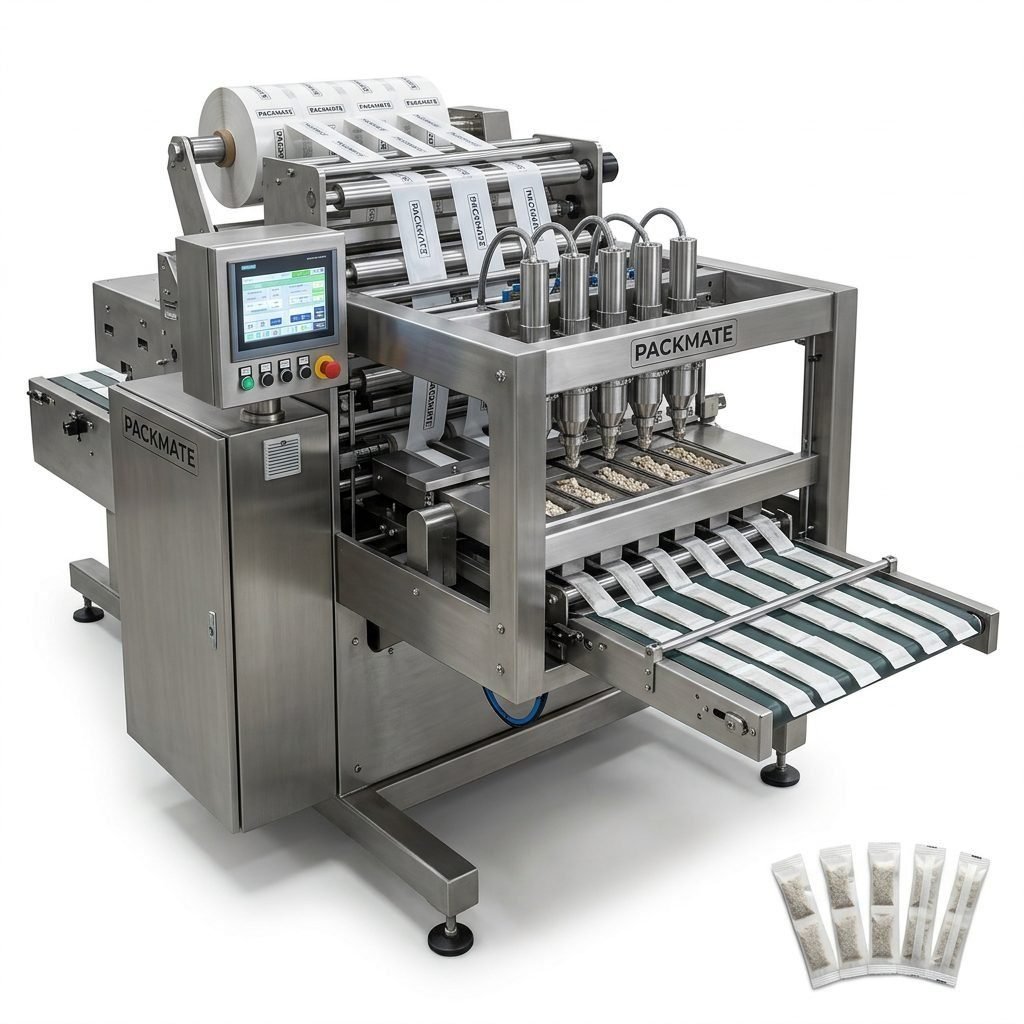
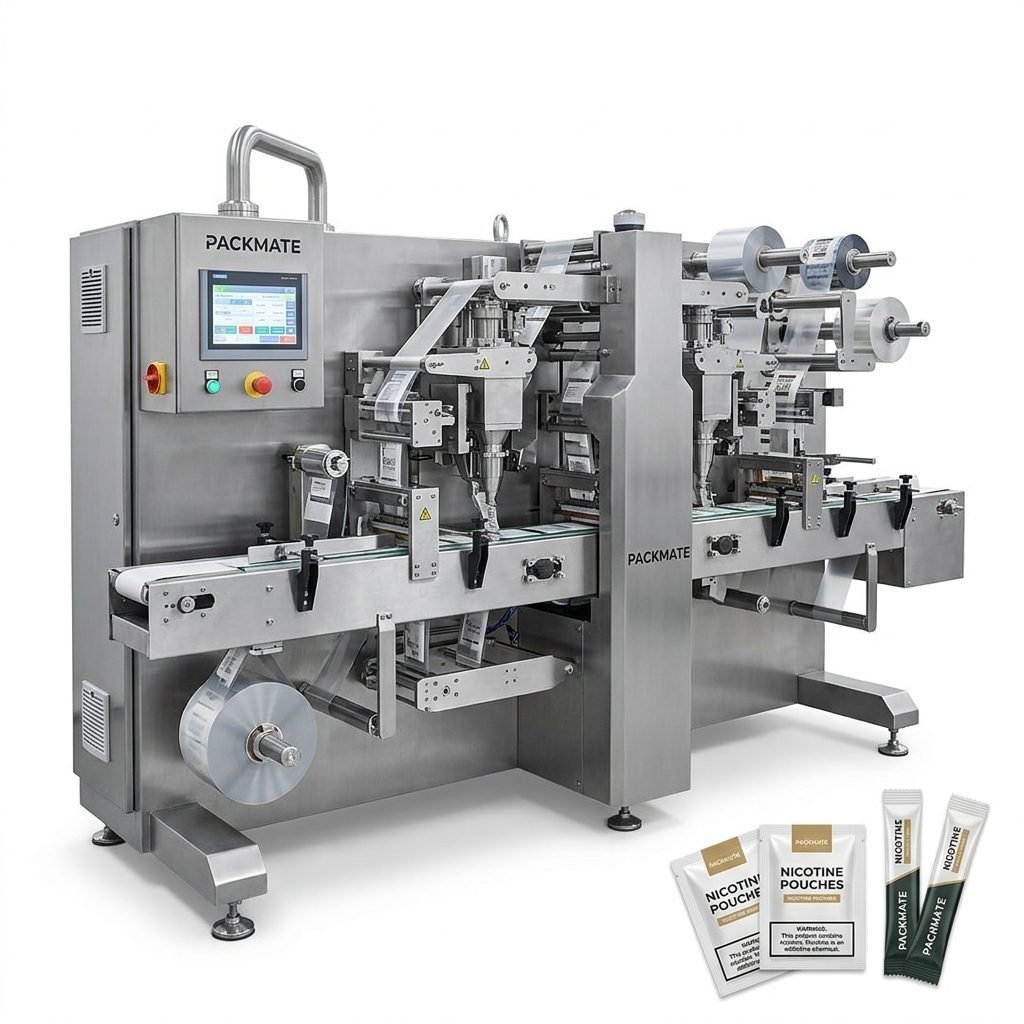
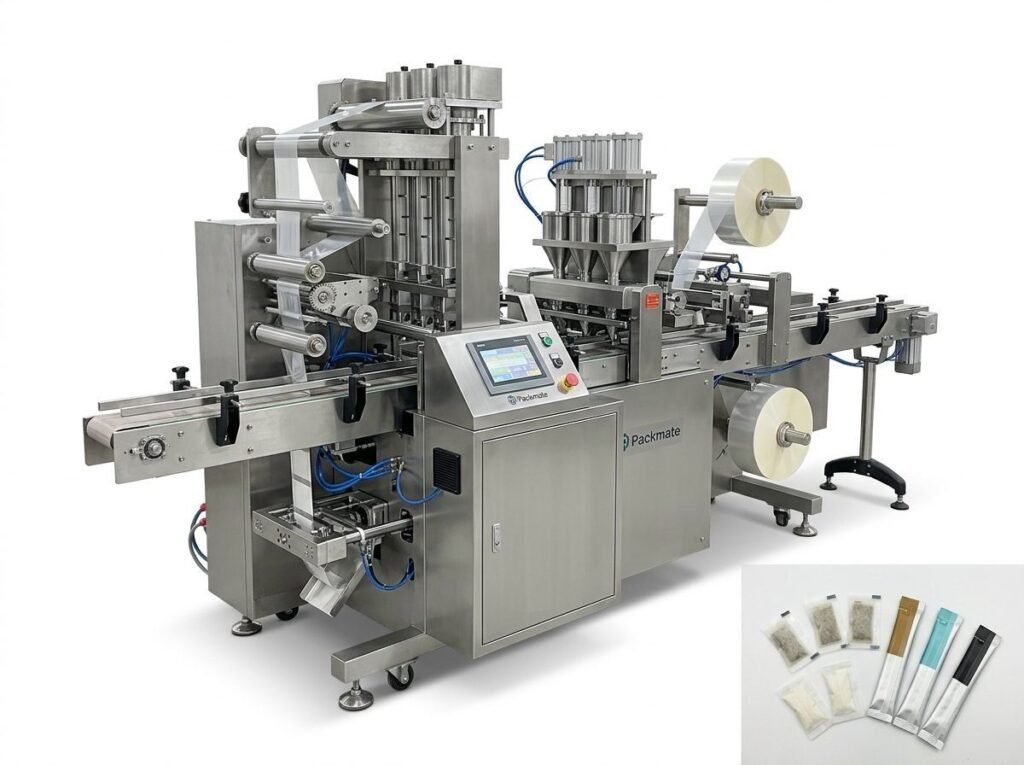
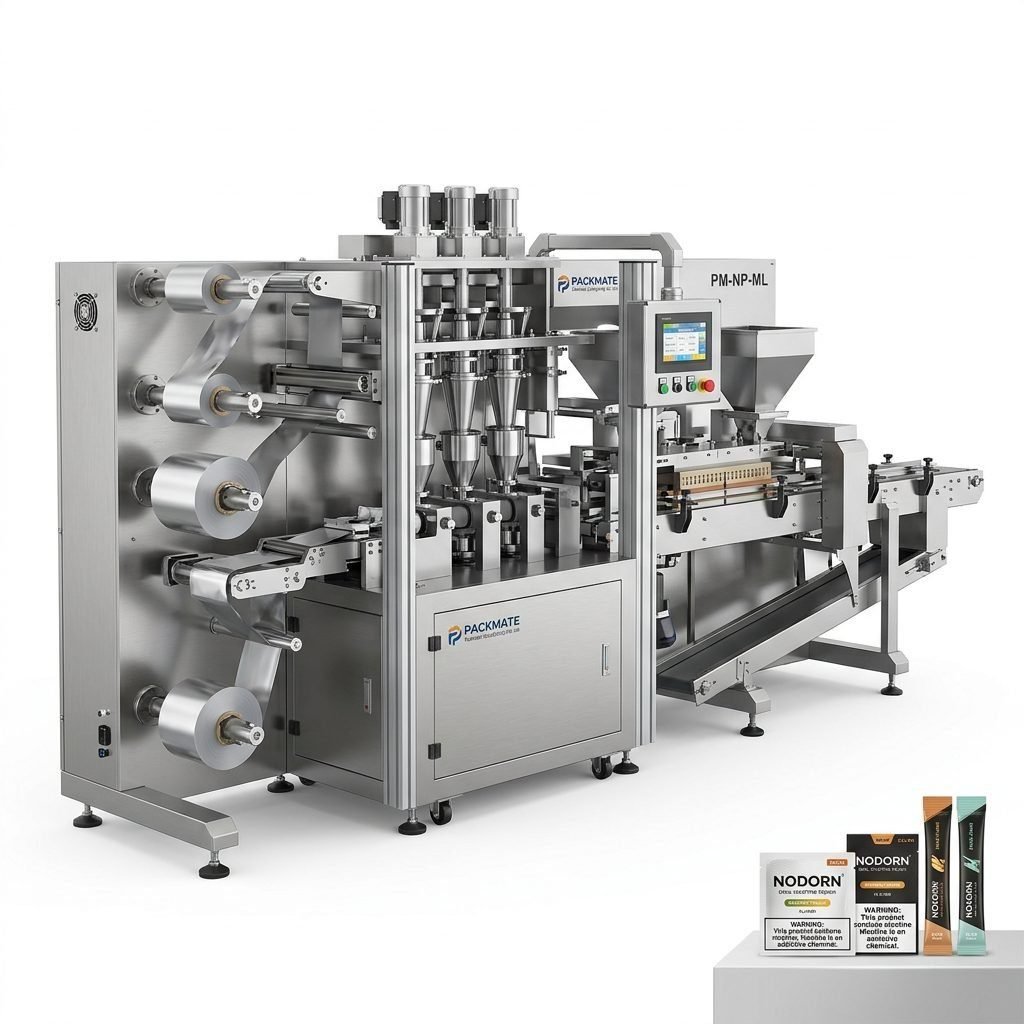
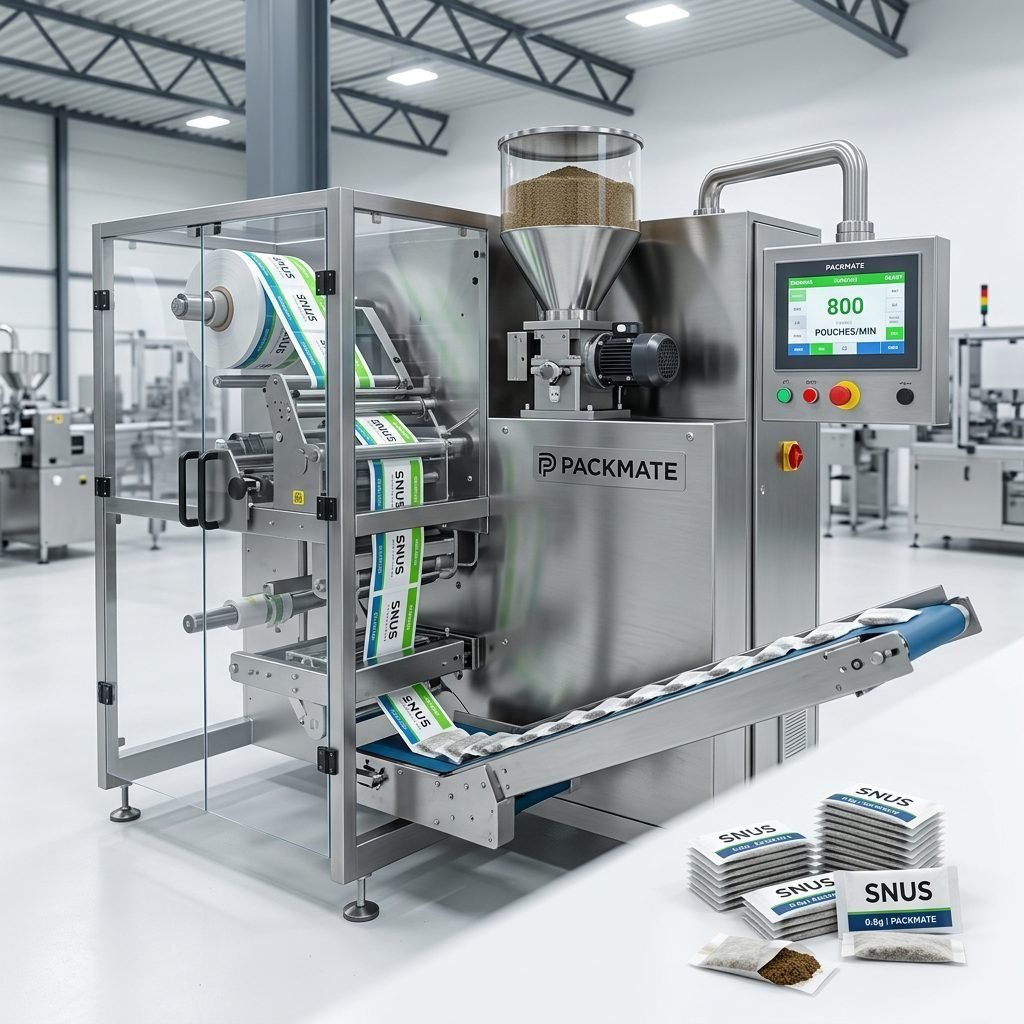
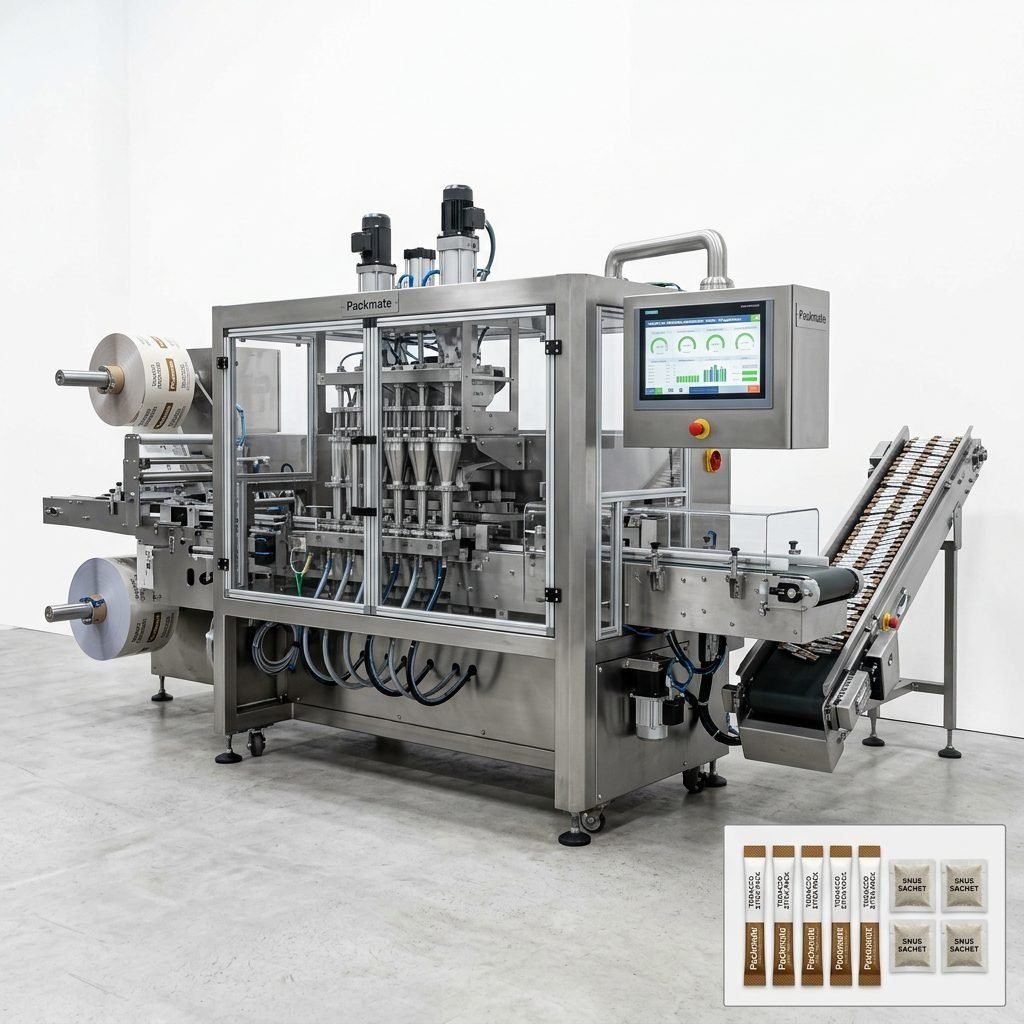
Compare machine technologies: continuous stick pack lines, intermittent sachet systems, and multi-lane pouch lines each have advantages. Look for manufacturers that provide a range of options so you can scale up without replacing your entire line. For reference, specialized suppliers such as Snus & Nicotine Packaging Machines offer tailored machines optimized for nicotine pouch production.
Key technical criteria
- Accuracy of dosing (mg tolerance)
- Production capacity and lane scalability
- Changeover time and format flexibility
- Material compatibility and sealing technology
- Control systems: PLC, HMI, and remote diagnostics
- Sanitation and cleanability for tobacco/nicotine residues
🏭 Factory Strength, Certifications and Track Record
Assess the manufacturer’s production capability and reputation. A strong factory footprint, advanced CNC centers, and a formal quality system reduce delivery risk. For example, a manufacturer with a 20,000㎡ facility, 30+ years of experience, and CE/ISO certifications indicates mature processes and international compliance. You can learn more about company background and credentials at the About Packmate page.
📦 Turnkey Solutions vs. Single Machines
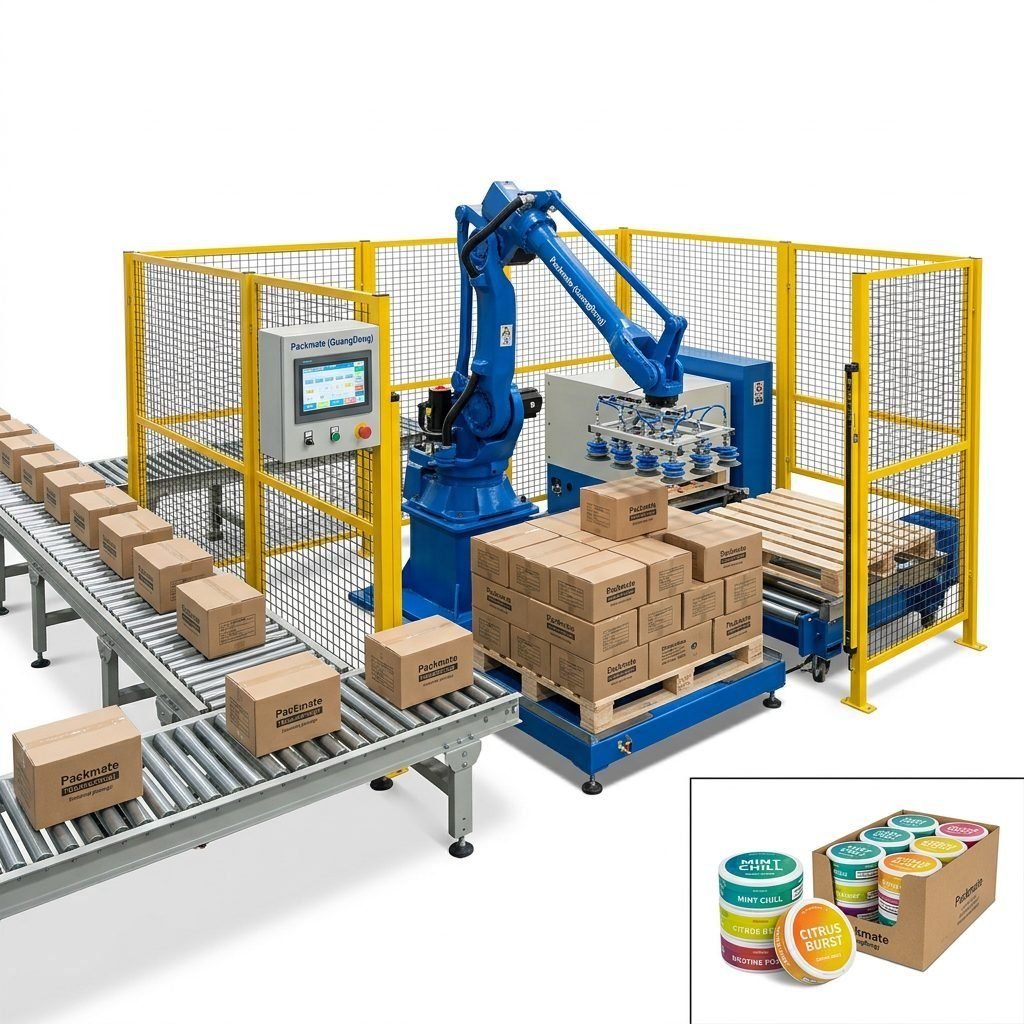
Decide whether you need a single packing machine or a complete production line that includes feeding, weighing, sealing, and secondary packaging. Turnkey suppliers who provide integrated filling and packaging lines can shorten commissioning time and reduce system compatibility issues. Explore options such as integrated Filling & Packaging Lines and weighing solutions.
Advantages of turnkey providers
- Single responsibility for design and commissioning
- Optimized integration between upstream and downstream equipment
- Streamlined training and unified documentation
📜 Compliance, Labelling and South African Regulations
South Africa has specific rules regarding tobacco and nicotine product labelling and advertising. While regulations evolve, ensure your packaging machine can adapt to required label printing, batch coding, and tamper-evident features. Choose a manufacturer familiar with international standards (CE, ISO) and with experience supplying to regulated markets.
Local preferences also matter: South African consumers often value clear ingredient information, bilingual labels in English and Afrikaans (or localized languages for targeted regions), and packaging that suits both retail counters and informal trade channels. Ensure your chosen line can accommodate these labeling and finishing needs.
🤝 After-Sales Service, Training and Local Support
After-sales service is critical when operating complex packaging lines thousands of kilometers from a supplier’s factory. Evaluate the manufacturer’s service network, spare parts provisioning, and ability to provide remote troubleshooting. Suppliers offering installation, on-site training, and documented maintenance schedules reduce downtime risk.
If a manufacturer offers case studies or references from international customers, review those for responsiveness and long-term support. Packmate’s global footprint and project cases provide useful evidence of after-sales capability — see real projects via their Case page.
💸 Total Cost of Ownership and Financing
Beyond the purchase price, calculate installation, commissioning, operator training, spare parts, consumables, and energy costs. A slightly higher upfront cost may be justified by lower downtime and better yield. Ask vendors for a projected Total Cost of Ownership (TCO) analysis for your expected production horizon (3–7 years).
- Energy consumption and compressed air usage
- Wear part replacement frequency
- Planned maintenance intervals and ease of access
- Machine lifespan and resale value
🛠️ Spare Parts, Upgradability and Local Fabrication
Prefer manufacturers who provide detailed spare parts lists, local distributors, or the option to source standardized components regionally. Consider modular machines that allow incremental upgrades — for example, adding lanes or automation modules as demand grows. This flexibility is especially valuable in the South African market where demand can shift with regulatory or retail changes.
🚚 Logistics, Lead Times and Import Considerations
If machines are imported, factor in shipping times, customs duties, and local taxes. Work with suppliers experienced in exporting to Africa to avoid unexpected delays. Ask for CIF or DDP quotes and request documentation that speeds customs clearance. Some vendors offer pre-shipment testing and video walkthroughs to reduce on-site commissioning time.
🔎 Factory Acceptance Testing and Site Acceptance
Insist on Factory Acceptance Tests (FAT) to verify machine performance using your materials or simulants before shipment. FAT reports and video evidence help ensure the machine meets agreed KPIs. After installation in South Africa, a structured Site Acceptance Test (SAT) should confirm performance under local utilities and materials.
- Run rate verification with target product
- Dosing accuracy tests and weight distribution
- Sealing strength and package integrity
- Changeover demonstration and tool-less adjustments
🌍 Cultural & Market Considerations in South Africa
South Africa’s diverse consumer base and retail landscape influence packaging design: from premium urban boutiques in Cape Town and Johannesburg to township retailers and informal markets. Consider packaging durability for varying climates, and ensure labeling supports local languages where relevant. Certain communities prefer discreet packaging and small-format packs — ensure your line can produce those variants without costly changeovers.
✅ How to Shortlist and Validate Suppliers
Create a weighted scorecard to compare suppliers on technical fit, quality certifications, service footprint, TCO, references, and lead time. Request:
- Machine datasheets and electrical/utility requirements
- Reference contacts and case histories (preferably regional)
- Warranty terms and spare parts policies
- Installation and training plans
If you want to see a supplier in action, plan to attend industry exhibitions where suppliers demonstrate live machines. Details about upcoming events and exhibitions can be found on the manufacturer’s Our Exhibition page.
📞 Next Steps: Engagement and Negotiation
When you’re ready to engage, ask for a detailed proposal that includes technical drawings, electrical diagrams, clear acceptance criteria, payment terms, and after-sales SLAs. Negotiate items such as spare parts kits, extended warranty options, and training packages. Ensure intellectual property for custom tooling and formats is clarified in the contract.
For direct contact and pre-sales service, manufacturers usually provide local channels. You can check their Contact Us page for specific teams and regions.
💡 Final Considerations Before Purchase
Useful Resources
❓ Frequently Asked Questions
Q: How long does it take to install a complete nicotine pouch production line in South Africa?
A: Typical delivery and installation timelines vary by scope. Expect 12–20 weeks for manufacturing and shipping, plus 2–6 weeks for on-site installation and commissioning depending on customs clearance and site readiness.
Q: What certifications should I require from the manufacturer?
A: Request CE and ISO certifications as baseline indicators. For regulated nicotine products, also verify electrical safety, machine guarding, and traceability documentation. Manufacturers with documented FAT/SAT procedures are preferred.
Q: Can the machines handle different pouch sizes and materials?
A: Many modern machines are designed for quick format changeovers and can handle a range of pouch sizes and film types. Verify changeover times, tooling costs, and whether the supplier provides spare format kits.
Q: What after-sales support should I expect?
A: Expect installation, operator training, spare parts lists, and remote diagnostic support. Ideally the supplier provides spare parts kits, recommended maintenance schedules, and options for extended warranty.
Q: How do I verify the supplier’s real-world performance?
A: Ask for case studies, client references (ideally in similar markets), FAT video evidence, and site visit opportunities. Reviewing actual production footage and speaking with reference clients will give the clearest picture of long-term reliability.