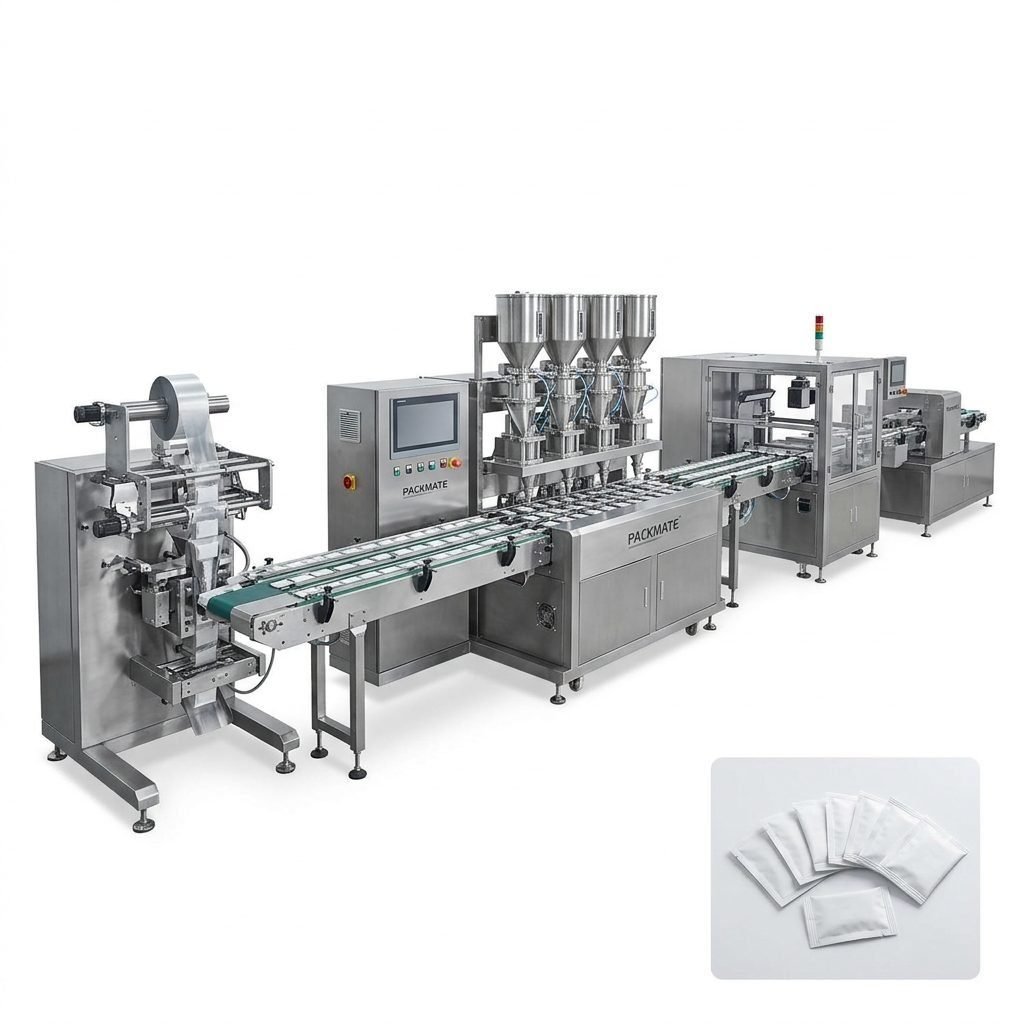
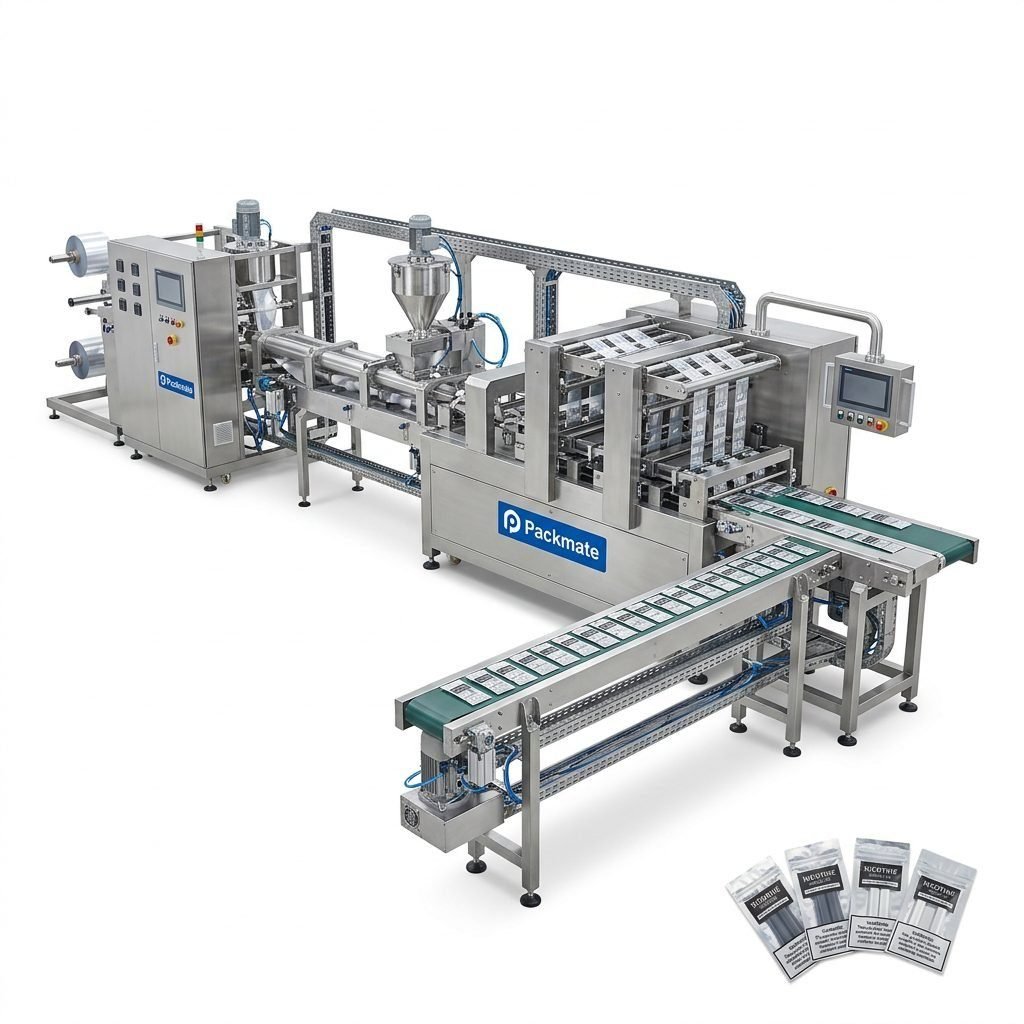
Choosing the right snus packaging machine for the Libyan market requires more than comparing speeds and prices. Local climate, supply chain realities, regulatory requirements, and consumer preferences all shape which system will deliver reliable production and a fast return on investment. This guide walks packaging managers, factory owners, and purchasing teams through the practical factors to consider, the machine types that suit snus and nicotine pouches, recommended supplier attributes, and a clear buying checklist tailored to operations in Libya.
Why the Packaging Choice Matters in Libya
Libya’s market environment is unique: it has a predominantly Arab population with conservative consumer habits, hot and often dusty climate conditions, and logistical constraints that can affect equipment delivery and maintenance. Many importers and local distributors emphasize discreet, compact packaging for retail convenience and efficient shelf display. For manufacturers and investors, the right packaging machine reduces waste, ensures legal compliance, and improves product consistency — all critical for building trust with retailers and consumers.
🔍 Key Libya Considerations
Climate: high temperatures may affect adhesive seals and pouch materials.
Power & Service: ensure stable electricity use or provide for voltage stabilization and local technical training.
Regulation & Labeling: Arabic labeling, warnings, and import certificates must be planned before production.
Distribution: consider packaging size for small retail outlets and discreet transport.
Key Technical Factors to Evaluate
When evaluating machines, focus on functionality that directly affects product quality, uptime, and operational cost.
Production Speed & Capacity
Speed is essential, but match machine throughput to realistic market demand. For startups or local producers selling to small shops, a medium-speed line with consistent quality may be better than a high-speed system that requires complex maintenance. Choose a machine with flexible lane options (single to multi-lane) so you can scale output as demand grows.
Filling Accuracy & Dose Control
Nicotine pouch weight precision is critical for regulatory compliance and customer safety. Look for high-precision dosing systems and integrated weighing options to minimize overfill and reduce material waste. Integrating a reliable weighing module can dramatically cut variability.
Material Compatibility & Sealing
The local climate in Libya demands strong seals and heat-resistant films. Machines that support multi-material compatibility (aluminum foil, PE, PET laminates) and offer adjustable sealing temperature controls are preferred. Good film transport and tension control reduce seal defects in dusty or hot environments.
Automation, Changeover & Usability
Ease of operation and fast format changeover save money on labor and reduce downtime. Intuitive HMI, recipe storage, and quick tooling swap features are valuable for Libyan factories that may rely on smaller technical teams.
Machine Types and Which Fits Your Needs
Different packaging formats suit different market channels. Below are common machine types and links to reference models and product families.
📌 Common machine choices:
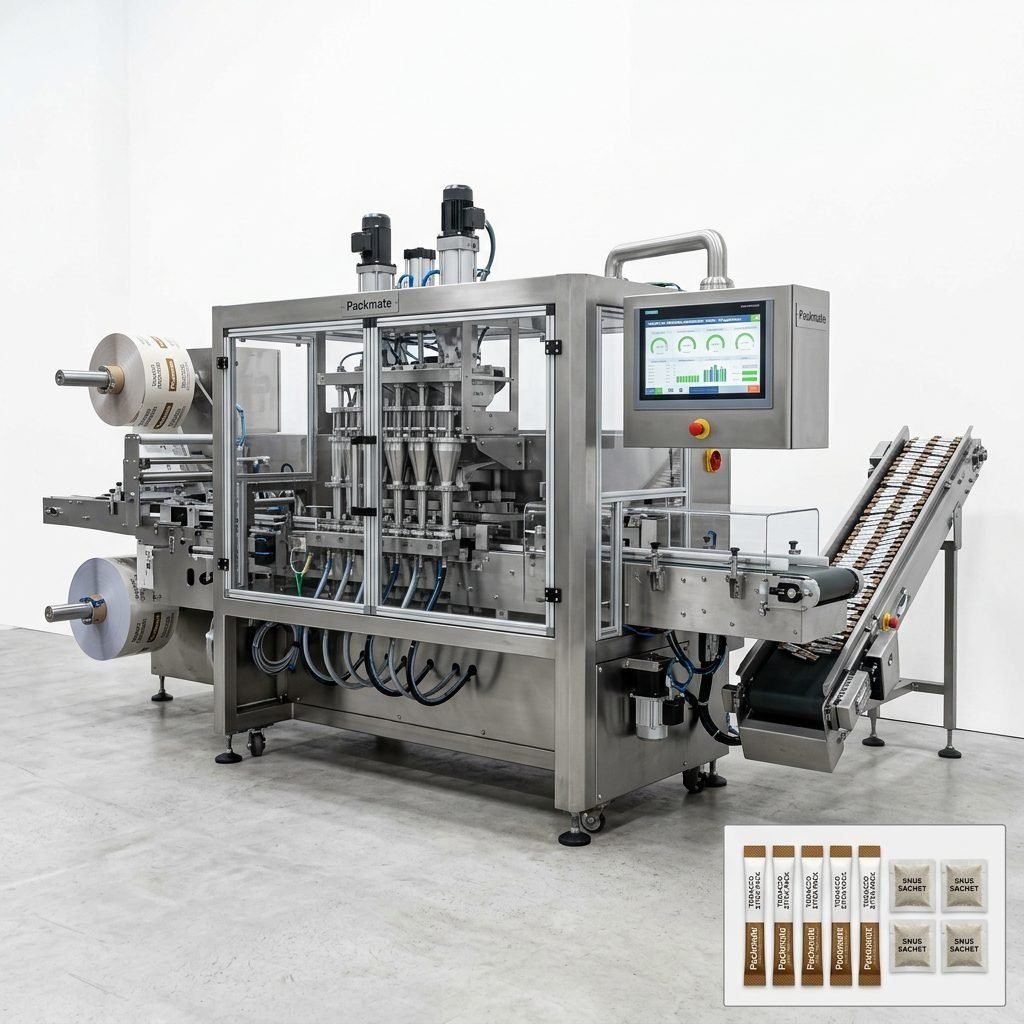
• Stick pack and sachet machines for single-dose retail packs — explore Sachet & Stick Pack Machines
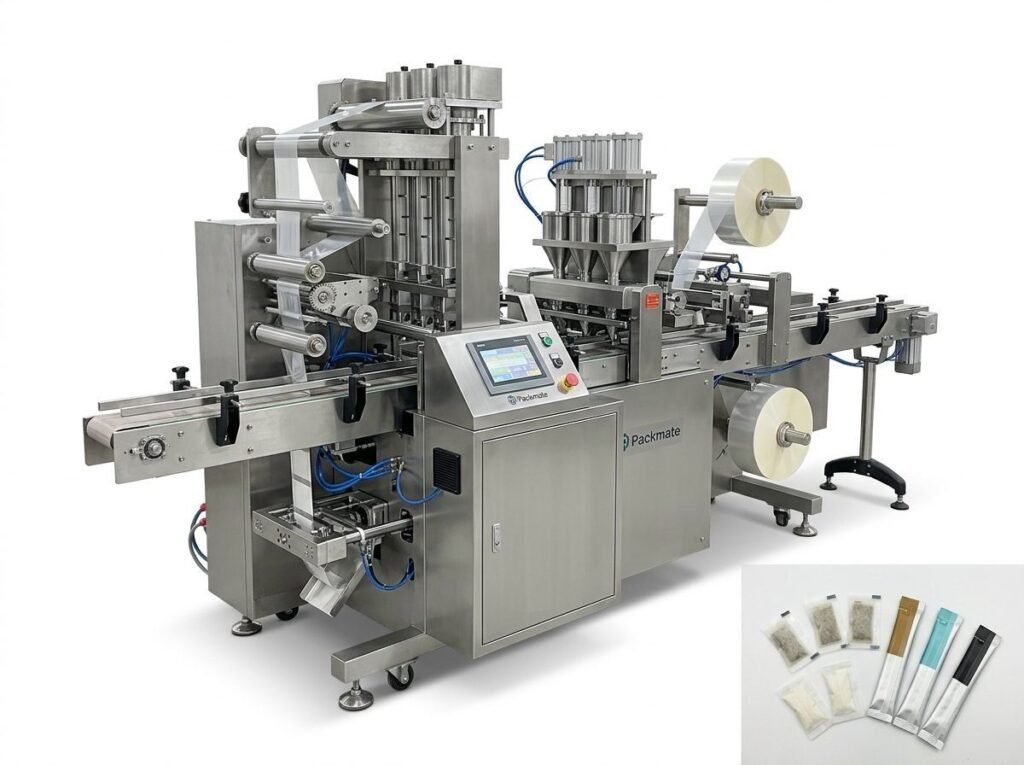
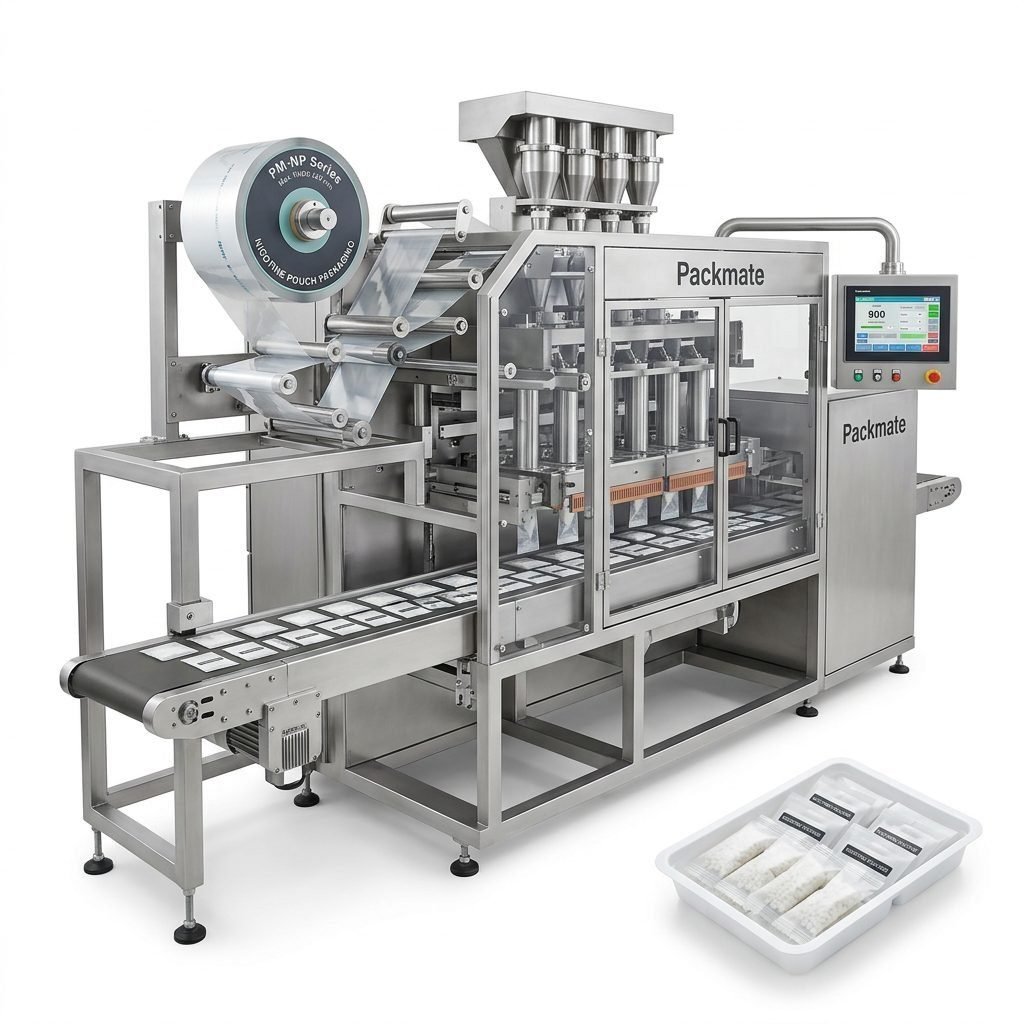
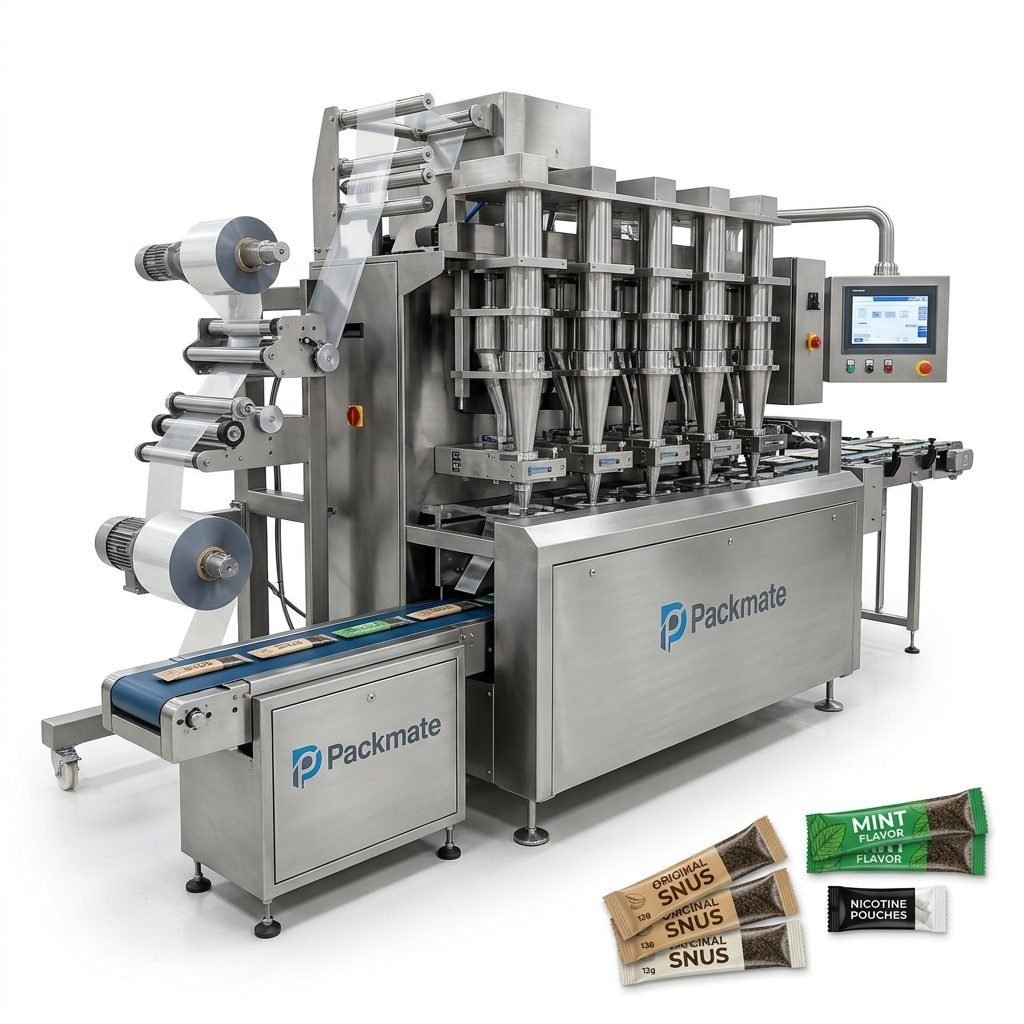
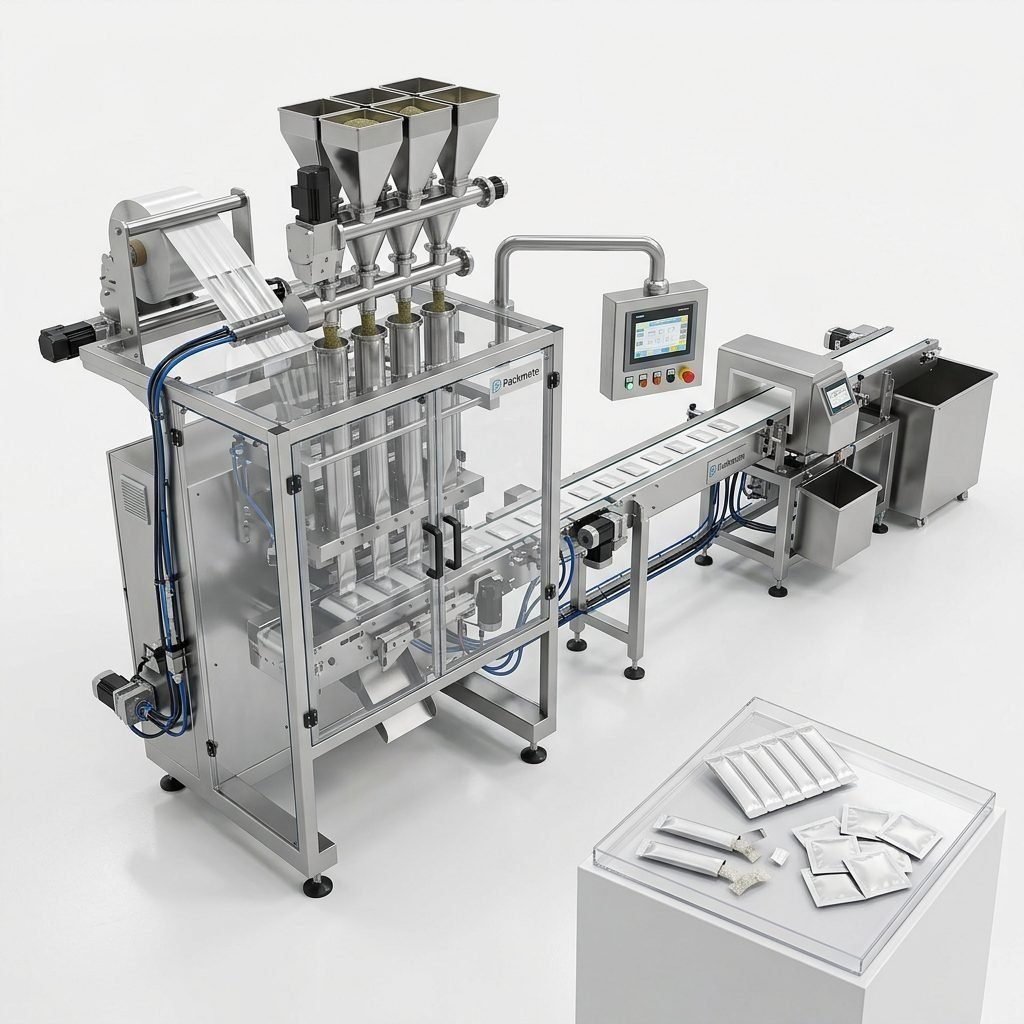
• Multi-lane snus and pouch systems for high-volume, small-dose pouches — see Snus & Nicotine Packaging Machines
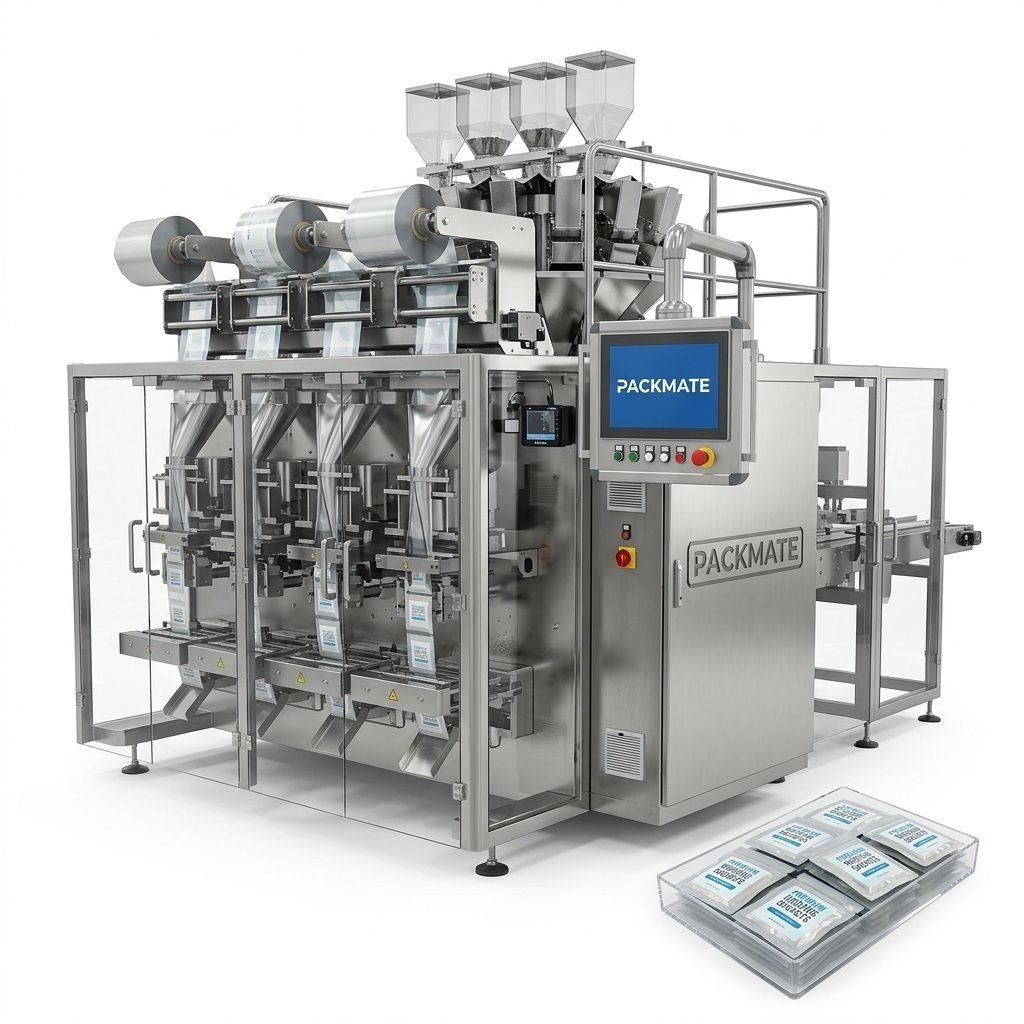
• Bag and pouch systems for retail boxes or moisture-barrier recloseable pouches — check Bag & Pouch Packaging Machines
• Integrated lines with dosing, sealing and case packing — review Filling & Packaging Lines
Supplier Capabilities & After-Sales Support
A supplier’s technical capacity and service network matter more than sticker price. Prioritize manufacturers that demonstrate:
• Verified standards compliance (CE / ISO) and documented testing procedures.
• Factory acceptance testing (FAT) and video demonstrations for remote evaluation.
• Spare parts availability, remote diagnostics, and local training options to reduce downtime in Libya.
📦 Recommended supplier traits
Transparency: clear lead times, spare parts lists and warranty terms.
Testing & Documentation: full FAT reports, CE/ISO certification, and commissioning manuals.
Customization: ability to adapt film types, pouch sizes, and labeling (Arabic fonts).
Buying Checklist — Step by Step
Use this checklist when comparing machines and suppliers:
1) Define product specs: pouch type, dose weight, barrier requirements, Arabic labeling format.
2) Calculate realistic throughput and required lanes; include growth margin.
3) Check sealing technology and film compatibility—ask for sample seal tests.
4) Confirm machine footprint, power consumption and environment requirements (temperature/humidity tolerance).
5) Request FAT, video evidence, and at least two client references in similar climates or markets.
6) Negotiate spare parts kits, training, warranty, and clear timelines for spare deliveries to Libya.
Installation, Training & Regulatory Compliance in Libya
Plan for customs documentation, labeling in Arabic, and product warning requirements. Engage a local customs broker early to avoid delays, and ensure supplier provides full technical documentation for import clearance. Train operators in both machine operation and daily maintenance to maximize uptime — remote training plus an on-site commissioning visit is ideal.
Cost & ROI Considerations
When calculating ROI include:
• Total cost of ownership: machine, shipping, customs, installation, spare parts and training.
• Operating costs: energy consumption, consumables (films, adhesives), and labor.
• Yield improvements: reduced overfill, fewer rejects, and consistent pouch presentation that boosts retail sales.
A modestly higher upfront investment in precision equipment often pays off quickly through material savings and reduced downtime.
Case Snapshot: Typical Packmate Snus Line
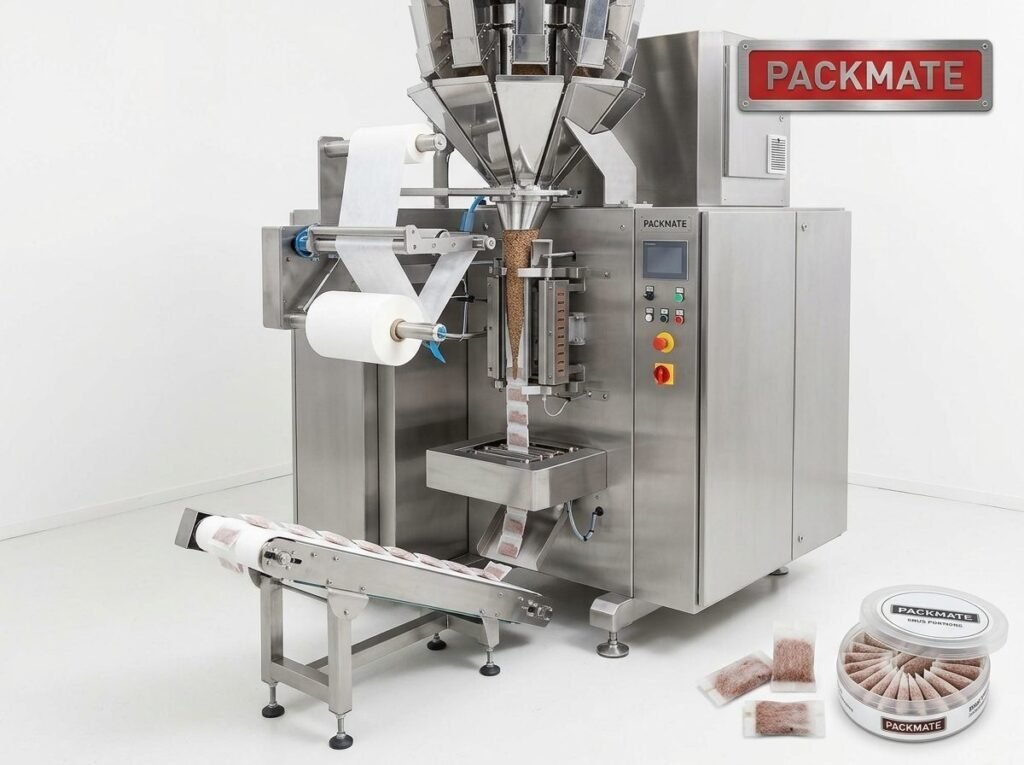
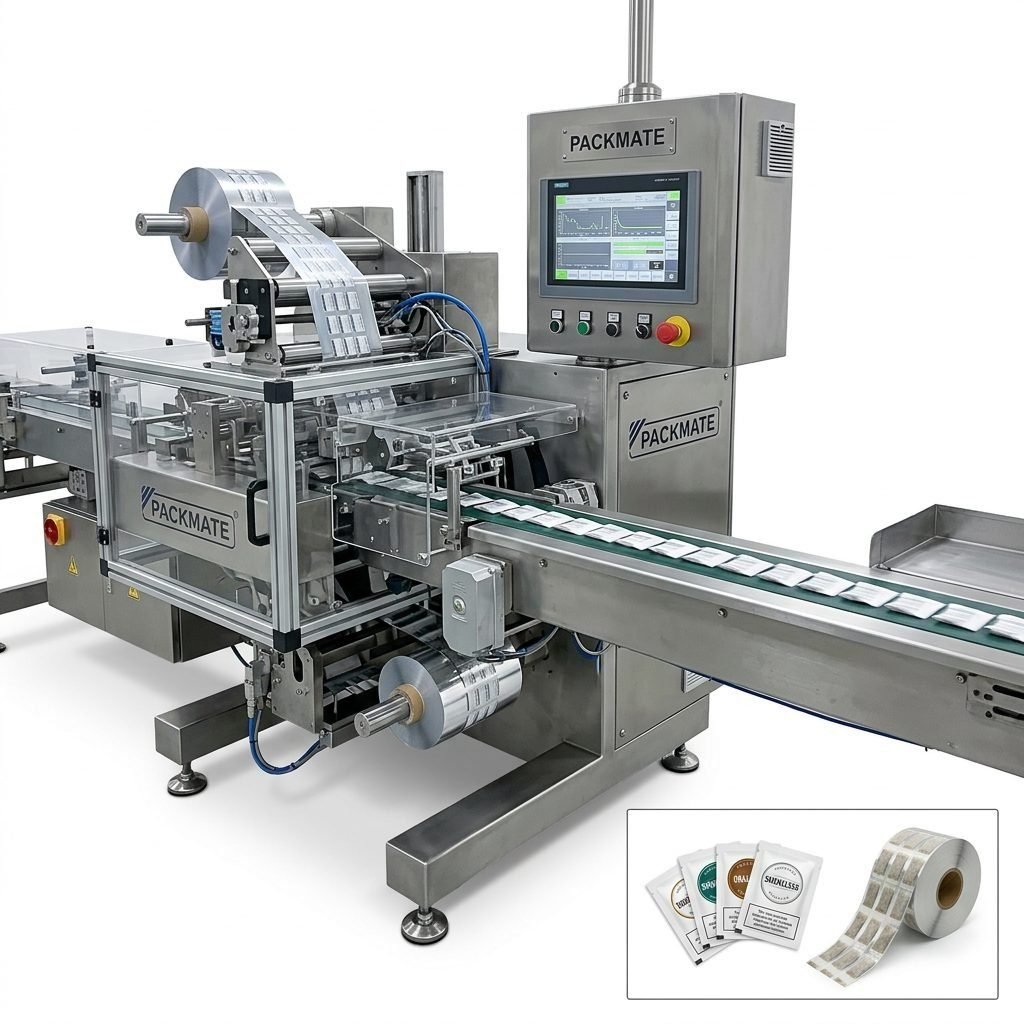
Leading manufacturers such as Packmate provide complete solutions tailored for snus and nicotine pouches. Typical features include precision dosing, multi-lane capability for small-dose pouches, robust sealing systems for high temperatures, and integrated weighing options. Packmate’s factory experience and global case examples demonstrate how a full line can be optimized for throughput and product stability. Learn more about the company and product families to compare detailed specifications: About Packmate, Case, and browse specific product pages such as Snus & Nicotine Packaging Machines.
Evaluating Suppliers Remotely — Best Practices
If physical visits are not possible, insist on:
• Live video demonstrations with a real product run and power-on tests.
• Clear FAT reports and serial-numbered component lists.
• Written spare parts lead times and pricing.
• Signed commissioning and training plans including remote support windows and on-site timelines.
Final Recommendations for Libya
• Prioritize machines that handle sealing robustly in high temperatures and sandy conditions.
• Choose suppliers that provide FAT evidence, CE/ISO certification, and clear spare parts policies.
• Ensure labeling and packaging templates support Arabic text and local warning labels.
• Invest in operator training and a spare parts starter kit to minimize downtime.
• Consider modular lines that allow scaling lanes or integrating additional modules later.
Helpful Resources
Explore product families and equipment categories to refine your shortlist: Sachet & Stick Pack Machines, Bag & Pouch Packaging Machines, and Weighing & Packaging Systems.
Frequently Asked Questions
Q1: What sealing type is best for Libya’s climate?
A1: Heat-seal systems with adjustable temperature control and strong film adhesives perform best. Select films with good heat and moisture resistance and test seals under local temperature conditions before final purchase.
Q2: How important is local spare parts availability?
A2: Extremely important — long lead times for parts can cause prolonged downtime. Negotiate a stocked spare parts kit and clarify shipping timeframes to Libya during purchase.
Q3: Do I need Arabic labeling support from the supplier?
A3: Yes. The supplier should support customized label printing or film pre-printing with Arabic text and provide templates for legal warning placement to ensure compliance and correct market presentation.
Q4: Should I choose single-lane or multi-lane machines?
A4: Choose based on expected volumes. Multi-lane systems are efficient for high-volume small-dose pouches, but single or two-lane machines are often more cost-effective for smaller operations or diverse product ranges.
Q5: How can I verify supplier credibility remotely?
A5: Ask for CE/ISO certificates, FAT videos, client references, and live machine demonstrations. Request contract terms that include on-site commissioning and documented training plans.