Thailand’s growing interest in alternative nicotine products and pouch-style consumables is creating real demand for reliable, high-performance packaging equipment. Whether you are a new manufacturer, a contract packer, or a brand expanding into the Southeast Asian market, choosing the right snus packaging machine requires more than price comparison — you need to match machine capabilities to product format, local regulations, climate conditions, and long-term production plans. This guide walks you step-by-step through the critical factors to evaluate when selecting the best snus packaging machine in Thailand.
📌 Understand the Product: Types of Snus & Nicotine Pouches
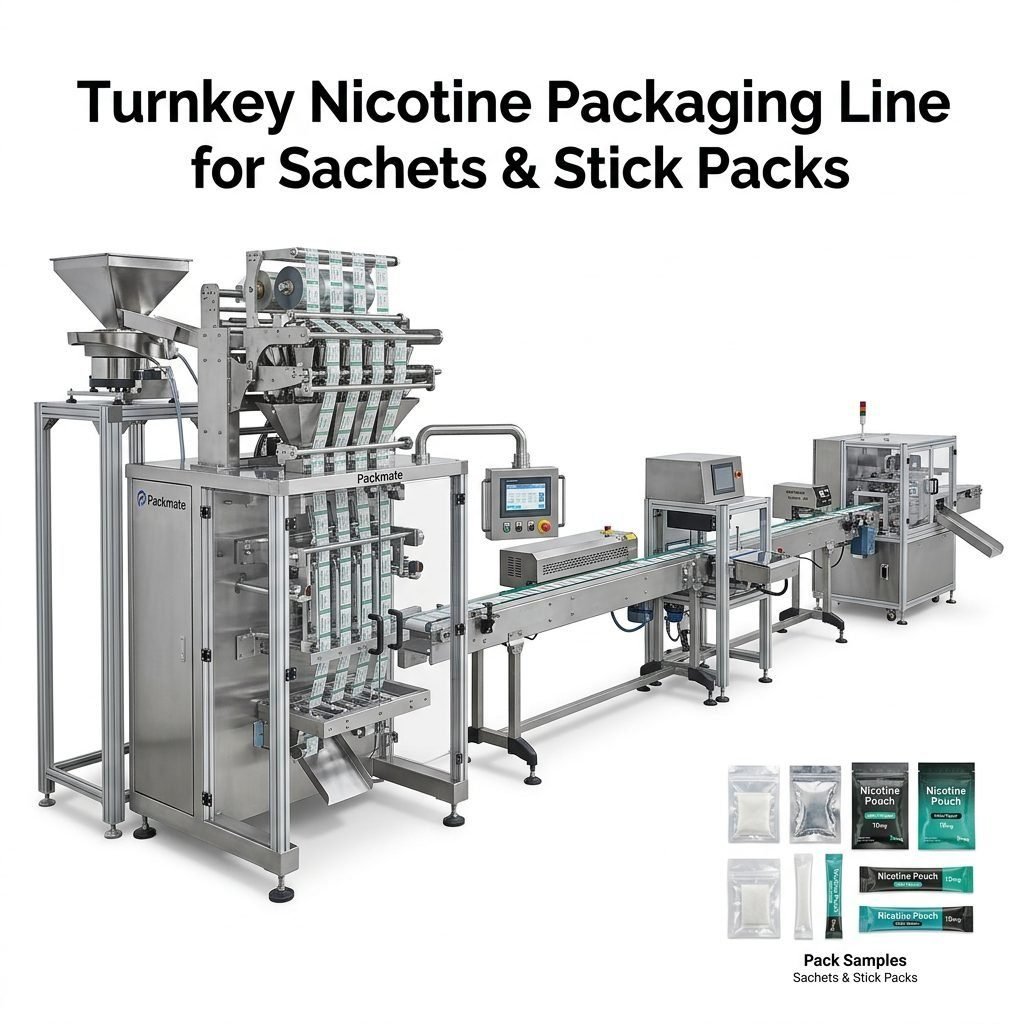
The term “snus” and “nicotine pouch” covers a variety of formats: single-dose sachets, small lozenges, multi-pocket cans, stick packs, and loose portion pouches. Machine selection depends first on the pouch style:
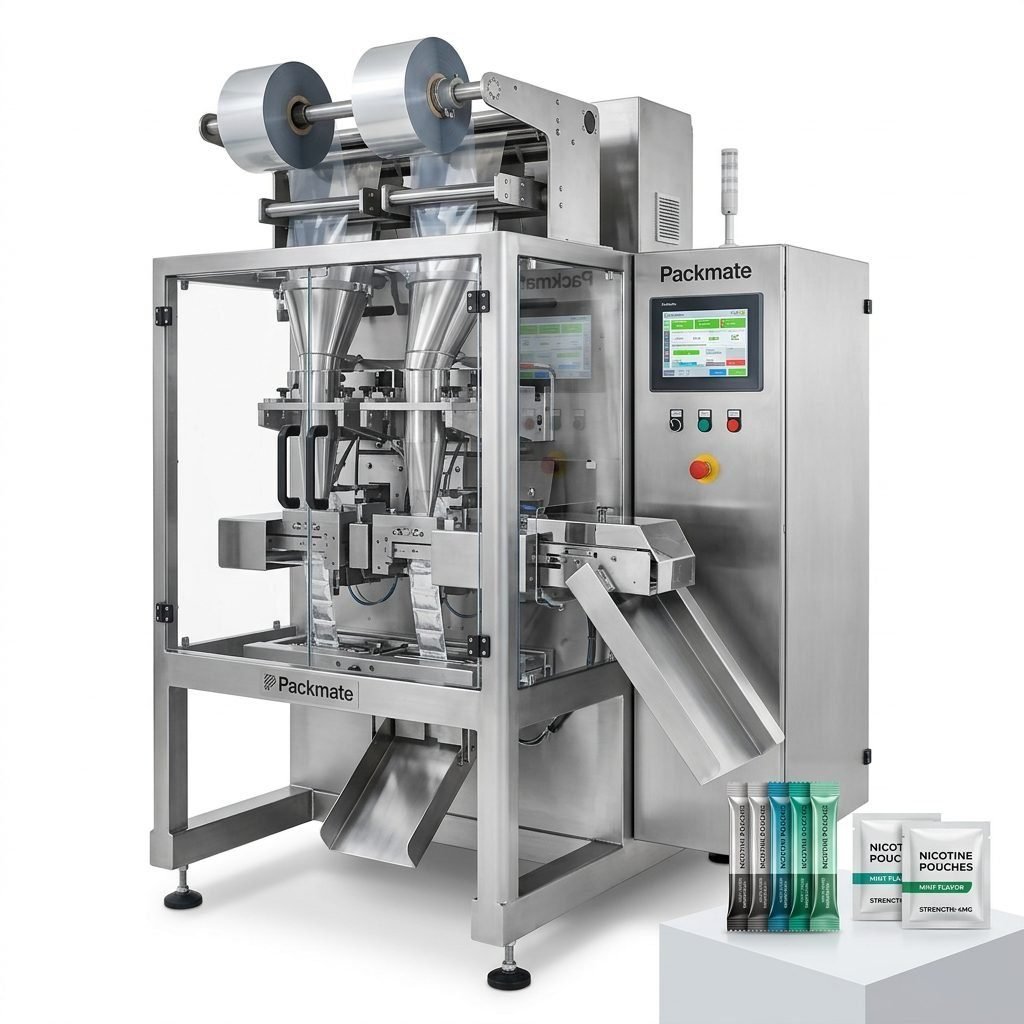
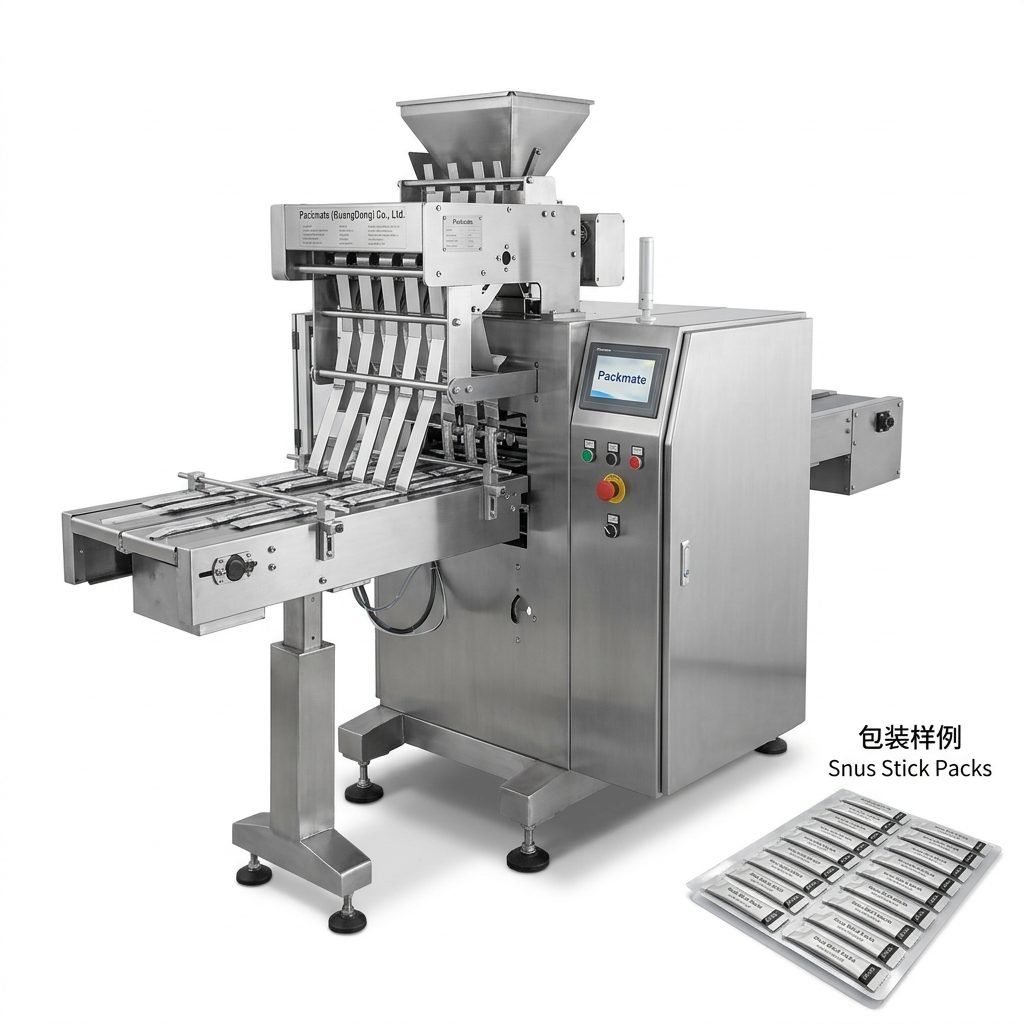
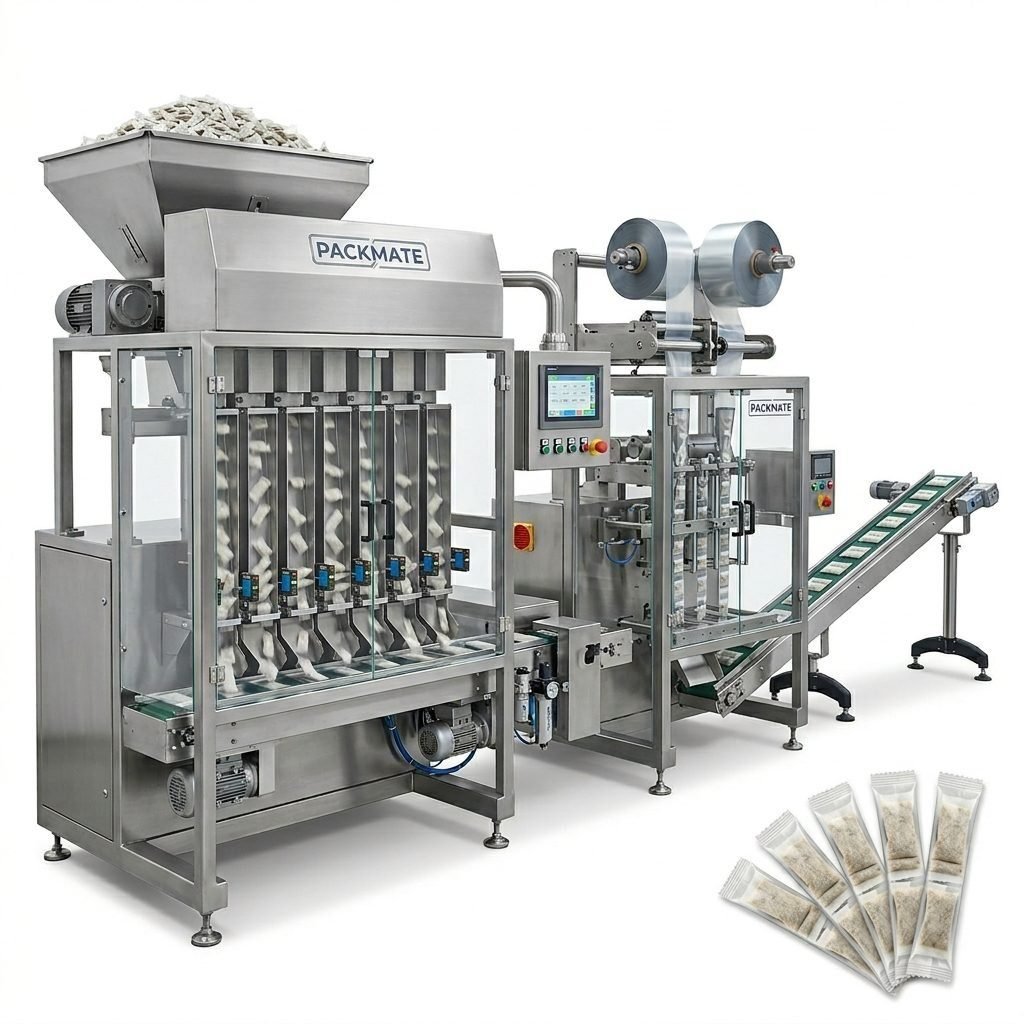
Sachet / Stick Packs: Good for single-dose disposable pouches. Require fast continuous forming and accurate dosing. ✅
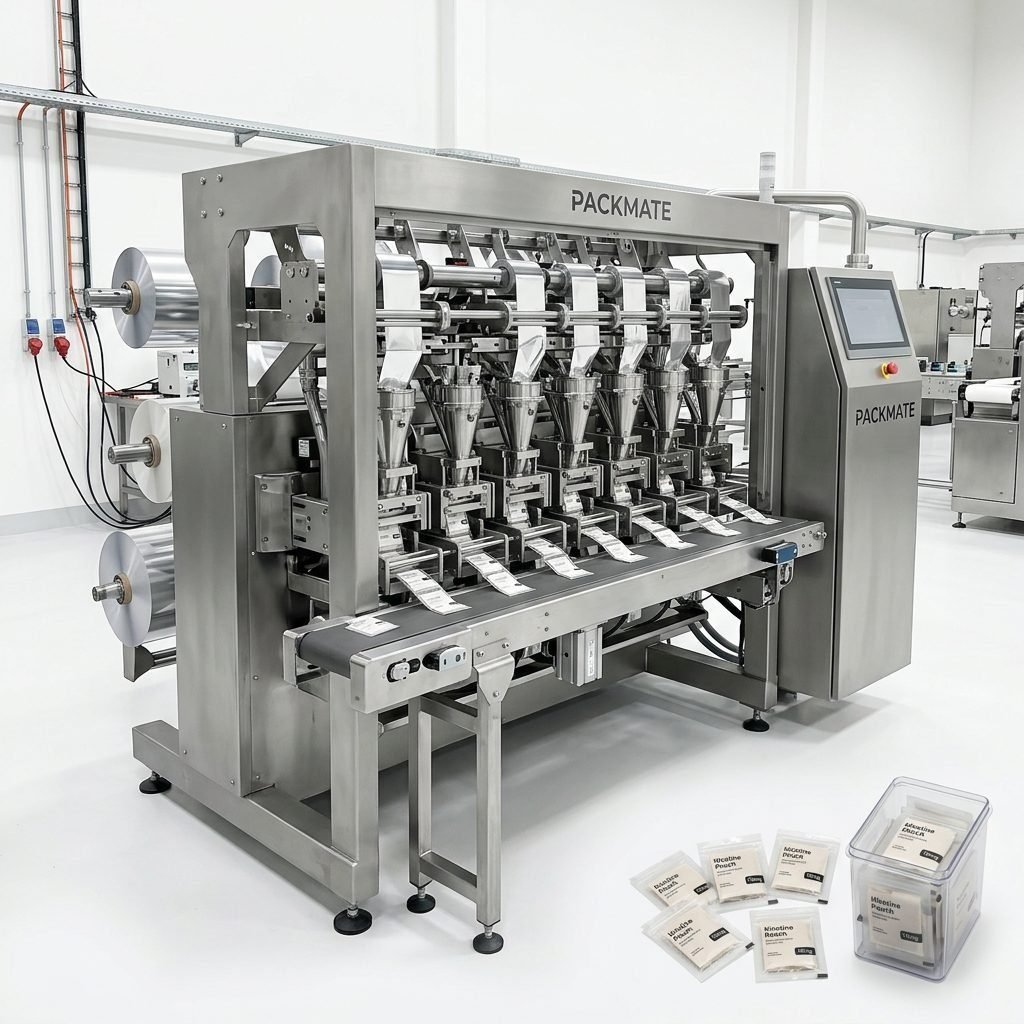
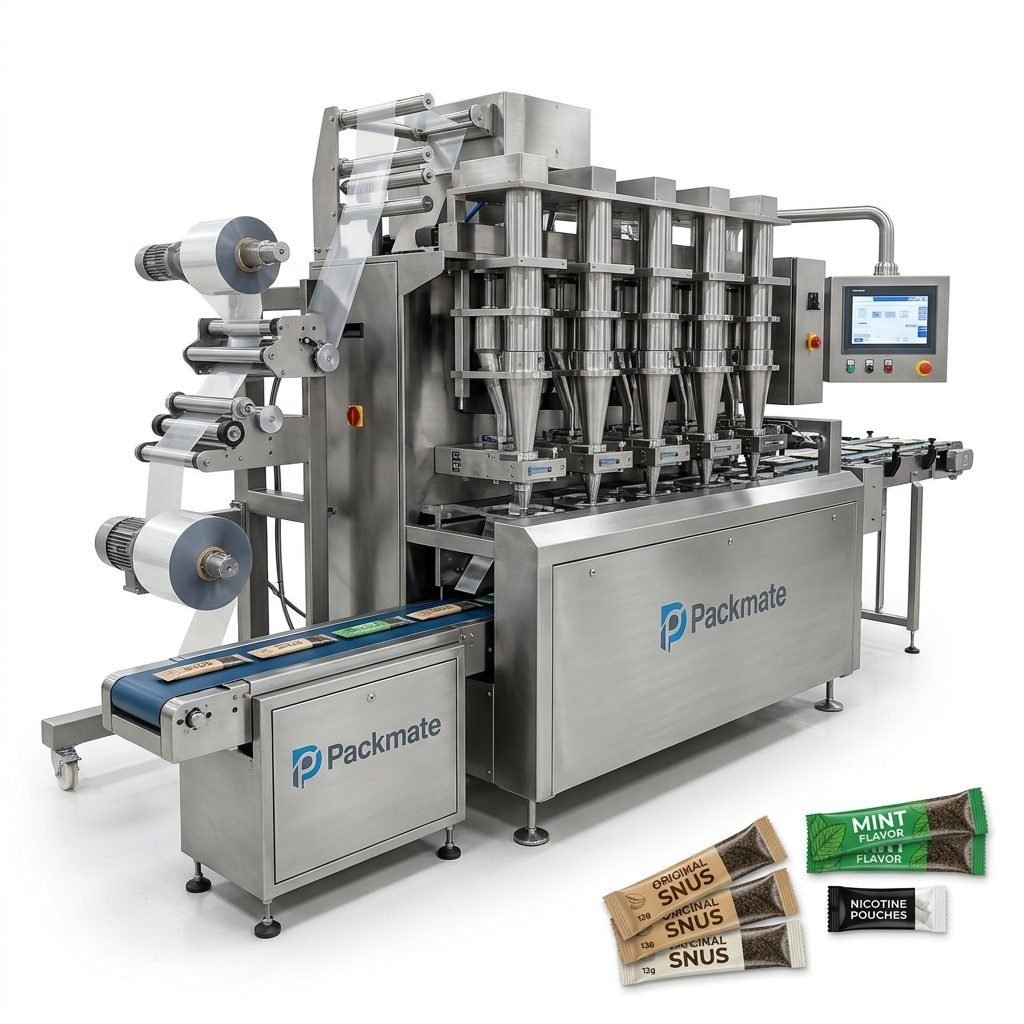
Multi-lane Portion Machines: Produce many small pouches per cycle for higher throughput. Ideal for high-volume brands. ⚙️
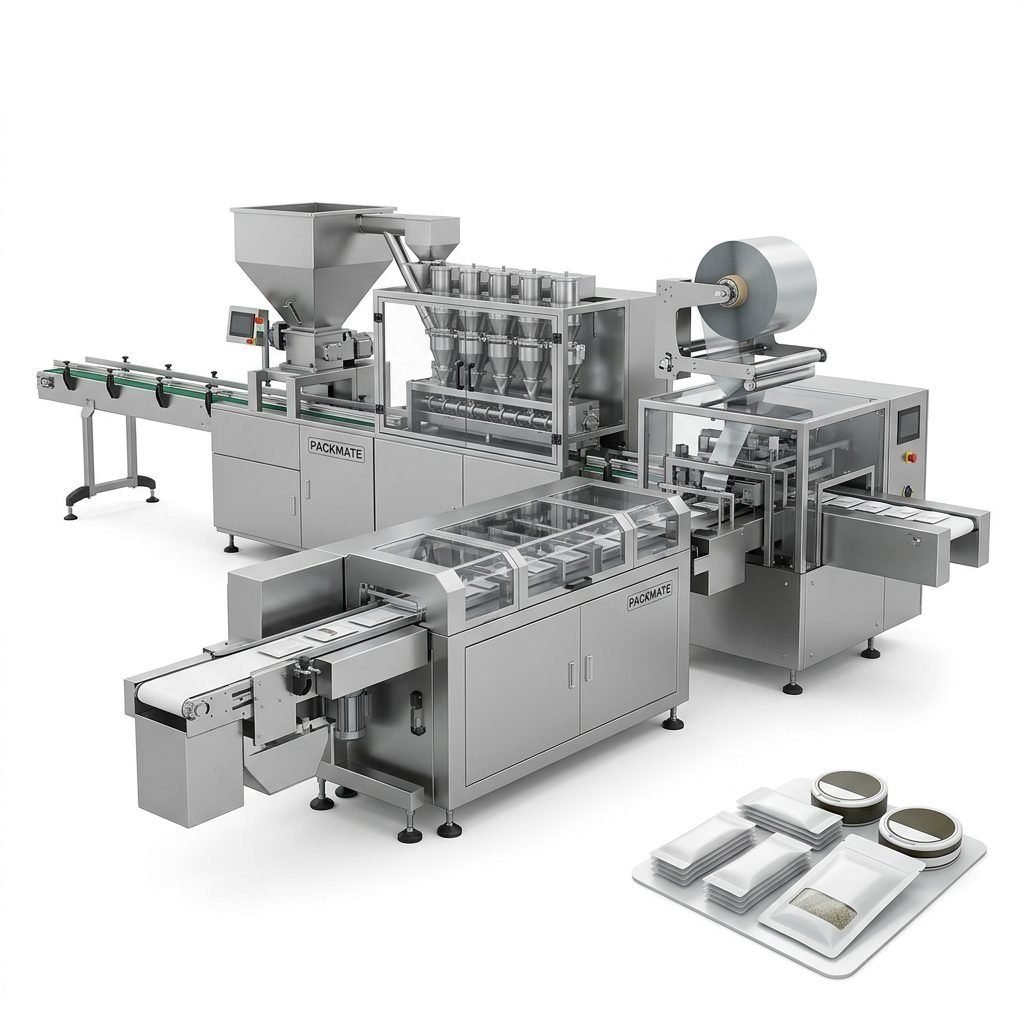
Canned/Dose Filling Systems: For brands packaging multiple pouches into tins or cans. Requires integration with filling and closing lines. 🔒
⚙️ Key Technical Criteria: What to Compare
When comparing snus packaging machines, focus on build quality, dosing accuracy, speed, changeover flexibility, and integrated quality control. Below are the essential technical items to evaluate.
1. Throughput & Lane Configuration
Match machine throughput (packs/min or pouches/min) to your forecasted volumes. For entry-level operations, single- or dual-lane machines may suffice. For regional supply in Thailand or exports, consider multi-lane systems that deliver higher capacity with compact floor space.
2. Dosing Precision & Filling Options
Snus and nicotine pouches can be powdery, moist, or granular — each demands a compatible dosing system (auger, vibratory, multi-head weigher). Dosing accuracy directly affects product consistency and regulatory compliance, so prioritize systems with proven repeatability and low giveaway.
3. Material Compatibility & Sealing Technology
Flexible films, laminated foils, and barrier materials are used to control moisture and shelf life in tropical climates like Thailand. Ensure the machine supports your chosen film types and offers reliable sealing technologies (heat seal, ultrasonic, or induction) to protect product stability.
4. Hygienic Design & Cleanability
Hygienic frames, quick-release components, and simple access to dosing areas reduce downtime for cleaning and maintenance — essential for frequent line changes or strict process audits.
🌡️ Environmental Considerations for Thailand
Thailand’s hot, humid climate affects product moisture migration and can stress mechanical drives and electronics. Choose machines designed for tropical environments:
• Moisture control: integrated dehumidification or desiccant options for packaging areas.
• Material storage: conditioned storage rooms for powders and pouches to maintain fill consistency.
• Corrosion-resistant finishes: stainless-steel frames and treated fasteners for coastal regions.
📋 Compliance & Local Regulation Awareness
Thailand and neighboring markets have varying rules on nicotine product manufacture, advertising, and distribution. Prioritize suppliers who understand regulatory documentation, can supply compliant labeling modules, and help set up traceability systems.
Many buyers benefit from turnkey providers who offer both machines and support for quality and compliance. Learn more about one global supplier’s offerings at About Packmate.
💡 Operational Factors: Total Cost of Ownership
Purchase price is only the beginning. Consider:
- Spare parts availability and lead times — local stocking shortens interruptions.
- Energy consumption and utility requirements.
- Service contracts, remote support, and technician training.
- Integration with upstream weighing and downstream packing lines — modular compatibility reduces installation costs.
🔧 After-sales Service & Local Support
In Thailand, rapid access to technical support and spare parts is critical to minimize downtime. Ask suppliers about:
• Local partners or authorized service centers in Thailand or nearby SE Asia hubs.
• Remote diagnostic tools and software for fault-tracing and quick fixes.
• Operator & maintenance training packages to upskill staff and reduce operator errors.
For full service descriptions and support options, review Service pages from experienced suppliers.
🔎 Factory Acceptance, Testing & Quality Assurance
Insist on Factory Acceptance Tests (FAT) with your product or a close simulation before shipping. FAT should verify:
- Consistent dosing and weight variation statistics.
- Seal integrity under expected Thai humidity.
- Line speed and uptime targets.
- Compatibility with your chosen packaging film and pouches.
Companies with extensive manufacturing capabilities and certifications (CE, ISO) are preferable because they typically offer more predictable performance and documented QA. Learn about a manufacturer’s capabilities at Certificate.
🏭 Choosing the Right Vendor: Questions to Ask
Prepare a shortlist and request detailed proposals. Key questions include:
• Can you run samples on our actual product? ✅
• What is the expected mean time between failures (MTBF) and typical spare parts consumption?
• Do you provide installation, commissioning and local training in Thailand?
• Can the line be expanded (add lanes, add secondary packing) if volumes grow?
📈 Future-Proofing: Scalability & Modular Lines
Start with a machine that meets immediate needs but also allows modular upgrades. Multi-lane platforms, modular dosing heads, and standardized PLCs make future expansion smoother and reduce the need for full replacement when volume increases.
🔗 Sample Integration Paths (Typical Configurations)
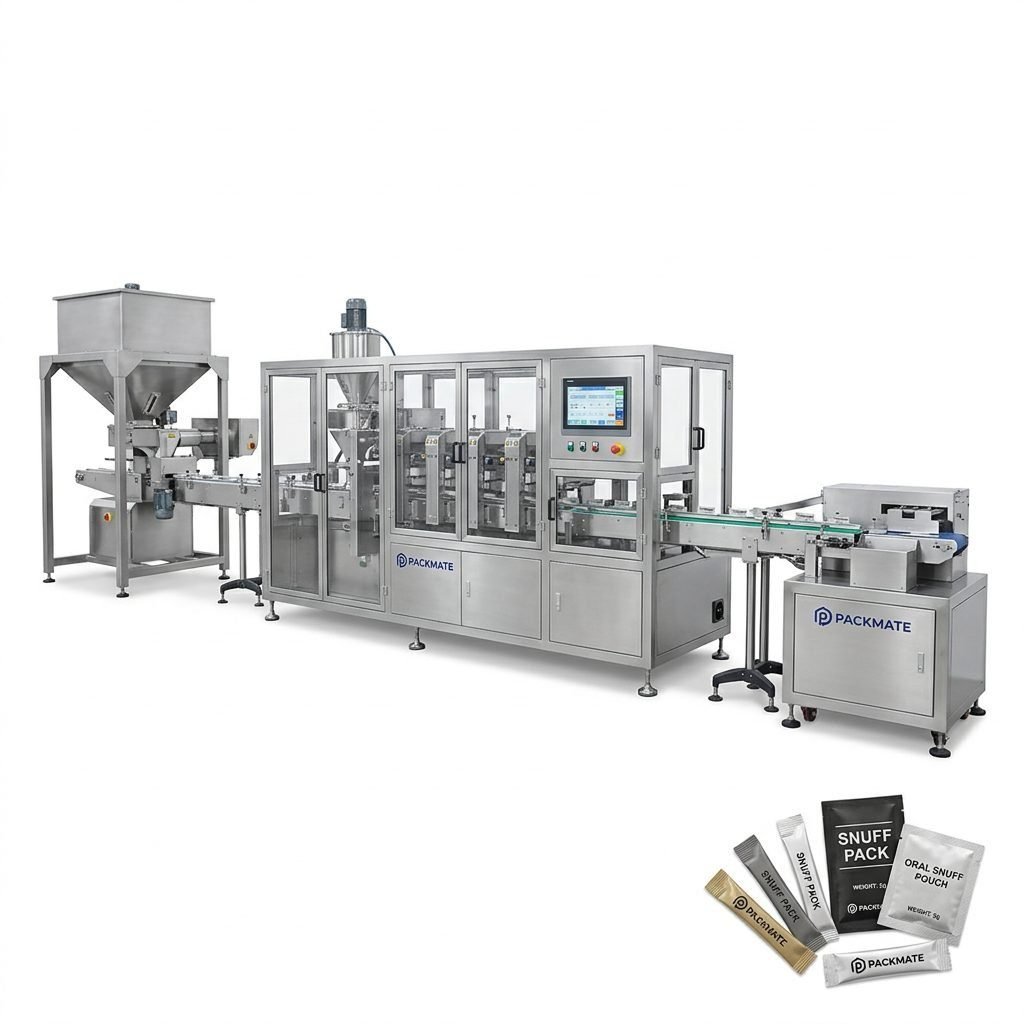
Typical production lines combine:
- Ingredient handling and conditioning → Weighing & dosing (multi-head or auger) → Form-fill-seal snus pouch machine (single/multi-lane) → Metal detection → Secondary packing (cartons, tins).
For integrated solutions check options like Weighing & Packaging Systems and Snus & Nicotine Packaging Machines.
💬 Local Business Practices & Cultural Notes for Thailand
Building relationships and clear communication is essential in Thailand’s business culture. Expect:
• Polite negotiation and face-to-face meetings are valued — plan for local visits or a trusted regional partner. 🤝
• Local language support and translated manuals reduce misunderstandings and speed up training.
• Respect for timelines and clear delivery schedules helps avoid friction during installations and FATs.
🔍 Short Vendor Checklist (Quick Reference)
• Does the supplier run product trials? ✅
• Are spare parts stocked in the region or quick-shipped?
• Is the machine suitable for tropical climates?
• Can the vendor provide training and local support?
📞 Next Steps: From Inquiry to Commissioning
1) Prepare product samples and forecast volumes. 2) Request FAT and sample runs. 3) Verify spare parts and service plans. 4) Plan installation & training with local representatives. For inquiries and detailed quotes, consider contacting experienced suppliers: Contact Us and review product catalogs at Catalog.
✅ Final Recommendation
Choose a supplier that combines proven machine technology, clear support structures, and sensitivity to Thailand’s climate and regulatory environment. A partner with turnkey capability and global experience in snus machinery provides better long-term value than a low-cost purchase without service guarantees.
Frequently Asked Questions
Q1: Is snus manufacturing legal in Thailand?
A1: Regulations vary and can be strict for nicotine-containing products. Consult local legal counsel and regulatory authorities before starting production. Vendors with regulatory experience can often help navigate documentation and compliance steps.
Q2: How important is humidity control in packaging lines?
A2: Extremely important in Thailand’s tropical climate. Moisture can affect fill weight, pouch integrity, and shelf life. Consider conditioned enclosures or inline drying and choose films with strong barrier properties.
Q3: What after-sales services should I expect?
A3: Expect installation, commissioning, operator training, spare parts kits, and remote diagnostic support. Service frequency and spare parts stocking options vary by supplier — request detailed SLAs.
Q4: Can I expand capacity later without replacing the machine?
A4: Many modern systems offer modular upgrades — adding lanes or upgrading dosing systems. Confirm upgrade paths and required floor space before purchase.
Q5: Where can I see real-world examples and case studies?
A5: Review supplier case pages and exhibition demonstrations to evaluate performance on similar products. See practical examples at Case and upcoming shows at Our Exhibition.