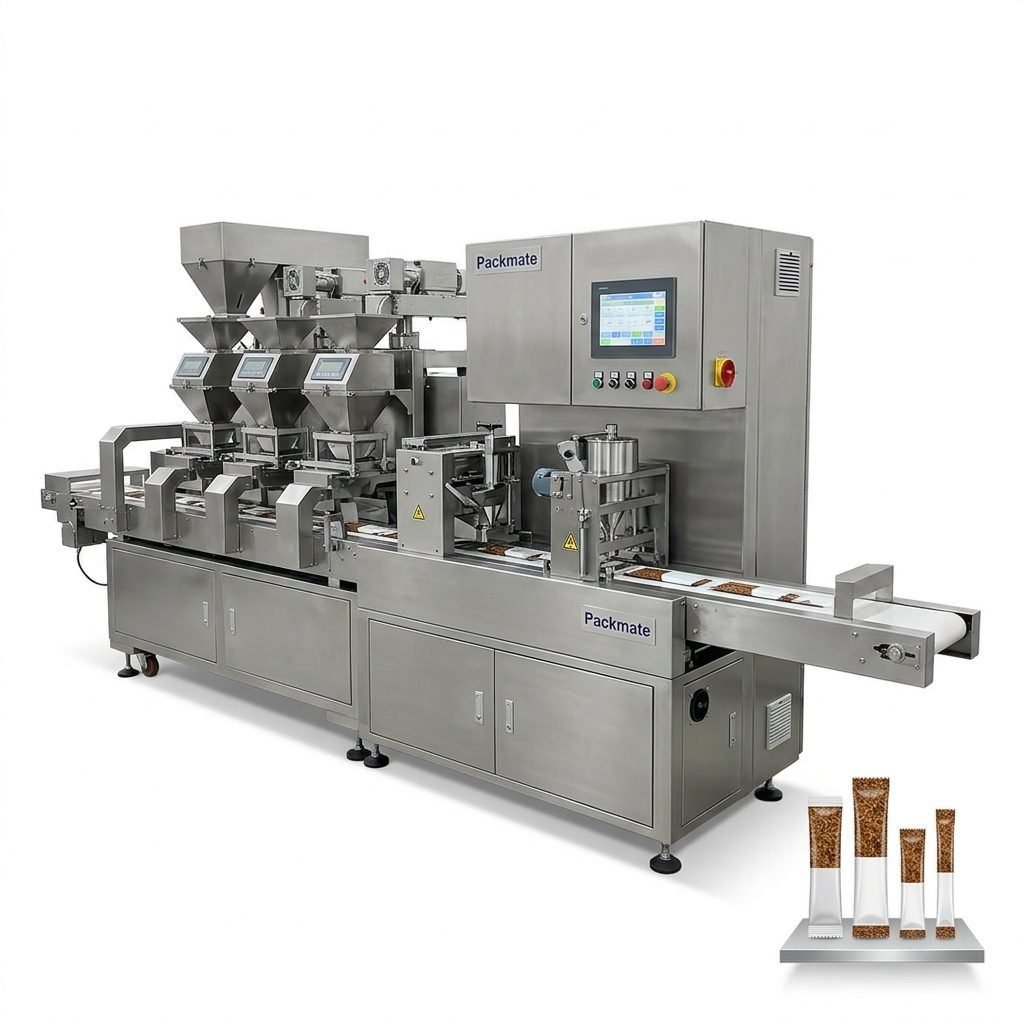
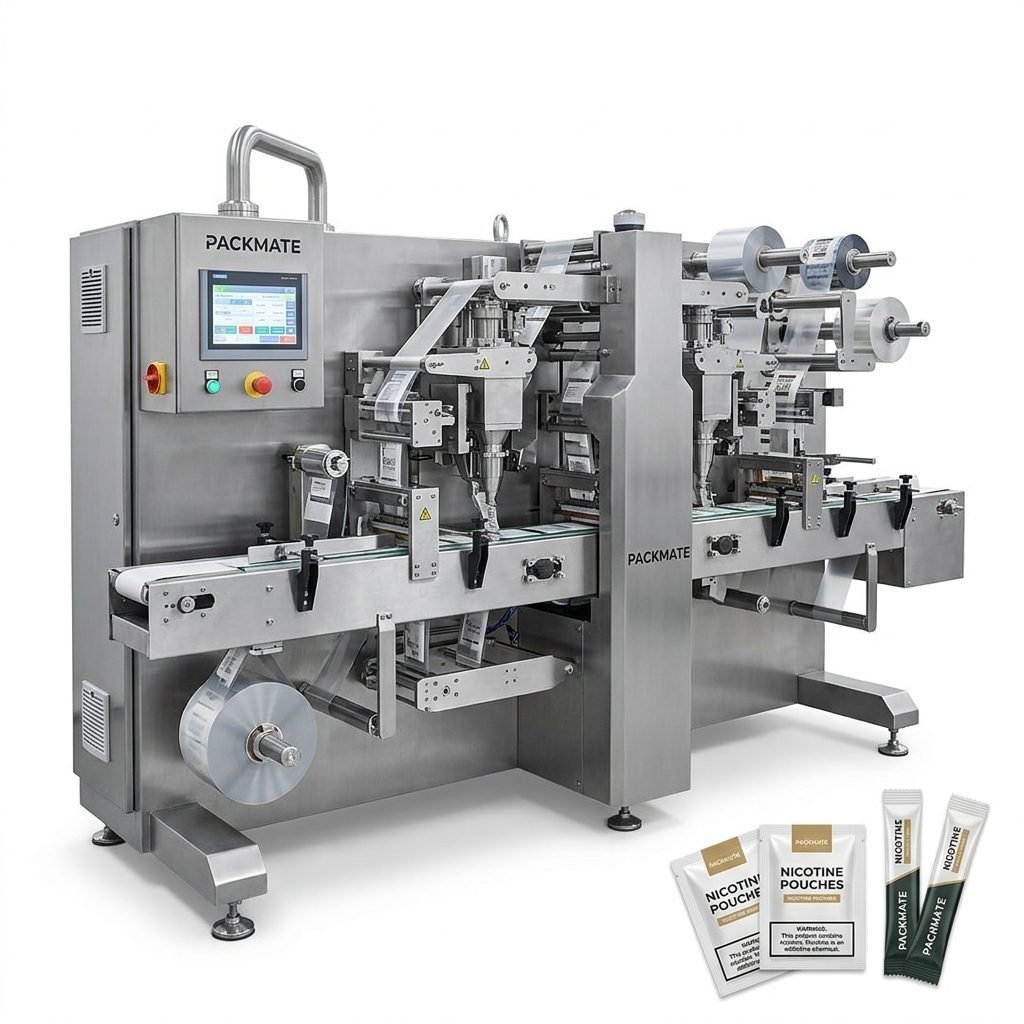
Choosing the right nicotine packaging machinery manufacturer for your factory in Iraq is a strategic decision that affects production efficiency, product quality, regulatory compliance, and long-term operational costs. Whether you are launching a nicotine pouch brand or expanding an existing tobacco-related line, the machine supplier you pick must match both technical demands and local market realities. This guide walks you through practical selection criteria, Iraq-specific considerations, negotiation tactics, and how to validate a manufacturer’s capability before you sign a contract.
Understand the Local Market and Regulatory Landscape 🔎
Iraq’s market is diverse — from urban hubs like Baghdad and Basra to the semi-autonomous Kurdish region with Erbil as a commercial center. Import rules, distribution channels, and consumer habits vary by region. Before selecting a manufacturer, map out:
• Regulatory requirements for nicotine and tobacco products (packaging labels, language requirements, health warnings).
• Customs duties and clearance timelines for importing machines and spare parts.
• Local electricity supply stability and voltage standards — some machines need stable three-phase power or UPS solutions.
• Cultural and religious observances that influence production scheduling and labor availability, for example Ramadan shift adjustments and national holidays.
Why legal compliance matters
Non-compliant packaging can lead to seized shipments, sales bans, or expensive relabeling. Always verify that the equipment can produce packaging that meets Iraqi legal text, required warning labels, and traceability marking options (batch codes, QR codes).
Technical Capabilities: What to Prioritize ✅
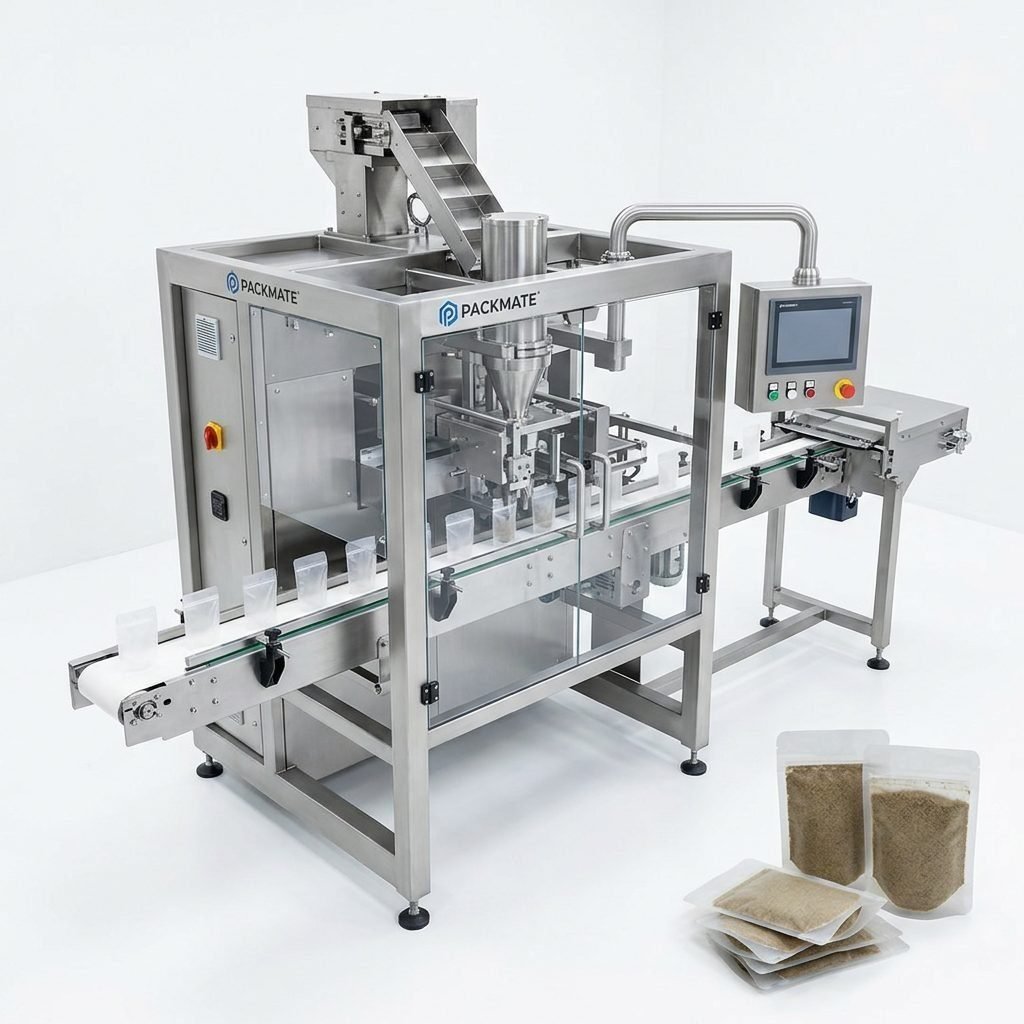
Not all snus or nicotine pouch machines are equal. Focus on these technical capabilities when evaluating manufacturers:
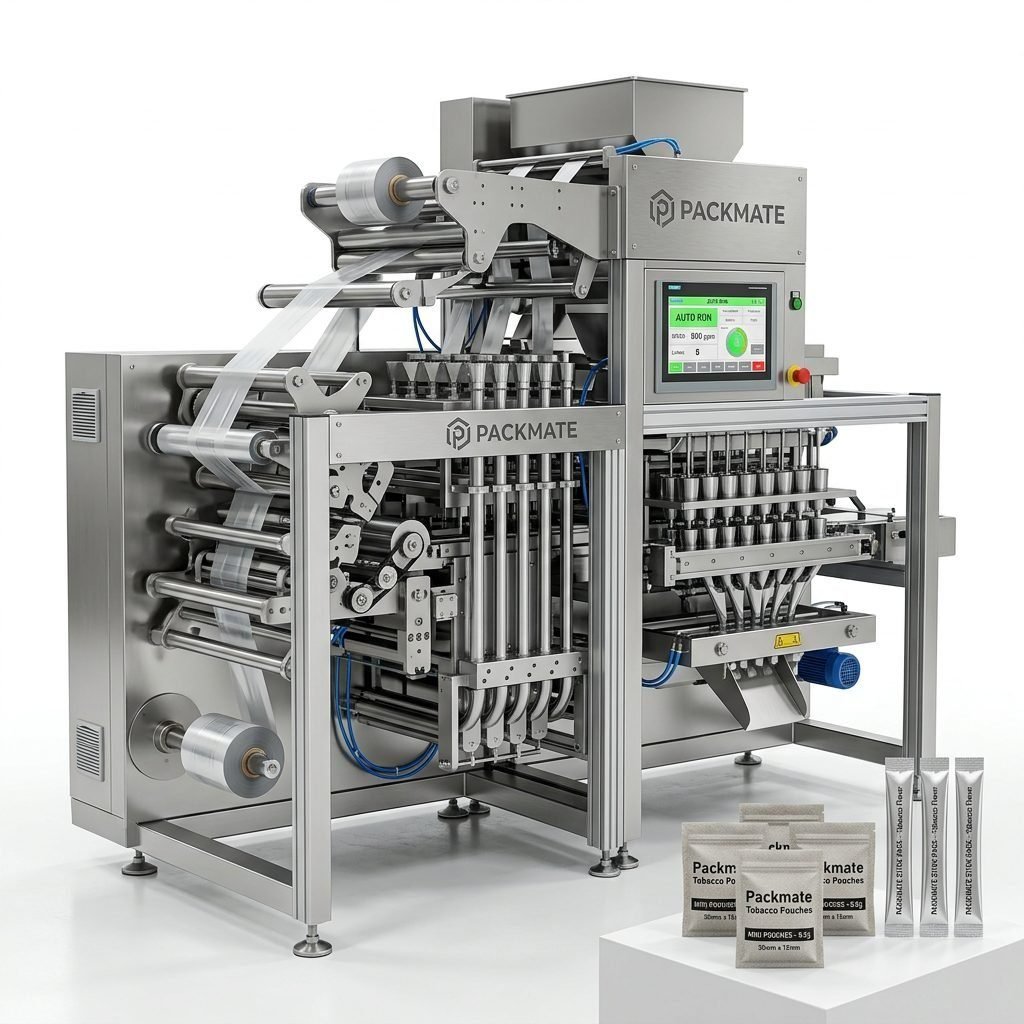
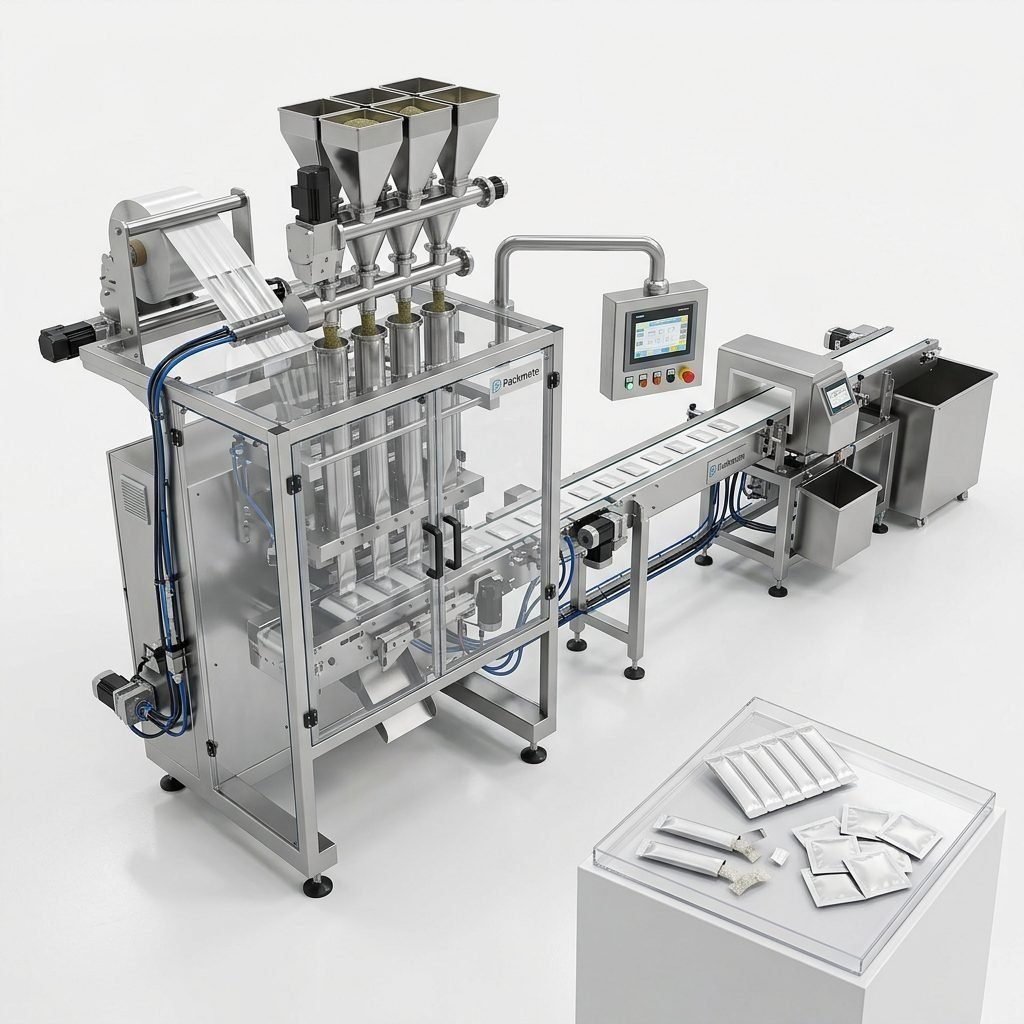
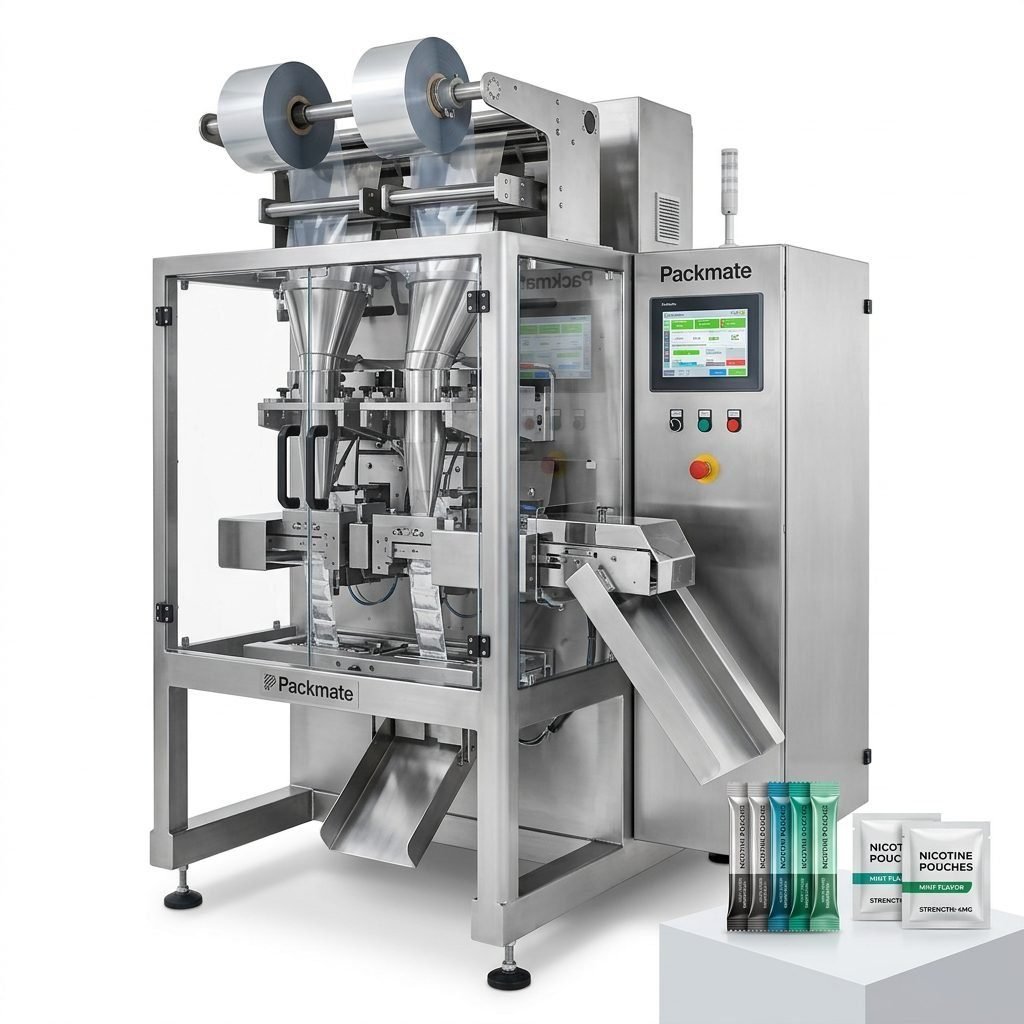
Production speed & lane flexibility: Can the machine handle single-lane and multi-lane production with consistent pouch weight? Multi-lane systems are essential for small-dose nicotine pouches to reach high throughput.
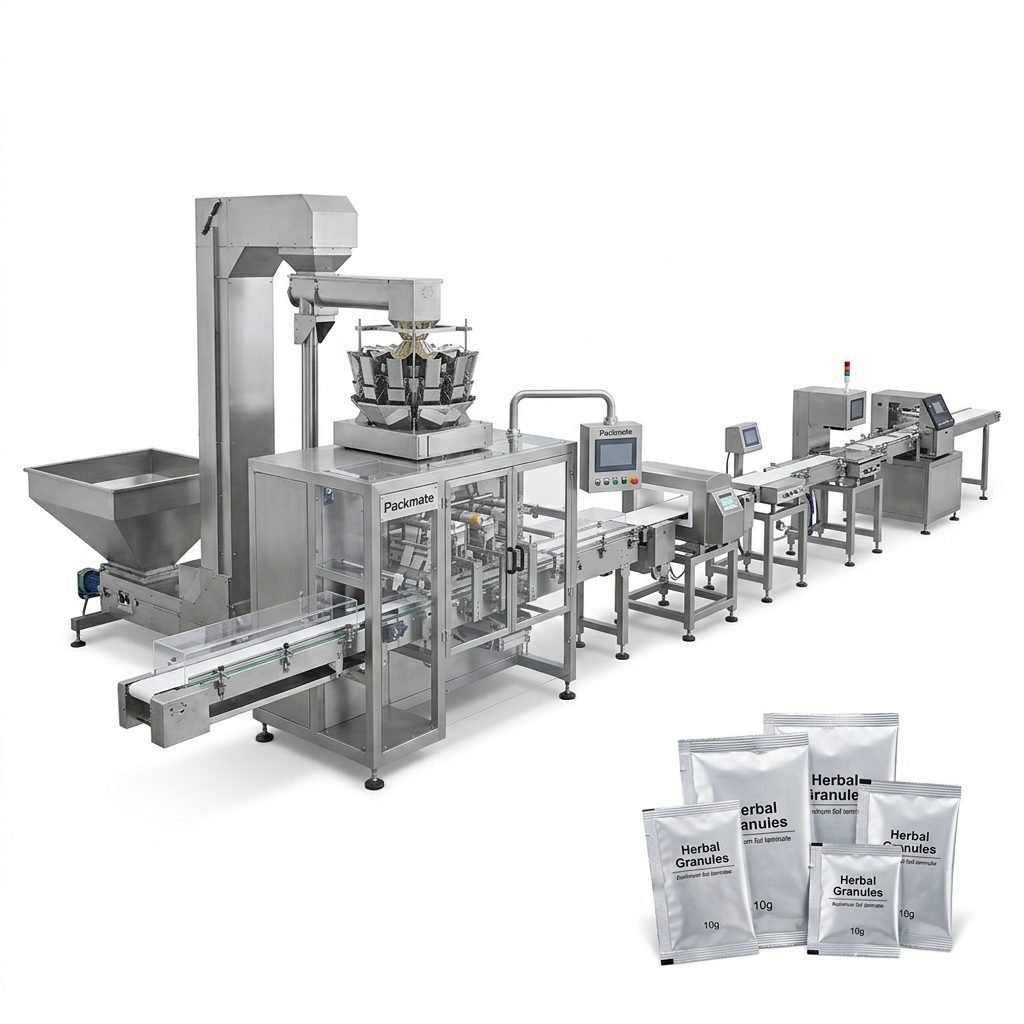
Fill accuracy: Precision weighing systems reduce wastage and ensure regulatory compliance for nicotine content and net weight. Verify the manufacturer’s weighing & packaging integration capabilities.
Material compatibility: Ensure machines can process your chosen pouch film types and laminate structures, whether for sachets, stick packs, or multi-lane pouches.
Proven designs and customization
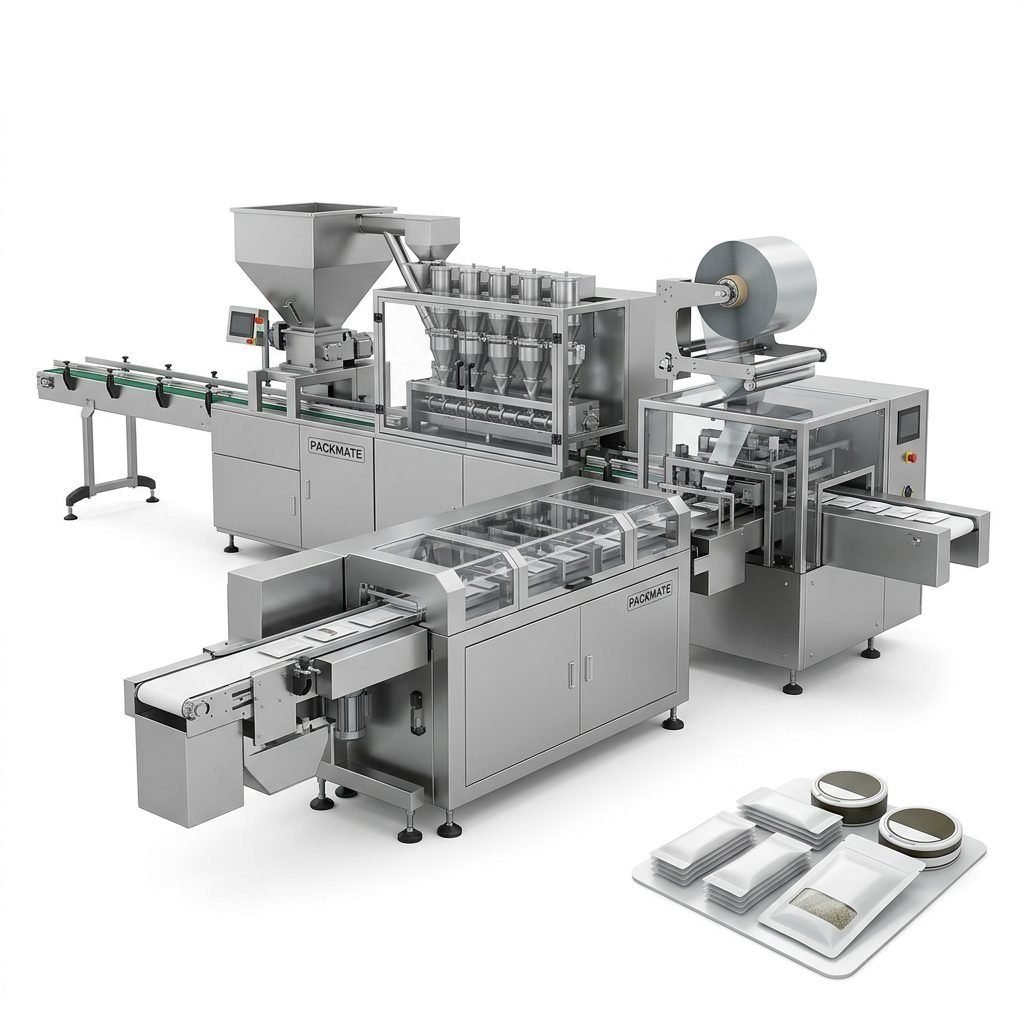
Established manufacturers like Packmate Snus Machine bring decades of R&D and multiple machine models. Check if they offer:
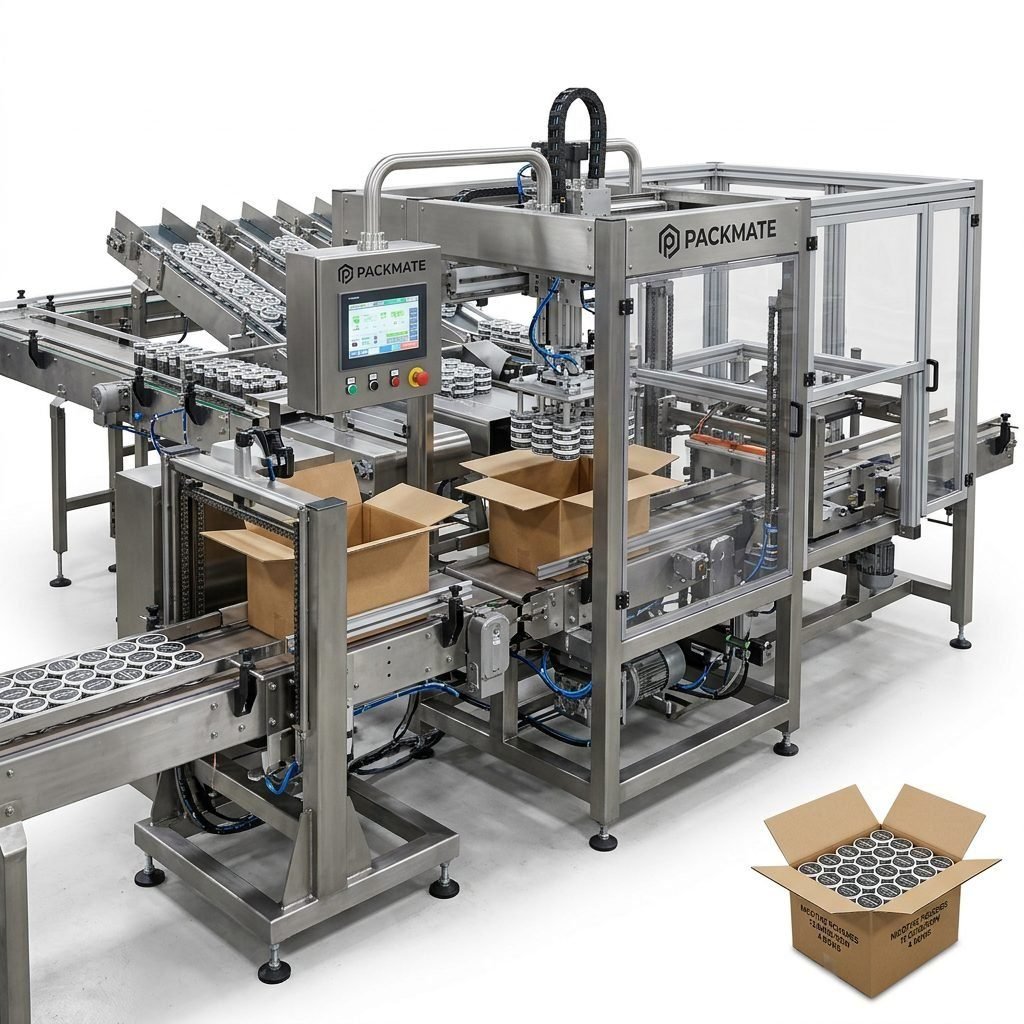
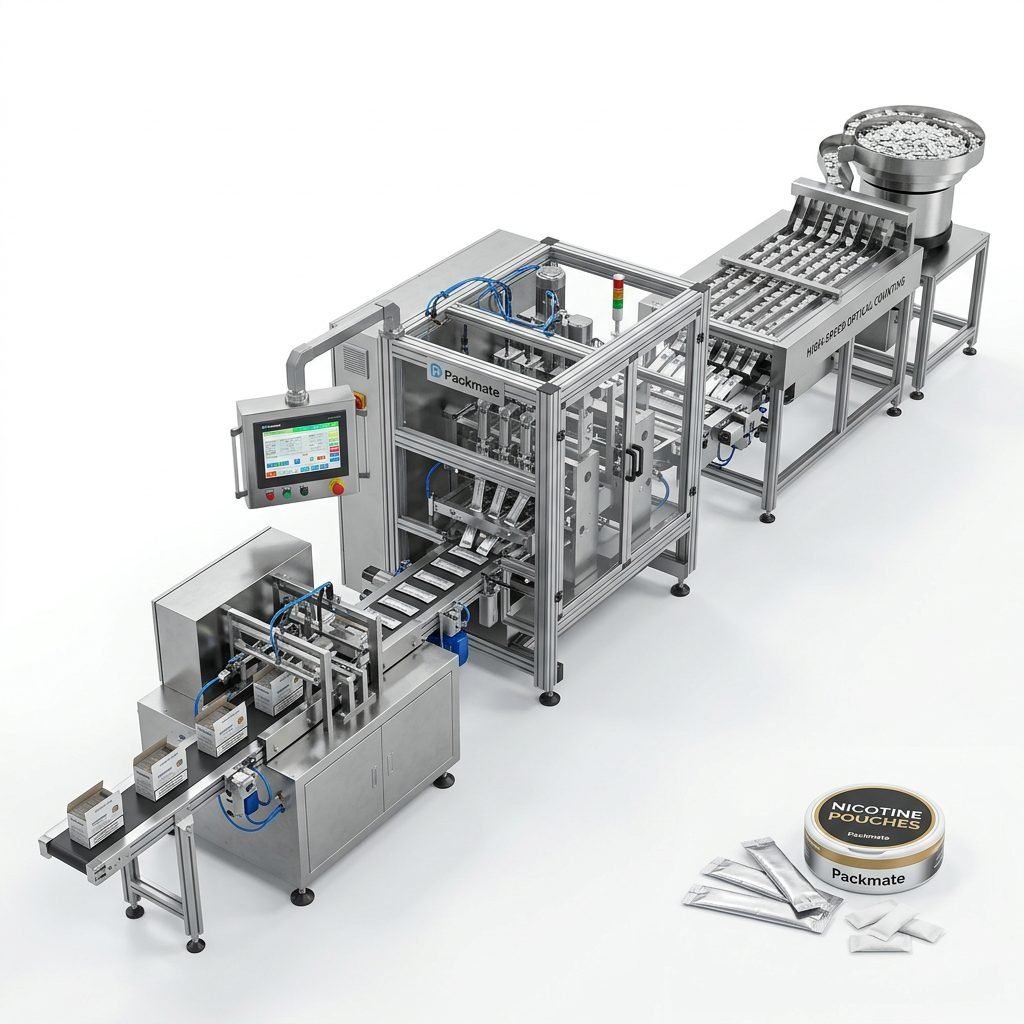
• Turnkey solutions including feeding, filling, sealing, date coding, and secondary packaging.
• Custom tooling for unique pouch sizes or brand-specific features.
• Integration with upstream grinders or mixers and downstream cartoning or case packing.
Factory & Manufacturing Strength — What to Verify 🏭
A manufacturer’s workshop, CNC capabilities, and quality control systems directly influence machine robustness and delivery time. Consider:
Manufacturing footprint: Large, organized facilities (for example a 20,000㎡ factory) with advanced CNC machining and precision assembly lines typically mean consistent quality and capacity to deliver multiple models.
Ask for photos, virtual tours, or a factory visit if possible. Look for quality testing stations, spare parts inventory, and final acceptance testing records. A reliable supplier will show CE/ISO certificates and clear QC procedures.
After-Sales Support & Spare Parts — A Critical Factor 🤝
Machines need maintenance. Downtime in Iraq can be costly due to supply chain lead times. Prioritize manufacturers who provide:
• Fast spare parts delivery and local stocking options.
• Remote diagnostics and training for local engineers.
• Comprehensive user manuals in English (and Arabic if possible) and on-site commissioning.
Service contracts: Negotiate a service-level agreement (SLA) with guaranteed response time, clear spare part lead times, and optional local technician training to minimize disruptions.
Quality, Certifications, and References ✔️
Confirm the manufacturer has international certifications (CE, ISO) and request references for similar installations. Ask for:
• Customer case studies and machine performance data.
• Video demonstrations or remote live demos of the machine running your product type. You may also request visits to installations in nearby regions for a live review.
A trustworthy manufacturer should have a portfolio showing multiple models and turnkey projects. You can explore product categories and case examples directly via helpful resources like
Snus & Nicotine Packaging Machines,
Case,
and their
About Packmate page.
Price vs. Total Cost of Ownership (TCO) — Look Beyond the Sticker Price ⚖️
Initial purchase cost is only one component. For a reliable TCO assessment, include:
• Energy consumption and maintenance frequency.
• Spare parts pricing and expected life of wear parts.
• Downtime estimates and the financial impact of machine failure.
• Training and spare parts inventory costs to be held locally in Iraq.
Negotiation tip: Ask for a long-term parts pricing schedule and volume discounts if you plan to scale production. This transparency reduces future surprises.
Logistics, Installation, and Localization in Iraq 📦
Shipping heavy equipment to Iraqi ports and arranging inland transport can add complexity. Check with suppliers about:
• FOB/CIF options and assistance with customs documentation.
• Crating, skidding, and local unloading support that complies with port rules in Umm Qasr or Baghdad air/land logistics hubs.
• On-site installation by manufacturer technicians vs. local engineers — know who will handle commissioning.
Consider the supplier’s experience in exporting to Middle East markets and their familiarity with local import practices; this experience often prevents costly delays at customs.
Cultural & Business Etiquette — Building Strong Supplier Relationships 🤝
Business in Iraq often values trust and long-term relationships. When engaging with manufacturers:
• Schedule formal meetings but leave space for relationship-building conversation.
• Respect local holidays and be aware of communication preferences — phone and direct introductions often help.
• Expect negotiations to include multiple rounds; clarity on after-sales and guarantees builds trust.
Local workforce considerations
Plan for training local operators and maintenance staff; many manufacturers offer on-site training and bilingual manuals. This reduces dependence on foreign technicians and speeds up problem resolution.
How to Validate a Manufacturer — Practical Checklist ✅
Use this checklist to verify a supplier before committing:
- Factory tour or virtual walkthrough showing manufacturing lines and QC stations.
- Live demo videos of the exact machine model running comparable materials.
- Customer references, ideally in nearby countries or similar operating conditions.
- Clear warranty terms, spare parts lists and lead times, and an SLA for service response.
- Detailed technical specifications, electrical requirements, and machine footprint to plan your factory layout.
For additional product categories or complementary equipment, review their broader offering like
Bag & Pouch Packaging Machines and
Weighing & Packaging Systems.
Contract Terms and Warranty — What to Insist On ⚠️
Ensure your purchase agreement includes:
• Delivery schedule and penalties for missed deadlines.
• Detailed acceptance testing criteria and performance guarantees.
• Defined warranty period, coverage details, and spare part clauses.
• Training scope, documentation language, and a plan for remote support.
Important: Always request a Factory Acceptance Test (FAT) report and a Site Acceptance Test (SAT) checklist to ensure machines meet promised specifications before final payment.
Final Selection Process — Decision Matrix
Create a scoring matrix that weights the following categories according to your priorities: machine performance, TCO, support & spare parts, regulatory compliance, and supplier reputation. Assign numeric scores and select the supplier with the best weighted score rather than the lowest price.
Consider Packmate-style suppliers
Vendors with long engineering histories and diverse product ranges (for example snus machines, stick pack, sachet, weighing systems, and turnkey lines) provide a safer long-term partnership. You can explore related product lines at
Sachet & Stick Pack Machines and discuss services on their
Contact Us page.
Summary — Key Takeaways for Iraqi Factories
Selecting a nicotine packaging machinery manufacturer for your Iraqi factory requires balancing technical performance, legal compliance, and local operational realities. Prioritize suppliers who can demonstrate manufacturing strength, provide strong after-sales support, and have proven export experience to the Middle East. Negotiate transparent contracts with FAT/SAT criteria and plan for local training and spare parts inventory to minimize downtime.
Next steps
1) Shortlist 2–4 manufacturers based on technical fit and references.
2) Request live demos or FAT documentation.
3) Negotiate warranty, SLA, and spare part commitments.
4) Plan logistics and local training around regional work calendars.
Frequently Asked Questions
Q1: How long does it take to install a full nicotine pouch packaging line in Iraq?
A: Typical installation and commissioning can take 4–12 weeks depending on machine complexity, shipping time, customs clearance, and site preparation. Multi-lane turnkey lines with upstream mixing and downstream case packing may require more time for integration and testing.
Q2: What spare parts should I stock locally for minimal downtime?
A: Prioritize wear parts (seals, belts, cutters), critical electronics and sensors, common motor drives, and standard bearings. Your supplier should provide a recommended spare parts list based on expected throughput.
Q3: Can manufacturers customize machines to meet Iraqi labeling requirements?
A: Yes. Many experienced manufacturers provide customization for label placement, language printing, batch codes, and integration with serialization or QR coding solutions to meet local regulations.
Q4: How do I verify a manufacturer’s claims if I cannot visit the factory?
A: Request detailed video demonstrations, live virtual FAT sessions, client references (preferably in neighboring countries), and documentary proof of certifications. Insist on documented performance metrics and a written acceptance test protocol.