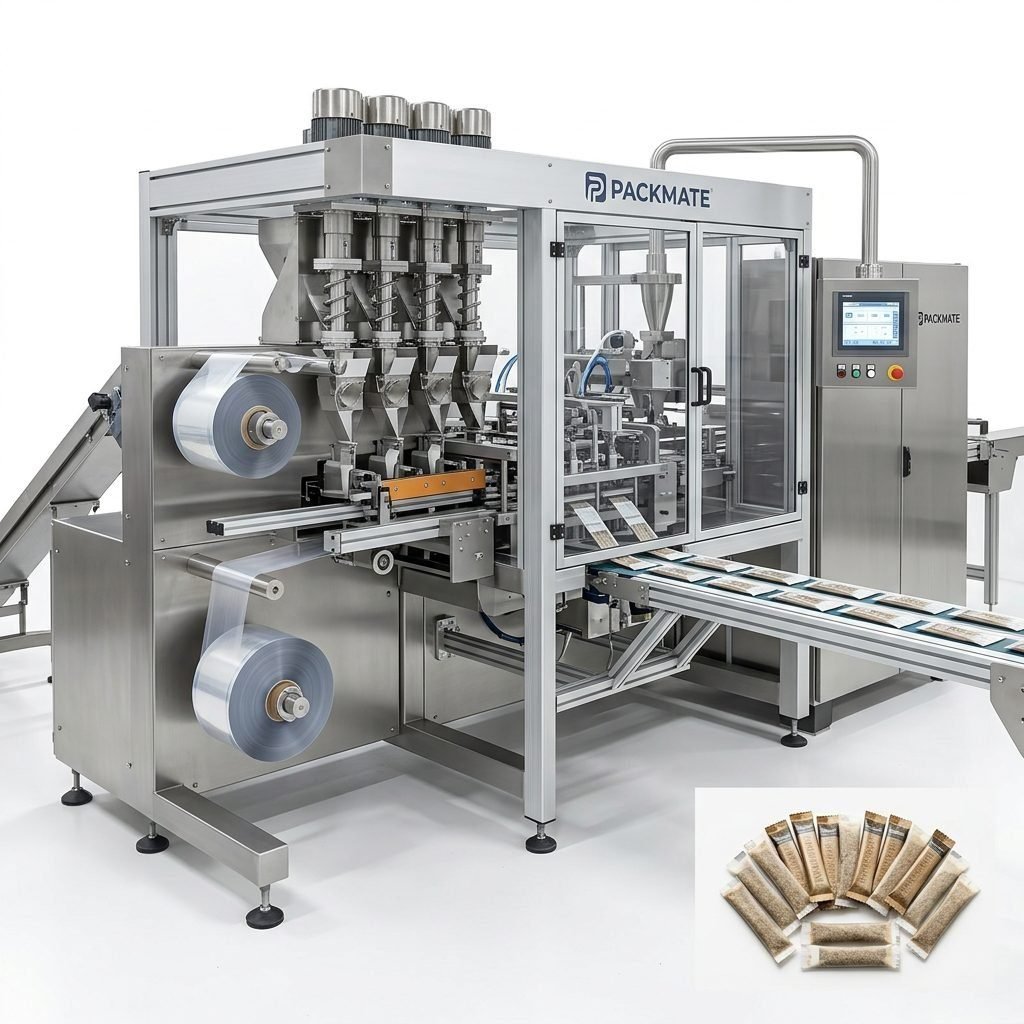
Choosing the best snus packaging machinery manufacturer in Oceania requires more than price comparison — it involves assessing technical fit, regulatory alignment, after-sales support and cultural preferences. This guide walks you through practical steps to select a partner that meets production demands in Australia, New Zealand and the wider Oceania market, with clear checklists, evaluation criteria and examples of what to expect from a high-quality supplier.
Understand the Oceania market and local customs
🔎 Oceania buyers value product safety, traceability and discreet design. In Australia and New Zealand, consumers often prefer compact, low-odor, and visually discreet nicotine pouches. Sustainability and recyclable materials are increasingly important among customers across major cities like Sydney, Auckland and Wellington. Remember: local regulations vary — always verify current laws for nicotine and tobacco products in your target market.
✅ Key cultural notes for Oceania buyers: fewer large-format bulk packs, preference for single-dose, user-friendly sachets and stick packs, and strong interest in sustainable packing materials.
Step-by-step evaluation: what to check when choosing a manufacturer
Follow these sequential checks to minimize risk and select a manufacturer aligned with your production and market strategy.
1. Product & machine capability
• Verify that the supplier specializes in snus and nicotine pouch equipment — not only general packaging machines. Machines designed specifically for micro-dose pouches, powder handling and moisture-sensitive filling will reduce waste and downtime.
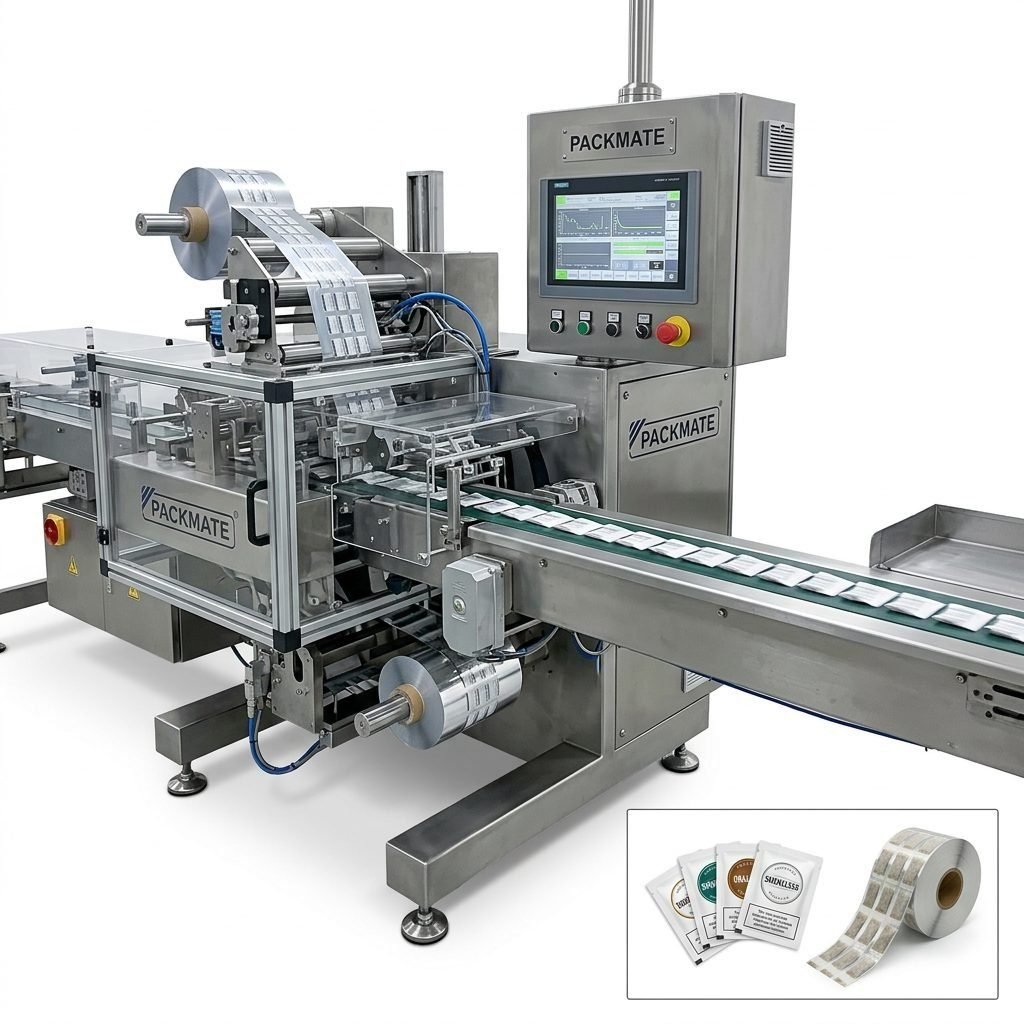
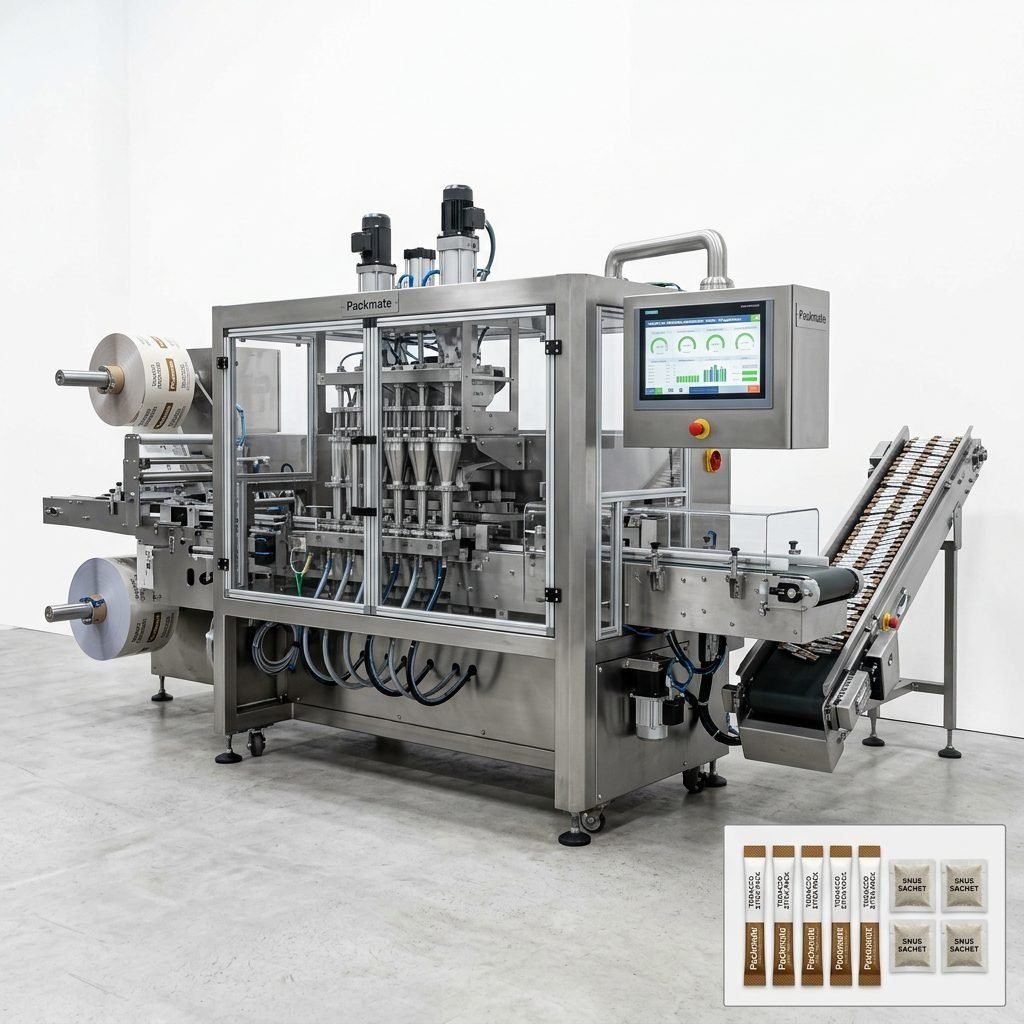
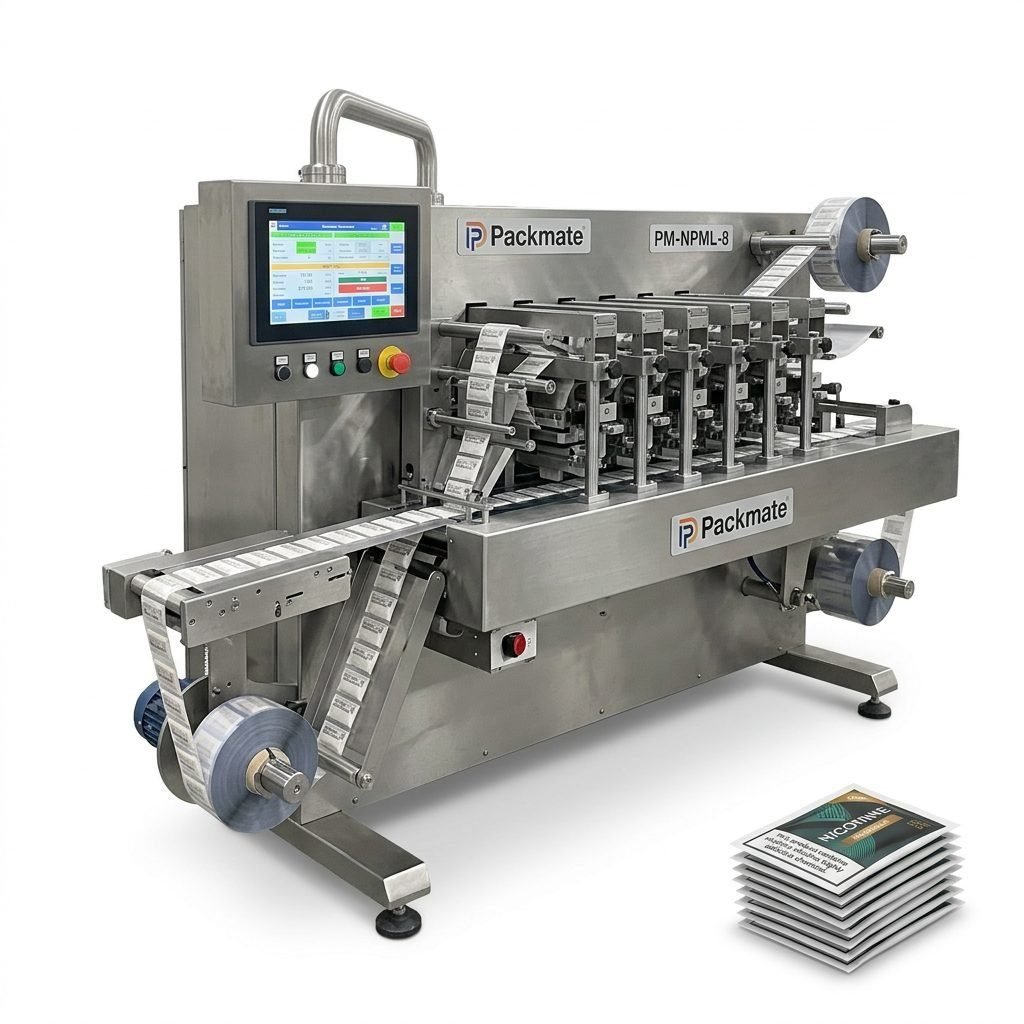
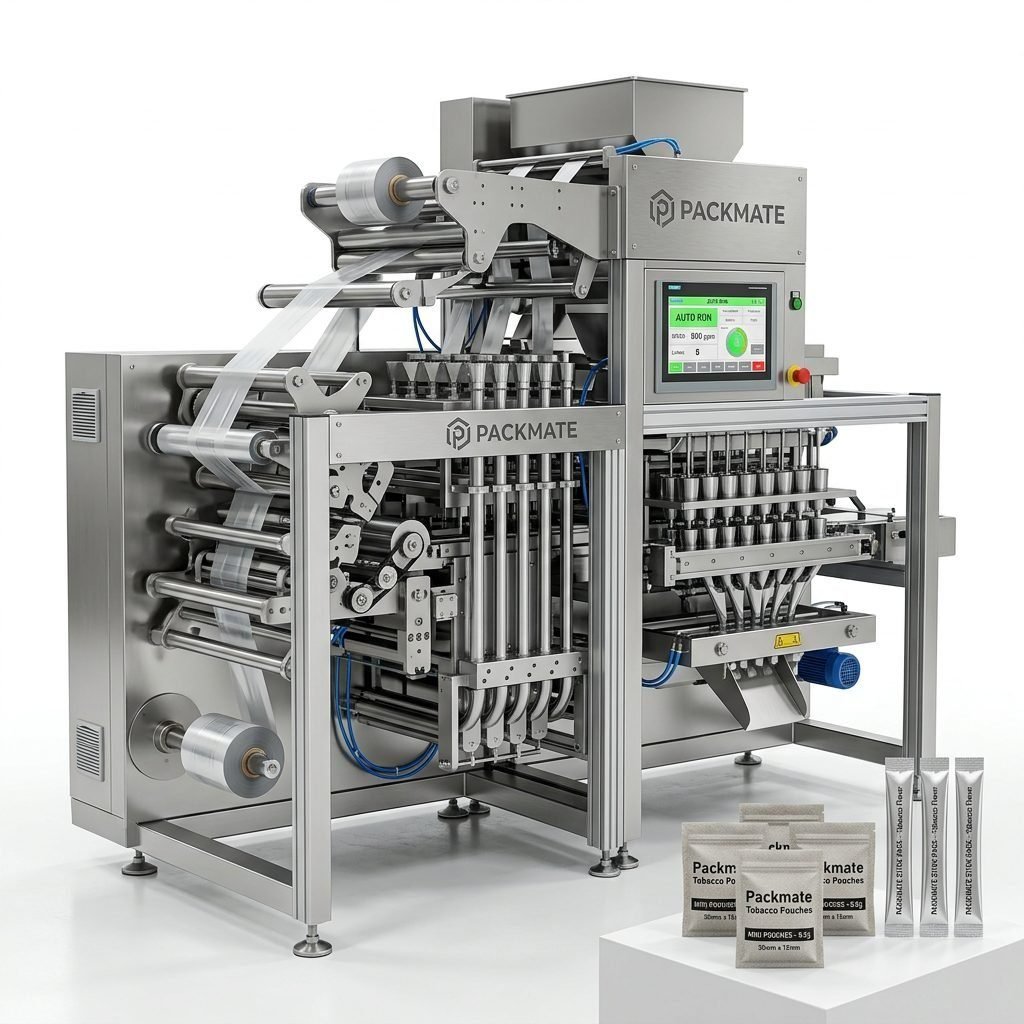
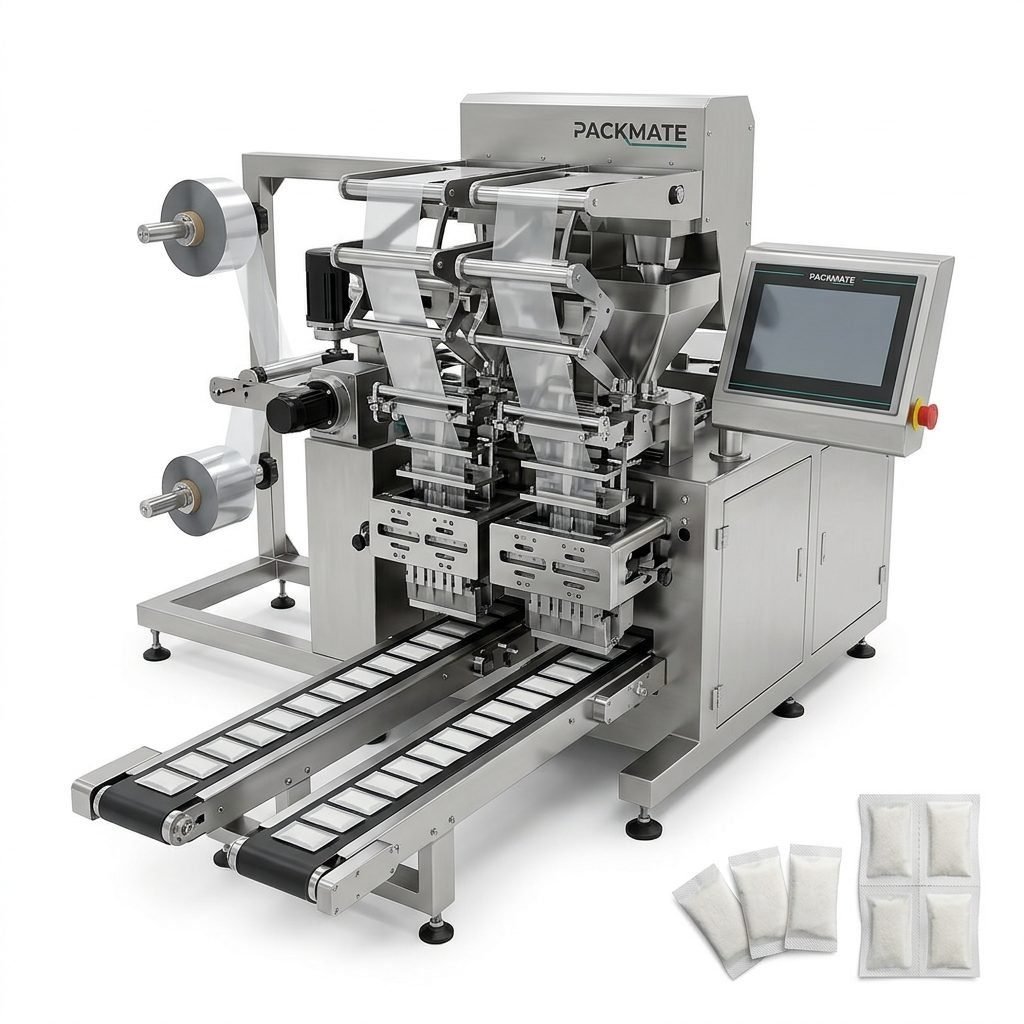
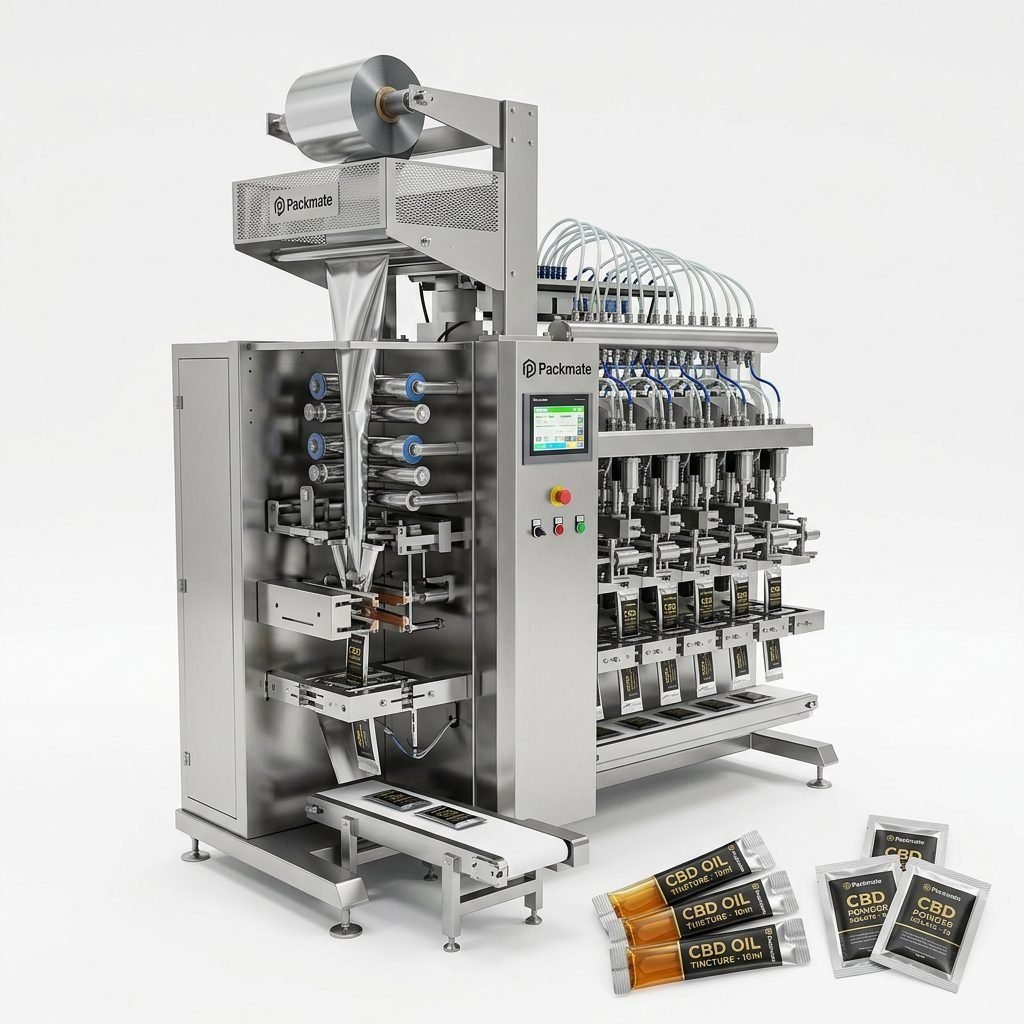
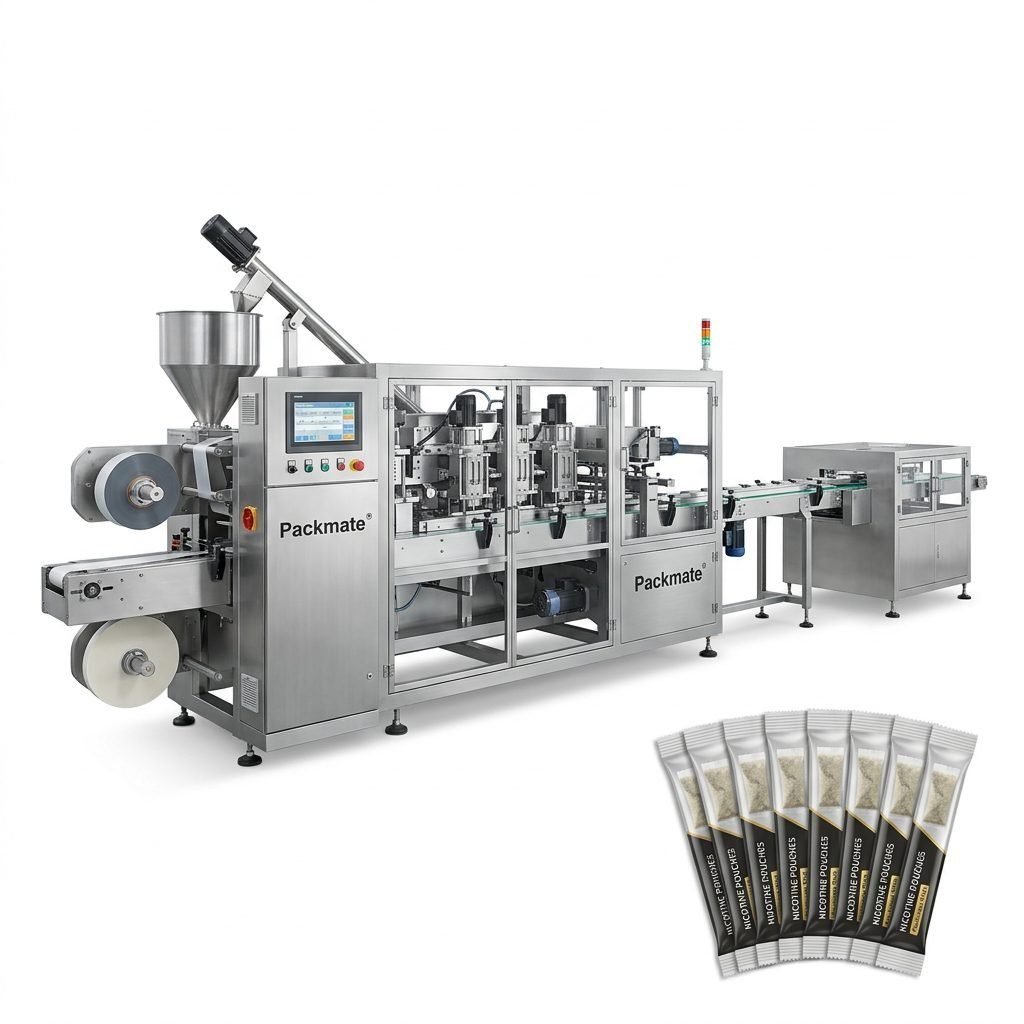
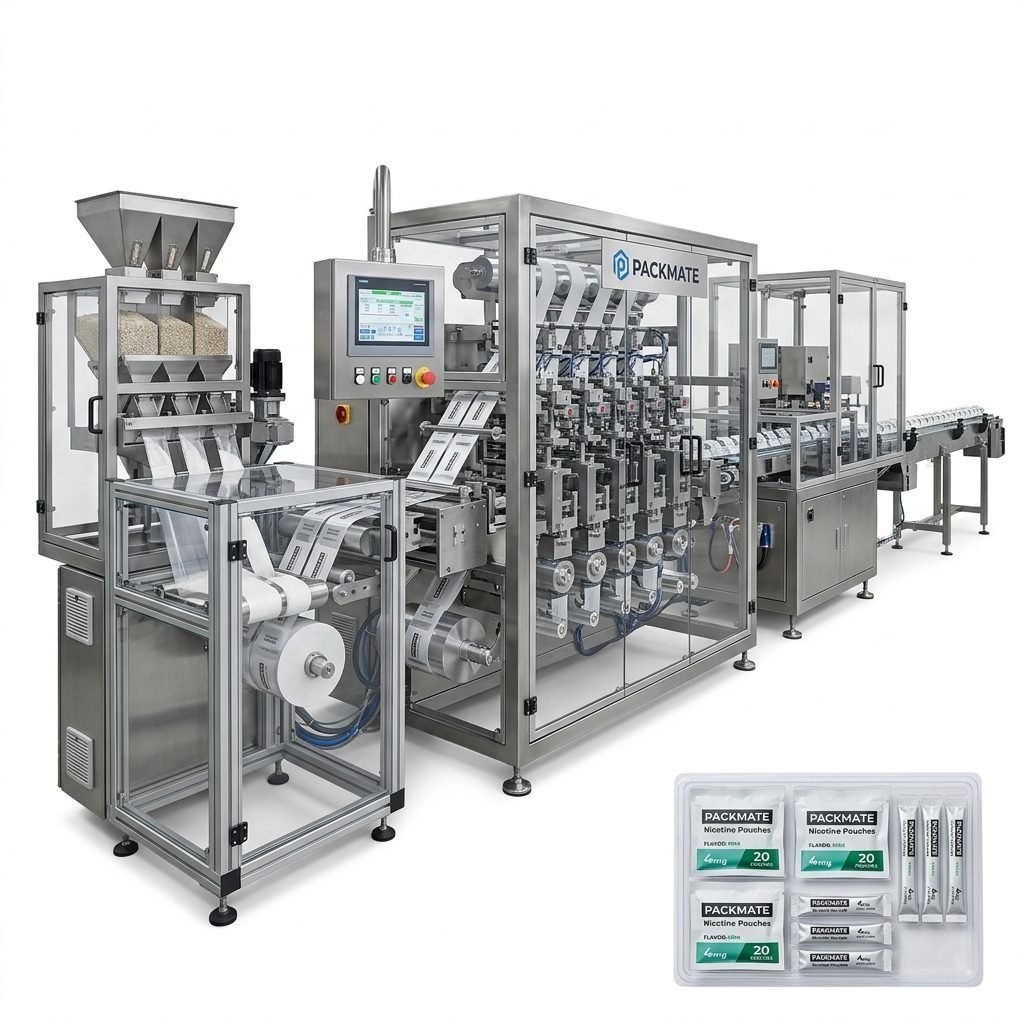
• Look for multi-lane options, stick pack and sachet machines, and fully integrated weighing and conveyance lines if you plan to scale production. (Manufacturers like Packmate offer a range of solutions tailored to nicotine pouch lines.)
2. Capacity & scalability
• Match machine speed (pouches/min) and lane count to your forecasted volumes.
• Ensure the manufacturer can supply both small pilot machines and larger multi-lane systems as demand grows. Scalability avoids frequent capital reinvestment.
📌 Practical metric to request: mean time between failures (MTBF), actual run rates under product load, and sample production data for similar formulations.
3. Material & format flexibility
• Confirm the equipment supports the specific pouch materials you plan to use (treated papers, composite foils, recyclable films).
• Consider future-proofing: ability to handle both flat sachets and stick packs, or switch between laminates and mono-material films for sustainability goals.
4. Compliance, certification & testing
• Choose manufacturers with international certifications such as CE and ISO. These reflect quality control and safety management systems.
• Ask for test reports and witness factory acceptance tests (FAT). For Oceania customers, request help understanding local compliance nuances — for instance, labeling, child-resistant closures and transport rules can differ.
Service, installation and local support
Good machinery is only as effective as the team that installs and supports it. Evaluate lead times, delivery logistics to Oceania ports, installation packages, and training options.
⚙️ Look for: onsite commissioning, remote diagnostics, spare parts availability and clear SLAs for response times. A manufacturer with long-term export experience will handle import documentation and customs more smoothly.
Spare parts and maintenance
• Confirm parts shelf-life and availability in Oceania. Fast replacement reduces downtime.
• Check whether the manufacturer offers preventative maintenance contracts and training programs for local operators.
Quality assurance & factory capability
Assess the supplier’s manufacturing footprint, machining capability and QA processes. A strong engineering background, CNC centers and rigorous testing track record matter for snus equipment due to precise dosing and sealing demands.
Packmate, for example, lists a 20,000㎡ factory, advanced CNC machining centers and 30+ years of experience — points that typically indicate consistent manufacturing quality and the ability to supply both standard and custom turnkey lines.
Factory visits and references
• Schedule a factory visit if possible; otherwise request virtual tours and client case studies.
• Ask for customer references in similar climates or regulatory environments — success stories in Europe or Asia can demonstrate proven performance.
Design features that matter for snus and nicotine pouches
Critical machine design details directly affect product quality and cost per pouch.
• Dosing precision: micro-dose accuracy reduces waste and guarantees consistent nicotine content.
• Gentle product handling: prevents powder bridging and maintains pouch integrity.
• Hermetic sealing with precise temperature control: essential for shelf-life and moisture protection.
• Quick-change tooling: enables faster format swaps and reduces downtime.
🌏 For Oceania producers, consider humidity control features and corrosion-resistant materials for coastal environments. These small design choices reduce maintenance costs in salt-laden atmospheres.
Sustainability, packaging materials and consumer expectations
Consumers in Australia and New Zealand increasingly expect eco-friendly packaging. Discuss recyclable or mono-material options with potential suppliers and ensure the machine handles those substrates without compromising sealing quality.
Manufacturers experienced with composite laminates and newer mono-material films will offer an easier transition to sustainable formats. Ask for lab test results on barrier performance and sealing strength for chosen films.
Price vs value — calculating true ROI
Initial machine cost is only the start. Model your total cost of ownership: purchase price, shipping, installation, training, spare parts, energy consumption and expected uptime.
A slightly higher initial investment in a well-built multi-lane line can yield faster payback if uptime, yield and speed are significantly better. Ask suppliers for case studies showing cost per pouch across comparable products.
How to validate the supplier before signing
• Request a formal proposal with technical specs, lead time, warranty, training and spare parts list.
• Insist on witnessable Factory Acceptance Tests (FAT) and Site Acceptance Tests (SAT) with your product samples.
• Confirm logistics: door-to-door vs FOB pricing, customs support and whether installation technicians will be available for Oceania deployment.
📌 Tip: include acceptance criteria in the contract (line speed, sealing integrity, weight accuracy) and link final payment to meeting those criteria.
Why Packmate is often shortlisted by global snus producers
Packmate positions itself as a specialist in snus and nicotine pouch equipment, offering multiple machine models and turnkey lines. Their 30+ years of engineering experience, 20,000㎡ factory and advanced CNC capabilities make them a credible option for companies seeking both standard machines and customized solutions.
If you want to review product offerings and cases directly, explore Packmate’s product pages and case studies: Snus & Nicotine Packaging Machines, Sachet & Stick Pack Machines, and customer Case examples.
Ask for these documents from any supplier
• CE/ISO certificates and FAT reports.
• Wiring and PLC documentation.
• Spare parts kit list and estimated annual consumables.
• Training curriculum for operators and maintenance staff.
Negotiation & procurement tips for Oceania buyers
• Combine initial purchase with a spare parts agreement to reduce lead times later.
• Consider negotiating structured payments linked to milestones (factory test, shipping, installation).
• Request language-appropriate manuals and remote support during ramp-up.
✅ Procurement checklist highlight: delivery lead time, spare parts lead time, warranty terms, onsite commissioning days, training hours, and penalty clauses for missed performance targets.
Final checklist before signing
1) FAT videos and acceptance criteria agreed; 2) Spare parts and consumables list included; 3) Warranty and SLA documented; 4) Local regulatory support and labeling advice available; 5) Training and remote support scheduled.
Frequently Asked Questions (FAQs)
Q1: How do I confirm a manufacturer can meet Oceania import regulations?
A1: Request documentation about export history to Australia/New Zealand, ask for assistance with customs clearance, and consult local compliance experts. Confirm any required labeling and product registration steps before purchase.
Q2: What is the typical lead time for snus packaging lines to Oceania?
A2: Lead times vary by machine complexity and customization — commonly 12–20 weeks for production plus shipping. Confirm current schedules and expedited options when negotiating.
Q3: Can machines be tested with our exact formula before shipment?
A3: Reputable manufacturers perform FAT with customer samples. Insist that your product is tested on the intended machine and obtain performance reports.
Q4: What after-sales support should I expect once machinery is installed in Oceania?
A4: Expect remote diagnostics, scheduled on-site visits for commissioning, a spare parts list with delivery times, and operator training. Confirm response windows in the SLA.
Q5: How do I balance cost and sustainability when selecting packaging materials?
A5: Prioritize machines that handle mono-material films or recyclable laminates. Evaluate barrier performance vs recyclability and include lifecycle costs (recycling, disposal, consumer perception) in your ROI model.