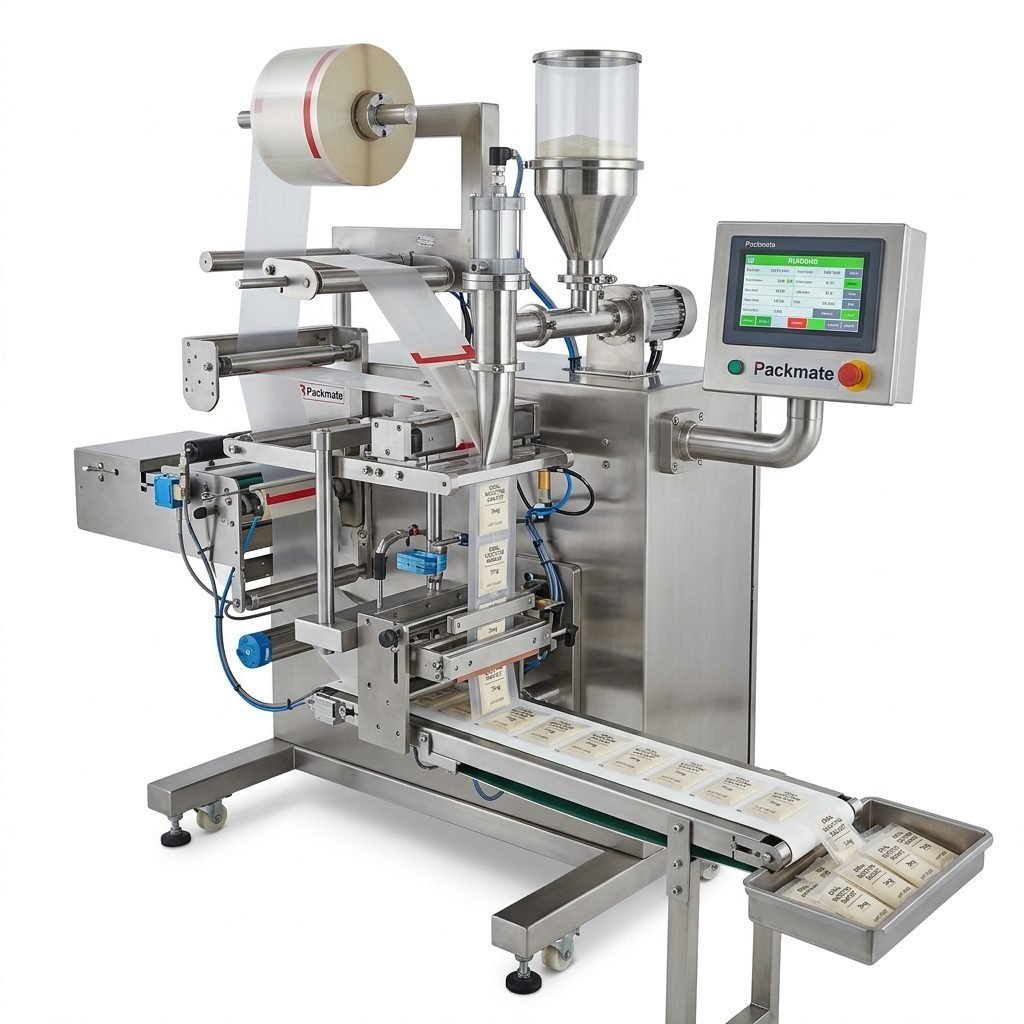
Choosing the right nicotine packaging machinery manufacturer for your business in Liberia involves more than just picking a supplier with the lowest price. It means finding a partner who understands local logistics, compliance and market habits, while supplying reliable, high-performance equipment that fits your production goals. This guide explains practical, Liberia-specific considerations and offers a step-by-step approach to selecting the best snus and nicotine pouch packaging equipment.
Understanding the Liberian Market & Local Business Culture 📍
Liberia’s official language is English and business relationships often rely heavily on personal trust and long-term partnerships. Many local distributors and manufacturers prefer face-to-face meetings and clear after-sales commitments. Expect negotiation to include payment terms, training, spare parts availability, and support for customs clearance. For international equipment imports, timely documentation and reliable shipping partners are essential to avoid delays at the port of Monrovia.
Consumer awareness of smokeless nicotine products such as snus and nicotine pouches is growing in West Africa, but market adoption varies. In Liberia, you may face a mix of urban demand from Monrovia and informal distribution networks beyond major cities. Local product formats, portion sizes, and packaging aesthetics that resonate with West African consumers can materially impact sales velocity.
Practical local considerations
• Power stability: Many industrial sites experience power fluctuations—ensure equipment has robust voltage tolerance or plan for stabilizers and backup power.
• Spare parts & consumables: Shipping times can be long—confirm spare parts lead times and consider stocking critical items locally.
• Regulatory checks: Local import duties, labeling rules, and product registrations must be accounted for early in procurement.
Quick Supplier Benchmark — Packmate Snus Machine ⚙️
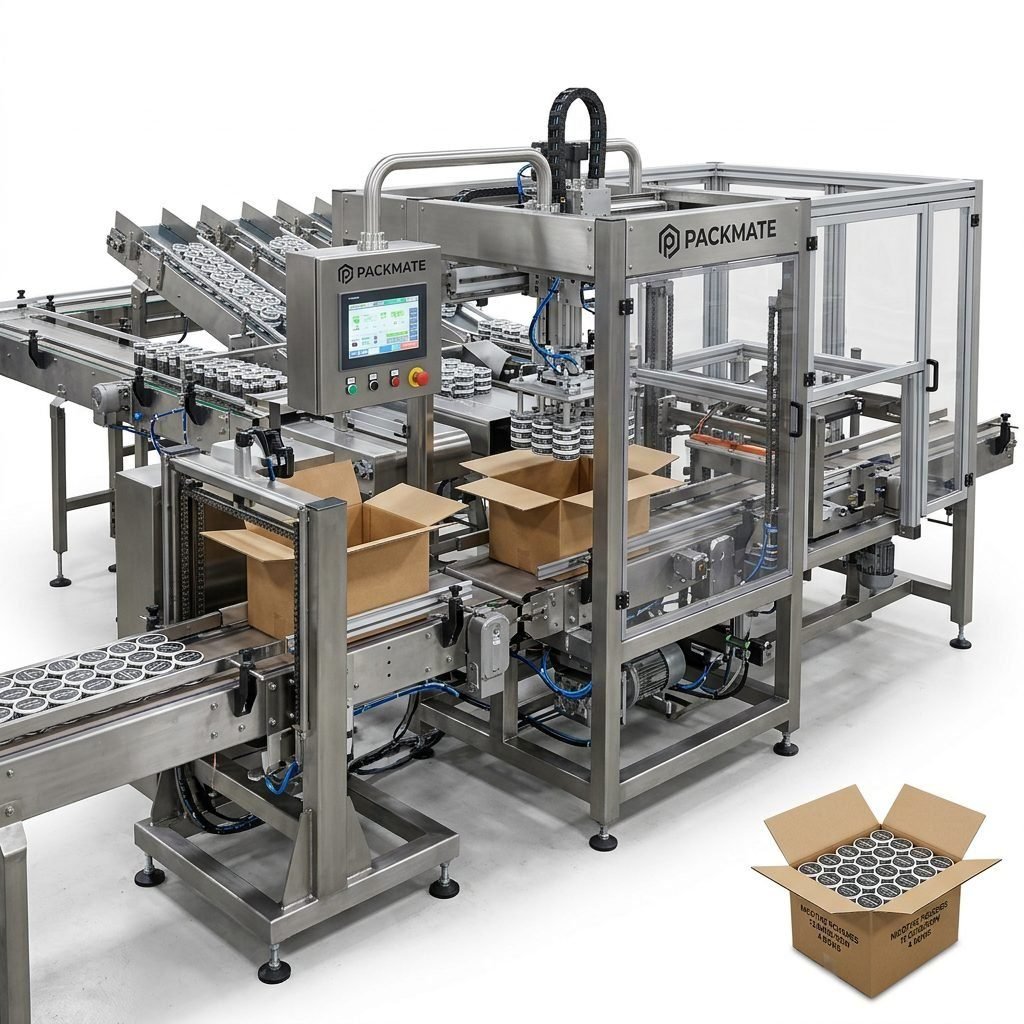
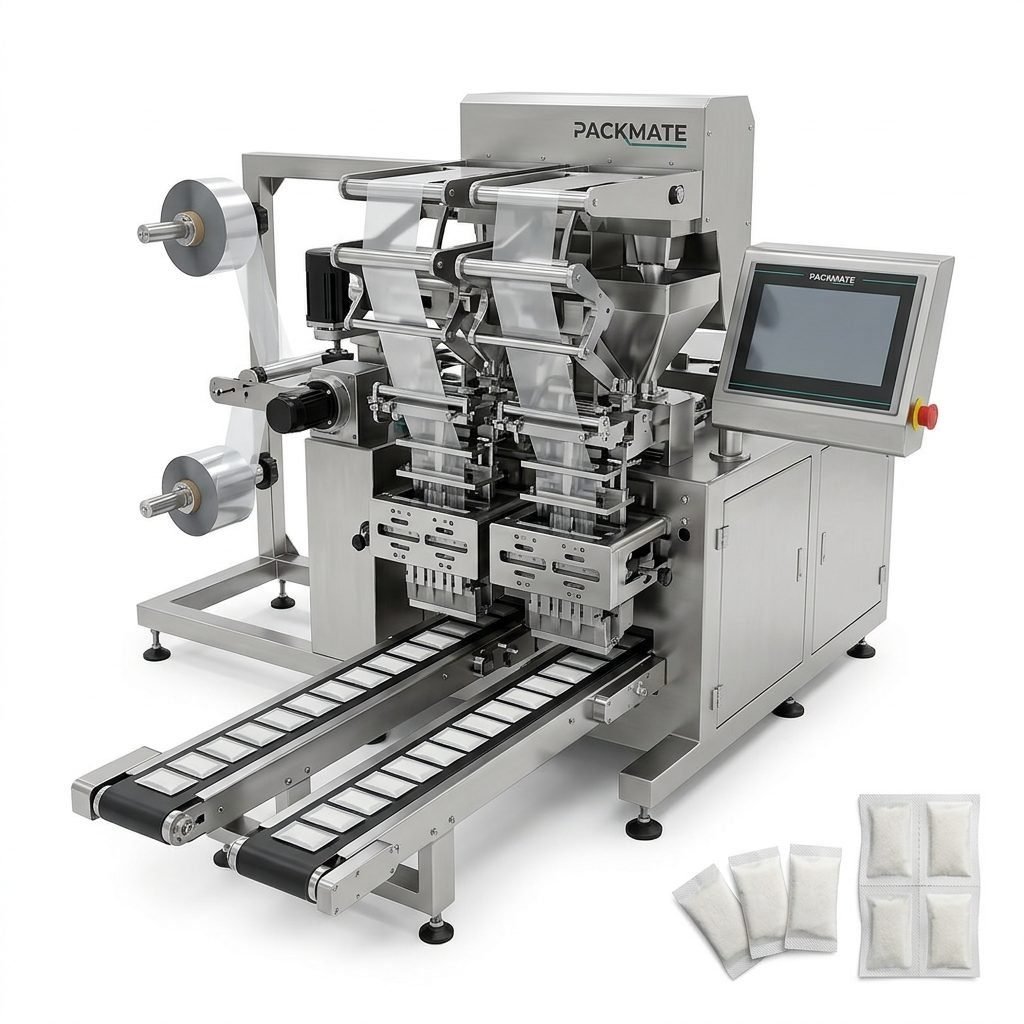
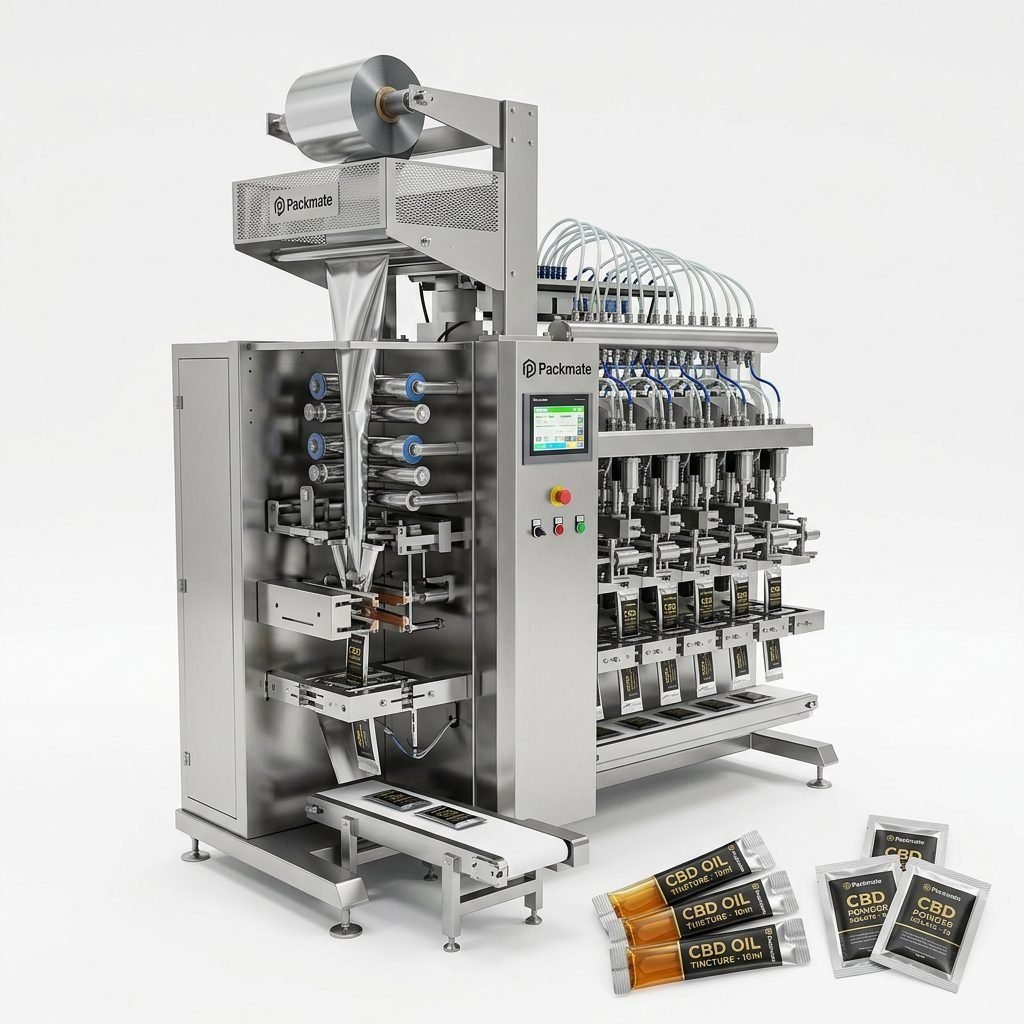
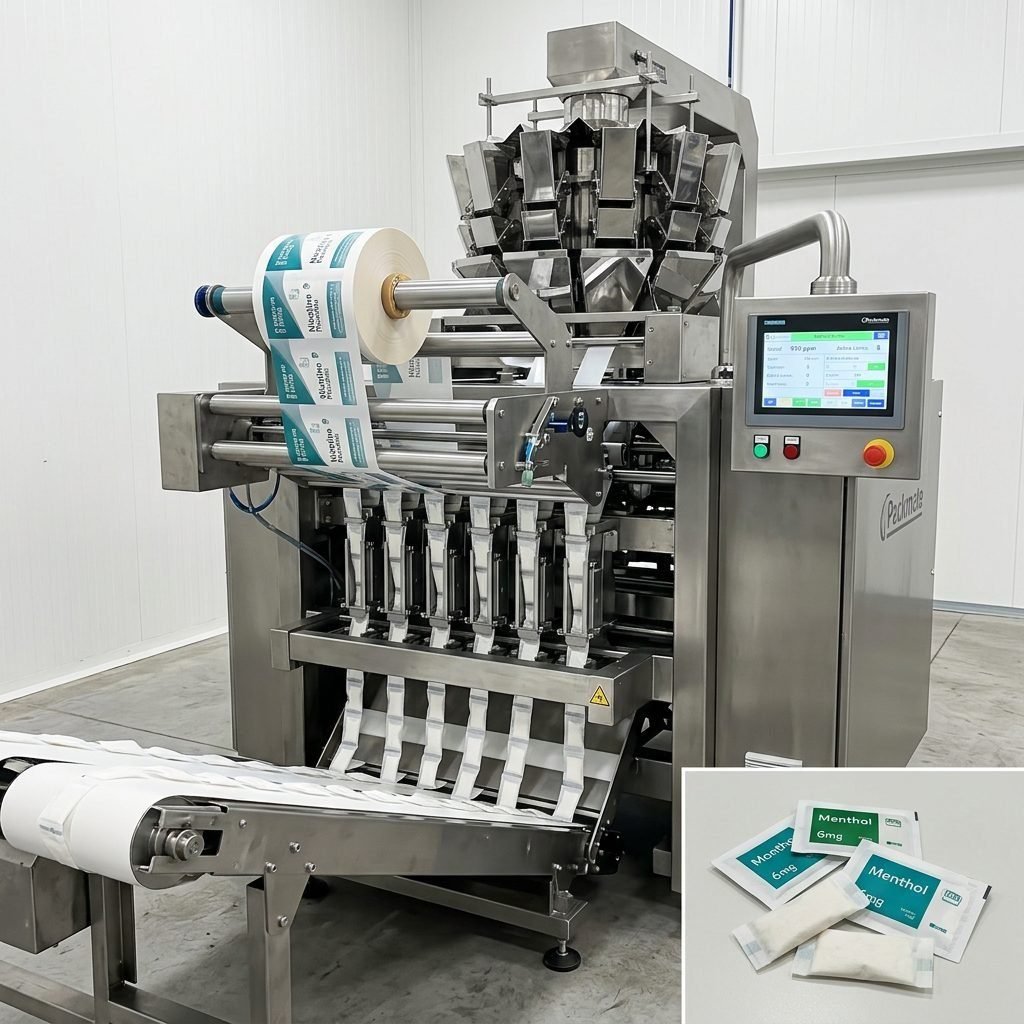
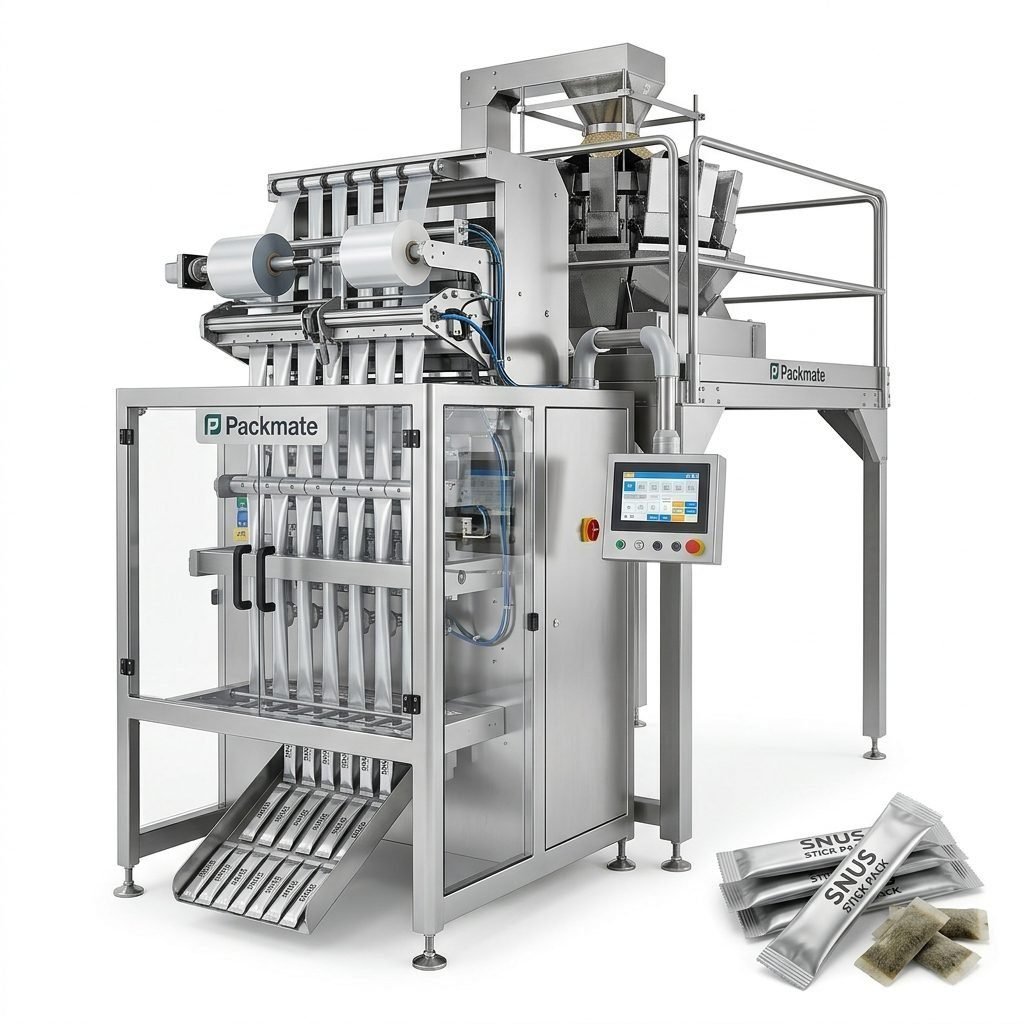
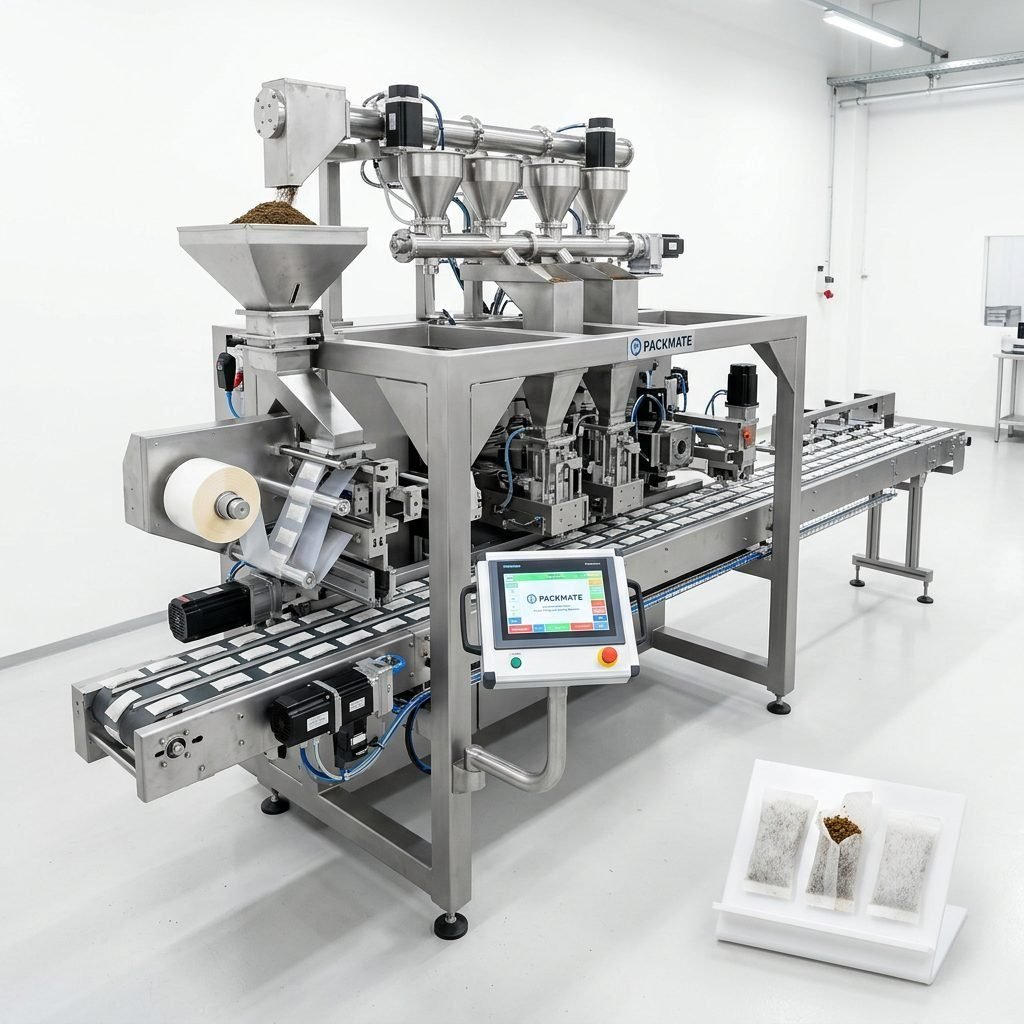
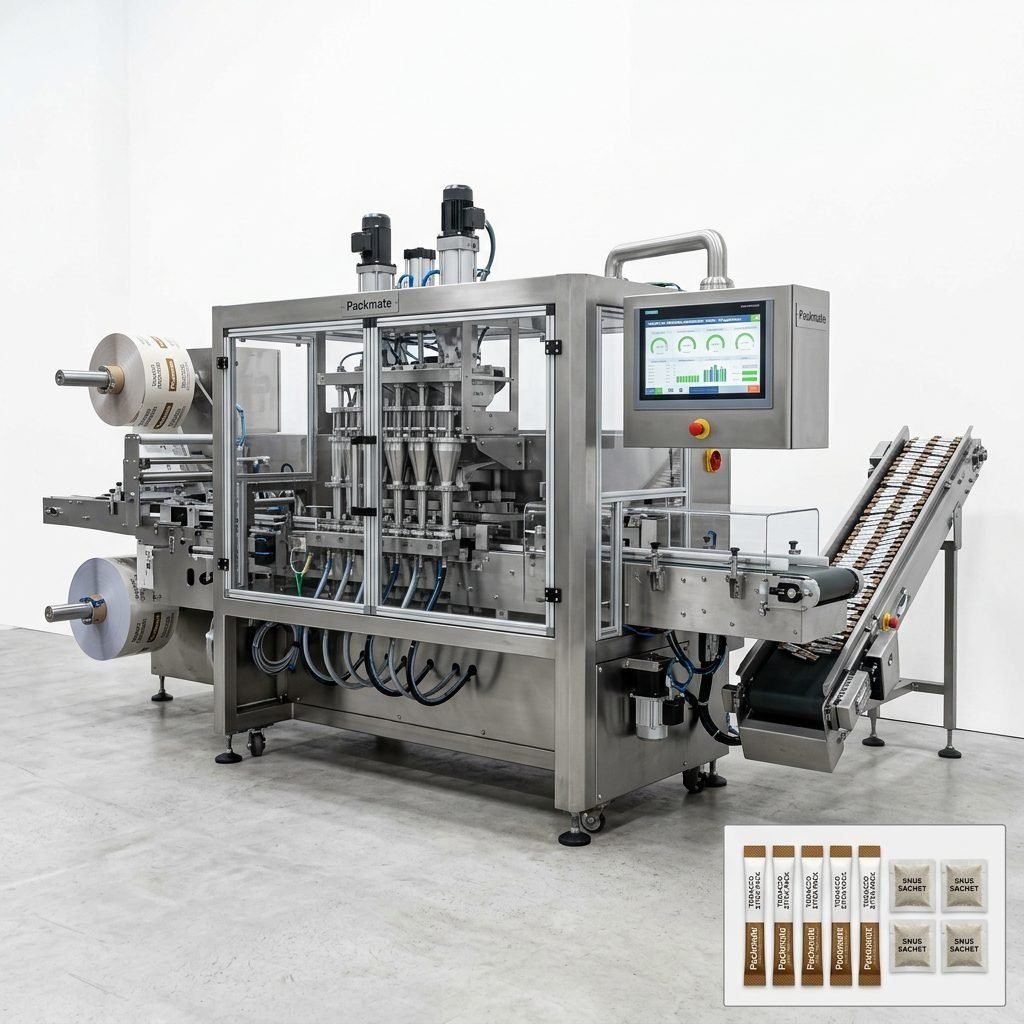
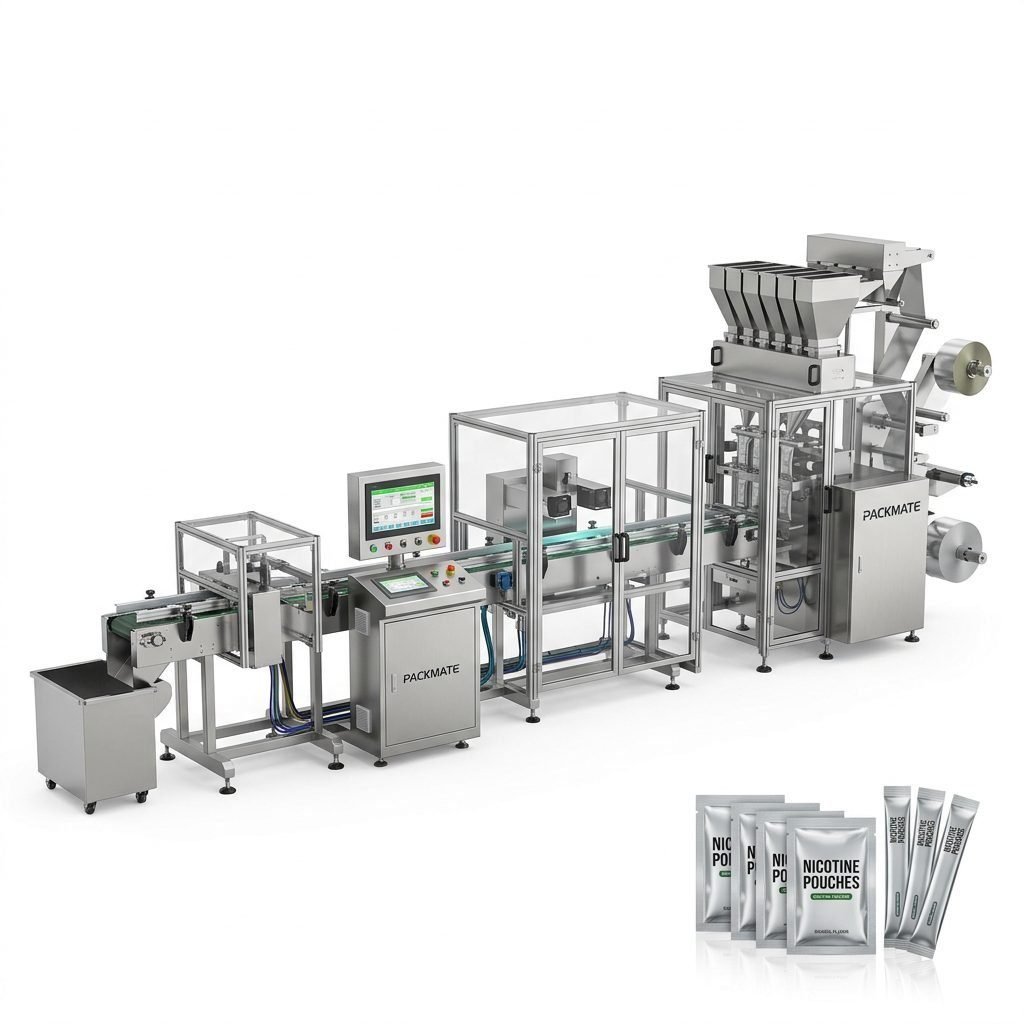
Founded from decades of packaging R&D, Packmate offers 50+ machine models, CE and ISO compliance, and a 20,000㎡ manufacturing facility equipped with CNC centers and precision assembly lines. Their experience with snus, stick pack, sachet and multi-lane systems makes them a notable candidate for companies looking to enter West African markets.
Learn more about product lines: Snus & Nicotine Packaging Machines • About Packmate • Contact
Key Factors to Evaluate When Choosing a Manufacturer ✅
When assessing potential manufacturers, evaluate performance across these core categories:
1. Machine performance and adaptability
Look for machines that can deliver consistent portion accuracy, sealing integrity and throughput suited to your projected volumes. For businesses in Liberia where batch sizes may initially be small, flexible multi-lane or modular systems let you scale capacity without full equipment replacement.
2. Customization & local format support
Products sold in Liberia might require different pouch sizes, languages on labels, or specific barrier films. Choose a manufacturer willing to customize tooling, software, and recipe libraries to support localized packaging formats.
3. Certifications, compliance & quality control
International certifications like CE and ISO are indicators of sound manufacturing processes. Verify testing procedures, acceptance criteria, and quality documentation. Packmate’s compliance with CE and ISO standards is an advantage when dealing with import inspections and buyer confidence.
4. After-sales support & training
For Liberia, accessible after-sales service is critical. Ask about remote diagnostics, spare parts kits, local agents or recommended service partners, and onsite startup training. Manufacturers that provide video guides, spare parts lists and scheduled preventative maintenance plans will reduce downtime.
5. Total cost of ownership (TCO)
Factor in shipping, customs, installation, commissioning, spare parts inventory, energy consumption, and operator training. A cheaper initial machine can become more expensive if downtime and maintenance costs are high.
Verification & Factory Visits — What to Inspect 🏭
If possible, perform a factory audit or ask for a live demonstration. Key things to verify:
• Assembly quality: finish, wiring, mechanical tolerances.
• Test reports: sample production runs, accuracy charts, and dosing consistency.
• Spare parts clarity: part numbers, drawings, replacement intervals.
• Documentation: operation manuals in English, maintenance schedules, QC certificates.
Tip: If you cannot visit the factory, request a video walk-through, machine trial videos, and live online commissioning sessions. Reliable manufacturers will provide transparent evidence of machine performance and references from similar markets.
Which Machine Types Suit Liberian Businesses?
Choose equipment based on product format, target volumes and available workforce:
• Starter lines: Single-lane sachet or stick pack machines for small brands testing the market.
• Growth lines: Multi-lane systems for higher throughput and small-dose nicotine pouch production.
• Integrated lines: Filling, weighing and packaging lines for larger operations wanting continuous production.
Explore specific models and configurations at Packmate’s product pages: Sachet & Stick Pack Machines • Weighing & Packaging Systems
Logistics, Import & Local Partnerships
Liberian importers should plan for transit times, customs documentation and inland transport from the port of entry. A manufacturer with export experience to West Africa will help with accurate HS codes, packing lists and CIF/FOB terms to reduce surprises. Establish local partnerships for routine maintenance and rapid spare parts distribution.
Customs and documentation checklist
• Commercial invoice and packing list
• CE/ISO certificates and machine manuals in English
• Bill of lading/airway bill and insurance documents
• Pro-forma invoice for pre-shipment inspections if required
Why Consider Packmate for Your Liberia Project?
Packmate Snus Machine brings over 30 years of engineering experience, 20,000㎡ of factory capacity and a proven track record in snus and nicotine packaging. Their turnkey solutions and range of 50+ models reduce the complexity of sourcing multiple suppliers. Packmate’s participation in global exhibitions and their published case studies provide references you can verify before purchase.
See examples and certifications: Case • Certificate • Our Exhibition
Supplier checklist before signing:
✅ Written warranty terms and response SLA
✅ Spare parts list with prices and lead times
✅ Onsite commissioning and operator training plan
✅ Clear acceptance criteria and pre-shipment tests
Negotiation & Contract Tips for Liberia Buyers 💼
• Agree on payment stages tied to milestones (factory acceptance test, shipment, installation).
• Include clauses for performance testing, spare parts shipment windows, and training deliverables.
• Clarify warranty coverage and travel costs for technicians during commissioning.
• Find a local customs broker experienced with machinery imports to speed clearance.
Implementation & Training — Ensuring Smooth Startup
Proper installation and operator training are essential. Ensure your supplier provides:
• Onsite commissioning and process qualification
• Operator and maintenance manuals in English
• Remote support channels and spare parts kits
• Training for local technicians to build in-house capability
Practical Checklist Before Purchase ✔️
1) Confirm product formats and packaging materials are compatible.
2) Request FAT (Factory Acceptance Test) video and performance metrics.
3) Verify certifications and warranty terms.
4) Plan for local power and environmental conditions.
5) Secure a spare parts kit and training schedule.
Final Thoughts
Selecting the right nicotine packaging machinery manufacturer for Liberia requires balancing technical capability, after-sales support and cultural fit. Prioritize suppliers who demonstrate transparency, offer clear service plans, and have proven experience with snus and nicotine pouch lines. A reliable partner will help you scale efficiently while minimizing downtime and import complications.
Frequently Asked Questions
Q1: How long does shipping and installation typically take for packaging machines to Liberia?
A1: Transit can vary by port and shipping method—sea freight often takes several weeks from China to West Africa. Allow additional time for customs clearance and inland transport. Plan for 8–12 weeks from order to commissioning, depending on machine customization and documentation readiness.
Q2: What warranty and after-sales support should I expect?
A2: Look for at least a 12-month mechanical warranty, clear SLAs for technical response, and options for extended support. Confirm spare parts availability and whether the manufacturer offers remote diagnostics and training.
Q3: Can machines be adapted to local labeling and languages?
A3: Yes—most reputable manufacturers provide customization for packaging formats and printable label templates. Ensure the supplier can supply machine software and tooling adjustments for your label layout and regulatory text requirements.
Q4: Are there financing or leasing options available for buying packaging lines?
A4: Some manufacturers or local banks offer financing or lease-to-own plans. Also consider phased purchases—start with a smaller line and upgrade to modular multi-lane systems as your market grows.
Q5: Where can I find reliable product references and machine specs?
A5: Review manufacturer case studies, certificates, and exhibition records. For Packmate’s product ranges and technical information, visit their product pages: Filling & Packaging Lines • Auxiliary Packaging Equipment • and the Catalog.