Entering the Cuban market with snus or nicotine pouches requires more than product knowledge — it demands the right packaging machinery tailored to Cuba’s climate, distribution habits, and regulatory environment. This buyer’s guide walks you through how to choose the best snus packaging machinery for Cuba, from machine types and technical specs to logistics, local customs, and after-sales considerations.
Market & cultural context in Cuba
Cuba is globally known for its tobacco heritage and a strong culture around cigars and hand-rolled products. While traditional tobacco use is dominant, the nicotine pouch and snus market is emerging, particularly among tourists, expatriates, and younger urban customers seeking smoke-free alternatives. Consider these local realities:
Regulatory sensitivity: Cuba operates tight import and health regulations. Ensure labels are bilingual (Spanish & English where needed), meet local health declarations, and account for any import permits or excise rules.
Storage & climate: Cuba’s tropical humidity and heat can impact pouch stability and packaging seals. Machines must support robust sealing and barrier materials.
Distribution model: Expect a mix of state-run outlets, boutique tourist shops, and small retail kiosks. Packaging formats that support small-batch production and attractive retail presentation work best.
Which snus packaging machine types suit Cuba?
Choosing the machine type depends on your pouch format, production scale, and product characteristics (moisture, granularity, liquids). Main machine types:
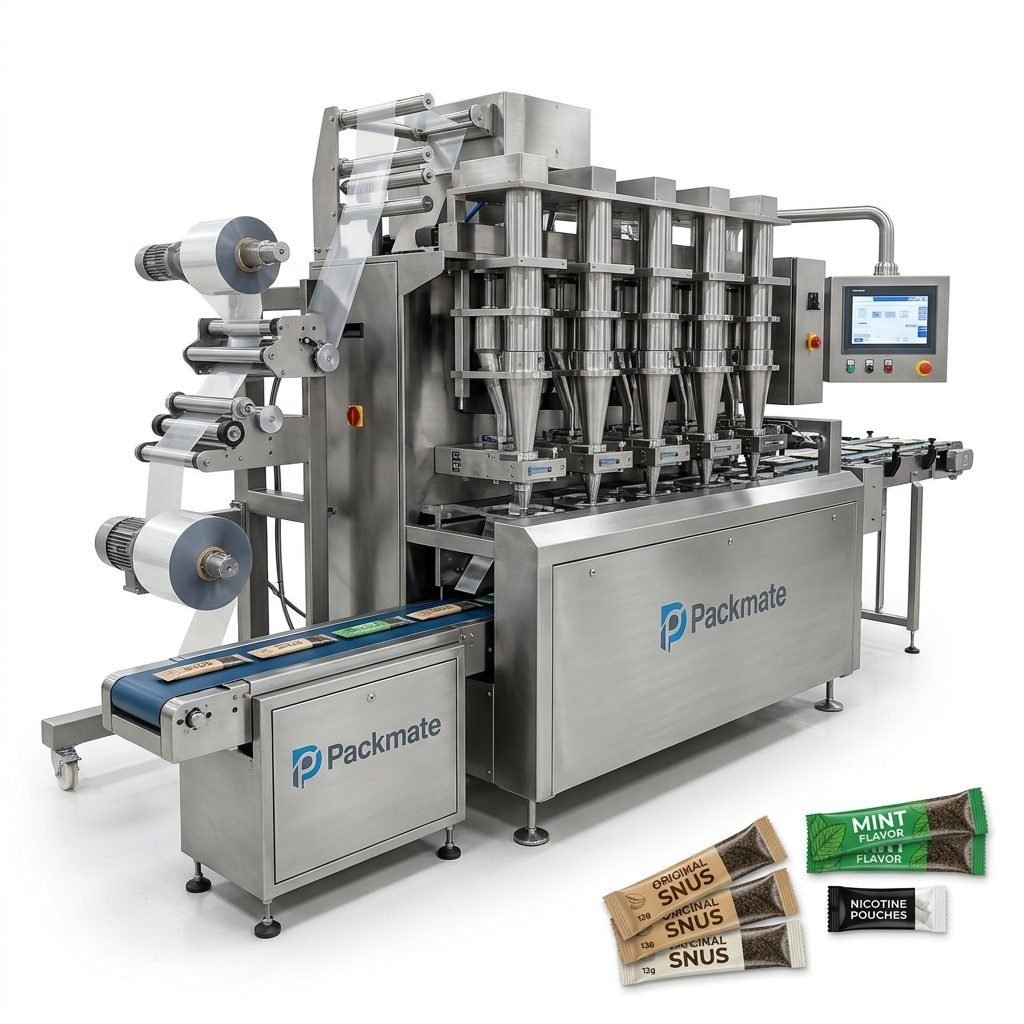
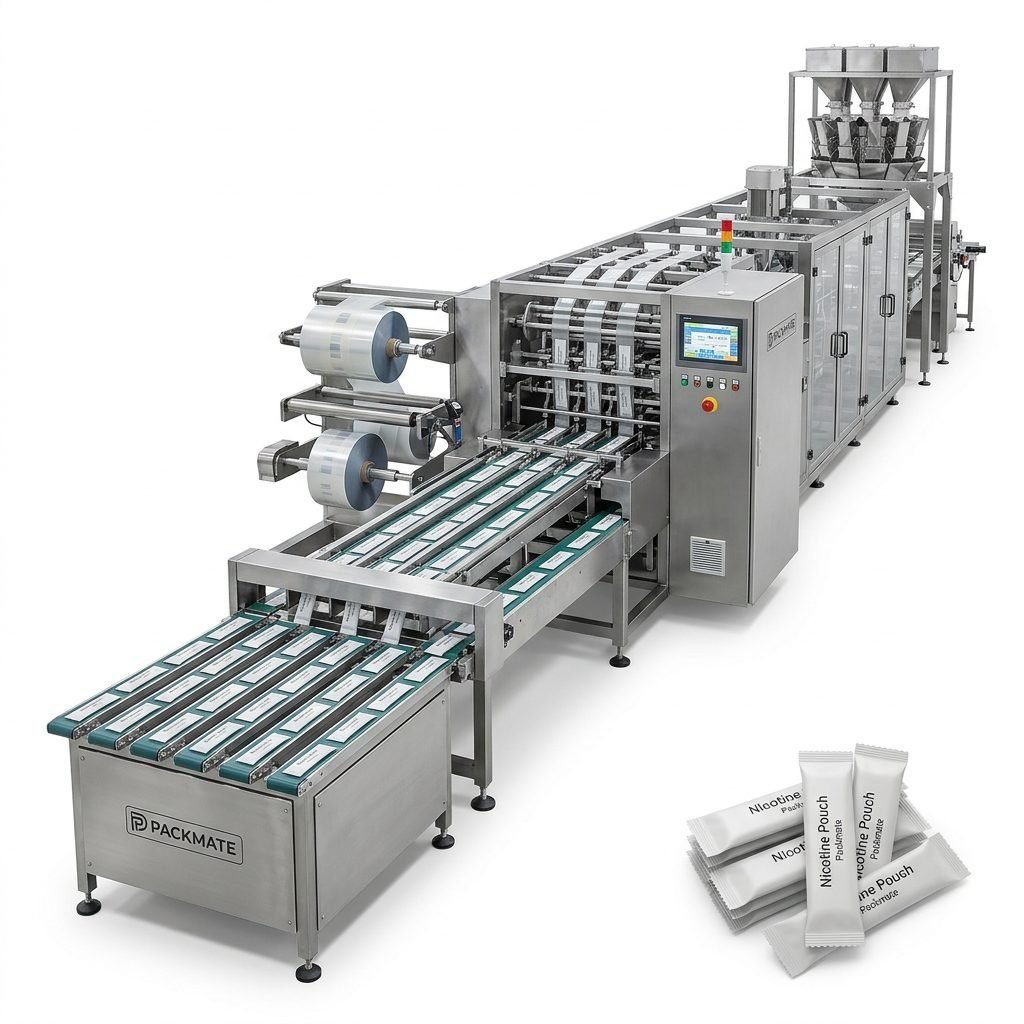
🔧 Stick pack machines — ideal for single-dose tear-open sticks. Good for tourist impulse sales and portion control.
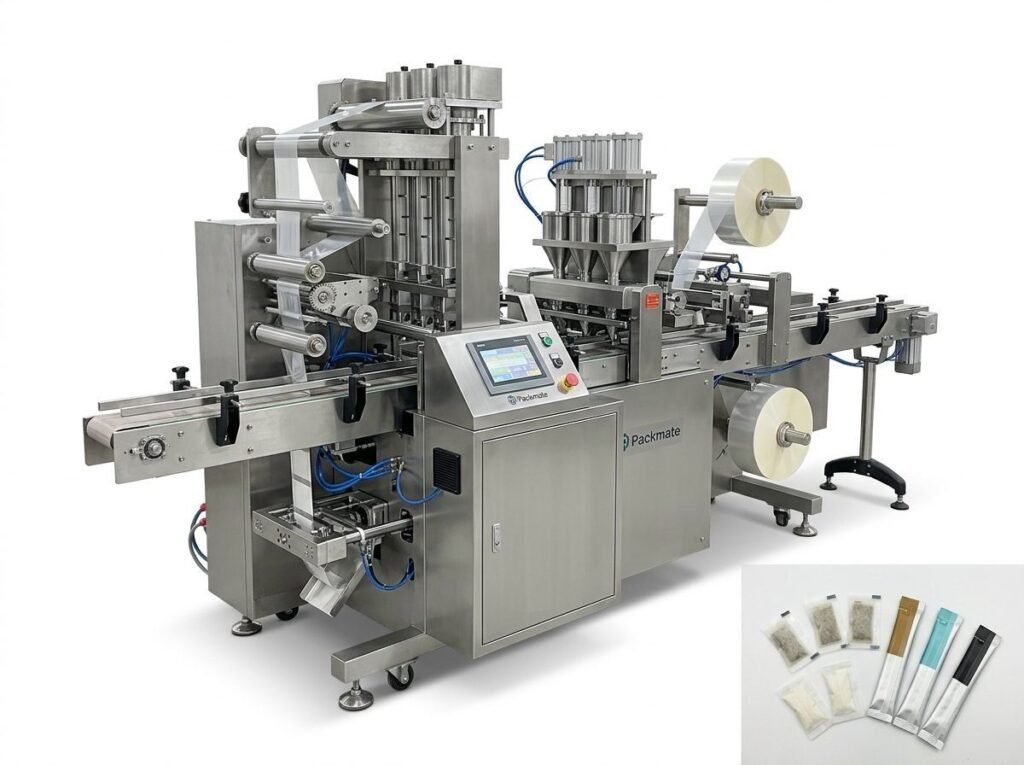
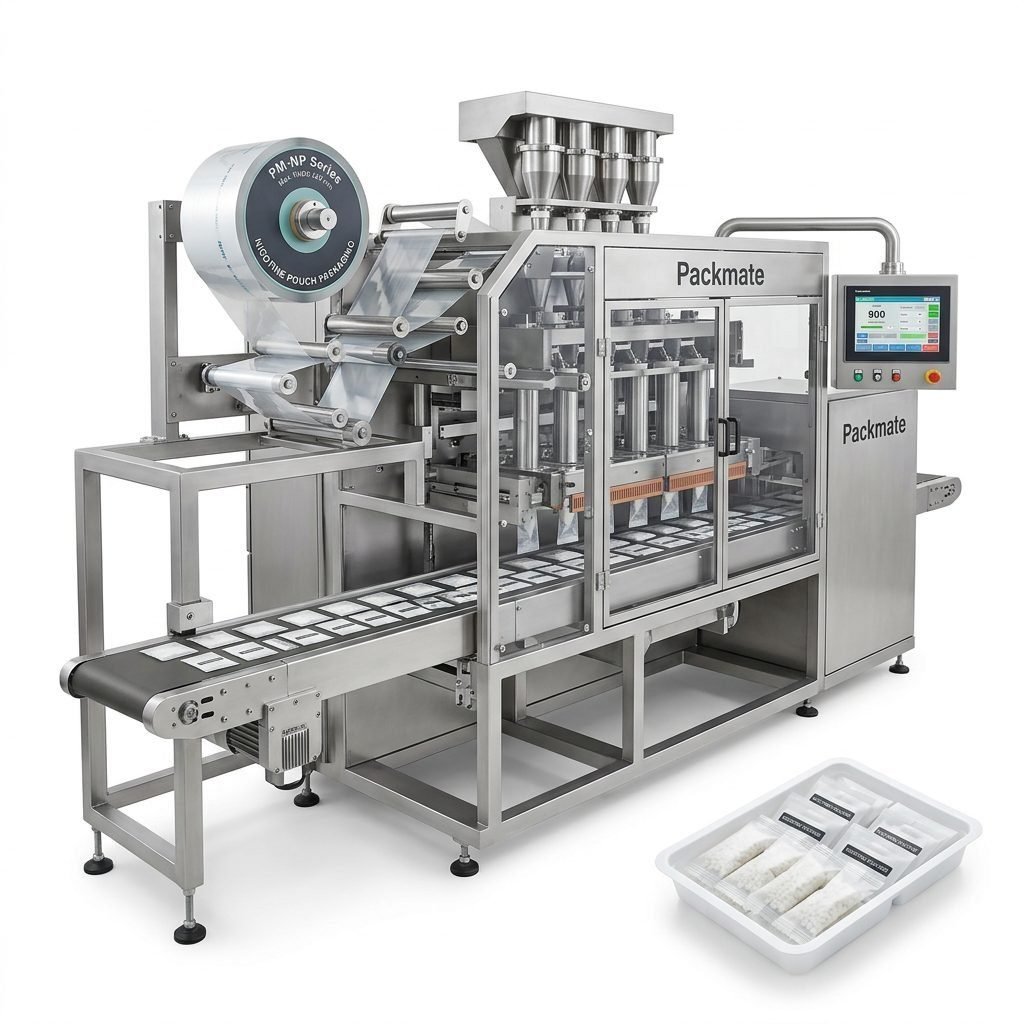
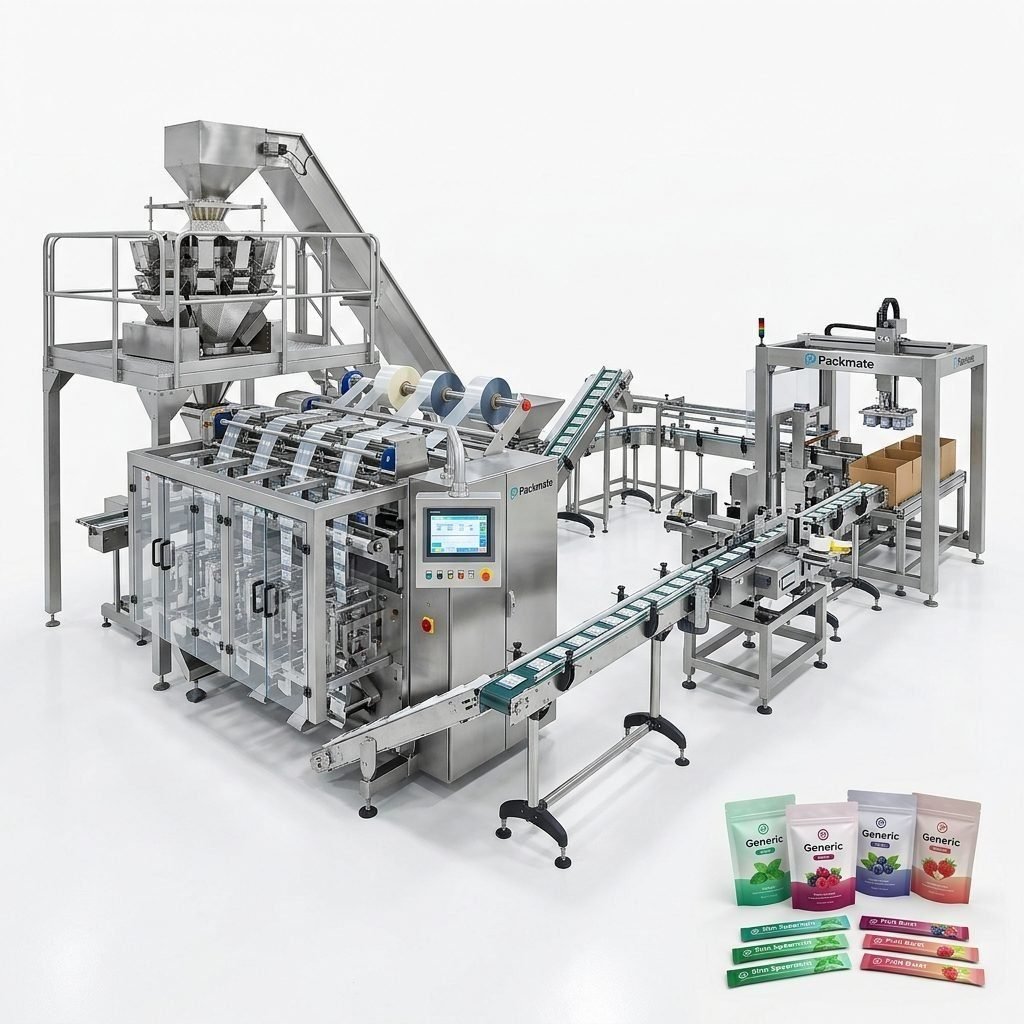
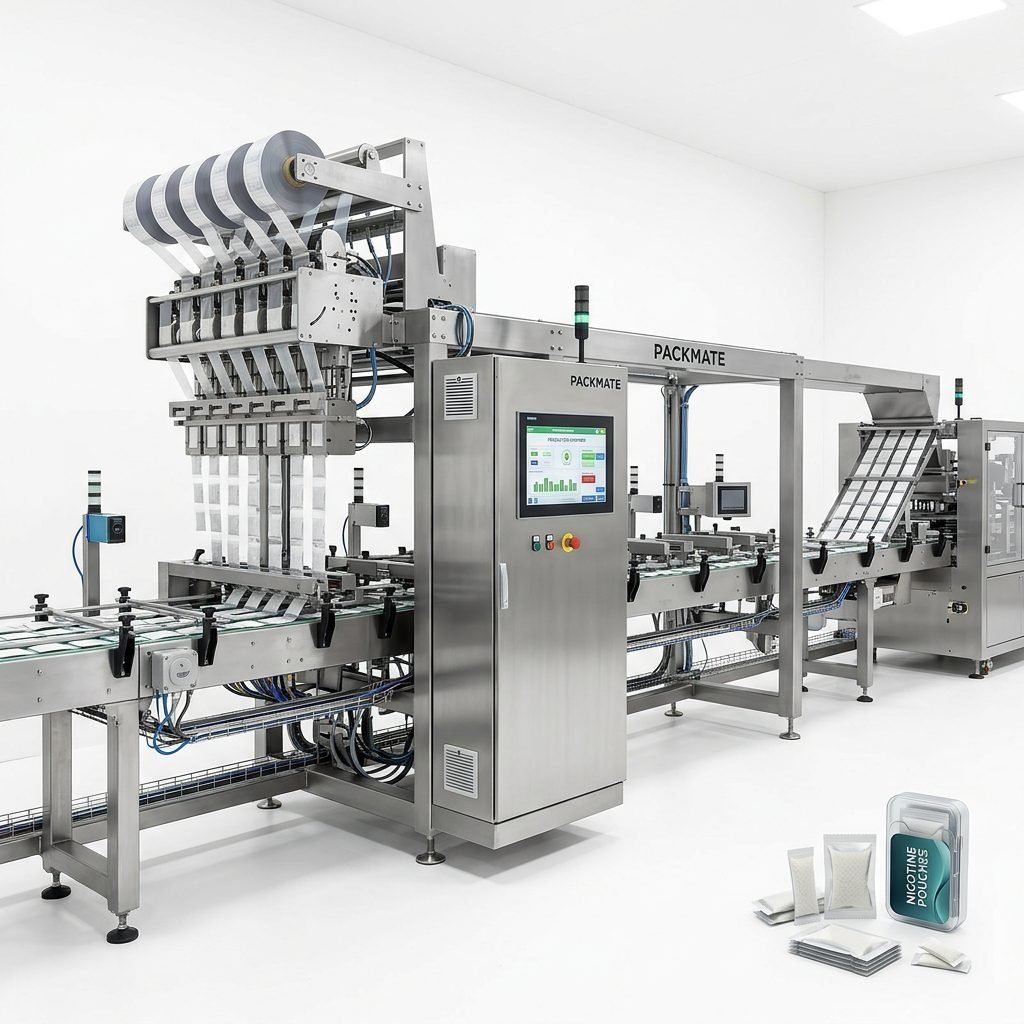
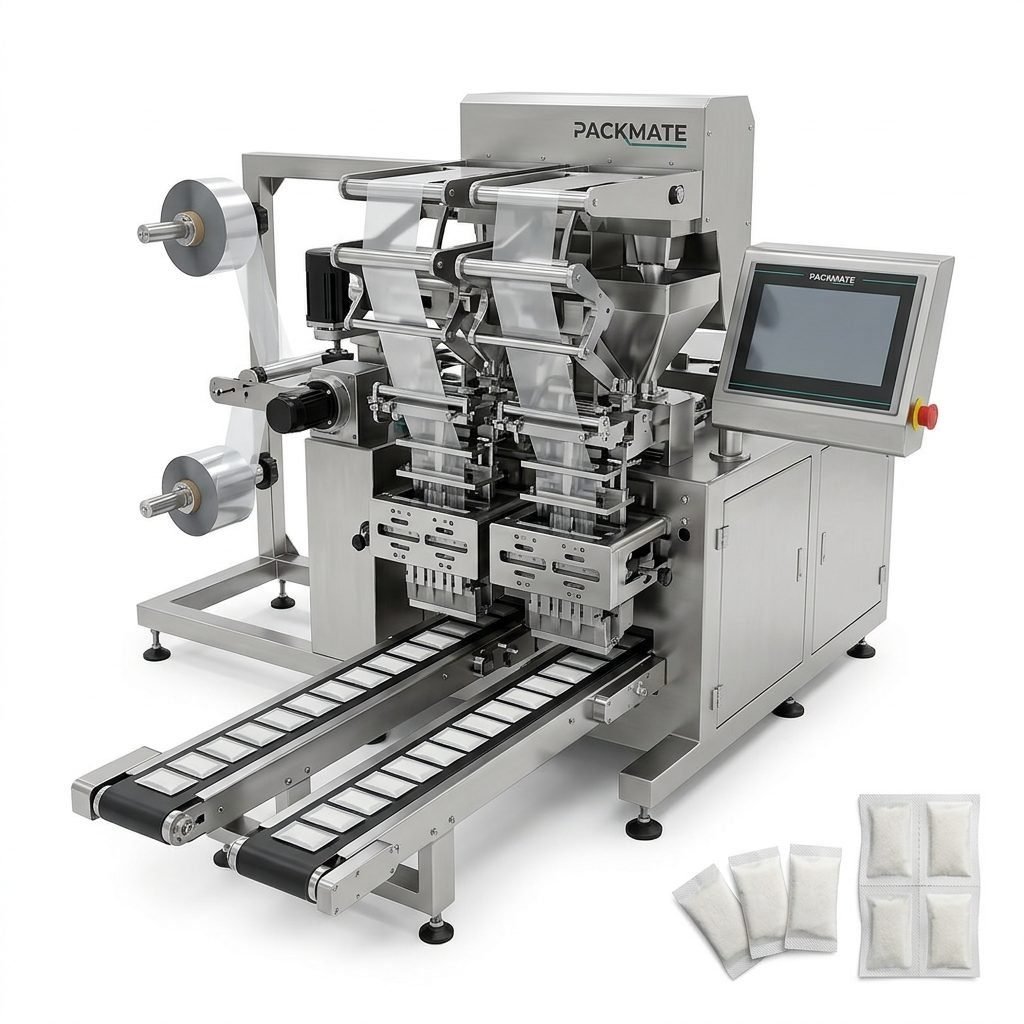
🔧 Sachet & multi-lane snus pouch machines — suited for multi-lane high-speed lines producing small-dose pouches. Best for scaling up while keeping footprint compact.
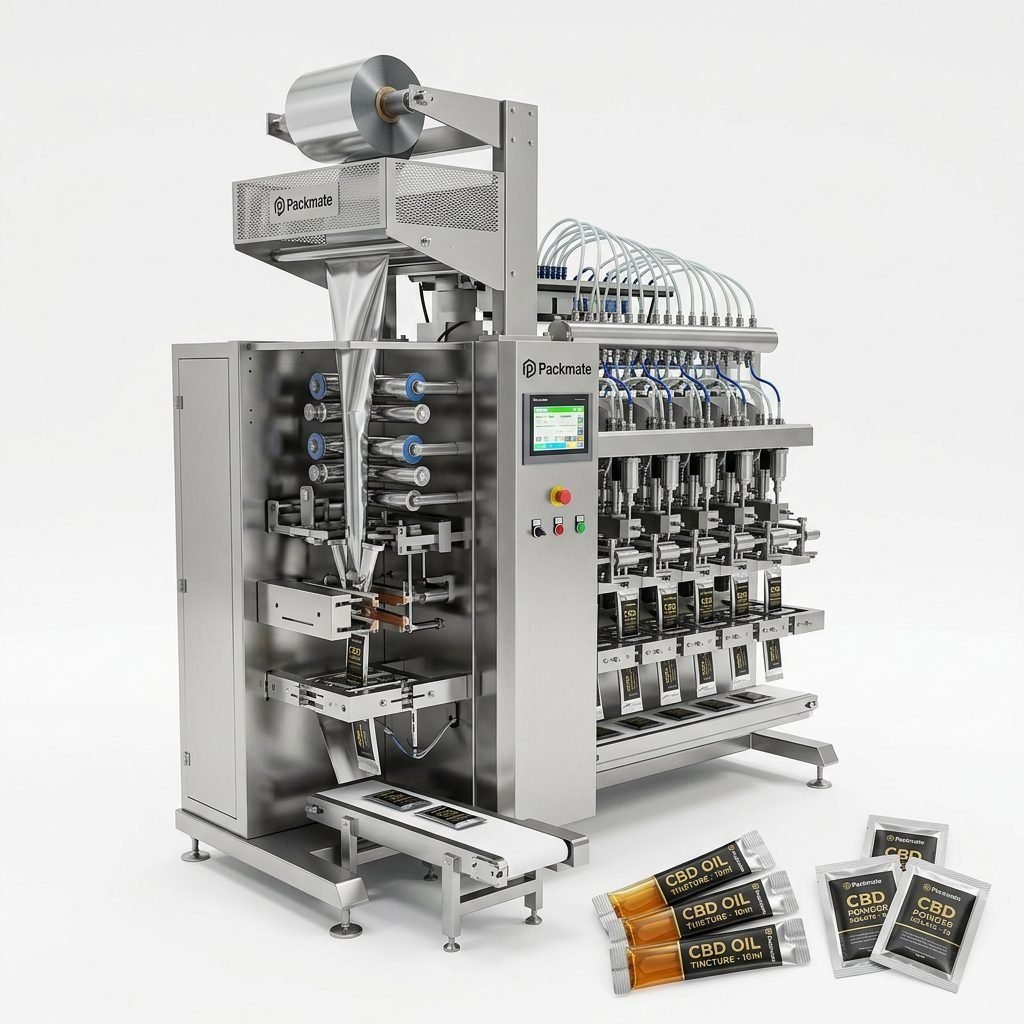
🔧 Stand-up pouch / bag lines — ideal if you plan to offer resealable retail packs with multiple pouches inside.
For ready references on machine families and specifications, review established product categories such as Snus & Nicotine Packaging Machines and Sachet & Stick Pack Machines.
Key takeaway: For Cuban small retail networks, start with flexible multi-format machines (sachet + multi-lane capability) that deliver high sealing integrity against humidity.
Critical technical specs to evaluate
When vetting manufacturers and models, focus on measurable specs:
– Speed (pouches/min or sticks/min): match to projected demand — tourist-season peaks need headroom.
– Filling accuracy (mg error): precision is vital for nicotine content control and regulatory compliance.
– Sealing system: heat-seal temperature control, multi-laminate compatibility, and sensor feedback to ensure reliable hermetic seals in humid conditions.
– Multi-lane configuration: enables compact high-throughput on a limited factory footprint — useful for Cuban sites with space constraints.
– CIP / cleaning access and GMP-friendly design: simple disassembly for cleaning reduces downtime and helps meet sanitary standards.
Accuracy & dosing systems
Choose between volumetric, auger, or weighing systems depending on product form:
– Powder/finely milled tobacco: auger or electronic weighing offers best consistency.
– Granules & moist mixes: volumetric with feedback or loss-in-weight weighers gives better control.
Material compatibility & pouch formats
Material choice affects shelf-life and shelf-appeal. For tropical climates like Cuba:
Barrier laminates (foil/metalized PET + sealant layer) are preferred to prevent moisture ingress. Choose machines that can handle heat-seal layers reliably.
Consider consumer preferences: single-dose sticks for tourists, small multi-pouch packs for domestic retail. Machines that produce both stick and pillow/sachet styles offer flexibility.
🔴 Packaging appearance matters in tourist-driven sales — invest in reliable printing and lamination compatibility so your packs look premium beside Cuban cigars and tobacco gifts.
Production capacity, footprint & scalability
Start-up producers should balance capacity and cost. Small-to-medium factories in Cuba should prioritize:
– Compact multi-lane machines for high throughput with minimal floor space.
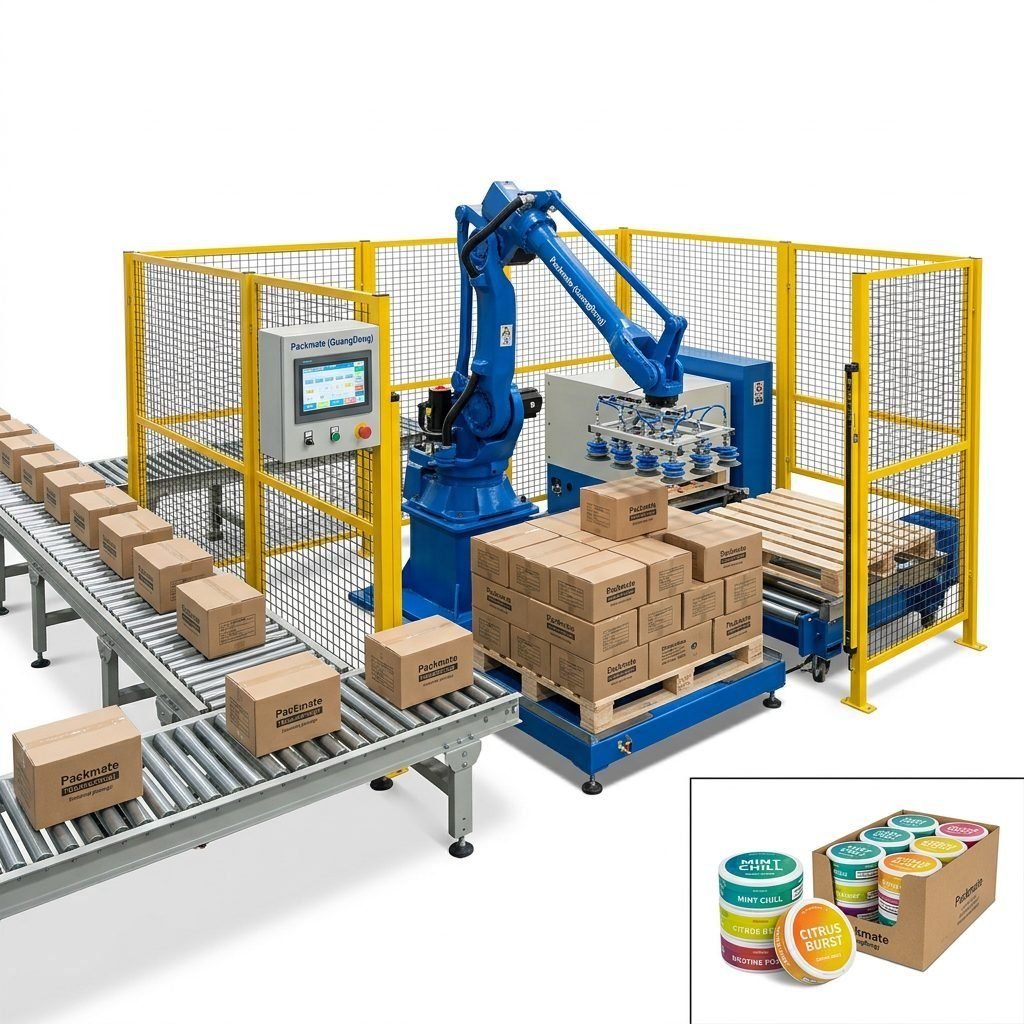
– Modularity — the ability to add lanes, fillers, or labeling modules as demand grows.
– Energy efficiency and ease of maintenance — electrical reliability can be an issue in some Cuban regions, so machines with stable control systems and low maintenance are beneficial.
Quality, compliance & certifications
Verify that machines and suppliers adhere to international standards. Look for CE, ISO and GMP design practices. Packmate’s long history and certifications can be useful to reference when comparing offers; see Certificate and About Packmate.
Compliance checklist:
– CE / ISO certification for machine safety and quality control.
– Documented traceability for parts and materials.
– Software controls and recipe management to ensure consistent fill weights and sealing parameters.
After-sales support & spare parts
Given Cuba’s location and import logistics, fast access to spare parts and remote technical support is critical. Evaluate suppliers by:
– Availability of local or regional agents, documented lead times for spare parts, and options for remote troubleshooting.
– Training packages for local operators and preventive maintenance schedules.
✅ Pro tip: Request a full spare-parts list and typical MTTR (mean time to repair) estimates. Ask the vendor about regional stock points to avoid long downtime in Cuba.
Total cost of ownership (TCO) & budget factors
Don’t focus solely on initial capital cost. TCO includes spare parts, energy, consumables, training, installation, and potential import duties. When planning for Cuba:
– Factor in customs clearance, local taxes, and any licensing fees.
– Consider modular machines that reduce replacement costs and allow phased investment aligned with market growth.
Logistics, installation & local layout planning
Site assessment is vital before purchase:
– Power supply and voltage compatibility — ensure machine electrical specs match Cuban grids and consider stabilizers.
– Workshop layout for material flow, humidity control, and storage of barrier films.
– Operator access, ventilation, and cleaning zones to meet hygienic standards.
Vendor selection: what to ask suppliers
When speaking with vendors, verify these points:
– Experience in snus/nicotine lines and availability of turnkey solutions. Look for cases and exhibition references to confirm real installations; for example, review supplier case studies at Case.
– Lead-time for delivery and installation, as well as training and commissioning plans.
– Warranty terms, spare parts packages, and remote support channels. Investigate service offerings at Service.
Questions to request demo & performance validation
– Can the vendor demonstrate the machine with your specific blend and laminate?
– Are speed and accuracy figures validated with samples and third-party inspection?
– What is the expected yield (good product %) and typical downtime metrics?
🔎 Checklist reminder: Get a sample production run, a spare parts list, training schedule, and a written commissioning plan before signing.
Why consider Packmate for Cuban snus production?
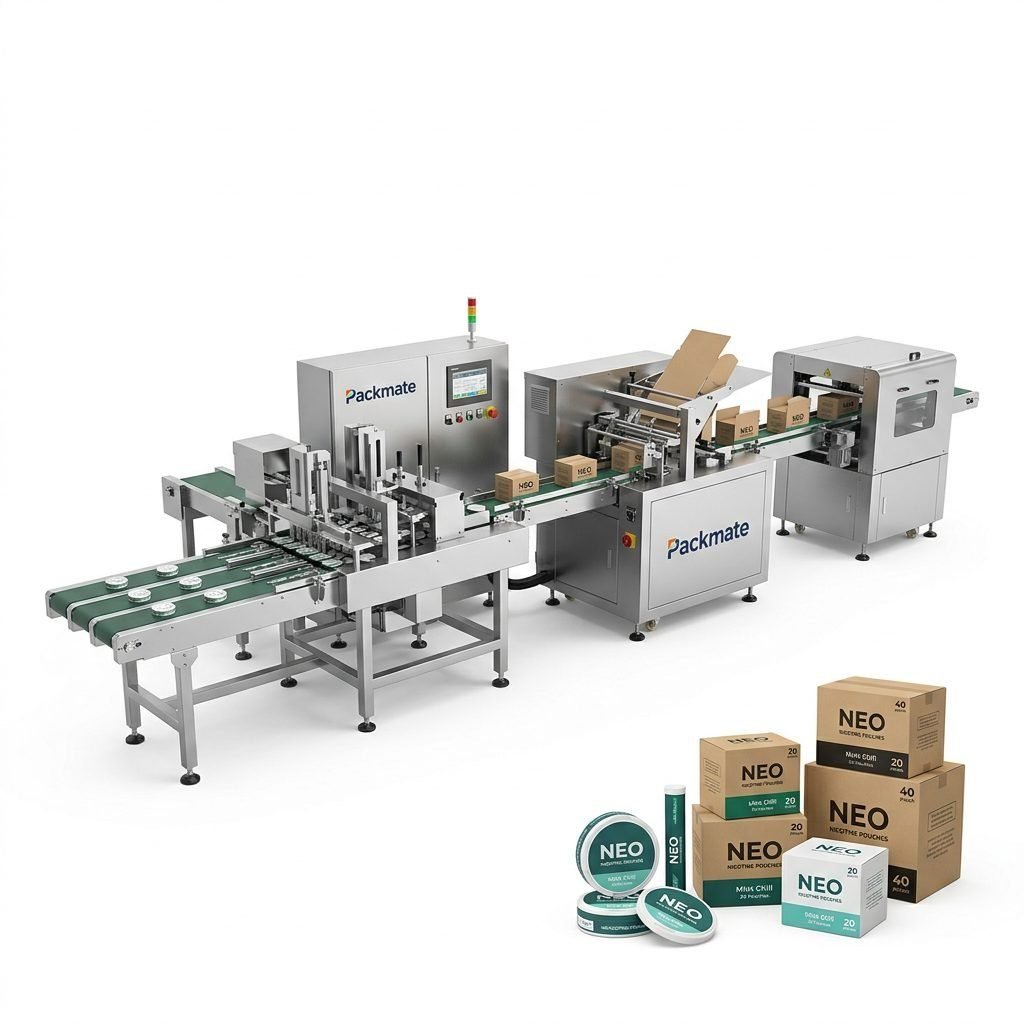
With 30+ years of experience and a wide range of snus & nicotine packaging equipment, Packmate offers multi-lane systems, turnkey solutions, and global service networks. Learn more about product lines and support as you evaluate suppliers: Snus & Nicotine Packaging Machines and Bag & Pouch Packaging Machines.
Packmate’s factory scale and CNC capabilities also mean machines can be customized for special Cuban labeling requirements and barrier film handling — important for tropical shelf-life.
Practical buyer checklist before purchase
1. Confirm regulatory labeling & local permits for nicotine products in Cuba.
2. Run pilot production with your blend and film to validate sealing & fill accuracy.
3. Verify spare parts lead times and remote support SLA.
4. Ensure training & documentation in Spanish where needed for local operators.
5. Review TCO: energy consumption, maintenance frequency, and warranty coverage.
⚠️ Don’t forget: in Cuba, clear Spanish documentation, reliable spare parts flow, and machines tolerant to humidity are non-negotiable success factors.
Next steps & contact strategy
Start by mapping forecasted demand, pouch formats you plan to offer, and target retail channels. Then:
– Request technical proposals and video demos from shortlisted vendors.
– Arrange a trial run with your product to confirm fill, seal, and packaging aesthetics.
For direct supplier inquiries or to request catalogs and case studies, check the supplier contact page: Contact Us and review product catalogs at Catalog.
Summary: choosing the best machine for Cuba
In Cuban conditions, the best snus packaging machinery is one that combines robust sealing for humidity resistance, multi-format flexibility to accommodate tourist and local demand, precise dosing for regulatory compliance, and dependable after-sales support given logistical realities. Prioritize vendors who can demonstrate relevant case work, provide bilingual documentation, and supply spare parts with predictable lead times.
Frequently Asked Questions
Q1: What sealing materials work best for Cuba’s humidity?
A1: Multi-layer barrier laminates with metalized PET and robust heat-seal layers are recommended. Machines must be able to precisely control heat and dwell time to avoid weak seals.
Q2: How important is multi-lane capability?
A2: Very important for compact facilities — multi-lane machines multiply output without requiring large footprints, which is ideal for Cuban production sites.
Q3: What after-sales support is essential for Cuba?
A3: Fast spare parts availability, remote troubleshooting, Spanish-language manuals/training, and a clear commissioning plan to minimize downtime.
Q4: Do I need a full turnkey line or a modular approach?
A4: If initial volumes are modest, modular systems allow phased investments. For faster scale-up, turnkey lines reduce integration risks and provide faster time-to-market.
Q5: Who can help validate machine performance?
A5: Request on-site demos, video proofs, and references from similar projects. Suppliers with global exhibition presence and case records provide higher confidence; check exhibition and case links for reference.