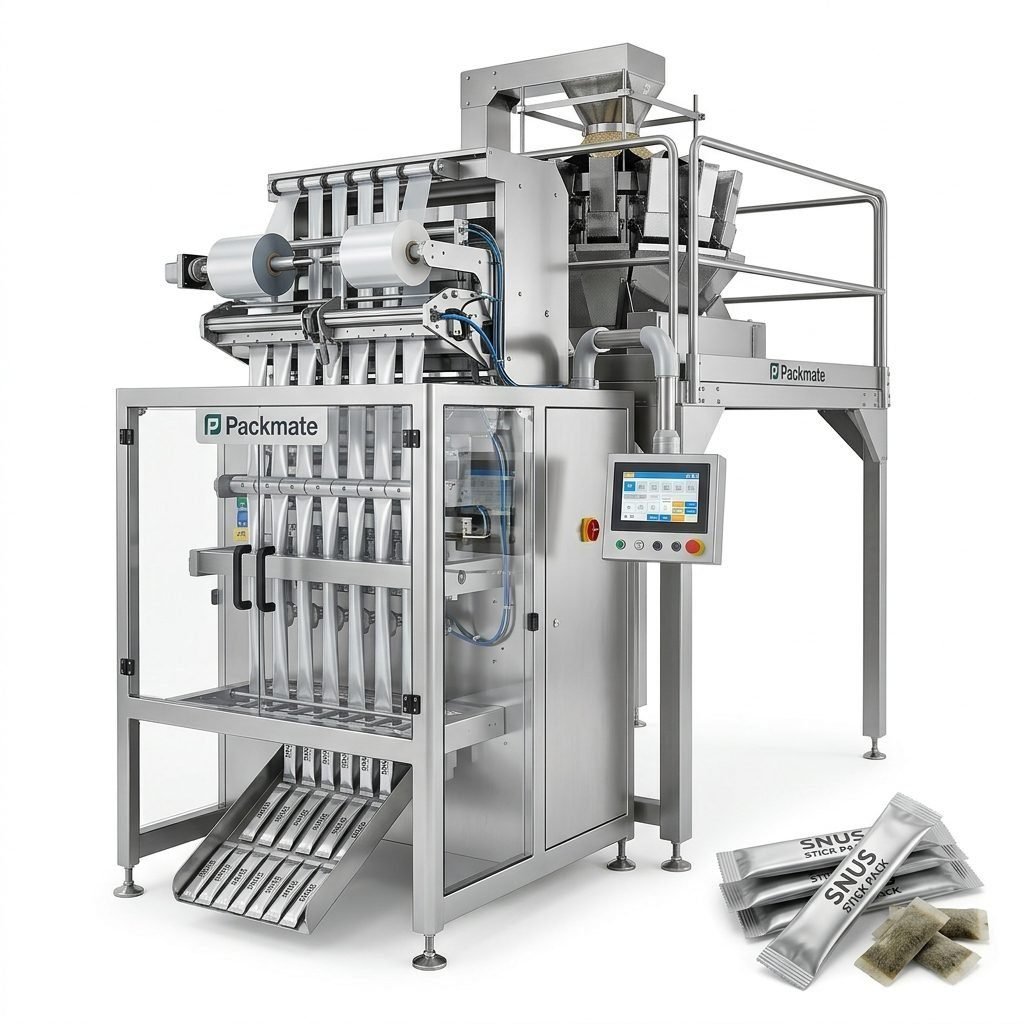
In Canada, choosing the right snus and nicotine pouch packaging machinery requires more than simply comparing prices and machine footprints. Buyers must account for local consumer habits, provincial regulations, product formats, and the realities of running a high-throughput production line. This guide walks Canadian buyers through the essential factors — from machine type and multi-lane options to quality assurance, supplier selection, and long-term service — so you can confidently select packaging equipment that balances compliance, flexibility, and total cost of ownership. 🇨🇦
Understanding the Canadian Snus & Nicotine Pouch Market
The Canadian market for nicotine pouches and snus has been evolving quickly. As oral nicotine alternatives grow in popularity, manufacturers need packaging solutions that match consumer expectations for portion consistency, convenience, and tamper-evident integrity. Canadian consumers often favor compact, discreet pouches with clear labeling and hygienic packaging. At the same time, provincial regulations can affect labeling, batch traceability, and product formats. When evaluating machinery, factor in local labeling needs and the likelihood of format changes as market trends shift.
Why local customs and preferences matter
In Canada, product presentation and portability are critical. Buyers often need machines that handle:
• Small-dose multi-count packs for convenience.
• Resealable tins or pouches that preserve freshness.
• Clear lot codes and consumer-facing information printed on each pack.
Key Factor 1 — Regulatory Compliance & Traceability
Compliance is non-negotiable. Packaging machinery must support label printing, batch coding, and serialization to meet federal and provincial requirements. Ensure the machine can integrate printers and vision inspection systems for on-line checking of codes and labels.
Tip: Choose equipment that easily integrates with common coding brands and offers modular inspection stations. This reduces future retrofit costs.
Key Factor 2 — Machine Type and Format Flexibility
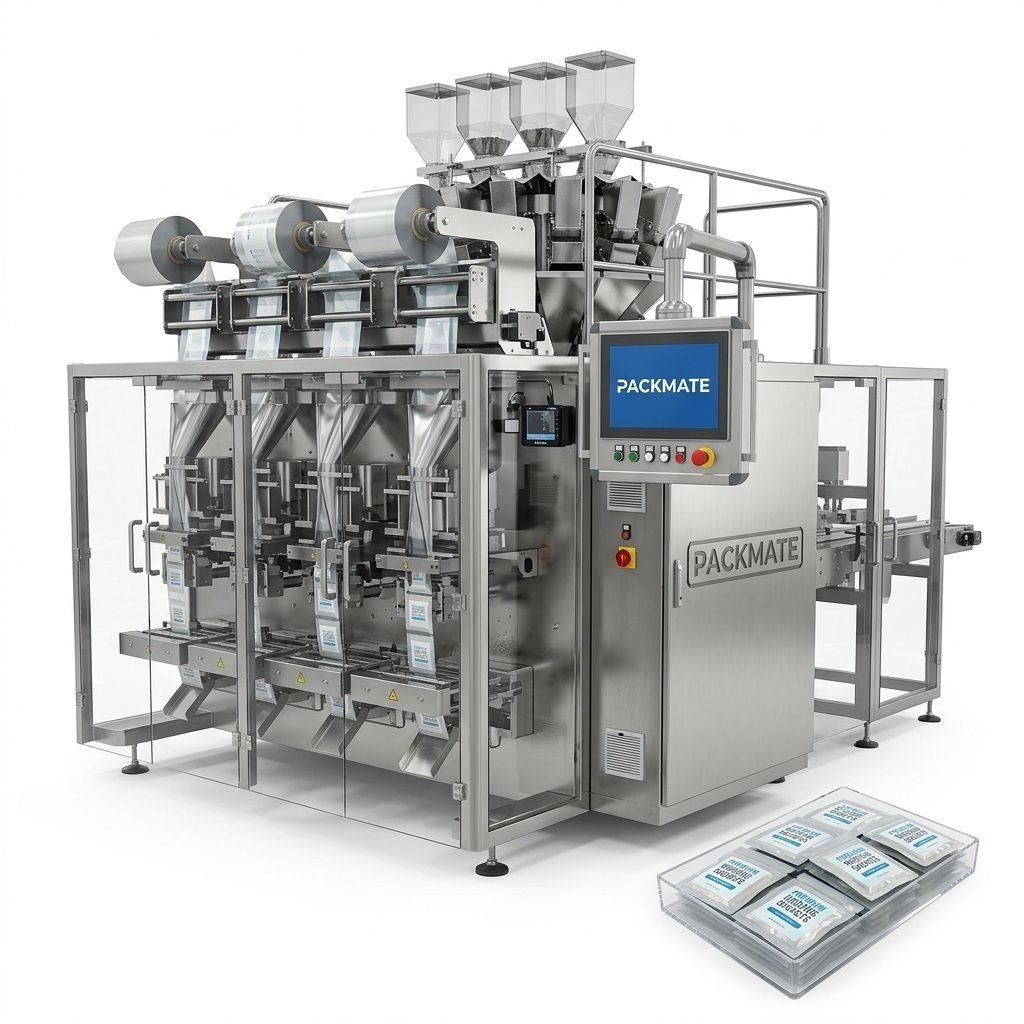
There are several machine types suited to snus and nicotine pouches. Your choice should reflect product format, production targets, and plans to diversify SKUs.
Common machine formats
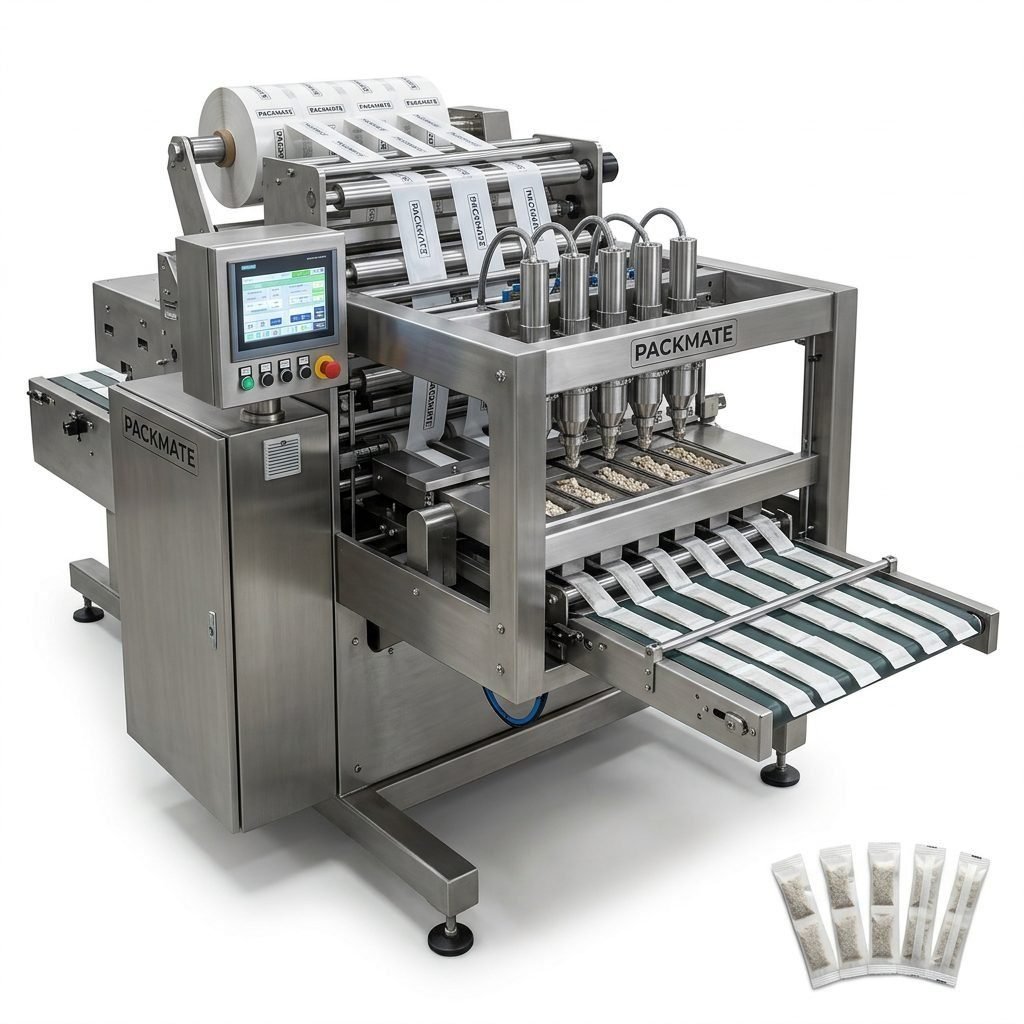
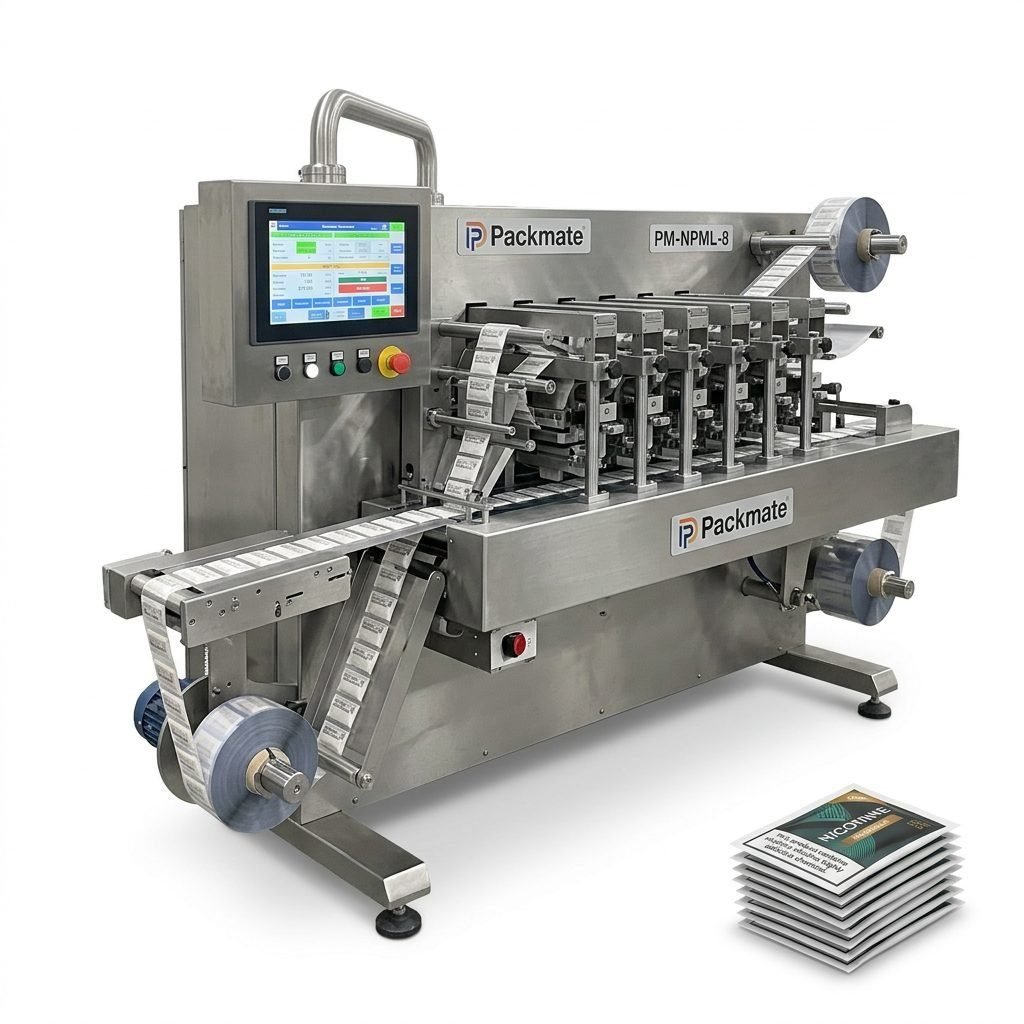
• Stick pack machines for single-dose linear packs.
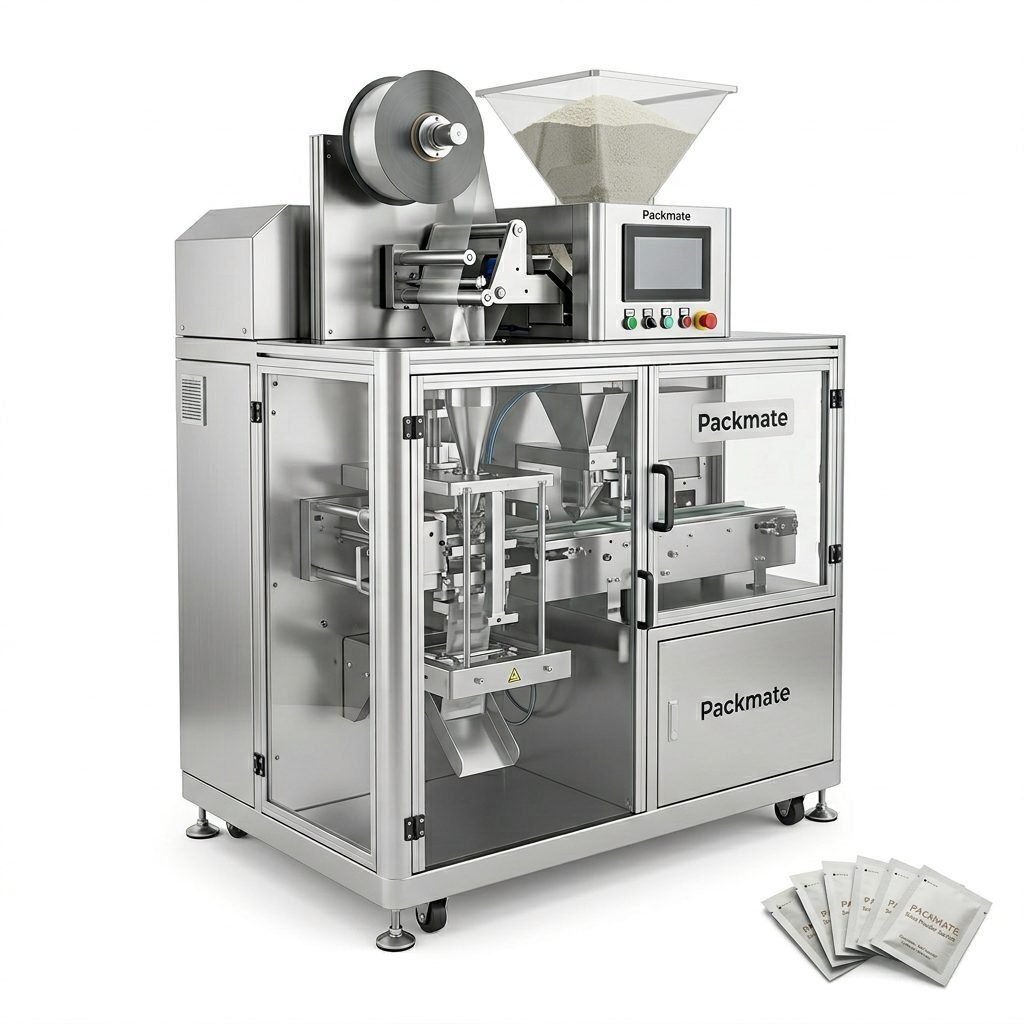
• Sachet machines for flat pouches.
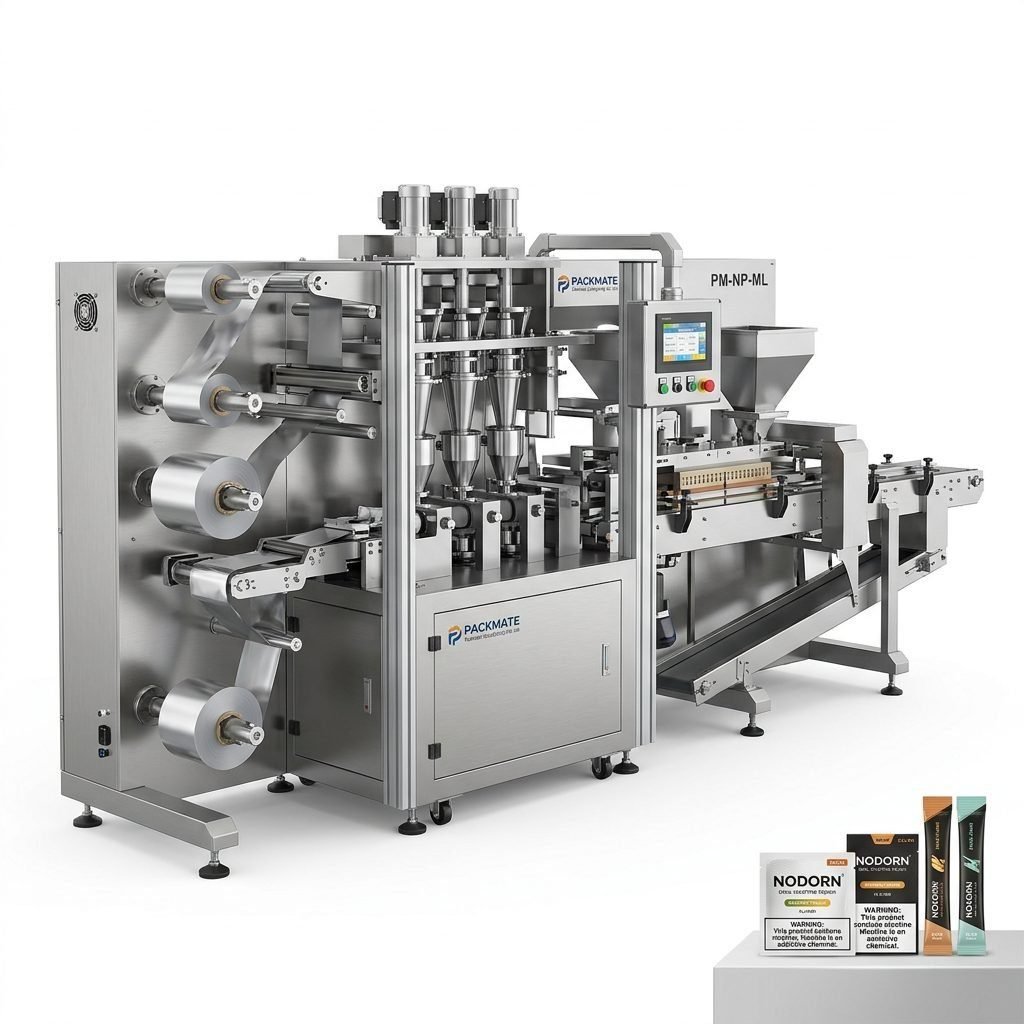
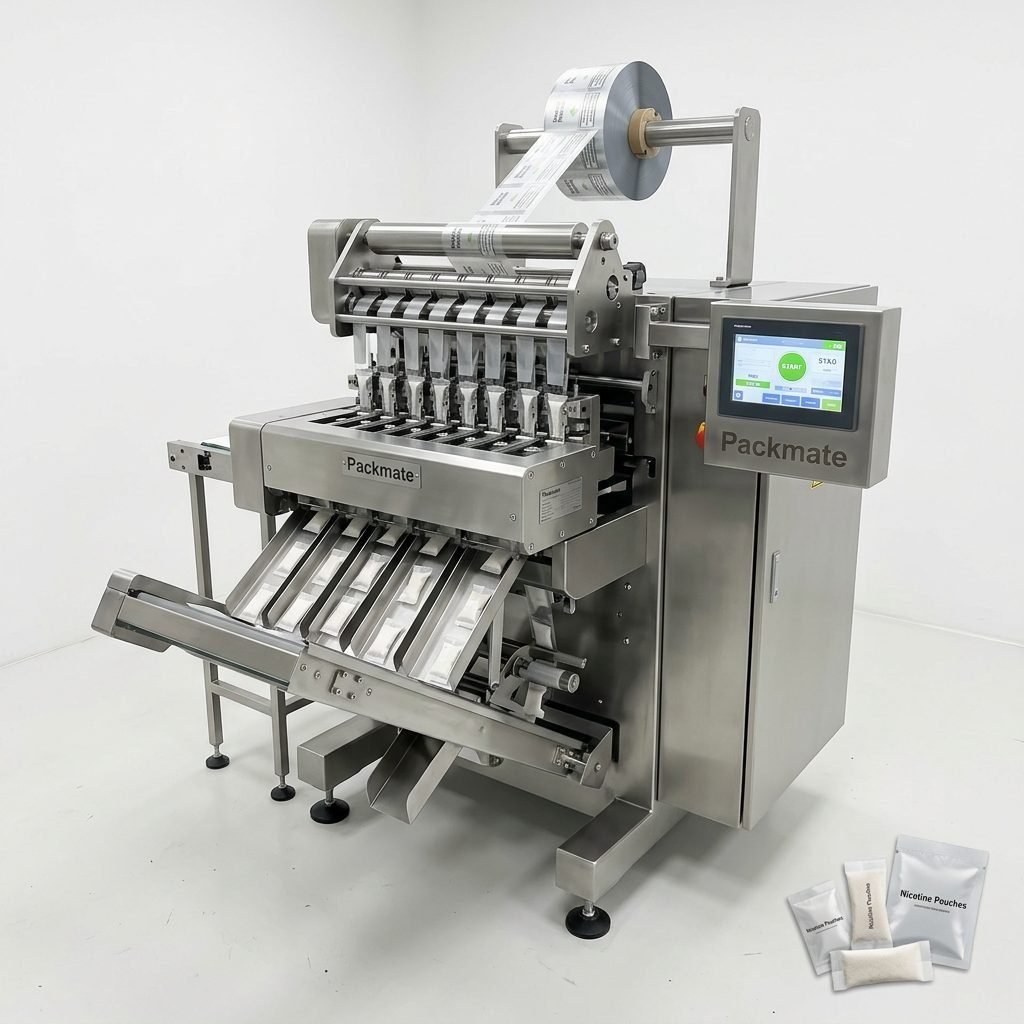
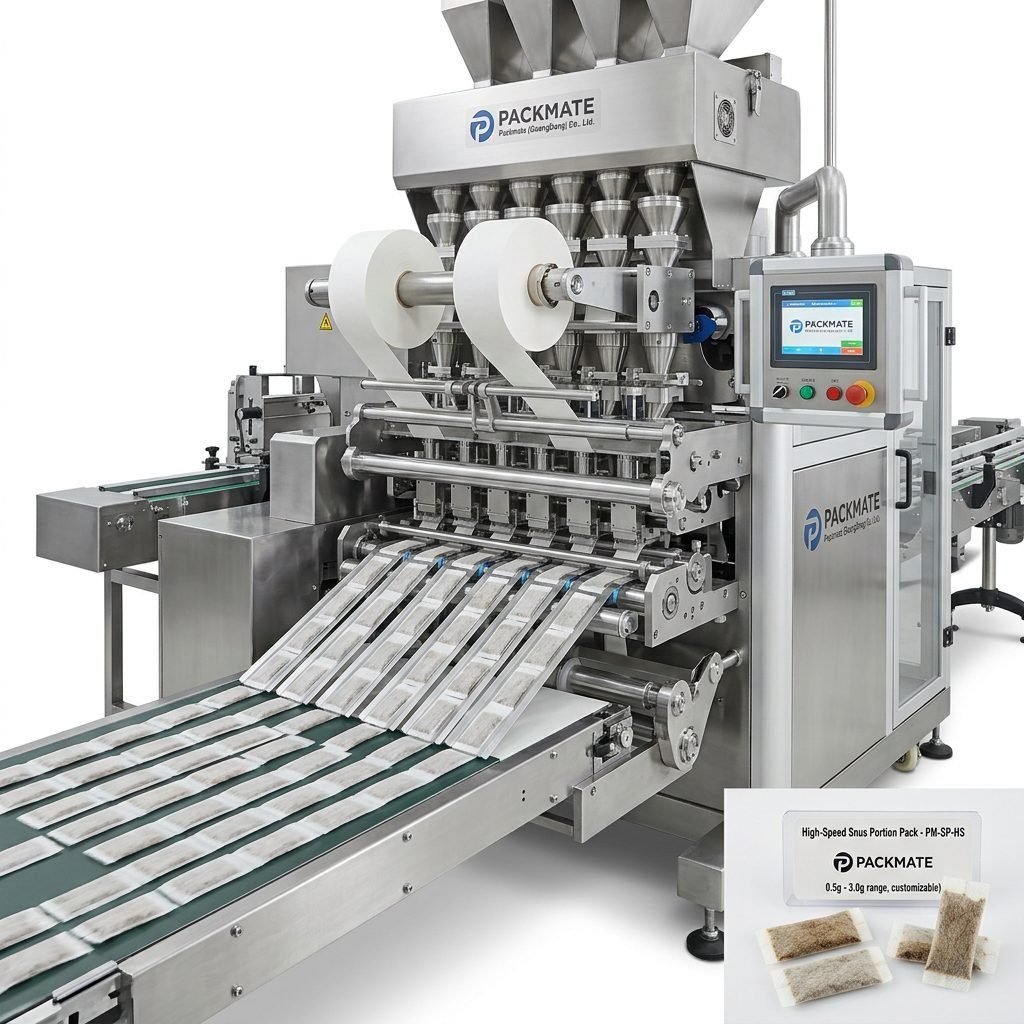
• Multi-lane pouch machines for high-throughput nicotine pouch lines.
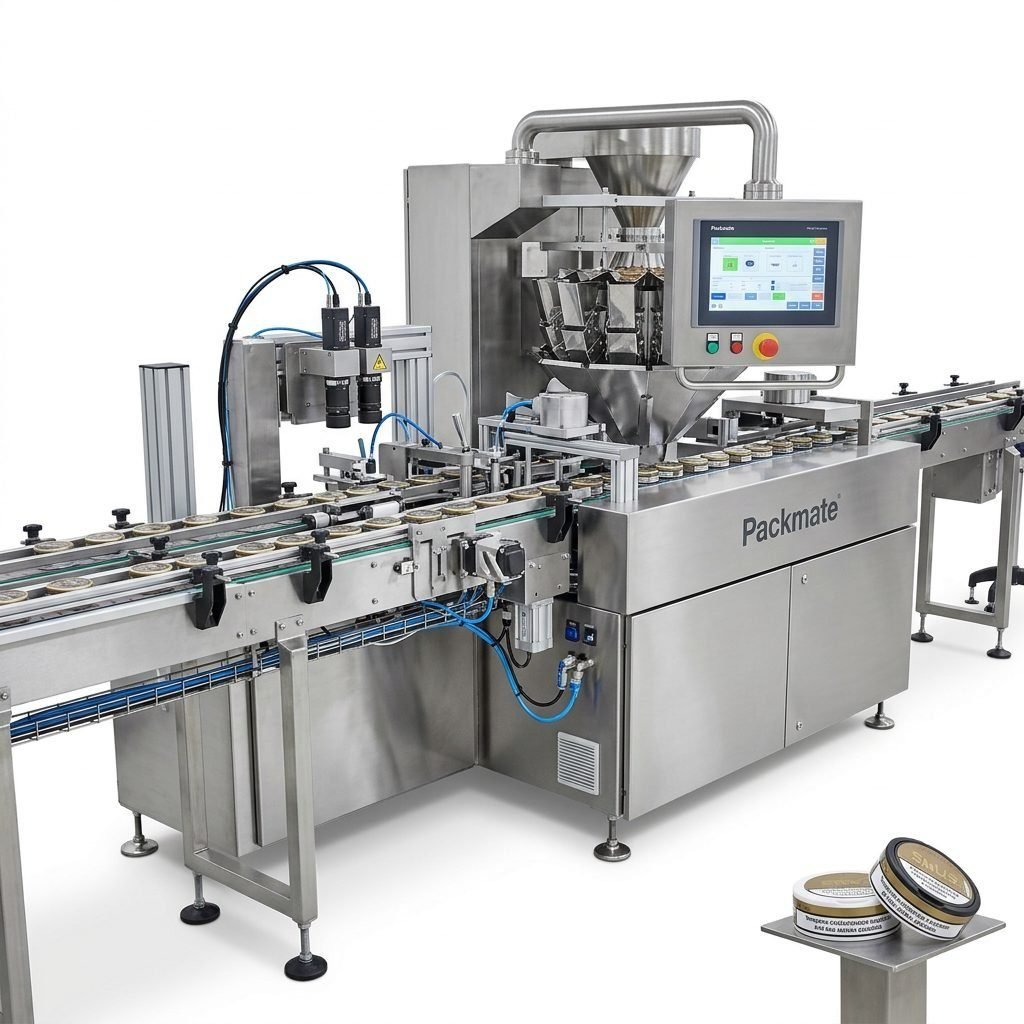
• Tin and can filling lines when you need rigid packaging or resealable containers.
If you expect to run multiple SKUs or move between sachets and multi-count pouches, prioritize machines with quick-change capabilities and tool-free adjustments.
Key Factor 3 — Throughput, Multi-Lane Options and Scalability
Canadian producers often face a trade-off between capital expense and throughput. Small start-ups may be fine with single or dual-lane machines, while established brands should consider high-performance multi-lane systems to hit high OEE targets.
🔧 Scalability matters: Look for modular machines that let you add lanes or inline modules (weighing, vision, secondary packaging) as volume grows.
For integrated lines, review weighing and filling options and confirm synchronization between upstream and downstream equipment to avoid bottlenecks. Useful references include comprehensive product lines such as Weighing & Packaging Systems and Filling & Packaging Lines.
Key Factor 4 — Accuracy, Dosing & Weight Control
Accurate dosing is at the core of nicotine pouch quality. Even small deviations can affect consumer experience and compliance. Check machine specifications for dosing accuracy, repeatability, and the type of feeders (vibratory, piston, auger) used for your product type (powder vs. granule).
✅ Must-have: Inline checkweighers and real-time data logging to detect drift and maintain traceability. Integration with a MES or QC platform is a plus.
Key Factor 5 — Materials, Seal Integrity & Packaging Options
Material compatibility affects seal quality, shelf life, and consumer perception. Machines must reliably form seals on multi-layer films, heat-sealable laminates, or biodegradable substrates as required.
Consider testing candidate films with your supplier. Ask for sample packs and lab reports that confirm water vapor transmission rate (WVTR) and oxygen barrier performance for your SKU.
⚠️ Quick note: Film supplier changes often require machine re-tuning. Ensure your supplier provides commissioning support and recipe storage so you can recall settings quickly when switching materials.
Key Factor 6 — Automation, Integration & Industry 4.0
Modern packaging lines must link to upstream filling, dosing and downstream cartoning. Evaluate PLC and HMI platforms, Ethernet/IP or Profinet connectivity, and whether machines expose APIs for MES integration. For analytics-driven operations, cloud connectivity and remote troubleshooting can save time and money.
🔗 If you need a complete integrated solution, check product families with turnkey line experience such as Snus & Nicotine Packaging Machines and allied equipment from the same manufacturer to simplify integration.
Key Factor 7 — After-Sales Support, Spare Parts & Training
Service is often the differentiator between a smooth production ramp-up and months of downtime. Evaluate lead times for spare parts, availability of local technicians or remote support, and training programs for your operators and maintenance staff.
Ask for: documented spare parts lists, recommended preventive maintenance schedules, and references from current customers in similar climates or regulatory environments (Canada/US/EU).
Key Factor 8 — Build Quality, Certifications & Factory Capability
Equipment built to international standards and with visible factory capabilities offers peace of mind. Certifications such as CE and ISO indicate adherence to global safety and quality practices. Review the manufacturer’s factory—CNC centers, assembly lines, and testing practices—to judge build reliability.
Packmate’s 20,000㎡ facility and experience in multi-lane systems illustrate the type of manufacturing strength you should expect. Dive deeper via resources like the manufacturer’s About Packmate page and review real-world installations in the Case section.
Key Factor 9 — Total Cost of Ownership (TCO)
Purchase price is only a small part of the investment. Account for installation, validation, spare parts, energy, labor, and possible line changes. Machines with higher initial cost may deliver better TCO through energy efficiency, higher uptime, and easier maintenance.
Choosing the Right Supplier — Evaluation Checklist
Use this practical checklist when meeting suppliers or evaluating quotes:
1. Machine compatibility with your pouch/film materials.
2. Throughput and lane scalability options.
3. Dosing accuracy and checkweigher integration.
4. Available automation and communications protocols.
5. Lead time, spare parts availability, and warranty terms.
6. Factory acceptance testing (FAT) and on-site commissioning support.
7. References & compliance documentation (CE/ISO).
✅ Quick checklist: Confirm FAT with your actual film, run-time data logging, and a documented handover including PLC programs and spare part kit.
Why a Turnkey Supplier Can Save Time
A turnkey supplier that offers filling, weighing, primary packaging and secondary packaging simplifies project management and reduces risks associated with multi-vendor integration. If you’re planning a new line, consider vendors who can deliver end-to-end solutions and perform system-level testing before shipping.
Explore combinations including Bag & Pouch Packaging Machines and Sachet & Stick Pack Machines to determine the optimal line architecture for your SKUs.
Practical Steps to Buy — From Quote to Commissioning
1. Define SKUs, production targets, and materials.
2. Request detailed technical specs and FAT videos.
3. Ask for references and past project documentation in Canada or similar markets.
4. Negotiate acceptance criteria, spare part kits, and training packages.
5. Plan for installation, validation and a phased ramp-up with KPIs.
On-site validation and performance measurement
During commissioning, track first-pass yield, seal integrity, weight variation, and line availability. Establish routine test batches to train operators and verify long-term performance. A solid OEM will remain engaged until your team reaches target OEE.
Supplier Reputation, Exhibitions & Documentation
Meet suppliers at international exhibitions whenever possible to see machines running live and ask detailed questions. Review certificates, service offerings, and the vendor’s history in pouch packaging. For more background, review the supplier’s exhibitions and certificates: Our Exhibition and Certificate.
🔍 Red flag: Avoid vendors who cannot provide a FAT or who do not allow you to witness acceptance testing with representative product.
Typical Questions to Ask a Prospective Vendor
• Can you provide FAT videos running our material?
• What is the expected MTBF & recommended preventive maintenance?
• How many multi-lane lines have you commissioned for nicotine pouches?
• What spare parts are included and what’s the typical lead time?
• Do you offer local service partners or remote support agreements?
Conclusion and Strategic Recommendation
Selecting snus packaging machinery for the Canadian market is a strategic choice that shapes product quality, regulatory compliance, and your brand’s ability to scale. Prioritize machines that support accurate dosing, film compatibility, and modular automation, and choose suppliers who provide robust commissioning, spare parts support, and clear documentation. A turnkey partner with demonstrable multi-lane experience will reduce integration risk and shorten time-to-market.
Recommended starting points
• Review multi-lane snus packaging solutions and case studies early in the procurement process. See Snus & Nicotine Packaging Machines.
• Evaluate end-to-end options for simpler integration via Weighing & Packaging Systems and Filling & Packaging Lines.
• Request FAT, spare part lists and a commissioning plan before issuing a purchase order.
Frequently Asked Questions
Q1: What machine type is best for a Canadian start-up producing multiple nicotine pouch SKUs?
A1: Begin with a modular multi-lane pouch machine that supports quick-change tooling and recipe memory. This balances initial investment with the ability to scale lanes or add automation modules.
Q2: How important are certifications like CE and ISO for imported machines used in Canada?
A2: Very important. CE/ISO indicate adherence to safety and quality standards; combined with good factory capabilities they reduce validation time and regulatory risk.
Q3: Should we choose a turnkey supplier or best-of-breed vendors for each module?
A3: If you lack internal systems integrators, a turnkey supplier reduces coordination risk. Best-of-breed can work if you have strong project management and integration capability.
Q4: What is the typical lead time for a high-performance multi-lane line?
A4: Lead times vary by customization and current factory load. Typical ranges are 10–26 weeks. Confirm delivery, FAT timing, and spare part kits in writing.
Q5: Where can I learn more about supplier offerings and real-world installations?
A5: Start with supplier case studies, exhibition demos, and product pages such as Case and Catalog.