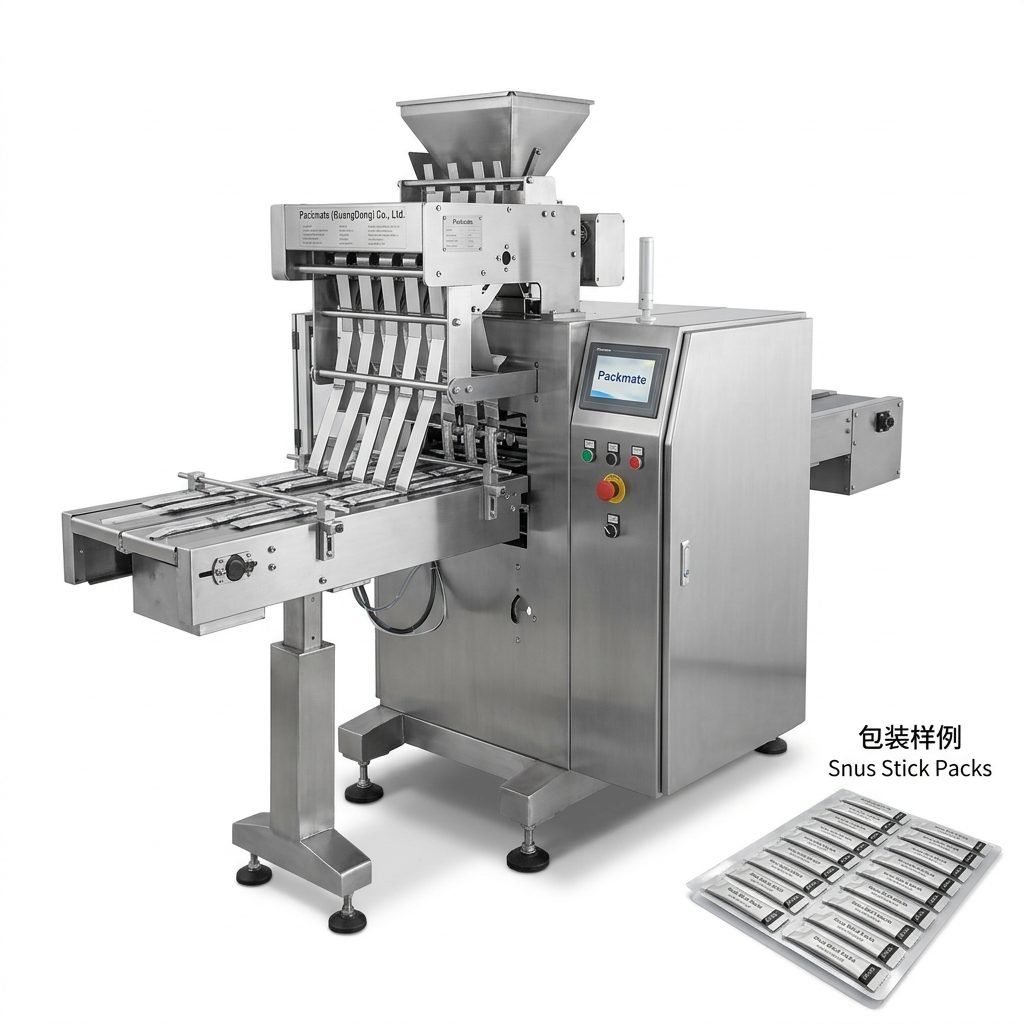
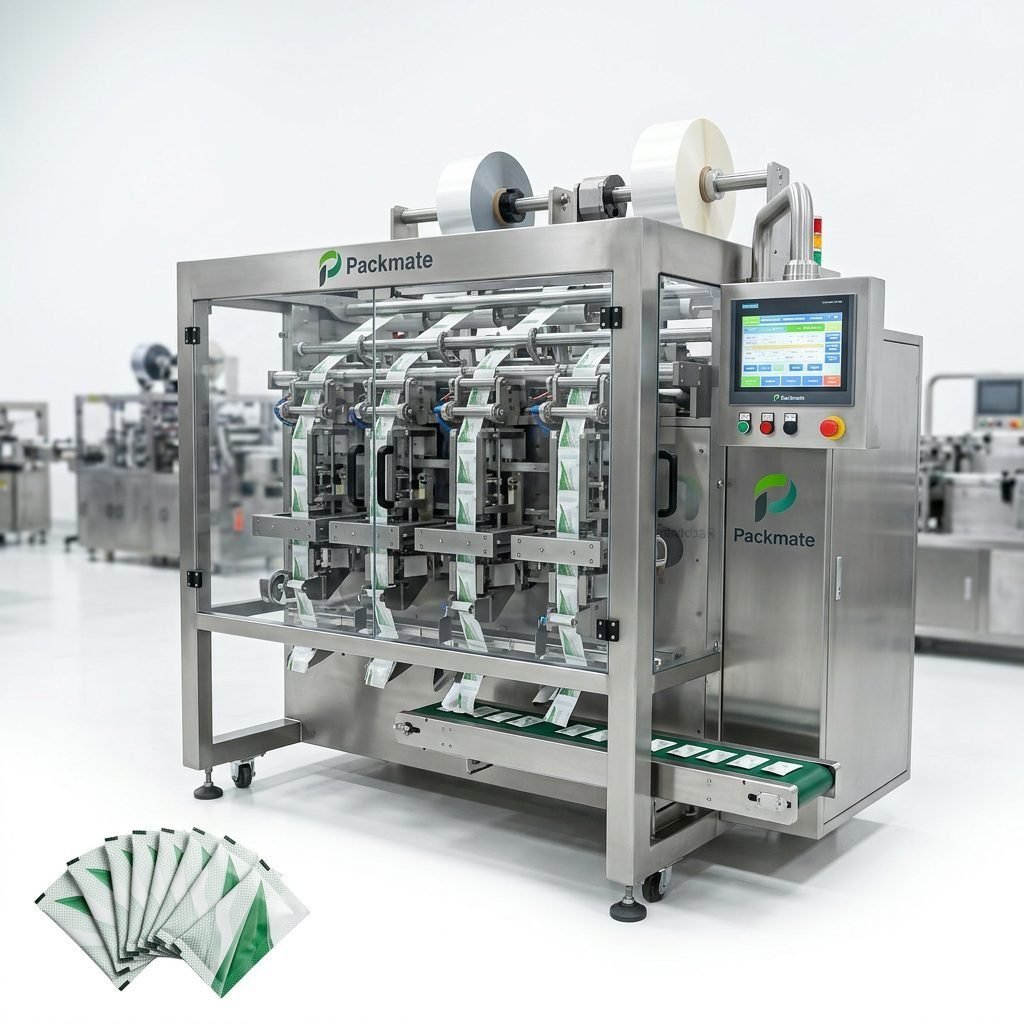
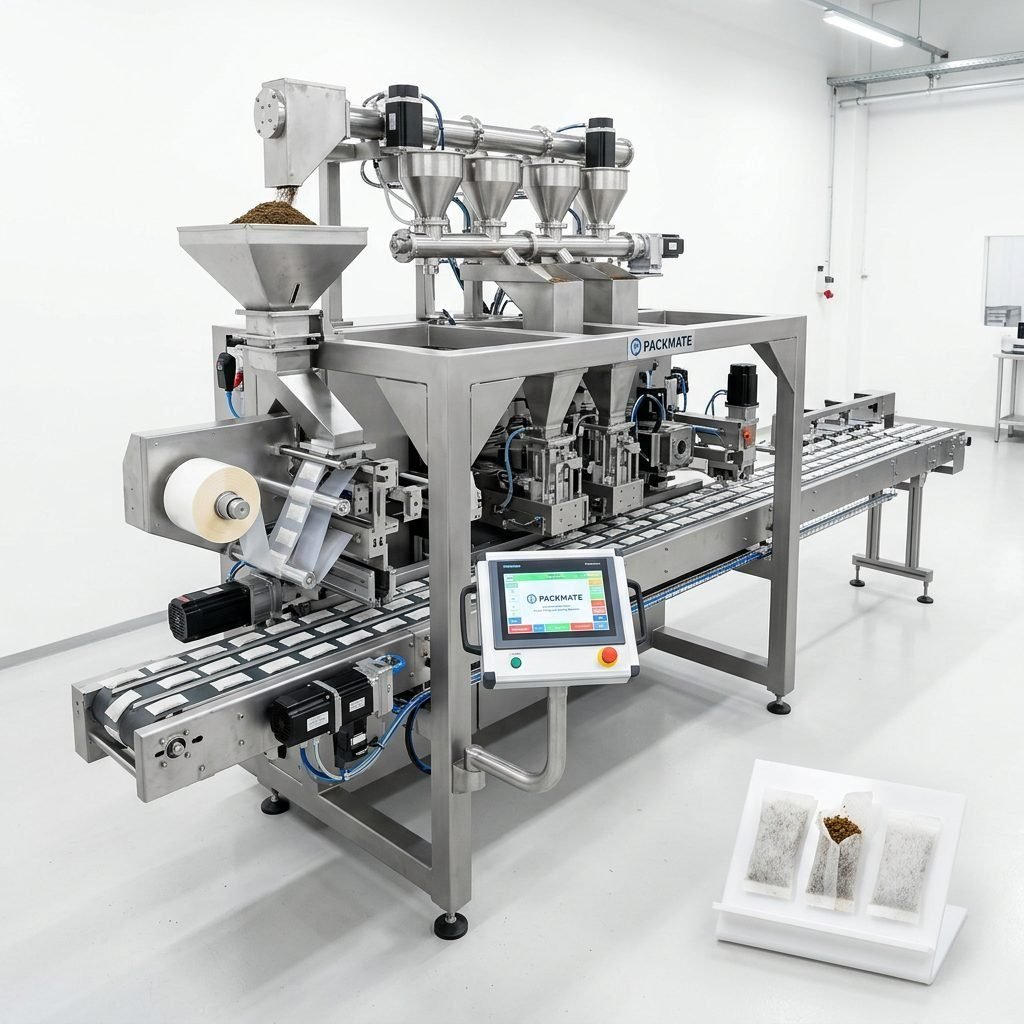
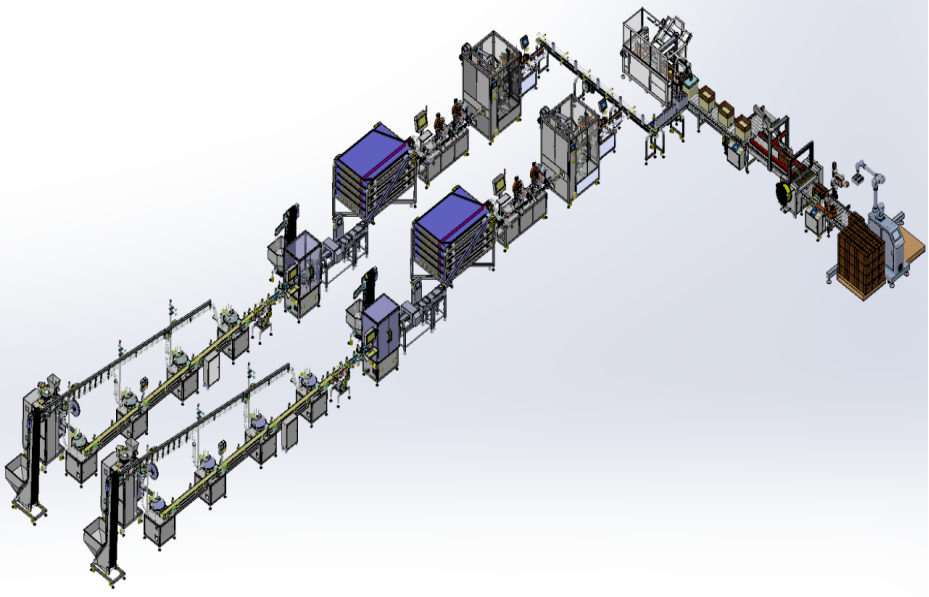
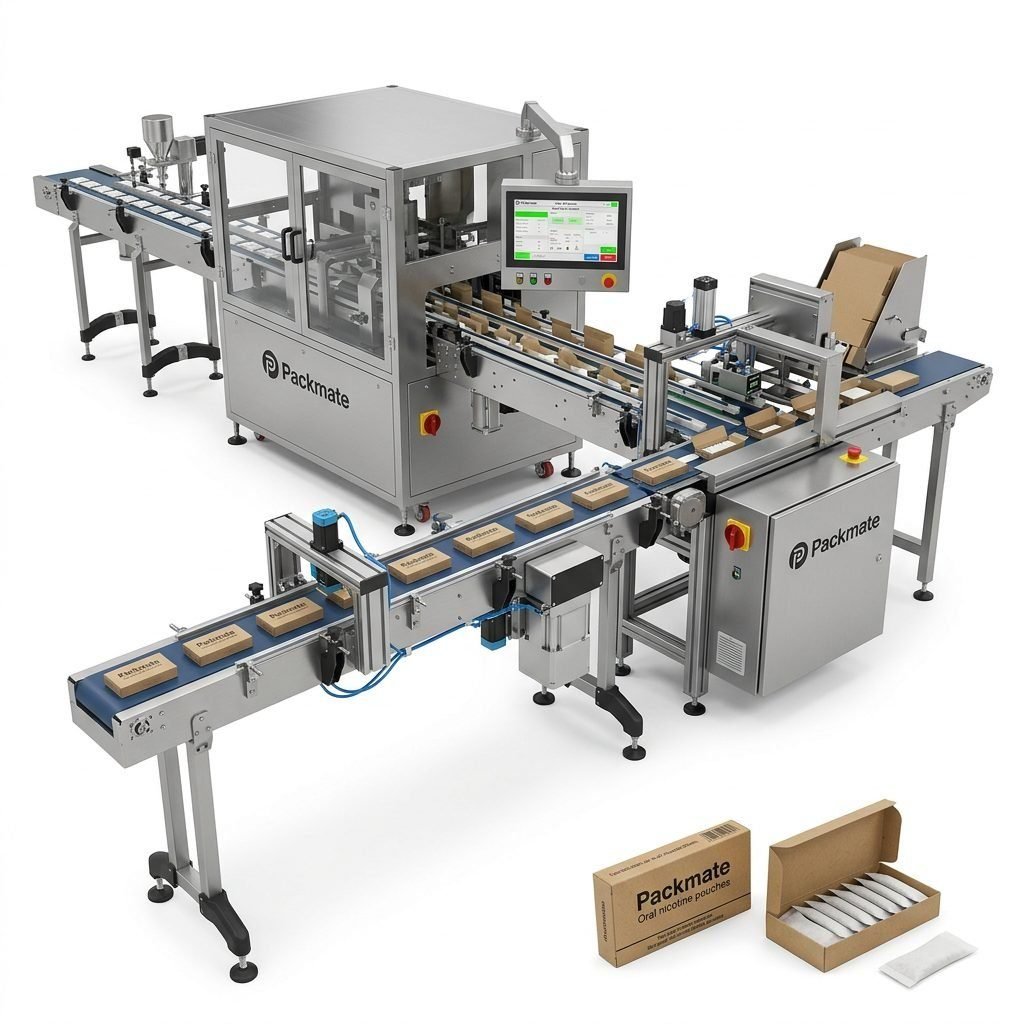
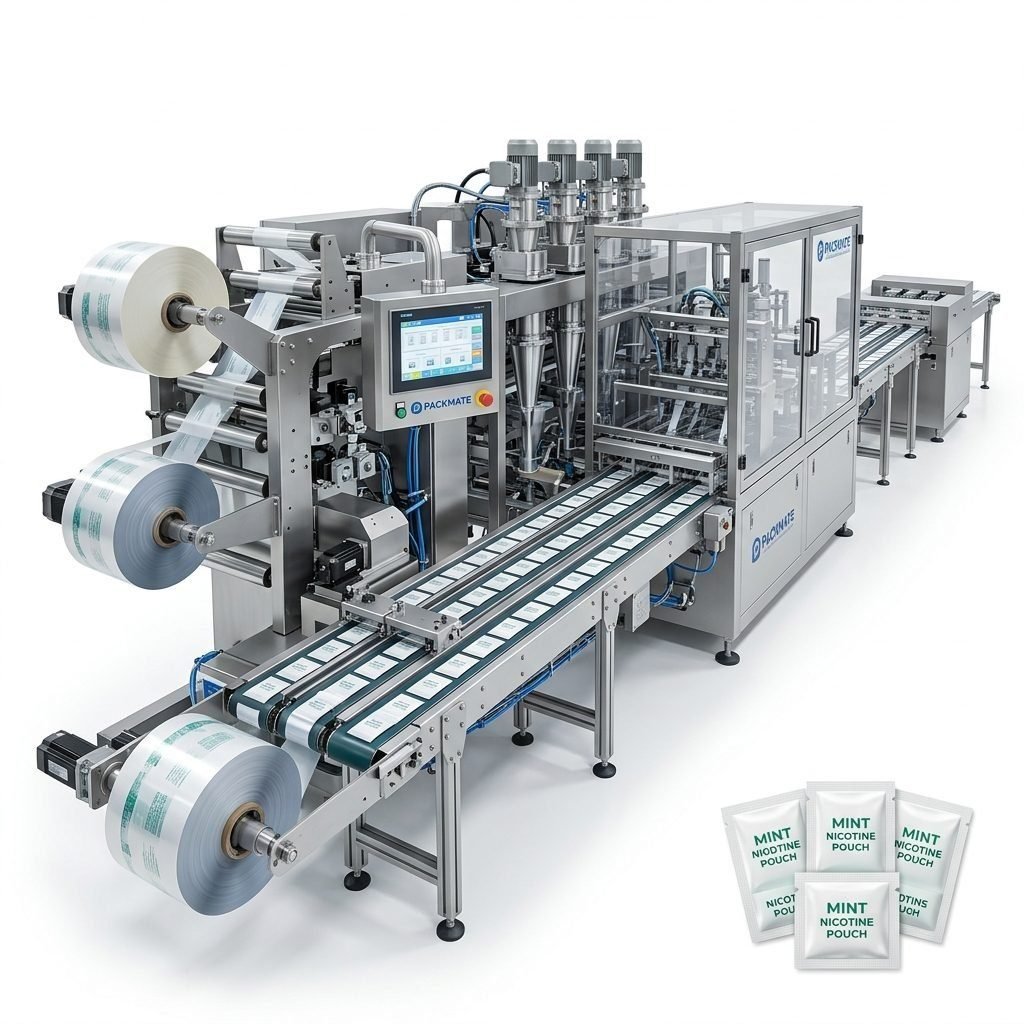
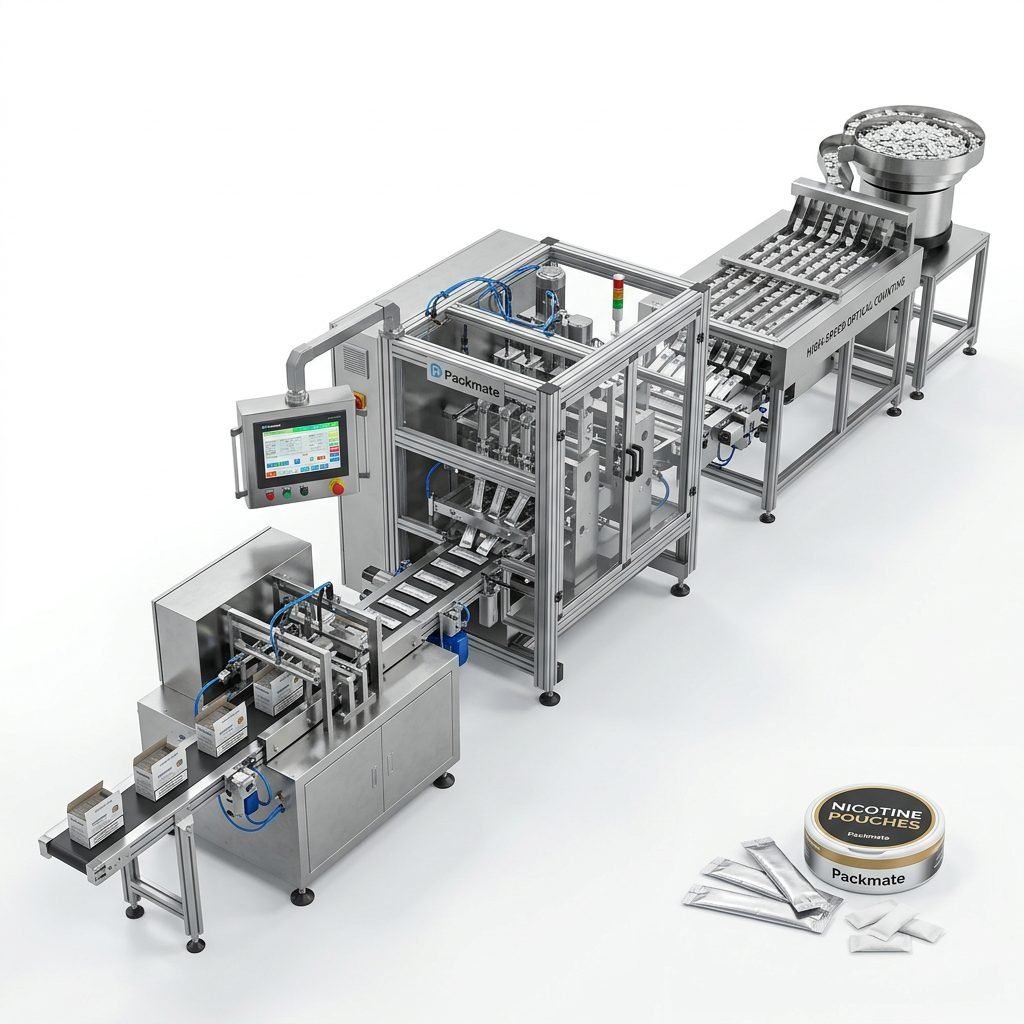
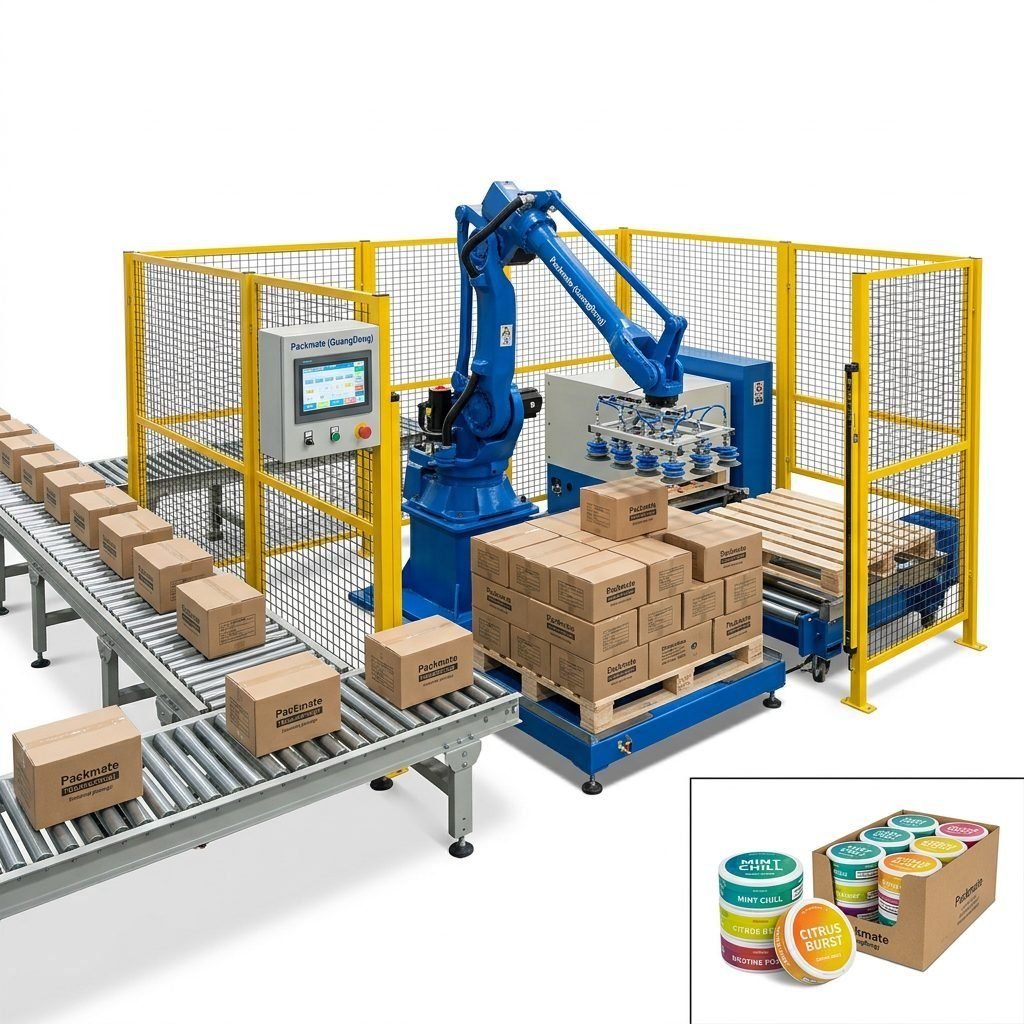
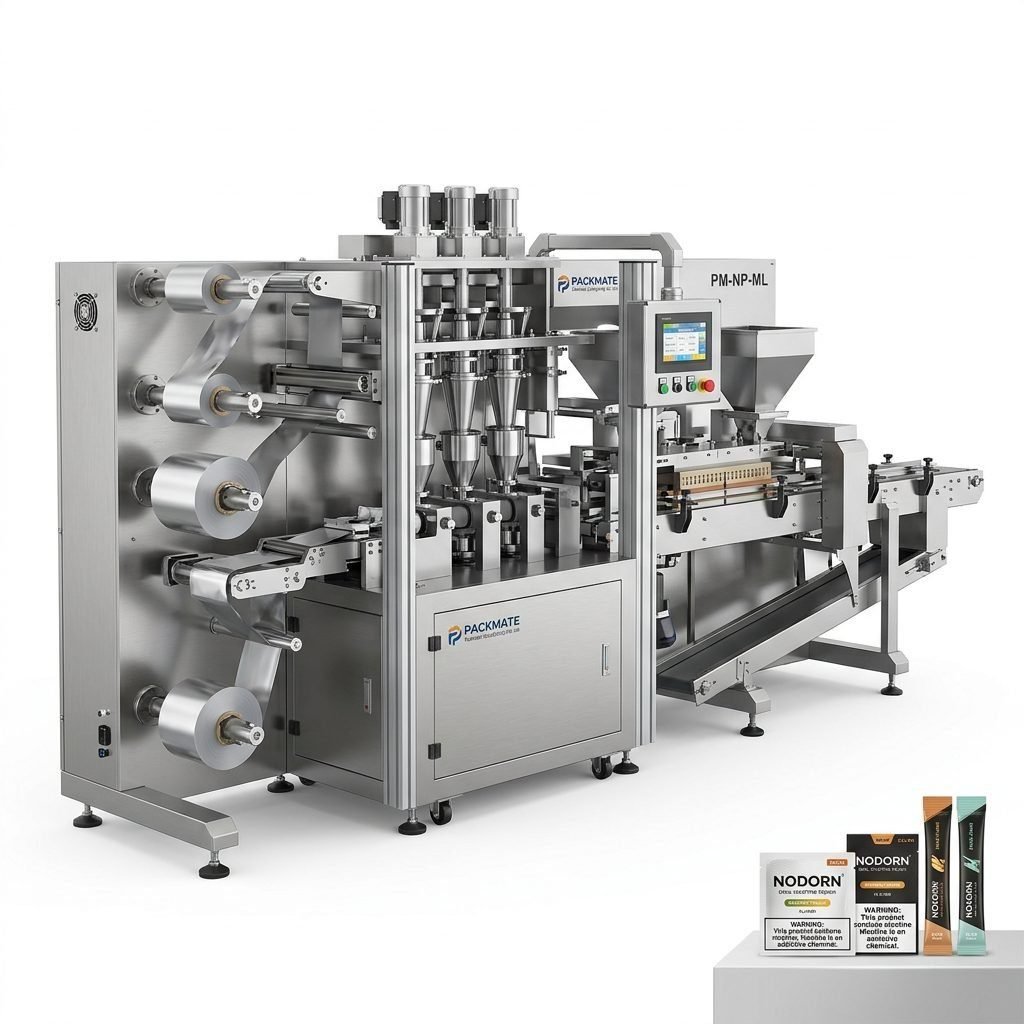
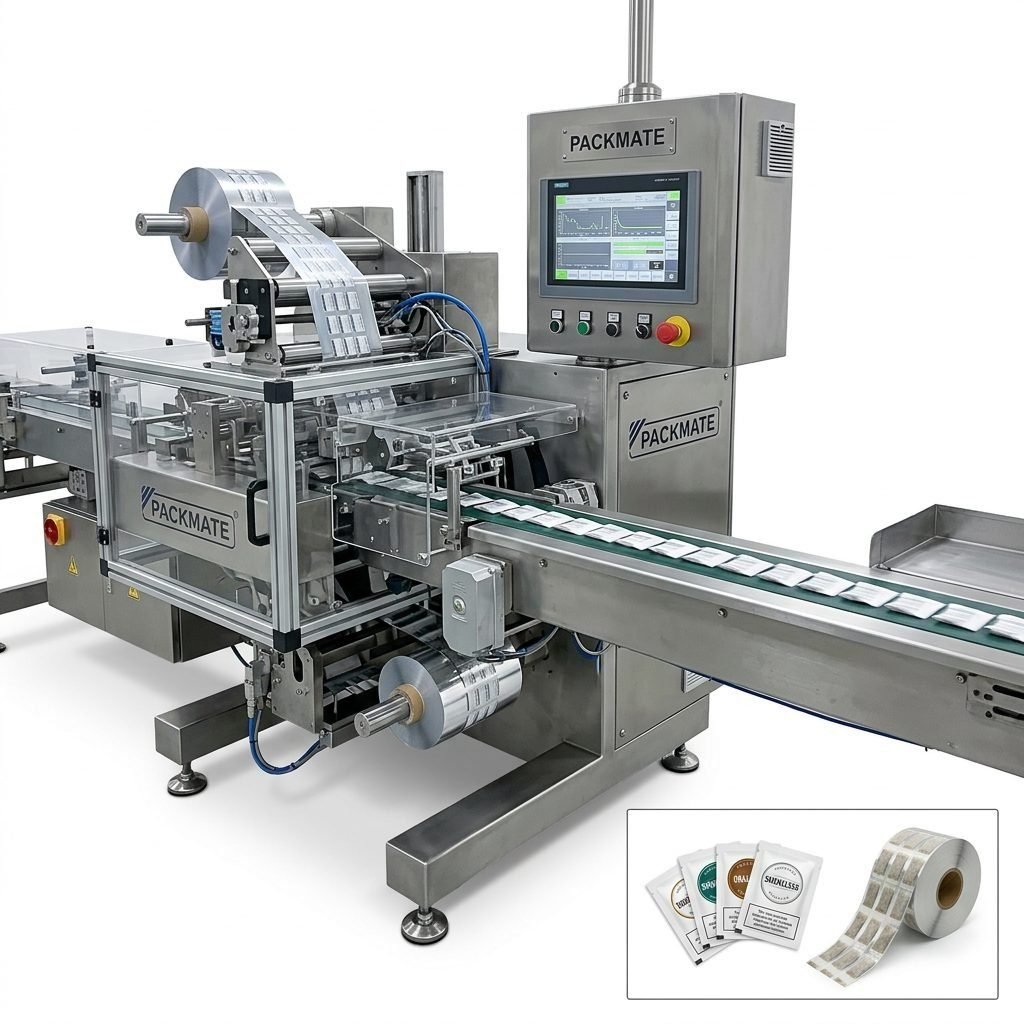
Choosing the right nicotine packaging machinery manufacturer in Ghana is a critical decision for any business entering or expanding in the nicotine pouch and snus market. This guide walks you through the practical steps, technical criteria, and local considerations you need to evaluate so your production line runs reliably, meets regulatory needs, and delivers the cost efficiencies your operation requires. Whether you are starting with a small sachet line or planning a multi-lane high-speed snus production line, these insights will help you identify the best manufacturer partner and avoid common pitfalls.
Know Your Product and Production Goals
Before contacting manufacturers, be crystal clear about what you will produce. Will you make single-dose nicotine pouches, stick packs, sachets, or multi-lane small-dose snus pouches? Each format demands different machinery features. For example:
📌 Nicotine pouches / snus pouches: require accurate dosing, delicate pouch handling, and precise sealing to preserve product integrity. Consider multi-lane systems for higher throughput. Learn about advanced lines at
Snus & Nicotine Packaging Machines.
📌 Sachets & stick packs: favor machines capable of handling flexible films and different seal types. For machine options see
Sachet & Stick Pack Machines.
Key Manufacturing Criteria to Evaluate
When comparing manufacturers, focus on technical performance, build quality, after-sales support, and compliance. The following checklist highlights the most important criteria:
⚙️ Machine reliability & uptime: Look for robust mechanical design, quality components (servo drives, PLCs, precision cams), and a reputation for long-run stability. Manufacturers with 20+ years of experience in packaging engineering typically deliver better longevity.
⚙️ Accuracy & consistency: High-precision dosing and consistent pouch weight are essential for nicotine products. Ask for performance data, tolerance ranges, and real-world case studies.
⚙️ Flexibility & modularity: Can the line switch between formats (pouches, sachets, liquids, powders) with minimal changeover time? Modular designs reduce future upgrade costs.
⚙️ Local service & spare parts access: Quick access to parts and technicians reduces downtime. Confirm spare parts stock policy and whether the manufacturer offers regional support or local partners.
Why factory credentials matter
A well-equipped factory with CNC machining centers, precision assembly lines, and strict QC processes translates into machines that run accurately and require fewer unscheduled repairs. Check for certifications like CE and ISO, production area size (larger plants often indicate production capacity), and available models. For an example of a full product range, review
Bag & Pouch Packaging Machines.
Local Ghana Considerations That Affect Your Choice
Ghana has distinct environmental, regulatory, and market characteristics that should influence your equipment selection:
📌 Humidity and heat: Coastal regions and much of Ghana experience high humidity and warm temperatures year-round. Choose machines with corrosion-resistant materials and protective enclosures for sensitive controls.
📌 Electric power & voltage: Ghana operates on 230V, 50Hz. Confirm that the manufacturer supplies machines compatible with local mains or offers transformer/drive configurations suited to Ghana to avoid inverter-related issues.
📌 Local labour skills and training: Many Ghana factories rely on skilled technicians who may need manufacturer training for advanced systems. Prioritize suppliers offering comprehensive on-site commissioning and training packages.
📌 Cultural packaging preferences: Ghanaian consumers often prefer smaller, affordable pack sizes and robust packaging that tolerates transport in warm climates. Machines that enable flexible package sizing and sturdy seal integrity will align well with market demand.
Due Diligence: What to Ask Potential Manufacturers
Use the following targeted questions when evaluating vendors. Request written answers and test data where possible:
📄 Experience & references: Can you provide case studies from similar markets or product types? Ask for contacts you can call in Africa or nearby regions.
🔧 Spare parts & lead times: What is the typical lead time for critical spare parts? Do they maintain regional stock or offer fast air-shipping options?
🛠️ After-sales & service: Is on-site commissioning included? Is there remote diagnostics, training manuals in English, and video support?
📈 Performance guarantees: What are the guaranteed OEE, output per hour, and accuracy metrics? Request a performance acceptance test (FAT) report or live demonstration.
🔌 Compliance & certifications: Are machines compliant with CE, ISO, or other relevant standards? This is crucial for exports and regulatory acceptance.
Factory and inspection tips
When possible, visit the manufacturer or request a virtual factory tour. Inspect CNC-machined components, wiring harness quality, and final assembly practices. Ask to observe a machine running your exact product or a close simulation and obtain performance videos. Packmate Snus Machine offers factory details and case examples you can review at
Case.
Total Cost of Ownership (TCO) — Look Beyond the Price Tag
The lowest upfront price can be the most expensive option over time. Calculate TCO by including:
📌 Energy consumption: High-speed lines may consume more power; check energy-efficient drives and standby modes.
📌 Spare parts & consumables: Common wear parts should be affordable and readily available.
📌 Downtime costs: Estimate the lost production cost per hour and compare it to the vendor’s promised service response times.
📌 Training & documentation: Budget for operator training and translated manuals if needed.
Installation, Commissioning and Training in Ghana
A robust commissioning program is crucial, especially for sophisticated multi-lane snus lines. Prioritize manufacturers offering:
📌 On-site commissioning and production validation with your materials and films.
📌 Comprehensive operator and maintenance training for Ghanaian technicians, including hands-on sessions and troubleshooting drills.
📌 Clear English-language documentation and remote support channels for after-hours assistance.
Manufacturers who provide reliable after-sales packages reduce ramp-up time and protect your investment. For service offerings, see
Service.
Logistics, Import and Local Regulations
Bringing packaging machinery into Ghana involves customs, duties, and in some cases permits for nicotine-related production. Work with customs brokers who understand machinery imports and packaging sector requirements. Also consider:
📌 Documentation: Ensure the manufacturer supplies full machine manuals, CE/ISO certificates, packing lists, and detailed part numbers to expedite customs clearance.
📌 Local adaptions: Discuss voltage/plug adaptation, protective casings for coastal humidity, and spare parts kits to ship with the first machine.
Selecting a Long-Term Partner
The best manufacturer is not just an equipment supplier but a long-term partner that supports your growth. Look for:
🤝 Global turnkey capability: Suppliers who can provide complete lines (filling, weighing, pouch forming, sealing, and auxiliary equipment) reduce integration risks. Explore full production lines at
Filling & Packaging Lines.
🤝 Proven export performance: Companies with global customers usually have experience handling logistics, installation, and compliance for international markets.
🤝 Transparent warranty & spare parts policy: Confirm the warranty period and what it covers, and request a spare parts list with prices and recommended stock levels.
When to favor a local agent or an international direct supplier
If you require immediate local technical support and spare parts, a supplier with a regional agent or distributor is advantageous. However, international direct suppliers may offer better pricing and direct factory support, including customization. Balance speed of local support with your budget and technical needs.
Negotiating Contracts and Safeguards
Pay attention to clauses covering delivery timelines, performance acceptance testing (FAT and SAT), training, warranty terms, and penalties for missed milestones. Insist on clear acceptance criteria for machine performance with metrics such as throughput, weight tolerance, and downtime targets.
Next Steps: Practical Checklist to Shortlist Manufacturers
1. Define product format, speeds, and daily output targets.
2. Request technical datasheets, videos, and FAT reports from suppliers.
3. Ask for client references in Africa or similar climates and follow up.
4. Compare TCO, not just purchase price.
5. Confirm on-site commissioning, training, and spare parts delivery timelines.
6. Finalize contract details including performance acceptance criteria and warranty.
Useful Links & Resources
For product catalogs and company information, check the manufacturer’s pages such as:
• About Packmate | • Contact Us | • Certificate
Final Advice
Selecting the best nicotine packaging machinery manufacturer for Ghana is a blend of technical validation, local adaptation, and strong after-sales support. Prioritize vendors with proven multi-lane snus experience, robust factory capabilities, clear documentation, and a willingness to support on-site commissioning and training. By focusing on long-term reliability and local serviceability you can avoid costly downtime and ensure your products meet market expectations.
Frequently Asked Questions
Q1: How do I ensure the machine will handle Ghana’s humidity? — Ask the manufacturer about corrosion-resistant materials, IP-rated enclosures for control panels, and protective coatings. Also request real-world reference customers in similar climates.
Q2: What is a reasonable lead time for packaging lines shipped to Ghana? — Basic machines may ship within 8–12 weeks; custom turnkey lines often require 14–20 weeks including FAT. Confirm timelines and freight options when negotiating.
Q3: Should I buy spare parts with the initial order? — Yes. Secure a critical spare parts kit (seals, belts, sensors, fuses) to minimize downtime while waiting for replacements.
Q4: What support should be included in the contract? — Include on-site commissioning, operator/maintenance training, a clear warranty, and remote support access. Define performance acceptance tests before final payment.
Q5: Where can I see examples of machines and lines? — Check the manufacturer’s case studies and product pages such as their snus packaging and filling line sections for photos, videos, and performance data at
Snus & Nicotine Packaging Machines and
Filling & Packaging Lines.