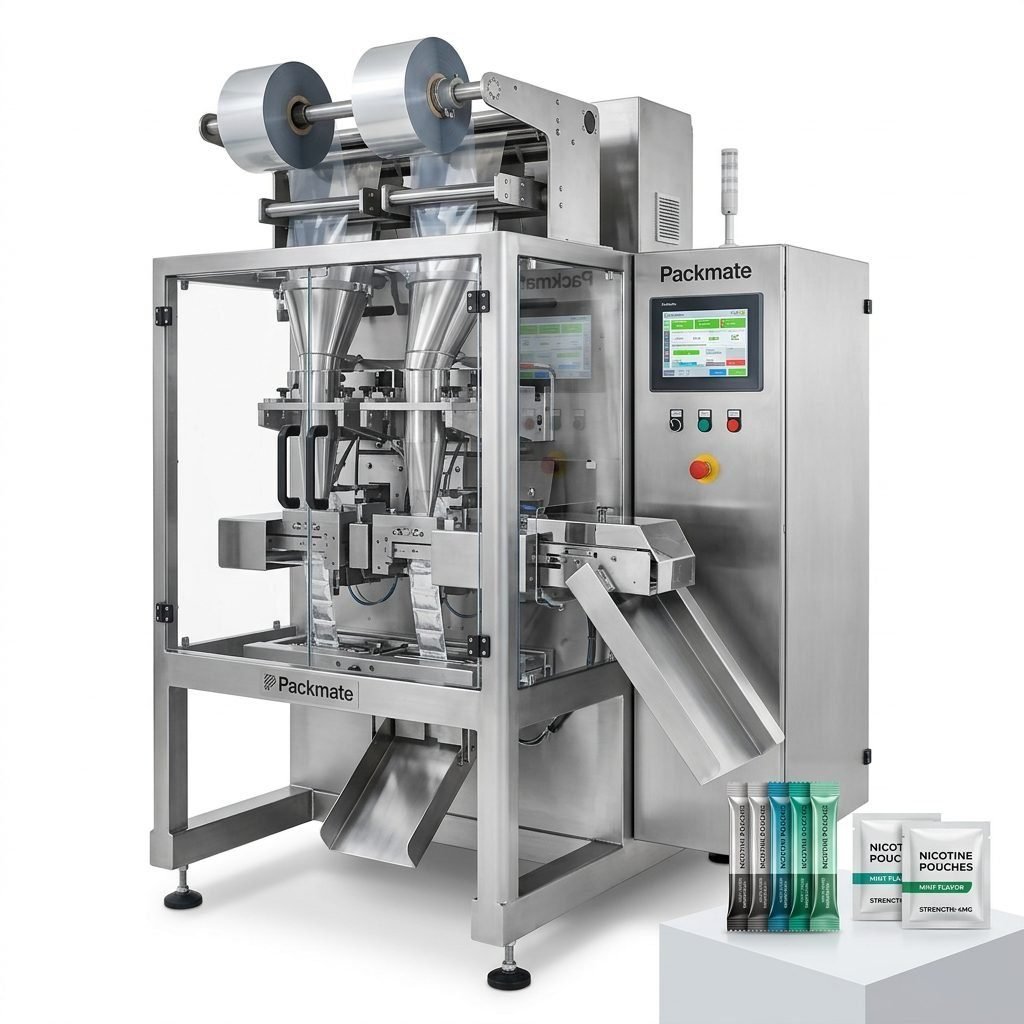
Choosing the right nicotine packaging machine manufacturer in the Middle East requires more than a quick price comparison. It demands understanding regional regulations, climate challenges, consumer preferences, language requirements, and long-term service expectations. This guide breaks down the critical factors to evaluate so your production line is stable, compliant, and optimized for local markets.
1. Understand Local Regulations and Market Norms
The Middle East is not a homogeneous market. Regulatory frameworks for nicotine products vary across GCC countries, Levant, and North Africa. Before selecting a machine supplier, verify how your target country classifies nicotine pouches, snus, or related products. Many buyers require machines that produce packaging compliant with local labeling laws and health warnings in both Arabic and English.
Tip: Ensure your supplier can provide Arabic label support and guidance on mandatory warnings, as packaging regulations can be enforced strictly at customs in the Gulf countries (e.g., UAE, Saudi Arabia).
2. Prioritize Climate-Resilient Design
The Middle Eastern climate—particularly high temperatures and low humidity—can affect both machine operation and product stability. Look for manufacturers who design systems with:
⚙️ Robust cooling/ventilation for electrical cabinets
🌡️ Options for in-line temperature and humidity controls to protect nicotine pouch integrity
Dust-resistant enclosures and easy-to-clean surfaces are also essential in desert environments.
Why Packmate’s manufacturing matters
With a 20,000㎡ factory and advanced CNC centers, Packmate Snus Machine offers precision parts and robust assembly lines designed to operate in harsh climates. Their machines are built to international standards (CE, ISO), which helps when dealing with import inspections across Middle Eastern customs.
3. Production Capacity & Multi-lane Flexibility
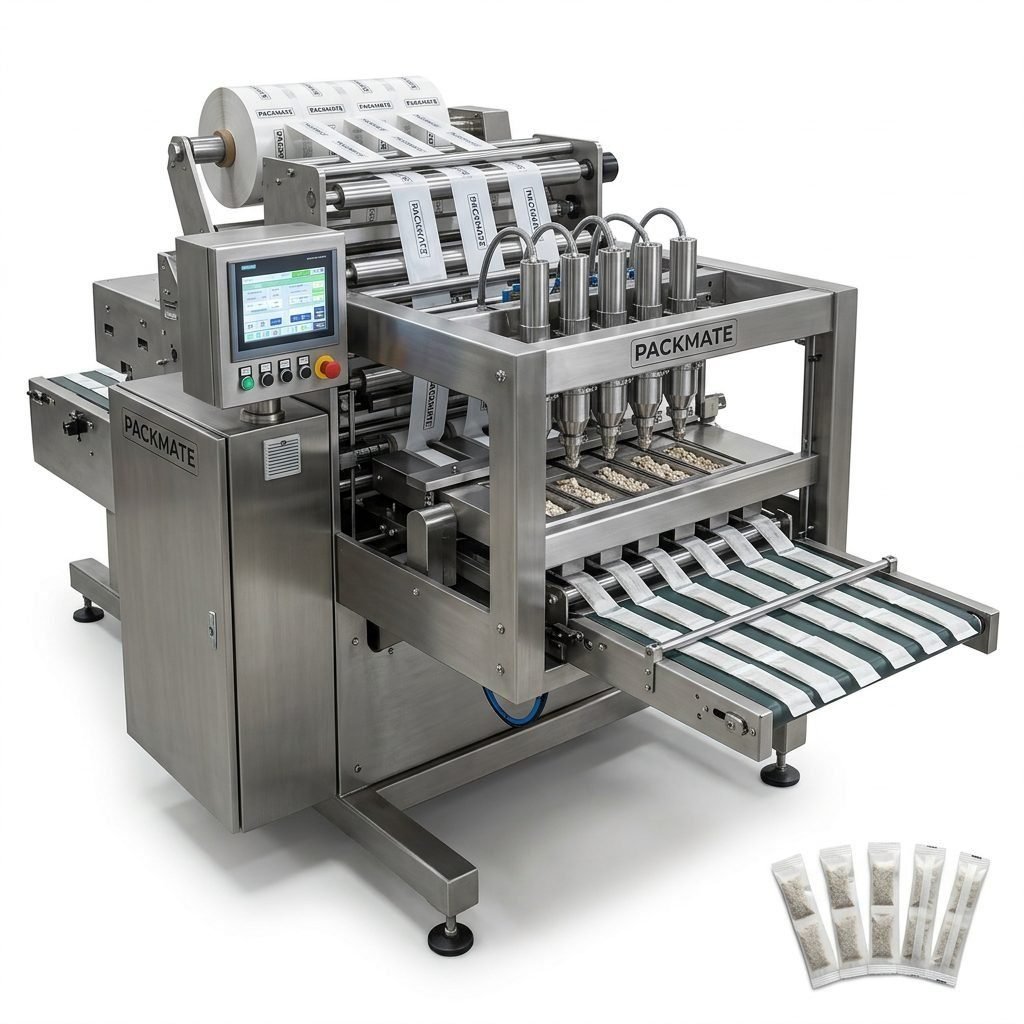
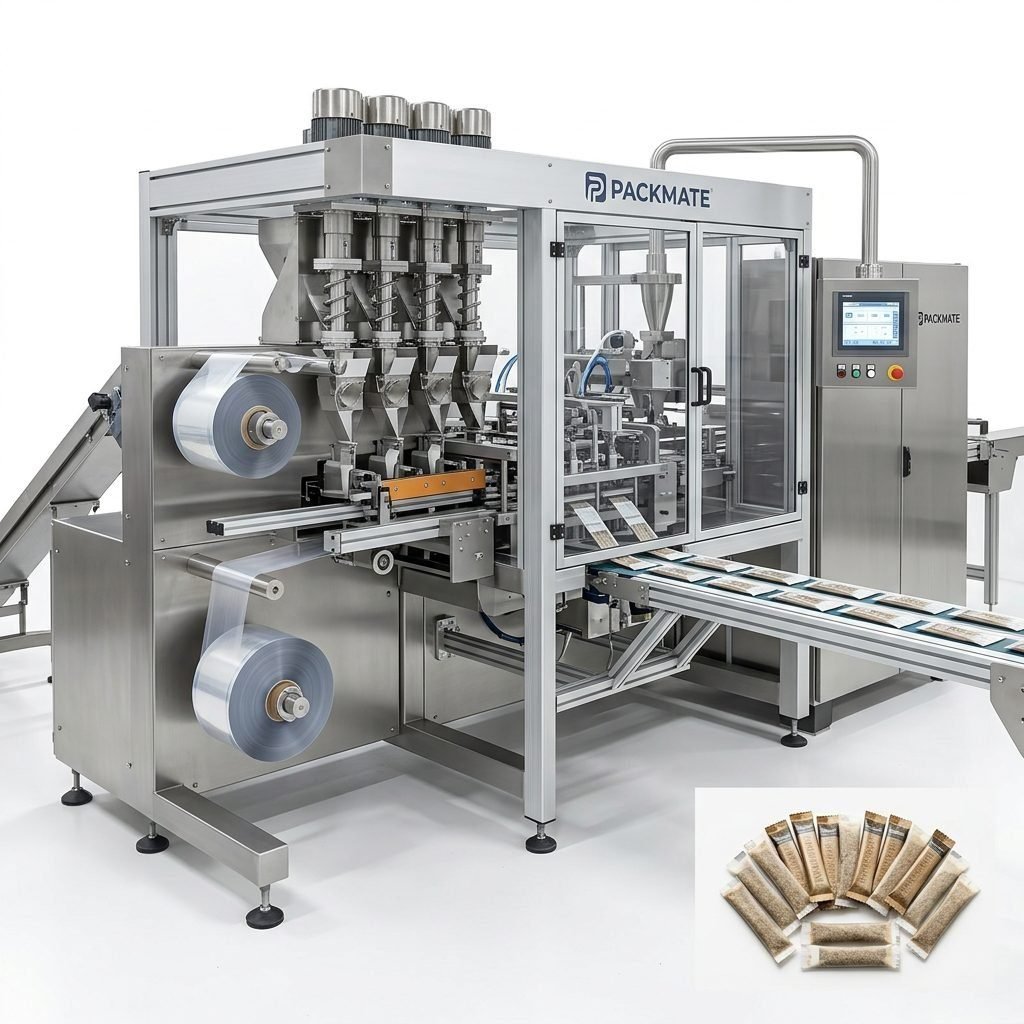
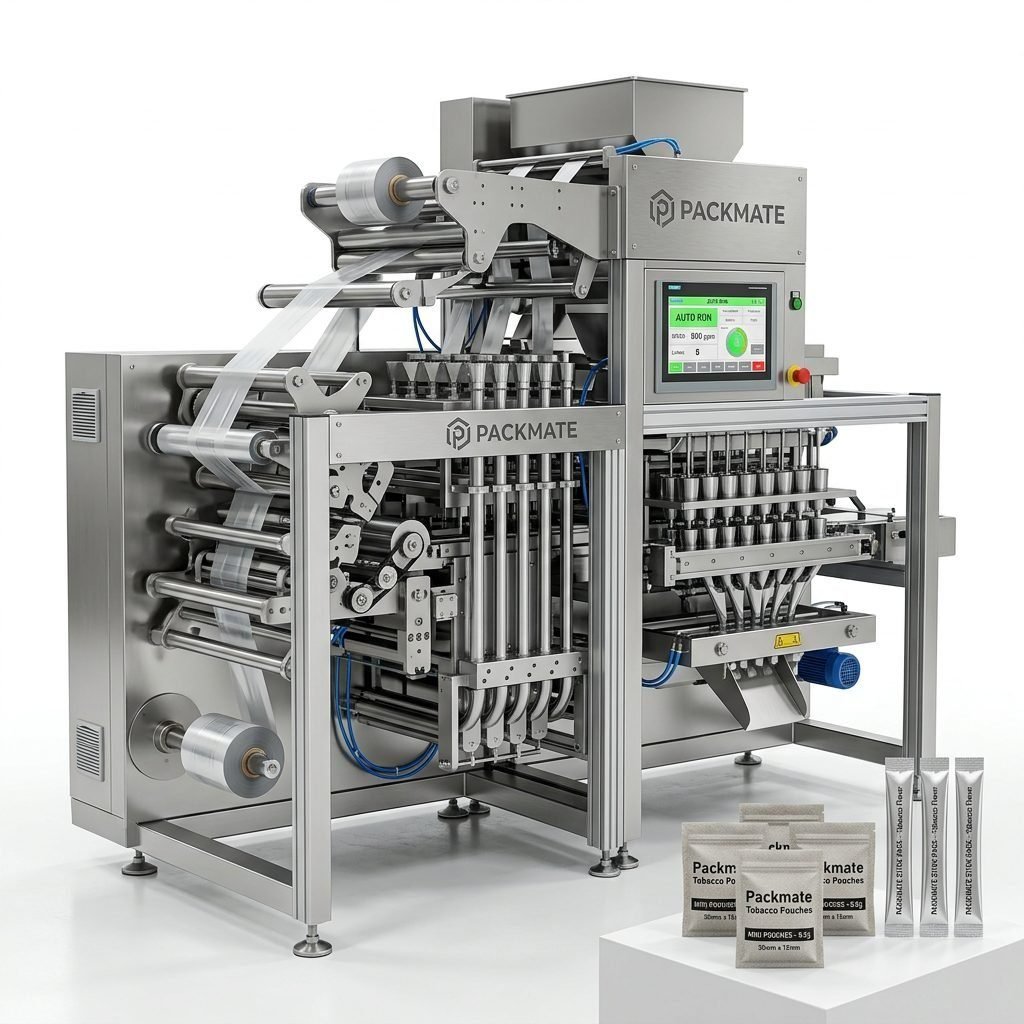
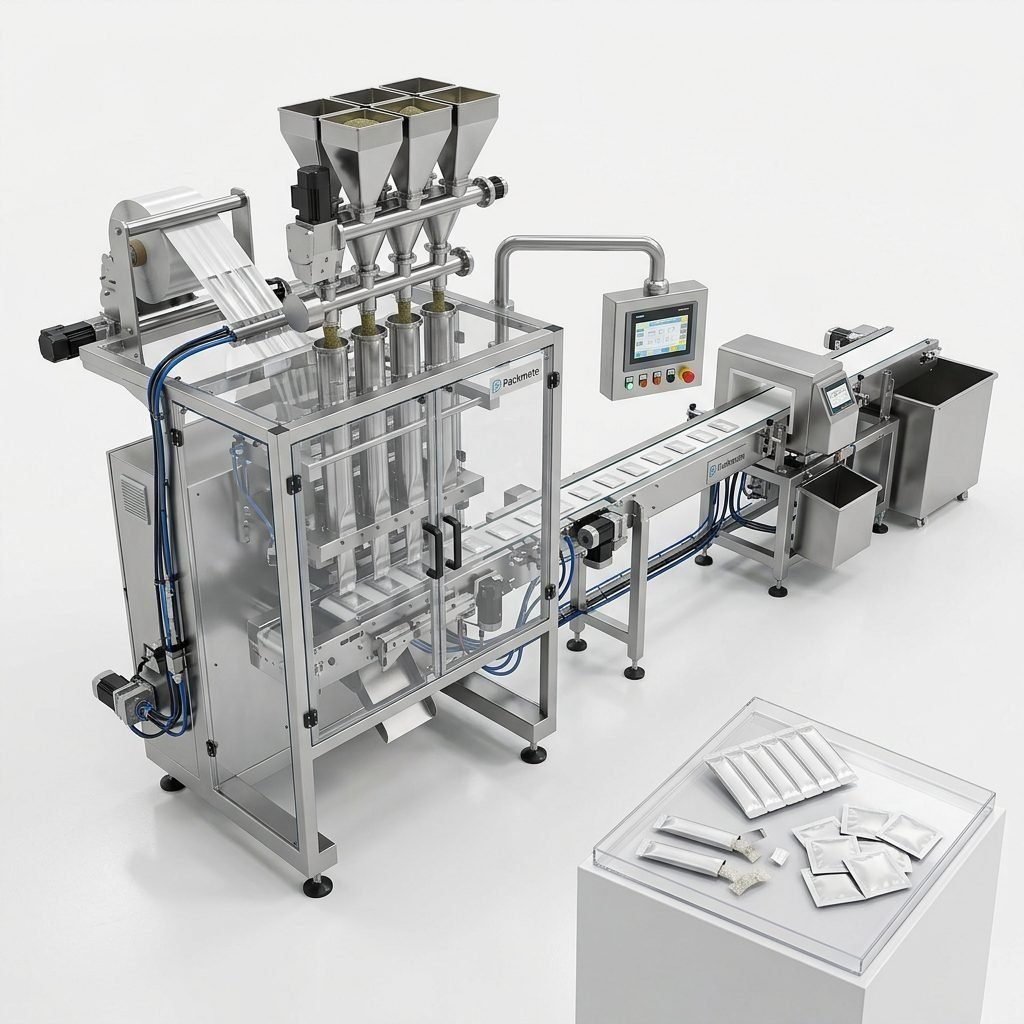
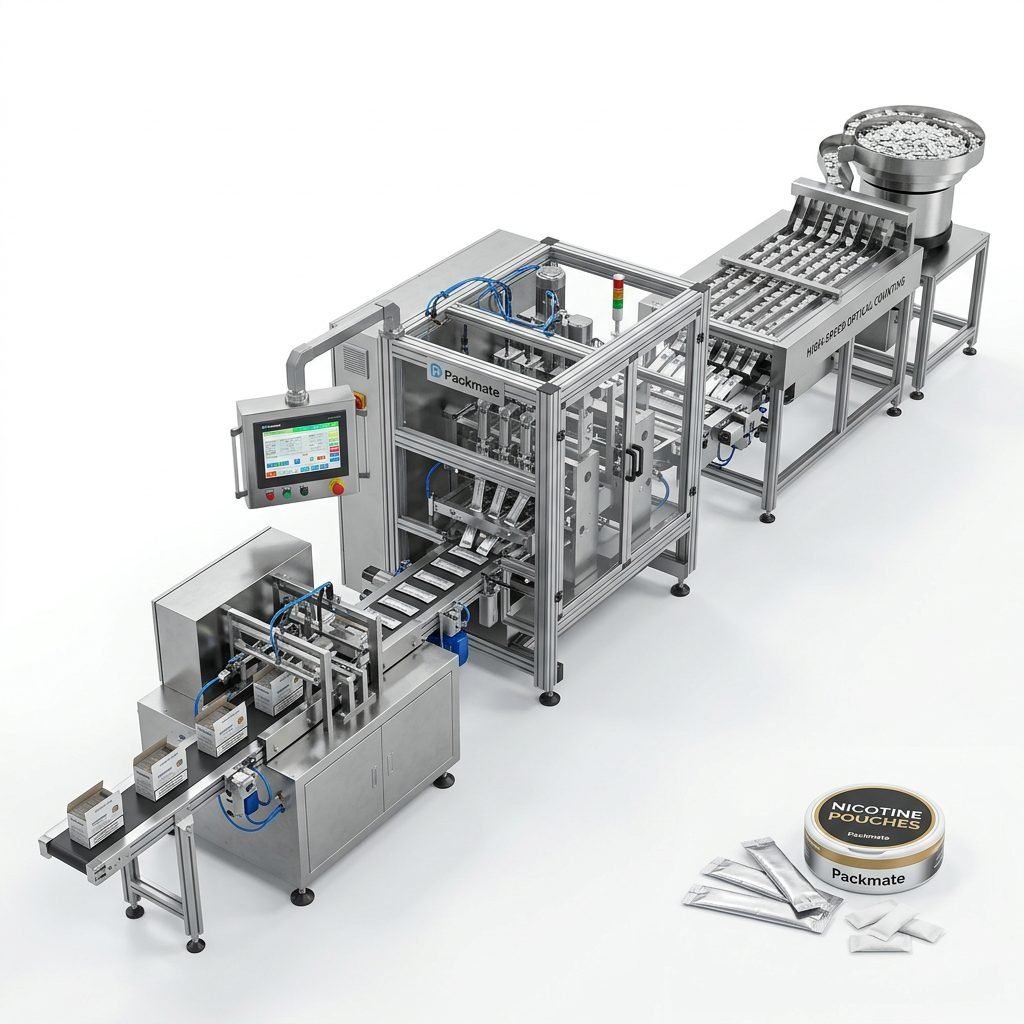
Consider your current and forecasted production volumes. Multi-lane systems allow higher throughput in the same footprint—crucial for rapidly growing nicotine pouch brands. Packmate provides a range of solutions from single-lane sachet to high-speed multi-lane lines.
Quick checklist: production speed, number of lanes, changeover time, and modular upgrades for scaling.
4. Packaging Formats and Material Compatibility
Middle Eastern consumers often prefer discreet, locally-branded packaging. Your machine must support the formats you plan to use: stick packs, sachets, or multi-pouch cartons. Also verify compatibility with local film types, laminates, and barrier materials that protect nicotine from heat and humidity.
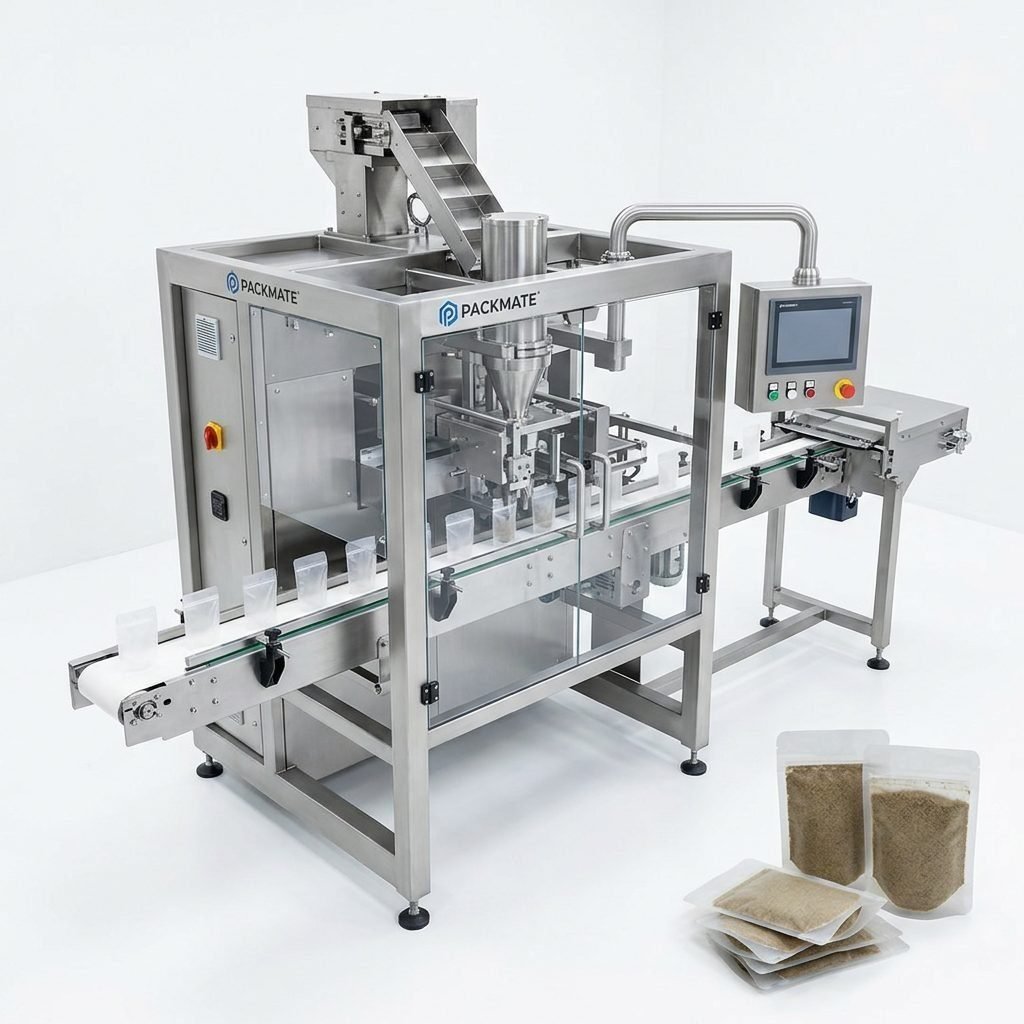
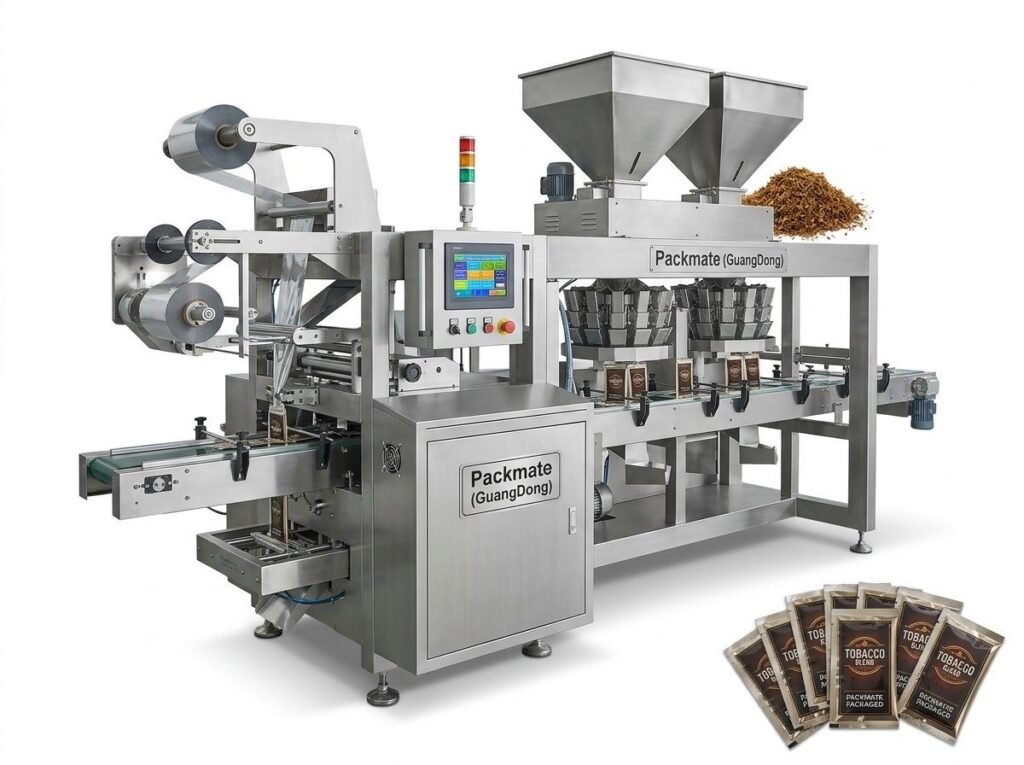
For machine options, review specific product lines such as Snus & Nicotine Packaging Machines and Bag & Pouch Packaging Machines to ensure material and format coverage.
5. After-Sales Service, Spare Parts & Local Support
In the Middle East, rapid access to service and spare parts minimizes downtime. Choose manufacturers who offer:
✓ Fast spare parts delivery and clear BOM documentation
✓ Training for local operators and technicians
✓ Remote troubleshooting and optional on-site commissioning
Packmate emphasizes long-term technical support and global turnkey solutions—useful when setting up production lines that must run 24/7 for regional distribution.
6. Hygiene, Safety & Certification
Food-grade construction standards, CE and ISO certifications, and hygienic design reduce contamination risks and help clear inspections. Check whether the manufacturer provides validation documents and compliance certificates—this is frequently requested by import authorities in the Middle East.
For verification and references, explore Packmate’s Certificate page and Case studies to review similar installations.
7. Customization, Automation and Integration
Many Middle Eastern manufacturers look for fully automated, integrated lines to reduce labor dependency and ensure consistent output. Evaluate suppliers for:
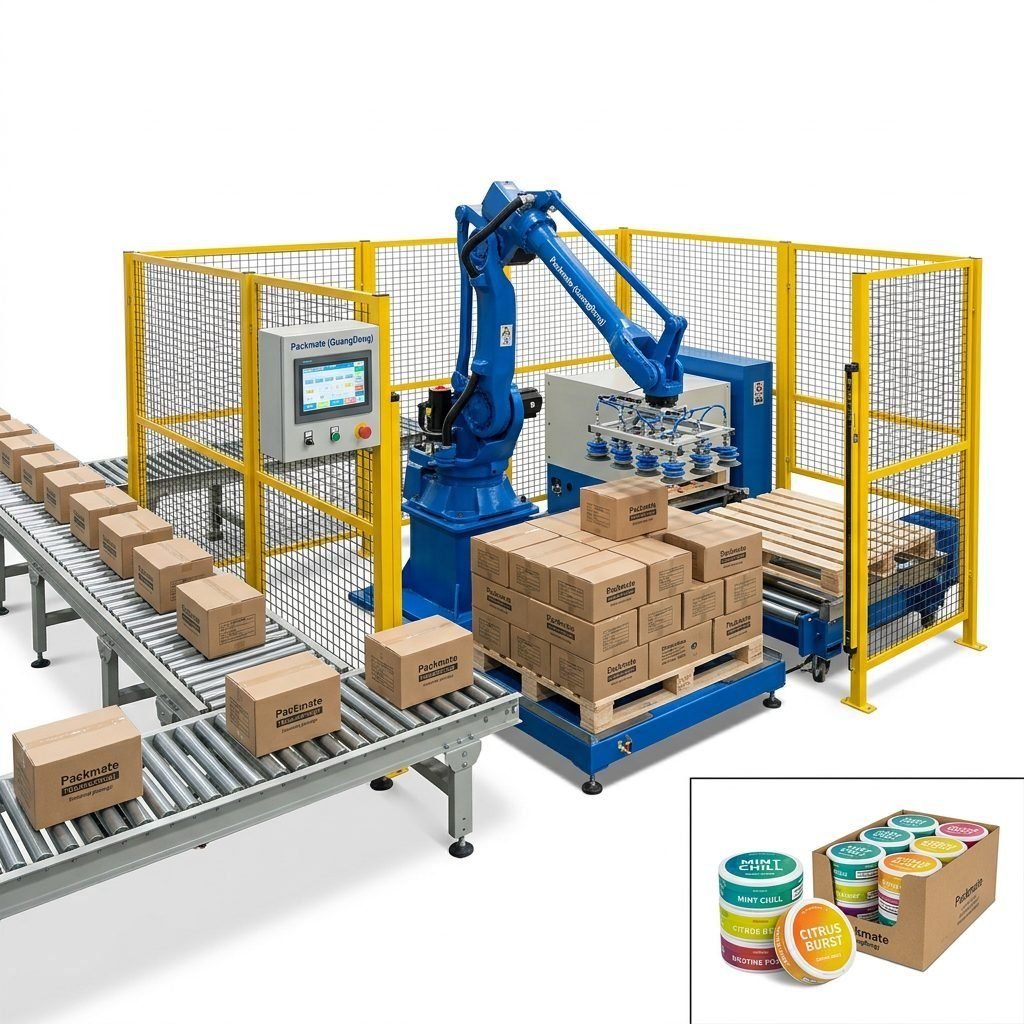
✦ Turnkey line integration with weighing, filling, and case packing
✦ Custom tooling for unique pouch shapes or promotional packaging
✦ PLC and HMI interfaces that support English and Arabic for operator convenience
Packmate’s turnkey advantage
With over 50 machine models and full filling & packaging lines, Packmate provides modular options from single machines to automated production lines. See details in their Filling & Packaging Lines and Weighing & Packaging Systems.
8. Cultural & Business Etiquette Considerations
Business in the Middle East often relies on relationships and trust. Attend regional trade exhibitions to meet suppliers in person—Packmate participates in global exhibitions and can demonstrate machinery live. Respect local meeting protocols, consider Ramadan scheduling for deliveries and factory visits, and be mindful of language preferences when negotiating contracts.
9. Total Cost of Ownership (TCO)
Price per machine is only part of the equation. Calculate TCO including energy consumption, spare parts, maintenance contracts, operator training, and possible downtime costs. High initial investment in reliable equipment can be offset by reduced maintenance and higher uptime—essential when distributing across multiple Middle Eastern markets.
Financial note: Ask for references and ROI case studies. Packmate’s global cooperation cases can help estimate realistic production costs and payback periods.
10. How to Evaluate a Potential Manufacturer — A Practical Checklist
Use this checklist when assessing suppliers:
• Production capacity and modular upgrade paths
• Certifications (CE, ISO) and hygienic design
• Spare parts lead time and local support options
• Compatibility with local packaging materials and climate protections
• Language support for HMI, manuals, and training (Arabic/English)
Where to learn more
For product specifics and model comparisons, review Packmate’s product pages such as Sachet & Stick Pack Machines and reach out via Contact Us to request tailored proposals.
Final Recommendations
Selecting the best nicotine packaging machine manufacturer in the Middle East means balancing technical performance, climate resilience, local regulatory compliance, and dependable after-sales service. Prioritize suppliers with proven multi-lane systems, clear certification, Arabic language support, and a track record of turnkey installations.
If you are sourcing in the region: Meet suppliers at trade shows, request machine demos, and verify case studies—Packmate’s exhibition history and global cases provide valuable proof points.
Common Questions
Q1: Can machines be delivered with Arabic HMI and manuals?
Yes. Many leading manufacturers offer Arabic and English HMI options and translated documentation to accelerate operator training and compliance.
Q2: How important are certifications like CE and ISO?
Very important. They demonstrate manufacturing quality and simplify customs clearance in several Middle Eastern countries. Always ask for copies of certificates.
Q3: What about spare parts availability?
Ensure the supplier provides clear lead times for critical spare parts and has documented BOMs. Consider stocking high-wear parts locally to reduce downtime.
Q4: Are turnkey solutions worth the extra cost?
For many brands, yes. Turnkey lines reduce integration risk, shorten commissioning time, and provide consistent quality across batches.
Q5: How can I see real machine performance?
Request live demonstrations at exhibitions or factory visits. Review case studies and request video of machines running with products similar to yours. Visit About Packmate and their Our Exhibition records for more information.