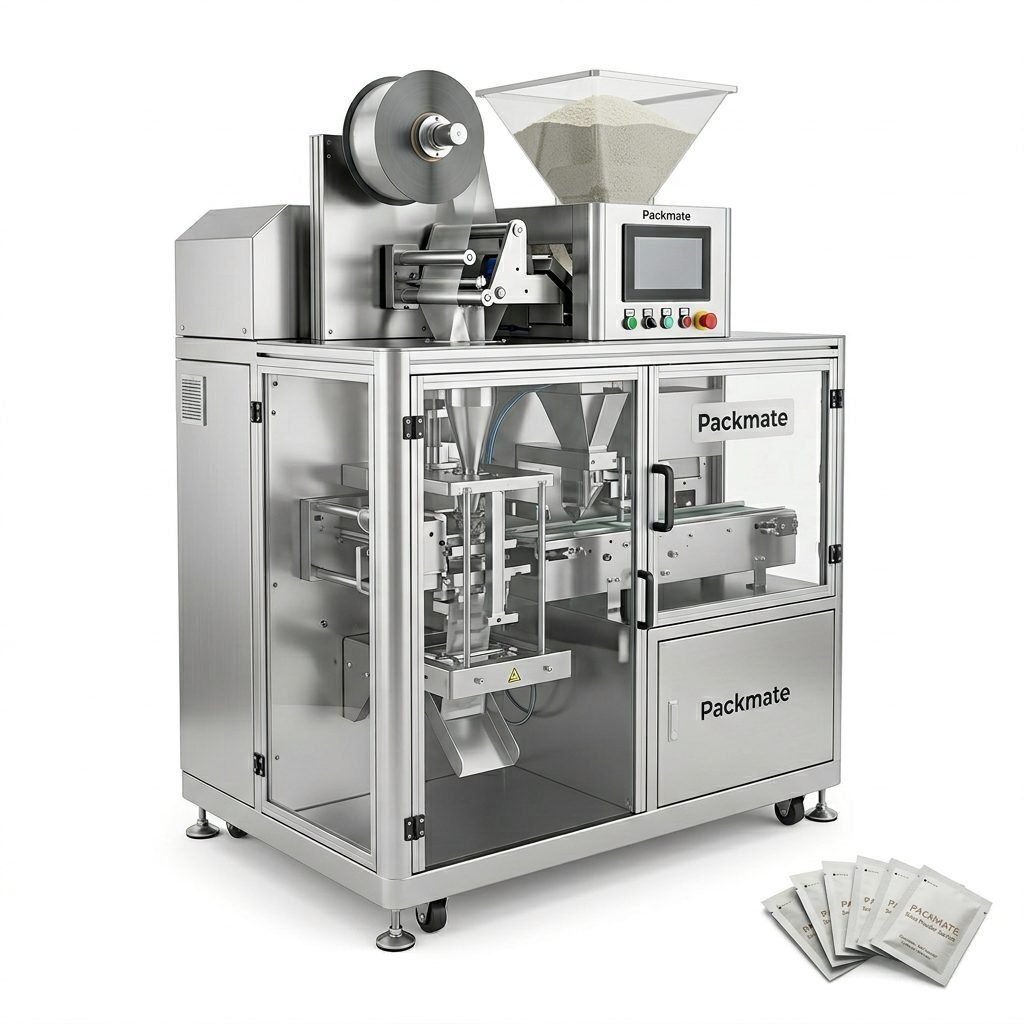
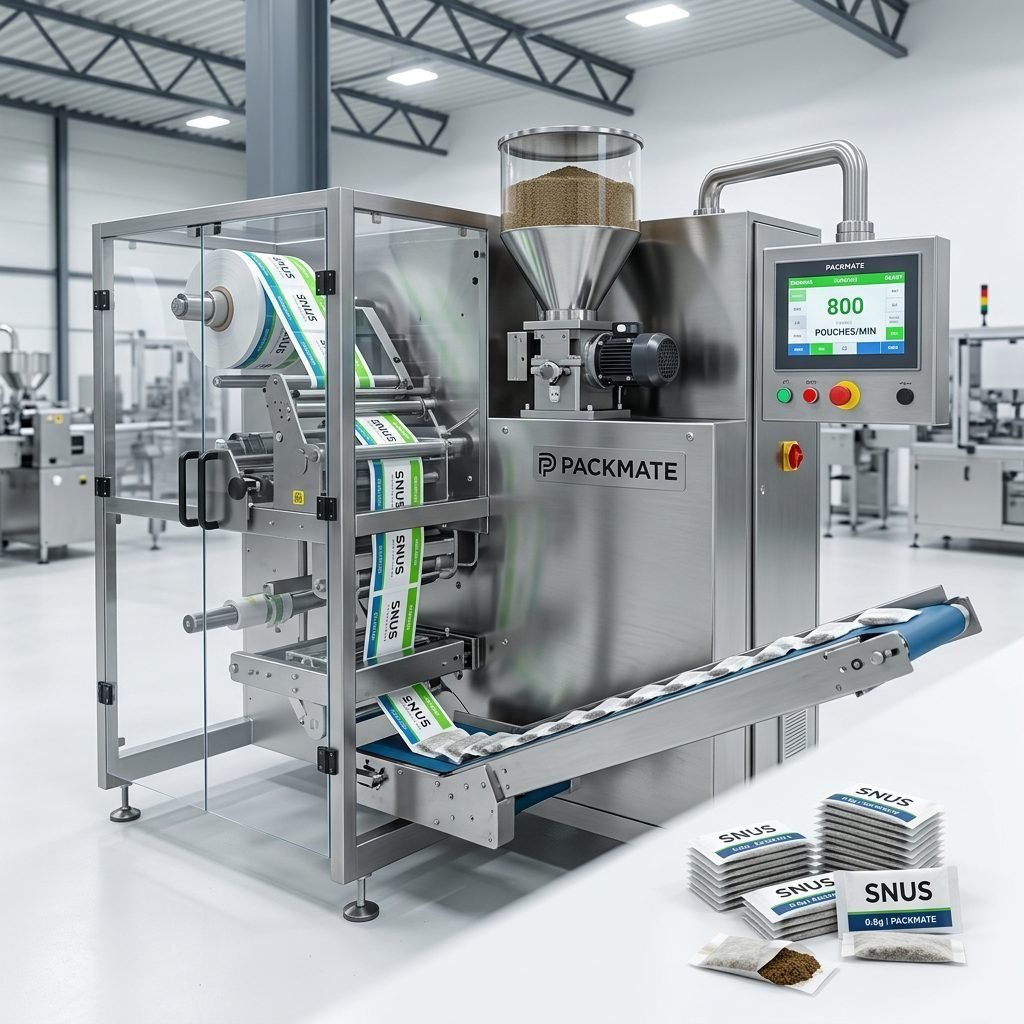
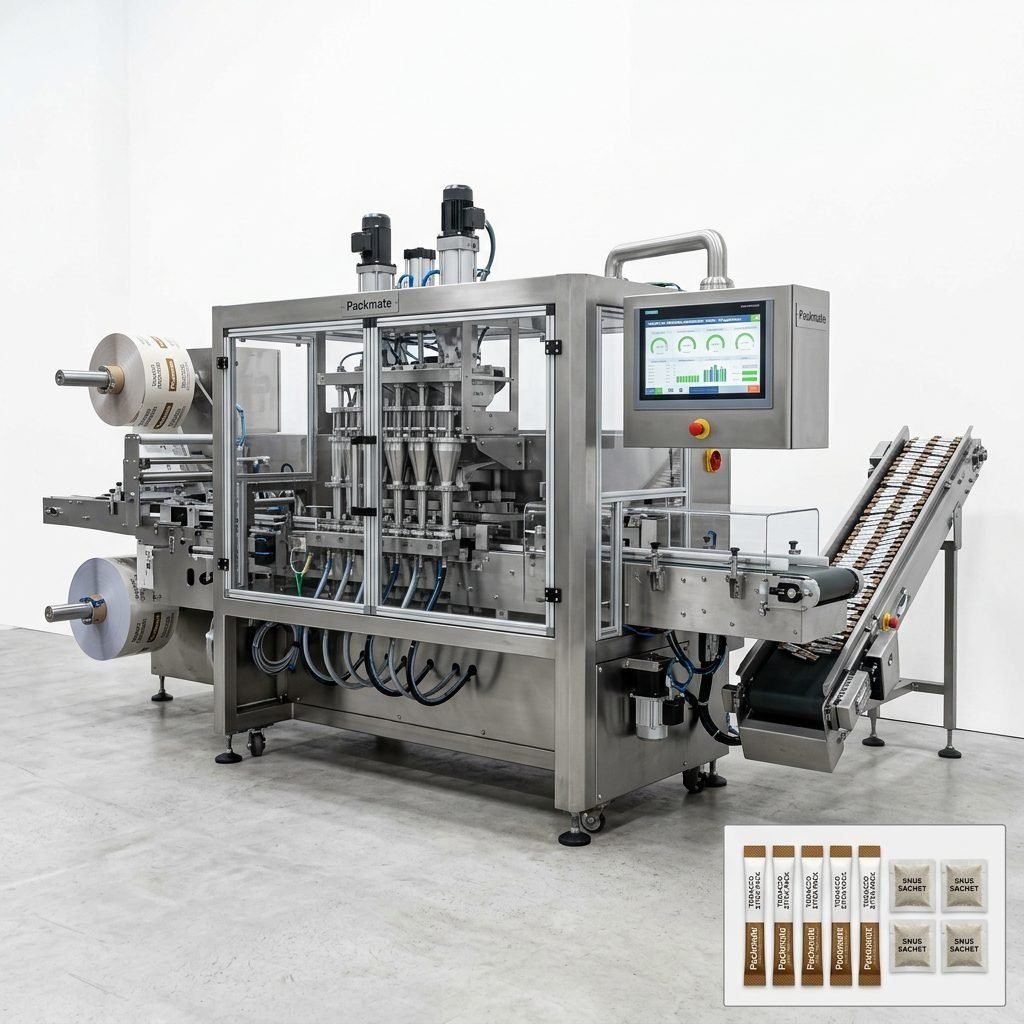
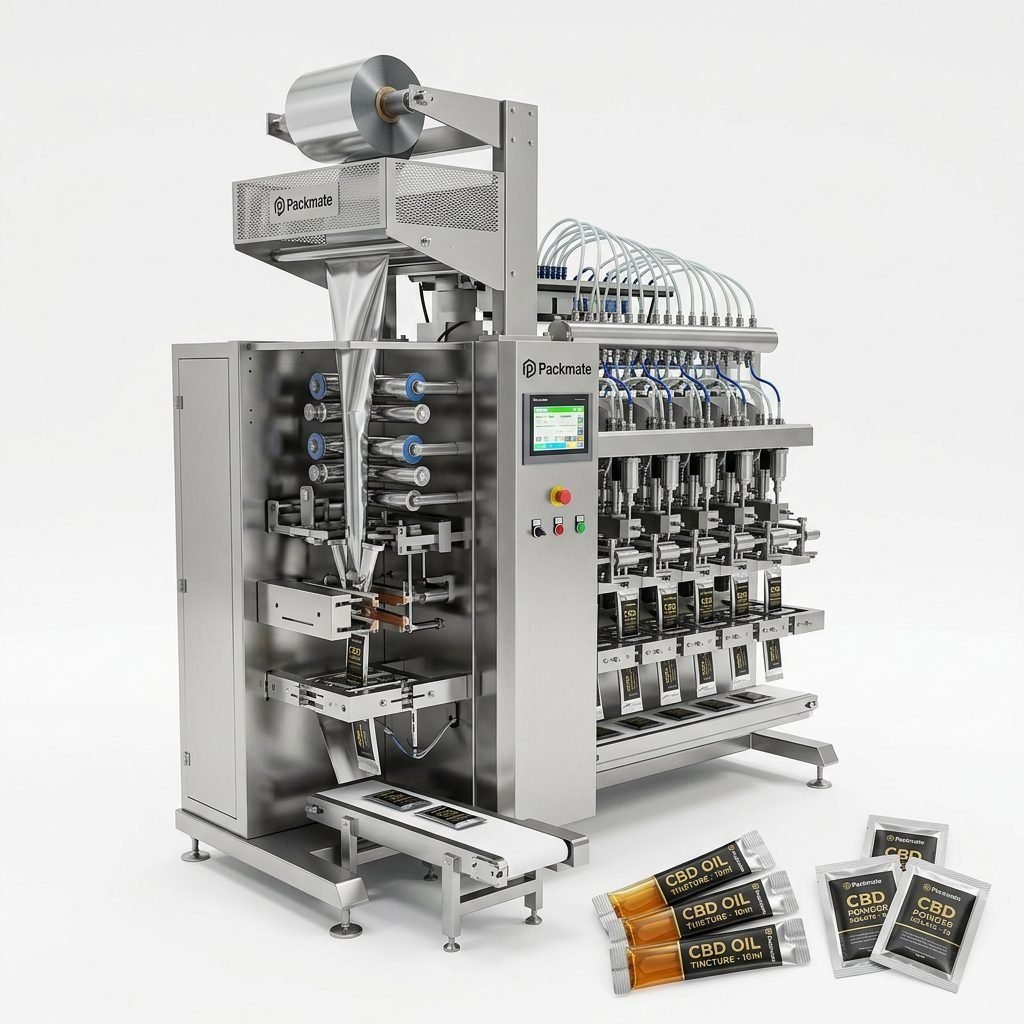
Choosing a reliable nicotine packaging machine manufacturer in Haiti requires careful consideration of technical performance, regulatory compliance, local market habits, and long-term service support. This guide breaks down practical tips, procurement checklists, and local considerations to help importers, contract packers, and manufacturers in Haiti pick the right partner for snus and nicotine pouch packaging lines.
Understand Haiti’s Market and Cultural Context
Haiti’s market characteristics influence packaging choices and the selection of equipment. Key local factors to weigh include language requirements (French and Haitian Creole), variable retail infrastructure, humid tropical climate, and import logistics through ports like Port-au-Prince.
🔴 Labeling & language: Ensure machines can handle multi-language label printing or allow secondary labeling so packaging can display French and Creole legally and clearly.
✅ Climate protection: Choose packaging formats with strong moisture and heat resistance; the humidity in Haiti makes barrier films and reliable sealing essential.
Tip 1 — Match Machine Type to Product Format
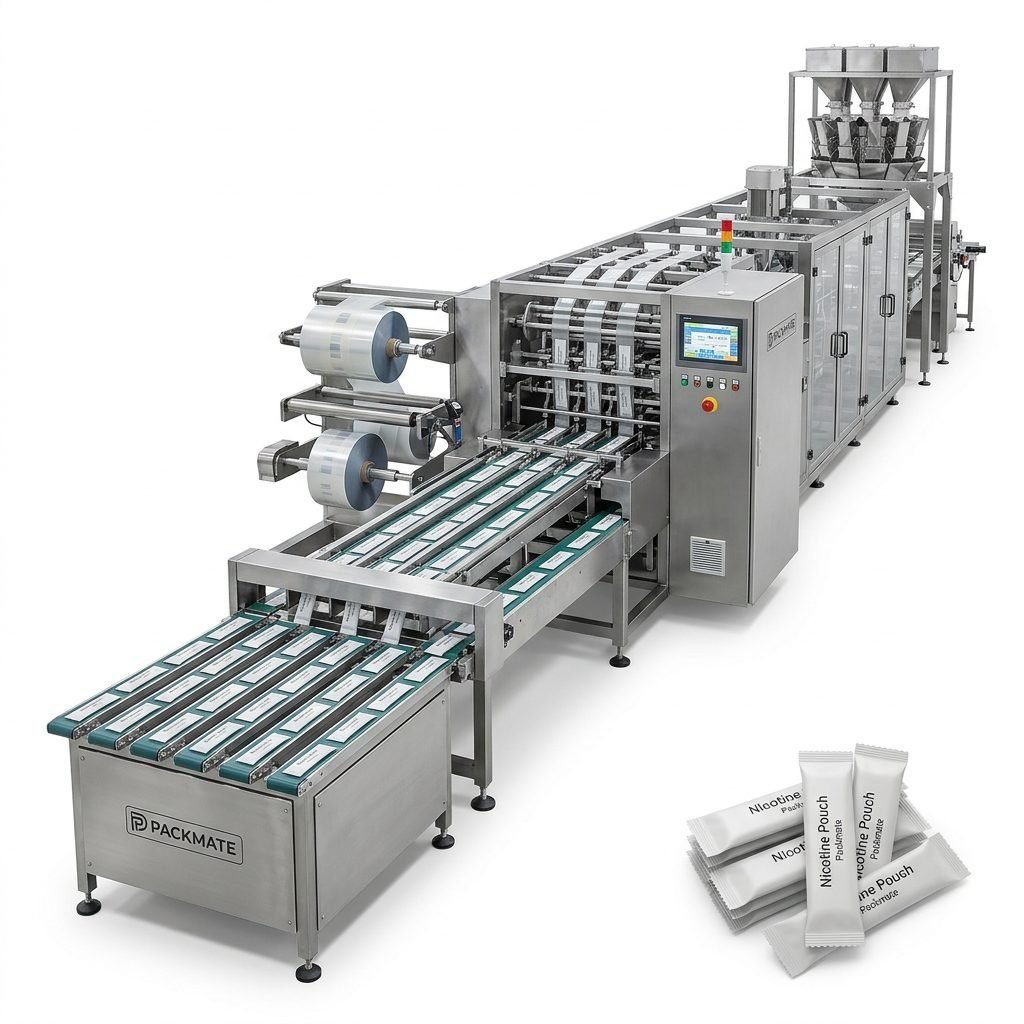
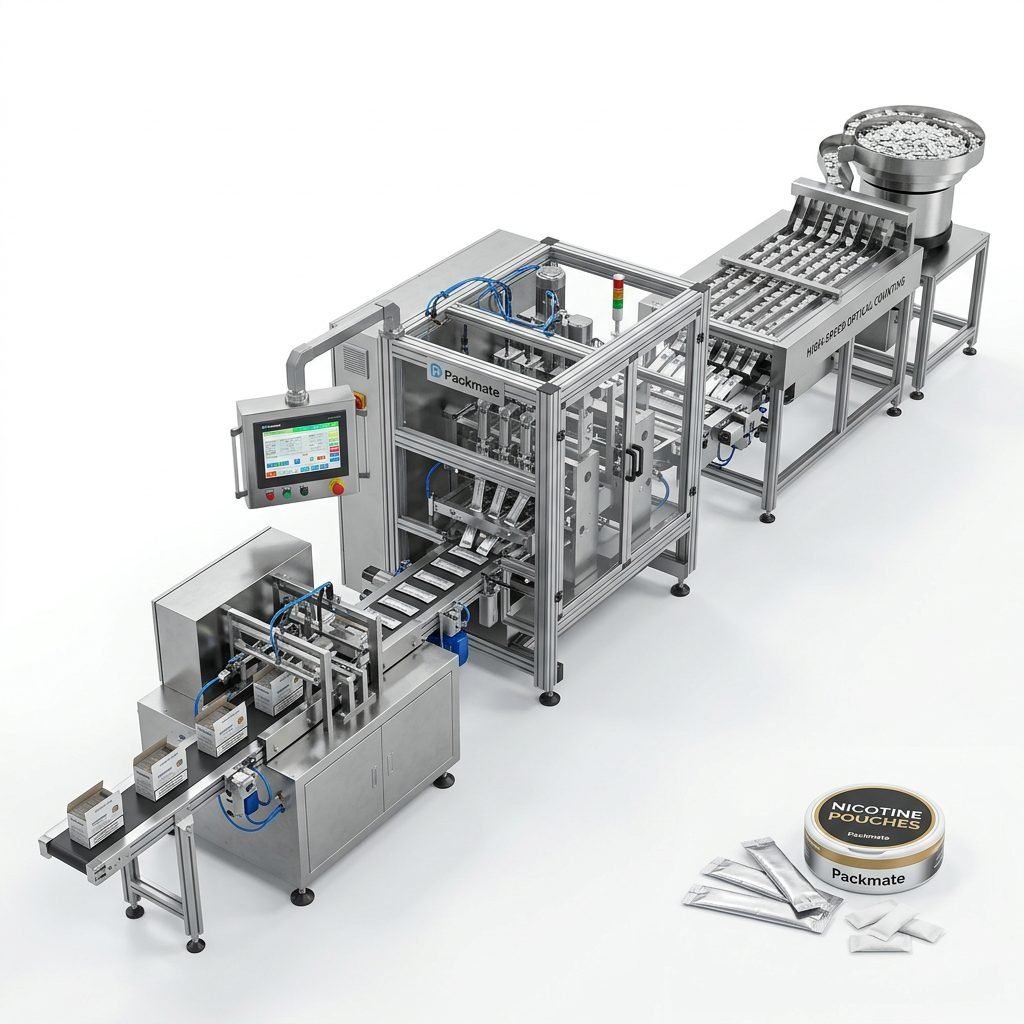
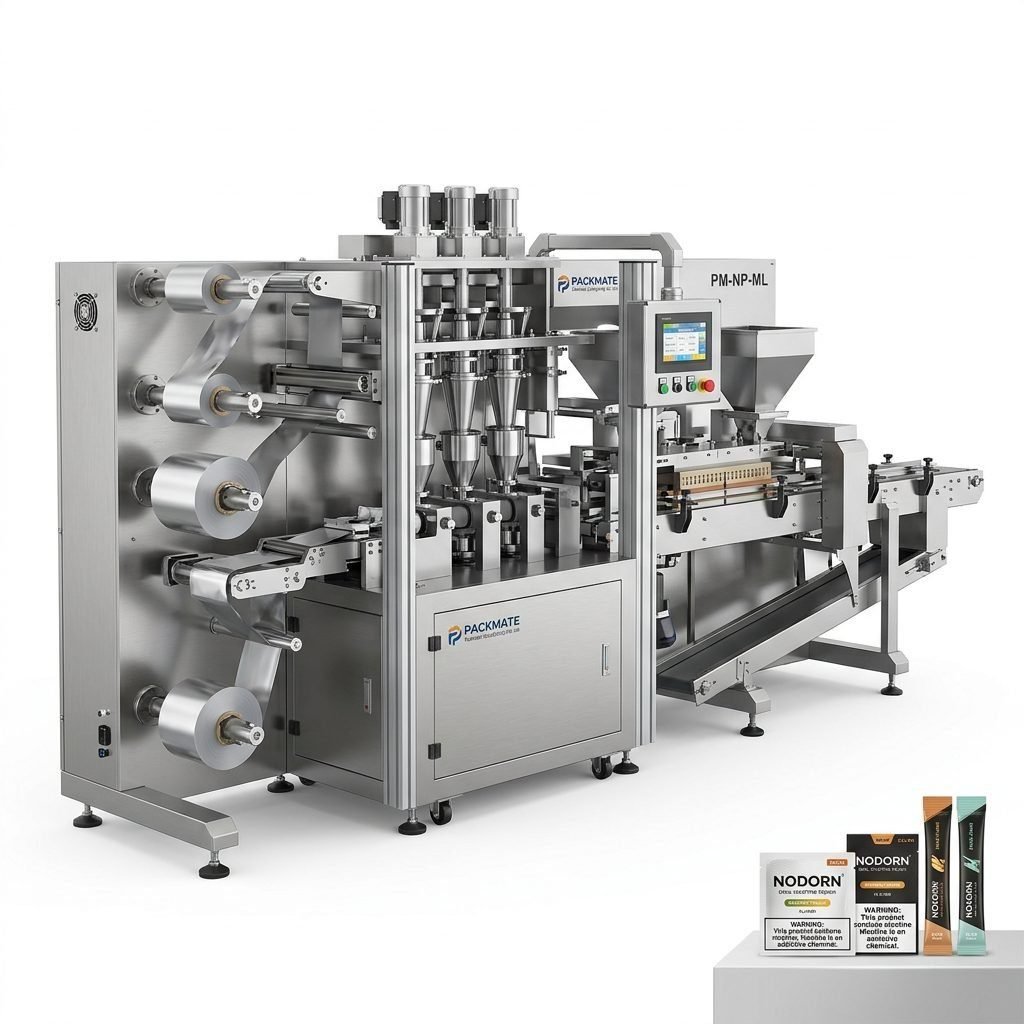
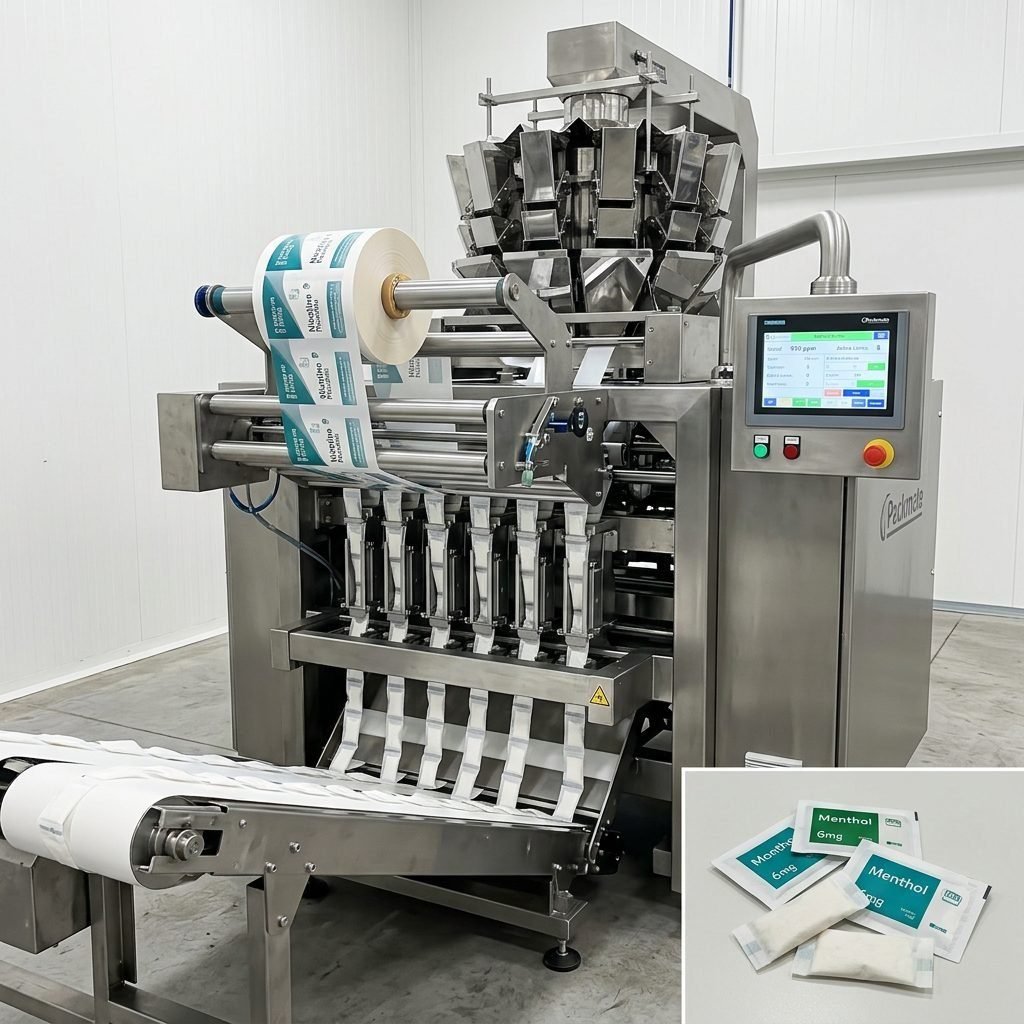
Nicotine pouches and snus come in different formats: single pouches, multi-pouch trays, sachets, and stick packs. A manufacturer should provide models that match your intended pack type and production speed. For small-dose multi-lane production, prioritize suppliers with proven multi-lane systems designed for snus and nicotine pouches.
Tip 2 — Verify Technical Performance & Stability
Look for data such as uptime rates, cycle speeds, and changeover times. Reliable suppliers will share machine specifications, real-world case studies, and performance metrics. Ask for video demonstrations and references from customers with similar product characteristics.
⚙️ Essential metrics to request: net output per hour, mean time between failures (MTBF), mean time to repair (MTTR), and typical yield rate.
Tip 3 — Prioritize Local Serviceability and Spare Parts
In Haiti, service responsiveness and timely spare parts delivery are critical. Consider a manufacturer that provides:
- Remote diagnostics and training via video calls;
- Local stocking options or fast international shipping for critical spare parts;
- On-site commissioning and operator training for initial runs.
Tip 4 — Check Compliance and Certifications
Ensure the equipment meets international safety and quality standards such as CE and ISO. Certification demonstrates consistent manufacturing quality and simplifies clearance through customs.
Why Packmate-Style Suppliers Are Worth Considering
Companies with decades of engineering experience and a wide product range — including snus and nicotine packaging equipment — bring advantages like proven multi-lane systems, advanced CNC manufacturing, and customizable turnkey solutions. When evaluating suppliers, look at their machine portfolio, factory capabilities, and documented case studies.
Explore typical product categories from established suppliers:
Snus & Nicotine Packaging Machines,
Sachet & Stick Pack Machines,
Bag & Pouch Packaging Machines.
Tip 5 — Evaluate Customization & Flexible Line Integration
Nicotine products often require bespoke dosing, desiccant insertion, or tamper-evident features. Verify the supplier can integrate:
- Multi-head weighing or auger dosing for powders;
- Desiccant insertion and nitrogen flushing to extend shelf life in humid climates;
- Automated cartoning and secondary packaging modules for retail-ready formats.
🛠️ Integration benefit: a single manufacturer that supplies filling, multi-lane pouch forming, and cartoning simplifies installation and reduces compatibility issues.
Tip 6 — Consider Energy, Footprint, and Local Utilities
In Haiti, stable power and floor space constraints can influence equipment choice. Ask about:
- Power consumption and voltage options;
- Machine footprint and modular layouts for phased expansion;
- Compatibility with local power stabilization equipment or generators.
How to Validate a Manufacturer Before Purchase
Follow a checklist to validate the supplier:
Factory and Quality Control
Request factory photos or virtual tours that showcase CNC machining centers, assembly lines, and testing areas. A factory with comprehensive quality checks and traceable processes reduces the chance of receiving low-quality equipment.
References & Case Studies
Ask for references of customers in similar markets or product segments. Case examples demonstrating multi-lane nicotine pouch lines, or installations in tropical climates, are highly valuable. See supplier cases for examples: Case.
After-Sales and Service Agreements
Clarify warranty terms, availability of remote support, training schedules, and spare parts lists. Consider negotiating a service contract for the first 12 months after commissioning.
📄 Documentation: insist on complete machine manuals, maintenance schedules, and a list of consumables that wear out quickly.
Tip 7 — Logistics, Import, and Customs Considerations for Haiti
Heavy machinery import into Haiti requires planning: secure clear shipping documentation, classify tariff codes correctly, and plan for port handling. Work with a freight forwarder experienced with Haitian customs. Evaluate the supplier’s willingness to provide full export documentation and assistance with letters of credit or pro forma invoices.
Tip 8 — Total Cost of Ownership (TCO)
Price is only one part of the equation. Calculate TCO including:
- Initial equipment cost;
- Expected spare parts and consumables;
- Energy and maintenance expenses;
- Downtime risks and service response time.
Operational Tips for Smooth Commissioning in Haiti
Once you select the manufacturer, plan the commissioning carefully:
- Prepare site utilities and confirm grounding and voltage compatibility;
- Train local operators and technicians with vendor-led sessions;
- Run extended acceptance testing under realistic production conditions;
- Document recipes, changeover procedures, and preventative maintenance tasks.
⚠️ Local operator training is critical: turnover in some locations can be high—create clear SOPs and basic troubleshooting guides in French and Creole.
Sourcing Tips — Negotiation and Contracts
Negotiate payment terms, lead times, and acceptance criteria. Consider phased payments linked to milestones: design approval, FAT (factory acceptance test), shipment, and SAT (site acceptance test). Retain a portion of payment until successful SAT to ensure accountability.
Useful Resources & Next Steps
When checking suppliers, review their product pages and support materials. Helpful links for deeper research:
• About Packmate — company background and capabilities.
• Snus & Nicotine Packaging Machines — core machines for nicotine pouches.
• Contact Us — to request quotes, FAT scheduling, and after-sales plans.
Final Implementation Checklist
✅ Pre-shipment: FAT approved, spare parts list confirmed, documentation in French/Creole where needed.
✅ On arrival: customs documents complete, freight agent confirmed, site utilities prepared.
✅ Commissioning: vendor-led training, acceptance protocol executed, first production batch validation.
Conclusion
Selecting the right nicotine packaging machine manufacturer for Haiti means balancing machine performance, serviceability, regulatory compliance, and sensitivity to local conditions like language and climate. Prioritize suppliers with proven snus/nicotine experience, strong quality control, and clear after-sales commitments to ensure a smooth launch and reliable long-term operation.
Frequently Asked Questions
Q1: What packaging features are most important for nicotine pouches in Haiti?
A: Moisture barrier seals, tear notches for easy opening, and bilingual labeling in French and Haitian Creole are essential. Consider desiccant options and nitrogen flushing to extend shelf life in humid conditions.
Q2: How quickly can spare parts be delivered to Haiti?
A: Delivery time depends on stock location. Work with suppliers that offer expedited shipping or regional stocking; ask for a list of critical spare parts to keep on hand locally.
Q3: Are multi-lane machines suitable for small Haitian operations?
A: Multi-lane machines are excellent for high throughput and consistent output but require larger upfront investment and more skilled maintenance. For smaller operations, modular or single-lane machines may be more cost-effective initially.
Q4: How can I ensure regulatory compliance for nicotine product packaging?
A: Verify that packaging meets labeling laws, health warnings, and import regulations. Consult local legal counsel and coordinate with your supplier to include compliant labeling and traceability features.