Choosing the right nicotine packaging machinery for a production facility in Mauritius is more than a purchase decision — it is a long-term investment in product quality, regulatory compliance, and operational efficiency. This guide walks you through practical steps and technical considerations to ensure you select equipment that matches your production goals, budget, and local market requirements.
Understand Your Production Requirements
Start by documenting the core parameters of your operation. Key questions include: what is your target daily throughput, what pouch formats (snus, nicotine pouches, sachets, stick packs) will you produce, and what are the specifications for dose accuracy and sealing? These answers determine whether you need single-lane or multi-lane systems and whether high-speed automation is necessary.
Important production parameters:
• Target output per minute/hour/day
• Pouch formats and sizes
• Product type: powder, granular, wet blend, or liquid
• Required filling accuracy and tolerance
If you expect to scale rapidly, choose modular systems that can be upgraded to multi-lane lines to avoid costly full replacements later.
Match Machine Type to Product
Not all nicotine packaging machines are the same. Typical categories include:
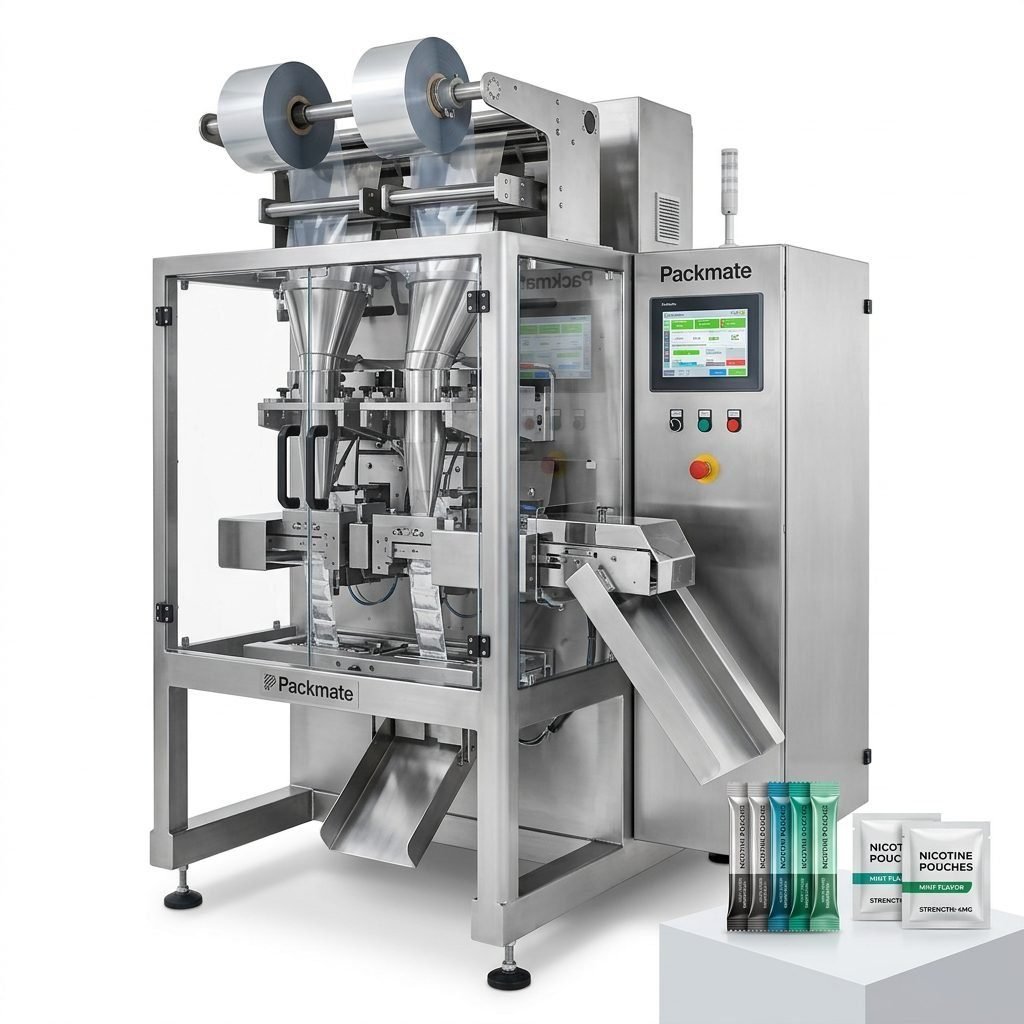
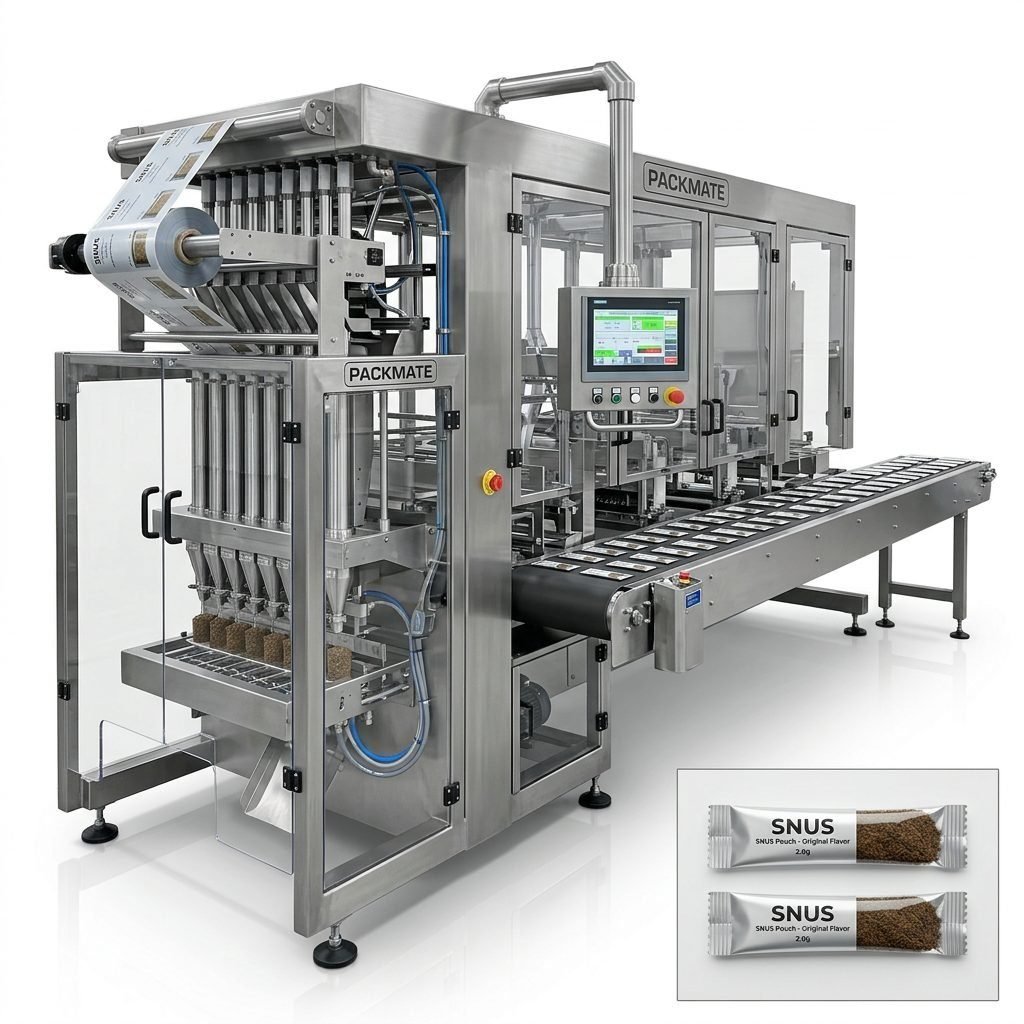
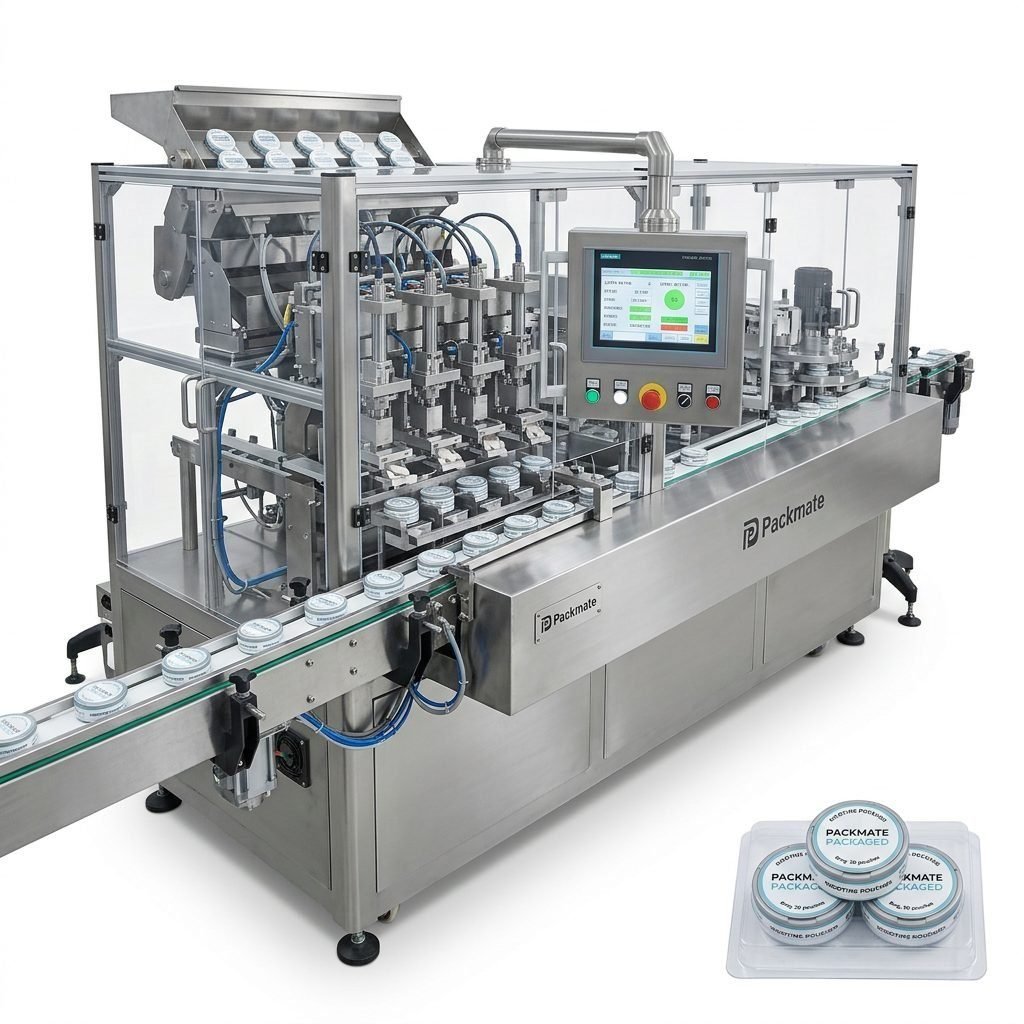
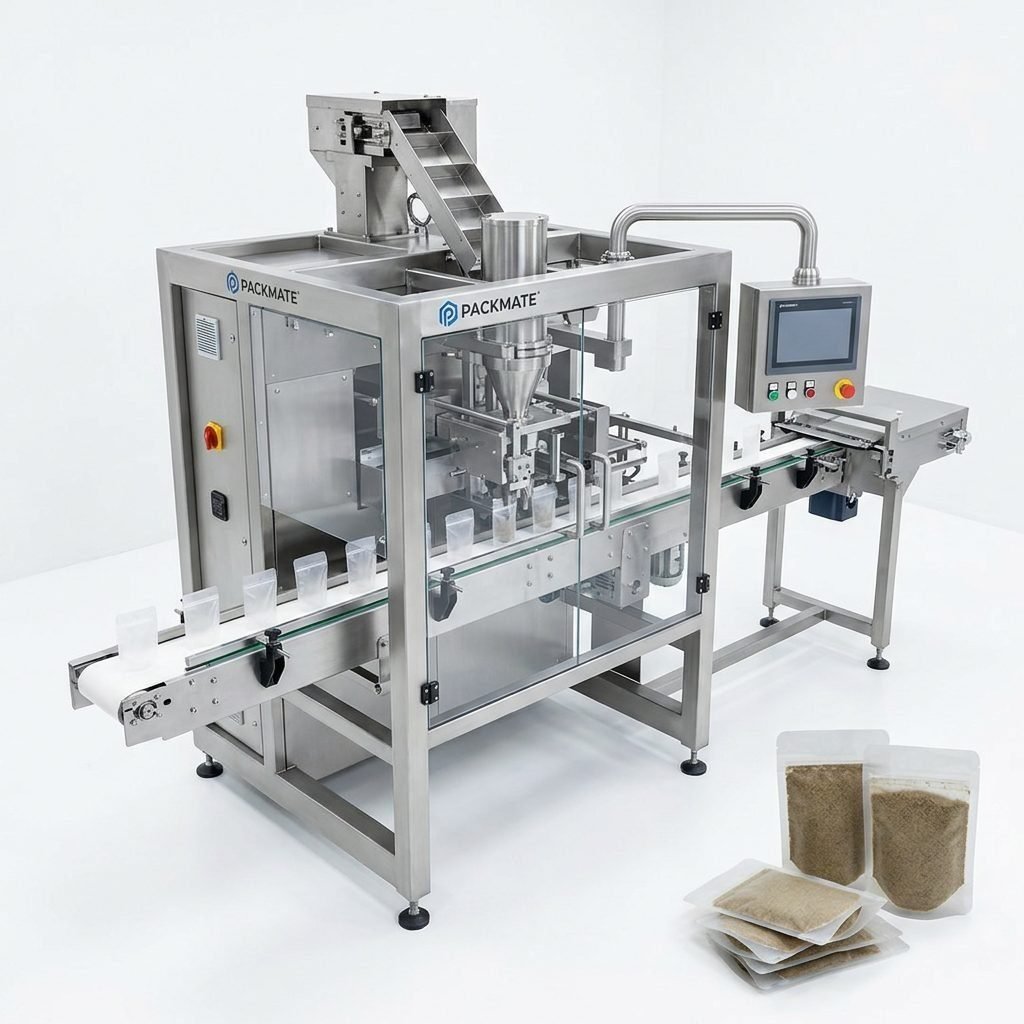
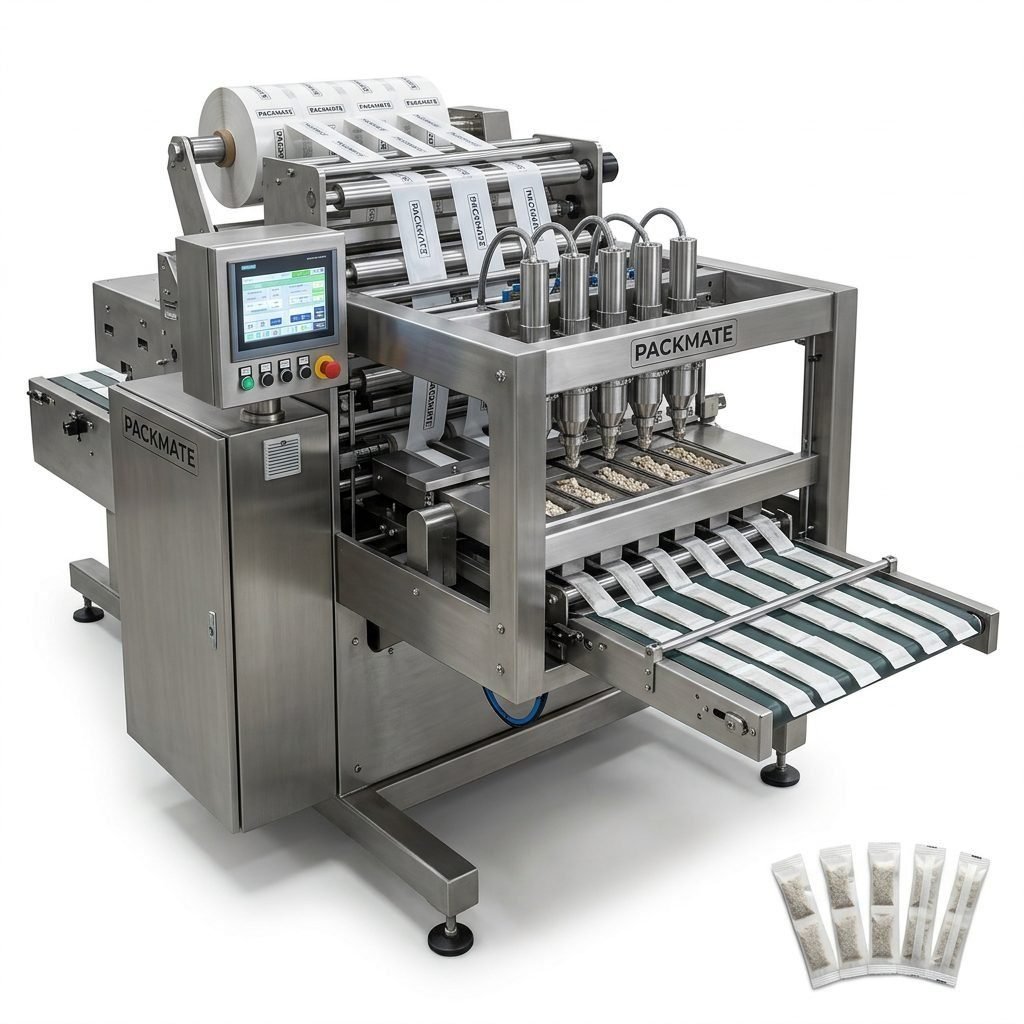
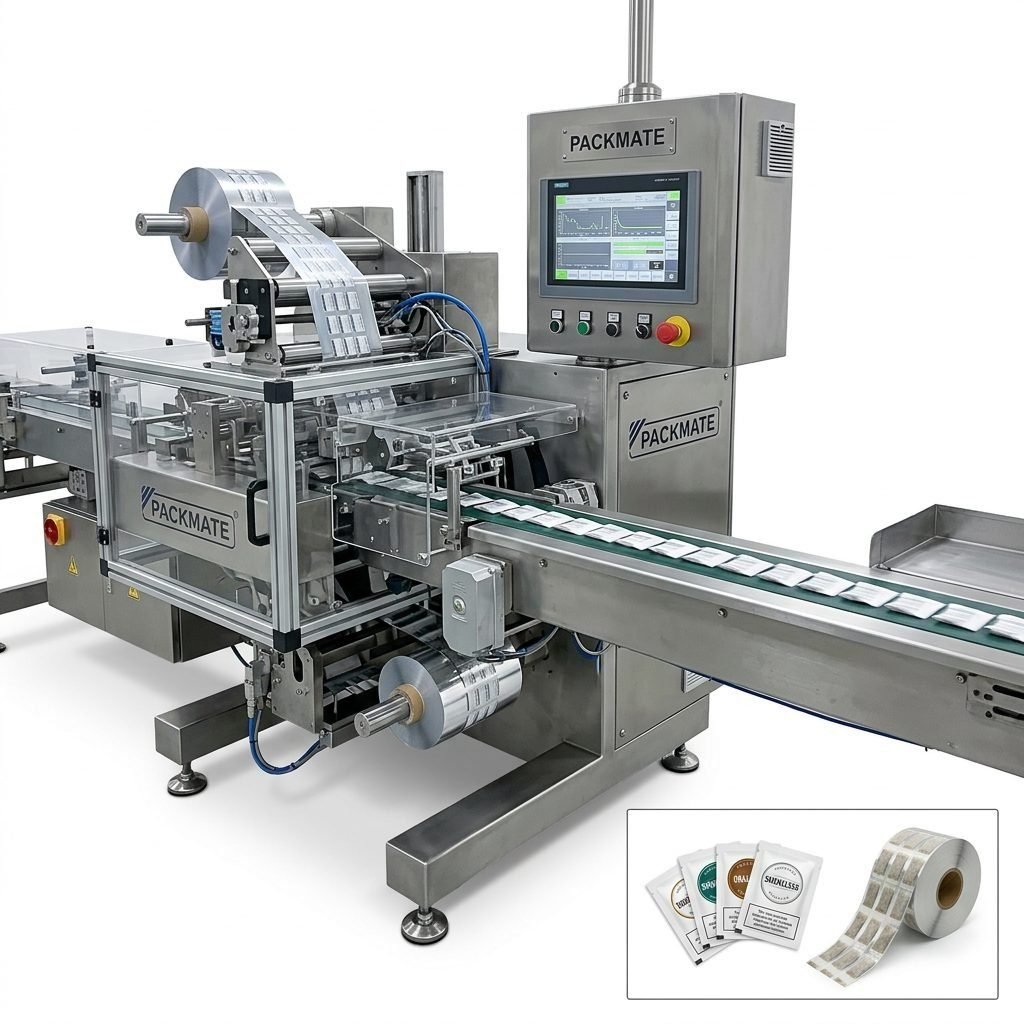
• Snus & Nicotine Pouch Machines — designed for small-dose, compact pouches with tight sealing and consistent weight control.
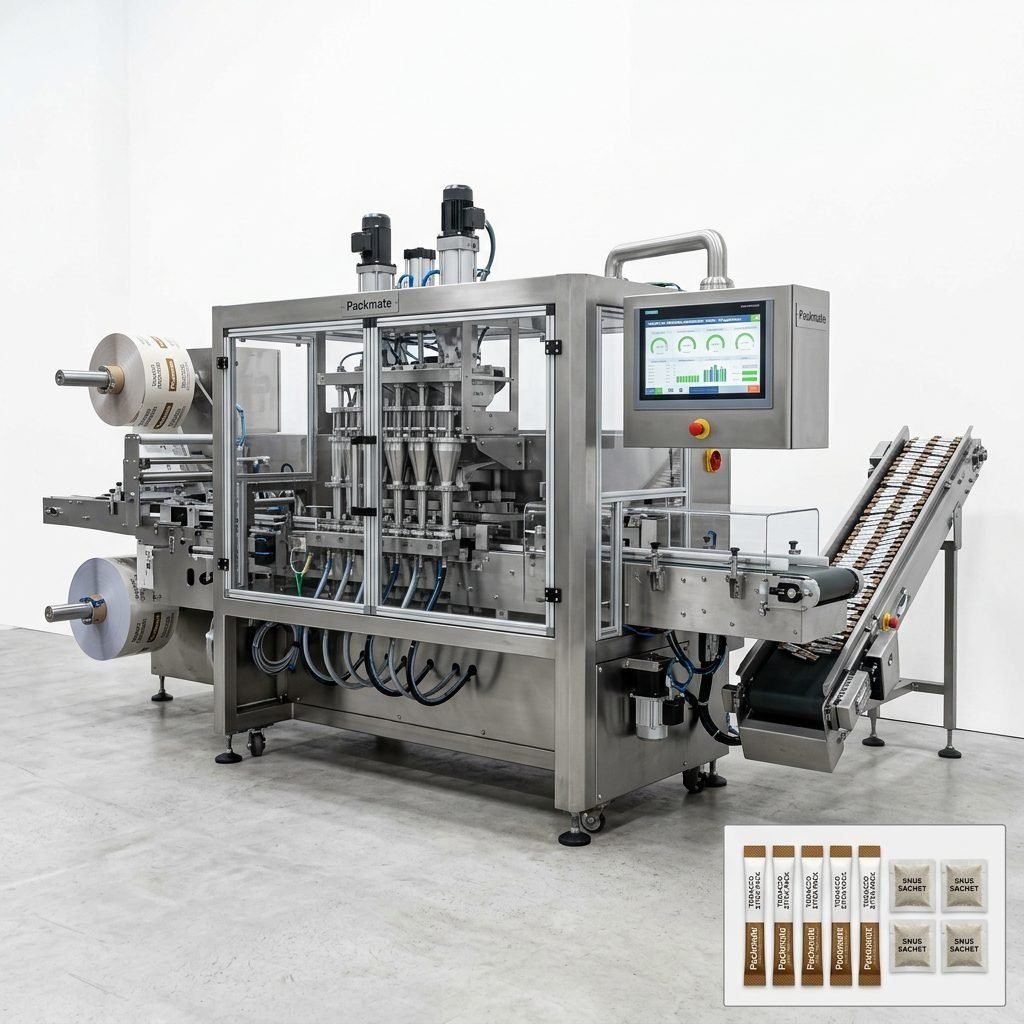
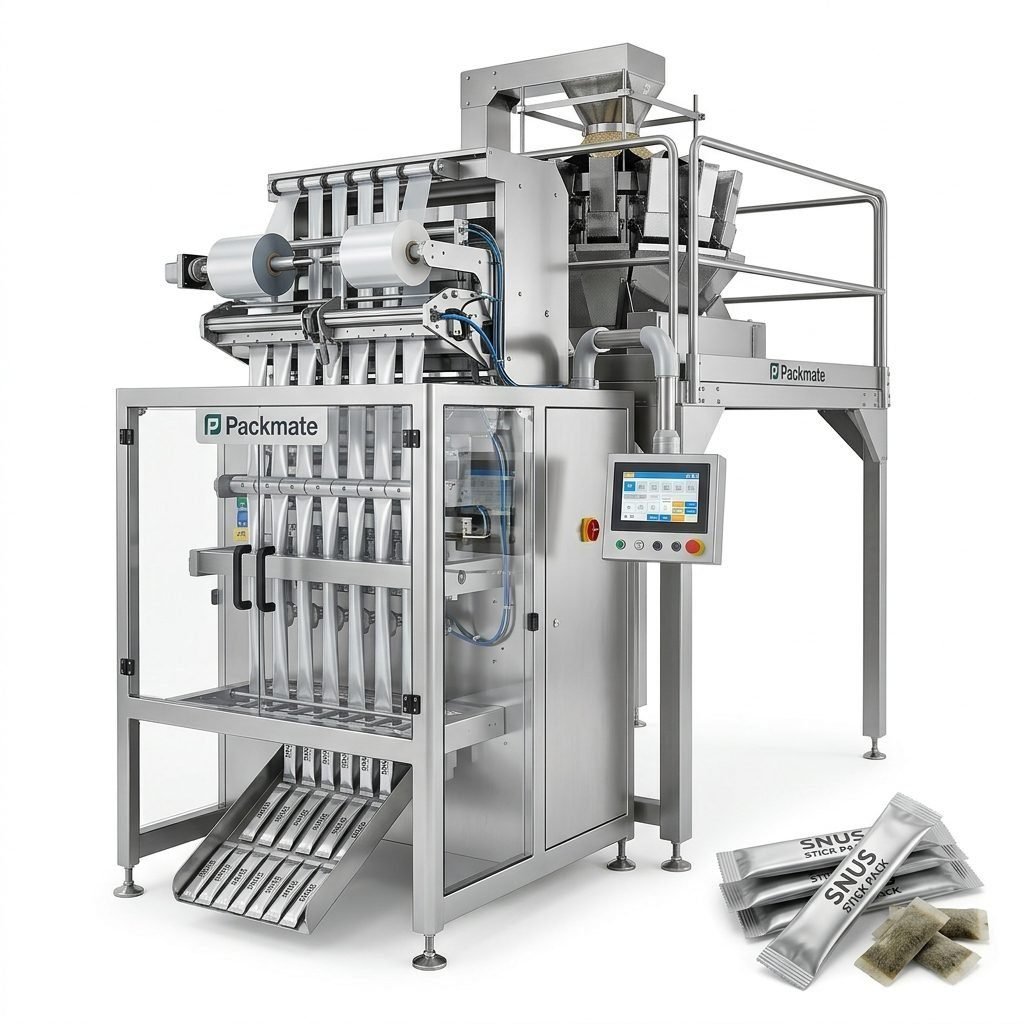
• Sachet & Stick Pack Machines — ideal for single-serve units, with high-speed capabilities for high-volume output.
• Multi-lane Systems — increase throughput by running several lanes simultaneously; important for competitive mass production.
For more machine types and detailed models, see the Snus & Nicotine Packaging Machines page for examples and specifications.
Snus & Nicotine Packaging Machines
Weighing and Dosing Accuracy
Precision is critical in nicotine pouch production, both for regulatory compliance and customer consistency. Look for integrated weighing and dosing systems that provide fine resolution and repeatability. Consider whether you need gravimetric or volumetric dosing depending on material characteristics.
filling accuracy within ±1–2% is typical for nicotine pouches. Machines with inline weighing offer superior control.
Material Compatibility and Packaging Film
Choose equipment that handles your chosen film materials — heat-sealable laminates, barrier films, or paper-based substrates. Ensure the machine can manage film thicknesses and sealing temperatures while maintaining hermetic seals for product stability and shelf-life.
Evaluate Factory Capabilities and After-Sales Support
Beyond machine specs, the manufacturer’s production capacity, QA systems, and service network matter—particularly when sourcing equipment for Mauritius, where rapid local support may be limited. Prioritize manufacturers with:
• Proven factory capabilities and certifications (e.g., CE, ISO)
• Spare parts availability and express shipping options
• Training and commissioning support on-site or remotely
For example, Packmate Snus Machine highlights a 20,000㎡ manufacturing facility, advanced CNC systems, and a catalog of machine models that support turnkey solutions — all signs of robust manufacturing and after-sales capability. Learn more about their factory and service offerings on the About Packmate and Service pages.
Warranty, Spare Parts and Training
Confirm warranty terms, spare parts lead times for Mauritius, and whether operator/maintenance training is included. Machines with standardized components and global parts distribution reduce downtime and lifecycle cost.
Request a spare parts list and expected stock locations. Fast access to consumables like sealing jaws and belts is essential for continuous operation.
Assess Automation and Integration Needs
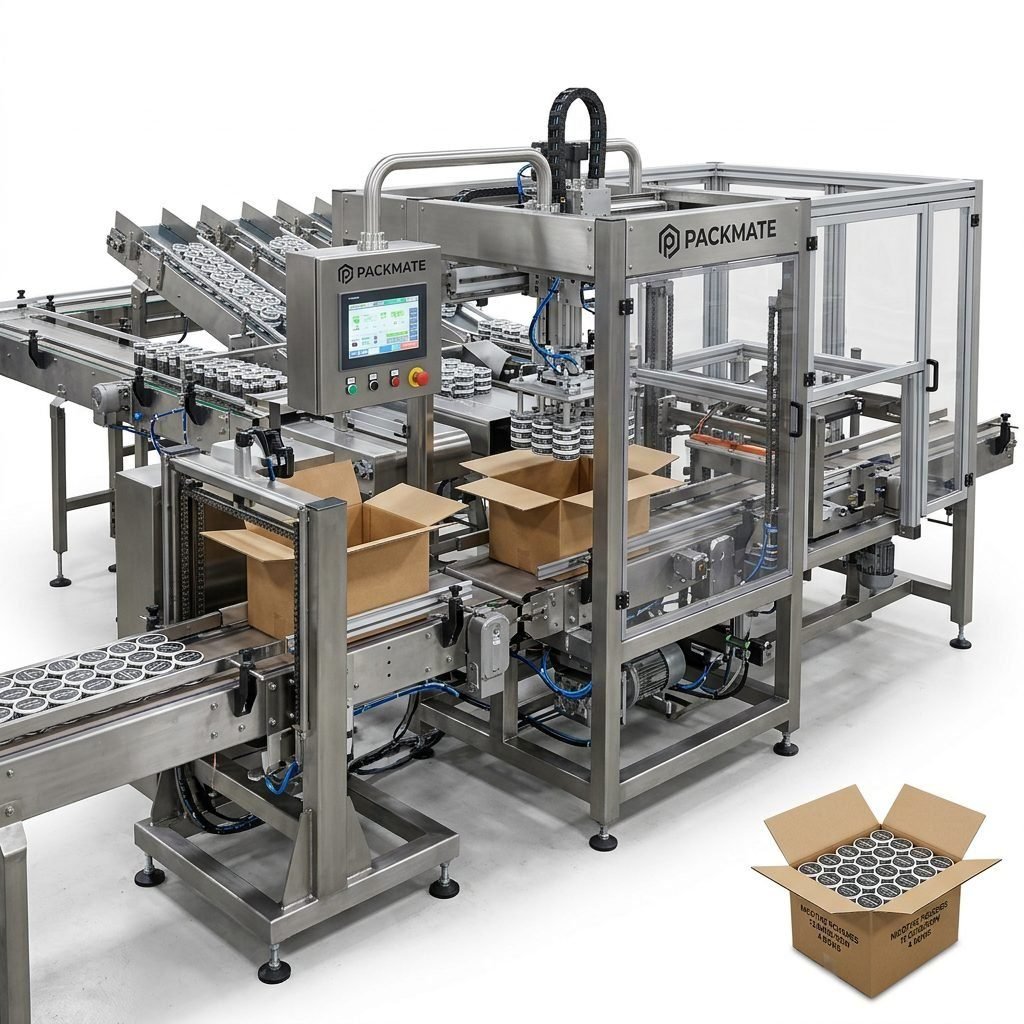
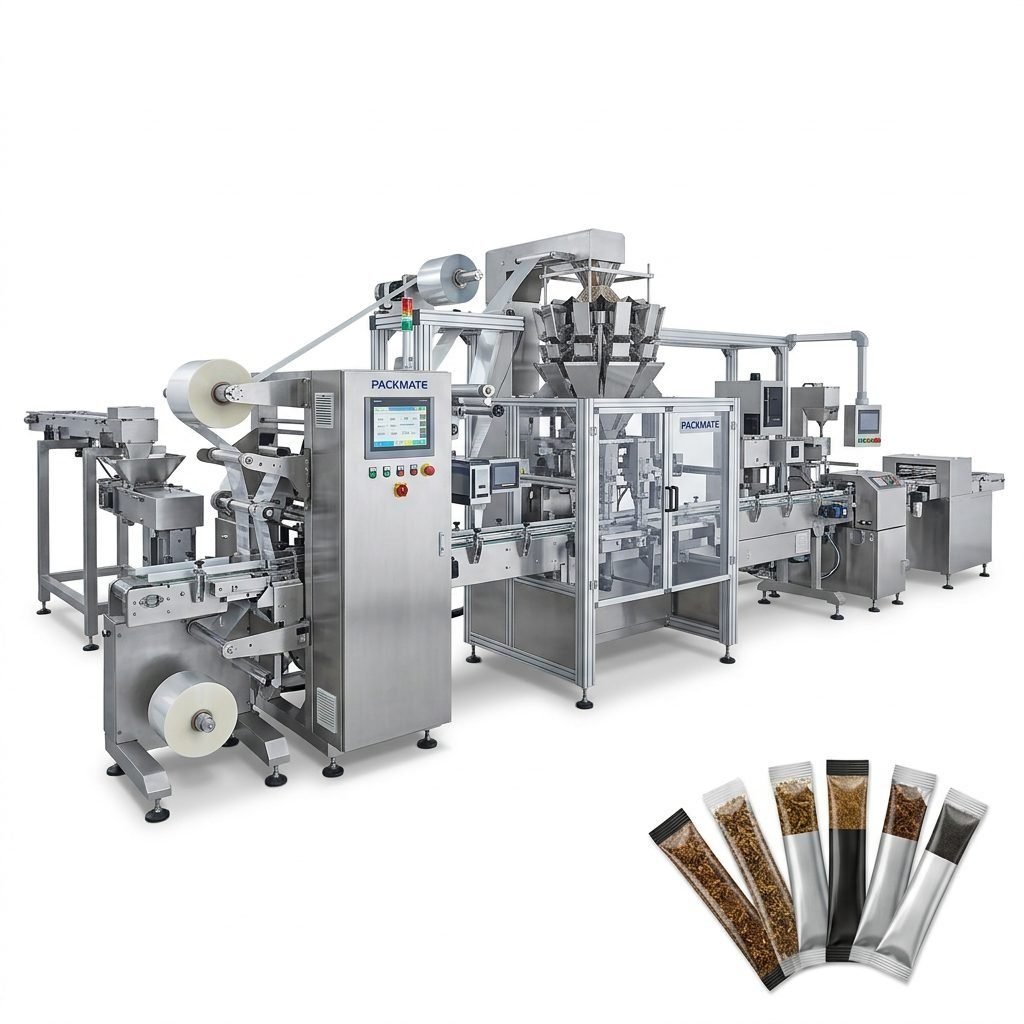
Decide how automated your line should be. Options range from stand-alone packaging machines to fully integrated filling and packaging lines with upstream feeders, weighing systems, and downstream cartoning. Complete lines reduce manual handling but increase complexity and initial capital.
If you plan to integrate filling and end-of-line packing, review turnkey solutions including weighing, conveying, and case packing. A reference for filling and integrated production lines can be found on the Filling & Packaging Lines page.
PLC, HMI, and Remote Diagnostics
Modern machines use PLC control and touchscreen HMI for recipe management and quick format changes. Ask about remote diagnostics and firmware update support — these features shorten troubleshooting time and enable remote assistance from vendor engineers.
Quality Control and Regulatory Compliance
Nicotine products are subject to strict labeling and safety regulations. Ensure equipment supports tamper-evident seals, traceability through batch coding, and integration of inspection systems such as metal detectors or vision systems for printing and seal integrity.
Look for CE/ISO certifications and ask for documentation that helps with local compliance in Mauritius, including material safety and electrical certifications for import clearance.
Must-have: batch coding, vision inspection, and reject systems to ensure defective units are removed before packaging.
Factory Acceptance Test (FAT) and Site Acceptance Test (SAT)
Negotiate FAT at the manufacturer’s factory with real production materials and full performance verification. A documented FAT reduces surprises during commissioning in Mauritius. Follow up with a SAT after installation to validate throughput, quality, and operator training.
Layout, Utilities and Local Installation Considerations
Plan plant layout carefully for material flow, maintenance access, and hygienic separation if required. Verify electrical requirements, air supply, vacuum systems, and footprint. Machines shipped to Mauritius may require step-down transformers or specific plugs — clarify with the supplier.
Consider logistics: customs, inland transport, and on-site crane or fork-lift availability. Choosing a supplier experienced in international shipments will simplify import processes and help avoid delays.
Auxiliary Equipment and Consumables
Auxiliary equipment — bag forming machines, feeders, conveyors, capping or cartoning machines — often determines the final line efficiency. Confirm compatibility and long-term consumables availability. See examples of auxiliary equipment and weighing systems from established vendors when planning your line.
Auxiliary Packaging Equipment · Weighing & Packaging Systems
Calculate Total Cost of Ownership (TCO)
Beyond purchase price, TCO includes installation, spare parts, downtime, training, consumables, and energy consumption. Evaluate ROI by estimating productivity gains, reduced labor costs, and improved yield from better dosing accuracy. A higher initial investment in reliable multi-lane machines often pays off through lower per-unit costs.
Estimate per-hour output × price per unit × operating hours per year to model revenue, then subtract operating costs to approximate payback period.
References and Case Studies
Ask for case studies relevant to nicotine pouch production and similar markets. References from other international customers demonstrate the manufacturer’s ability to deliver and support complex lines. See published cases for examples of complete line installations and performance metrics.
Choosing a Local Partner vs Direct Purchase
Decide whether to work with a local agent or buy directly from the manufacturer. Local partners can simplify import and installation but may add margins. Direct purchase often reduces cost and provides direct technical communication. Whichever route you choose, ensure clear contracts covering warranty, lead times, and after-sales support.
Checklist: warranty terms, spare parts SLA, commissioning package, training scope, and remote support commitments.
Final Selection Criteria
When comparing offers, rank vendors on: machine performance, total cost of ownership, lead times, documentation & certifications, spare parts logistics, and references. Give extra weight to proven experience in nicotine pouch/snuspouch production and turnkey delivery capability.
If you want to explore model options and technical data for snus and nicotine pouch machinery, check additional product categories and the manufacturer’s catalog pages for detailed specifications.
Sachet & Stick Pack Machines · Catalog
Next Steps for Buyers in Mauritius
1) Prepare a detailed RFQ with product specs, desired throughput, and local utility constraints. 2) Request FAT and spare parts lists. 3) Schedule factory visits or virtual demos. 4) Compare lifecycle cost estimates from at least two reputable vendors.
Reach out to established manufacturers who demonstrate turnkey capabilities and strong global service — a reliable contact point can save months in setup and certification. For direct inquiries, use the manufacturer’s contact page.
Conclusion
Selecting nicotine packaging machinery for Mauritius requires careful alignment of machine capabilities with production plans, regulatory needs, and service infrastructure. Prioritize accuracy, modular scalability, local support or reliable spare-part logistics, and vendor experience in nicotine pouch lines to ensure consistent product quality and optimal return on investment.
Snus & Nicotine Packaging Machines · Filling & Packaging Lines · Case · Contact Us
Common Questions
Q1: What production speed do I need for a profitable nicotine pouch line in Mauritius?
A1: Profitability depends on unit price, local demand, and fixed costs. As a rule of thumb, pilot-to-medium lines start at a few thousand pouches per hour, while multi-lane systems exceed tens of thousands per hour. Request vendor ROI models based on your market assumptions.
Q2: How important is multi-lane capability for nicotine pouch production?
A2: Multi-lane systems dramatically increase throughput and reduce per-unit labor costs. If you plan volume growth, a modular multi-lane solution is recommended to scale without major overhaul.
Q3: What certifications should I ask the manufacturer for before purchase?
A3: Ask for CE and ISO documentation, electrical safety certificates, and any material compliance statements. Also request FAT reports and traceability documentation for critical components.
Q4: How do I ensure spare parts availability in Mauritius?
A4: Confirm stocking locations, typical lead times, and recommended consumables list. Consider stocking critical spares locally and negotiate expedited shipping options with your supplier.
Q5: Can I integrate existing upstream or downstream equipment with a new machine?
A5: Most modern packaging machines support integration via standard conveyors, infeed/outfeed interfaces, and PLC communication. Share detailed mechanical and control specs during the RFQ stage to verify compatibility.