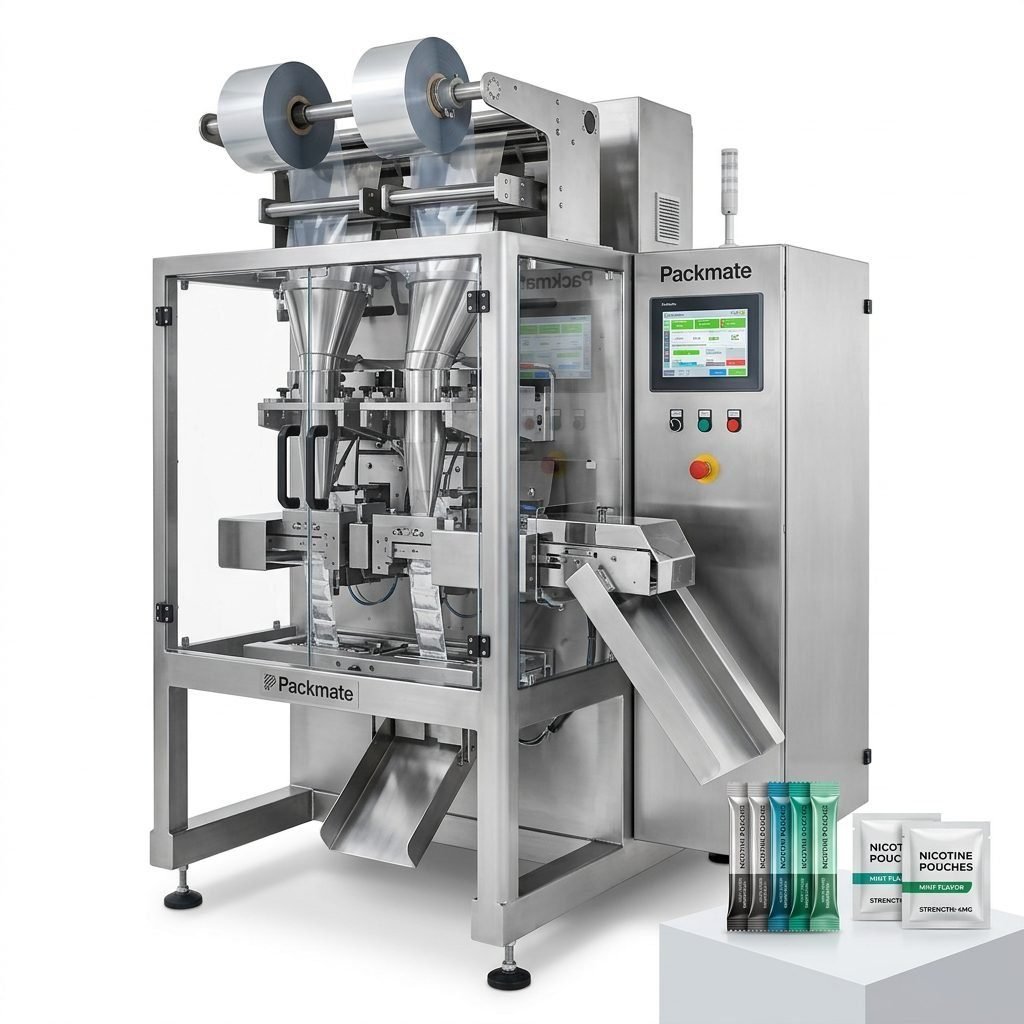
Choosing the right nicotine packaging machinery manufacturer in Rwanda is a strategic decision that affects product quality, production efficiency, and regulatory compliance. Whether you are launching a new nicotine pouch brand or upgrading existing packaging lines, this guide walks you through the practical steps, technical checks, and commercial considerations needed to select the best partner for long-term success.
Understanding the Rwanda Market and Regulatory Landscape
Rwanda’s packaging and tobacco-related product regulations, import controls, and public health policies shape how nicotine pouch production should be planned. Before evaluating manufacturers, ensure you understand local licensing, labeling rules, and any recent updates from Rwandan regulatory bodies. This background will help you choose machines that meet compliance needs without costly retrofits.
Key regulatory considerations
Product traceability, labeling accuracy, and hygienic design are critical. Select equipment that supports traceable batch coding, tamper-evident seals, and compatibility with compliant labeling systems. Manufacturers with CE and ISO certifications are often better prepared to deliver machines that align with international and regional standards.
Machine Types and Production Needs: Match Capacity with Demand
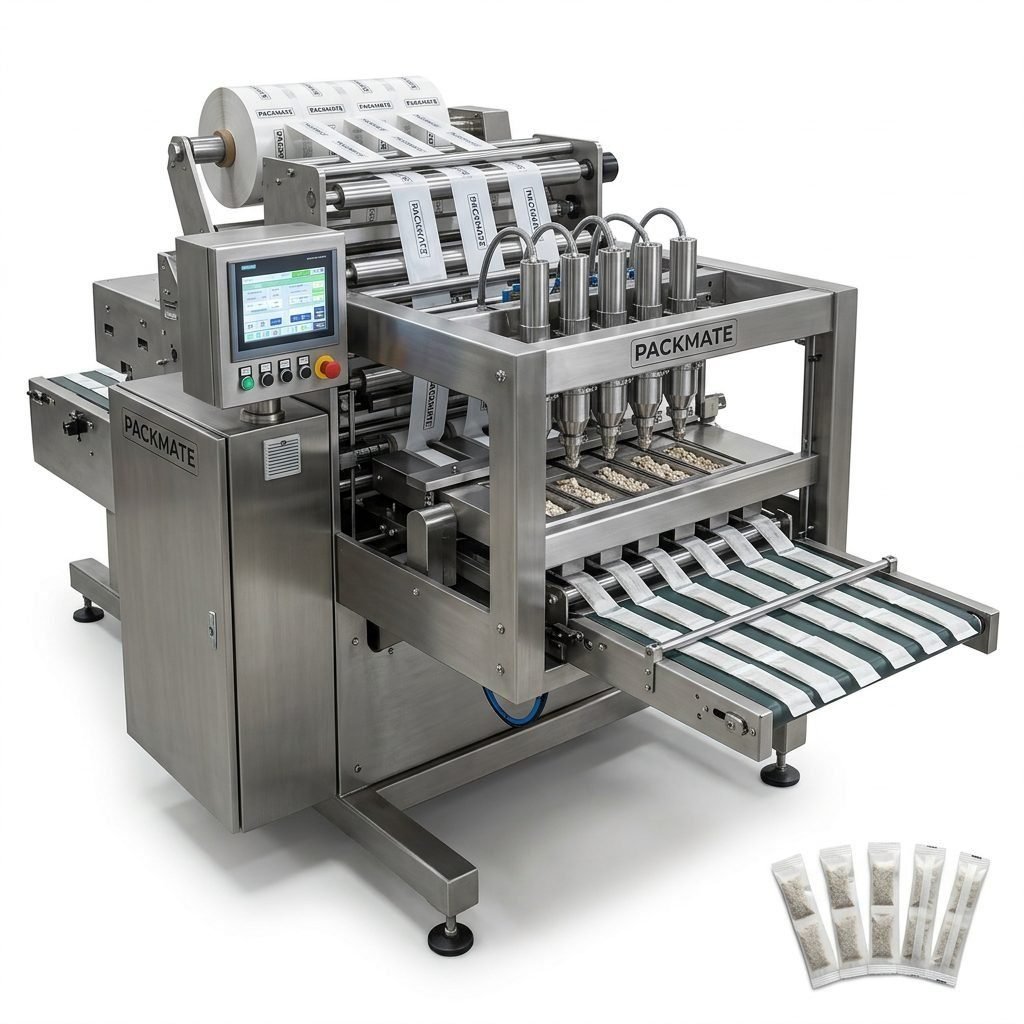
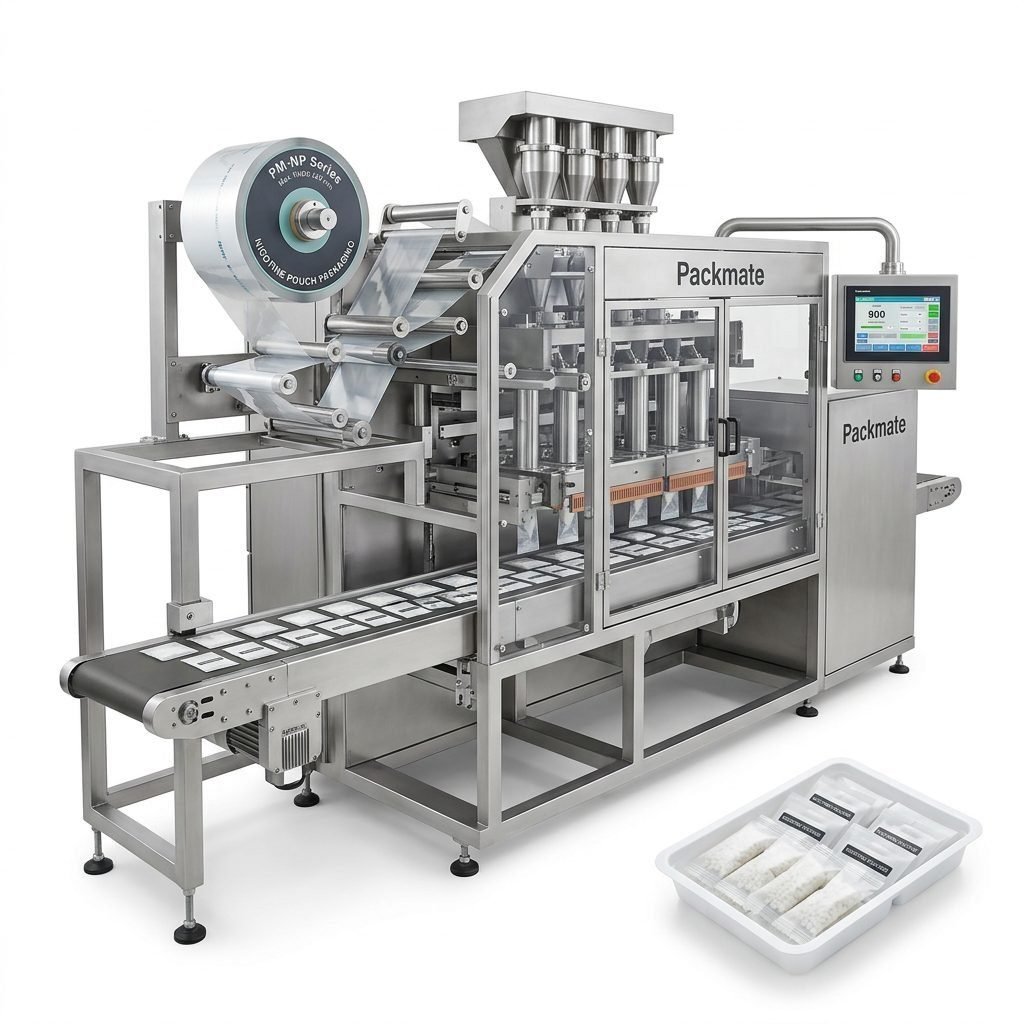
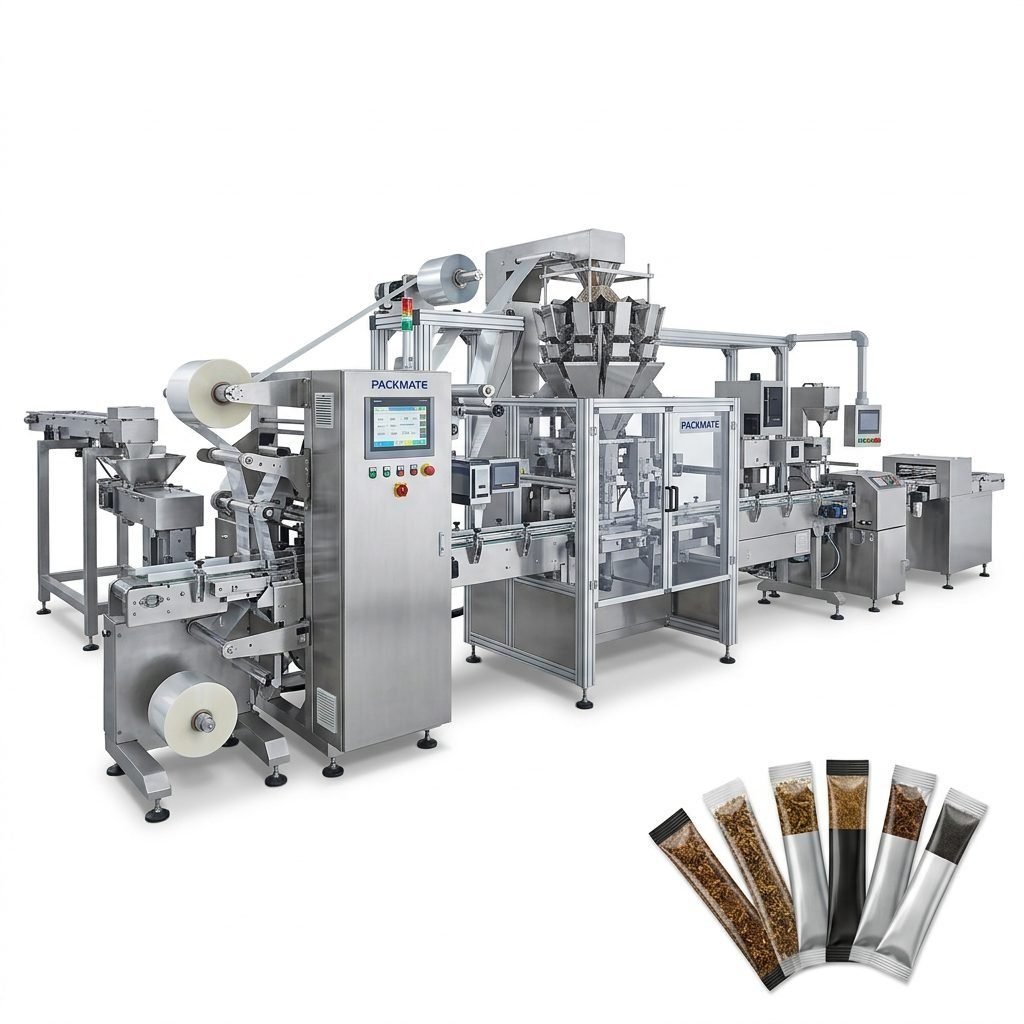
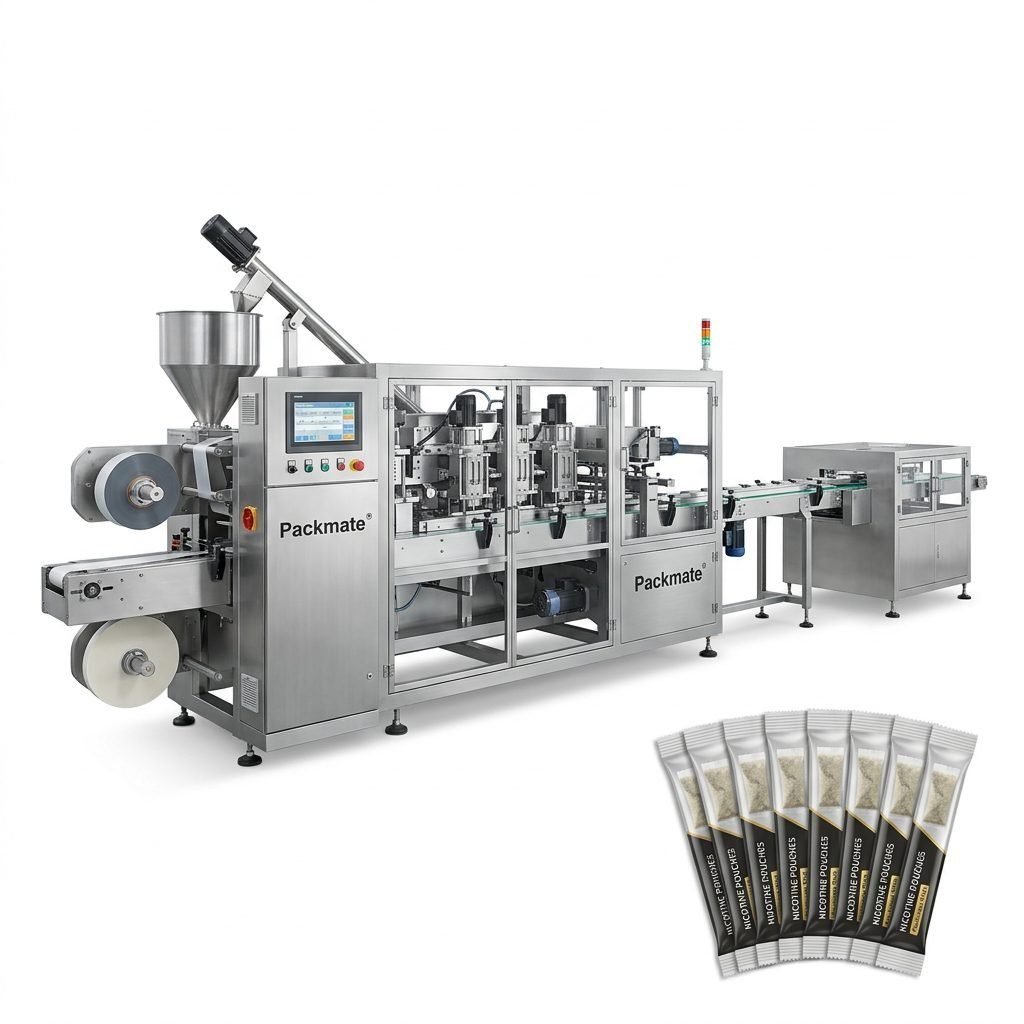
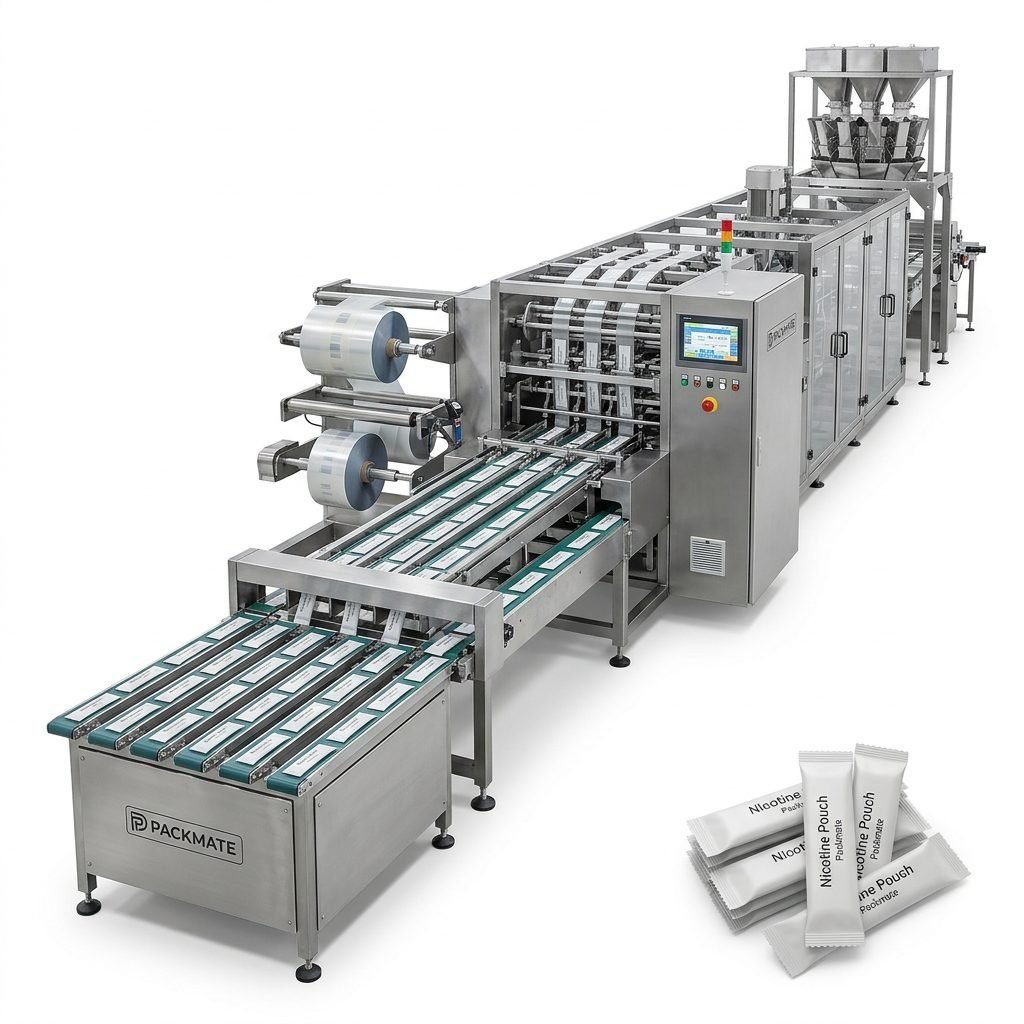
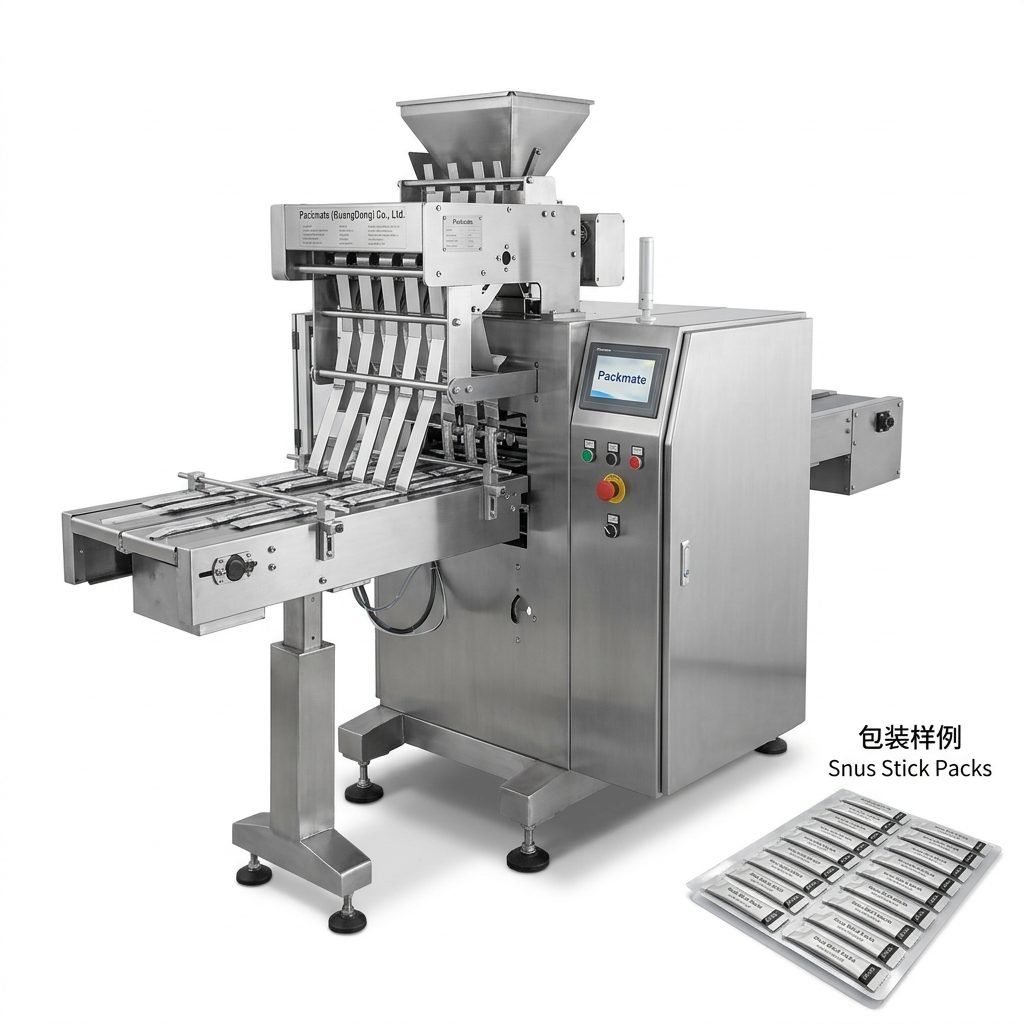
Nicotine pouch packaging covers a variety of formats: snus pouch lines, stick packs, sachets, multi-lane systems and auxiliary equipment for weighing and filling. Evaluate your short- and long-term output targets to determine whether you need single-lane precision or high-throughput multi-lane systems.
🔧 Quick capacity checklist:
choose multi-lane machines for volumes above 10k pouches/day; single-lane or small multi-lane for pilot runs and product R&D.
Common machine categories to consider
– Snus & Nicotine Pouch Packing Machines for final pouch formation and sealing (see solutions like Snus & Nicotine Packaging Machines)
– Sachet & Stick Pack Machines for single-dose formats (Sachet & Stick Pack Machines)
– Weighing & Packaging Systems to ensure dosing accuracy (Weighing & Packaging Systems)
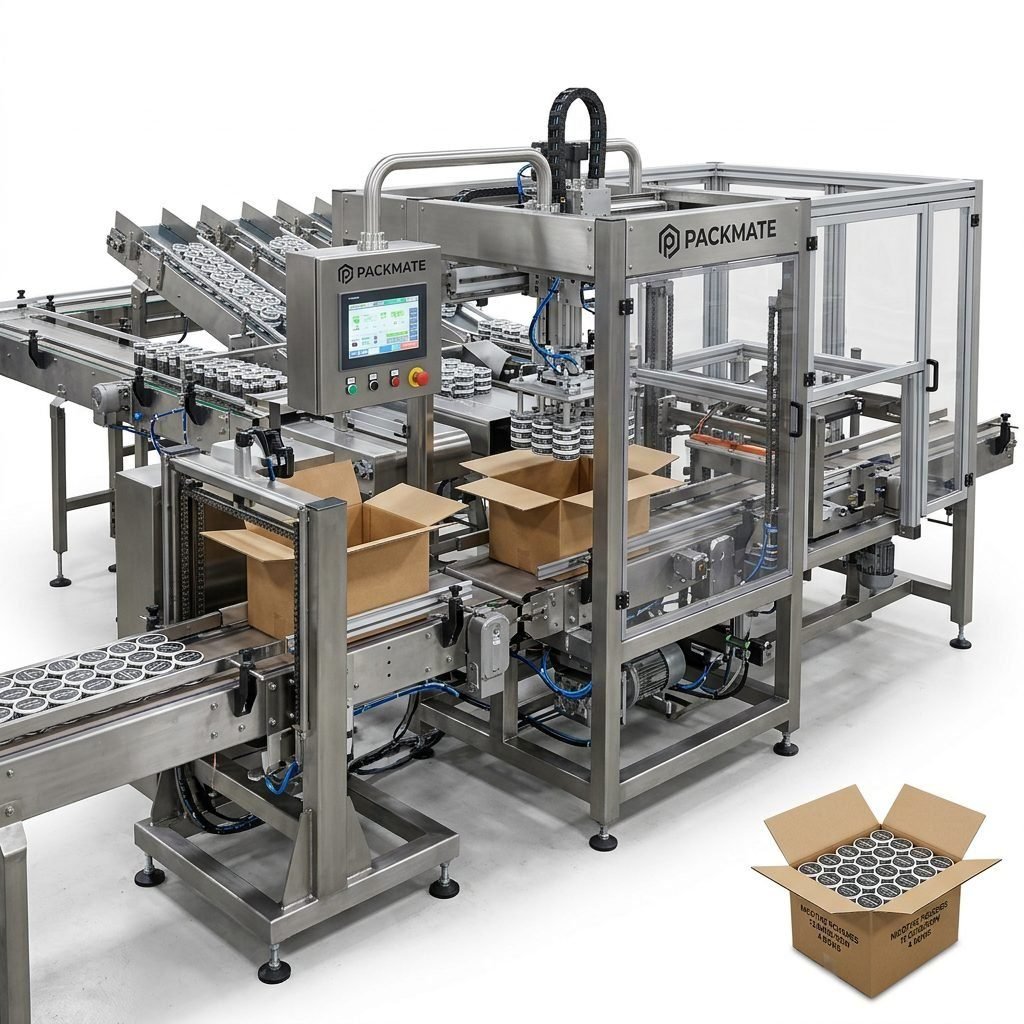
– Auxiliary Packaging Equipment for handling, feeding and secondary packaging.
Technical Features That Matter
When comparing manufacturers, prioritize technical performance, repeatability, and flexibility. The right machine must deliver consistent pouch weight, precise sealing, and low scrap rates while accommodating future product variations.
Must-have technical capabilities
High-precision dosing systems, servo-driven components for repeatable motion, quick-change tooling for fast format changes, and integrated quality inspection (weight and seal monitoring) are essential. Machines with PLC control and user-friendly HMI reduce operator errors and speed up troubleshooting.
💡 Tip: Request a live demo or video of the exact model running your product or a close analogue. Real-world footage reveals changeover time, noise, and reproducible yields.
Manufacturer Credentials and Factory Strength
Factory scale, machining capabilities, and quality control systems strongly influence machine longevity. Manufacturers with large, modern facilities and digital CNC centers produce parts with better tolerances and offer faster spare part lead times.
Packmate Snus Machine, for example, operates a 20,000㎡ manufacturing facility with advanced CNC machining and strict quality systems, which is a strong indicator of consistent build quality and supply reliability. Explore company background and certifications to validate claims (About Packmate, Certificate).
What to check on-site or in documentation
– Factory photos or virtual tours showing CNC centers and assembly lines.
– QA procedures, testing jigs, and long-term run tests.
– Number of models produced and examples of customized turnkey lines.
– Export experience and references from markets with strict compliance.
After-sales Support, Spare Parts and Training
After-sales is where many projects succeed or fail. A manufacturer that offers fast spare parts supply, remote diagnostic support, and onsite commissioning will minimize downtime. Ask about warranty terms, SLAs for replacement parts, and whether they provide operator and maintenance training as part of the package.
✅ Critical question: Can the supplier ship a maintenance kit and consumables with the machine, and do they have certified service partners near Rwanda or remote support channels?
Customization and Turnkey Solutions
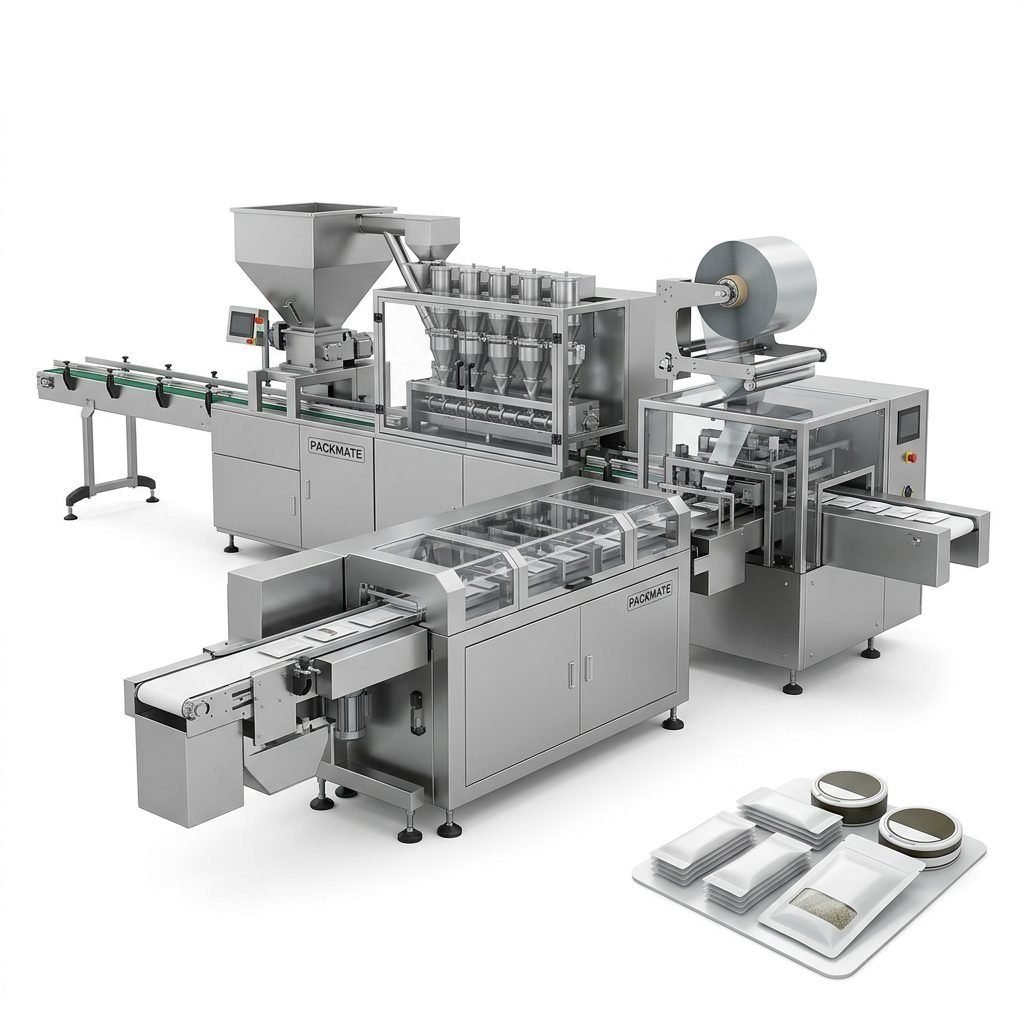
Your product design and packaging format may require customized feeders, dosing systems, or end-of-line packaging. Suppliers who design turnkey lines—integrating filling, weighing, packaging, and secondary packing—reduce integration risk. Check for past turnkey projects in similar product categories.
For examples of integrated offerings, see Filling & Packaging Lines and Auxiliary Packaging Equipment.
Cost vs. Value: How to Evaluate Proposals
Price is important, but the lowest bid is rarely the best long-term value. Evaluate proposals using metrics such as uptime guarantees, energy consumption, spare parts availability, and mean time between failures (MTBF). Request a total cost of ownership (TCO) estimate covering expected maintenance, consumables, and operator training over at least five years.
Negotiation and contract tips
– Ask for acceptance criteria documented in the contract (performance tests and sample runs).
– Include penalties or remediation steps for missed delivery or installation timelines.
– Secure spare parts pricing and lead time guarantees.
– Insist on documented training hours and commissioning support.
Logistics: Shipping, Import and Onsite Installation in Rwanda
Consider packing, transport mode, and customs clearance. Large turnkey lines may require FCL shipping and inland transport with cranes for unloading. Confirm whether the manufacturer offers FOB, CIF, or DDP terms and whether they will help with documentation for customs.
For manufacturers experienced in global supply, prior case studies and exhibition presence can be indicators of export readiness. View case references to understand real deployments: Case and exhibition participation (Our Exhibition).
Factory Acceptance Test (FAT) and Site Acceptance Test (SAT)
A robust FAT demonstrates machine performance before shipment. Insist on witnessed FAT with representative material. After installation, a Site Acceptance Test (SAT) validates performance in your environment. These tests should be clearly defined in your purchase agreement with pass/fail criteria.
⚠️ Do not accept shipment without a completed FAT and documented results. This protects you from receiving equipment that doesn’t meet promised specs.
Selecting the Right Supplier in Practice: Step-by-step
1. Define product formats, throughput targets and regulatory constraints.
2. Shortlist suppliers based on experience in snus/nicotine packaging and factory capabilities.
3. Request detailed technical proposals with TCO and spare parts plans.
4. Visit factories (or request video tours) and witness FATs.
5. Negotiate contract terms including warranties, training and FAT/SAT criteria.
6. Plan logistics, site prep, and operator training before machine arrival.
Why a specialized manufacturer matters
A manufacturer focused on snus and nicotine pouch machinery understands dosing, pouch integrity, and product sensitivity. They are more likely to provide optimized machines, quicker troubleshooting, and better spare parts continuity. Companies that offer dedicated product lines and turnkey solutions reduce integration risk and accelerate ramp-up.
Questions to Ask Potential Manufacturers
– Can you show references or install cases for nicotine pouch lines?
– What certifications and testing standards do your machines meet?
– What is your typical lead time and how do you handle spare part supply?
– Do you provide FAT and what are the acceptance criteria?
– What after-sales training and remote support do you offer?
Making the Final Decision
Weigh technical suitability, factory strength, after-sales capability, and long-term cost. Suppliers with strong engineering backgrounds, comprehensive turnkey offerings, and proven export experience are often the safest choice for expanding nicotine pouch production in Rwanda.
💡 Final reminder: Prioritize documented performance and real case evidence over promises. A reliable manufacturer reduces operational risks and protects your brand reputation.
Additional Resources
For more detailed product lines and technical brochures, you can visit the manufacturer’s product pages and catalogs to compare specific machine models and specifications: Snus & Nicotine Packaging Machines, Bag & Pouch Packaging Machines and the company catalog pages provide technical details and contact points.
Frequently Asked Questions
Q1: How long does it take to install a nicotine pouch packaging line in Rwanda?
A1: Typical installation and commissioning for a standard single-line machine may take 2–4 weeks including site prep and training. Turnkey multi-line setups can take 2–3 months depending on customs clearance and site utilities.
Q2: What certifications should the equipment have for international markets?
A2: CE and ISO certifications are common indicators of compliance with international safety and quality standards. For nicotine products, ensure the equipment supports compliant labeling and traceability features.
Q3: Can a supplier provide spare parts and service locally in Rwanda?
A3: Some suppliers have regional partners or service agents. If local coverage is limited, confirm rapid international shipping for critical parts and reliable remote support options.
Q4: Are demo runs available before purchase?
A4: Reputable manufacturers offer factory acceptance tests (FAT) and demo runs with representative materials. Request recorded demos or live video sessions if you cannot visit the factory in person.
Q5: How to contact the supplier for more details or a quotation?
A5: Use the manufacturer’s contact page and request quotes with clear technical specifications and service terms. For Packmate related inquiries and detailed offerings, you may visit the contact and service pages to start discussions (Contact Us, Service).