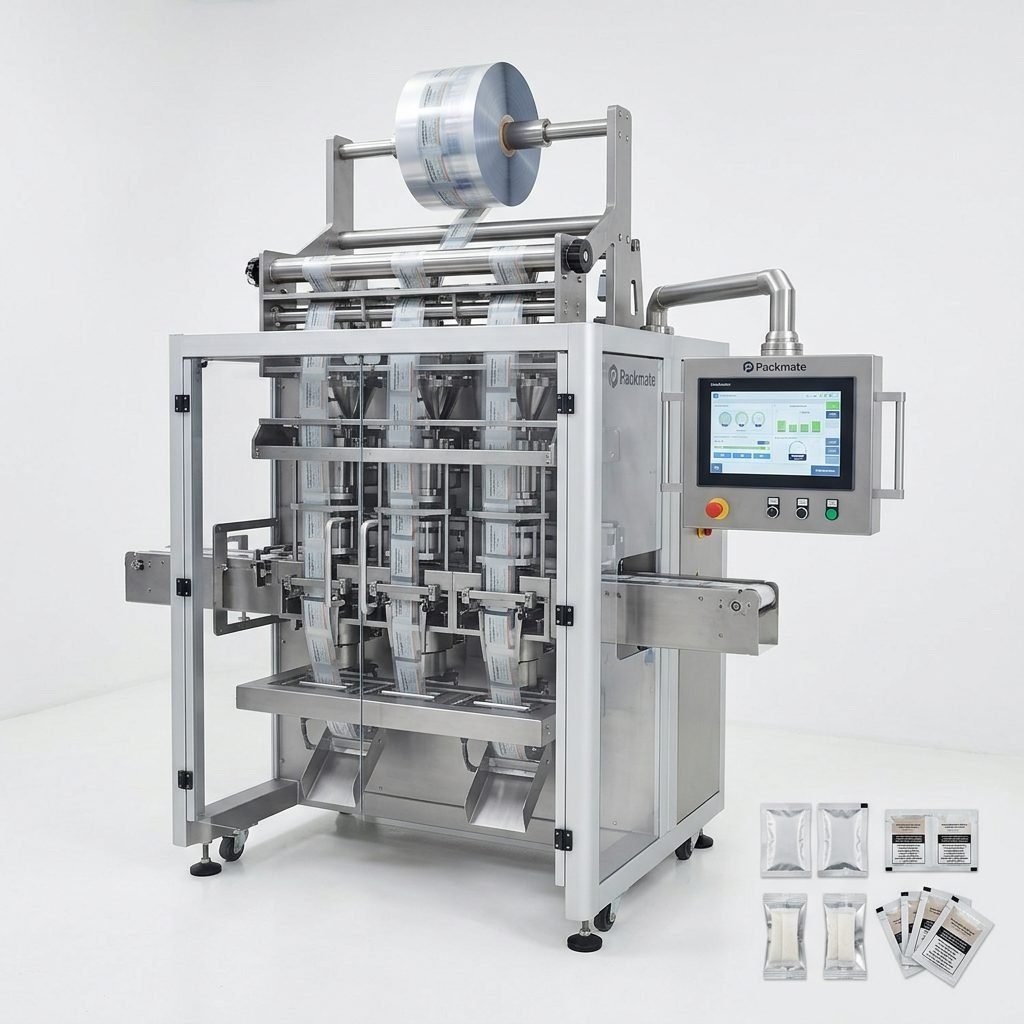
Choosing the right nicotine packaging machinery in Bangladesh is a strategic decision that affects product quality, compliance, production cost and time-to-market. This guide walks you through the most important technical, operational and commercial factors to help you select a machine that fits your product format, production targets and long-term growth plans.
Understand the Market and Product Formats
Bangladesh’s nicotine and snus market demands flexible packaging formats. Evaluate which of the following best matches your product:
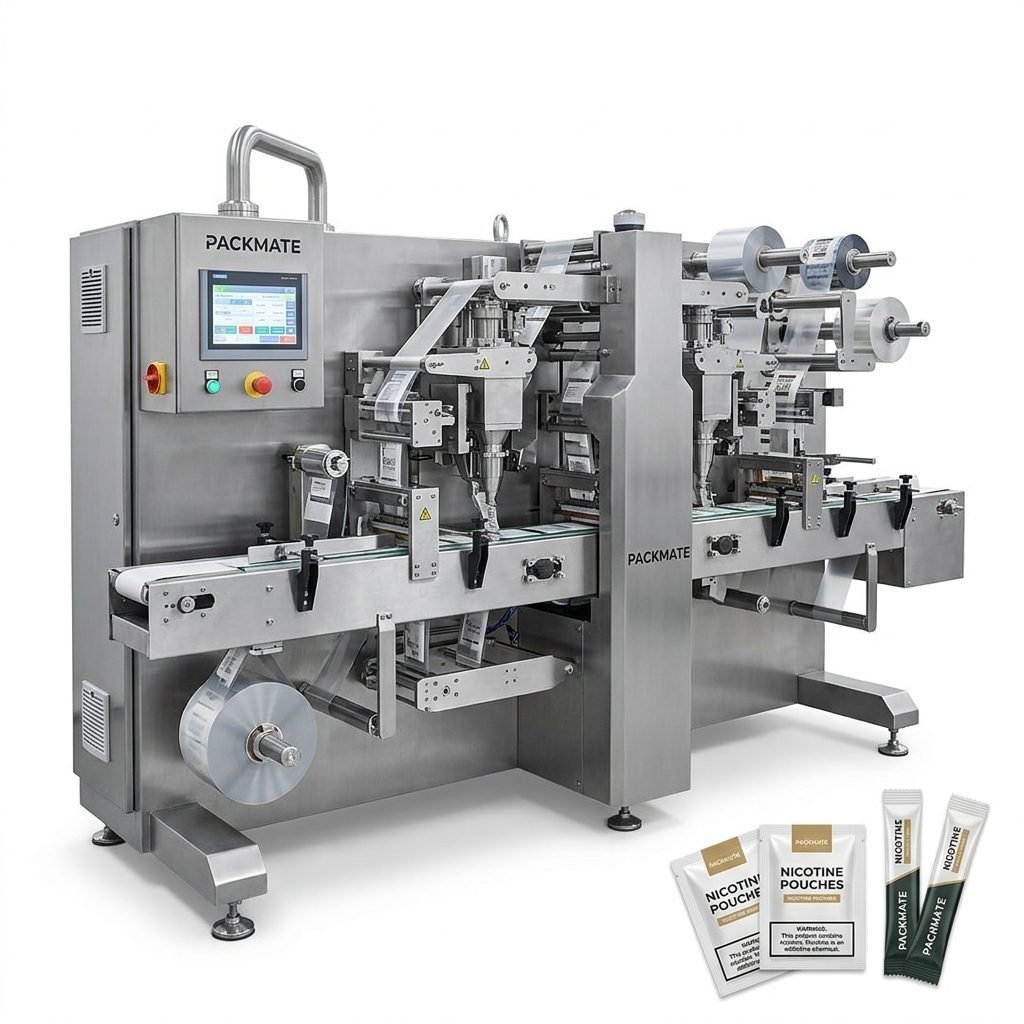
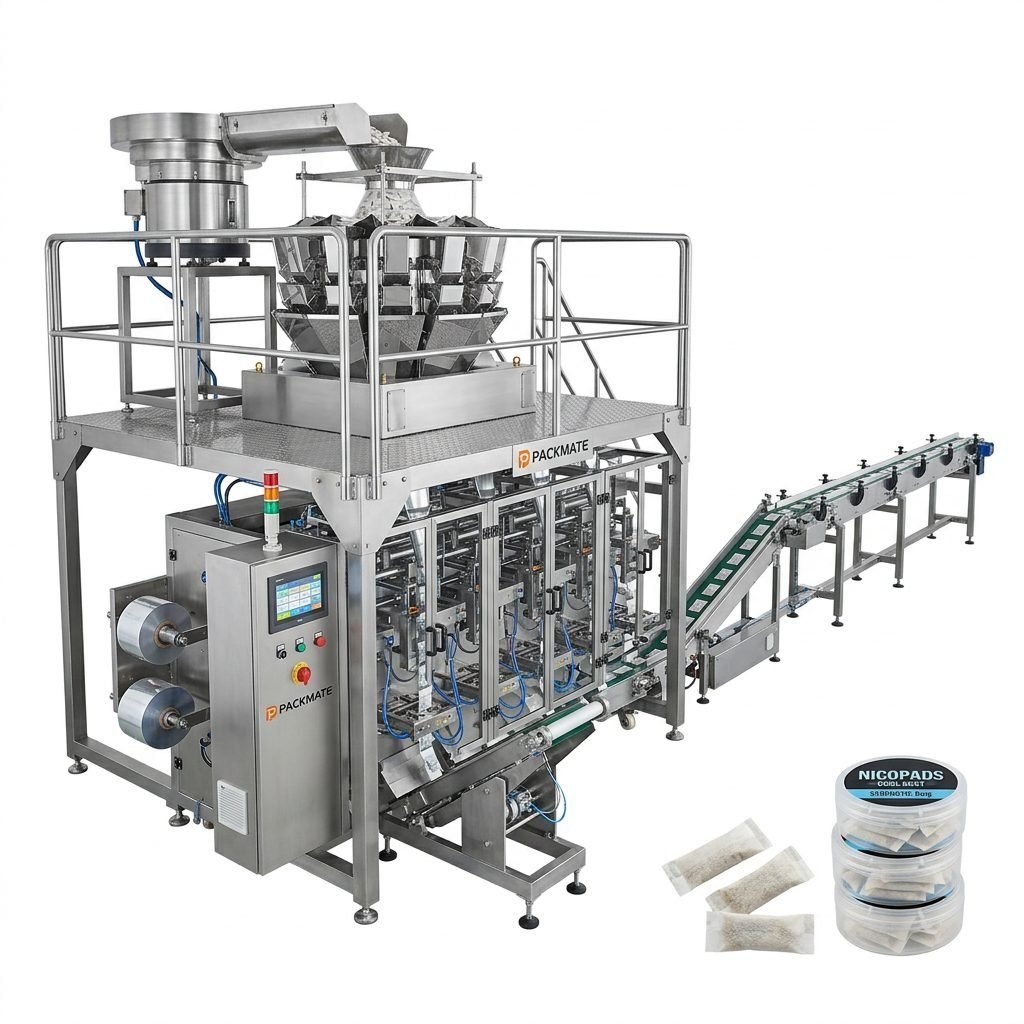
⚙️ Nicotine pouch / snus pouches: Requires precision dosing, consistent pouch sealing and low dust generation. Machines designed specifically for snus ensure stable quality at high speeds. Explore specialized lines for these at Snus & Nicotine Packaging Machines.
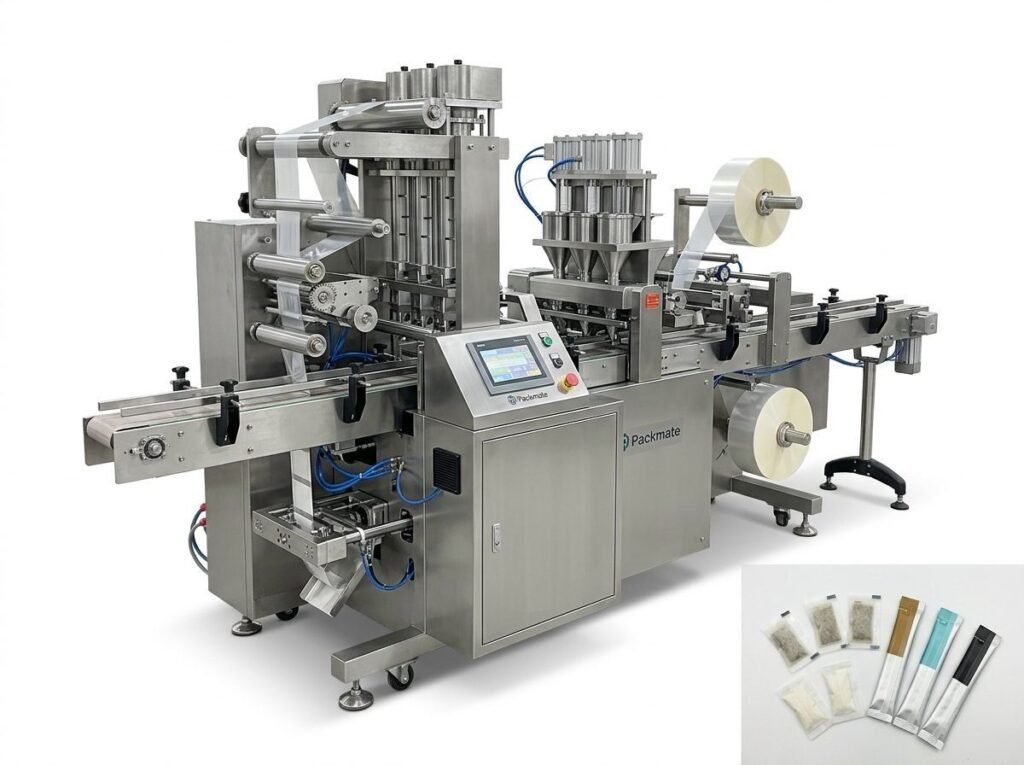
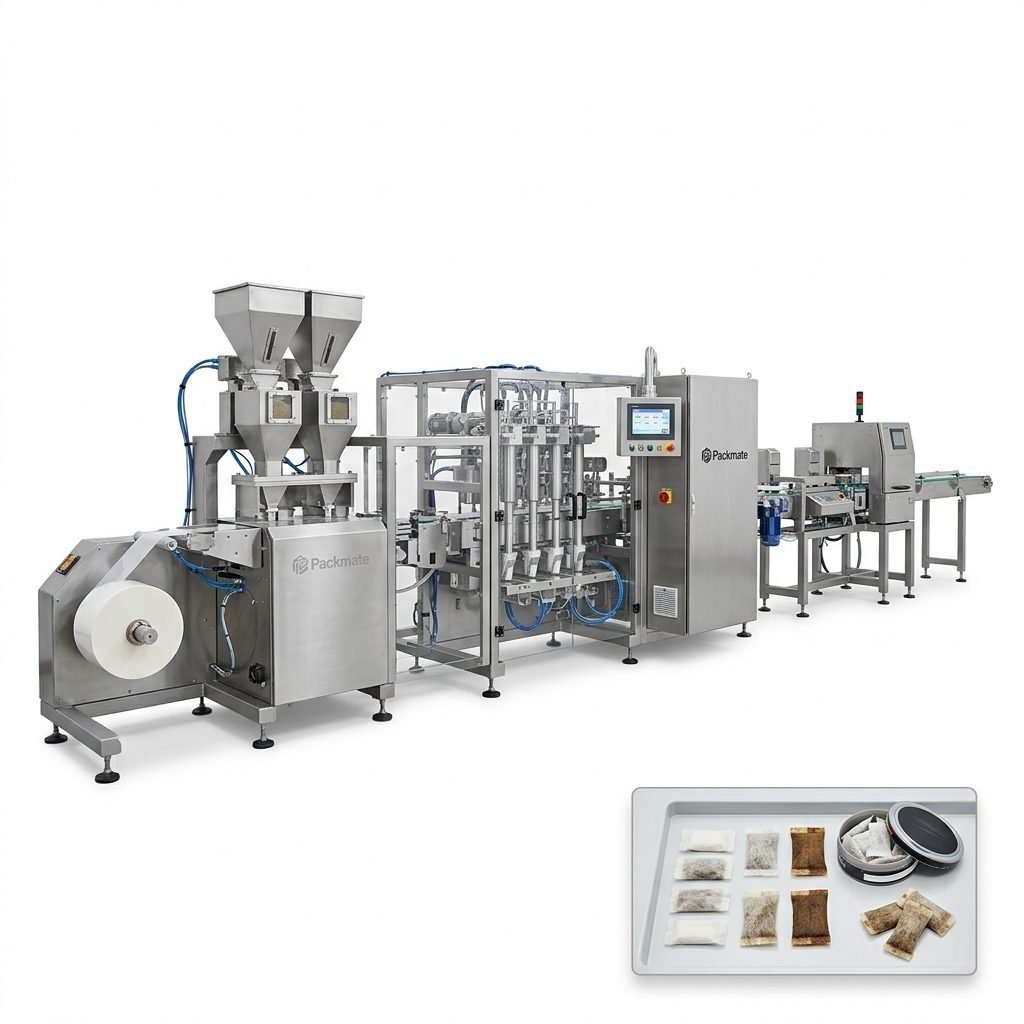
📦 Stick packs & sachets: Ideal for single-dose formats and retail sampling. Choose machines that handle narrow seals and precise cutting. See options at Sachet & Stick Pack Machines.
Key Machine Types for Bangladesh Operations
Selecting the right machine type depends on product, speed and budget. Typical categories include:
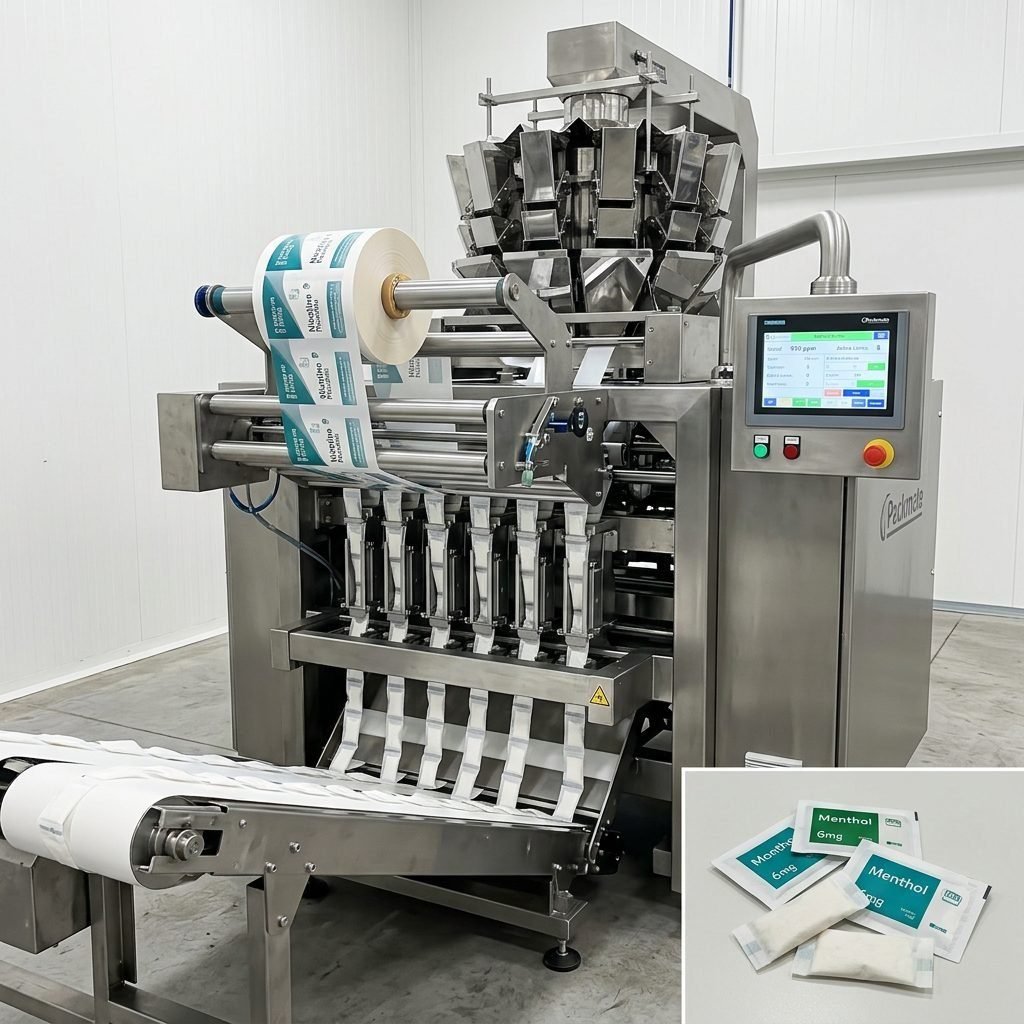
✔️ Multi-lane snus packaging machines – High throughput, small-dose precision, suitable for export-focused plants.
✔️ Single-lane sachet/stick pack machines – Lower initial cost and easier operation; good for piloting new SKUs.
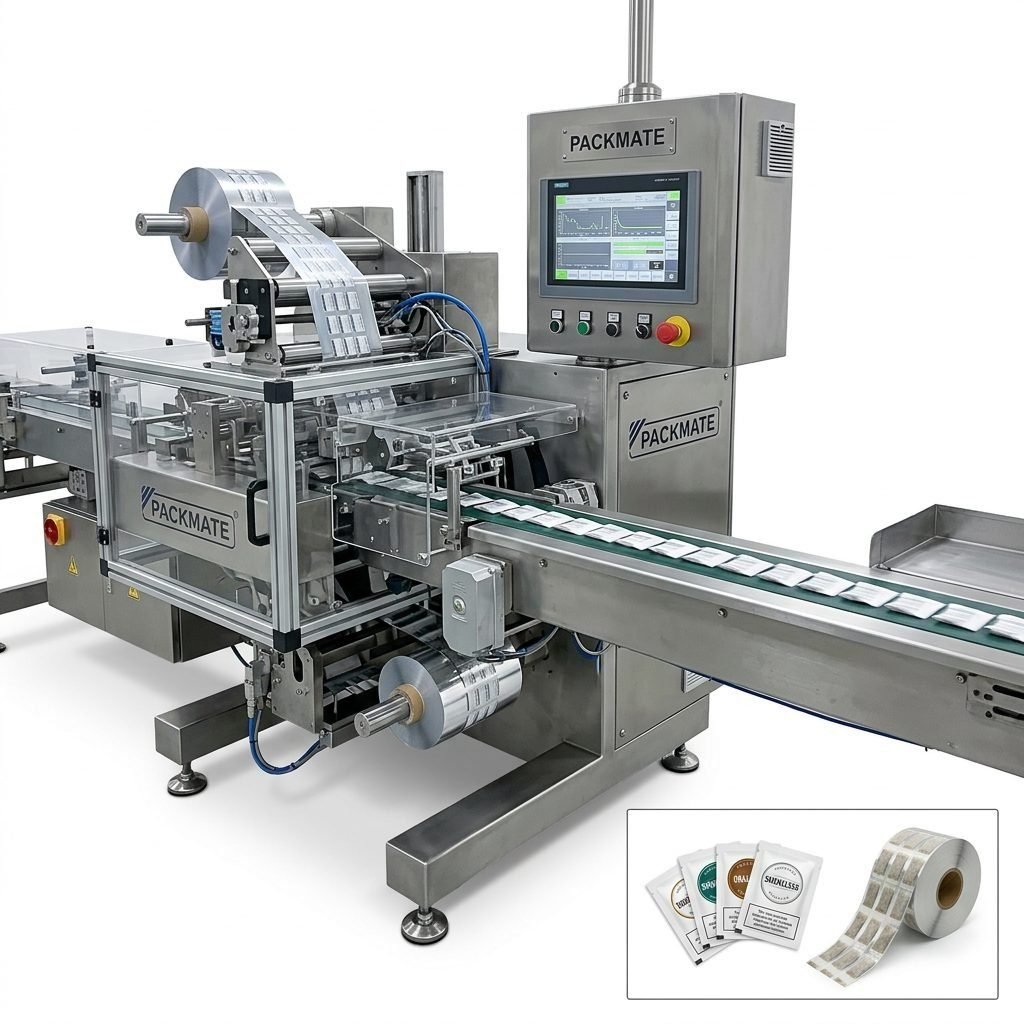
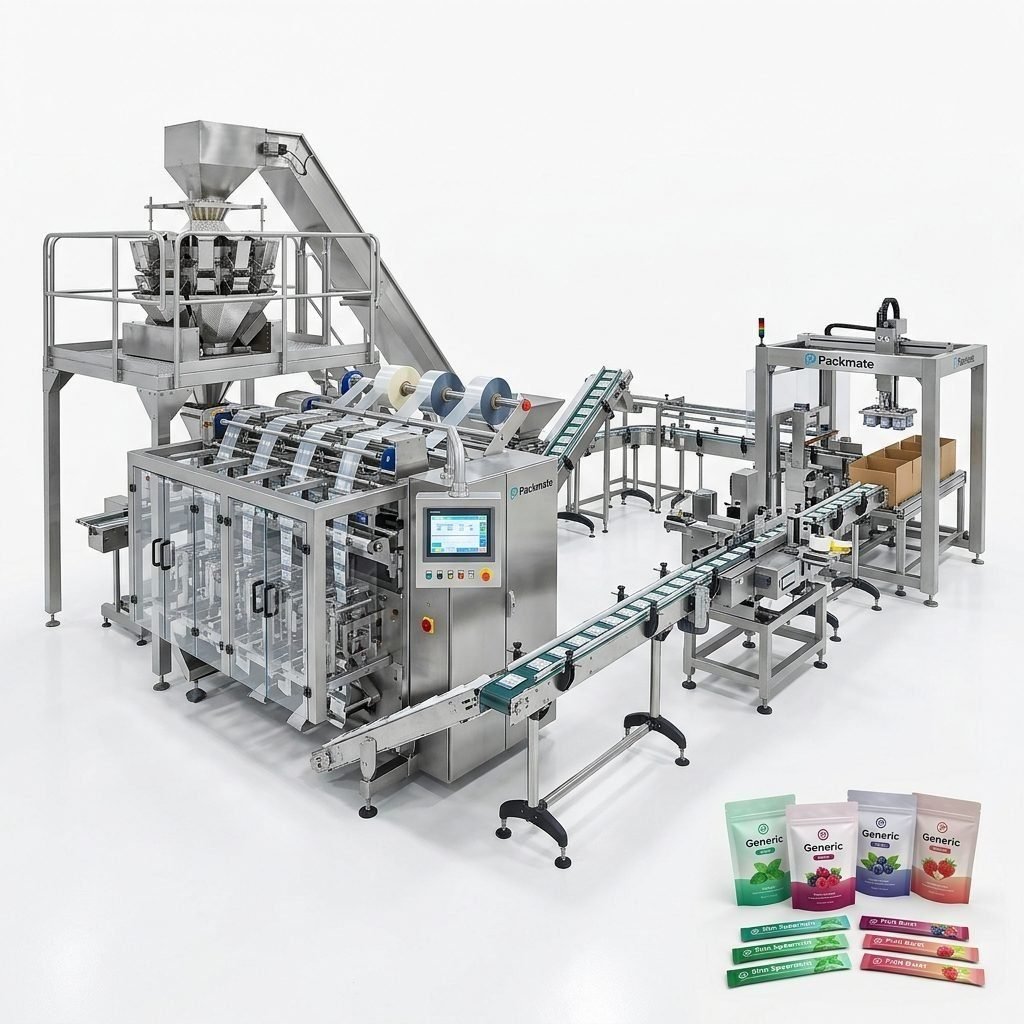
✔️ Integrated filling & packaging lines – Combine weighing, dosing, filling and packaging into a turnkey line for streamlined production. See integrated solutions at Filling & Packaging Lines.
📌 Highlight If you plan to expand SKUs and packaging sizes, prioritize modular systems or lines that support easy conversion from one format to another.
Production Capacity and Speed
Estimate both current and future capacity needs. Machines are rated by packs per minute (ppm) or pouches per lane per minute. A multi-lane machine can dramatically increase throughput without expanding footprint.
Consider:
- Daily output targets (units/day)
- Number of SKUs and changeover frequency
- Space constraints on your production floor
Dosing Accuracy and Material Compatibility
For nicotine pouches, dosing precision is critical for product consistency and regulatory compliance. Verify the machine’s tolerances and ask for production samples under expected operating conditions. Also confirm compatibility with:
– Paper, film laminates, foil and compostable materials.
– Moisture-sensitive products — machine sealing and environment controls matter.
Automation, Control and Ease of Use
Modern machines include PLC touchscreens, recipe management, fault diagnosis and remote support capability. Prioritize intuitive controls and robust automation if you want minimal operator training and reduced downtime.
⚠️ Tip Ask for a machine demonstration or factory acceptance test (FAT) to see the human-machine interface and actual operating speed in real conditions.
Quality, Certifications and Compliance
Ensure the equipment meets international standards. Look for CE and ISO compliance and documentation showing materials contact safety and electrical safety. Packmate’s machines comply with CE and ISO standards — a key consideration for export-focused operations. Learn more at Certificate.
After-sales, Local Service and Spare Parts
Fast local service, trained technicians and readily available spare parts reduce downtime. When evaluating vendors:
🛠️ Confirm lead times for critical spare parts and availability of local support or regional service partners.
Total Cost of Ownership and ROI
Price is not the only cost. Evaluate:
– Energy consumption and utilities required.
– Maintenance intervals and estimated annual service cost.
– Expected uptime and the vendor’s promised MTBF (Mean Time Between Failures).
– Depreciation and trade-in or upgrade paths.
💡 Financial Insight A higher initial investment in a reliable multi-lane line often delivers faster ROI through lower labor cost, reduced waste and higher output.
Customization and Turnkey Solutions
If you have specific pouch shapes, special printing or secondary packaging needs, choose a supplier able to deliver customized modules and full turnkey lines. Packmate offers tailored solutions including multi-lane systems and complete lines — see About Packmate for company capabilities.
Installation, Training and Commissioning
A thorough installation and commissioning phase ensures machines run to spec from day one. Verify that training for operators and maintenance staff is included or available on-site. Remote training and documentation should be standard.
Maintenance Best Practices
Develop a preventive maintenance plan that covers daily cleaning, weekly checks and quarterly calibrations. Critical components to monitor:
– Sealing jaws and cutting knives.
– Dosing mechanisms and feed systems.
– Sensors and pneumatic lines.
Selecting a Reliable Supplier
A supplier’s track record, factory capabilities and case studies reveal their ability to deliver. Check factory size, machining capability and after-sales structure. Packmate operates a 20,000㎡ facility with advanced CNC centers and precision assembly lines — details and real cases can be reviewed in their Case pages and company profile.
📣 Vendor Checklist Before signing, confirm: technical specs, uptime guarantees, warranty terms, spare parts list, training scope and whether FAT/SAT are included.
Implementation Roadmap for Buyers in Bangladesh
1. Define product specs and daily output targets.
2. Shortlist machine types and vendors; request detailed quotes and specs.
3. Visit factory or request FAT videos; ask for sample production under your materials.
4. Negotiate warranty, spare parts and training terms.
5. Plan installation, utilities and staff training.
6. Start with pilot runs and scale up once quality and uptime targets are met.
Local Regulations and Export Considerations
Check local labeling laws and nicotine product regulations in Bangladesh and in export destinations. Ensure packaging machines and materials allow compliant labeling and tamper-evident features if required.
Real-World Example
A mid-sized manufacturer in the region upgraded from a single-lane stick pack to a 6-lane snus packing line to meet export demand. The new line tripled output, reduced labor by 40% and achieved better dosing consistency, enabling the company to penetrate European markets faster.
Final Recommendations
– Prioritize dosing accuracy and machine uptime.
– Choose machines with modular expansion options for future growth.
– Confirm supplier certifications and after-sales response times.
– Value total cost of ownership over initial purchase price.
If you need tailored advice or a factory visit, contact the manufacturer directly to discuss line design, installation and commissioning. For inquiries, visit Contact Us.
Frequently Asked Questions
Q1: What is the typical lead time for a snus packaging line?
Lead times vary by customization and spare parts availability. Standard machines may ship in 8–12 weeks while fully customized turnkey lines can take longer. Always confirm delivery timelines during quoting.
Q2: How do I ensure dosing accuracy for nicotine pouches?
Choose machines with precision dosing systems, regular calibration schedules and documented performance tests. Request sample runs with your actual materials before purchase.
Q3: What after-sales services should I require?
Insist on clear warranty terms, spare parts lists with lead times, remote support options, on-site training and periodic maintenance contracts to maintain long-term performance.
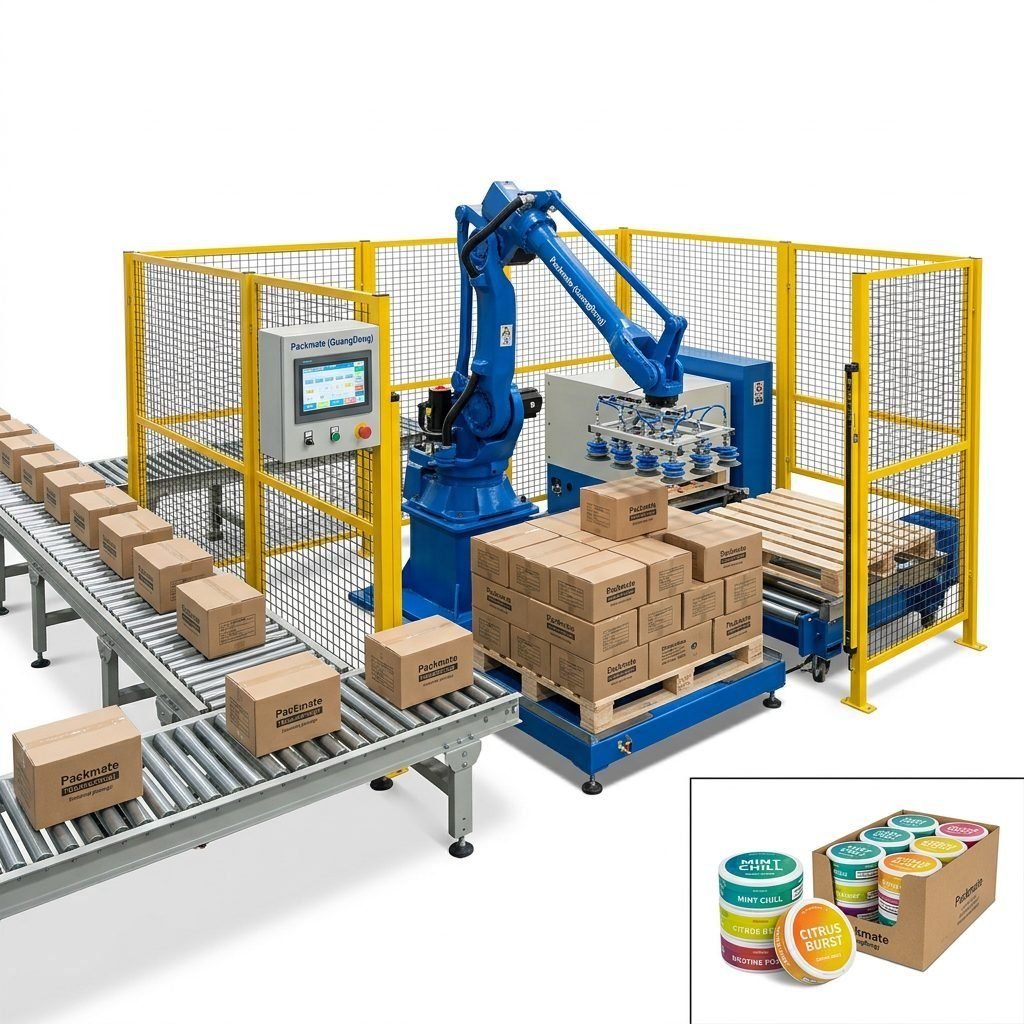
Q4: Can I get a turnkey solution including weighing and secondary packaging?
Yes. Many suppliers offer integrated lines that include weighing, filling, primary packaging and secondary packaging. Review available modules at Weighing & Packaging Systems and discuss turnkey scope during vendor selection.
Q5: How important is factory accreditation?
Factory accreditation demonstrates quality control, consistent manufacturing and the ability to meet export standards. Prefer suppliers with a documented factory profile, certifications and a track record of global projects.