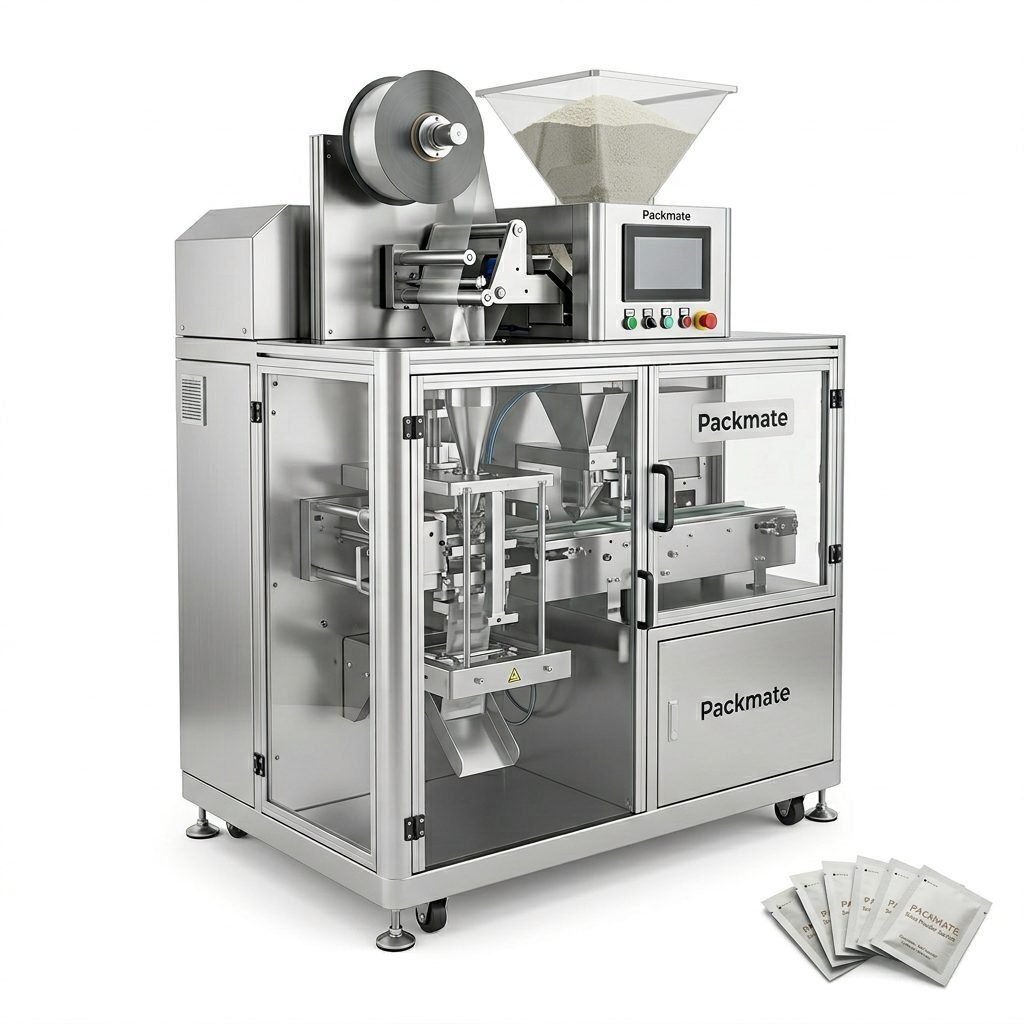
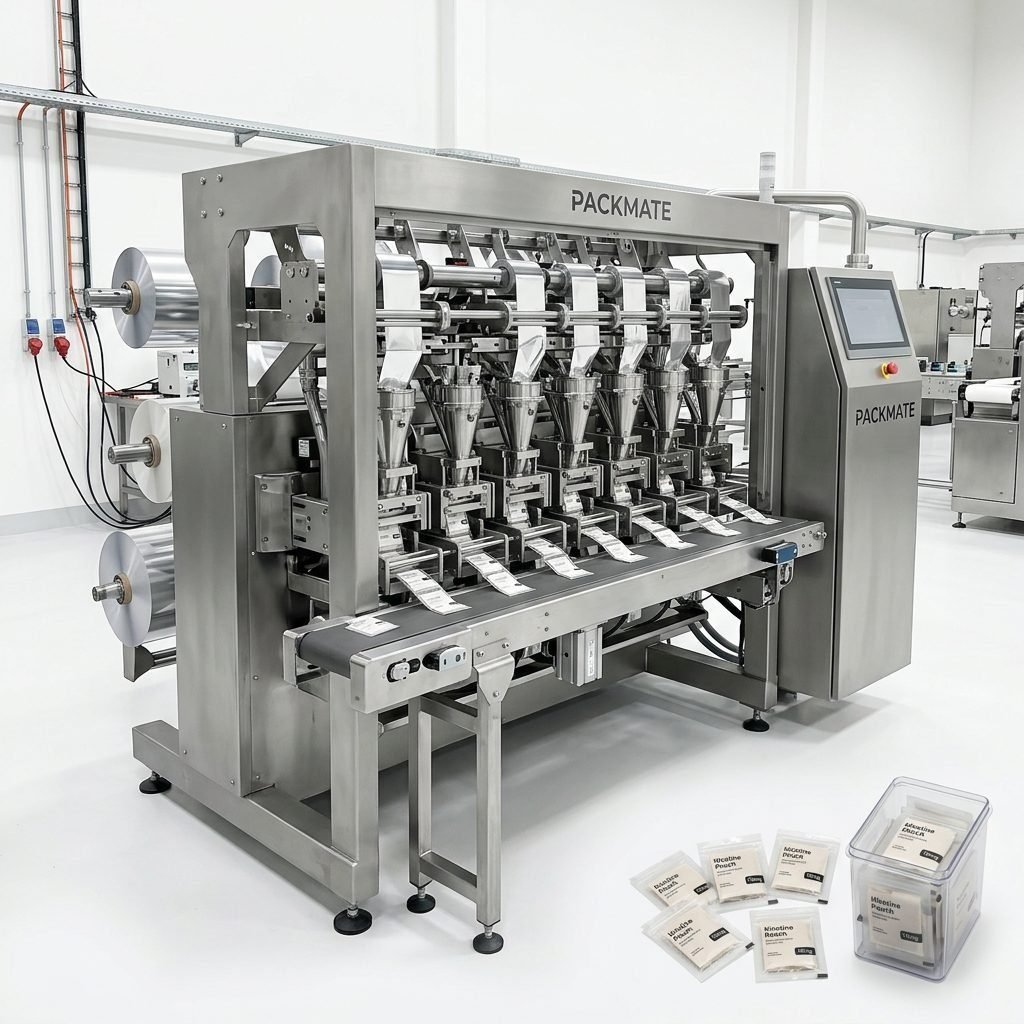
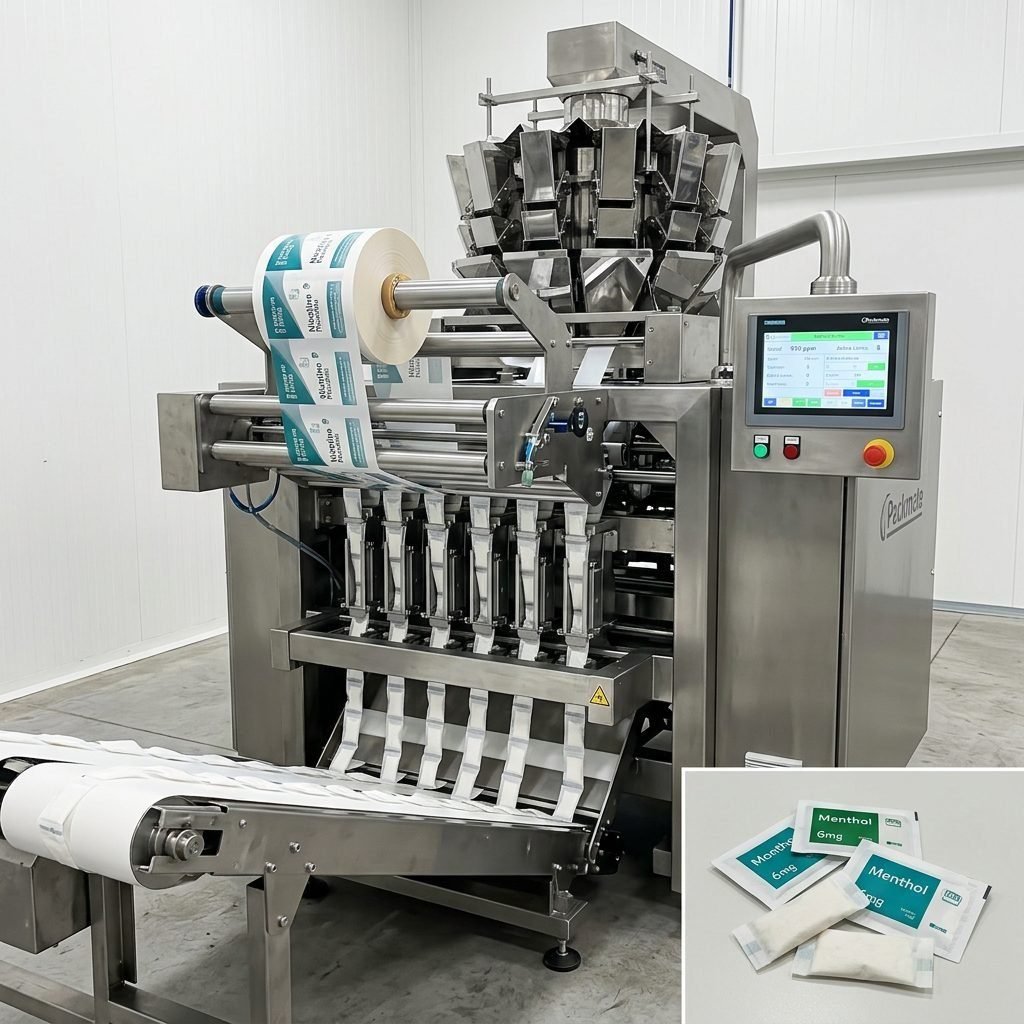
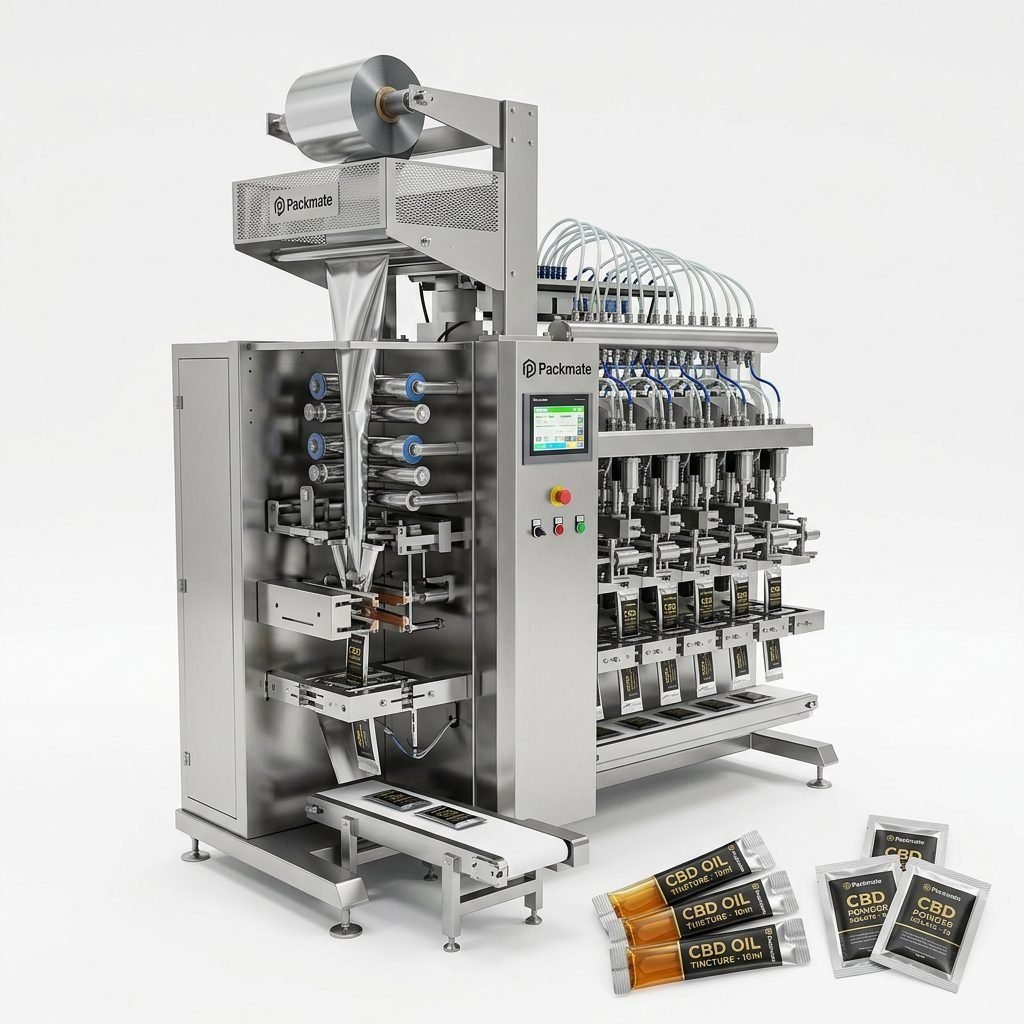
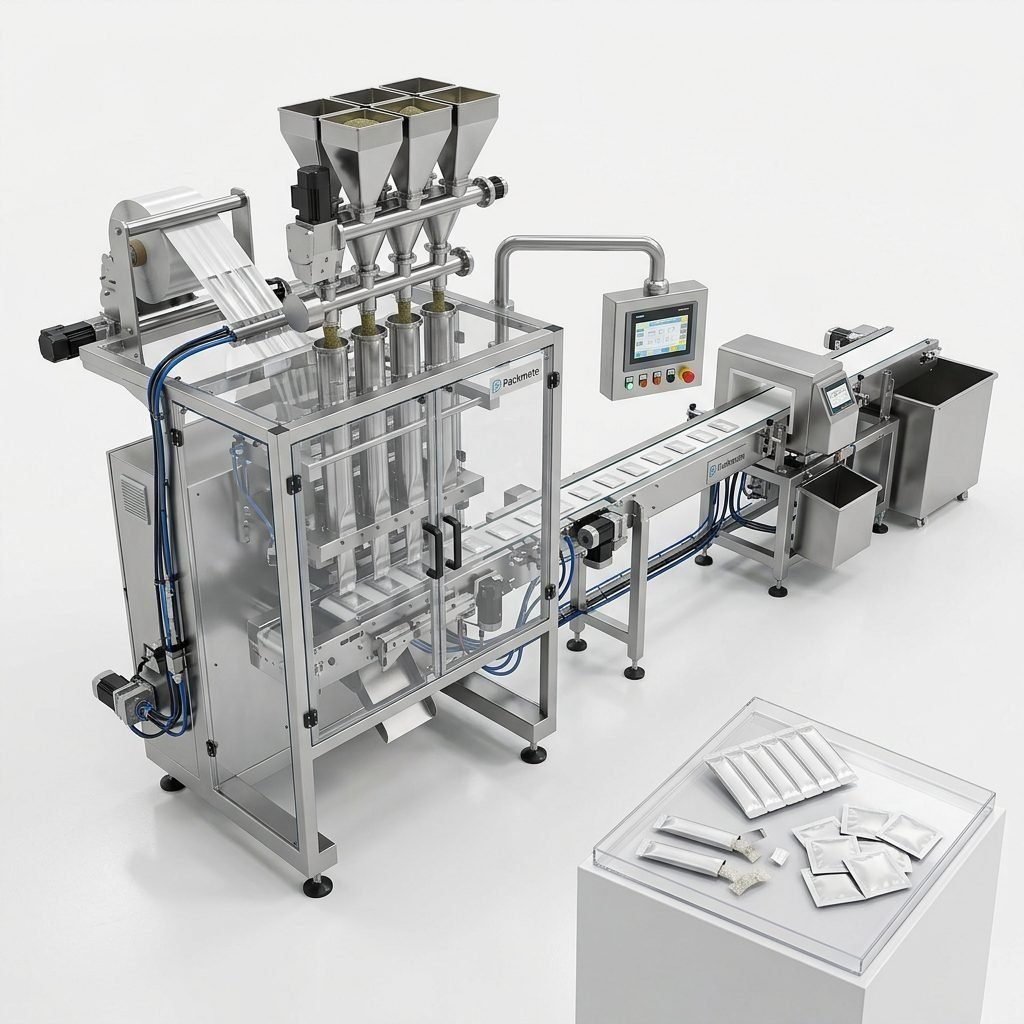
Choosing the right snus packaging machinery manufacturer for your Ghana-based business is a strategic decision that affects product quality, regulatory compliance, production efficiency, and long-term costs. This guide walks you through the most important factors to consider — from machine types and certifications to after-sales support and local service — so you can confidently select a partner that matches your operational goals.
Understand Your Product and Production Needs
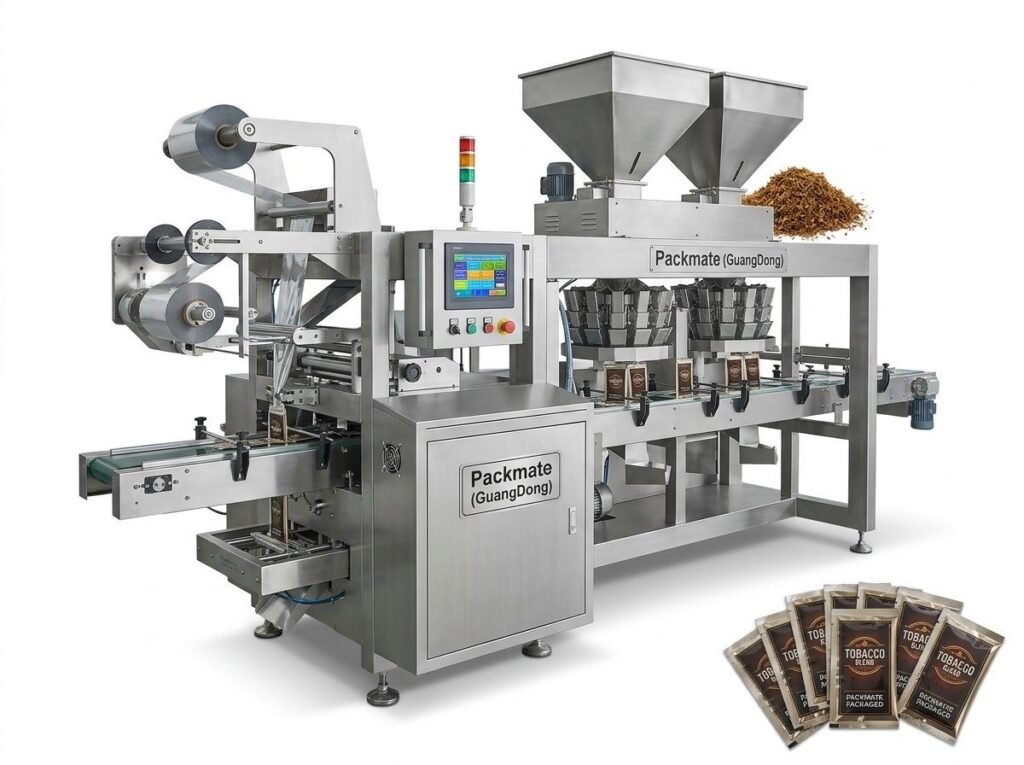
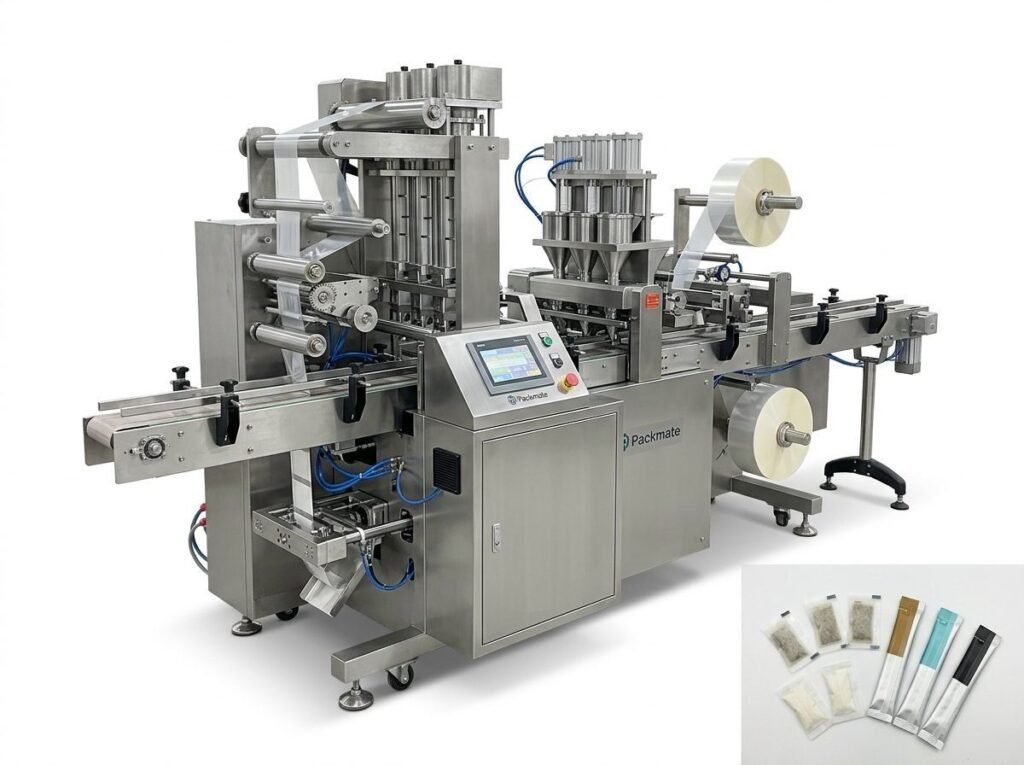
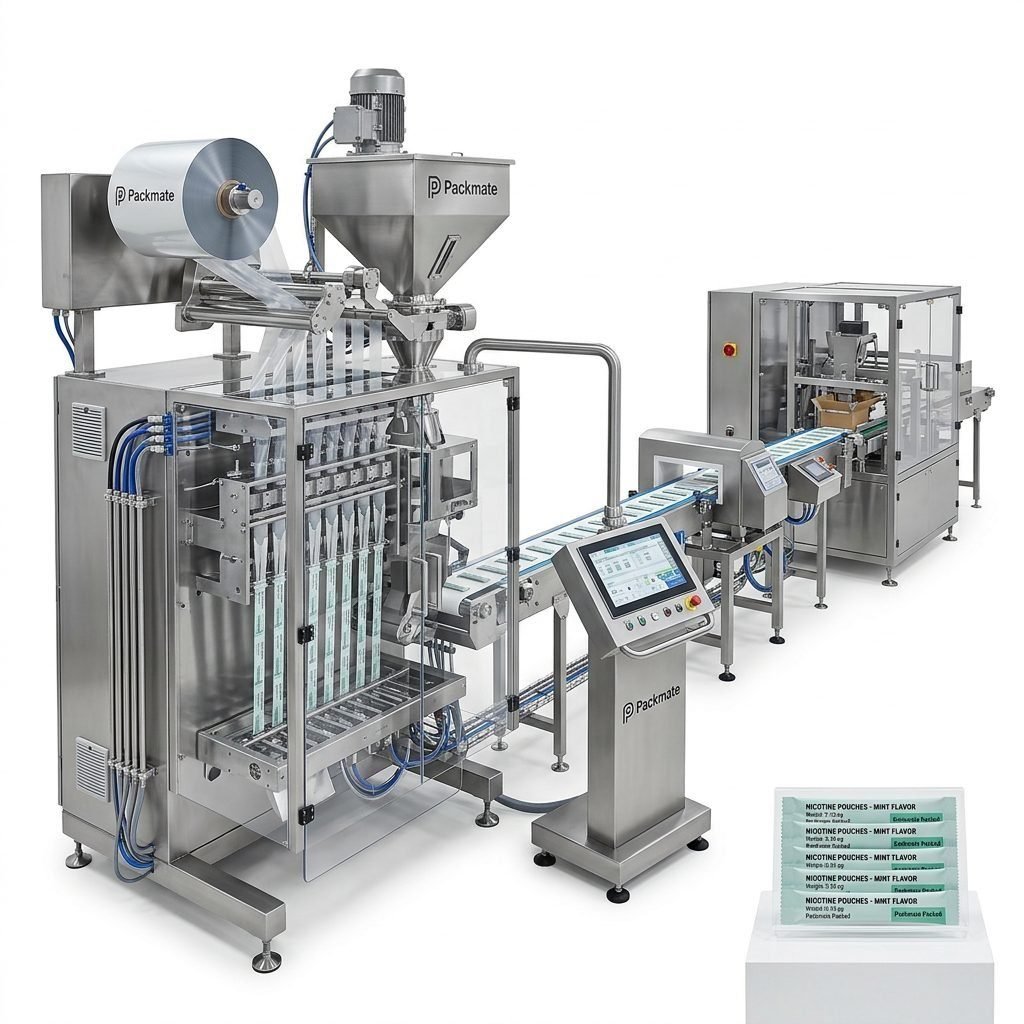
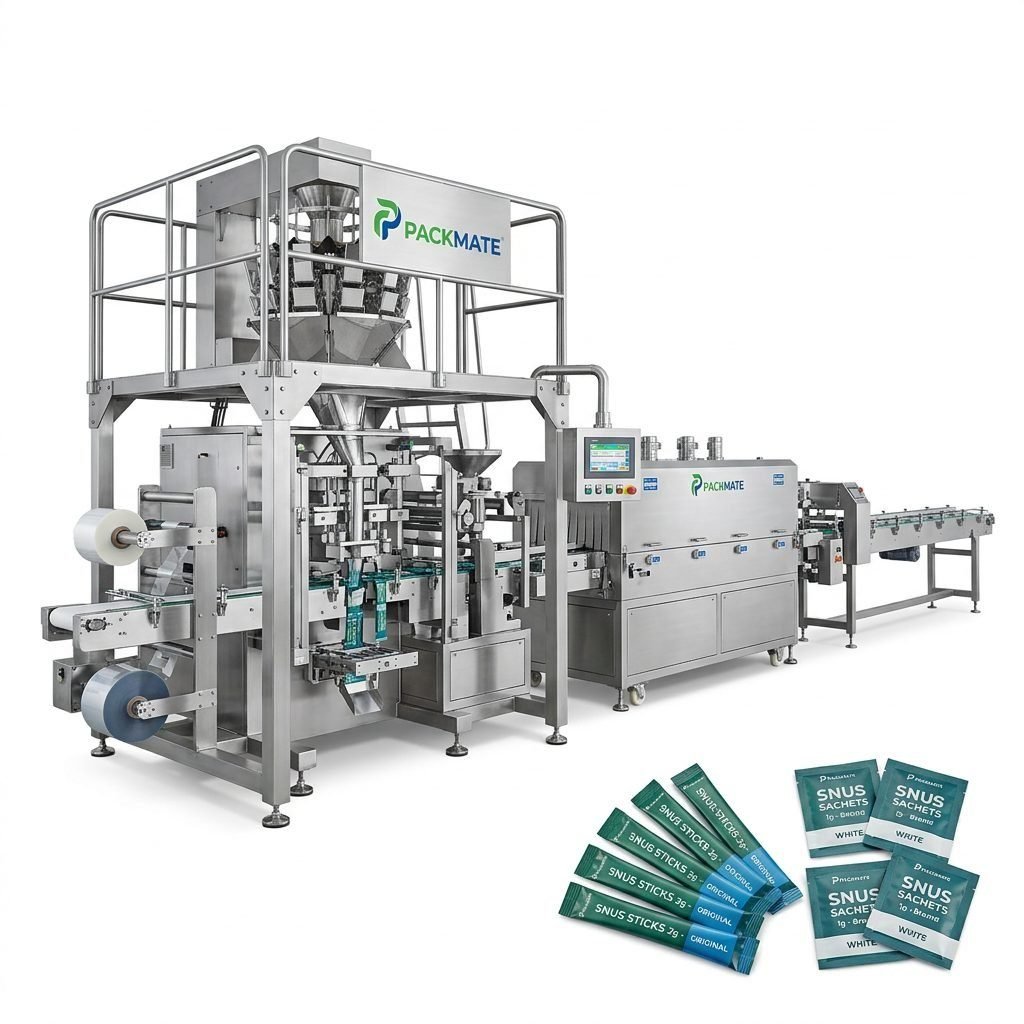
Before evaluating manufacturers, clearly define your product attributes and production targets. Are you producing nicotine pouches or traditional snus? Do you need single-lane stick pack lines, multi-lane sachet systems, or a fully integrated turnkey line? Consider daily output targets, pouch sizes, material types (foil, paper, laminated film), and any additional features such as flavour dosing or multi-compartment pouches.
Manufacturers such as Snus & Nicotine Packaging Machines and specialized suppliers often list machine types and capacity ranges — use those references to shortlist vendors that already supply equipment aligned with your product type.
Key Manufacturer Criteria to Evaluate
1. Experience & Track Record
Look for manufacturers with proven experience in snus and nicotine pouch packaging. A supplier with decades of engineering history and a portfolio of multi-lane systems demonstrates deep domain knowledge. For instance, a company built on 30+ years of experience with a 20,000㎡ factory likely offers mature engineering and reliable production processes.
2. Machine Range & Customization
Ensure the vendor provides the machine models you need — stick pack, sachet, multi-lane systems, and any auxiliary equipment for weighing, filling, and pouch sealing. Vendors that offer customization and turnkey packaging lines can adapt their solutions to your exact workflow, materials, and regulatory constraints.
Useful references: Sachet & Stick Pack Machines, Weighing & Packaging Systems.
📌 Key tip:
If you expect to scale output rapidly, prioritize manufacturers offering multi-lane systems and easy modular expansion.
3. Certifications & Compliance
International certifications such as CE and ISO indicate a manufacturer’s commitment to safety and quality management. For export markets or local regulatory inspections in Ghana, machines with recognized certificates reduce risk and speed up approvals.
Check the vendor’s certificate listings and ask for documented compliance relevant to your country and industry.
4. After-Sales Support & Spare Parts
Reliable after-sales service is a top priority. Confirm the availability of spare parts, response times for technical support, remote diagnostics, and whether the manufacturer provides installation and operator training. A vendor that offers ongoing maintenance contracts or local partners in Africa can significantly lower downtime.
✅ Service checklist:
Spare parts lead time, remote support capability, on-site commissioning, operator training, warranty terms.
Assessing Technical Capability & Factory Strength
Evaluate the manufacturer’s production facility: advanced CNC machining centers, precision assembly lines, and quality testing systems are indicators of consistent manufacturing quality. A factory area around 20,000㎡ and an offering of 50+ machine models are strong signals of capacity and variety.
Factory Visit & Virtual Inspection
Whenever possible, arrange a factory visit or a live virtual demo. Observe the assembly lines, meet engineering staff, and request testimonials or references from other international clients. If travel is impractical, demand recorded machine runs and remote walk-throughs.
Financial Considerations: Price vs. Total Cost of Ownership
While initial purchase price matters, calculate total cost of ownership (TCO): maintenance, consumables, energy consumption, downtime risk, and upgradeability. A cheaper machine with poor reliability can cost more over five years than a higher-quality machine with robust support.
Warranty, Training & Financing
Negotiate warranty coverage, operator training, and spare parts packages. Some manufacturers may offer financing terms or trade-in options for older equipment. Confirm lead times, deposit requirements, and shipment logistics to Ghana.
Integration & Turnkey Solutions
If you require a complete production line — filling, weighing, pouch forming, sealing, and secondary packaging — select suppliers who can supply integrated lines and manage system-level controls. Turnkey providers reduce integration complexity and ensure components are engineered to work together.
Explore options like Filling & Packaging Lines and Auxiliary Packaging Equipment to build a cohesive line.
Reputation, Cases & Exhibition Presence
Suppliers who regularly exhibit at international trade shows and publish case studies show transparency and confidence in their solutions. Request case studies relevant to snus or small-dose pouch production to understand how similar challenges were solved.
See real-world examples and exhibition schedules to validate vendor credibility: Case, Our Exhibition.
🔍 Quick vetting list:
Factory photos, client references, live demos, certifications, spare parts warehouse evidence.
Local Considerations for Ghana
For companies operating in Ghana, consider import duties, local electrical standards, climate impacts (humidity and dust), and the availability of qualified technicians. Ask the manufacturer about optional protective treatments, IP ratings, and training packages tailored for local staff.
Logistics & Shipping
Confirm packaging protection for sea freight, expected lead times, and customs documentation. A manufacturer with export experience and shipping SOPs can avoid delays and reduce damage risk during transit.
How to Run Supplier Negotiations
Prepare a clear technical specification and request detailed quotes that separate machine cost, commissioning, spare parts, and optional services. Ask for payment milestones, testing acceptance criteria, and penalties for missed delivery dates. Make site acceptance tests and performance guarantees part of the contract.
Red Flags to Watch For
Be cautious if a supplier cannot provide client references, lacks clear warranty terms, or refuses a factory inspection. Vague technical specs, unclear spare part policies, or unusually long response times for questions are also signs to reconsider.
Why Choose a Specialist Snus Equipment Manufacturer?
Specialists focused on snus and nicotine pouch lines bring tailored solutions: precision dosing, reduced product waste, high-speed multi-lane configurations, and regulatory-aware designs. They tend to support consistent product quality and faster scale-up compared to general packaging suppliers.
For more information about a specialized supplier and company background, review resources such as About Packmate and Contact Us for direct inquiries.
Final Checklist Before You Buy
1) Confirm machine model and production capacity alignment with your goals.
2) Verify certifications and factory capabilities.
3) Ensure clear warranty, spare parts access, and training terms.
4) Validate vendor reputation through case studies and exhibitions.
5) Negotiate payment terms, delivery schedule, and acceptance tests.
📌 Bottom line:
Selecting the right snus packaging machinery manufacturer in Ghana means balancing technical fit, after-sales support, certifications, and total cost of ownership. Prioritize proven suppliers with clear documentation, strong factory capabilities, and reliable global service networks.
Frequently Asked Questions
Q: What certifications should I insist on for snus packaging machines?
A: Request CE and ISO certifications as a baseline. Also confirm any region-specific compliance needed for Ghana or your export markets.
Q: How long is the typical lead time for custom snus packaging lines?
A: Lead times vary with customization level. Standard machines may ship in weeks, while fully customized turnkey lines typically take several months. Always get a written delivery schedule.
Q: Can a manufacturer provide installation and training in Ghana?
A: Many experienced manufacturers offer on-site commissioning and operator training. Confirm travel arrangements, costs, and remote support alternatives if on-site service is limited.
Q: What after-sales services should I expect?
A: Expect spare parts supply, remote diagnostics, preventive maintenance plans, and timely technical support. Clarify warranty duration and what it covers.
Q: How do I verify a manufacturer’s claims and references?
A: Request client contacts, recent case studies, live demos, and factory photos or virtual tours. Attend trade exhibitions or ask for introductions to existing customers.