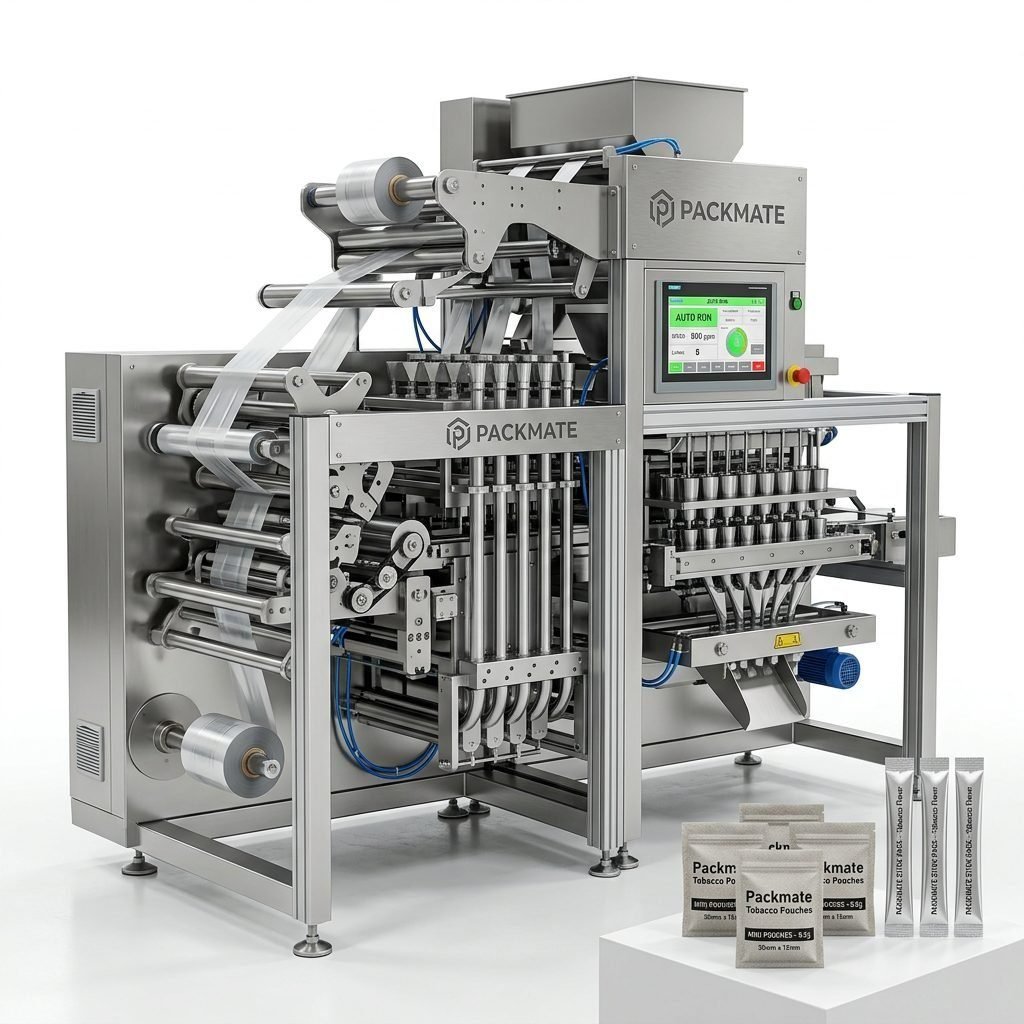
Choosing the right nicotine packaging machinery manufacturer for your production needs in the Netherlands involves more than price comparison. Manufacturers differ in engineering depth, machine types, compliance, and after-sales support. This guide helps procurement managers, production engineers, and operations leaders evaluate suppliers methodically so you secure reliable equipment that matches capacity, quality, and regulatory requirements.
Understand Your Production Requirements 🔍
Start by documenting your current and forecasted production targets. Consider these core variables:
• Target output (units per minute/hour/day).
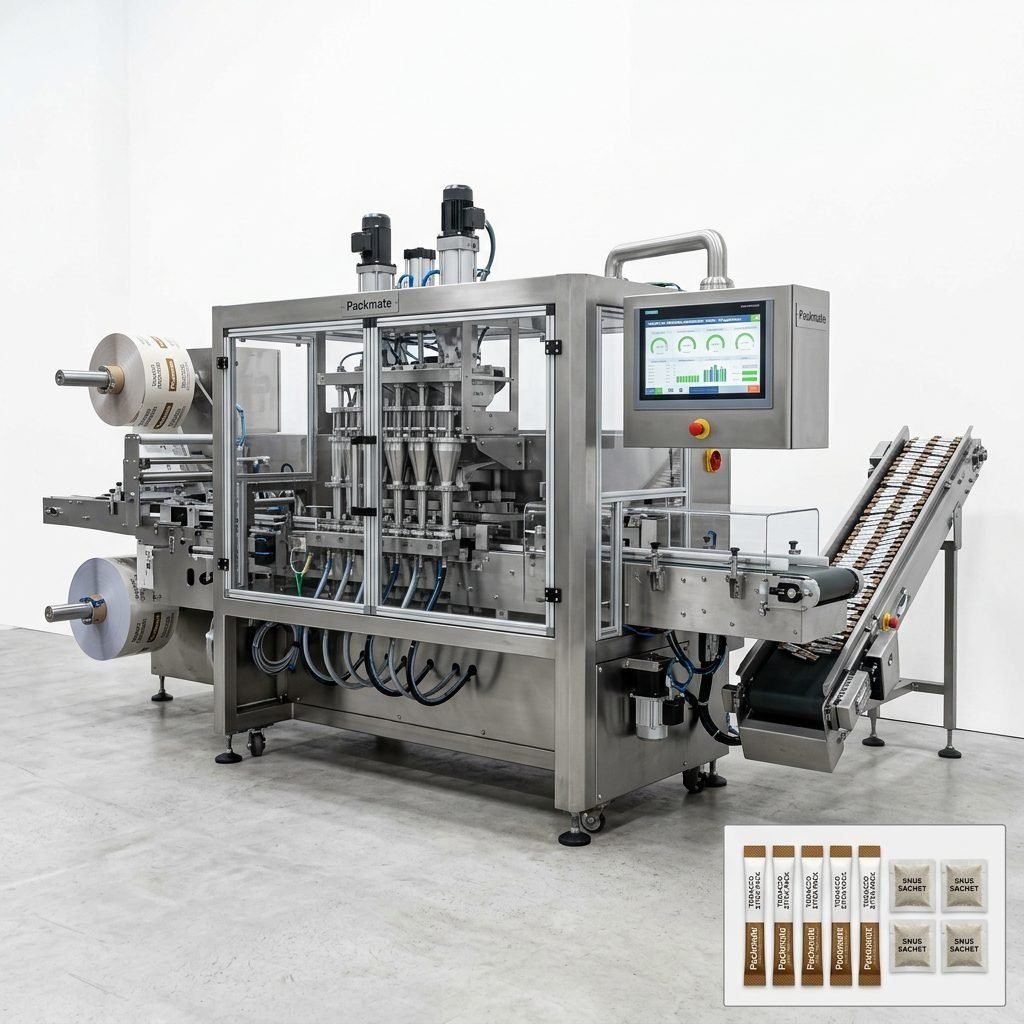
• Product formats (nicotine pouch, snus sachet, stick pack, multi-lane pouches).
• Fill types (powder, granule, liquid) and dosing accuracy requirements.
• Required line automation and integration with upstream/downstream equipment.
Why accurate specs matter
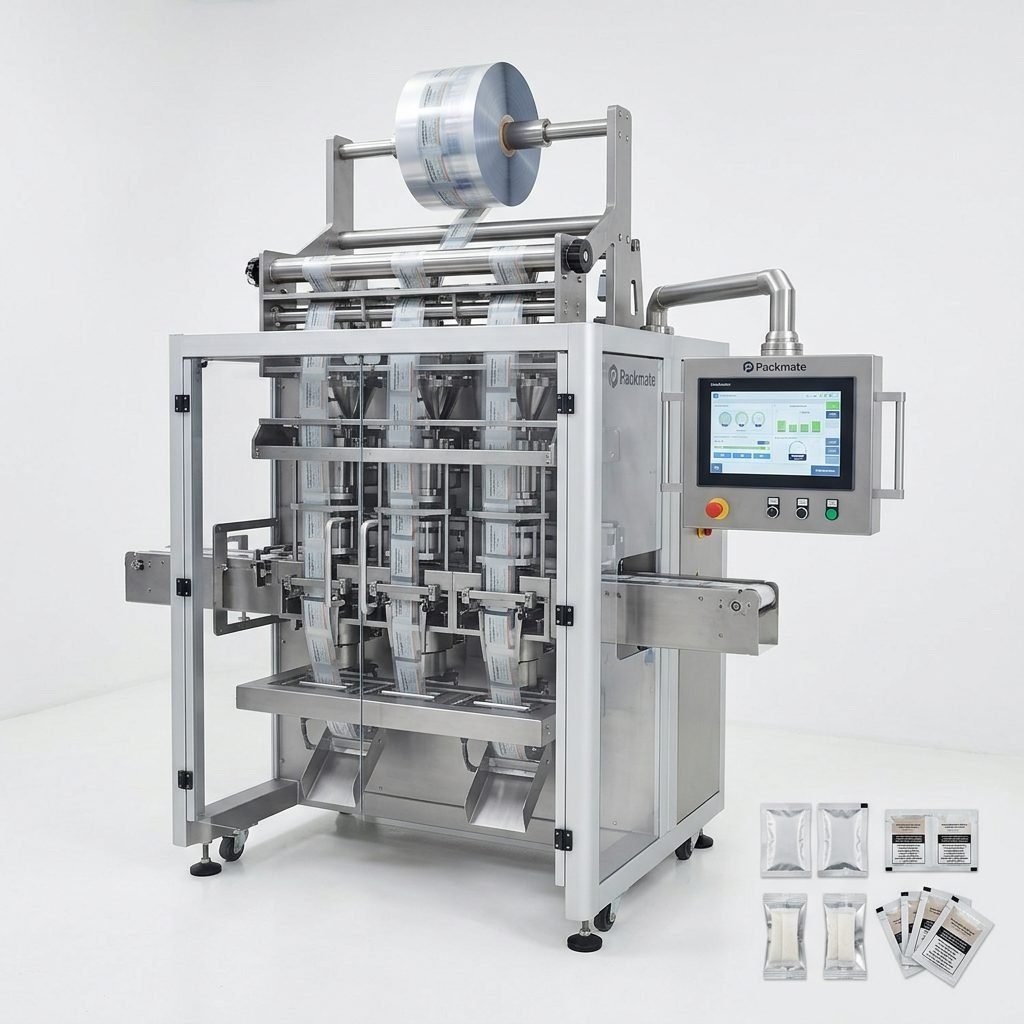
Specifying precise capacity and pouch formats prevents overspending on over-capacity machines and avoids bottlenecks from undersized equipment. If you plan multi-lane production for small-dose pouches, look for manufacturers with demonstrated multi-lane systems experience.
Tip: When your product will evolve (new sizes or formats), choose a modular line that can be reconfigured rather than a fixed single-format machine.
Evaluate Machine Types & Technology 🏭
Nicotine and snus packaging machines come in several designs. Ensure the supplier offers the technology that fits your product:
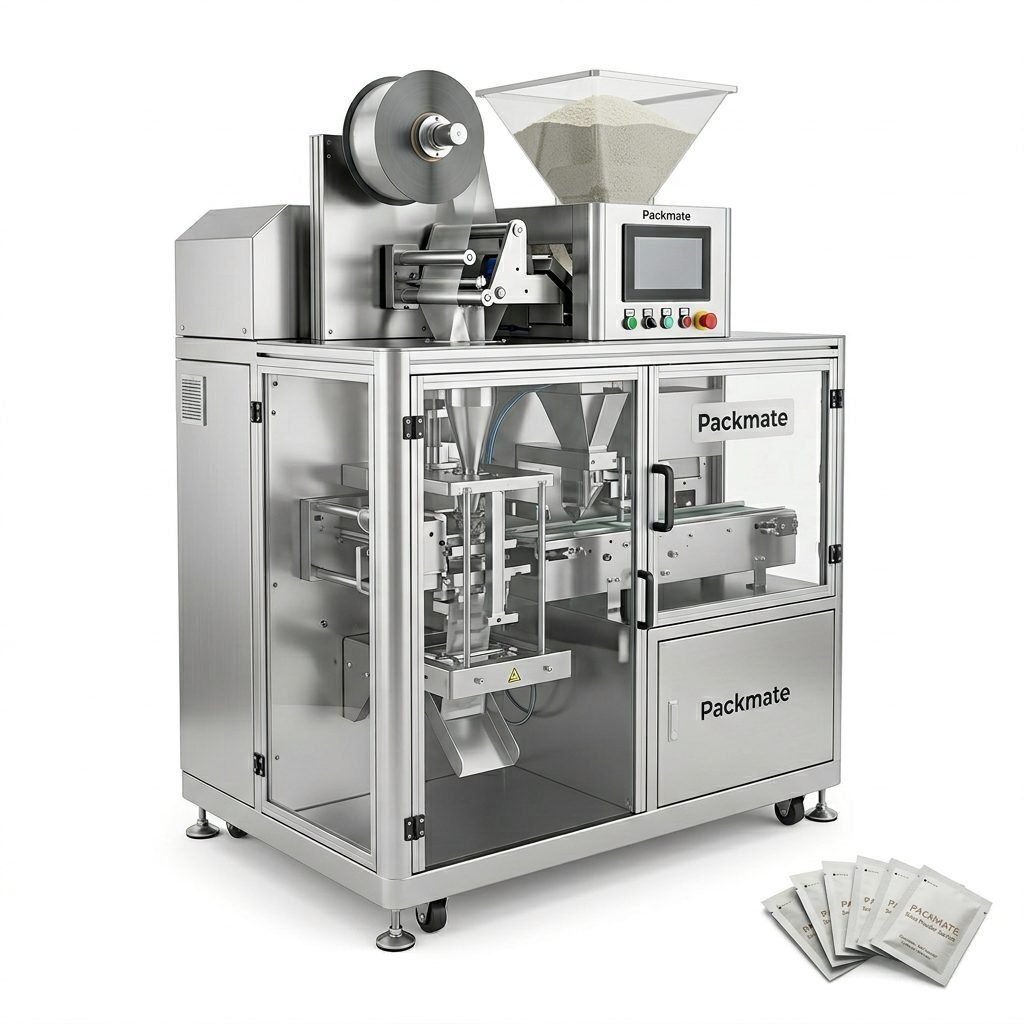
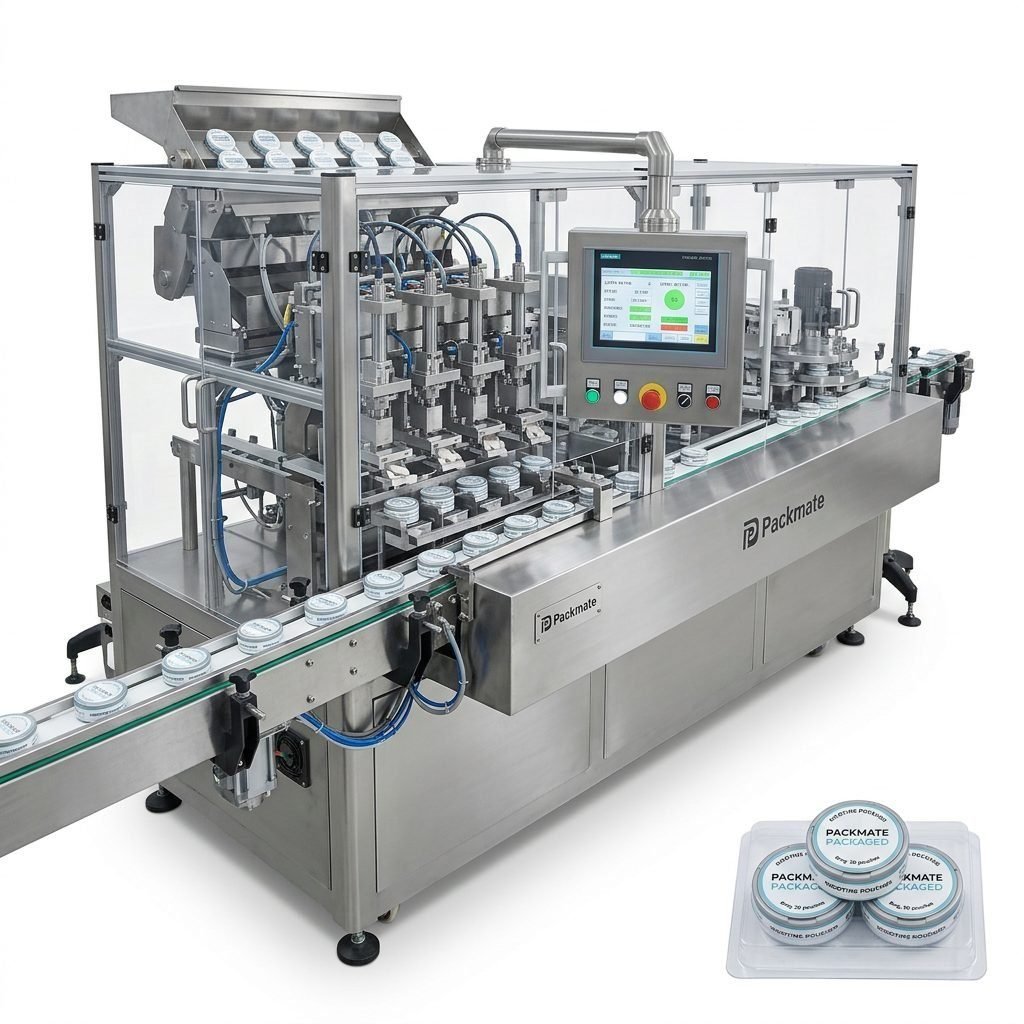
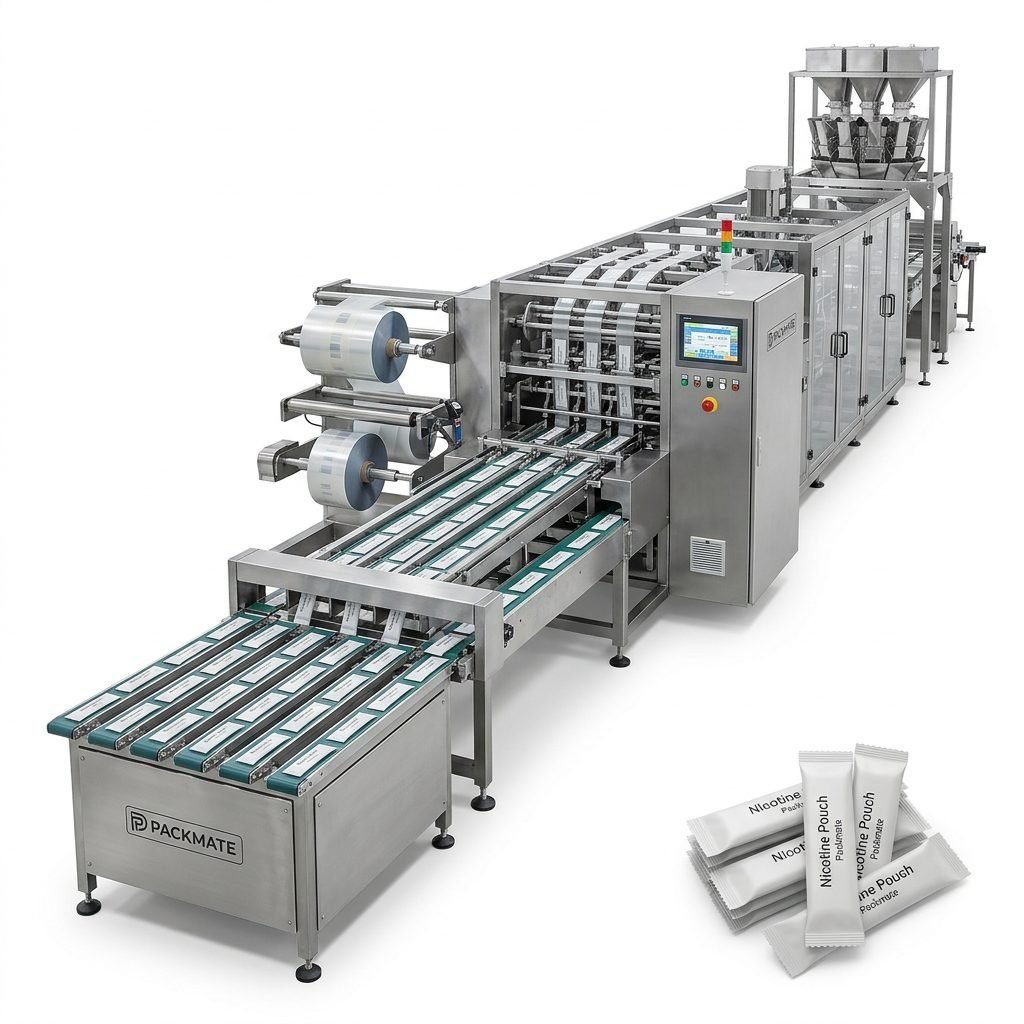
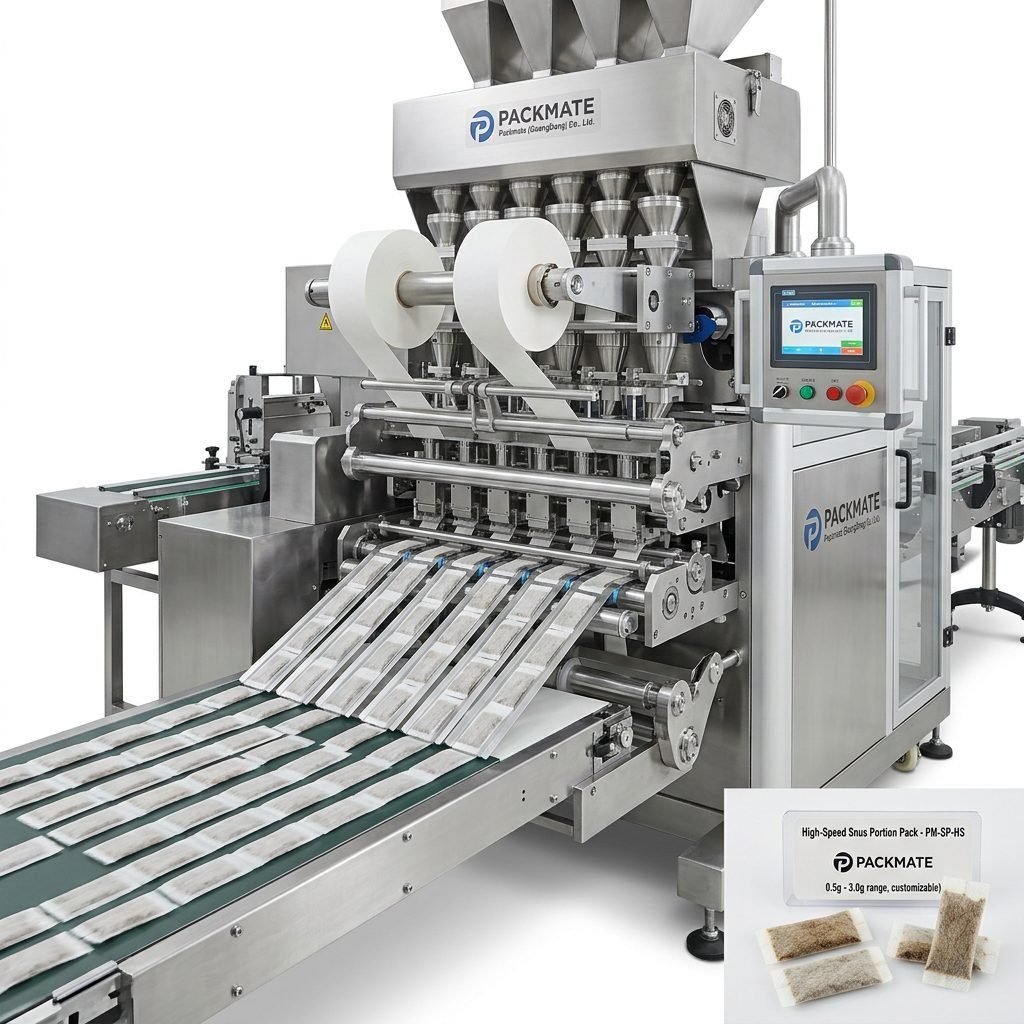
• Snus / Nicotine pouch packaging machines for precise small-dose pouches — ideal for snus pouch production. See manufacturer offerings here: Snus & Nicotine Packaging Machines.
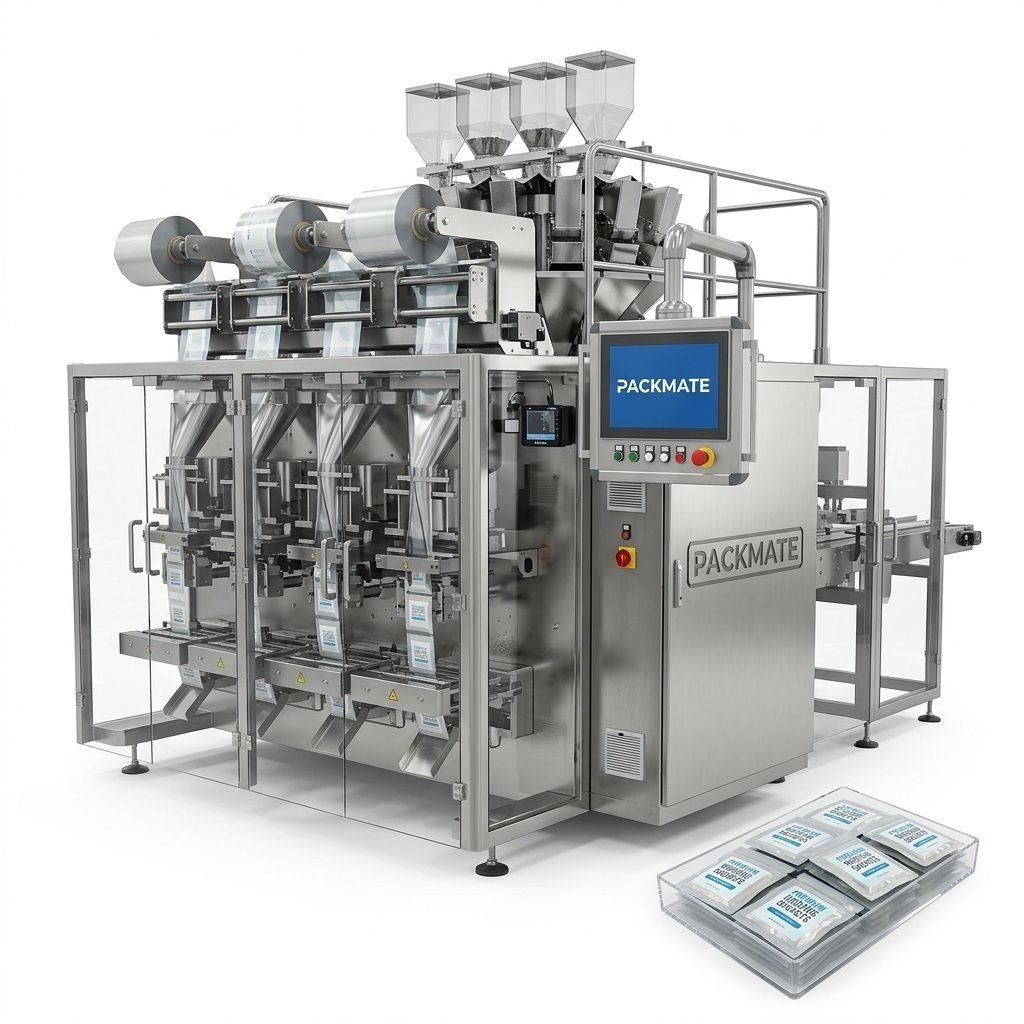
• Sachet & stick pack machines for single-serve formats: Sachet & Stick Pack Machines.
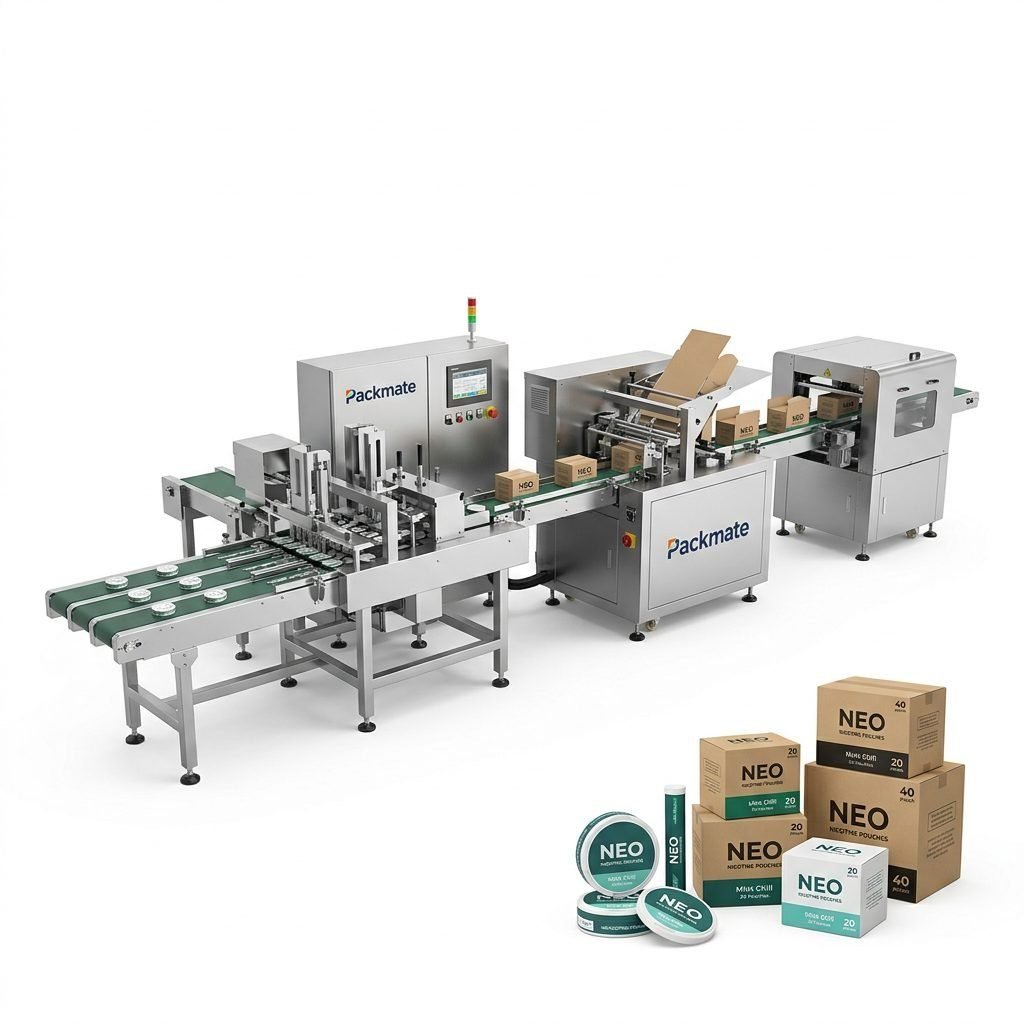
• Filling & packaging lines integrating dosing, weighing, and sealing: Filling & Packaging Lines.
Key technical questions
• What is the machine’s demonstrated uptime under real production conditions?
• How precise is the dosing system for nicotine content tolerance limits?
• Can the machine handle your chosen pouch materials and thicknesses without frequent adjustments?
Checklist: Look for servo-driven controls, PLC/HMI interfaces with recipe management, and quick-change tooling options to reduce downtime.
Manufacturing Capability & Quality Assurance ✅
A manufacturer’s facility and QA processes are strong indicators of product reliability. Key aspects to review:
• Factory size and machining capabilities — look for advanced CNC centers and precision assembly lines.
• Experience — manufacturers with decades of engineering practice typically provide more robust designs.
• Quality certifications like CE and ISO demonstrate compliance with international standards.
Manufacturer snapshot: A supplier with a 20,000㎡ facility, advanced CNC systems, and 50+ machine models typically signals strong production capacity and customization ability.
Customization & Turnkey Solutions 🔧
Many buyers benefit from turnkey lines that include dosing, packaging, and auxiliaries. Confirm the supplier’s ability to:
• Integrate weighing, filling, and sealing systems into a single synchronized line: Weighing & Packaging Systems.
• Provide custom tooling and multi-lane arrangements for higher throughput.
• Supply auxiliary equipment such as conveyors, metal detectors, and case packers to complete the production flow: Auxiliary Packaging Equipment.
Practical customization questions
• Can the supplier deliver a FAT (Factory Acceptance Test) and SAT (Site Acceptance Test)?
• How are software recipes, PLC codebase, and spare parts documented and handed over?
Compliance, Safety & Traceability ⚖️
For nicotine products, regulatory compliance and product traceability are high priorities. Review:
• CE and ISO certifications for machinery safety and quality.
• HMI features for batch traceability and data logging.
• Material-contact component materials compliant with product safety requirements.
Red flag: Absence of documented traceability functions or uncertified electrical panels can cause delays in EU market approvals.
After-Sales Support & Spare Parts 📞
Long-term performance depends on prompt support. Ask about:
• Local service partners or field engineers in the Netherlands/Europe.
• Typical lead times for critical spare parts and availability of kits for scheduled maintenance.
• Remote diagnostics and software update procedures.
Service-level indicators
• Standard warranty period and options for extended coverage.
• Availability of training for operators and maintenance technicians.
References, Case Studies & Exhibition Presence 🎯
A manufacturer’s track record provides practical proof of capability. Seek:
• Case studies demonstrating similar production implementations: Case.
• Participation in international exhibitions where you can see live demos: Our Exhibition.
• Customer testimonials and long-term partnerships across Europe, Asia, and the Americas.
Quick evaluation: A manufacturer with global turnkey solutions and exhibition presence typically supports international compliance and provides better engineering documentation.
Cost, Lead Time & Total Cost of Ownership (TCO) 💶
Price is only one part of the procurement equation. Consider:
• Lead times for machine delivery, FAT, and installation — critical when launching new SKUs.
• Energy efficiency and consumables costs that affect operating expenses.
• Expected MTBF (mean time between failures) and typical maintenance intervals to estimate downtime costs.
Negotiation points
• Include spare parts package, training, and commissioning in the contract to avoid hidden costs.
• Negotiate performance guarantees and acceptance criteria tied to production throughput and quality.
Factory Visit & FAT: What to inspect 🏷️
A factory visit and a detailed FAT provide assurance before shipment. Key inspection items:
• Verify build quality, cable routing, safety guards, and labeling.
• Run production simulations with your product samples and measure actual throughput and quality metrics.
• Confirm documentation delivery including wiring diagrams, pneumatics, parts lists, and software backups.
FAT checklist: Production run, safety interlocks, recipe changeover time, and packaging seal integrity.
Making the Final Decision — A Practical Checklist ✅
Use this condensed checklist when evaluating final offers:
• Technical match: Machine types and capacity meet targets.
• Quality & compliance: CE/ISO and traceability features are present.
• Support readiness: Local service, spare parts lead times, and training availability.
• Commercial clarity: Total cost, payment terms, warranty, and delivery schedule.
• Demonstrated references and successful case studies in similar product segments.
Engage the vendor early
Strong suppliers are consultative — they help refine product specs and may offer better solutions like multi-lane systems for future scalability. Visit the manufacturer’s About page to understand their mission and history: About Packmate.
Next steps: Shortlist 2–3 vendors, request detailed proposals with FAT plans, and schedule factory visits or remote demonstrations.
Contact & Further Resources 📬
When you are ready to request a quote or schedule an inspection, use the manufacturer’s contact channel to outline your production profile and desired delivery timeline: Contact Us.
For a deeper dive into machine models and line configurations, explore product categories like pouch systems, sachet & stick pack machines, and filling lines on the product pages linked earlier. Suppliers with complete documentation, demonstrable installations, and trade show presence tend to be safer long-term partners.
Final reminder
Choosing the right manufacturer is a balance between technical fit, proven reliability, and solid after-sales frameworks. Prioritize suppliers that offer transparent FAT/SAT procedures, spare parts availability, and clear contractual guarantees.
Frequently Asked Questions
Q1: How long does delivery and installation typically take for a snus packaging line?
A1: Lead time varies by customization level and current factory load, but typically ranges from 12 to 26 weeks including FAT and shipping. Modular standard models are faster.
Q2: What certifications should I insist upon for machinery used in nicotine pouch production?
A2: At minimum, require CE for machine safety and ISO quality management. Also review material-contact certifications and ensure electronic panels comply with EU directives.
Q3: Can manufacturers supply turnkey lines including weighing and case packing?
A3: Yes. Many experienced suppliers offer integrated solutions that include weighing systems, filling lines, and auxiliary equipment to deliver ready-to-run production lines.
Q4: How important is local service presence in the Netherlands?
A4: Very important. Local or regional service partners reduce response times for repairs and spare parts delivery, minimizing downtime risk.
Q5: Where can I view real cases and exhibition demos before deciding?
A5: Review manufacturer case pages and exhibition schedules to arrange live demos and see production lines in operation: Case and Our Exhibition.