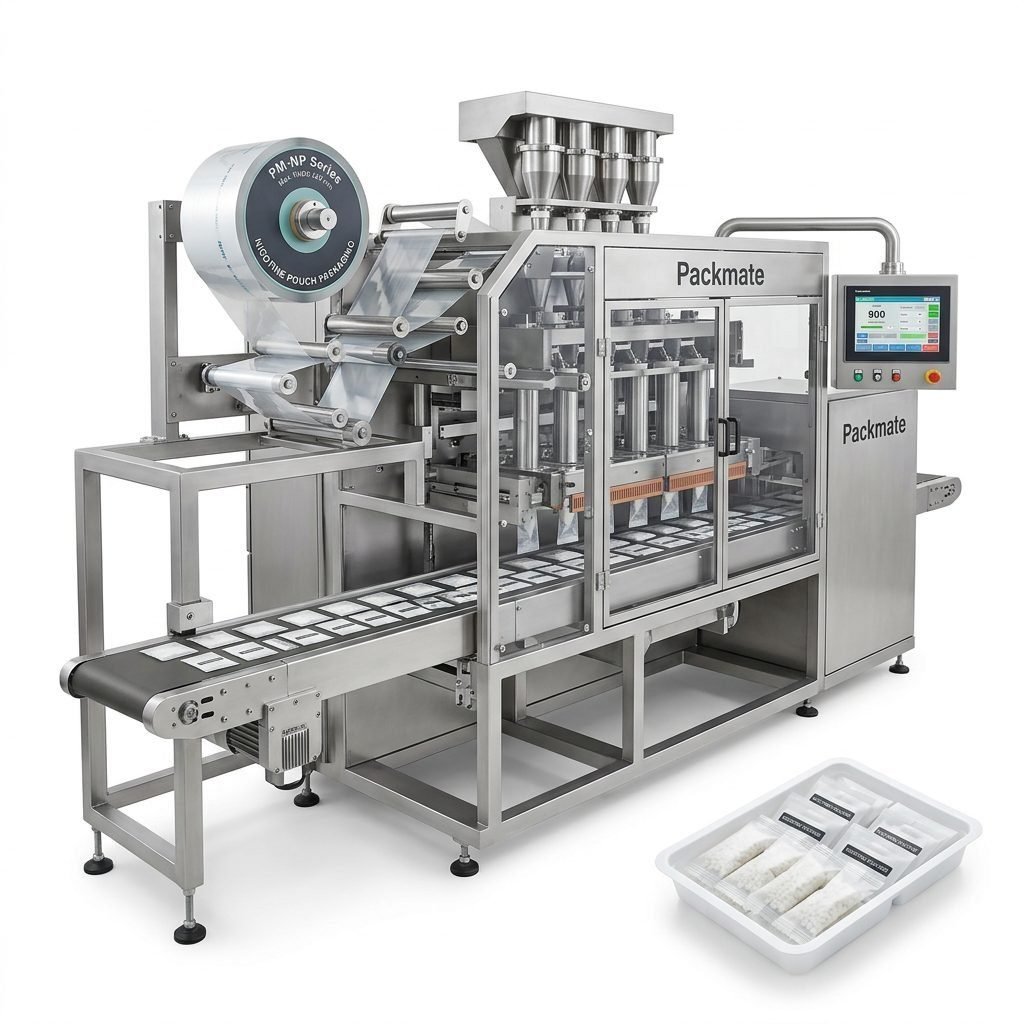
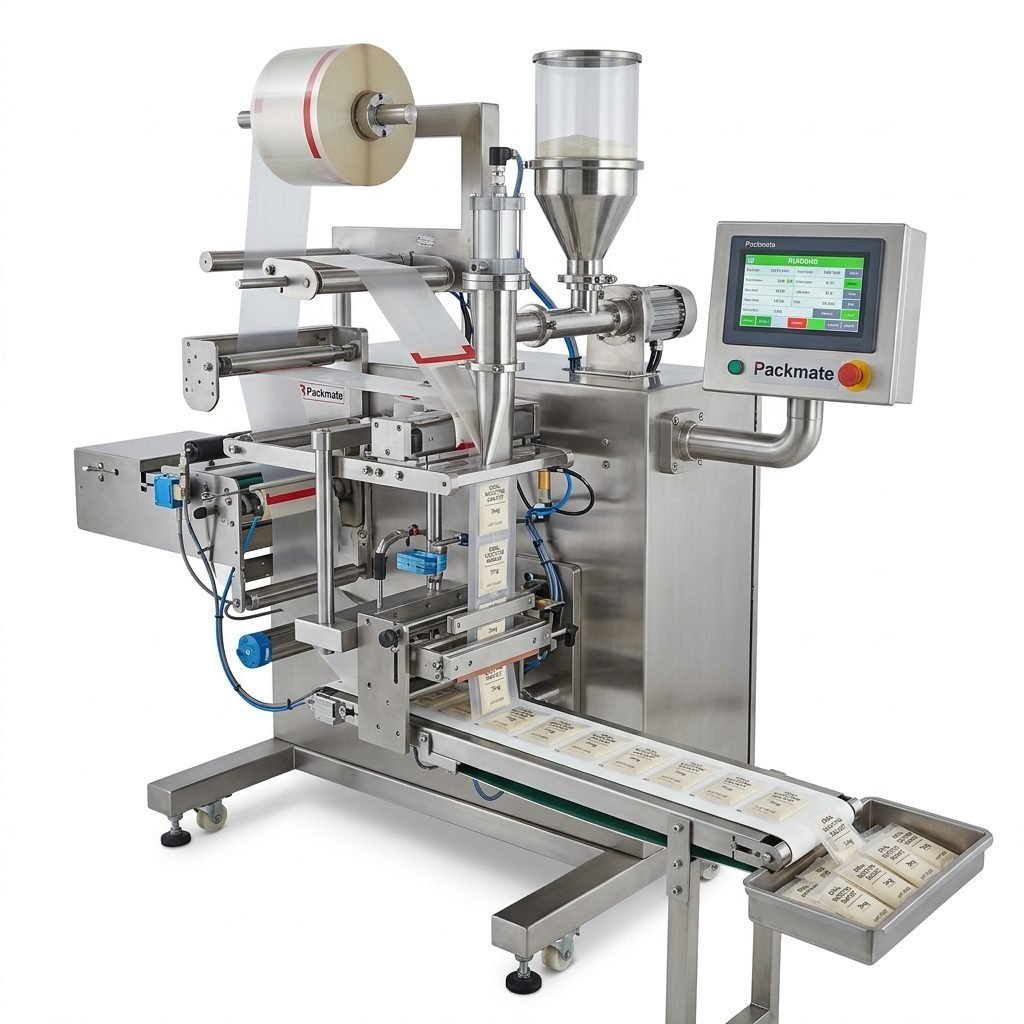
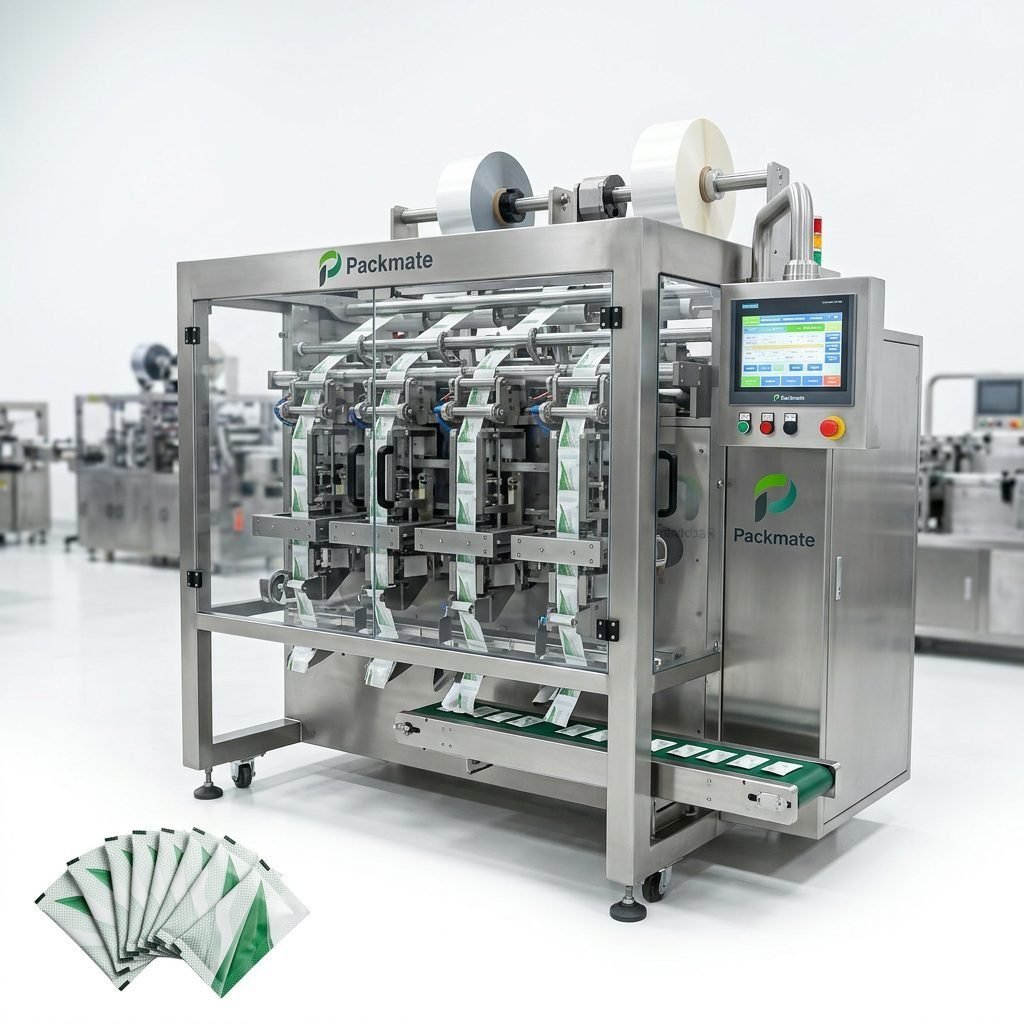
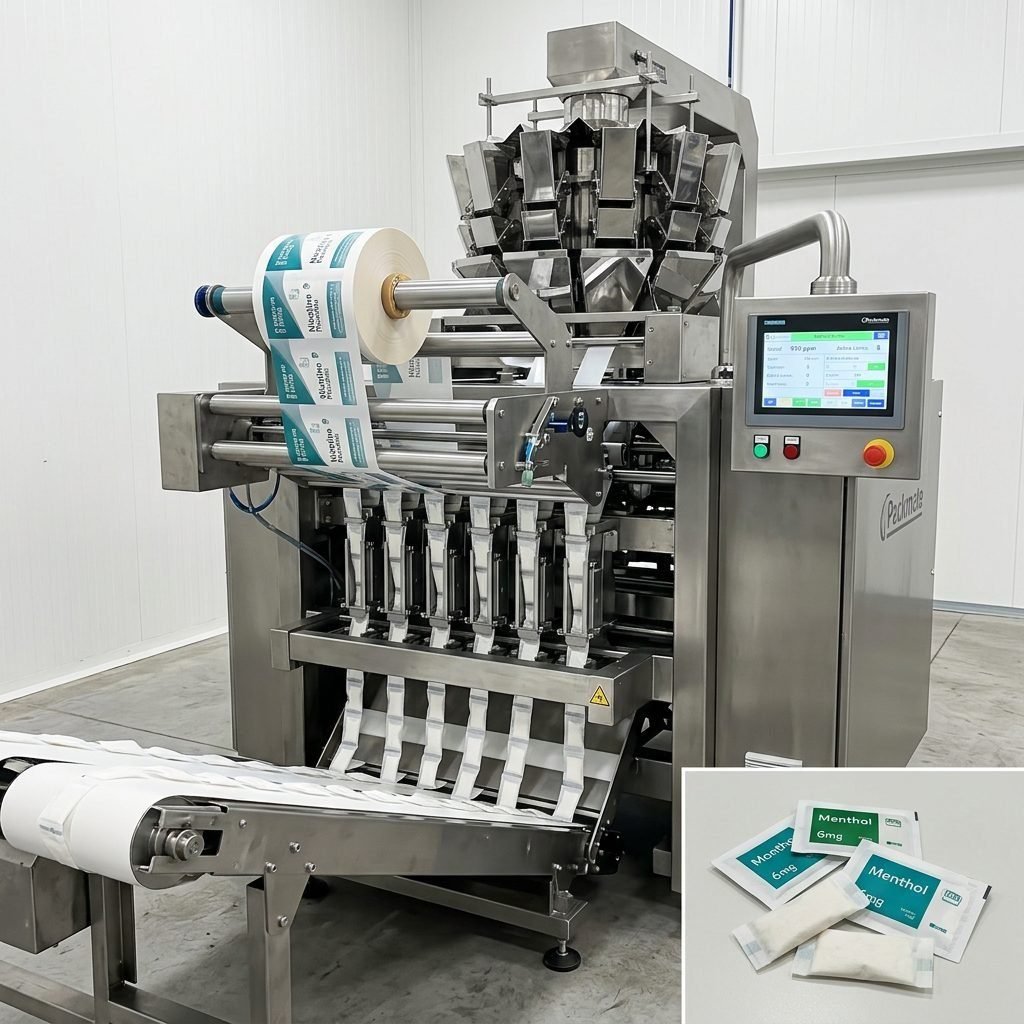
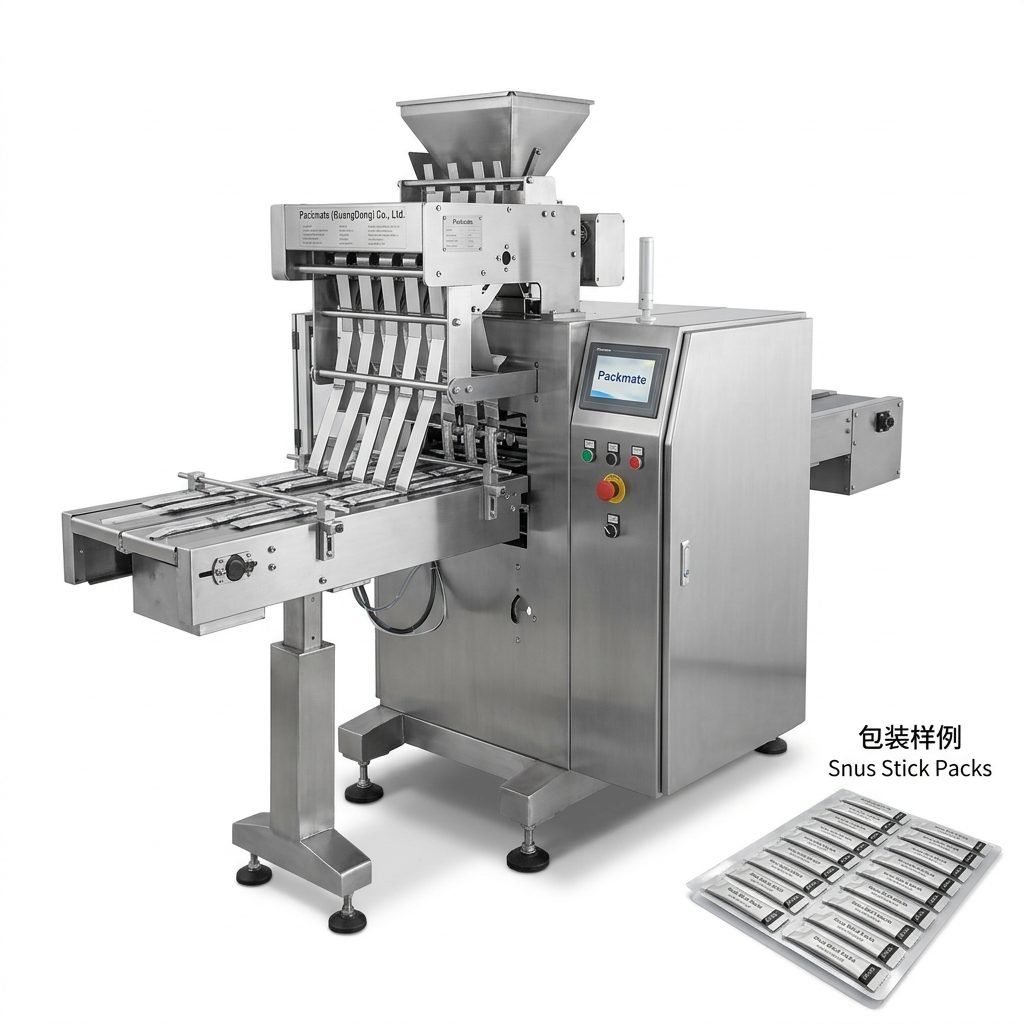
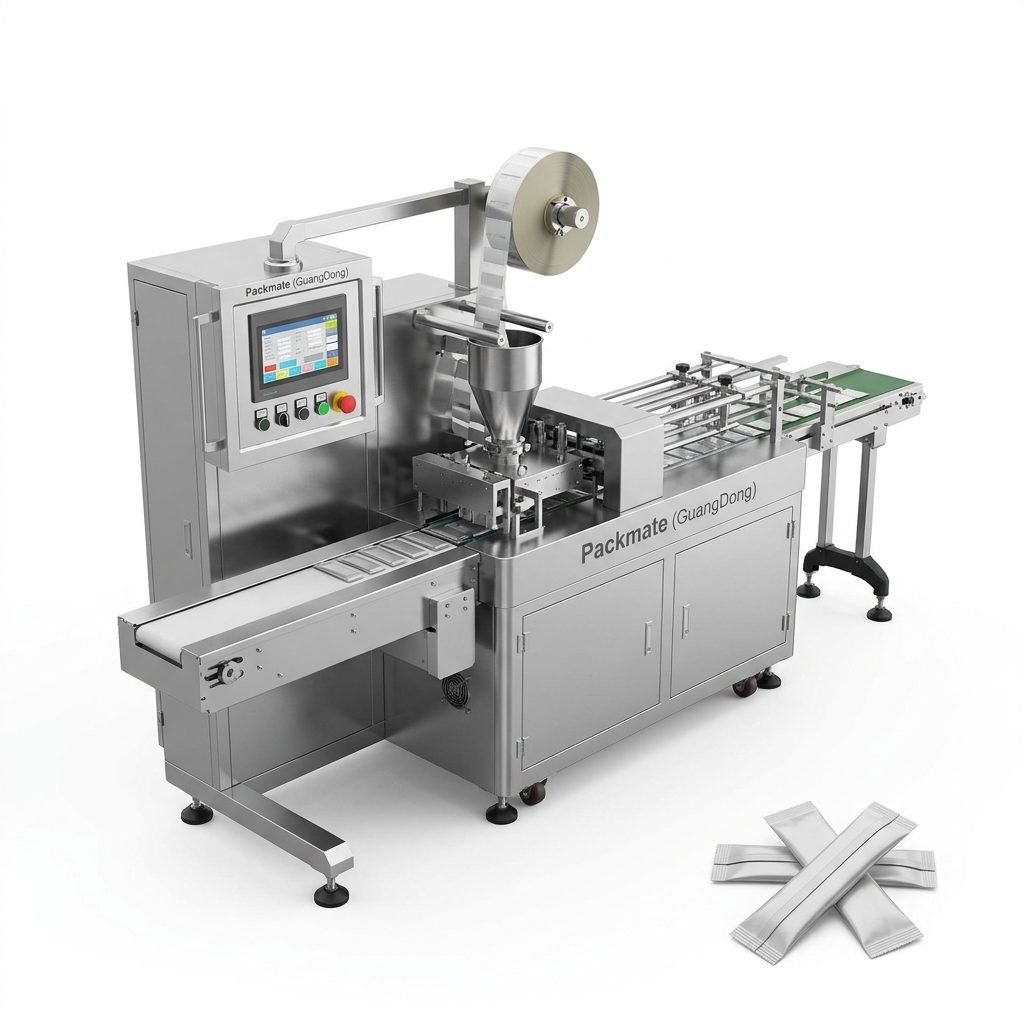
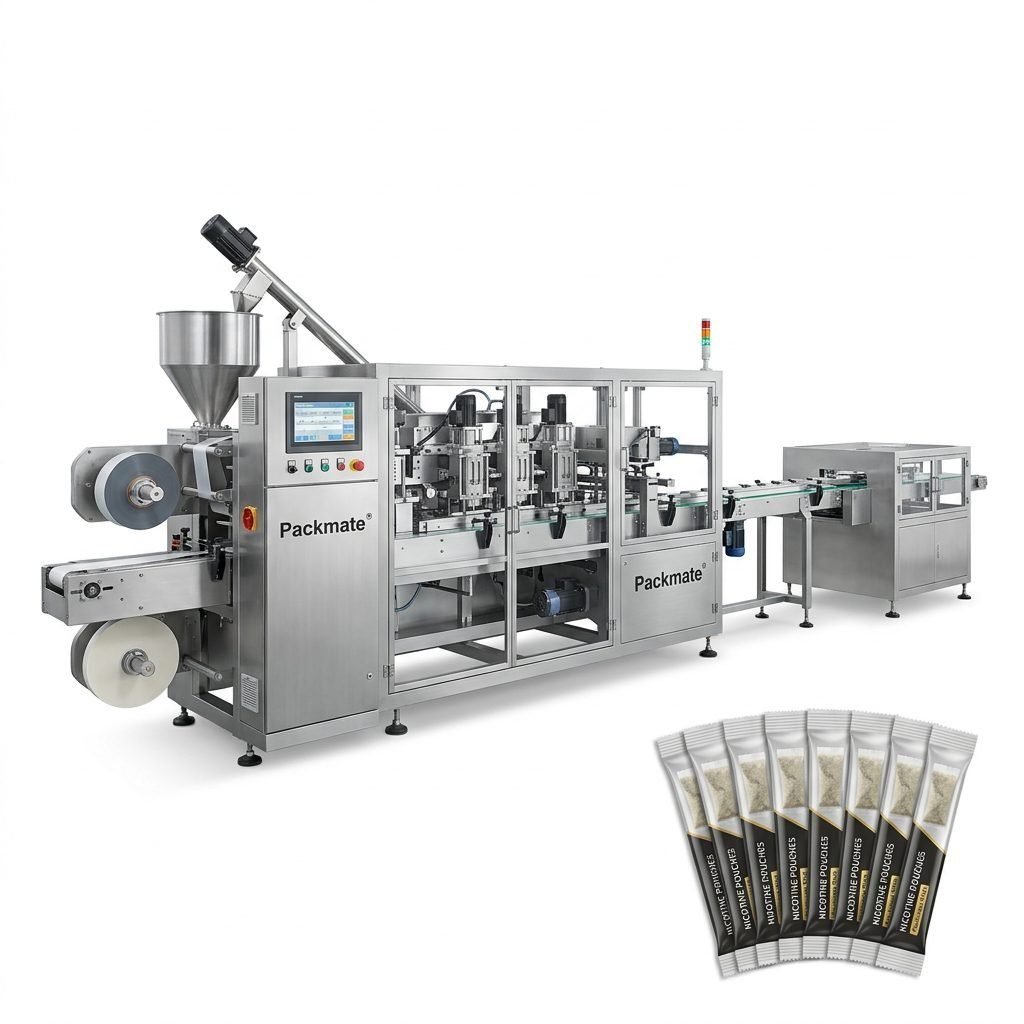
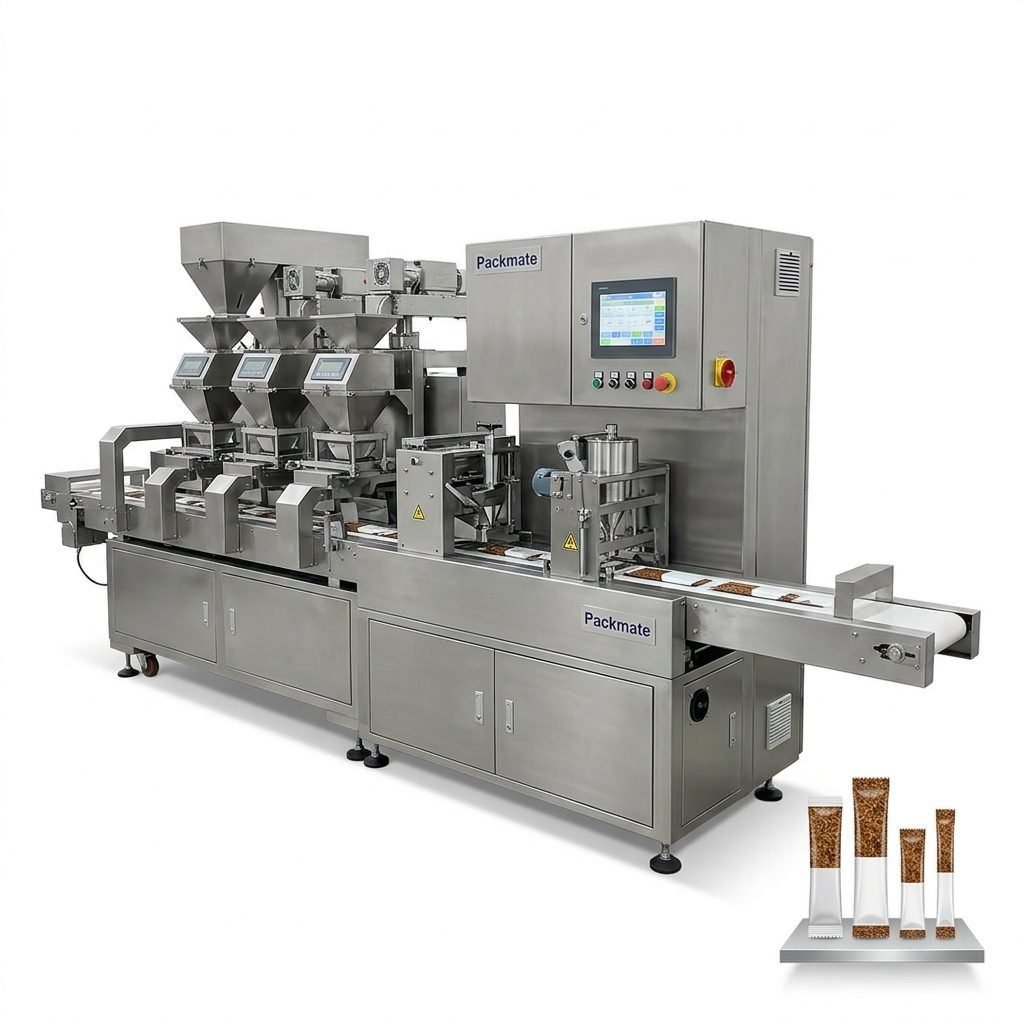
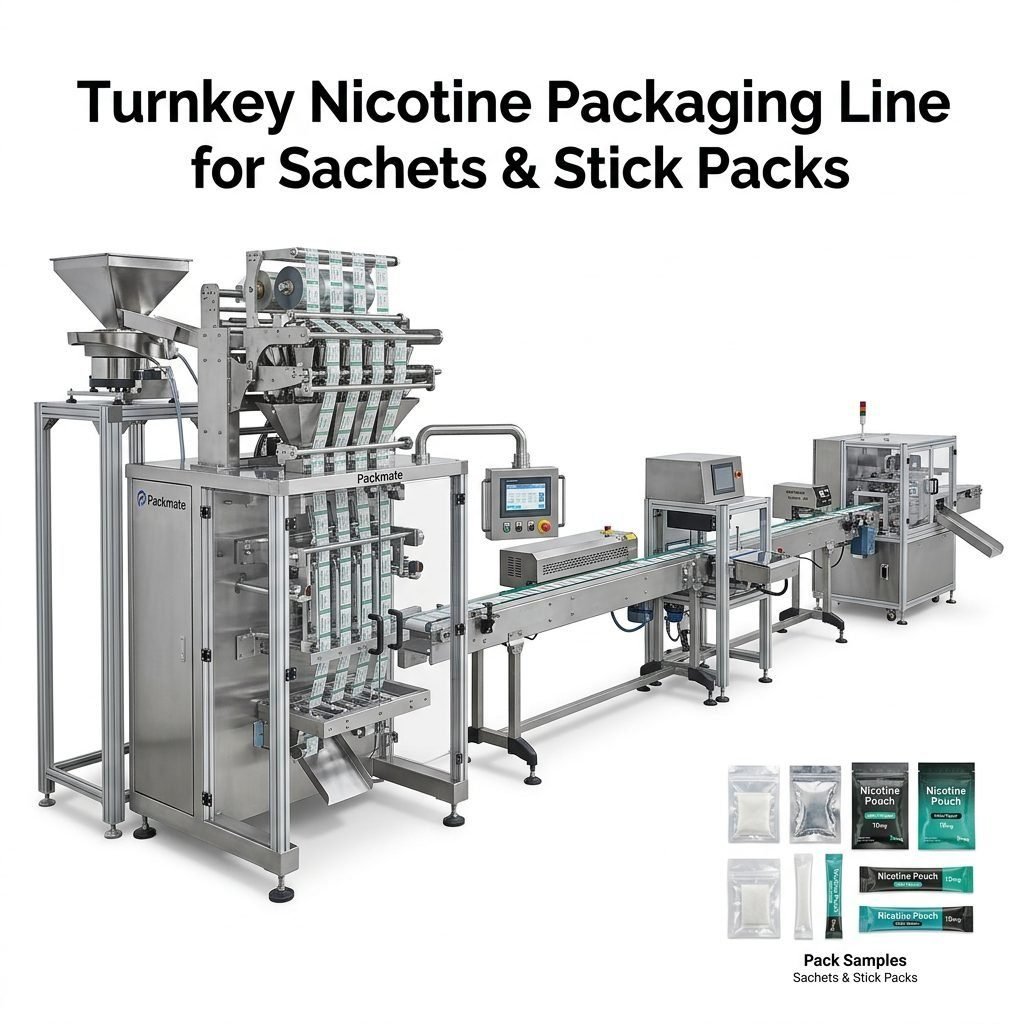
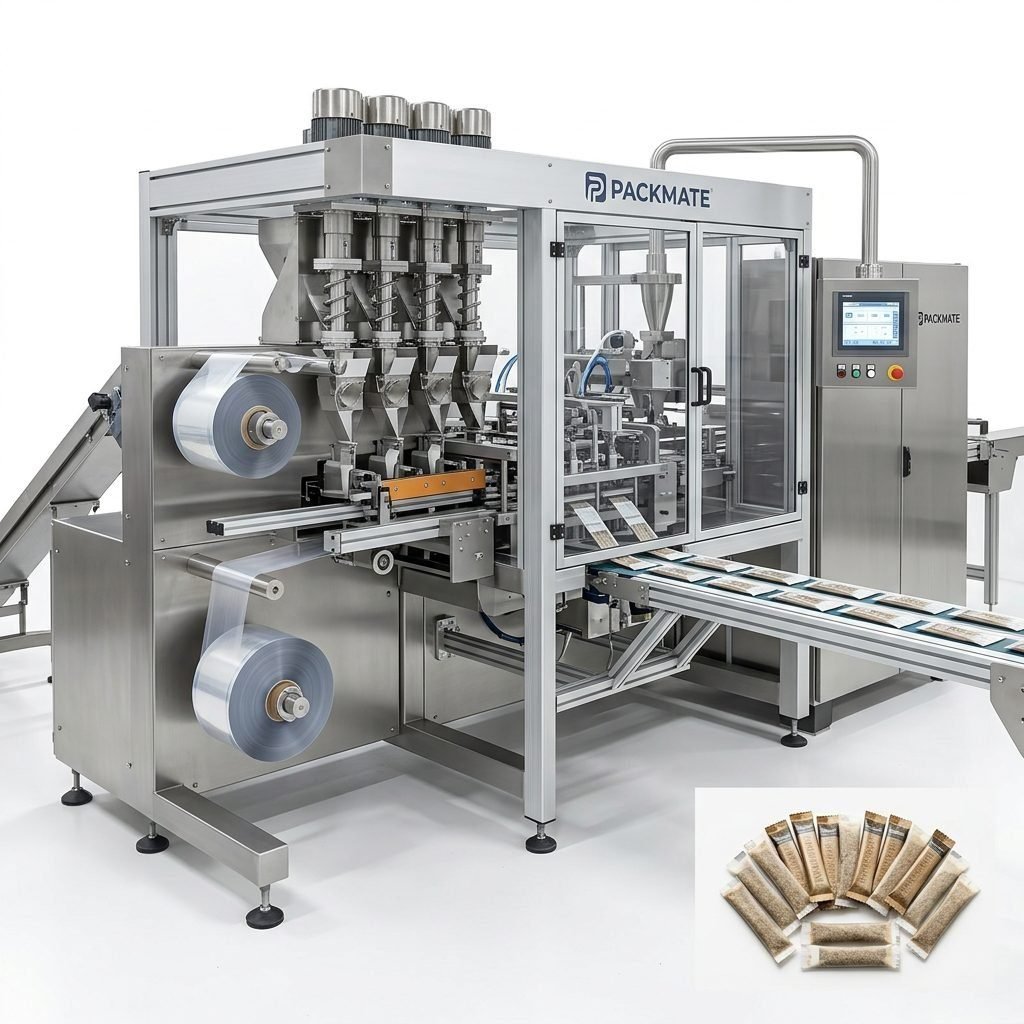
Choosing the right nicotine packaging machinery manufacturer for your factory in Micronesia is a strategic decision that affects product quality, operational efficiency, compliance, and long-term ROI. This guide walks production managers, procurement teams, and factory owners through the practical steps to evaluate suppliers, compare equipment features, and secure the best turnkey solution for snus and nicotine pouch production lines.
Understand Your Production Needs and Growth Plans
🔍 Before you contact manufacturers, define your factory’s current capacity and future growth ambitions. Consider daily output targets, product formats (stick pack, sachet, multi-lane nicotine pouches), dosing accuracy, and packaging materials. A clear production brief reduces ambiguity and speeds up tailored proposals.
⚙️ Typical decision drivers include: production speed (pouches per minute), number of lanes, fill weight range, compatibility with powders/granules/liquids, and end-of-line automation such as cartoning and case packing. If you plan product diversification, prioritize modular systems that can be reconfigured without full replacement.
Check Manufacturer Experience and Specialization
📦 Specialization matters. For nicotine pouch and snus packaging, choose manufacturers with proven track records in snus/nicotine lines rather than general-purpose packagers. A vendor experienced with small-dose, multi-lane systems will better understand sealing requirements, dust control, and precision feeding mechanisms.
Tip: A supplier with 20+ years or more in packaging engineering typically offers deeper problem-solving capabilities and long-term service support. Evaluate their case studies and development timeline to validate claims.
Evaluate Factory & Manufacturing Strength
🔧 Assess whether the manufacturer has a modern, well-equipped factory with CNC machining, precision assembly lines, and a formal quality control process. Manufacturers that produce core components in-house can ensure tolerances and reduce lead time risks. Ask for a virtual or on-site tour, machine photos, and production-floor reports.
Important indicators:
✔️ Dedicated production area size (e.g., 20,000㎡ or more)
✔️ Advanced CNC and assembly systems
✔️ Range of models (50+ models suggests options and customization capability)
Verify Certifications, Compliance and Safety Standards
✅ Ensure the equipment complies with relevant international certifications such as CE and ISO. Compliance is not only a legal requirement in many markets but also a proxy for consistent design, safety features, and manufacturing discipline.
Red Flag: Vendors unable to provide certification documents, test reports, or traceability for critical components should be treated with caution.
Review Machine Performance & Technical Specifications
Analyze specifications carefully: production speed per lane, sealing temperature controls, film handling accuracy, dosing accuracy, and electrical/instrumentation standards. Request real-world performance data rather than theoretical max speeds, and ask for videos or live demonstrations of the exact model you plan to buy.
If your product is humidity-sensitive or abrasive, inquire about special materials and protective coatings. High-precision multi-lane systems designed for nicotine pouches often include dust extraction and stainless-steel contact surfaces to meet hygiene and durability requirements.
Assess Turnkey & Integration Capabilities
📈 Many factories prefer turnkey solutions that include upstream weighing, feeding, packaging, and downstream case packing and palletizing. A single-vendor turnkey project reduces integration headaches and speeds commissioning. Confirm the manufacturer’s experience in delivering full lines and their ability to program PLC/HMI and integrate third-party subsystems.
For examples of full line offerings, review the manufacturer’s catalog and case studies to see how they handled similar projects. You can examine product ranges such as Snus & Nicotine Packaging Machines, Bag & Pouch Packaging Machines, and Weighing & Packaging Systems to understand breadth of capability.
Useful references:
• Snus & Nicotine Packaging Machines
• Weighing & Packaging Systems
Service, Spare Parts and After-Sales Support
🛠 After-sales support ensures uptime. Confirm warranty terms, spare parts availability, and response times for on-site service. A local stocking strategy or a fast international shipping plan is essential for Micronesia, where logistics can extend downtime dramatically.
Ask: Do they offer remote diagnostics, virtual commissioning, and operator training as part of the package? Modern suppliers should provide digital support channels to minimize travel and expedite troubleshooting.
Total Cost of Ownership vs. Purchase Price
💰 Evaluate total cost of ownership (TCO): initial purchase, installation, training, spare parts, energy consumption, and anticipated maintenance intervals. Cheaper machines often mean higher downtime and replacement costs. Prioritize robust engineering and proven components over the lowest bid.
Key metrics to calculate: expected uptime percentage, spare parts lead time, mean time between failures (MTBF), and average energy consumption per shift.
Customization, Flexibility and Upgrade Paths
🔄 Your product line will evolve. Confirm whether the manufacturer offers modular upgrades (more lanes, higher speed packages, different sealing jaws) and whether software/HMI changes can be deployed remotely. Custom tooling and quick-change parts reduce format-change downtime.
Ask the supplier about successful customization cases. Real-world examples of retrofits and scalability are strong evidence of engineering capability.
Logistics, Import and Local Regulations in Micronesia
🚢 For Micronesia-based factories, shipping, customs clearance, and local installation logistics are crucial. Confirm the manufacturer’s experience exporting to Oceania and ensure documentation for customs and local regulatory compliance is complete. A supplier that supports CIF or DDP terms and coordinates local installation partners will reduce surprises.
References, Case Studies and Exhibition Presence
📑 Request customer references and case studies in similar industries or climates. Companies that participate in international exhibitions and provide live demos are usually more transparent and confident in their offerings. Reviewing past projects helps verify claims about performance and reliability.
For more background on the manufacturer’s projects and exhibitions, see their case presentations and exhibition calendar.
Negotiation and Contract Essentials
📝 When you’ve shortlisted suppliers, obtain detailed proposals that include: precise scope of supply, acceptance test criteria (Factory Acceptance Test / FAT), delivery schedule, payment milestones, installation and commissioning plan, warranty coverage, and agreed performance guarantees.
Ensure FAT: Factory Acceptance Tests should validate throughput, sealing integrity, dosing accuracy, and error recovery. Insist on witnessed FAT or recorded tests prior to shipment.
Commissioning, Training and Documentation
👷 Proper commissioning and operator training are critical. The manufacturer should provide detailed operation manuals, maintenance guides, electrical drawings, and spare parts lists. On-site training for operators and maintenance staff minimizes start-up issues and maximizes machine lifespan.
If remote support is needed, confirm the supplier’s capability for virtual training sessions and remote troubleshooting tools.
Final Checklist Before Purchase
📌 Use this checklist to finalize decisions:
• Confirm production capacity and format compatibility
• Validate manufacturer experience, plant capabilities and certifications
• Review FAT procedure and acceptance criteria
• Ensure spares availability and service response for Micronesia
• Negotiate clear warranty and TCO terms
Why Packmate Snus Machine Is a Consideration
Packmate Snus Machine brings decades of packaging engineering experience and a focused product range for snus and nicotine pouch production. With a broad portfolio including stick pack, sachet, and multi-lane systems and a 20,000㎡ manufacturing facility, they offer end-to-end solutions from weighing to final packaging, backed by CE and ISO certifications.
For more details on the manufacturer’s offerings and technical resources, consult their product lines and service pages:
• Sachet & Stick Pack Machines
Practical Tips for Micronesia Buyers
• Schedule supplier meetings across time zones and request clear shipping lead times.
• Prioritize remote commissioning features to reduce travel costs.
• Confirm local power supply compatibility and any required transformers or converters.
• Plan for consumable spares (belts, seals, sensors) so stock is available locally or expedited from supplier warehouses.
Key Takeaway
Selecting the best nicotine packaging machinery manufacturer for your Micronesia factory requires a balance of technical fit, factory strength, certification, and dependable after-sales support. Focus on proven multi-lane solutions, rigorous FAT procedures, and vendors who can provide comprehensive turnkey lines and quick service responses to keep operations productive and compliant.
Frequently Asked Questions
Q1: What documents should I request before placing an order?
A1: Request the machine specification sheet, electrical and pneumatic diagrams, FAT protocol, CE/ISO certificates, spare parts list, and shipping/installation plan. Ensure all documents reference the exact model and agreed performance metrics.
Q2: How long does installation and commissioning usually take for a snus packaging line?
A2: Typical on-site commissioning ranges from several days to a few weeks depending on line complexity, site readiness, and integration with upstream/downstream equipment. Remote pre-commissioning and operator training can shorten on-site time.
Q3: What spare parts should I stock locally for a nicotine pouch line?
A3: Maintain consumables like sealing jaws, belts, bearings, gaskets, sensors, and critical electrical components. The manufacturer’s spare parts list will identify recommended stock quantities based on usage and lead times.
Q4: Can manufacturers support remote diagnostics and virtual commissioning for Micronesia locations?
A4: Many modern suppliers provide remote diagnostics, virtual commissioning, and online operator training. Verify the supplier’s remote-support tools and typical response SLAs when internet connectivity is available.
Q5: How do I validate the manufacturer’s performance claims?
A5: Insist on a witnessed FAT or detailed recorded tests that demonstrate throughput, filling accuracy, seal integrity, and error recovery. Ask for customer references and on-site client visits where practical.