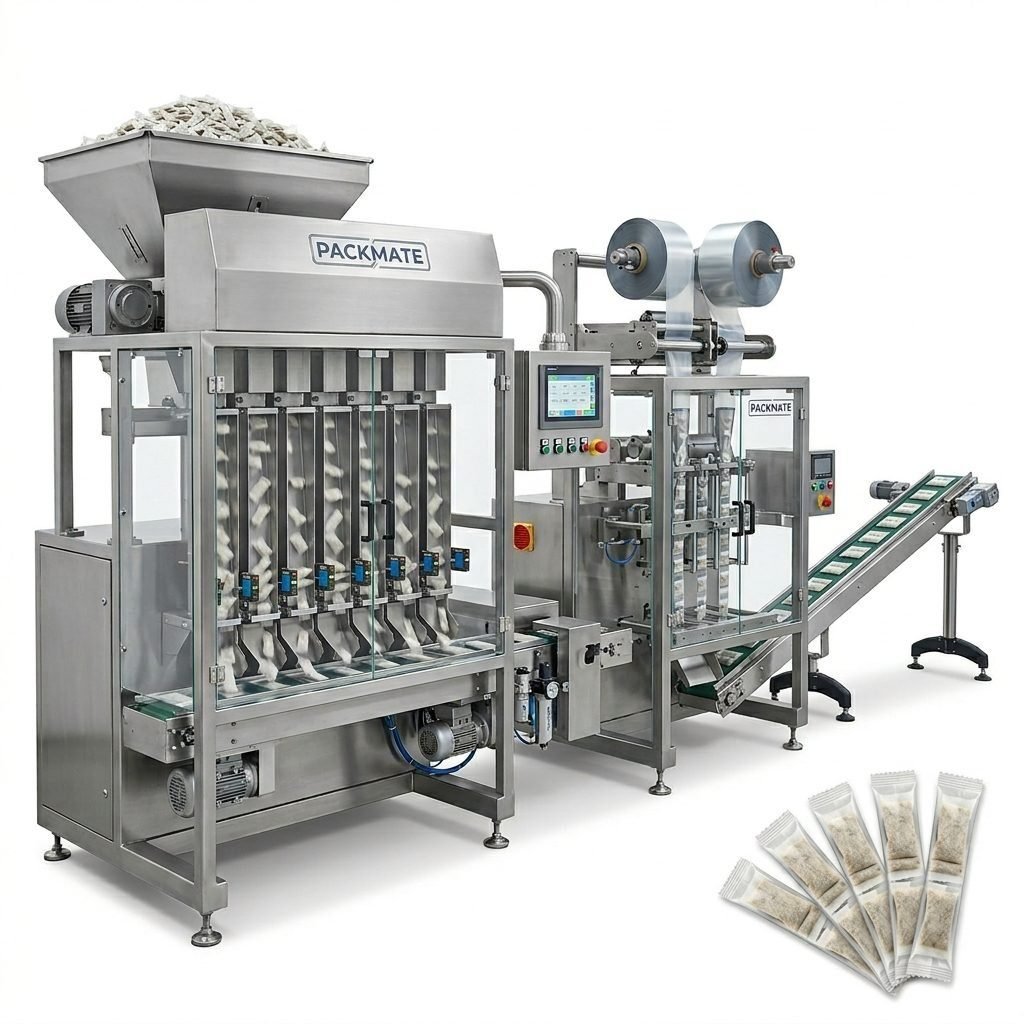
Choosing the best snus packaging machine manufacturer for your business in Cameroon requires strategic thinking, technical clarity, and a practical evaluation of suppliers. This guide walks you through everything from matching machine types to your production goals, to evaluating factory capabilities, certifications, and after-sales support so you can make an informed investment that scales with your operation.
Assess Your Business Needs First
Start by defining your production targets and product formats. Ask: what are your daily and monthly output goals? Do you need single-lane or multi-lane capacity for high-volume runs? Are you packaging nicotine pouches, snus in sachets, stick packs, or other forms? Clear answers to these questions guide the rest of the selection process.
Key parameters to determine up front:
✔️ Production target: units per minute / units per day
✔️ Product types: nicotine pouch, snus sachet, powder, liquid additions
✔️ Format flexibility: do you need multiple pack sizes or quick changeovers?
✔️ Budget and TCO: purchase cost, maintenance, energy and consumables.
Understand the Main Machine Types
Different snus packaging lines suit different business models. Familiarize yourself with the common types:
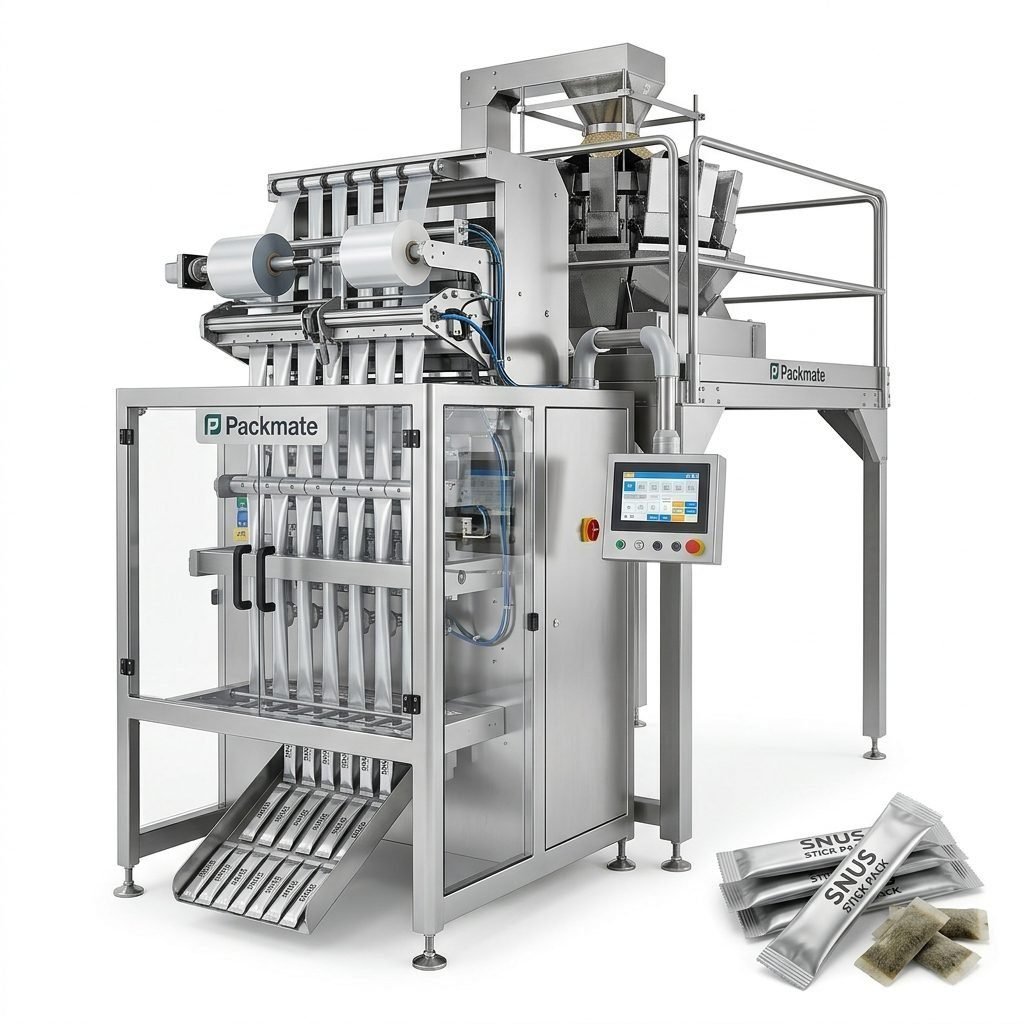
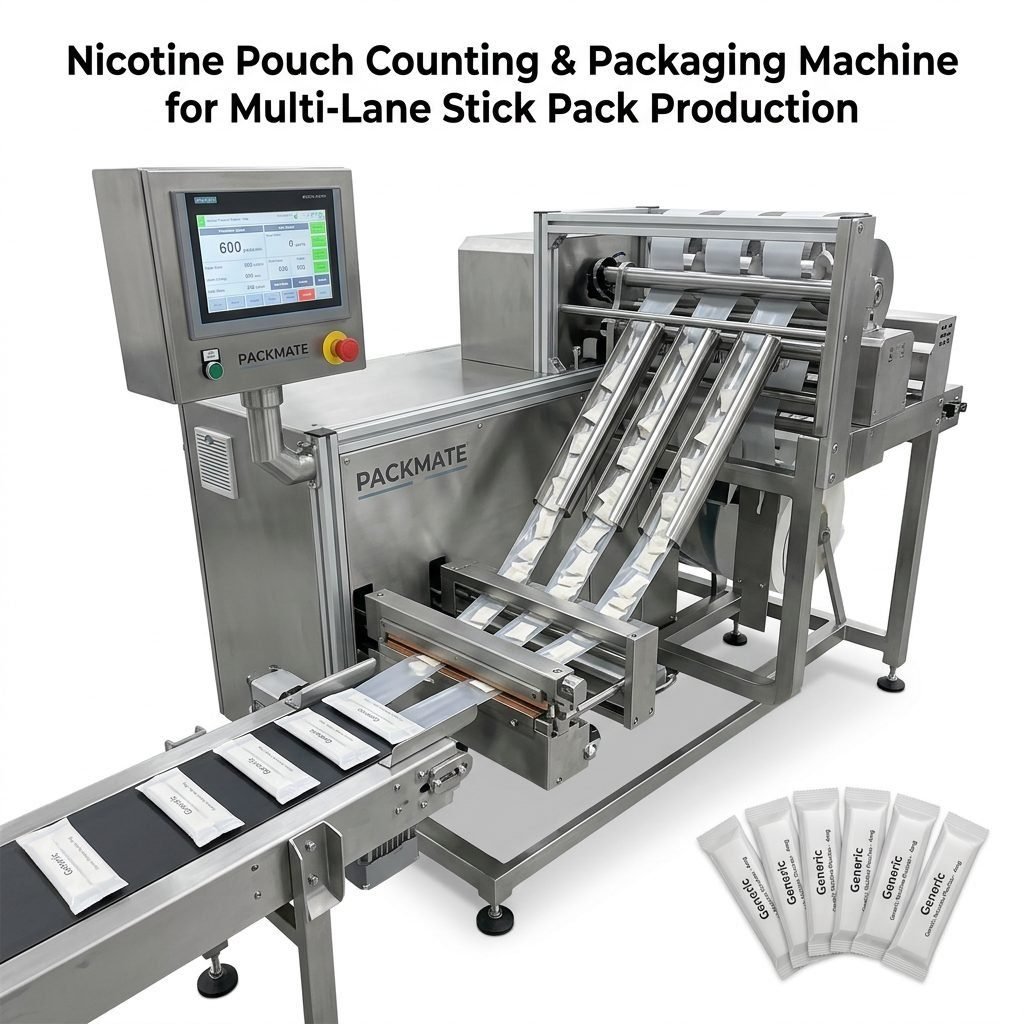
⚙️ Stick Pack Machines – ideal for single-dose stick formats with fast output and compact footprint.
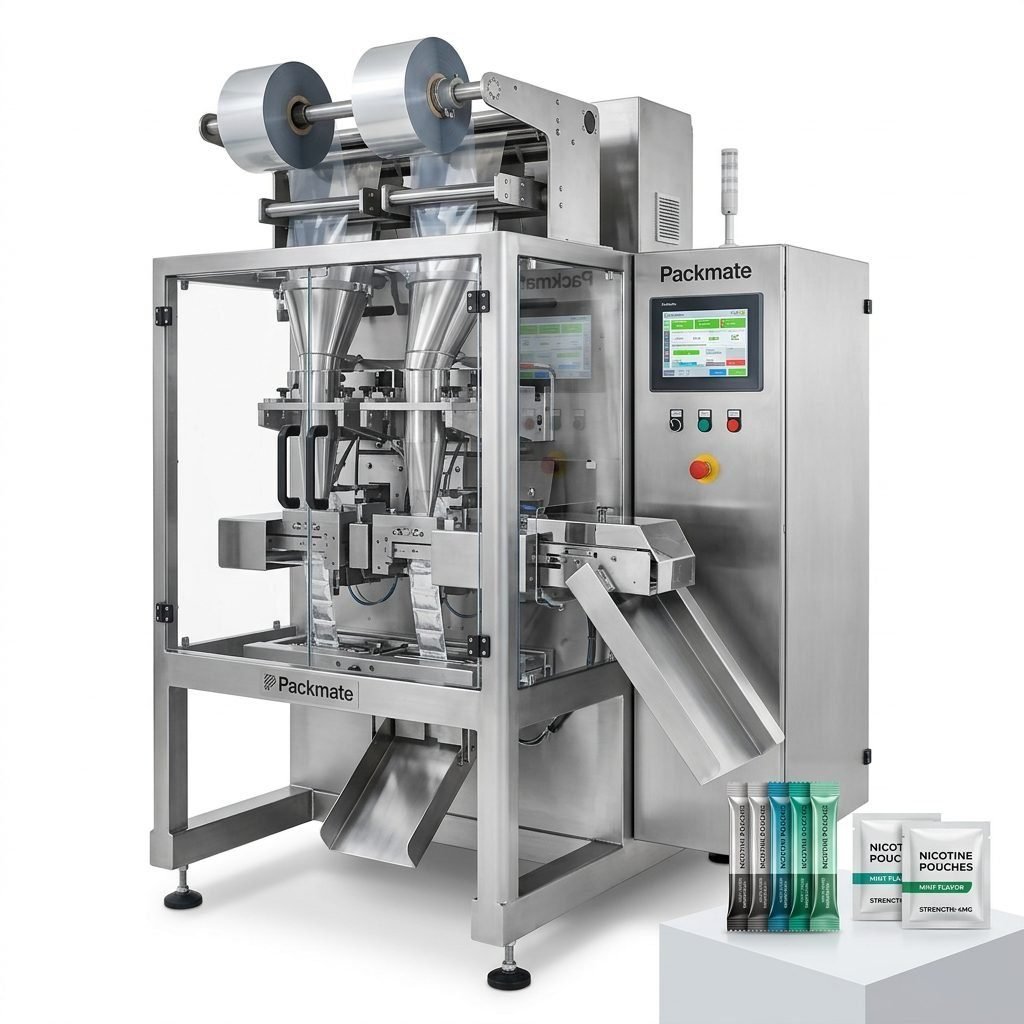
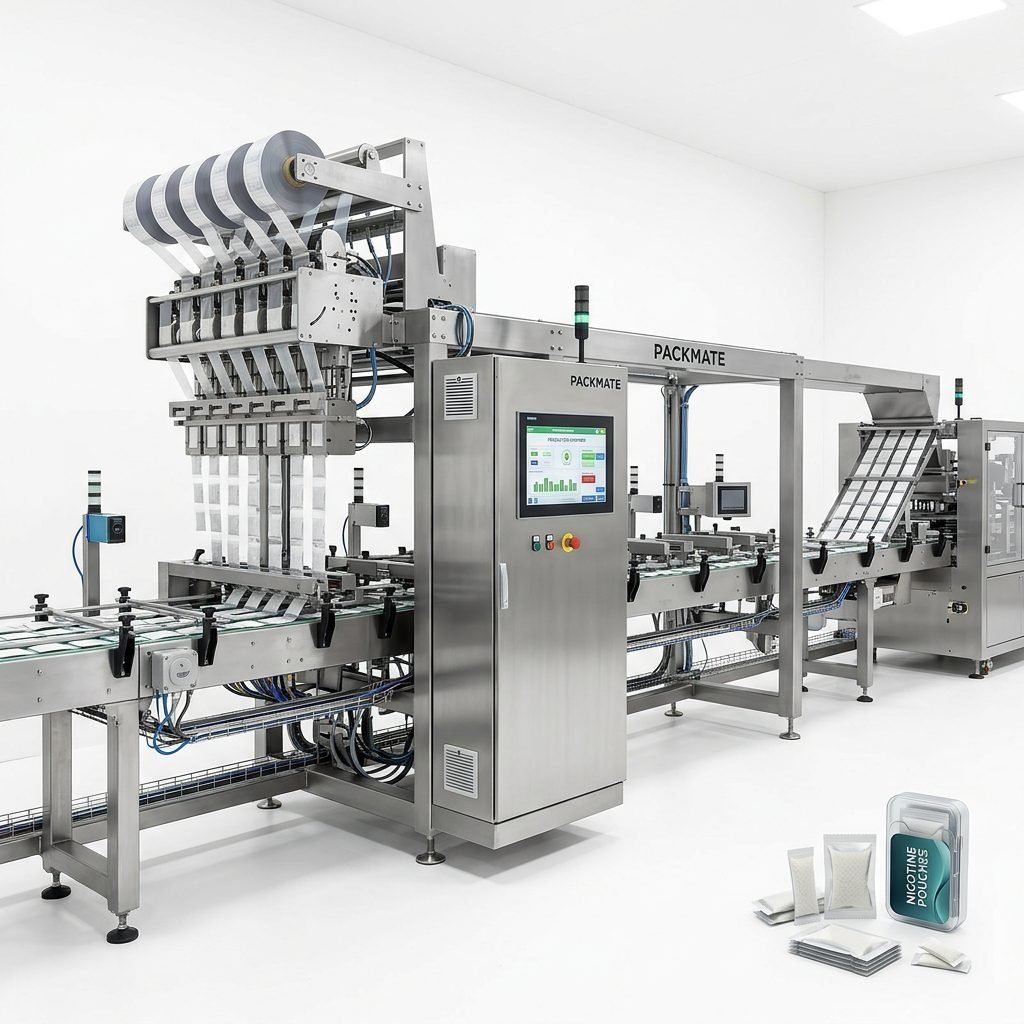
📦 Sachet & Multi-Lane Machines – suited for high-speed nicotine pouch production, offering multi-lane options for small-dose pouches.
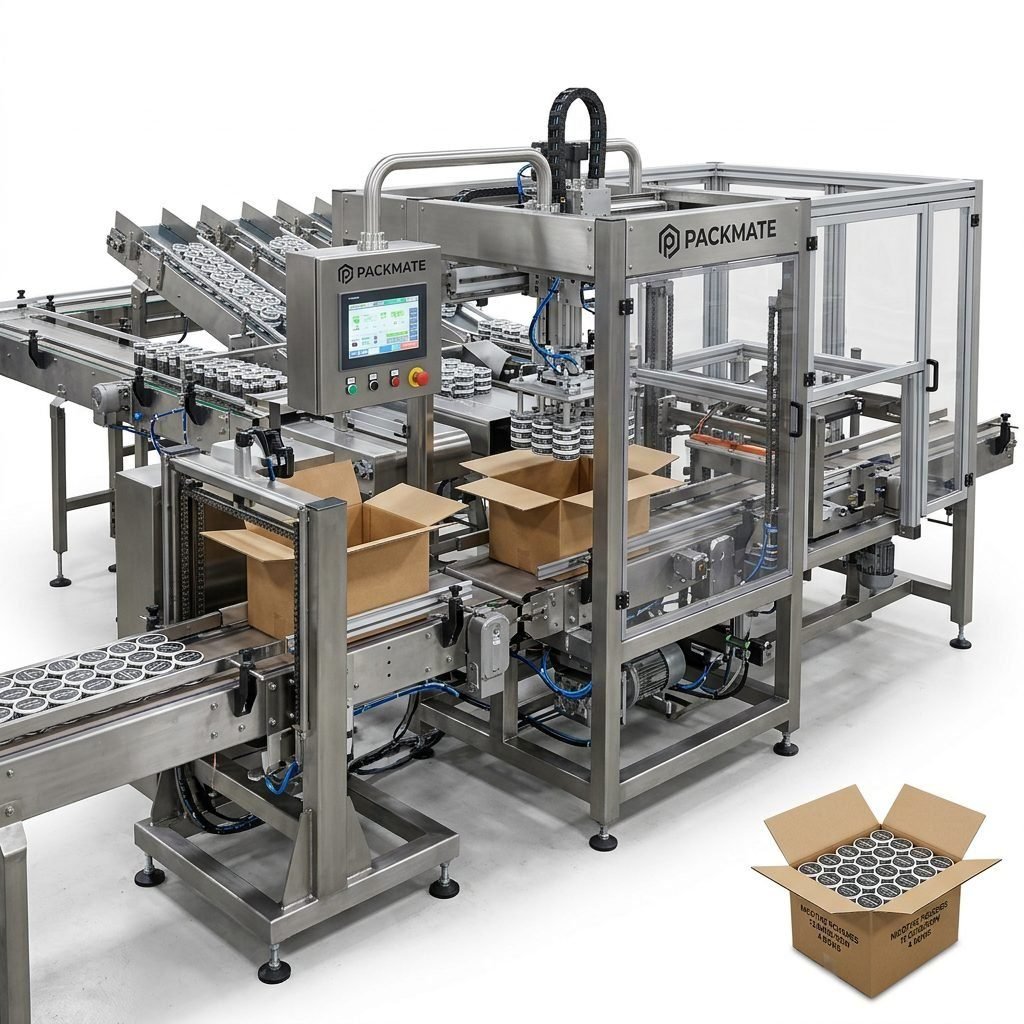
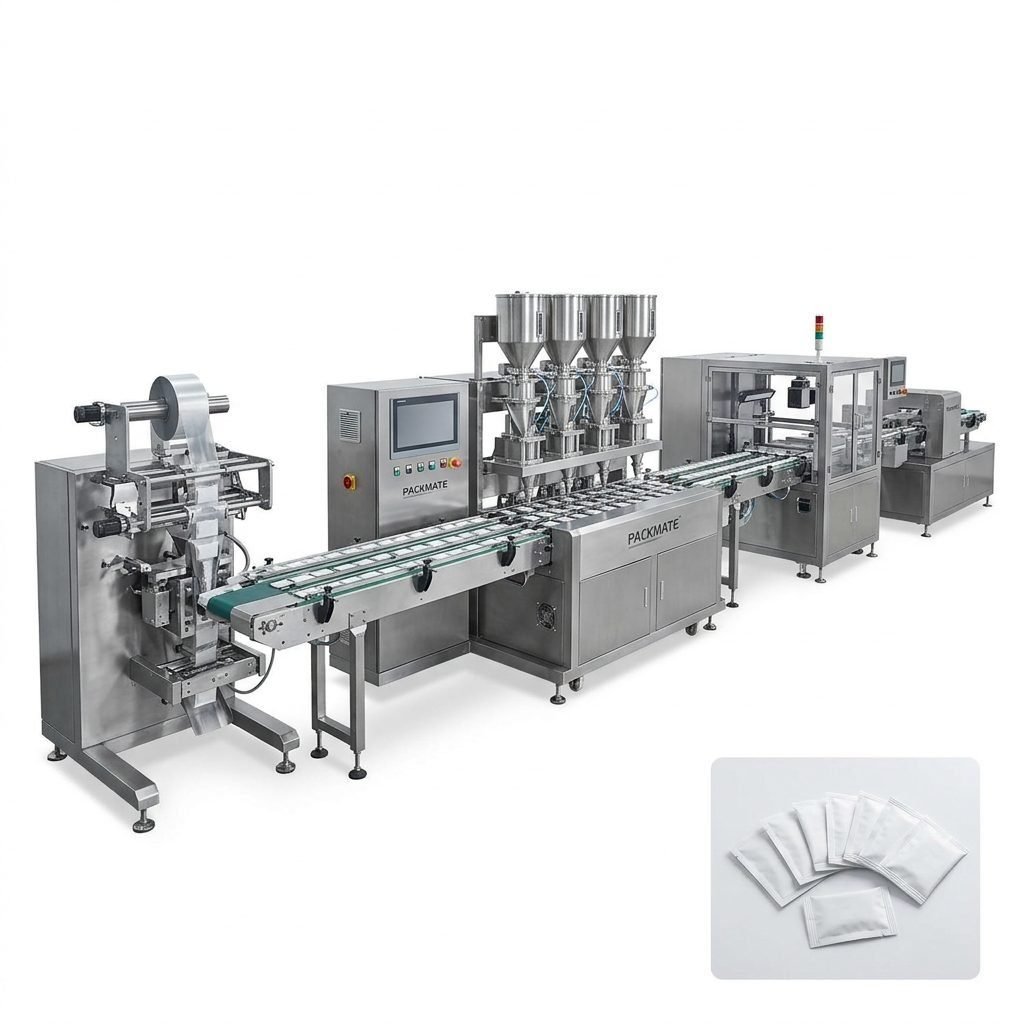
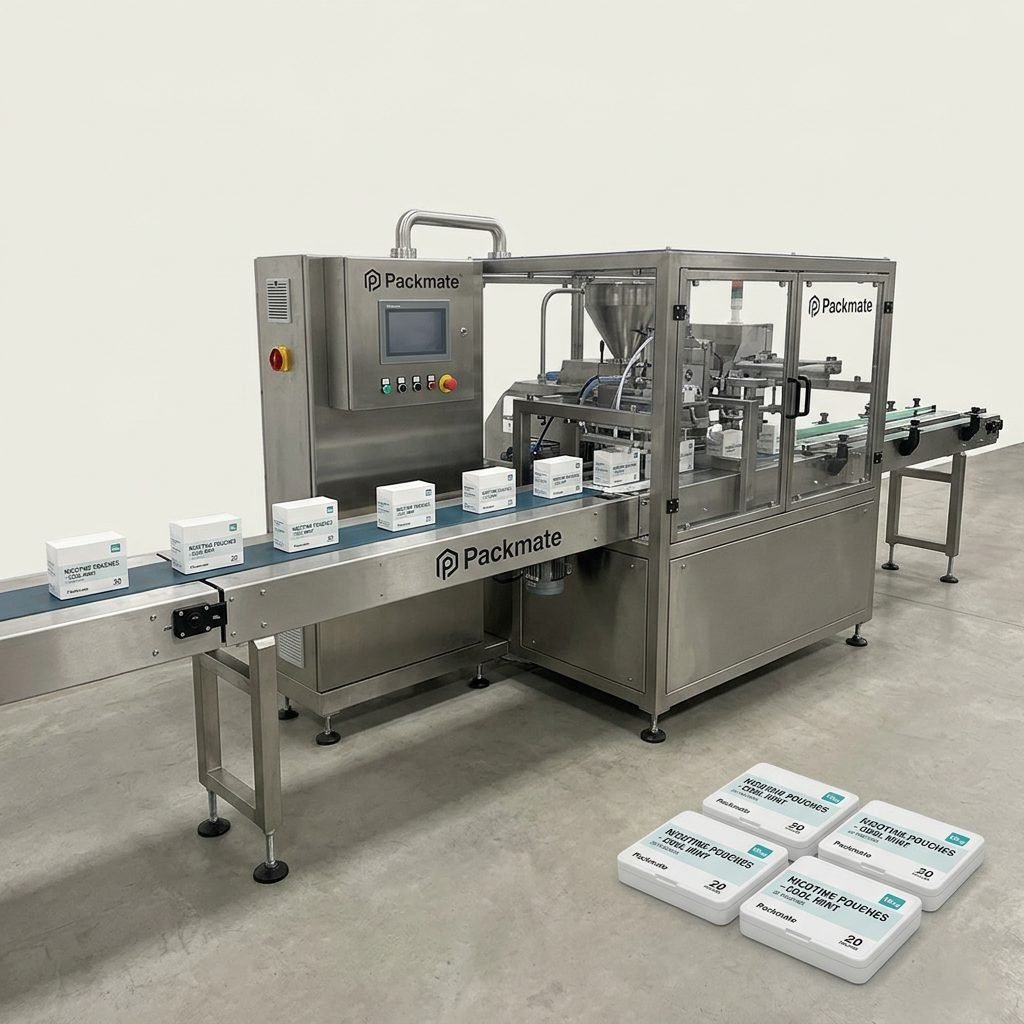
🔧 Filling & Packaging Lines – integrated lines that combine weighing, filling and sealing for powders, granules, and liquids.
Explore models and match them to your product: Snus & Nicotine Packaging Machines, Sachet & Stick Pack Machines.
Key Technical Specifications to Compare
Critical specs include speed (packs/min), lane count, pouch size range, dosing accuracy, sealing technology, and materials compatibility. Prioritize accuracy and stability if your products use nicotine or small-dose pouches.
Pay attention to:
• Dosing accuracy ± tolerance (critical for regulated products).
• Machine uptime and mean time between failures (MTBF).
• Changeover time between formats—shorter is better for small-batch flexibility.
• PLC and HMI interfaces: modern, multilingual, and remote diagnostic capability.
Evaluate Manufacturer Experience & Factory Strength
Proven engineering experience and a well-equipped factory are strong indicators of reliability. A manufacturer with decades of R&D and a sizeable factory footprint shows capacity for customization and quality control.
For example, a supplier with:
• 30+ years of industry experience, 20,000㎡ manufacturing facility, advanced CNC machining centers, and an extensive model lineup indicates strong production capability and engineering resources.
Learn more about their background and certificates: About Packmate and Certificate.
Quality Control, Testing & Certifications
Reliable manufacturers follow rigorous quality checks. Ask for documented test reports, factory acceptance testing (FAT) procedures and compliance certificates like CE and ISO. These mitigate risk and streamline customs clearance.
Tip: Request video demonstrations of the exact model you plan to buy. This reveals real running speed, changeover time and product handling.
Assess After-Sales Support & Spare Parts Supply
A machine is only as good as its after-sales network. Check that the manufacturer provides:
• Local or regional service partners for Cameroon, or rapid remote support (VPN/remote HMI).
• Clear spare parts lists and guaranteed parts availability.
• Training for operators and technicians during commissioning.
Explore dedicated services and assistance options: Service and Contact Us.
Customization & Turnkey Solutions
If you plan to scale or need complex product handling (e.g., multi-component pouches, dosing of liquids + powder), choose a manufacturer that offers turnkey lines and customization. This reduces integration risk and assures compatibility across upstream and downstream equipment.
Check examples of full-line solutions to understand typical layouts and timelines: Filling & Packaging Lines and Weighing & Packaging Systems.
Total Cost of Ownership (TCO) Considerations
Evaluate beyond the sticker price. TCO includes installation, consumables (films, sachet material), energy consumption, spare parts, operator training, and downtime costs. A slightly higher initial investment in a robust multi-lane system often pays back through higher uptime and lower per-unit labor costs.
Logistics, Import & Local Compliance for Cameroon
Cameroon-specific factors:
• Import duties and customs clearance timelines.
• Local electrical standards and voltage compatibility.
• Availability of local technicians and spare part shipping times. Ensure the supplier can provide documentation and packing lists that expedite customs processing.
How to Vet Proposals and Quotes
When you receive quotes, compare them on equal technical grounds. Ask for:
• Detailed equipment specifications and electrical requirements.
• Spare parts included in the offer and spare parts pricing.
• Lead time, payment terms, and warranty duration.
• Installation, testing and training scope on site.
Pro tip: Ask for customer references and real case studies. Watching machines run in similar conditions reduces risk. See examples in the manufacturer’s case studies: Case.
Quick 12-Point Evaluation Checklist
1) Production speed & lane count match your targets.
2) Dosing accuracy and product handling proven for nicotine pouches.
3) Factory scale and machining capability (CNC centers).
4) CE / ISO compliance and FAT documentation.
5) Spare parts availability and clear lists.
6) Local or remote after-sales support.
7) Clear warranty and technical training scope.
8) Total cost of ownership analysis included.
9) Sample production or trial runs available.
10) Lead time and logistics plan for Cameroon.
11) References and existing customer cases.
12) Scalability and options for turnkey solutions.
Making the Final Decision
Narrow your shortlist to two or three vendors, request on-site or virtual demonstrations, and negotiate detailed contracts that include performance acceptance criteria. Include penalty clauses for missed delivery milestones and clearly defined responsibilities for installation and commissioning.
If you require a partner with extensive product lines and experience in snus packaging, consider suppliers who offer both product breadth and global service networks to support expansion.
Final Checklist Before Signing
Must-have confirmations:
• FAT videos and performance proof for the exact model.
• Written warranty, spare parts lead times and price list.
• Installation & training schedule with deliverables.
• Clear payment terms and delivery milestones.
Why Packmate Snus Machine Is a Consideration
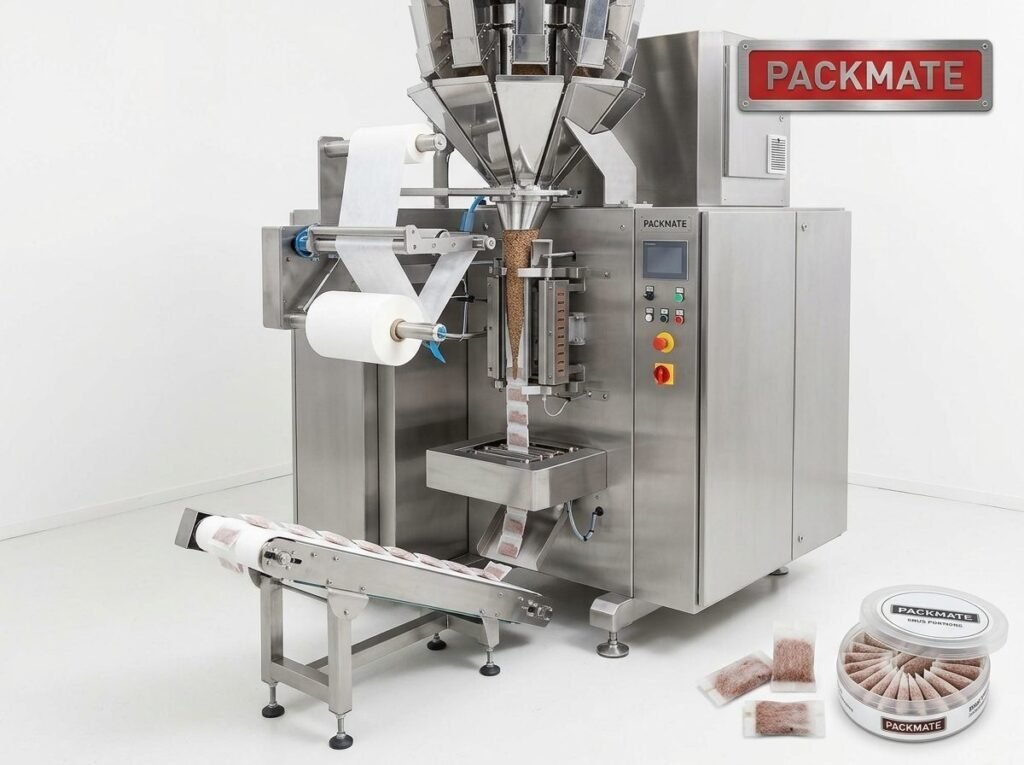
A manufacturer with decades of experience, a large factory footprint, and a portfolio of snus-specific machines can be a strategic partner. Their multi-lane solutions and turnkey lines are specifically developed for nicotine pouches and snus, providing scalable production and engineering support.
For more details on product lines and global solutions, review their product offerings: Snus & Nicotine Packaging Machines, Bag & Pouch Packaging Machines, and Auxiliary Packaging Equipment.
Summary — Action Steps
1) Define production goals and product formats.
2) Shortlist manufacturers with proven snus lines and certifications.
3) Request FAT, references and spare parts plans.
4) Compare TCO and after-sales service offers.
5) Negotiate a contract with clear acceptance criteria and training.
Common Questions
Q1: How do I know if I need single-lane or multi-lane equipment?
Consider your target units per minute and future growth plans. Single-lane systems are cost-effective for lower volumes, while multi-lane machines reduce footprint and labor for high-volume small-dose pouch production.
Q2: What certifications should I insist on?
Ask for CE and ISO certifications, and request factory acceptance testing documentation. Certifications demonstrate regulatory compliance and consistent manufacturing practices.
Q3: How long does installation and commissioning usually take?
Typical timelines vary by complexity—from a few days for a standalone stick pack machine to several weeks for a fully integrated turnkey line including filling, weighing and packaging. Confirm exact timelines with the supplier.
Q4: Can I get remote support and training?
Most modern suppliers offer remote diagnostics and virtual training. However, on-site commissioning is recommended for first-time installations to ensure operators are fully trained and the line meets acceptance criteria.