Choosing the right snus packaging machinery for manufacturing in the United Kingdom is a strategic decision that affects product quality, compliance, production costs, and time-to-market. This guide walks production managers, engineers, and purchasing teams through the practical factors to evaluate — from machine types and throughput to automation, material handling, and supplier support — so you can select equipment that meets your short-term goals and long-term growth plans.
🔎 Understand Your Product and Production Needs
The first step is to define the exact product specifications: pouch size, fill weight (micro-dosing vs. larger grams), moisture sensitivity, and whether you need stick, sachet, or multi-lane pouches. Also assess packaging materials (laminate films, paper-laminates) and any secondary requirements like desiccant insertion or nitrogen flushing. Your machine choice must match real product requirements — a mismatch drives waste, downtime, and rework.
⚙️ Machine Types and Where They Fit
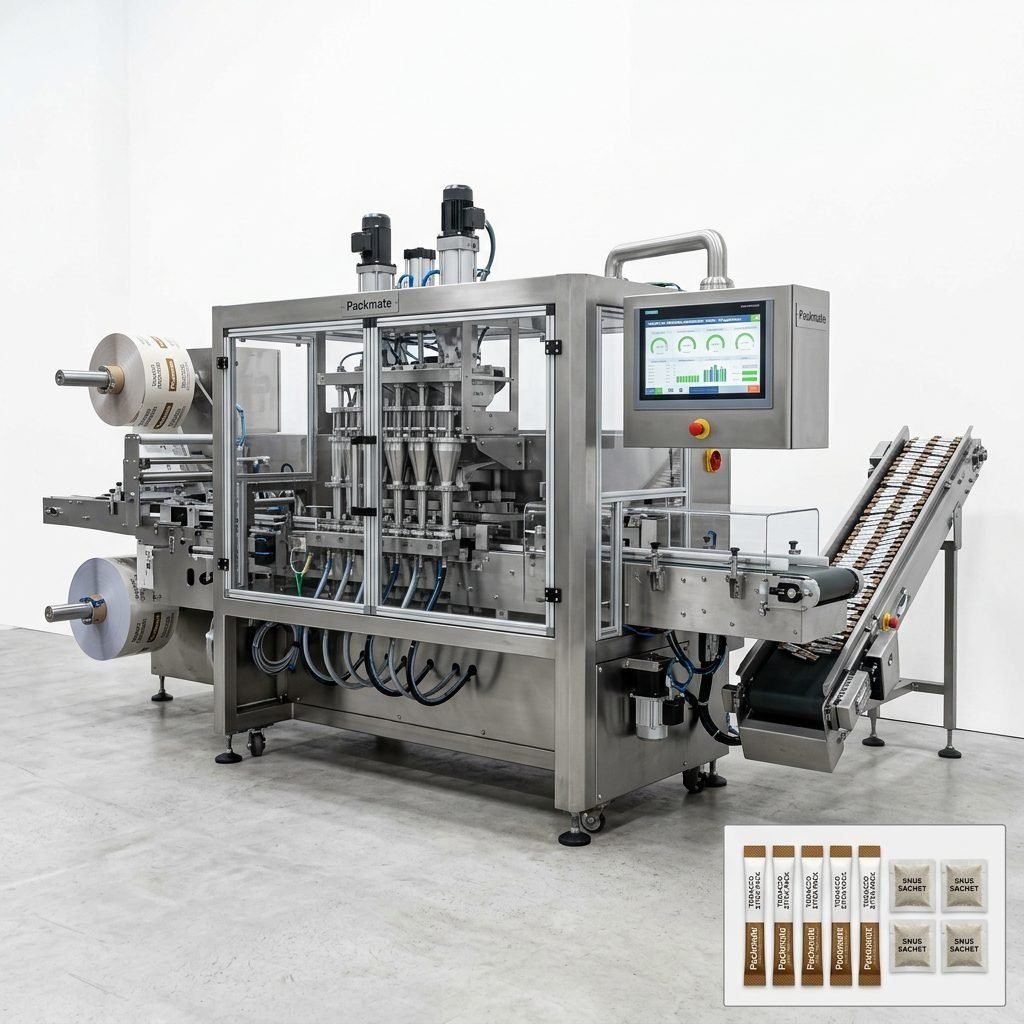
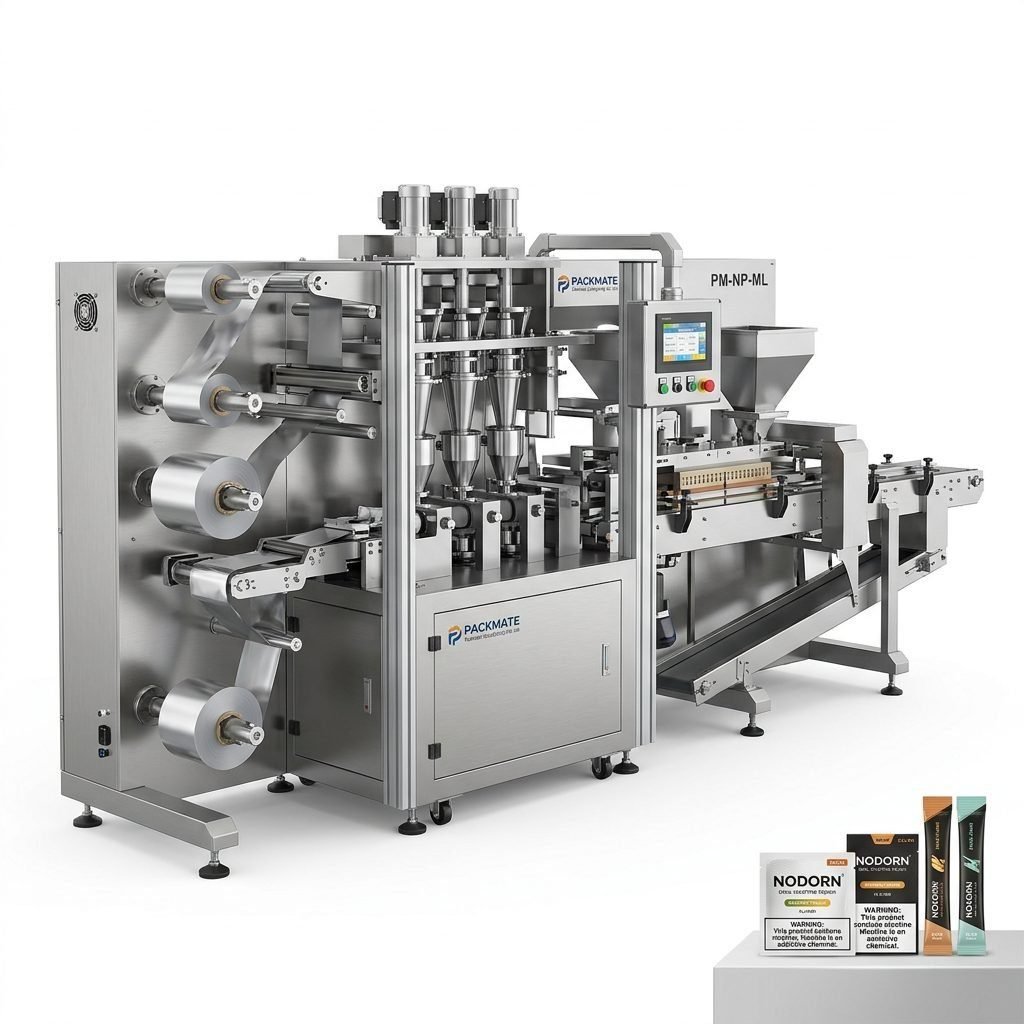
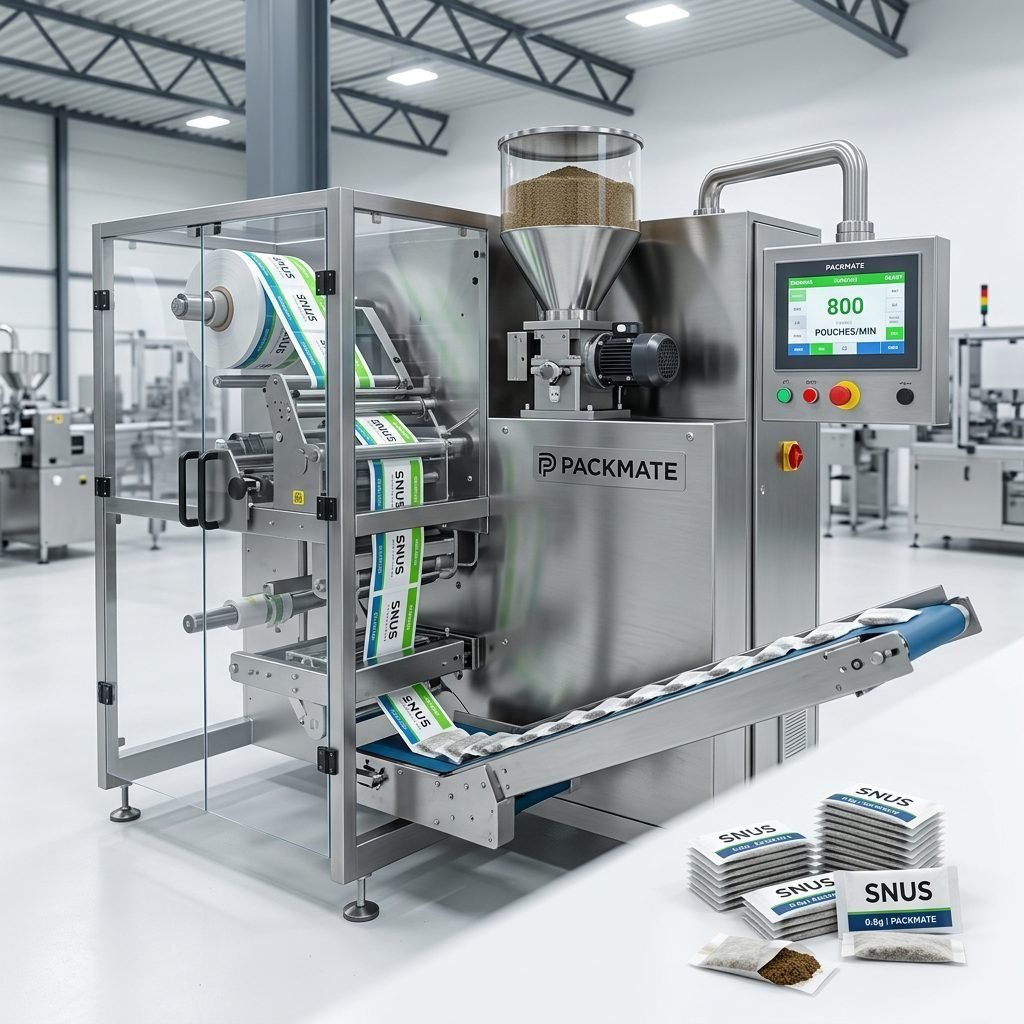
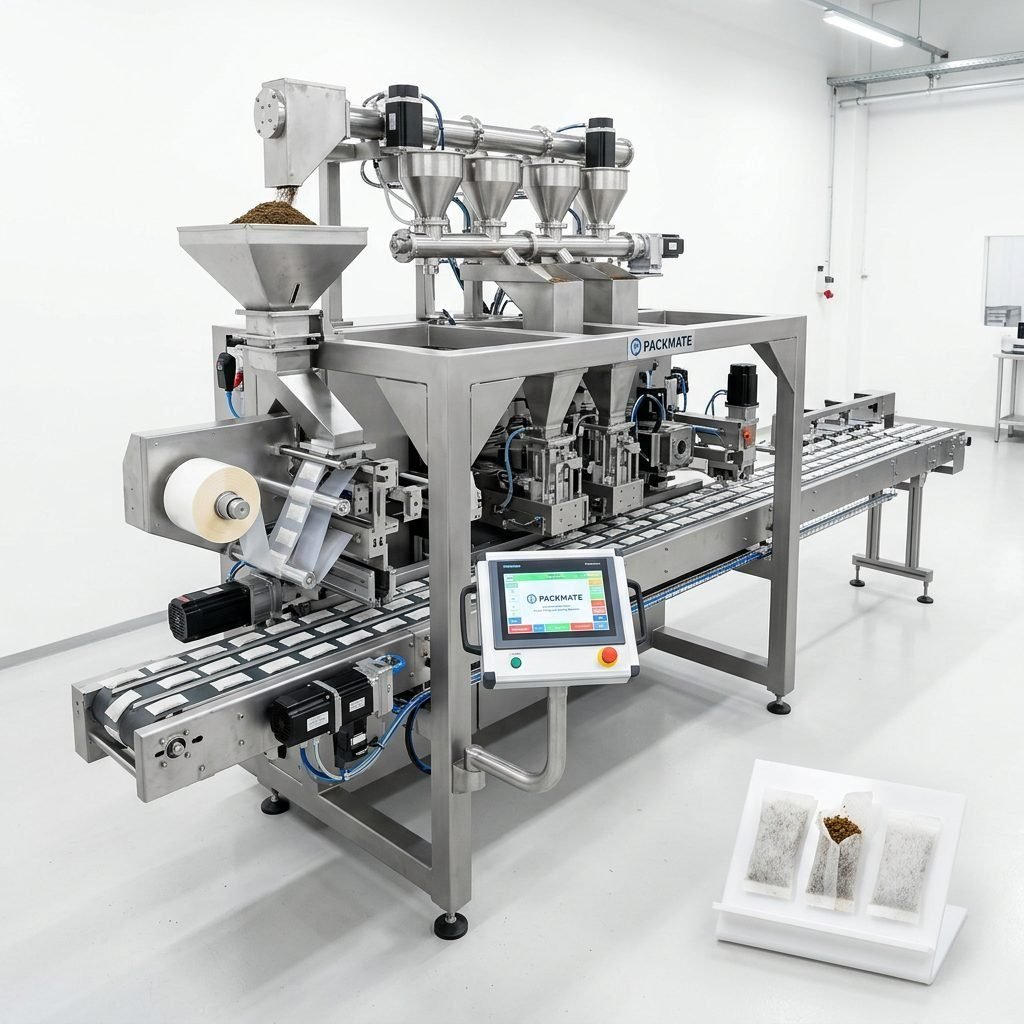
There are several common snus packaging machine categories:
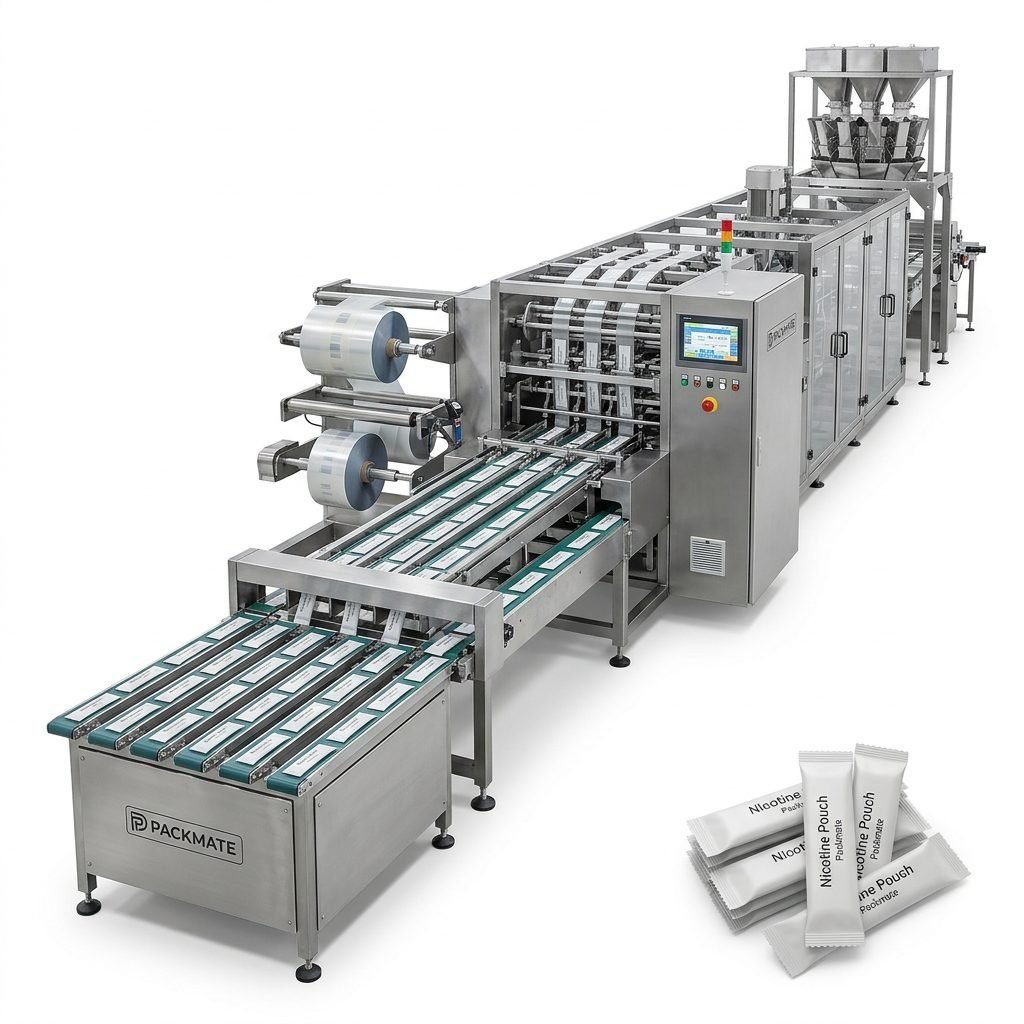
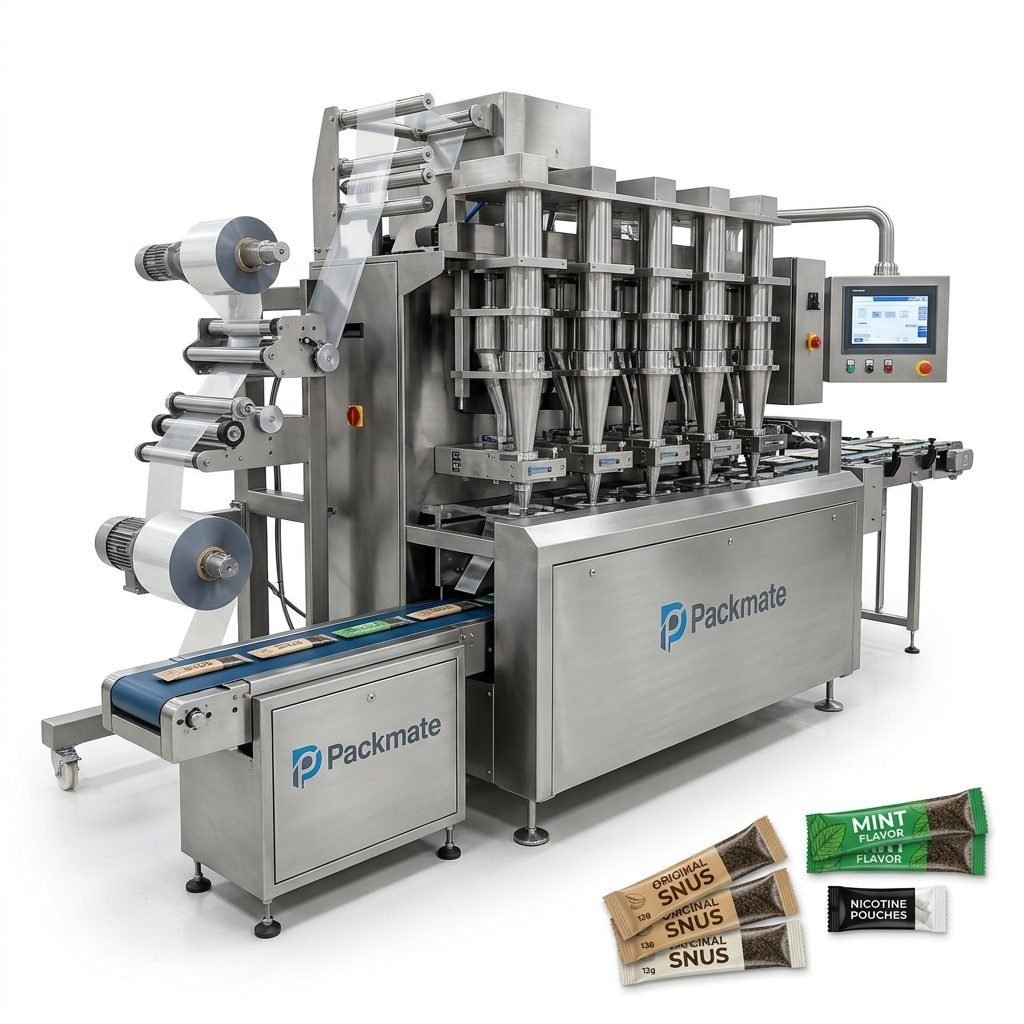
- Multi-lane snus pouch machines for high-volume nicotine pouch production.
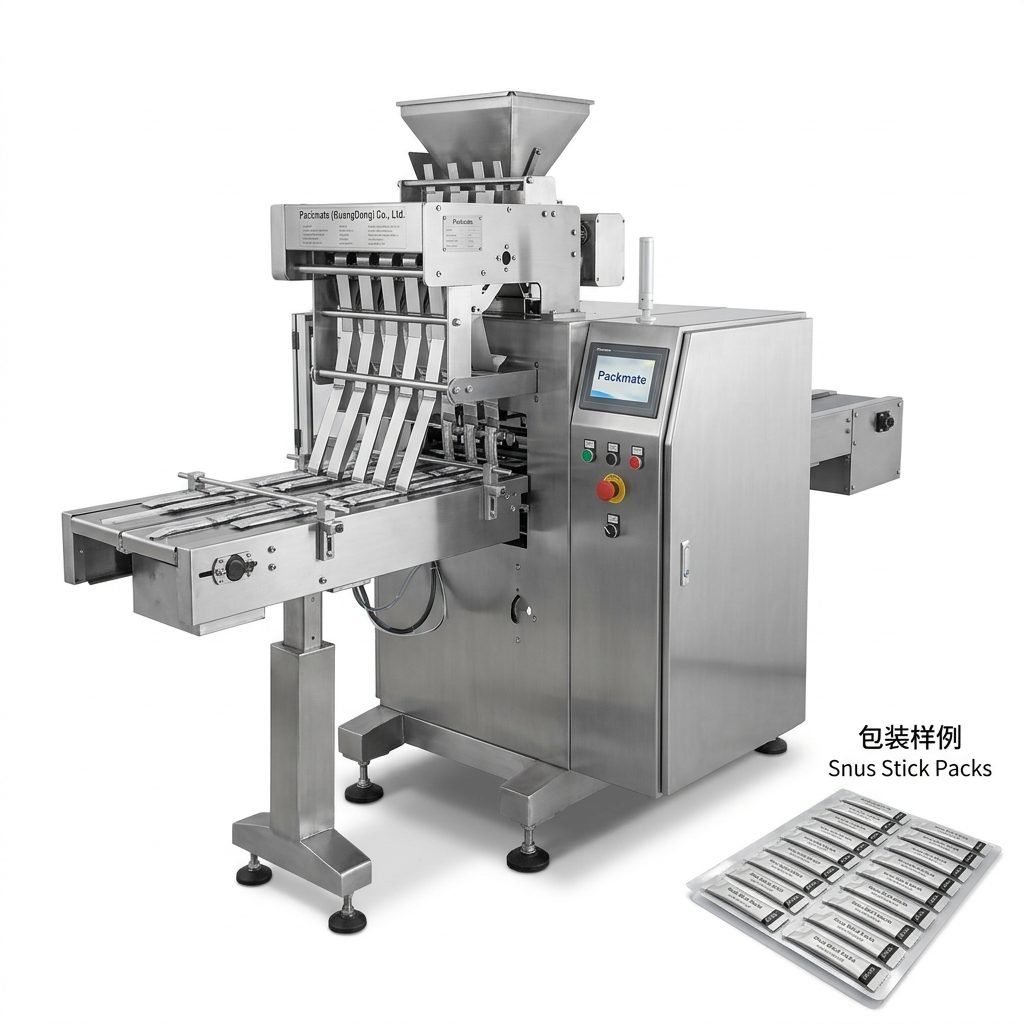
- Stick pack machines ideal for single-dose stick-style packaging.
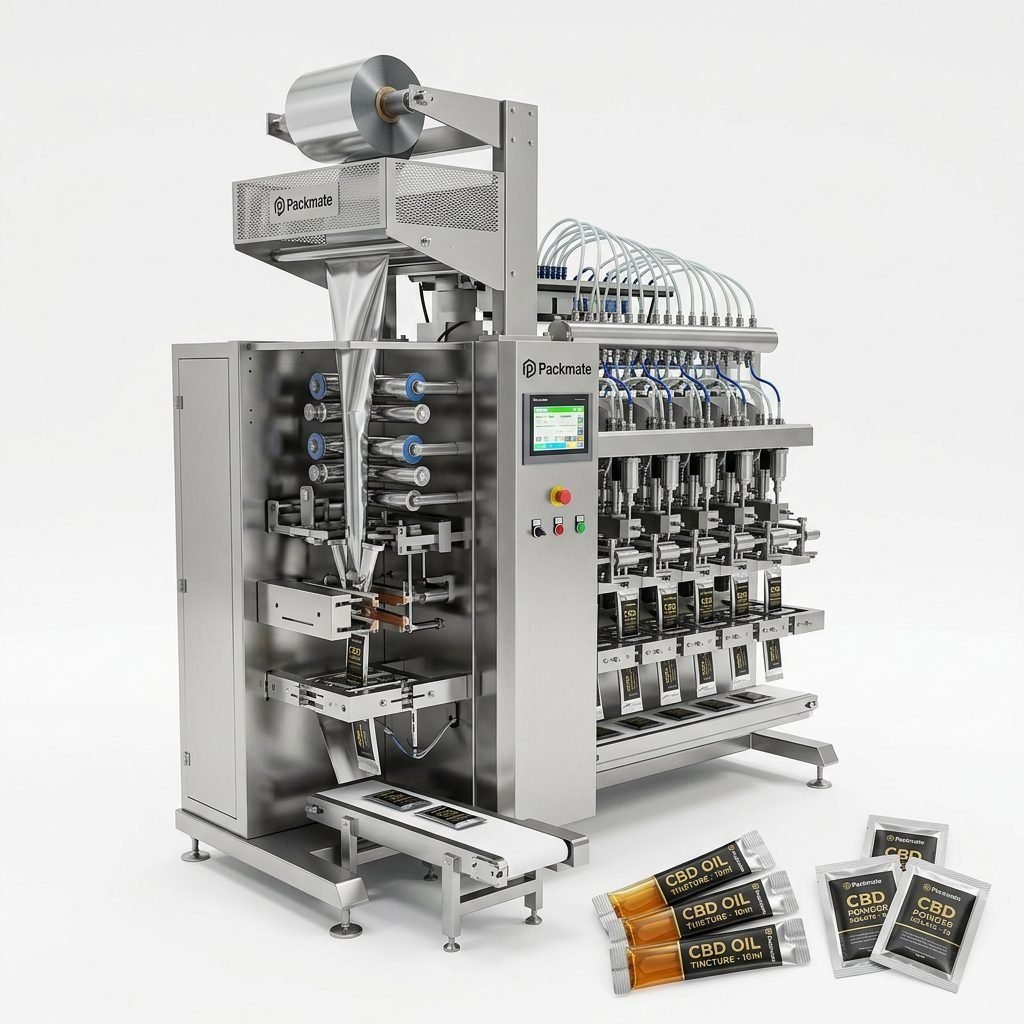
- Sachet machines for sealed flat pouches with custom shapes and tear notches.
- Integrated filling & packaging lines when you require upstream dosing or weighing systems.
📈 Capacity, Speed, and Scalability
Match machine speed to your production targets. For example, small-batch premium lines may prioritize flexibility over absolute speed, while contract manufacturers need high-lane-count machines to meet volume contracts. Ask suppliers about:
- Rated speed vs. achievable speed with your SKUs.
- Performance under full shift conditions (changeover time, cleaning time).
- Options to upgrade lanes or add modules as demand grows.
🎯 Accuracy, Dosing & Product Handling
Accurate dosing is non-negotiable for nicotine pouch consistency and regulatory compliance. Determine whether your product requires:
- Volumetric dosing, auger dosing, or precision weighing systems.
- Anti-static or humidity control for powdery or hygroscopic formulations.
- Gentle handling for sensitive materials to avoid compaction or dust.
🧩 Materials, Seals & Film Compatibility
Verify the machine’s capability with the films you plan to use: barrier properties, thickness, and seal requirements all impact sealing stations and temperature profiles. The wrong combination leads to seal failures or compromised shelf life. Ensure the machine supports:
- Different seal bar configurations and adjustable sealing temperatures.
- Film tracking, tension control, and accurate cut/tear notch placement.
- In-line film splicing or quick roll change systems for minimal downtime.
🤖 Automation, Controls & Integration
Modern snus packaging lines are highly automated. Important control features include:
- Intuitive HMI with recipe management for repeatable setups.
- Servo-driven systems for consistent motion and lower maintenance.
- Industry 4.0 readiness (data logging, remote diagnostics, OPC-UA).
- Compatibility with upstream weighers and downstream cartoners or case packers.
🛡️ Quality, Certification & After-Sales Support
Compliance and ongoing support are vital. Choose manufacturers with recognized certifications (CE, ISO) and a proven track record of global installations. Look for:
- Comprehensive testing and factory acceptance procedures.
- Spare parts availability and recommended maintenance schedules.
- Field service, remote troubleshooting, and training packages.
📐 Plant Layout, Footprint & Ergonomics
Consider line footprint, utility needs (power, compressed air, nitrogen), and material flow. Multi-lane machines save floor space by increasing throughput per meter, but require careful access planning for maintenance and cleaning. Request layout drawings and a utilities checklist during the evaluation stage.
💷 Cost, Financing & Return on Investment
Capital cost is one input; calculate total cost of ownership by including:
- Installation, commissioning, and validation expenses.
- Operating costs: energy, air, replacement parts, and labour.
- Throughput and yield assumptions to model payback time.
Use sample production scenarios to compare vendor quotes on an apples-to-apples basis.
🏭 Supplier Selection: What to Ask and Verify
When comparing vendors, verify the following:
- Track record: installations in similar markets and product types.
- Factory acceptance testing and on-site commissioning procedures.
- Availability of spare parts and service contracts.
- References and case studies demonstrating reliability under full production.
📚 Why Packmate (An Example Supplier)
Packmate Snus Machine is an example of a manufacturer focused on snus and nicotine pouch equipment with over 30 years of engineering experience and a 20,000㎡ manufacturing facility. They provide multi-lane systems, stick pack and sachet machines, and full turnkey packaging solutions — useful if you are evaluating suppliers that offer end-to-end integration and proven global support.
Explore product lines and detailed machine models to compare capabilities:
- Snus & Nicotine Packaging Machines
- Sachet & Stick Pack Machines
- Filling & Packaging Lines
- About Packmate
🧾 Implementation Checklist
- Define SKUs, fill weights, and film types.
- Establish throughput targets and shift patterns.
- Specify utility requirements and plant layout constraints.
- Request FAT (Factory Acceptance Test) with your materials.
- Agree spare-part kits, service SLAs, and training schedules.
📦 Common Pitfalls to Avoid
Do not purchase strictly on headline speed; verify real-world uptime and changeover times. Avoid suppliers who cannot demonstrate regulatory compliance or provide clear spare-part plans. Finally, ensure contractual clarity on acceptance criteria and performance guarantees.
🔗 Where to Learn More & Next Steps
Use vendor catalogs and case studies to narrow your list, then request site visits or live demonstrations. Helpful resources include product pages and exhibition schedules where suppliers showcase live lines — these give a tangible sense of machine ergonomics and reliability.
For additional reading and direct machine specifications, consider these links:
🧭 Final Recommendations
In summary, the best snus packaging machine for your UK operation is the one that balances accuracy, throughput, material compatibility, and robust after-sales support. Prioritize suppliers who can demonstrate live performance, offer modular upgrade paths, and provide responsive service. With the right evaluation process and careful FAT, you can reduce risk and accelerate time-to-market while ensuring product consistency and regulatory compliance.
❓ Frequently Asked Questions
Q1: How do I know which machine speed I really need?
A: Calculate your SKU mix, daily production targets, and number of shifts. Factor in changeover and cleaning time to derive the effective throughput you must achieve; then choose a machine with some headroom beyond that number.
Q2: Are multi-lane machines suitable for small-batch premium products?
A: Yes, if the machine supports flexible lane usage and fast changeovers. Multi-lane systems save floor space and can be run at lower speeds for small batches, but ensure the control system manages lane balancing and recipe recall.
Q3: What support should I expect after purchase?
A: Expect installation, commissioning, operator training, and a clear spare-part list. Remote diagnostics and rapid parts shipment are strong differentiators. Confirm SLAs for field service response and warranty coverage.
Q4: How important is FAT and sample run testing?
A: Extremely important. Factory Acceptance Tests with your actual materials verify dosing accuracy, seal integrity, and machine robustness before shipment. This prevents surprises during on-site commissioning.
For detailed specifications, model comparisons, or to arrange a factory visit and demonstration, review supplier product pages and contact manufacturers directly to discuss your production profile and regulatory environment.