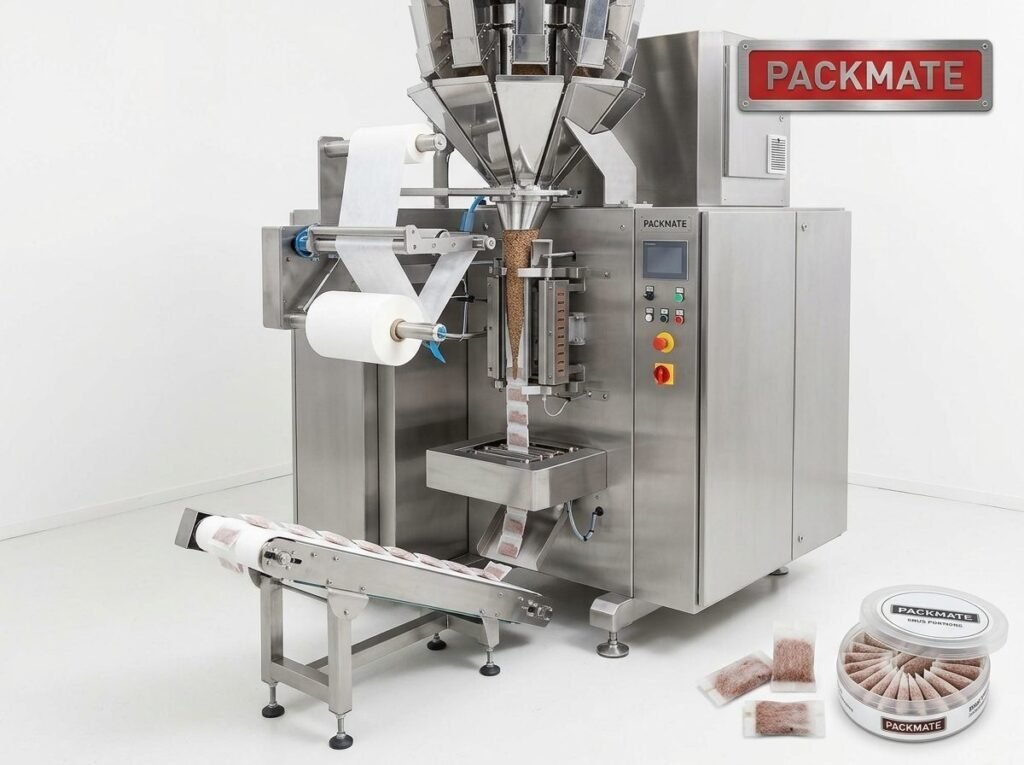
🔍 Overview: Choosing a Nicotine Packaging Machine in Tanzania
Tanzania’s nicotine pouch and snus market is evolving quickly. Whether you are launching a new product or scaling existing production, selecting the right packaging equipment is a critical decision that impacts product quality, regulatory compliance, and long-term costs. This guide walks you through the practical steps, technical parameters, and business considerations to help you choose the best nicotine packaging machine for operations in Tanzania.
🏭 Understand Local Market Needs & Product Types
Before comparing machines, define your product format and target market. Nicotine and snus products come in several packaging formats:
• Single-dose pouches (multi-lane pouch machines)
• Stick packs and sachets (for single-use formats)
• Larger pouches or sachets for bulk retail
Key tip:
Choose a machine that matches your core SKU profile. If you plan multiple SKUs (different weights, materials, or lane counts), select a machine with flexible changeover and modular options.
⚙️ Machine Types & Which Fits Tanzania Operations
Different technologies suit different production goals. Main categories include:
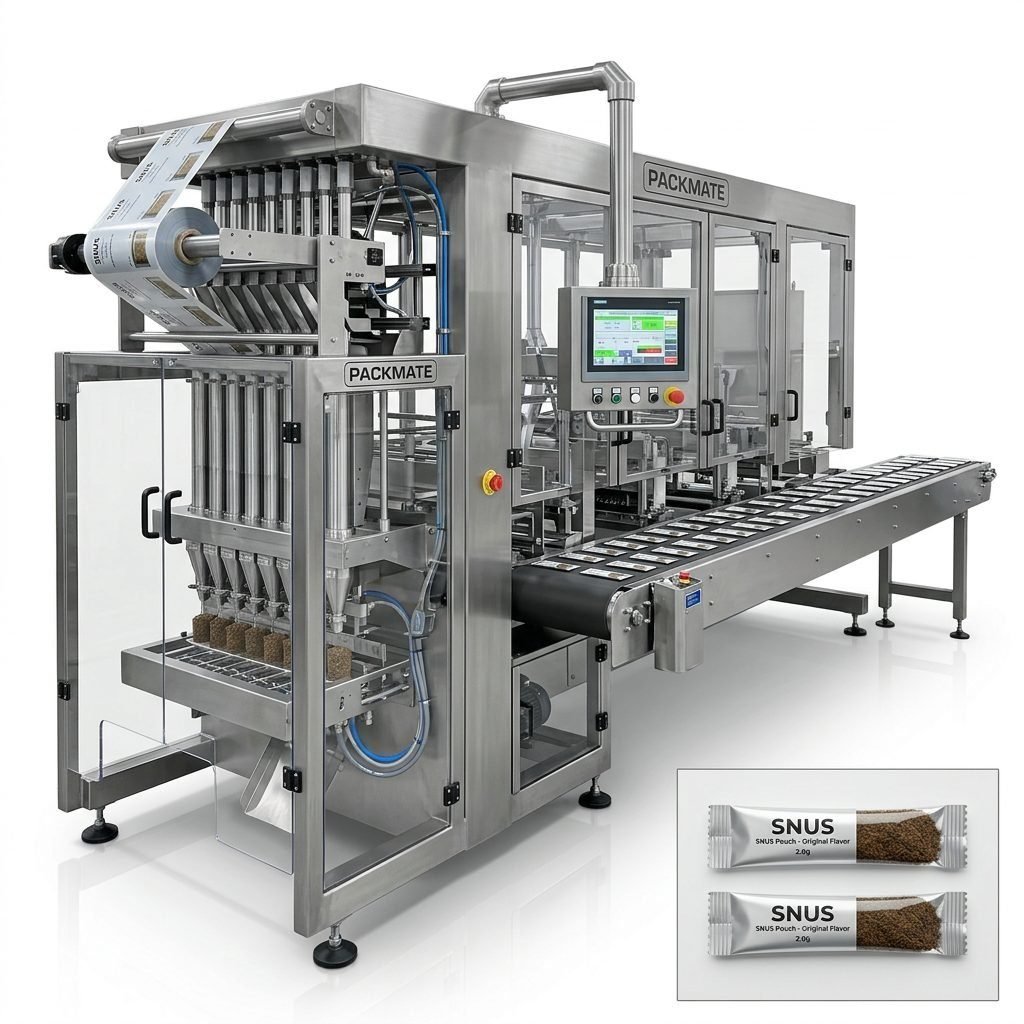
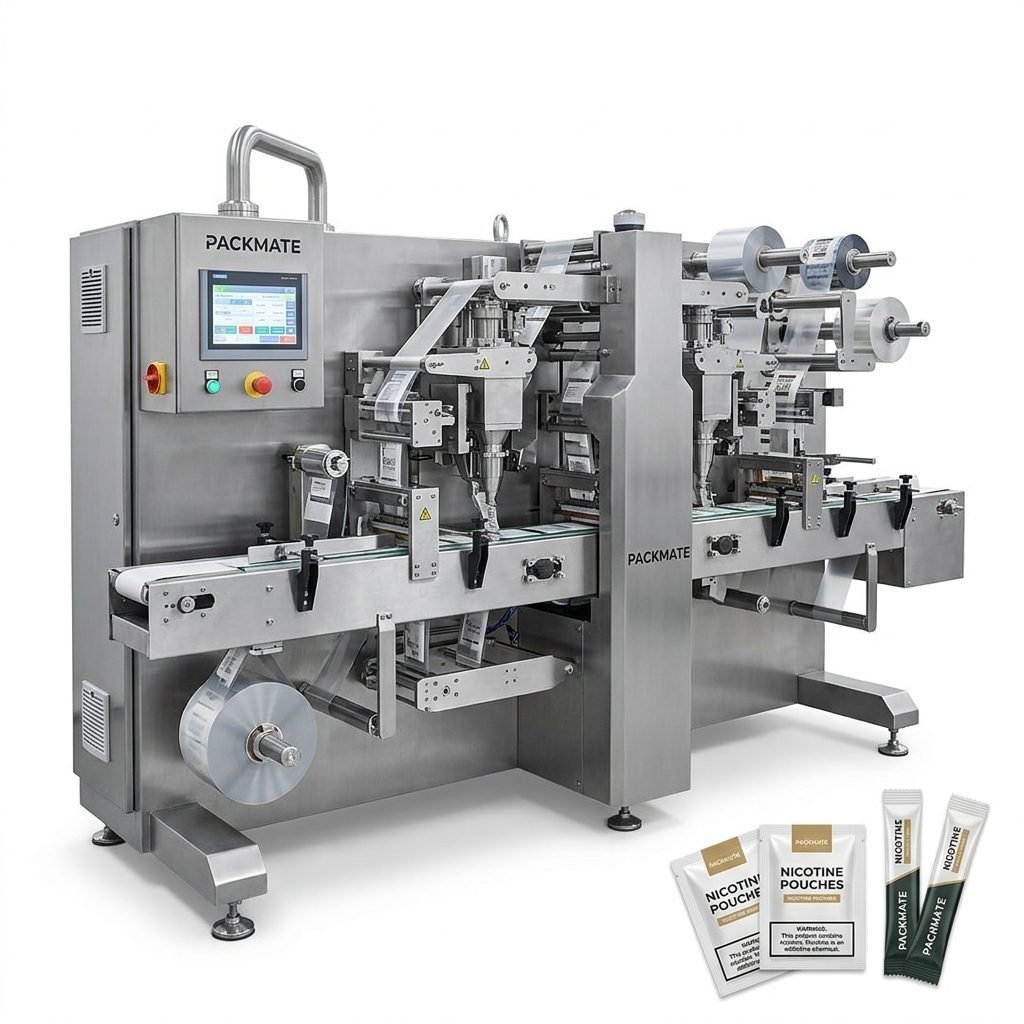
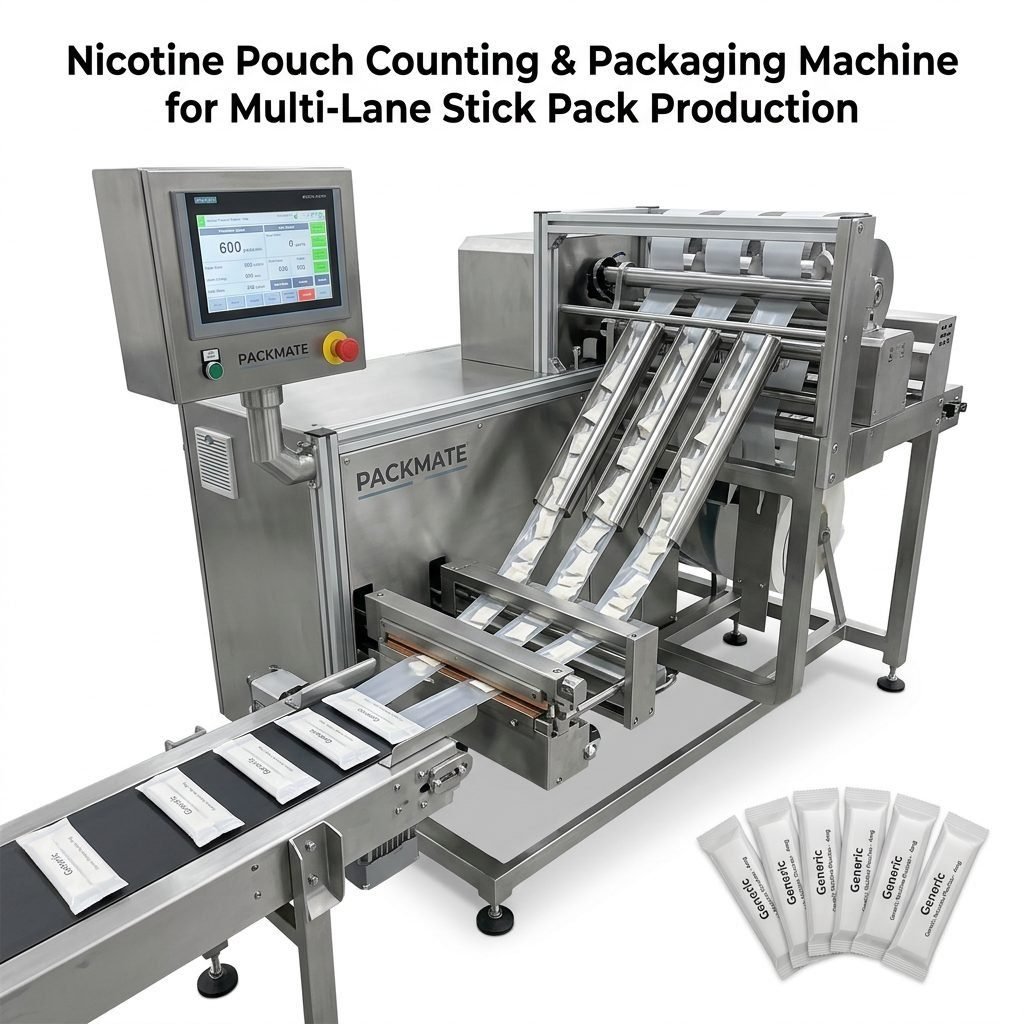
• Multi-lane snus/nicotine pouch machines — high throughput for small-dose pouches.
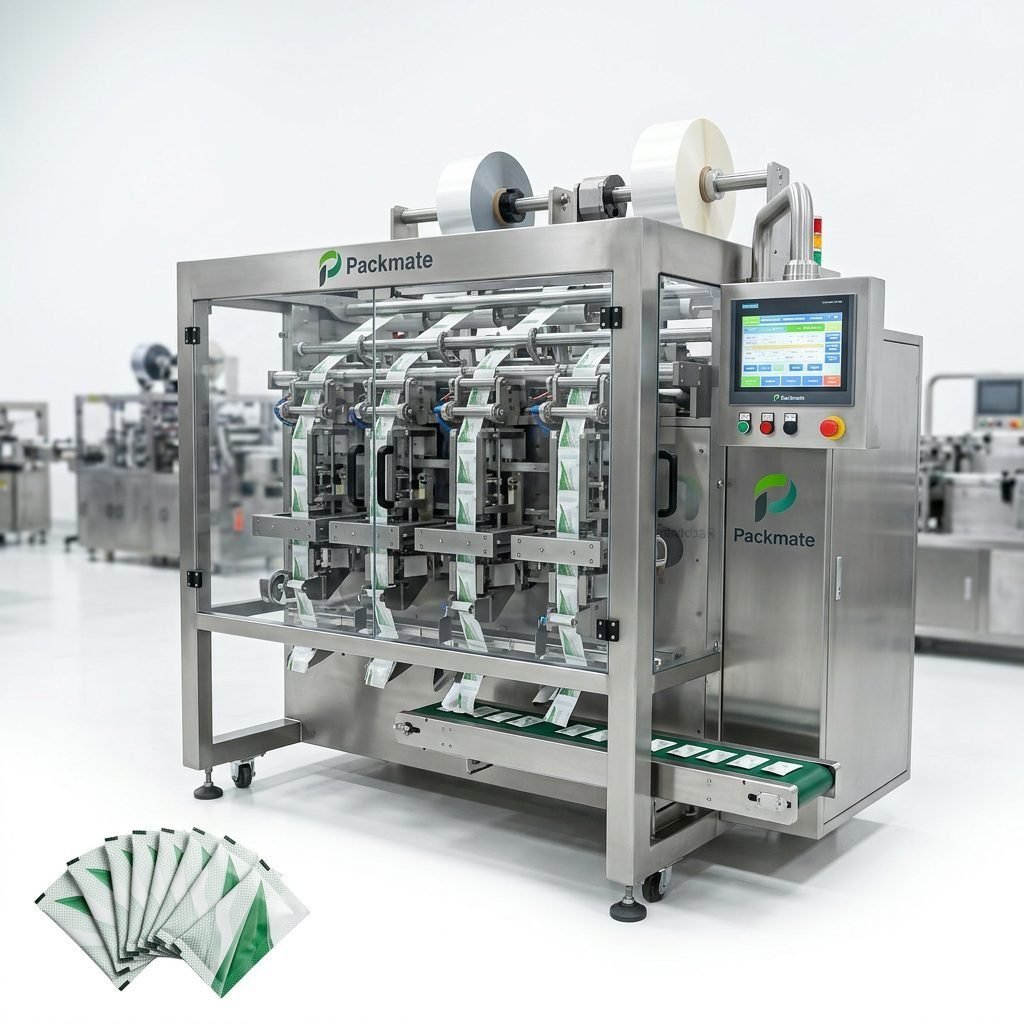
• Stick pack and sachet machines — ideal for single-dose sachets and stick formats.
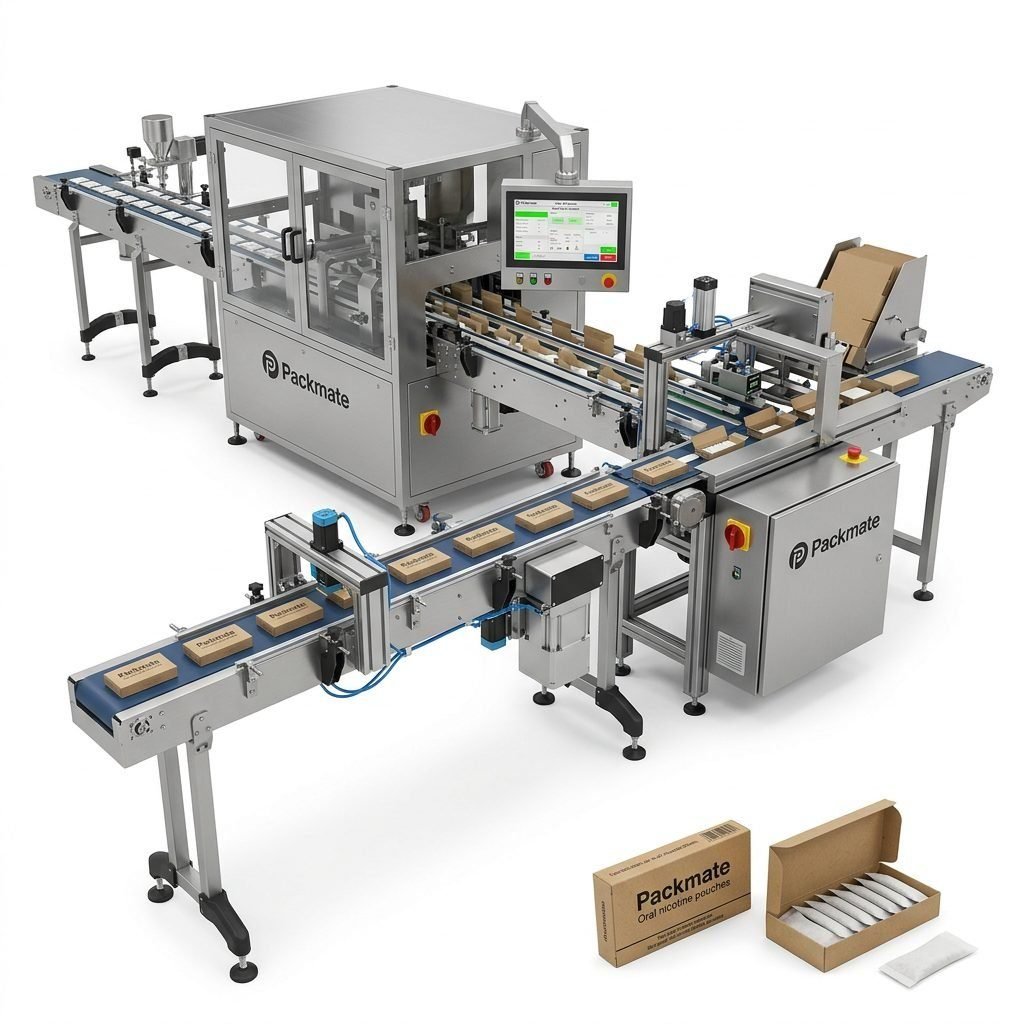
• Combination lines with weighers, fillers, and case packers for full automation.
For a quick product-to-solution lookup, explore manufacturers’ product pages to compare models and options such as Snus & Nicotine Packaging Machines and Sachet & Stick Pack Machines.
🧾 Critical Technical Specifications to Evaluate
When comparing models, inspect the specifications carefully. The most important metrics include:
Filling accuracy: ± small gram tolerance is essential for nicotine dosed products.
Production speed: Measured in pouches/min per lane and total output — align speed with your demand forecasts.
Lane count & scalability: Multi-lane machines allow smaller pouch dosing at higher throughput. Check whether lanes can be added later.
🔌 Automation, Controls & Integration
Modern packaging lines rely on servo drives, PLC control systems, and HMI panels for quick changeover and repeatability. Ask suppliers about:
• Remote diagnostics and software updates
• Compatibility with upstream weighers or dosing systems
• Integration with checkweighers and vision systems for quality control
✅ Material Compatibility & Packaging Formats
Verify that the machine supports the film types you plan to use (laminated films, mono films, aluminum foil laminates). Material compatibility affects sealing temperature, jaw design, and long-term product stability.
Note:
If you require oxygen barrier or humidity protection for nicotine pouches, specify barrier films and confirm the machine’s sealing capability.
🛠️ After-Sales Support, Spare Parts & Local Service
In Tanzania, local service availability or fast spare parts delivery is a major factor. Assess suppliers for:
• Local or regional service partners
• Availability of critical spare parts and lead times
• Remote support and training programs
💡 Supplier Credibility & Factory Strength
Choose suppliers with proven track records in nicotine/snus equipment. Features to verify:
• Manufacturing footprint and precision machining capability (CNC centers, assembly lines)
• Years of industry experience and machine model range
• Compliance with international certifications like CE and ISO
For a supplier example with extensive snus and nicotine experience, review About Packmate and their product portfolio including Bag & Pouch Packaging Machines.
💰 Total Cost of Ownership (TCO) vs. Purchase Price
Purchase price is only part of the equation. Evaluate TCO across:
• Energy consumption and utility costs
• Spare parts and consumables usage
• Operator time for setup and cleaning
• Productivity gains from reduced changeover and downtime
🔁 Installation, Commissioning & Operator Training
Ensure your supplier provides on-site commissioning and operator training. Good commissioning includes performance verification under real product conditions and documentation: electrical drawings, mechanical schematics, and maintenance schedules.
📦 Production Line Integration & Auxiliary Equipment
Packaging machines rarely operate alone. Consider required upstream and downstream equipment:
• Loss-in-weight or multi-head weighers for precise dosing
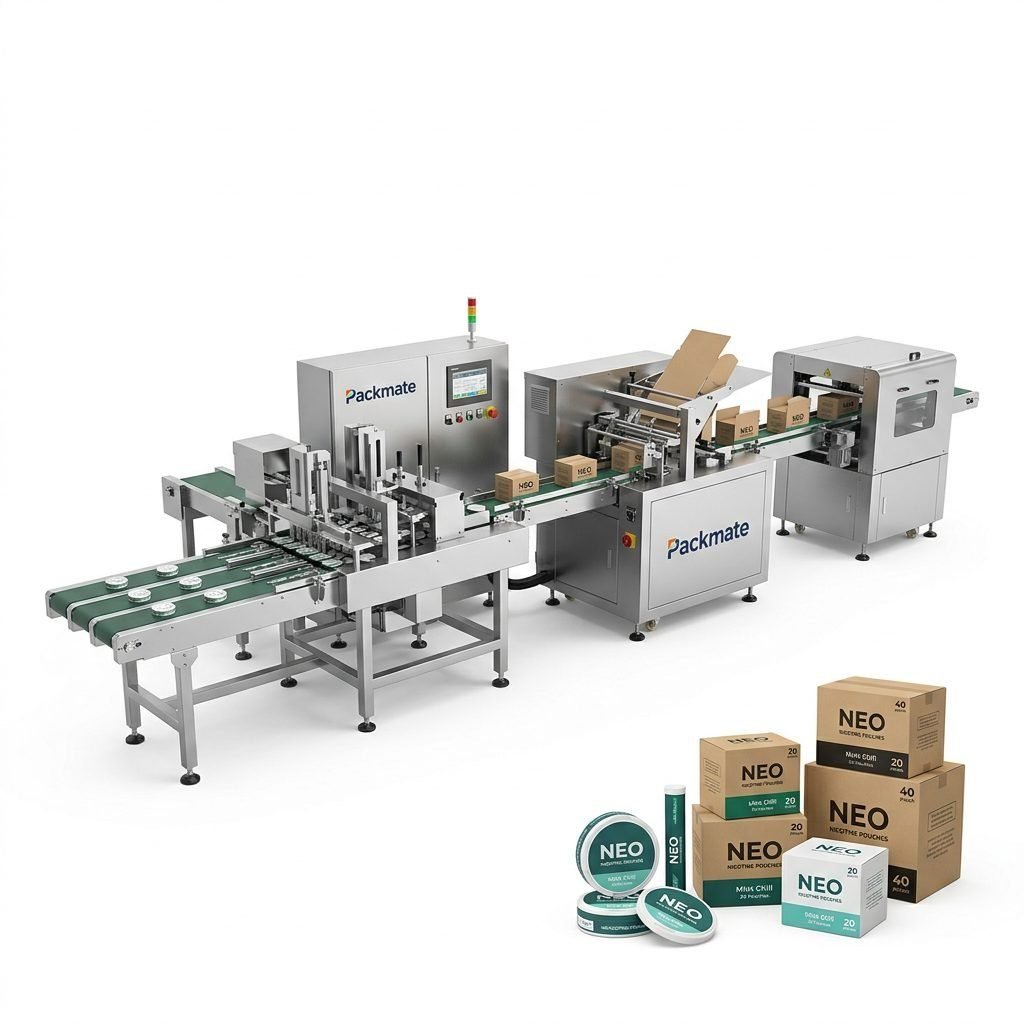
• Conveyors, case packers and sealers for automated throughput
• Inspection equipment (metal detectors, vision systems) for safety and compliance
View complementary systems such as Weighing & Packaging Systems and Filling & Packaging Lines to design a full turnkey solution.
📋 Practical Buying Checklist — Step by Step
1. Define SKUs, annual volume and peak production needs.
2. Select machine category (multi-lane pouch, stick pack, sachet).
3. Request sample runs or video demos with similar product specs.
4. Verify accuracy, lane scalability, and material compatibility.
5. Confirm lead times, warranty, local service and spare parts availability.
6. Check factory credentials, certifications and client references; see Case examples.
📣 Negotiation & Contract Tips
When finalizing purchase agreements, include acceptance tests, spare parts kit, training days, and penalties for late delivery. Request a clear spare parts list with part numbers and estimated lead times.
🌍 Regulatory & Compliance Considerations for Tanzania
Ensure your packaging materials and machine operation support local labeling, child-resistant packaging (if required), and any specific tobacco or nicotine regulations enforced by Tanzanian authorities. Suppliers who understand international regulatory frameworks (CE, ISO) are preferred.
🔎 Real-World Example: What a Complete Line Looks Like
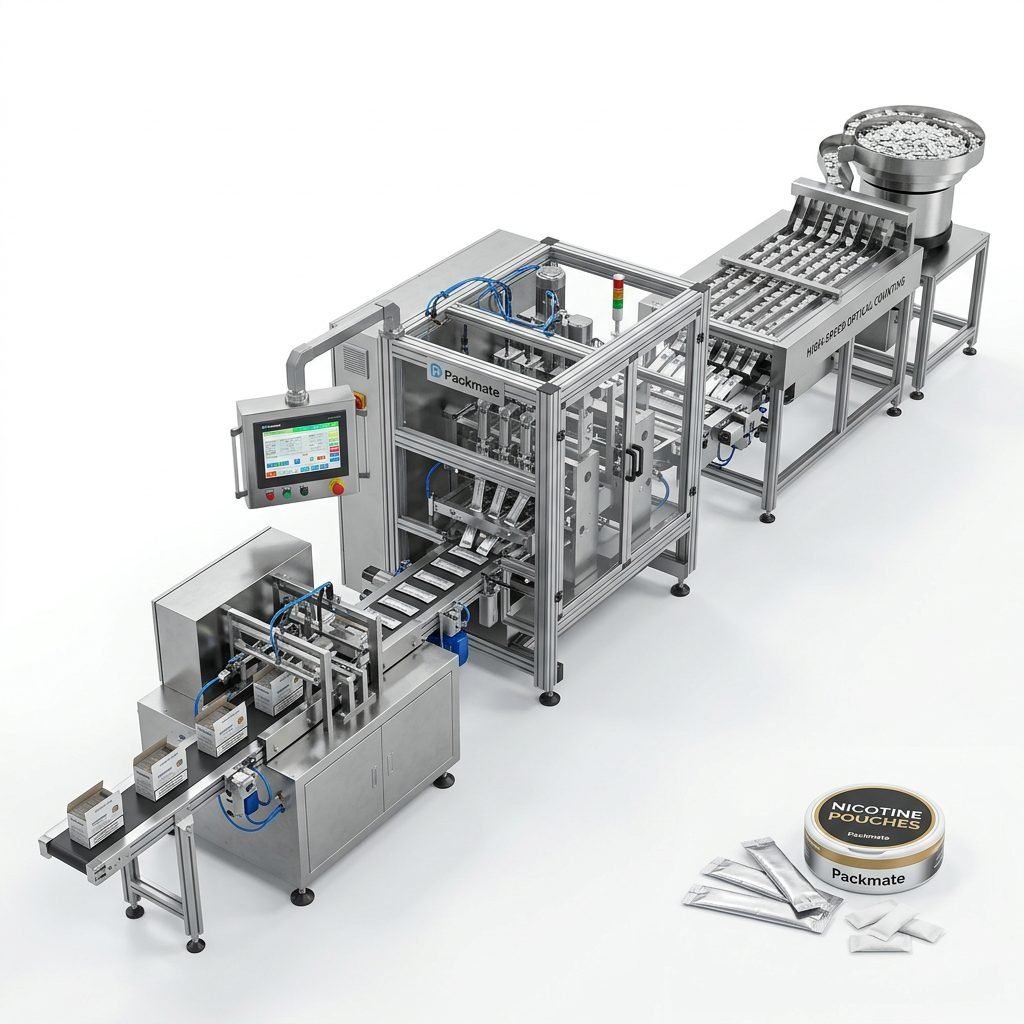
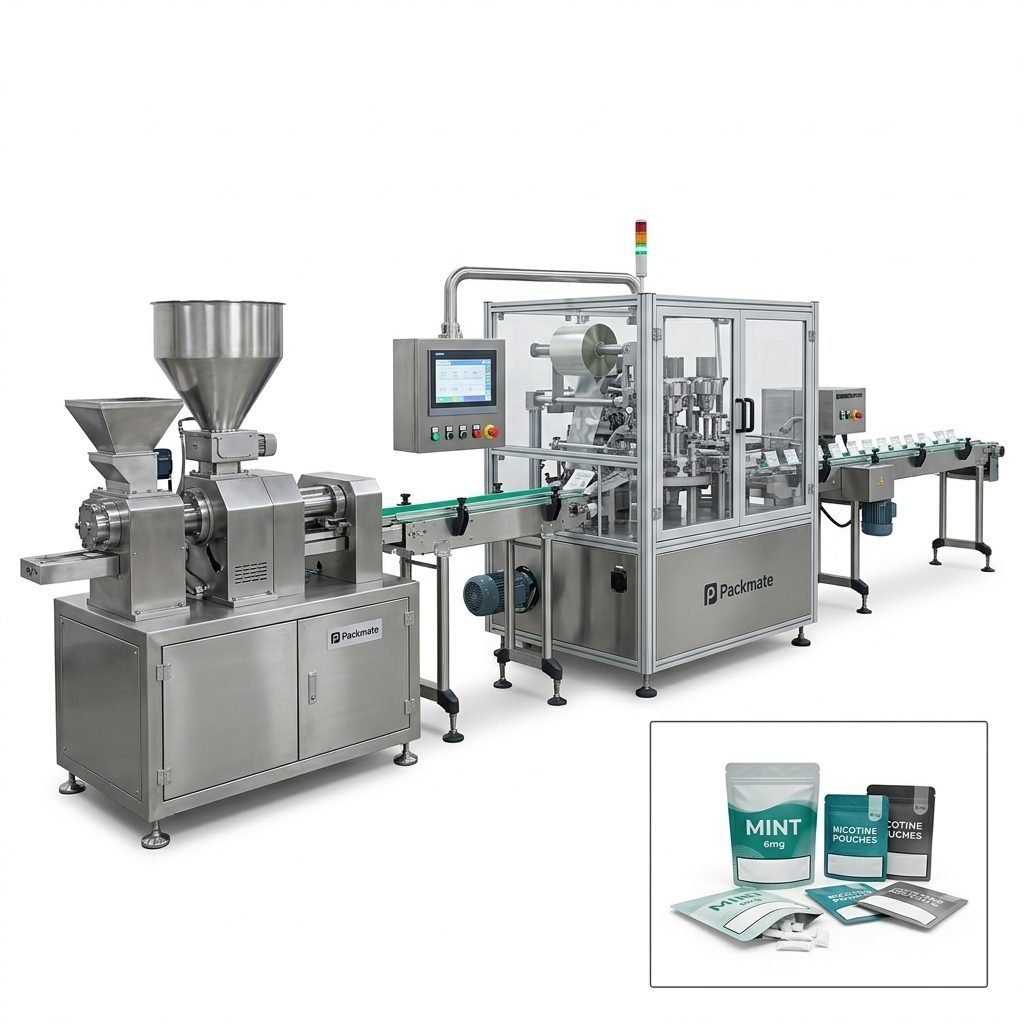
A typical turnkey line for nicotine pouches may include a dosing/weighing system, multi-lane pouch former & sealer, nitrogen flushing module (optional), checkweigher, and automatic case packer. For integrated solutions and auxiliary equipment explore Auxiliary Packaging Equipment.
Quick summary:
Balance technical fit, factory credibility, local support, and TCO when selecting a packaging machine for Tanzania.
📞 Next Steps & Contacting Suppliers
Shortlist 2–3 vendors and request on-line or on-site demonstrations with samples. Confirm warranty terms and post-sale support. For direct inquiries and tailored solutions, visit supplier contact pages like Contact Us.
🧾 Conclusion
Choosing the right nicotine packaging machine for Tanzania requires a clear understanding of product format, production scale, material compatibility, and local service availability. Emphasize accuracy, modularity, and supplier reliability to minimize downtime and ensure regulatory compliance. A well-chosen machine will protect product quality while delivering predictable operational costs and scalable growth.
❓ Frequently Asked Questions
Q1: What machine type is best for small-batch nicotine pouches?
A1: Multi-lane pouch machines with flexible lane usage and low-speed operation suit small batches with precise dosing and quick changeover.
Q2: How important is local spare parts availability in Tanzania?
A2: Extremely important — limited local parts can mean long downtimes. Confirm regional spare parts stock or a fast shipping plan.
Q3: Are certifications like CE or ISO necessary?
A3: Yes. Certifications ensure safety, build quality, and easier acceptance by local regulators and international customers.
Q4: Can I visit factory or see case studies before purchasing?
A4: Reputable manufacturers provide factory visits, remote demos, and case references — check sections like Case and Our Exhibition for real-world examples.