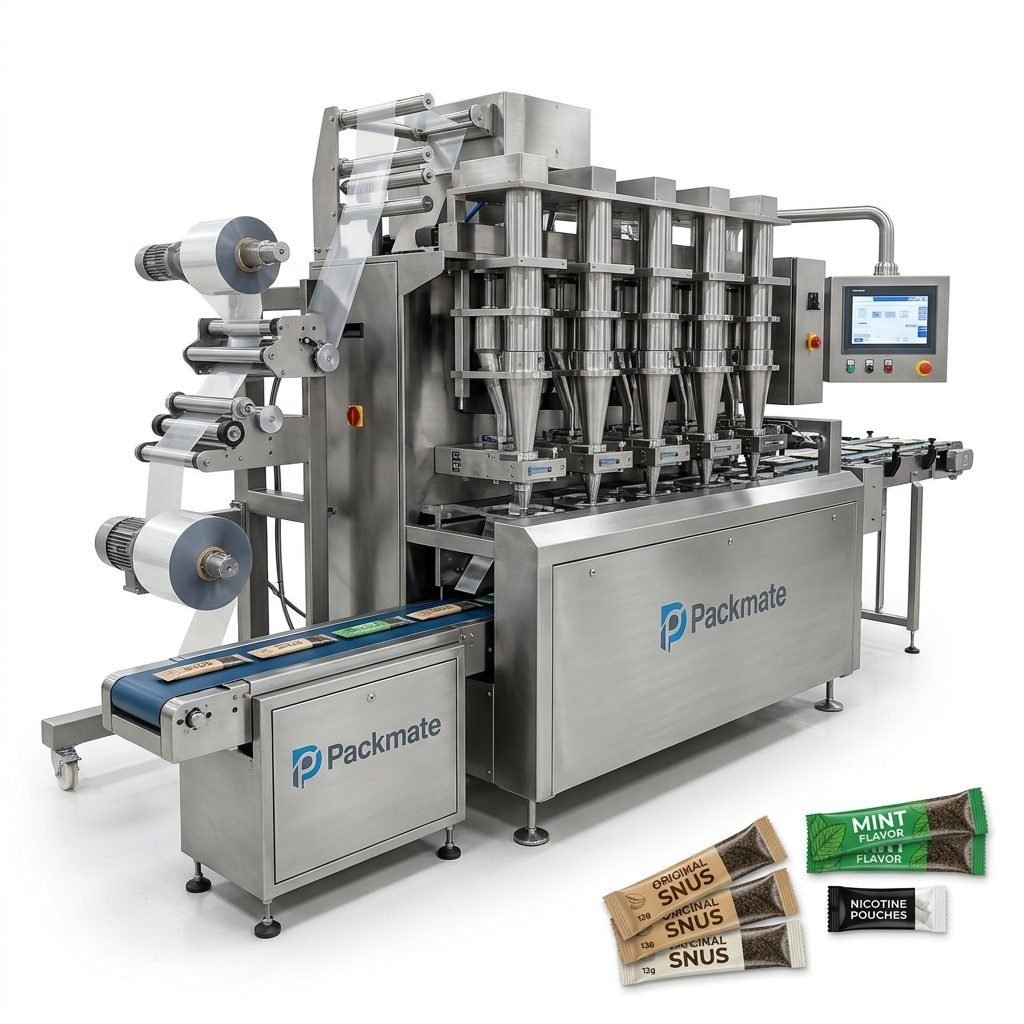
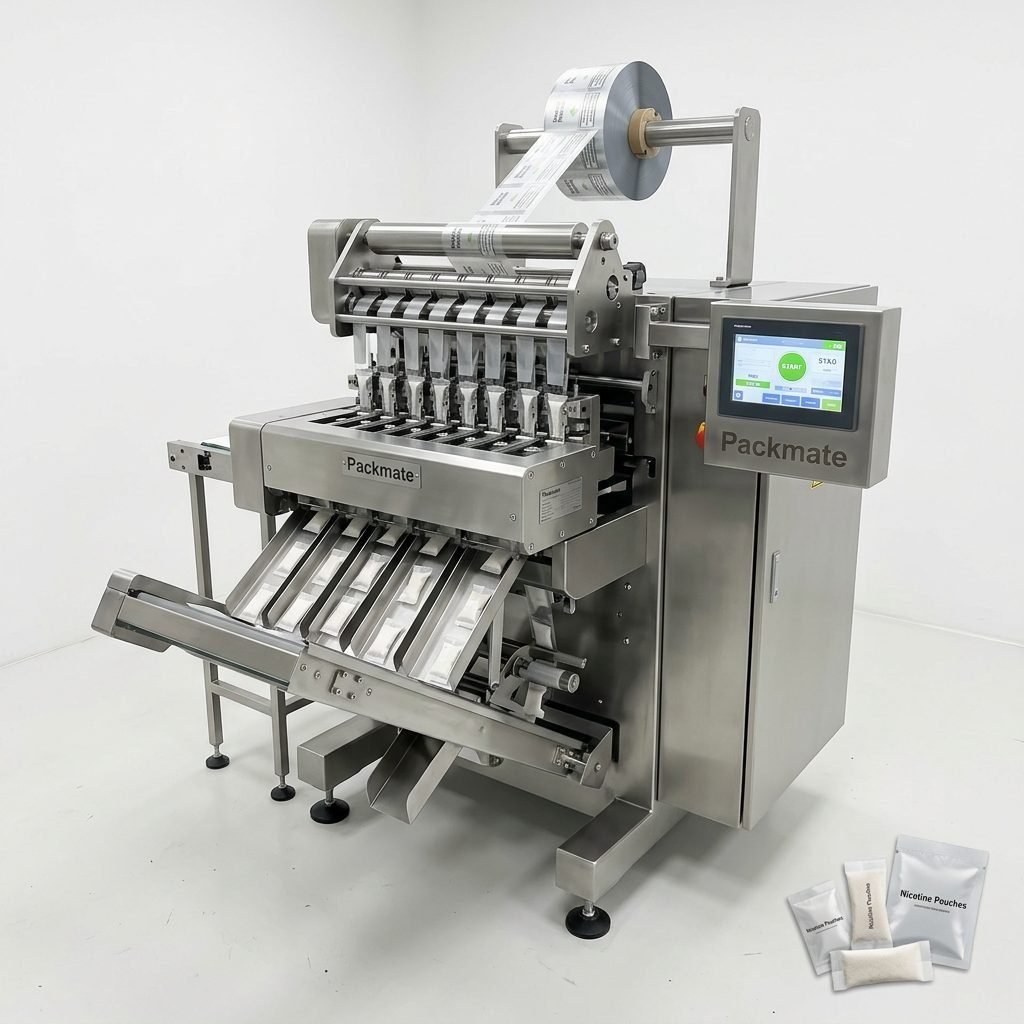
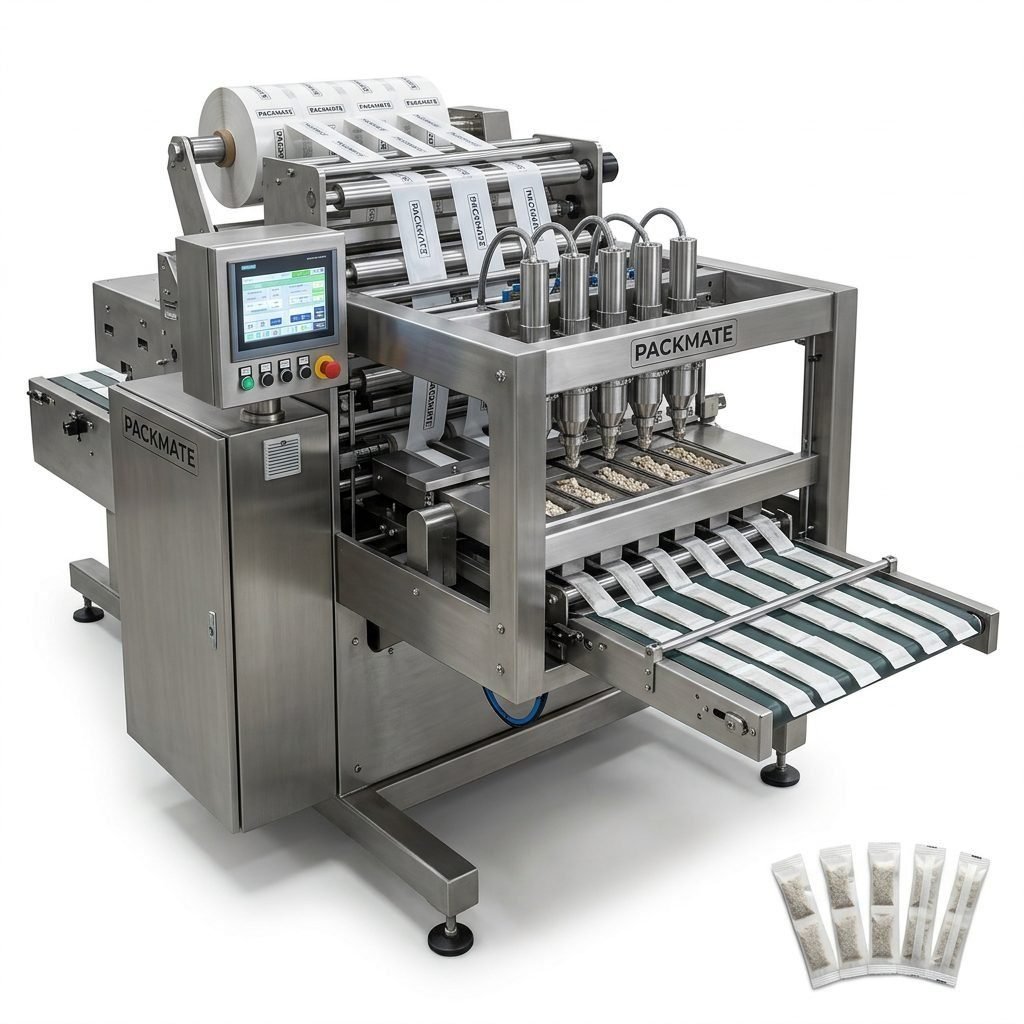
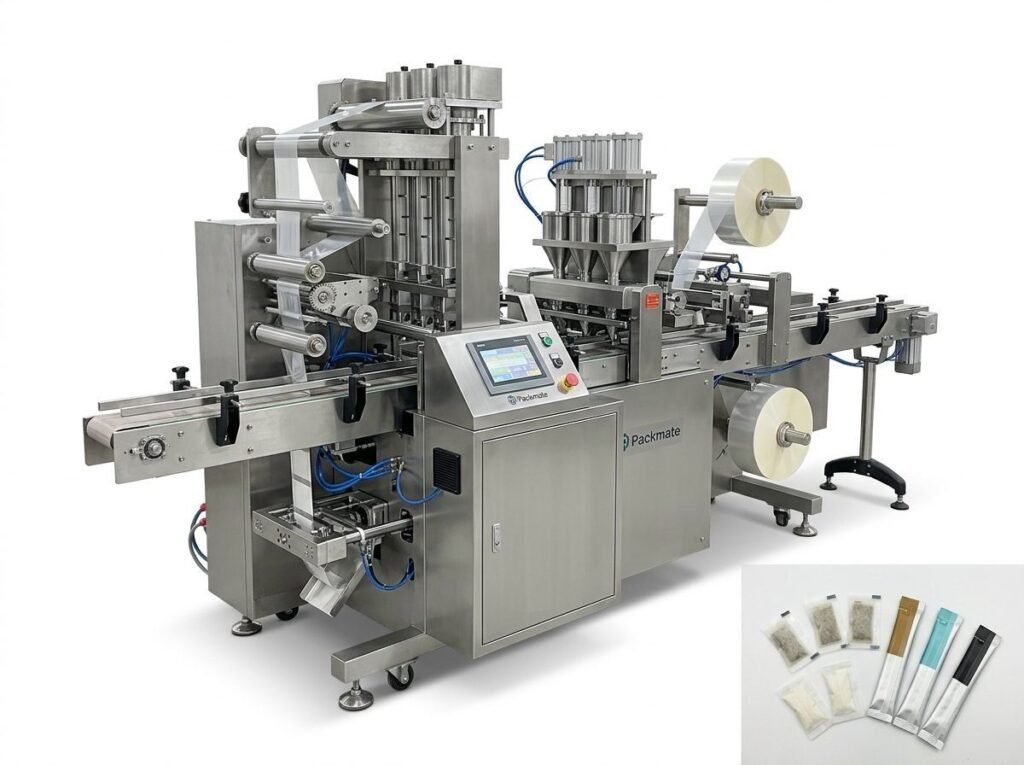
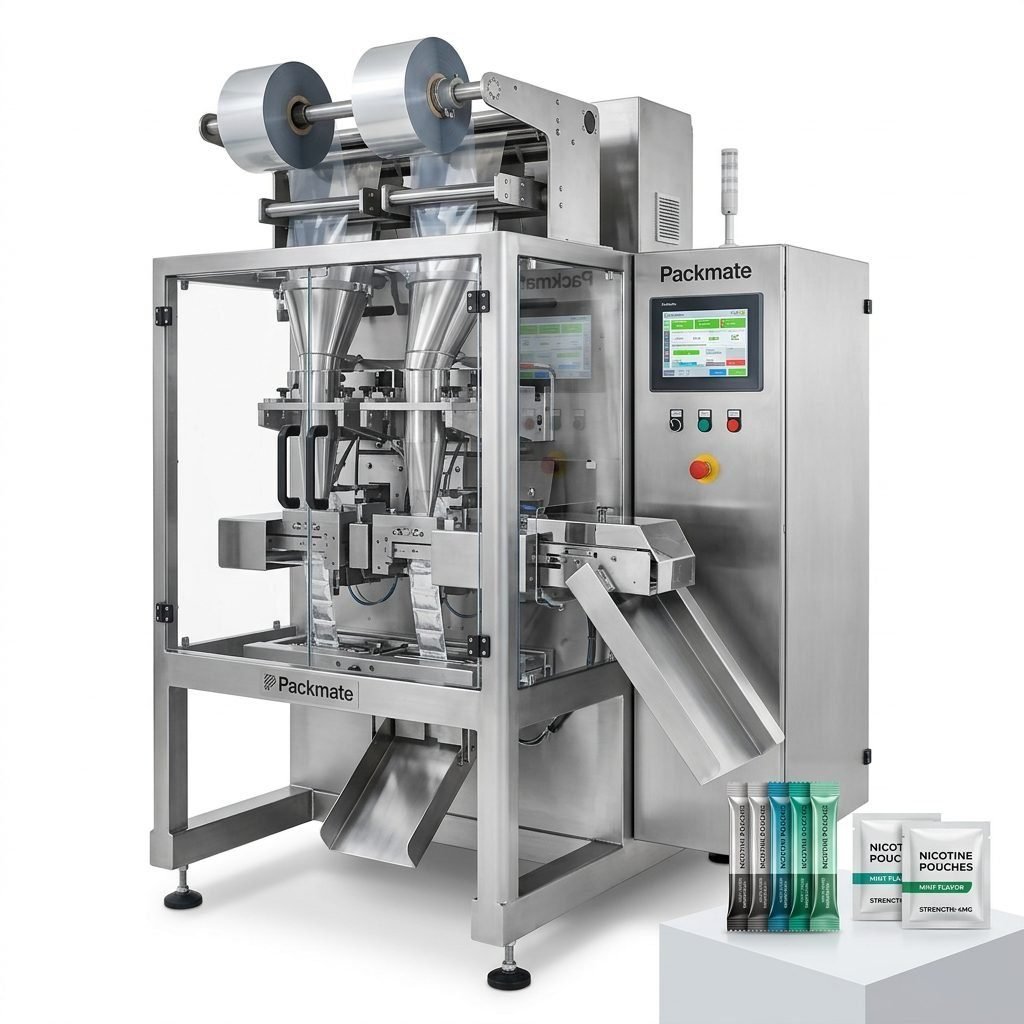
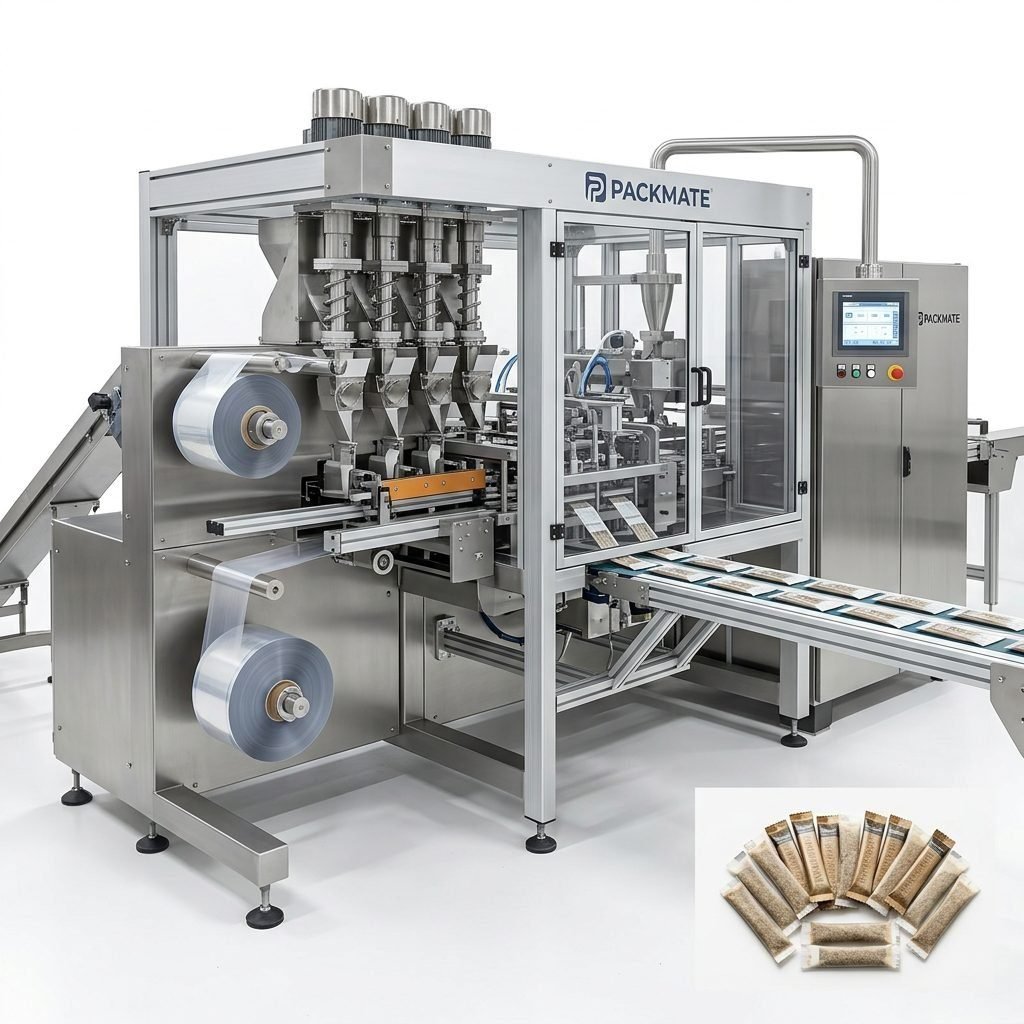
Entering the snus and nicotine pouch market in Burundi requires the right packaging partner. Choosing the best snus packaging machine manufacturer will determine your line efficiency, product consistency, regulatory compliance, and long-term profitability. This guide shows how to evaluate manufacturers, what technical and commercial criteria matter most, and practical questions to ask when selecting a supplier for your Burundi operation.
Understand the Burundi market and your production needs
Before contacting manufacturers, clarify your target products (snus, nicotine pouches, sachets, stick packs), projected volumes, desired packaging formats, and any local regulatory or labeling requirements. Burundi’s market may demand flexible production for both small-batch premium pouches and higher-volume standard packs. Define these variables:
-
Daily and peak production targets (pouches per minute/day)
-
Number of lanes / multi-lane needs for scale
-
Filling types (powder, granule, liquid, moisture-sensitive)
-
Package format (stick, sachet, pouch, zipper, single-dose)
Key manufacturer selection criteria
Experience & specialization
Look for manufacturers with a proven track record in snus and nicotine pouch equipment. A company with decades of packaging experience and a focus on snus systems understands the unique handling, dosing accuracy, and moisture control required. For example, a supplier with 30+ years of machine development and multi-lane snus solutions provides depth in design and repeatable performance.
Factory capability & quality control
A robust factory (e.g., 20,000㎡ with advanced CNC centers and precision assembly lines) indicates consistent build quality and the ability to scale. Ask about testing facilities, quality assurance processes, and whether machines are fully run-tested before shipment.
Certifications & compliance
International standards such as CE and ISO matter for export, safety, and long-term compliance. Prioritize manufacturers who can deliver certified equipment and documentation to simplify import and local approvals.
Technical features to evaluate
Filling accuracy and dosing systems
For nicotine pouches and snus, dosing accuracy is critical. Evaluate the supplier’s weighing and dosing solutions for small-dose precision. Ask for typical tolerance values, calibration procedures, and how the machine handles different material flows (powder vs. granule).
Multi-lane configurations & modularity
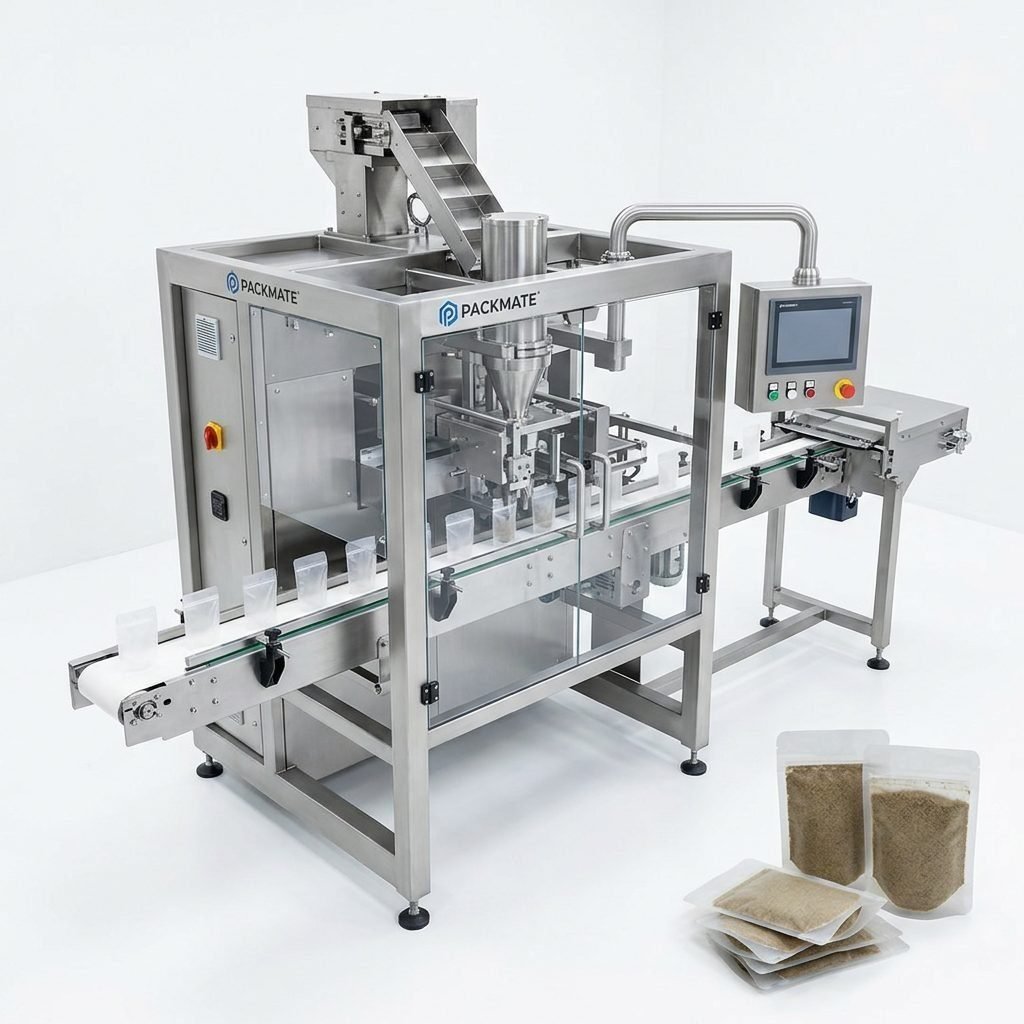
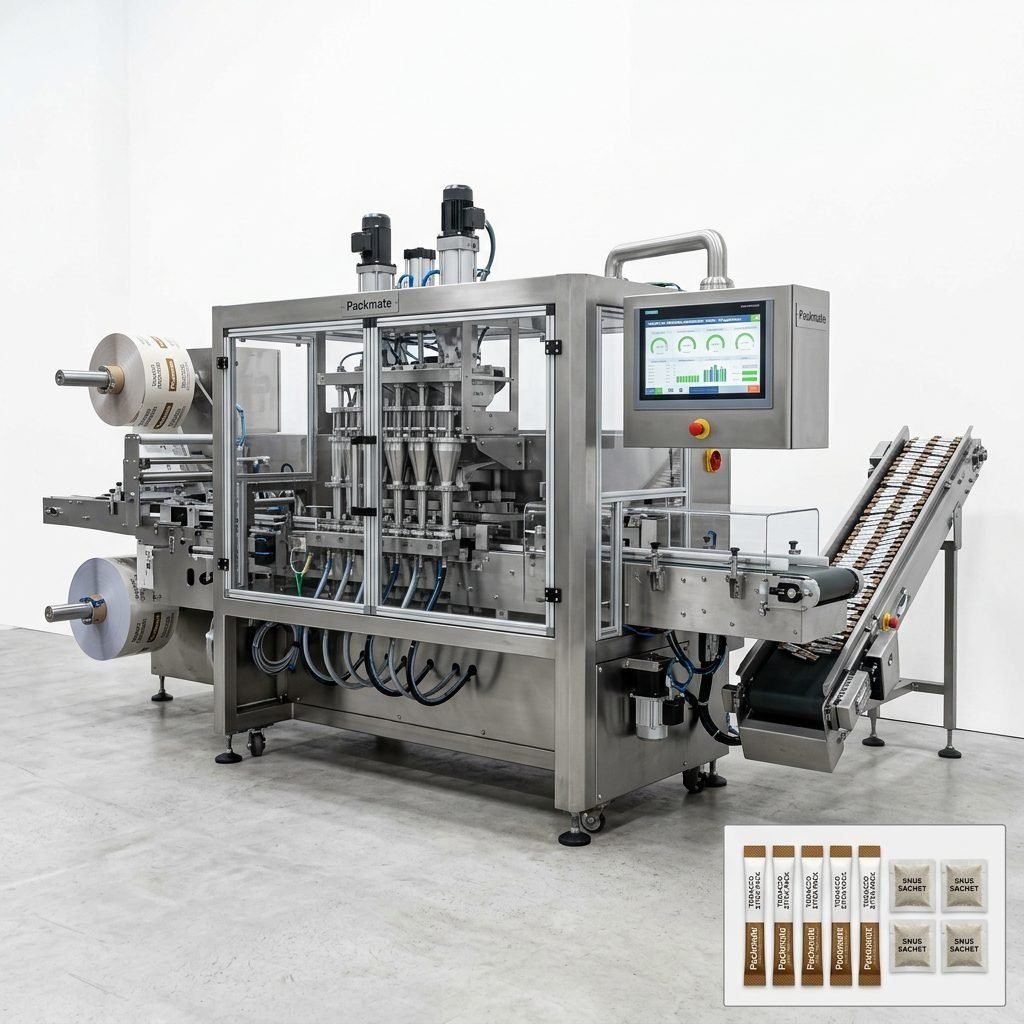
Multi-lane machines increase throughput without multiplying floor space. Confirm if the machine platform supports lane expansion, lane-by-lane control, and synchronization. Modularity reduces downtime and allows phased capacity increases, useful for growing Burundi operations.
Material handling & hygiene
Material-contact surfaces should be stainless steel with smooth finishes to aid cleaning. Check for features that reduce contamination risk, easy disassembly for sanitation, and compliance with food/pharmaceutical hygiene standards where applicable.
After-sales support & spare parts strategy
Local support or reliable remote service is essential. Confirm the manufacturer’s spare parts availability, recommended spare parts inventory, remote diagnostics capability, and the average lead time for critical components. Strong after-sales service reduces downtime and long-term cost of ownership.
Tip: Ask for a spare parts kit and training package at purchase—these often deliver the fastest ROI by minimizing initial production interruptions.
Customization, turnkey solutions & integration
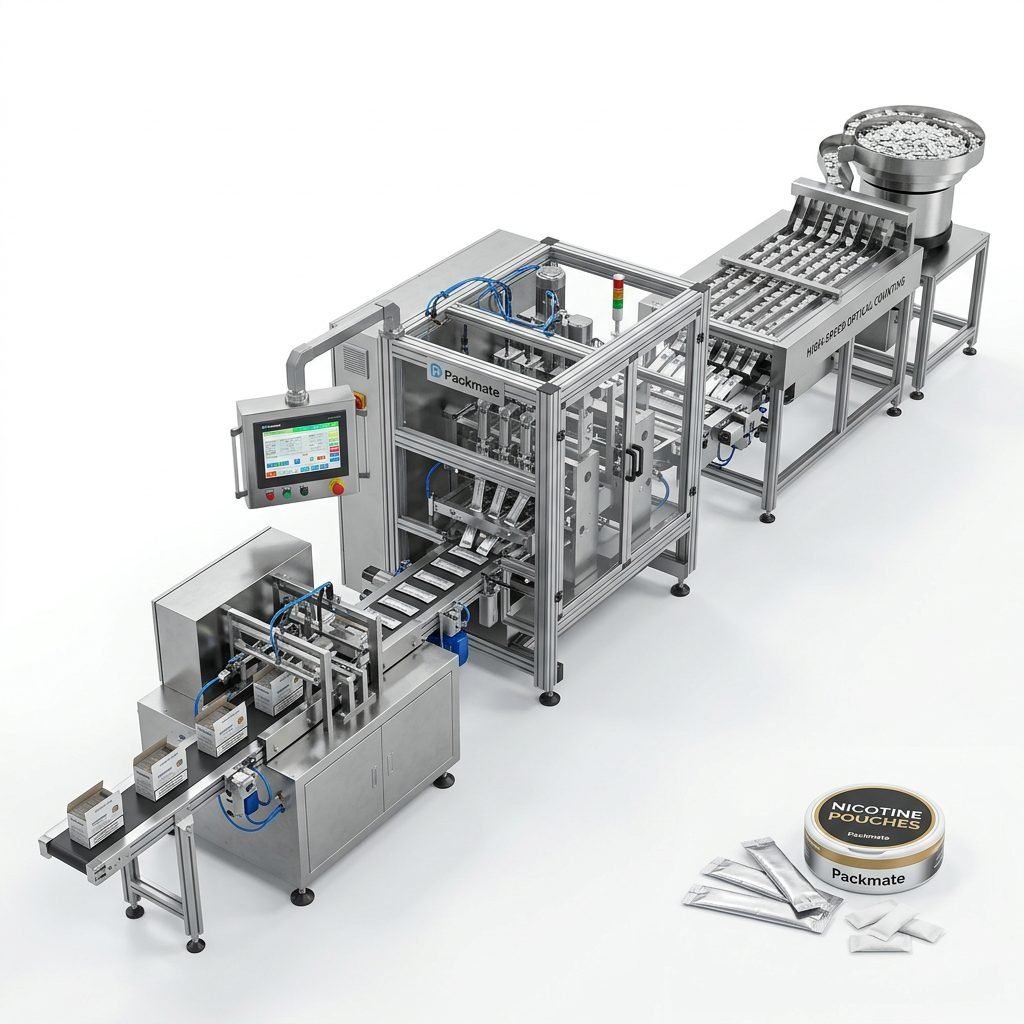
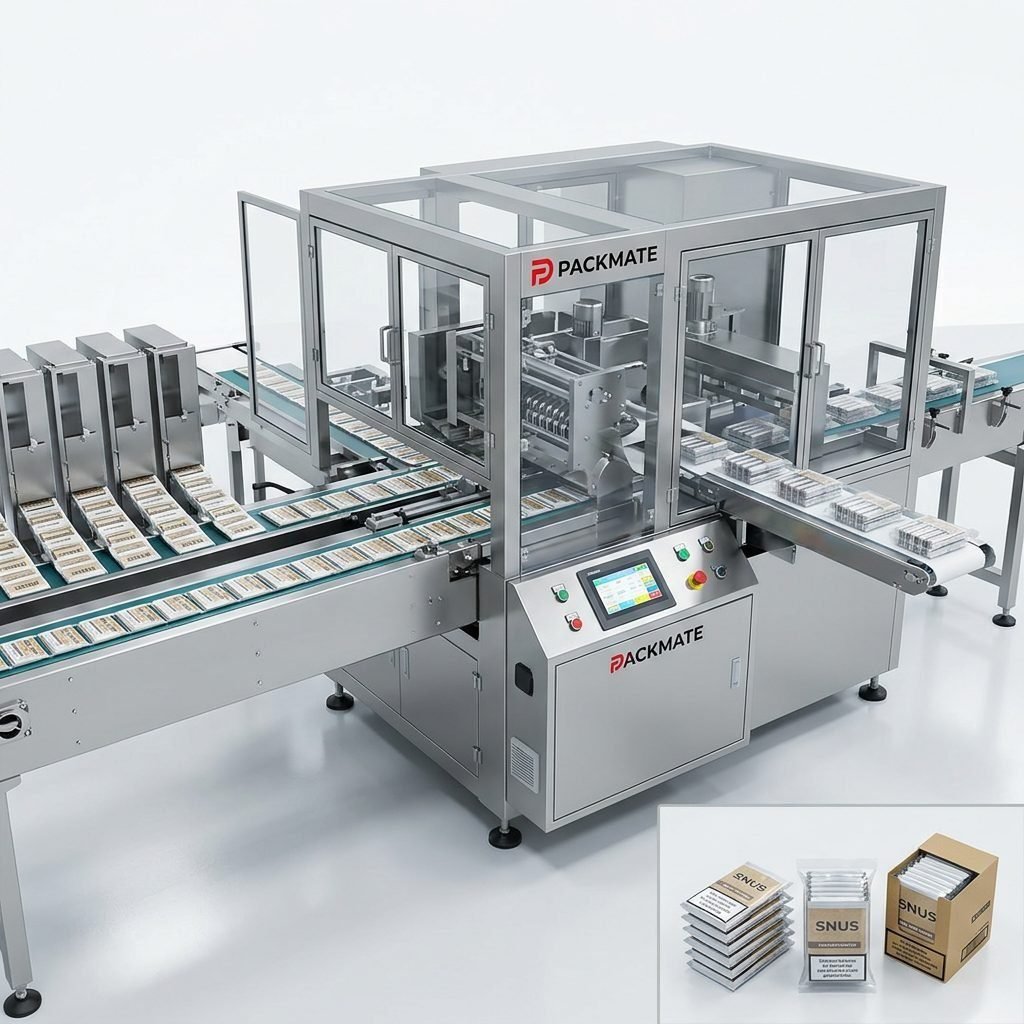
If you need a complete line (feeders, weighers, snus packing machine, case packers), prefer suppliers who provide turnkey solutions and systems integration. A single engineering source simplifies commissioning, guarantees inter-machine compatibility, and streamlines warranties.
Investigate whether the manufacturer can supply tailored features such as custom pouch shapes, printing and labeling integration, and end-of-line packaging modules. When searching, review product pages and case studies to confirm similar integrations have been delivered.
Commercial terms and total cost of ownership
Price is important, but total cost of ownership (TCO) matters more. TCO includes machine uptime, energy consumption, maintenance, spare parts, operator training, and expected lifecycle. Seek transparent quotes covering installation, commissioning, training, and warranty. Negotiate payment milestones tied to factory acceptance tests and shipping milestones.
Factory acceptance testing (FAT) and commissioning
Require FAT for acceptance: witnessing the machine run with your product or a close simulant at the factory. FAT reduces commissioning issues. Confirm on-site commissioning scope: setup, line integration, operator training, performance acceptance criteria, and a documented handover.
Practical checklist when contacting manufacturers
-
Machine model and reference lines for snus/nicotine pouches
-
Production capacity and multi-lane options
-
Dosing accuracy, typical tolerances, and sample outputs
-
Factory location, lead times, and shipping logistics to Burundi
-
Certifications (CE, ISO) and compliance documentation
-
Warranty, spare parts lead times, and remote support options
-
References & case studies from similar markets
Questions to ask during supplier evaluation
-
Can you share video or live demos of the machine running snus or nicotine pouches?
-
What are typical uptime metrics and mean time between failures (MTBF) for this machine?
-
What is included with installation and training? Is local language support available?
-
How quickly can spare or wear parts be shipped to Burundi?
-
Do you offer remote monitoring or PLC/HMI access for diagnostics?
Checklist marker: Request a clear FAT protocol and a commissioning acceptance checklist so both parties agree on final acceptance criteria.
Why choose a specialized snus packing machine provider?
Specialized providers bring field-proven mechanisms for pouch formation, accurate dosing of very small fill weights, synchronized multi-lane transport, and packaging film handling designed for nicotine products. Their domain knowledge reduces your development time and ensures regulatory and hygienic design considerations are integrated from the start.
Useful resources and supplier references
Explore product catalogs and case studies on supplier websites when shortlisting manufacturers. Relevant pages include product overviews for snus & nicotine packaging, bag & pouch machines, and integrated filling lines. For example, you might review:
Final checklist before signing a contract
Ensure contracts include delivery schedules, FAT/acceptance criteria, performance guarantees, warranty terms, and a spare parts list. Clarify terms around intellectual property for any custom tooling or software, and include escalation contacts for technical support.
Quick decision guide: Prioritize certified manufacturers with specific snus expertise, transparent FAT processes, local or fast spare-part logistics, and proven multi-lane solutions.
Summary
Selecting the right snus packaging machine manufacturer for your Burundi business is a strategic decision that impacts product quality, compliance, and profitability. Focus on specialized experience, factory capacity, certifications, after-sales support, modularity, and total cost of ownership. Insist on FAT, clear commissioning plans, and documented warranty and spare parts arrangements to ensure a smooth start-up and long-term reliability.
Frequently Asked Questions
Q1: How long does it take from order to delivery for a snus packing line?
Typical lead times vary by customization and multi-lane complexity. Standard machines may ship in 8–14 weeks, while fully customized turnkey lines can take 12–24 weeks. Always confirm with the manufacturer and include FAT timelines in the schedule.
Q2: What level of local support do I need in Burundi?
At minimum, arrange for remote diagnostics, a stocked spare parts list, and periodic field service visits. If possible, train local engineers during commissioning and secure a local partner for routine maintenance to minimize downtime.
Q3: Can manufacturers supply complete lines including weighing and case packing?
Yes. Many specialized suppliers offer integrated solutions covering weighing, multi-lane pouch-making, labeling, and case packing. Evaluate turnkey references and request a single-source responsibility for line performance.
Q4: Are CE and ISO certifications sufficient for export to Burundi?
CE and ISO are strong indicators of quality and safety. However, check Burundi’s specific import and product regulations; additional documentation or local approvals may be required depending on product classification.
Q5: What should be included in the FAT checklist?
A robust FAT checklist includes machine run-time performance, dosing accuracy with your product, lane synchronization, film handling tests, safety interlocks verification, HMI/PLC validation, and a documented acceptance report signed by both parties.