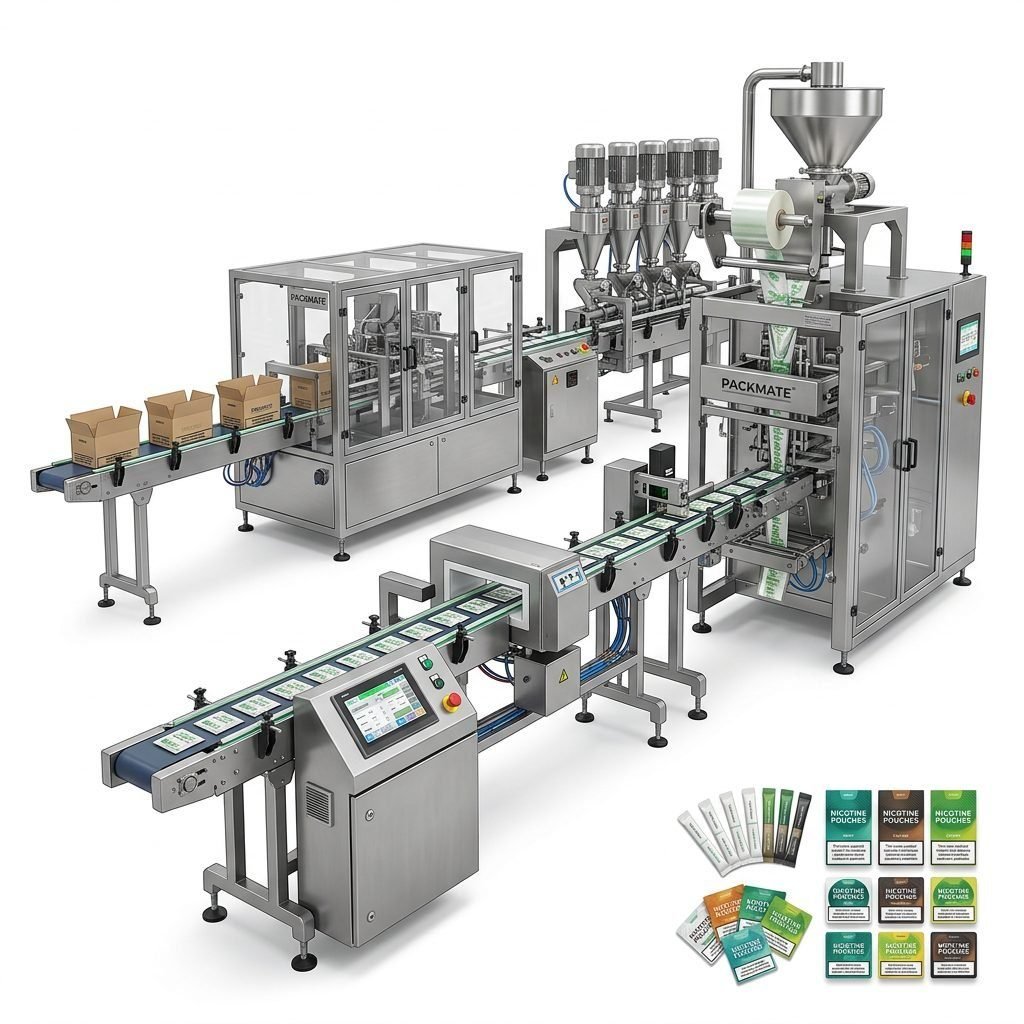
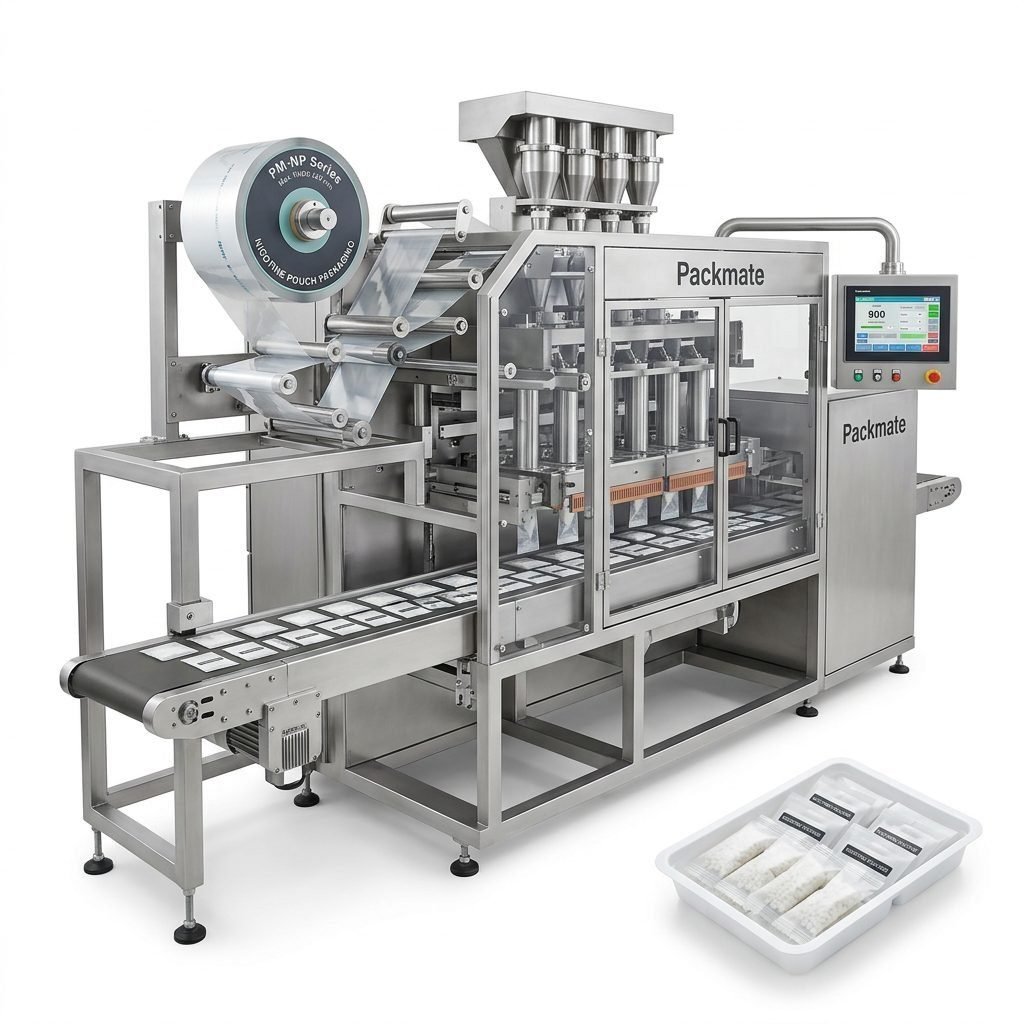
Choosing the right nicotine packaging machine for production in Azerbaijan requires more than simply comparing speeds and prices. Manufacturers operating in this market need to balance regulatory compliance, local supply chain realities, production volume, and product format diversity. This guide walks through the practical steps to assess your needs, compare machine types, and select a reliable partner—helping you reduce risk, improve output quality, and accelerate time-to-market.
Understand the Azerbaijan Market and Your Production Goals
Azerbaijan’s tobacco and nicotine pouch markets are evolving. Producers should evaluate:
📦 Production scale: Are you piloting small batches for regulatory approval, scaling to regional distribution, or aiming for export volumes?
⚙️ Format diversity: Do you need single-dose pouches, stick packs, sachets, or multi-lane outputs for higher throughput?
📈 Compliance & traceability: Will you need serialization, batch coding, or integration with quality control systems?
Key Production Considerations
Before evaluating specific machines, document your essential requirements: daily throughput targets, product viscosities or textures (powder, granule, liquid, or herbal snus), package dimensions, preferred packaging materials, and traceability needs. These baseline decisions drive machine configuration, auxiliary equipment, and factory layout.
Machine Types and What They Deliver
Different machine categories suit different business models. Consider these options:
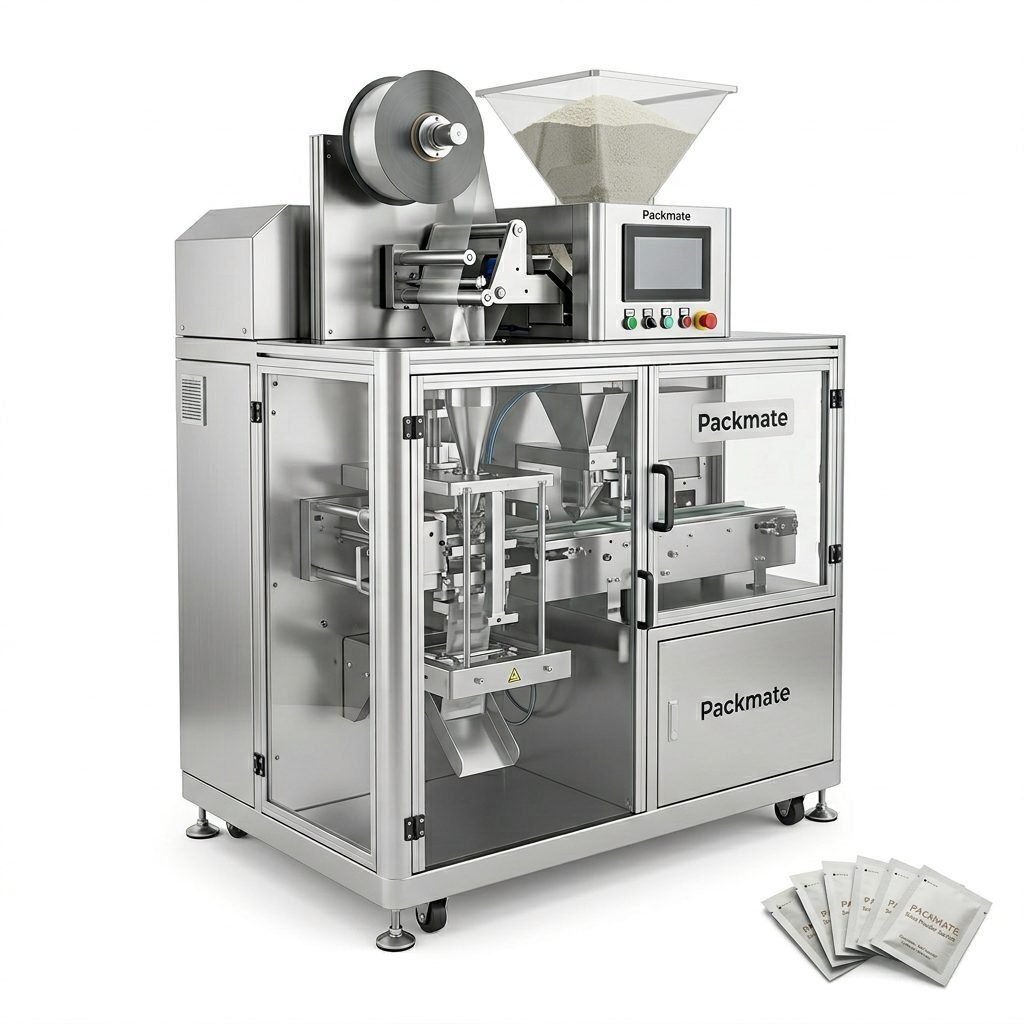
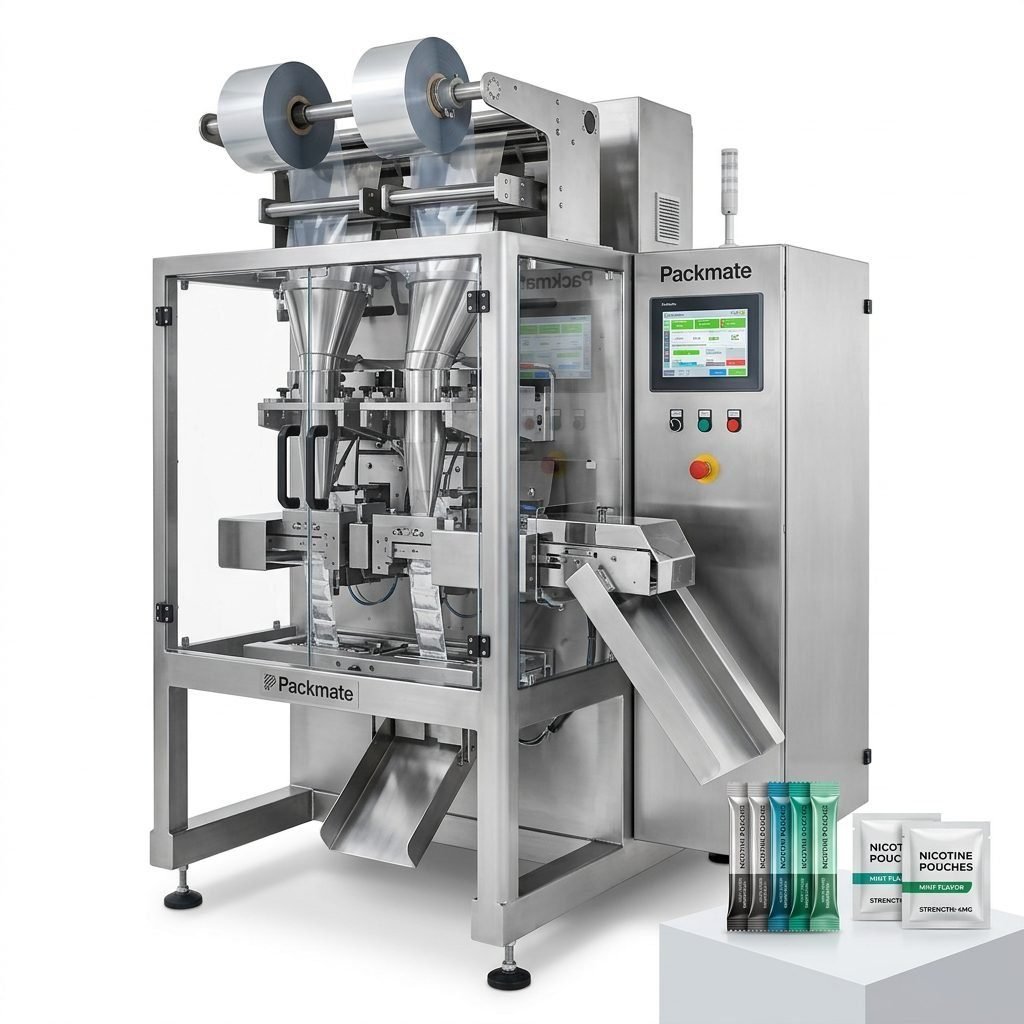
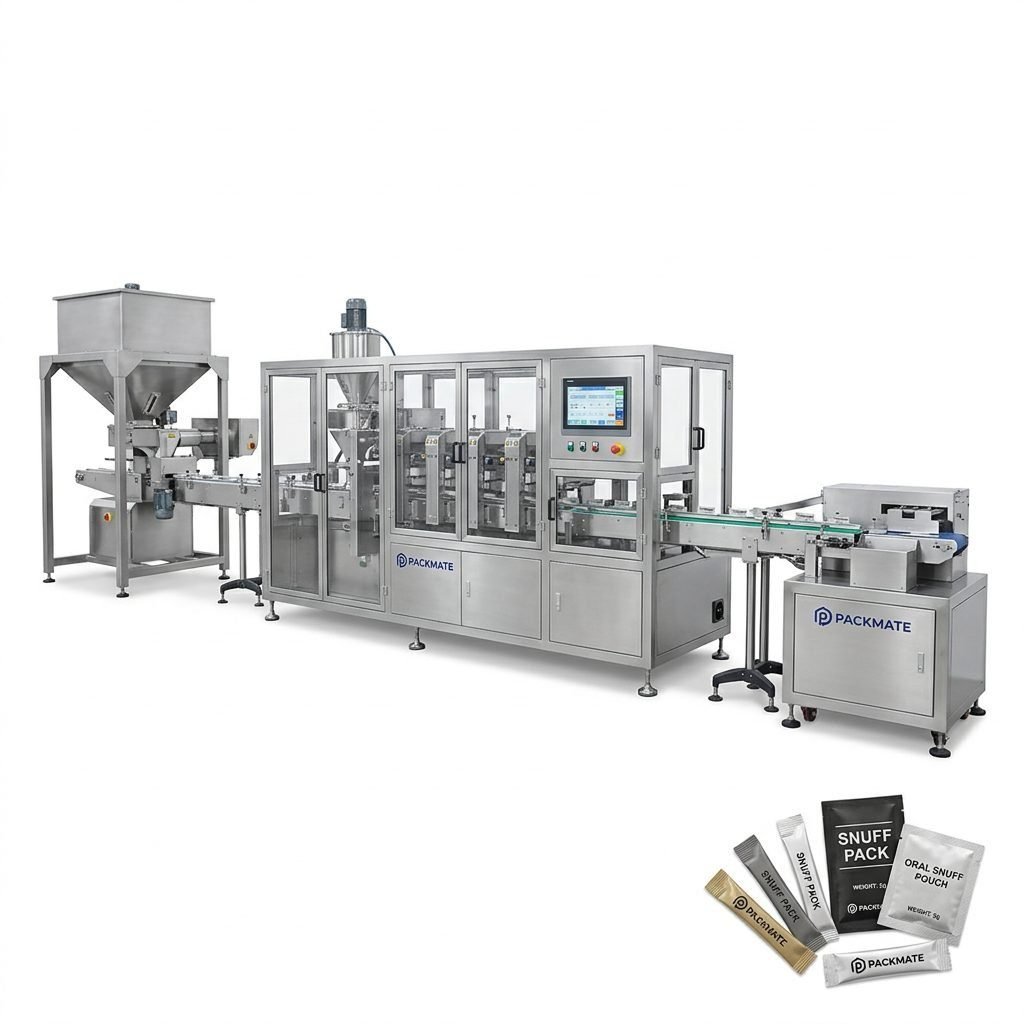
• Snus & Nicotine Pouch Machines — Designed for consistent pouch formation, accurate dosing, and gentle handling of nicotine pouch substrates. These systems are ideal when product integrity and precise dosing matter most. For product-specific solutions and detailed specifications, review manufacturers offering specialized lines such as Snus & Nicotine Packaging Machines.
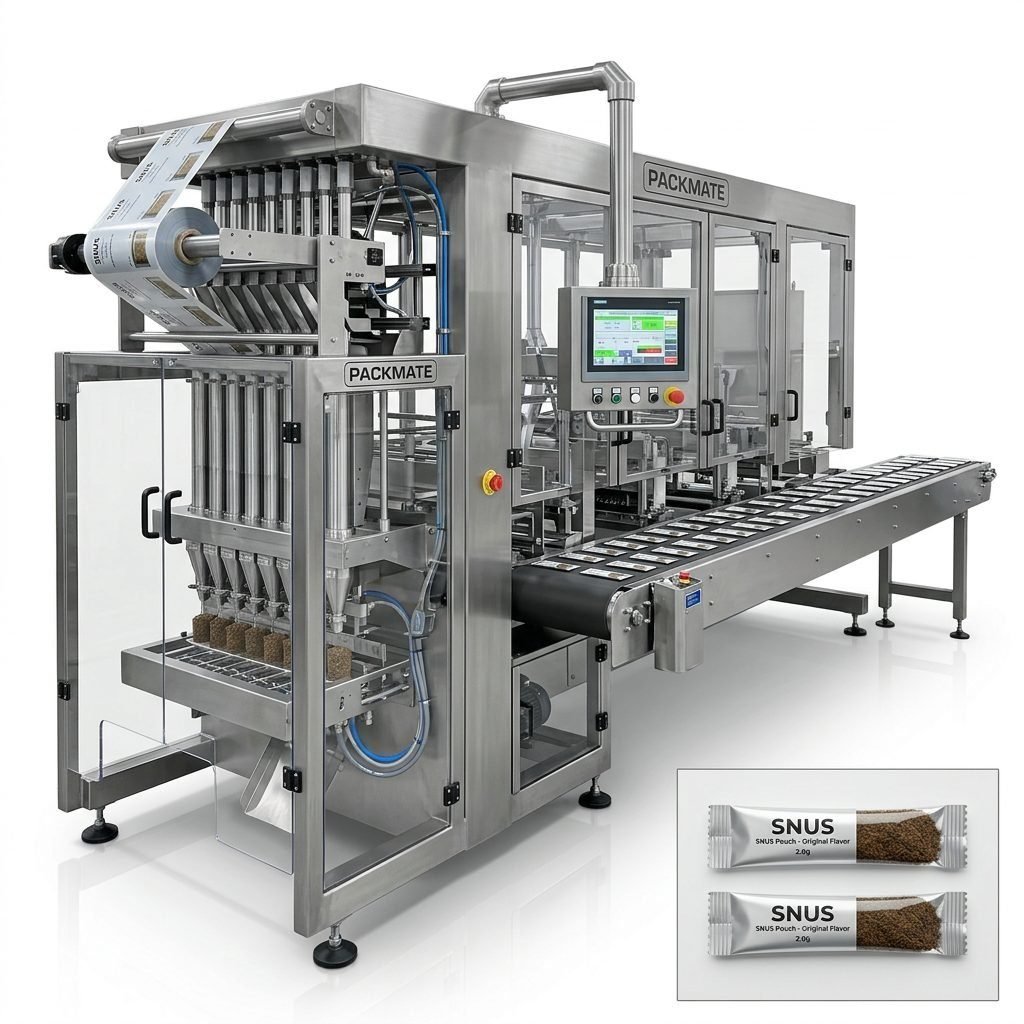
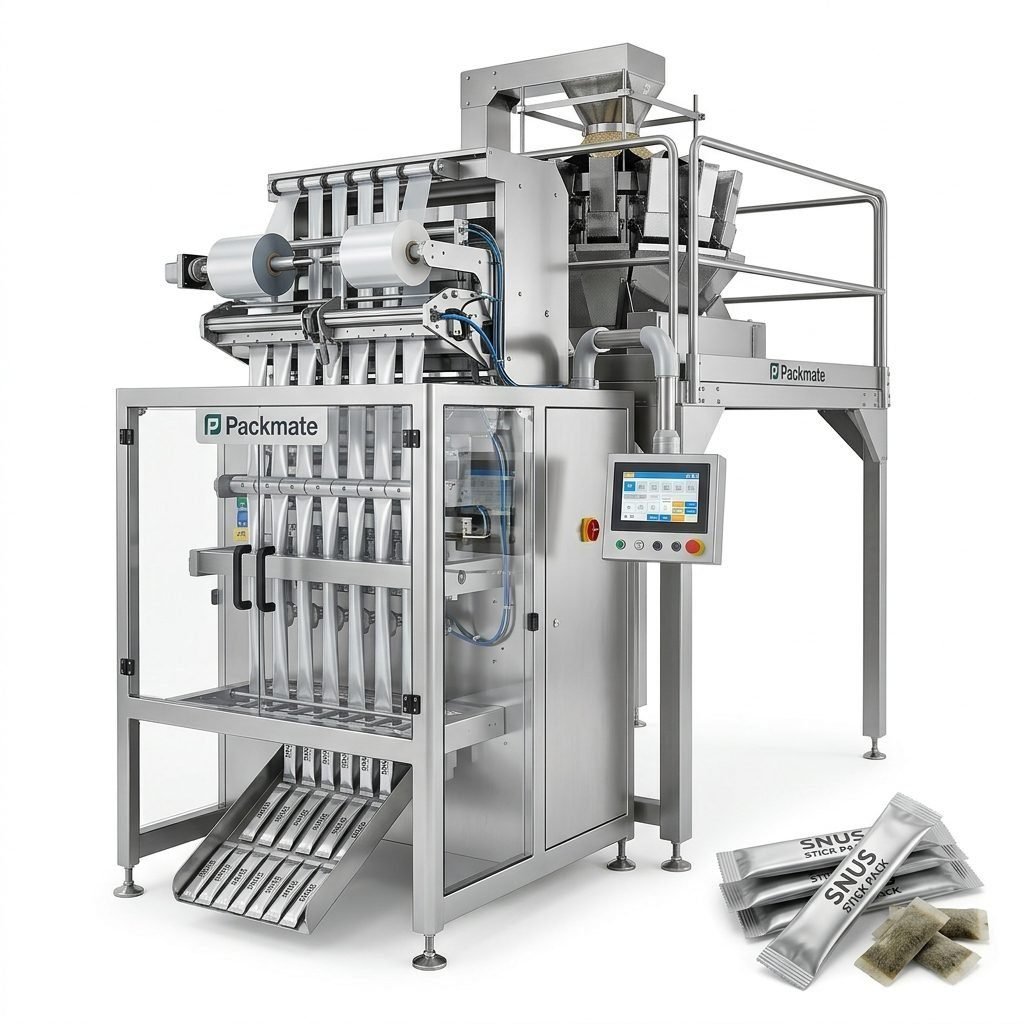
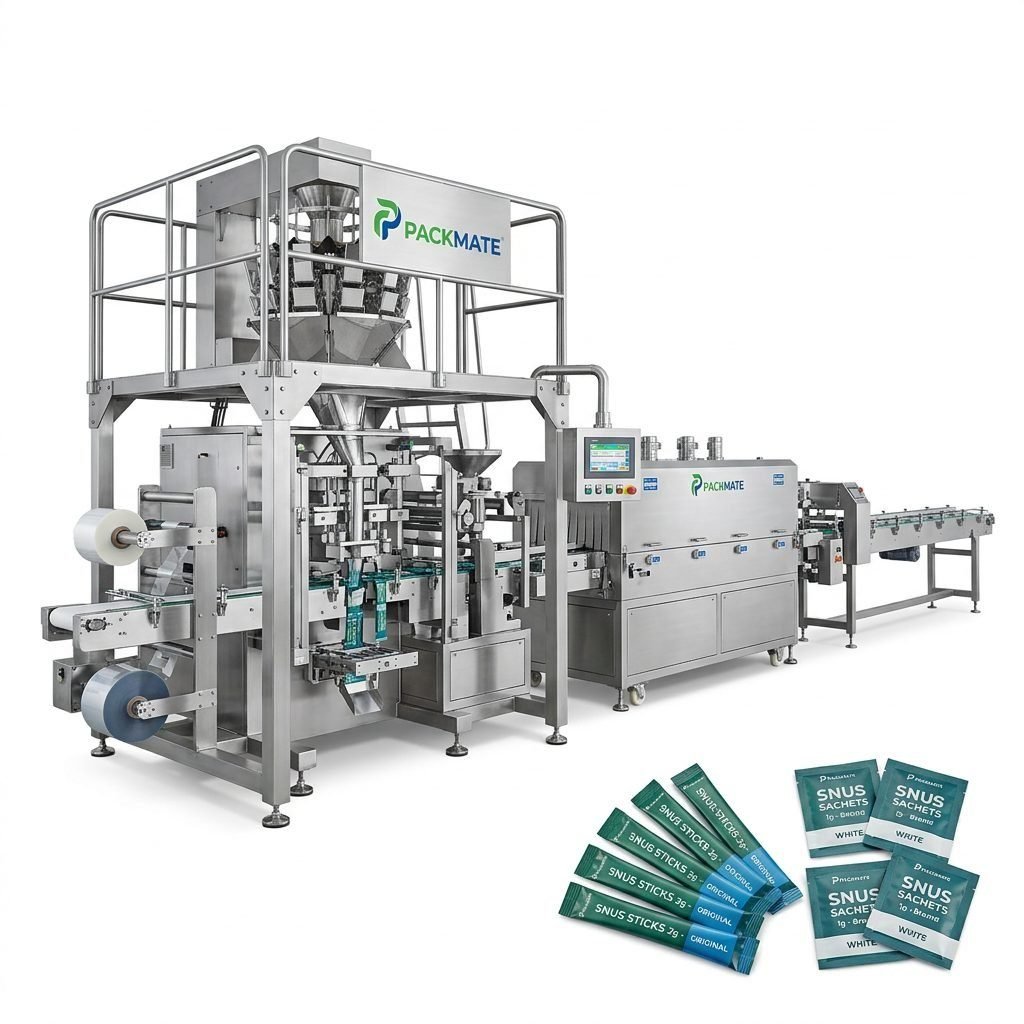
• Sachet & Stick Pack Machines — Good for single-dose stick formats and sachets, offering high speed for simple pouch geometries. They often provide multi-lane configurations to increase throughput while keeping floor footprint compact. See high-performance options at Sachet & Stick Pack Machines.
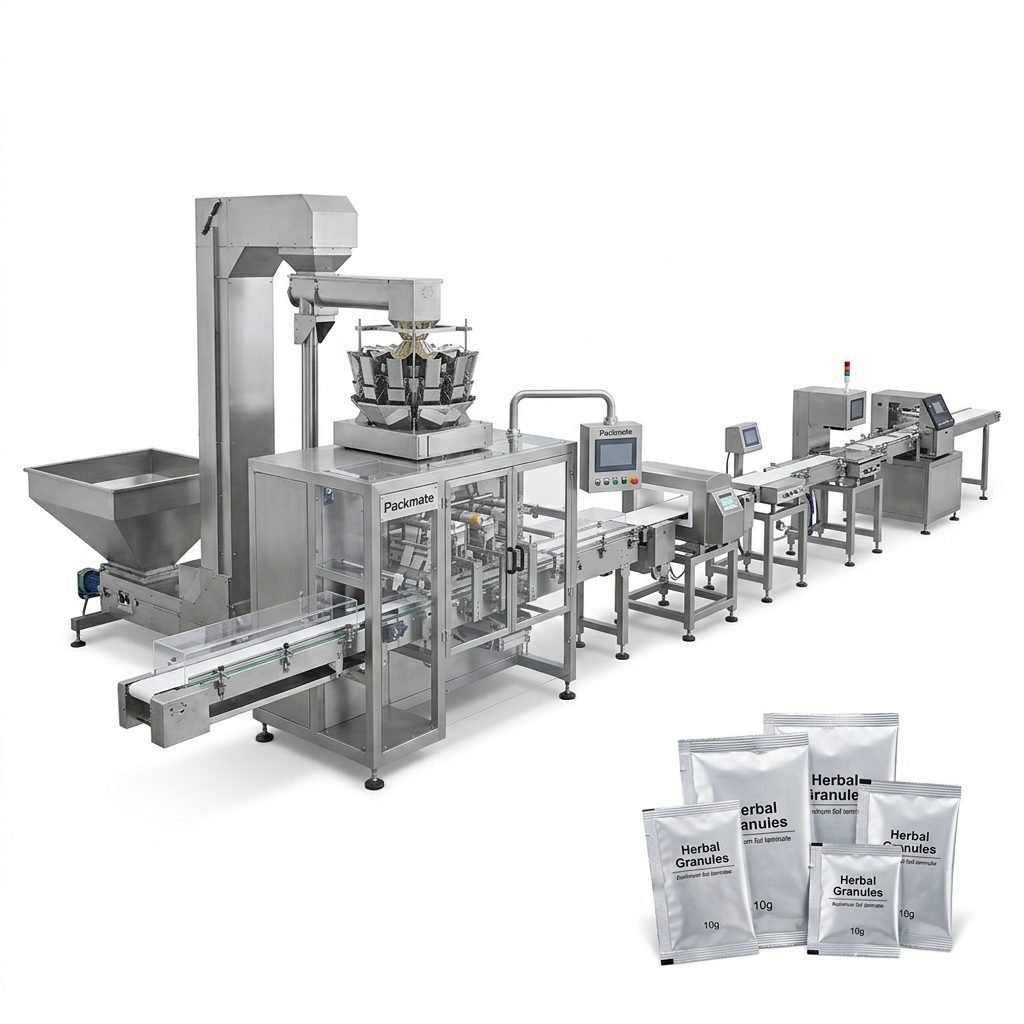
• Bag & Pouch Packaging Machines — If you plan flexible formats or secondary pouches, bag/pouch systems expand your packaging portfolio. Refer to specialized bag and pouch solutions when planning multi-format lines.
Technical Specifications to Evaluate
When reviewing machine datasheets and factory demonstrations, prioritize these technical specs:
✓ Line speed & throughput: Measured in pouches/min or packs/min. Validate achievable speeds with your specific formulation and materials—published rates often assume ideal conditions.
✓ Filling accuracy: For nicotine products, dosing precision is critical. Look for machines with advanced dosing modules (multi-head weighers, auger fillers, pump-based systems) and validation data.
✓ Multi-lane capability: Multi-lane machines dramatically increase capacity without a linear increase in footprint.
✓ Material compatibility & seal integrity: Ensure weld quality across the film types you plan to use (Alu/PE, PET/PE, biodegradable films).
Automation, Integration and Turnkey Solutions
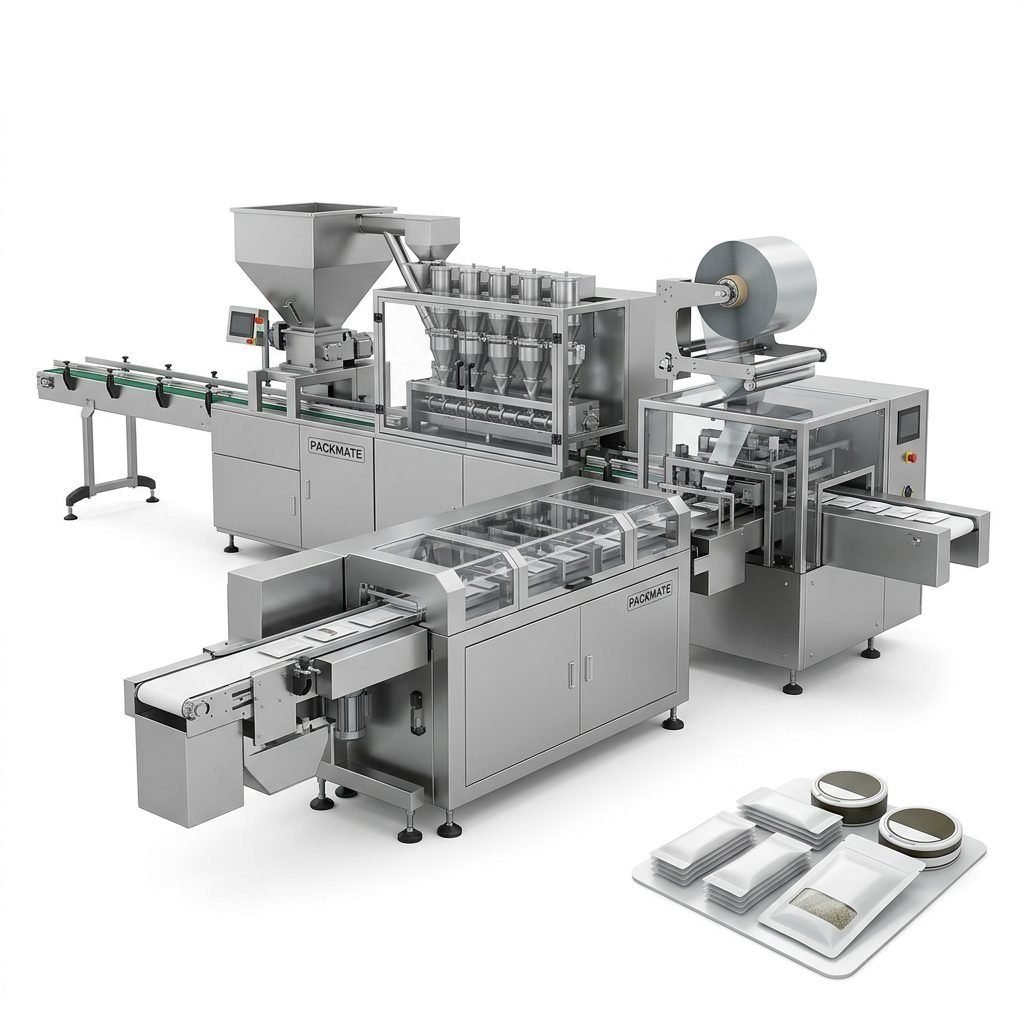
For a production line that performs reliably from raw ingredient through final packaging, consider suppliers that provide turnkey solutions: filling systems, weighing and dosing, pouch forming equipment, conveyors, metal detection, carton erectors, and inline checkweighers. A single-vendor approach reduces integration risk and shortens commissioning time. Explore comprehensive solutions and partner capabilities such as those presented by established manufacturers: About Packmate and their full-service offerings.
Quality, Certification and Service
Certification (CE, ISO) and documented factory acceptance tests (FAT) are essential. Verify the supplier’s post-sale service network, spare parts availability, and training programs. A vendor that offers on-site commissioning, remote diagnostics, and spare parts kits will minimize downtime in Azerbaijan’s market conditions.
Selecting the Right Supplier: Checklist
Use this checklist when comparing vendors:
📋 Factory capability: Does the supplier have CNC centers and precision assembly lines? Confirm manufacturing scale and quality controls.
🔧 After-sales support: Spare parts lead times, remote assistance, and local technical contacts.
🧪 FAT & SAT services: Will the machine be tested at the factory (FAT) and again at your site (SAT)?
📂 Documentation & training: Operation manuals, spare parts lists, and operator training schedules.
Cost Considerations and Return on Investment
Machine cost is only part of total cost of ownership. Include installation, commissioning, spare parts inventory, energy consumption, maintenance labor, and potential downtime in your calculations. Higher initial investment in precision, multi-lane machines often yields lower unit costs and better product consistency—translating into faster ROI for medium-to-large scale producers.
Real-World Example: From Pilot to Full Line
A typical growth path for nicotine pouch producers starts with a flexible pilot machine for product development and small orders, then expands into a multi-lane, high-speed line for commercial production. When evaluating suppliers, ask for case studies or references from similar projects. See real projects and installation examples for reference to better understand lead times and typical integration challenges.
For real-world examples and customer stories, check manufacturer case sections to understand installation timelines and project outcomes, for instance: Case.
Practical Tips for Azerbaijani Operations
– Plan spare parts stock locally to avoid extended downtime when importing parts.
– Consider electrical and utility compatibility—confirm voltage, phase, and compressed air quality.
– Build a small internal maintenance roadmap: preventive maintenance reduces unplanned stops and improves machine lifespan.
Why Choose a Proven Manufacturer
Working with a manufacturer that has decades of engineering experience and a comprehensive product range helps you scale reliably. Companies with strong manufacturing footprints, CNC machining capabilities, and a global service network deliver machines that meet international standards and adapt to customer-specific needs. Explore full-line offerings and technical support options such as Weighing & Packaging Systems and Service to assess compatibility with your production plan.
📞 Local contact & commissioning: Confirm how the supplier will support on-site installation and training in Azerbaijan. If needed, contact their regional team via Contact Us.
🔒 Compliance reassurance: Ask for certificates like CE and ISO and for documentation that aligns with local regulations.
Final Selection Steps
1) Shortlist suppliers based on machine fit and support capabilities. 2) Request FAT videos and sample packaging runs using your materials. 3) Obtain detailed quotes that separate machine cost, installation, spare parts, and training. 4) Arrange references and, if possible, visit an installed customer site or a trade show demo. Manufacturers often participate in global exhibitions where machines run live; attending a demo reduces uncertainty.
Next Steps & Where to Get More Information
If you are ready to evaluate specific models, begin with a product review tailored to your format and throughput. Manufacturers like Packmate provide product lines that span from pilot to fully automated turnkey lines. Explore product categories to match your needs and request tailored proposals:
– Snus & Nicotine Packaging Machines: Product Details
– Sachet & Stick Pack Machines: Product Details
– Weighing & Packaging Systems: Product Details
Frequently Asked Questions
Q1: How do I know if I need a multi-lane machine?
A1: If your projected daily output requires high throughput but your floor space is limited, a multi-lane machine increases capacity without proportionally increasing footprint. Evaluate expected demand growth over 12–36 months when deciding.
Q2: What certifications should I request from the supplier?
A2: Request CE and ISO certificates as a minimum. For nicotine and tobacco-related products, ensure material traceability, hygienic design documentation, and any regional compliance documentation relevant to Azerbaijan.
Q3: How long does commissioning usually take?
A3: Typical commissioning ranges from a few days for standalone machines to several weeks for fully integrated lines. FAT and pre-commissioning checks reduce on-site time.
Q4: What spare parts are essential to keep in stock?
A4: Keep critical wear parts (seals, belts, cutters), dosing components, and a basic electrical spares kit on-site. Your supplier can recommend a parts kit based on expected runtime.
Q5: How can I evaluate ROI quickly?
A5: Calculate unit production cost including materials, labor, energy, and maintenance; compare across machine options. Higher initial costs can be justified if per-unit costs and consistency improve sufficiently to win market share.