Selecting the right nicotine packaging machine for production in Bhutan involves more than choosing the fastest or cheapest option. Manufacturers and packagers must balance regulatory compliance, product format, throughput, reliability, and after-sales support to ensure a smooth launch and sustainable operations. This guide walks you through the key considerations and practical steps to choose the best snus and nicotine pouch packaging solution tailored to your production needs in Bhutan.
Understand the Bhutan Market and Regulatory Context
Before evaluating equipment, research Bhutan’s import rules and nicotine product regulations. Local labeling, material restrictions, and import licensing can influence the type of machine and the packaging materials you can use. Engage with local regulators early to confirm acceptable pouch sizes, secondary packaging, and product labeling requirements.
Why compliance matters
Non-compliant packaging can lead to shipment delays, fines, or product recalls. Machines that support verified material handling and consistent sealing reduce regulatory risk. Look for equipment with traceable production records and easy integration with quality control systems.
Match Machine Type to Your Product Format
Different nicotine products and marketing formats demand specific packaging technologies. Common machine categories include:
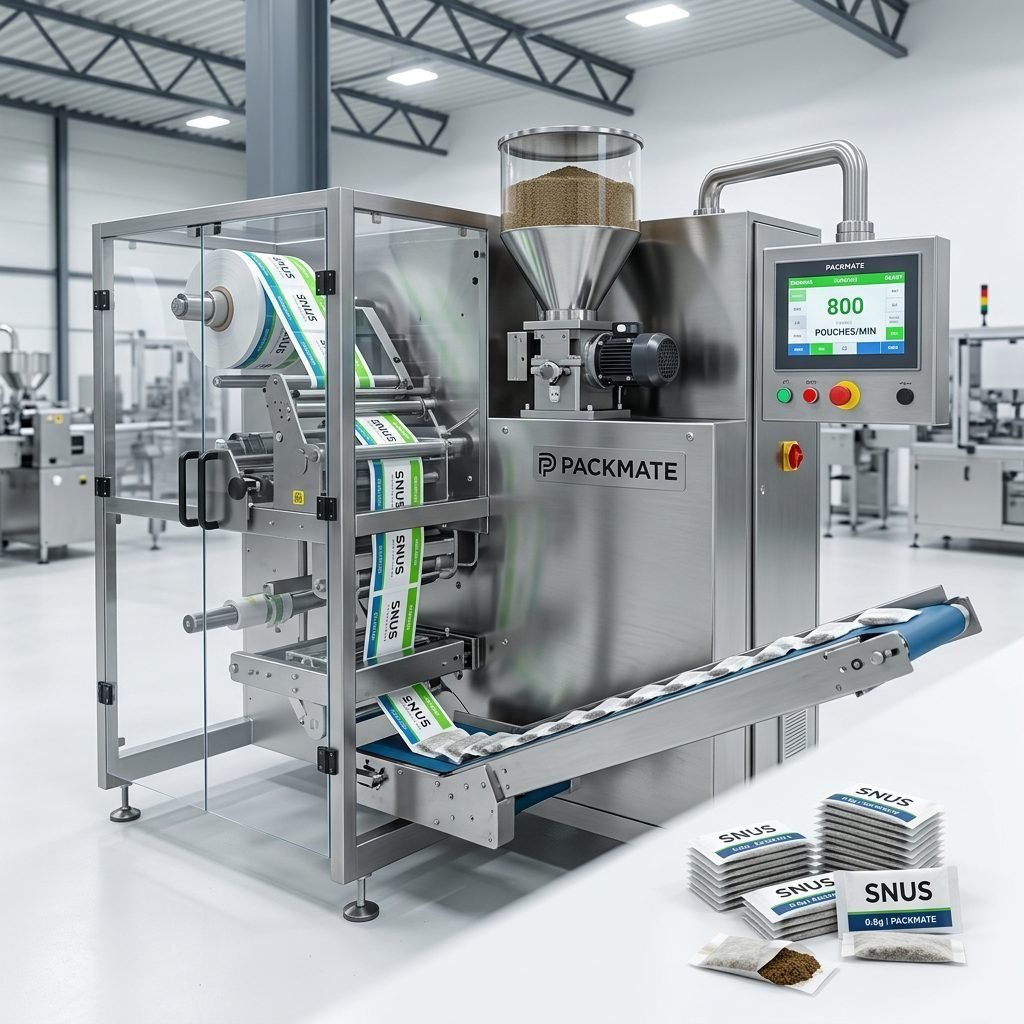
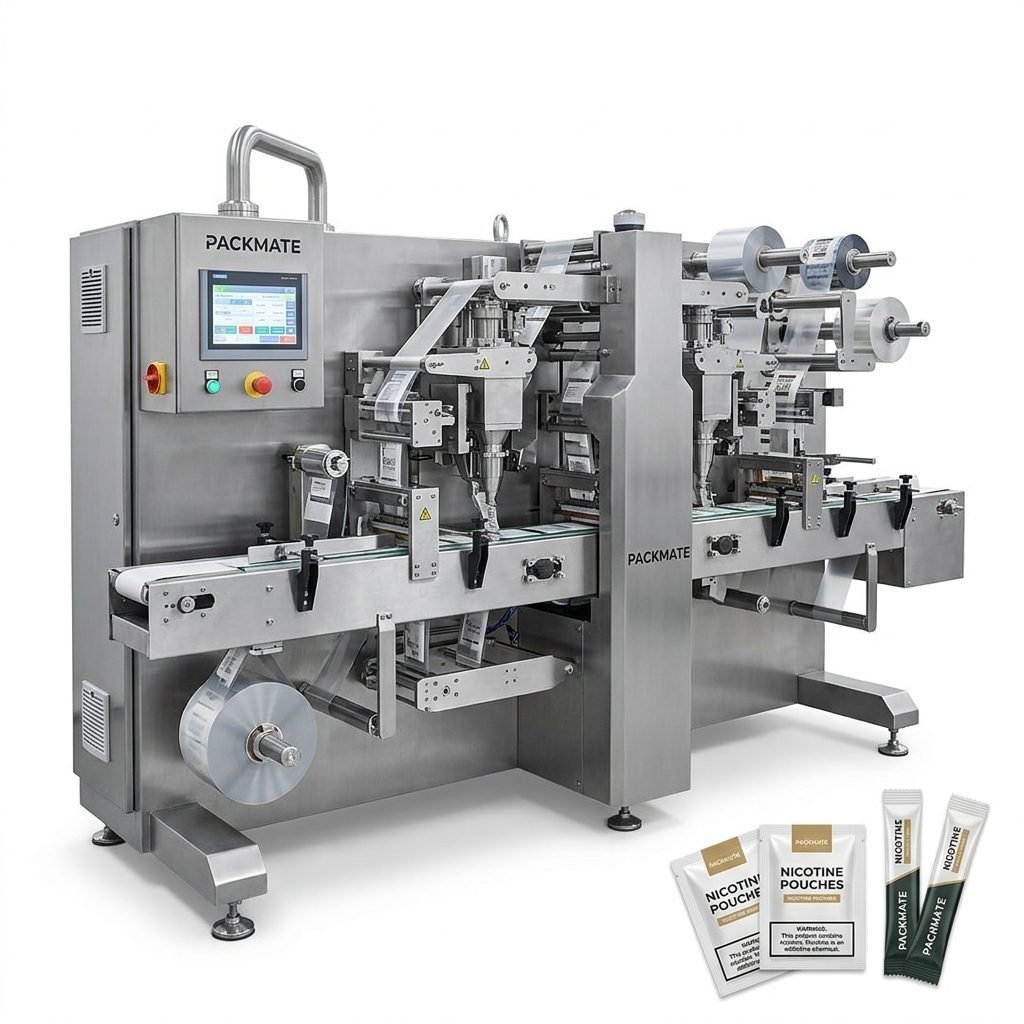
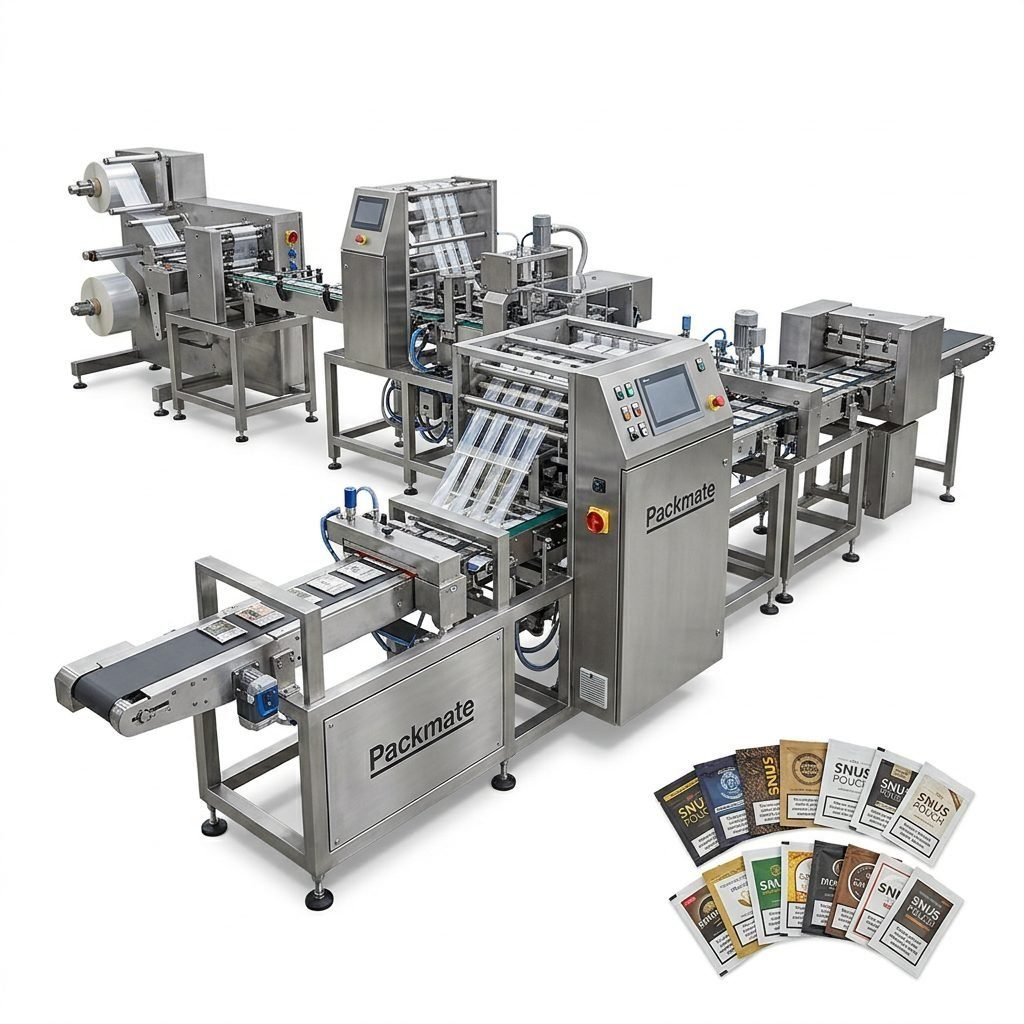
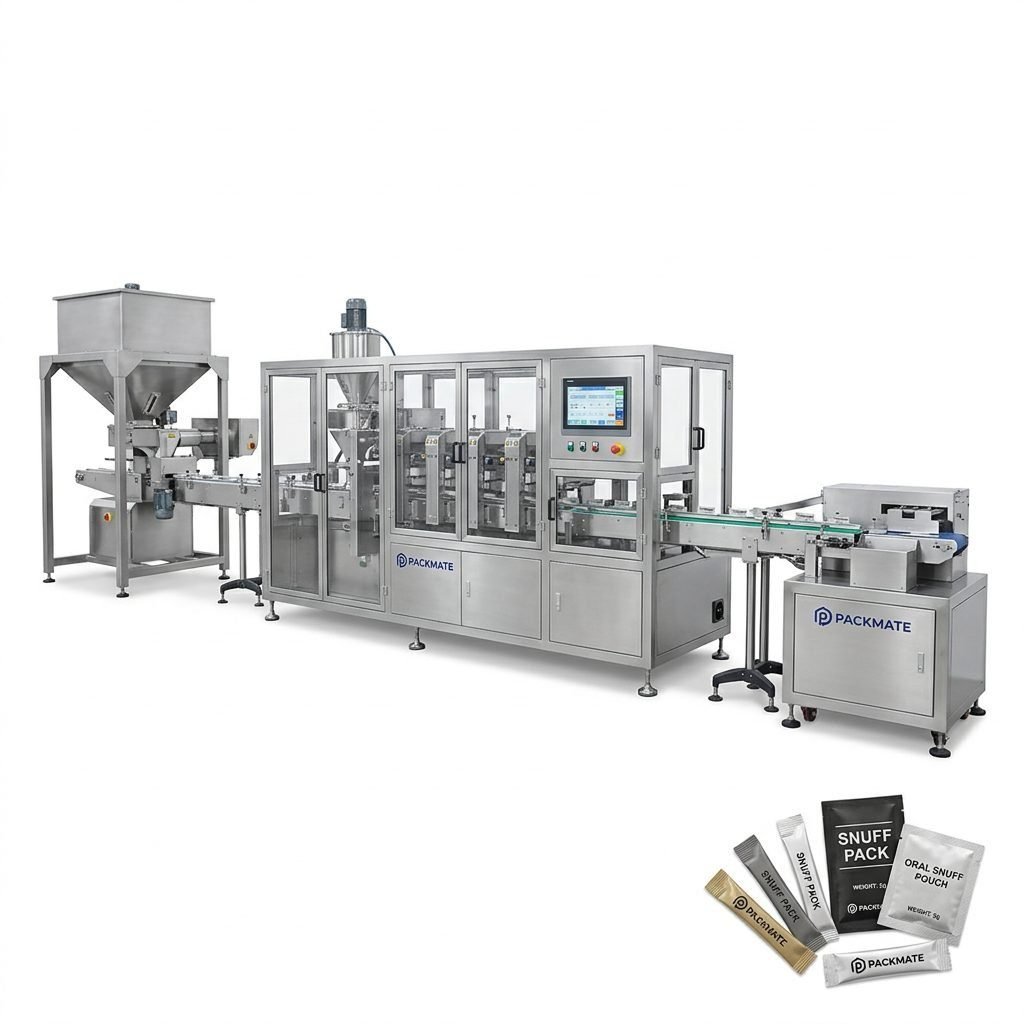
🔧 Snus & Nicotine Pouch Machines — Designed for precision dosing and sealing of small-dose pouches. Best for standard nicotine pouches and snus formats. (Product examples)
Other relevant machine styles:
- Stick pack machines — for single-dose stick products or sachets.
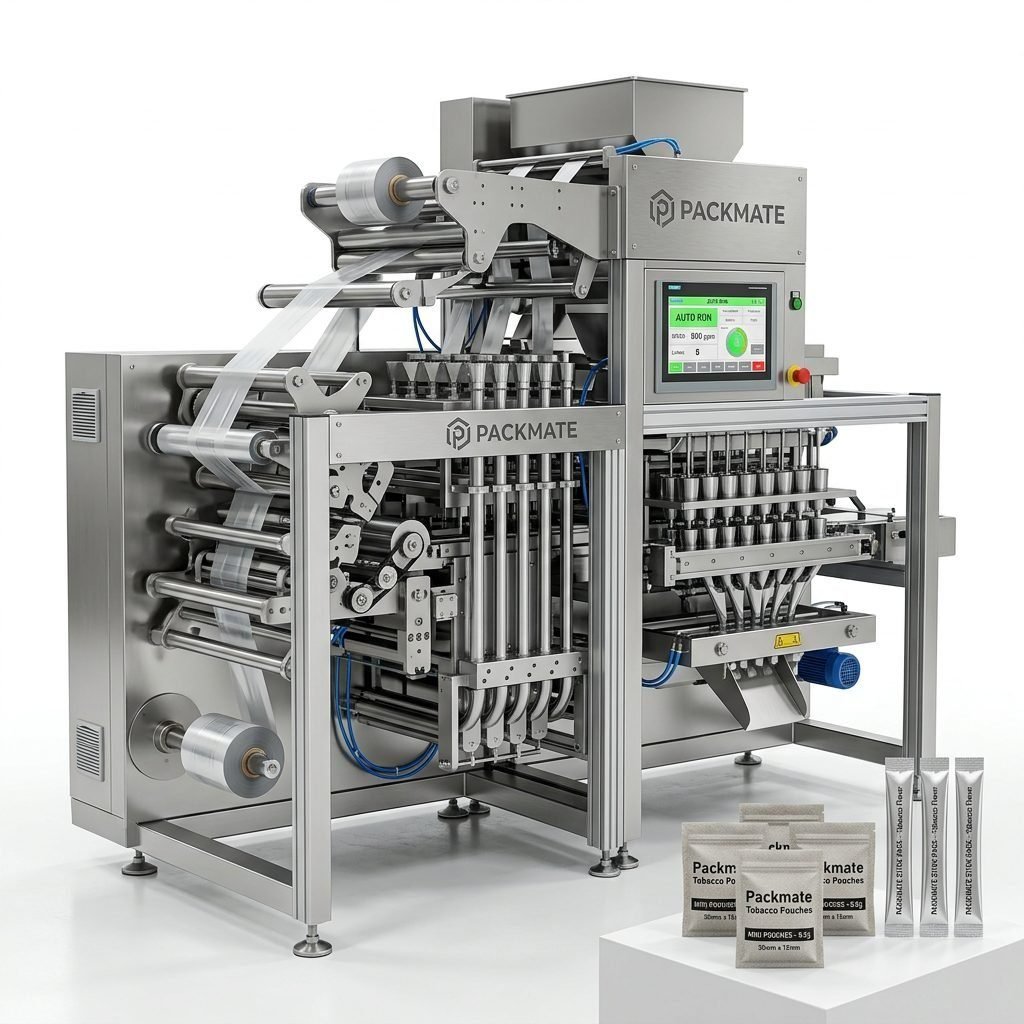
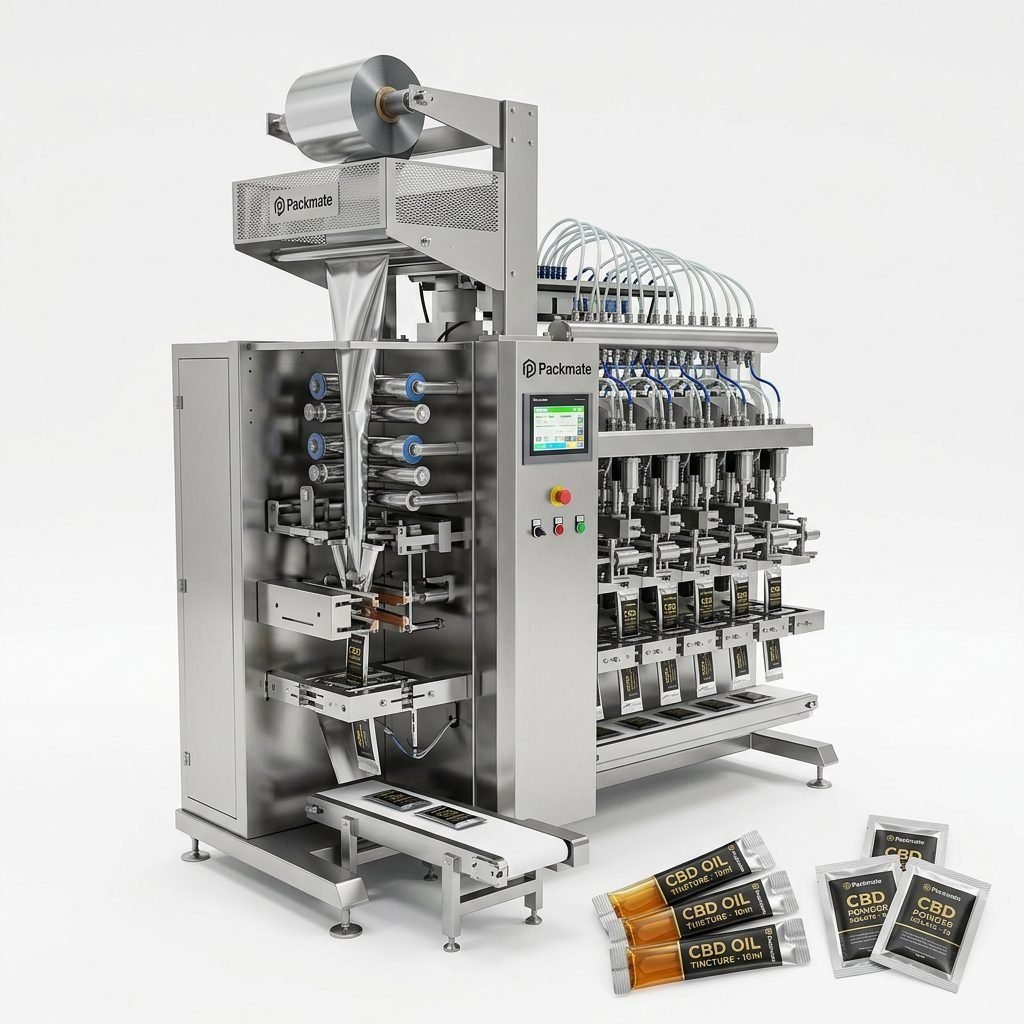
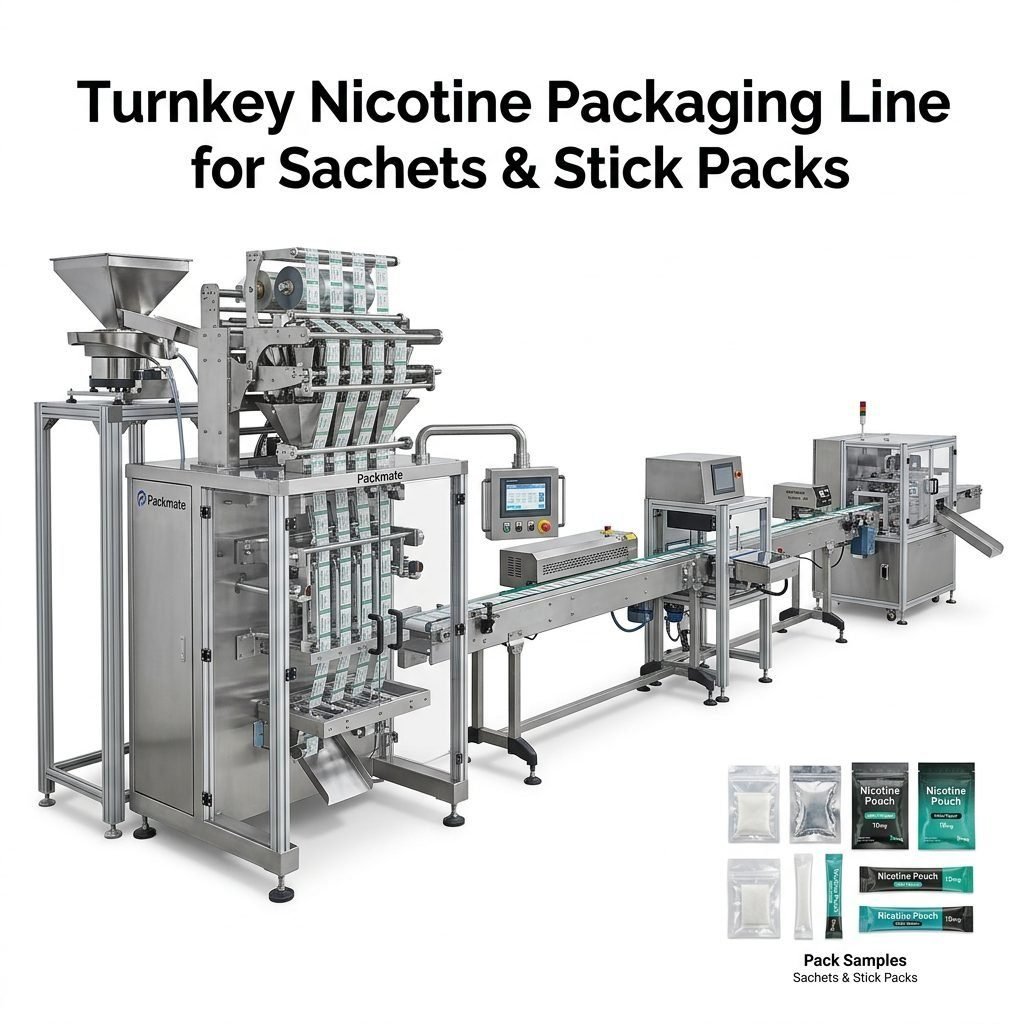
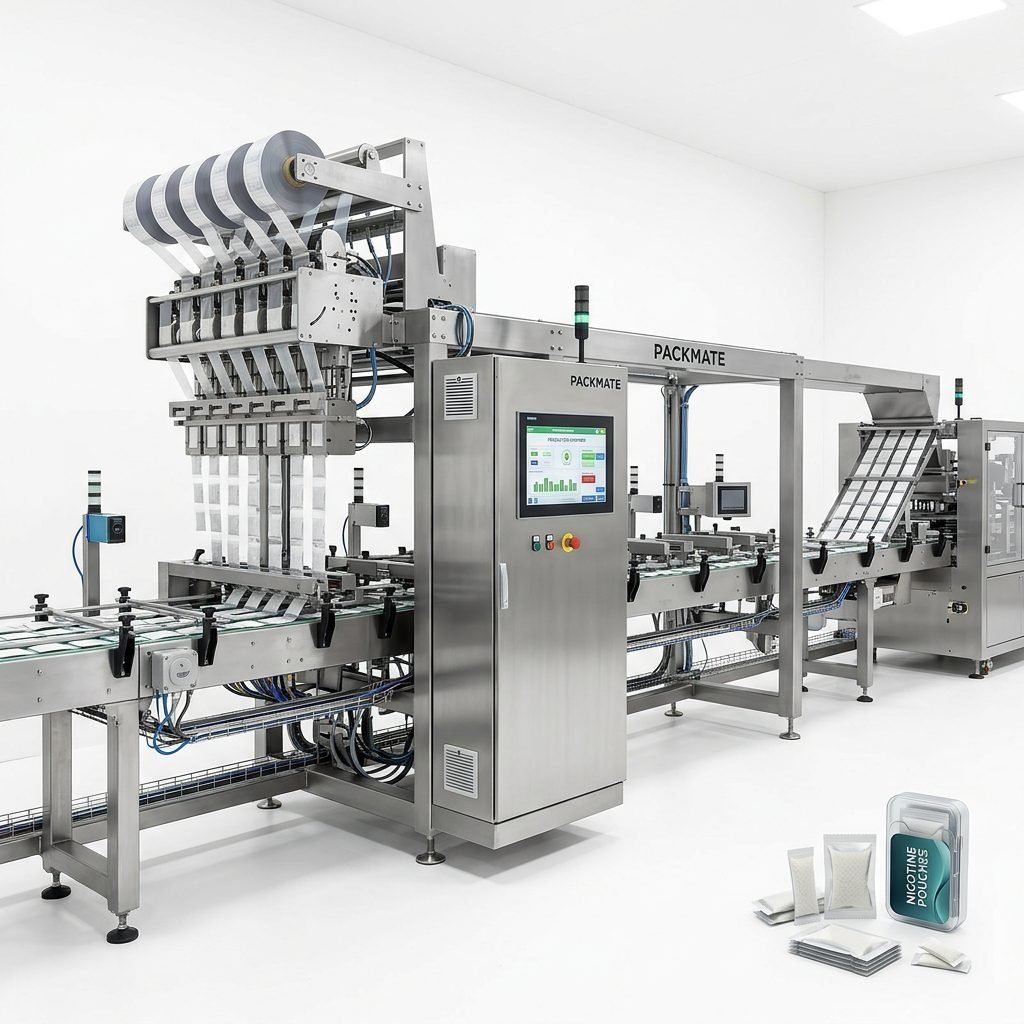
- Sachet & multi-lane stick pack machines — increase lane count for higher throughput (Sachet & Stick Pack Machines).
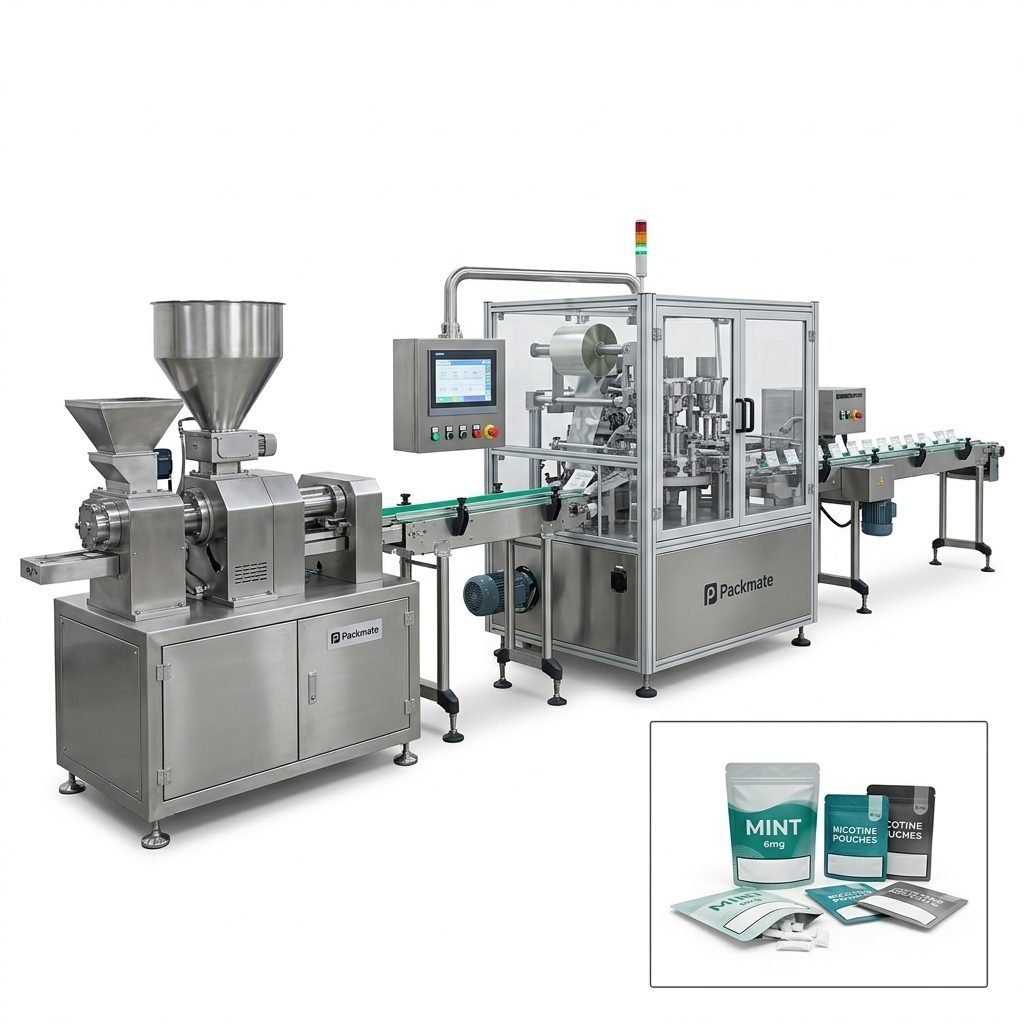
- Filling & packaging lines — for integrated upstream dosing and downstream cartoning (Filling & Packaging Lines).
Calculate Realistic Throughput & Scalability
Start with current demand and forecast growth. For a small Bhutan-based operation, a single- or dual-lane snus machine may be adequate. If you expect rapid growth or plan to export regionally, consider multi-lane systems that scale throughput without multiplying floor space.
Key metrics to request from suppliers
Ask for validated metrics: pouch per minute, uptime percentage, average changeover time, and required operator headcount. A machine rated for “X pouches/min” will deliver different effective output depending on changeovers and downtime; always ask for real-world case performance.
Assess Automation and Line Integration
Decide whether you need a standalone machine or a fully integrated line. A turnkey line offers synchronized upstream weighing/filling and downstream cartoning or secondary packaging. Integration reduces manual handling and contamination risks, important for nicotine products.
✅ Pro tip: If you require automated weighing or precise dosing, review Weighing & Packaging Systems that can be natively integrated with snus lines.
Material Compatibility and Flexibility
Verify that the machine supports the film types and laminates you plan to use (foil, paper-laminates, heat-seal films). Machines with flexible sealing temperature controls and adaptable forming systems allow you to test new materials without major retrofits.
Common material concerns
Moisture barrier, odor control, and heat sensitivity of nicotine pouches demand robust film selection. Also confirm compatibility with inks and printing technologies you need for batch codes or variable data printing.
Quality, Sealing & Hygiene Features
Consistent sealing and accurate dosing are critical. Inspect machine sealing systems, cavity design, and vacuum handling modules. For nicotine products, contamination control and easy-to-clean design should be prioritized.
⚠️ Must-have: Cleanable transfer surfaces, quick-release parts for sanitation, and enclosed zones for sensitive product handling.
Service, Spare Parts and Local Support in Bhutan
Long-term uptime depends on fast access to spare parts and experienced service engineers. Ask the supplier about regional partners, training programs, and spare parts lead times. If local representation is limited, verify remote support capabilities and detailed service documentation.
Supplier transparency checklist
Request references from similar installations and a clear plan for operator training. Look for partners that offer preventive maintenance schedules and warranty terms that protect production during early ramp-up.
Certifications and Compliance
Choose machines that meet international standards like CE and ISO. These certifications indicate adherence to safety, electrical, and manufacturing quality standards. Confirm documentation for customs clearance and tender submissions.
For more on a supplier’s credentials and global presence, see the About Packmate and Certificate pages.
Total Cost of Ownership and Return on Investment
Evaluate beyond the purchase price. Include installation, training, spare parts, consumables, energy consumption, and expected maintenance. A higher-capability machine with strong reliability often yields a shorter payback due to reduced downtime and better product yields.
🔍 Calculator tip: Model scenarios: low-volume startup vs. scaled export. Compare projected output, labor reduction, and energy use to estimate ROI over 2–5 years.
Factory Fit and Installation Requirements
Check machine footprint, access for maintenance, electrical needs, and compressed air requirements. Plan for material handling (unwind stands, reel loading areas) and downstream packaging stations. If you require a turnkey solution, a single supplier can minimize integration complexity — explore turnkey options via Bag & Pouch Packaging Machines and related systems.
Factory Acceptance Tests and Site Visits
Arrange a Factory Acceptance Test (FAT) to validate performance with your product and materials before shipment. A FAT reduces surprises during site commissioning. If possible, visit installations in similar climates or markets; real-world references are invaluable.
What to verify at FAT
Throughput with your pouch, sealing quality, changeover steps, CIP (clean-in-place) procedures, and operator training. Ask for recorded runs and sample packs to test for shelf life and sealing integrity.
Making the Final Decision: Supplier & Contract Tips
Choose a supplier with proven nicotine packaging experience, robust technical documentation, and clear service commitments. Ensure the purchase contract includes lead times, acceptance criteria, warranty coverage, and spare parts lists. Consider performance-based milestones for payment to align expectations.
📦 Recommended step: Request a turnkey proposal that includes installation, training, spare parts, and a staged payment schedule tied to FAT and SAT (Site Acceptance Test).
Real-World Case Studies and References
Review completed projects to understand supplier capabilities and long-term performance. Packmate has multiple global cases demonstrating multi-lane lines and turnkey installations — review their examples at Case.
Practical Procurement Checklist
Use this checklist to compare options and vendors:
- Production capacity and lane configuration
- Material compatibility and sealing methods
- Automation level and integration with upstream/downstream equipment
- Service network, spare parts lead times, and training
- Certifications (CE/ISO) and regulatory documentation
- Total cost of ownership and ROI projections
- FAT and SAT acceptance criteria
Contact and next steps
When you are ready to request proposals, provide detailed product specs (pouch dimensions, mass per pouch, target throughput), material samples, and your expected installation timeline. Reach out to suppliers early to align on lead times — see Contact Us for initial inquiries and support options.
Conclusion
Choosing the best nicotine packaging machine in Bhutan requires balancing regulatory needs, product format, scalability, and supplier reliability. Prioritize machines with proven sealing performance, easy maintenance, and solid after-sales support. Use FATs, reference visits, and a clear procurement checklist to minimize risk and ensure a successful production launch.
Frequently Asked Questions
Q1: How do I choose between single-lane and multi-lane machines?
A: Choose single-lane for low-volume production or development runs. Multi-lane is best when you need higher throughput without expanding floor footprint. Consider expected growth and export plans when deciding.
Q2: What certifications should I require from the manufacturer?
A: Require CE and ISO documentation at a minimum. Also request electrical compliance paperwork, material validation certificates, and test reports from factory acceptance trials.
Q3: How important is remote support for a Bhutan installation?
A: Very important if local service partners are limited. Remote diagnostics, operator training, and spare parts kits shorten downtime. Confirm the supplier’s remote support capabilities before purchase.
Q4: Can I integrate weighing systems with a snus packing line?
A: Yes — integrated weighing and dosing systems improve accuracy and reduce manual handling. Explore integrated options like Weighing & Packaging Systems.
Q5: Where can I see real machine demos and references?
A: Visit supplier exhibition events and request case studies. Packmate lists exhibitions and case references online — see Our Exhibition and Case.