Choosing the right snus packaging machinery for production in Angola requires a blend of technical knowledge, local market insight, and clear business goals. Whether you are scaling up a nicotine pouch operation or starting a new snus product line, the equipment you select will determine your line efficiency, product quality, and long-term profitability. This guide outlines the practical steps and criteria to identify the best snus packaging machines for efficient and reliable production in Angola.
Understand the Angola Market and Production Goals
Before evaluating machines, clarify your market positioning and production targets. Angola’s growing consumer segments and expanding retail channels demand consistent product quality and regulatory compliance. Consider: target daily or monthly output, pack formats (pouches, sachets, stick packs), and planned product variants (different nicotine strengths, flavors, or sizes).
Key questions to answer
⚙️ What is the target output per shift? • ⚙️ Which pack formats will you produce? • ⚙️ Do you need multi-lane production? • ⚙️ Is flexibility for small batch runs required?
Types of Snus Packaging Machines and When to Choose Them
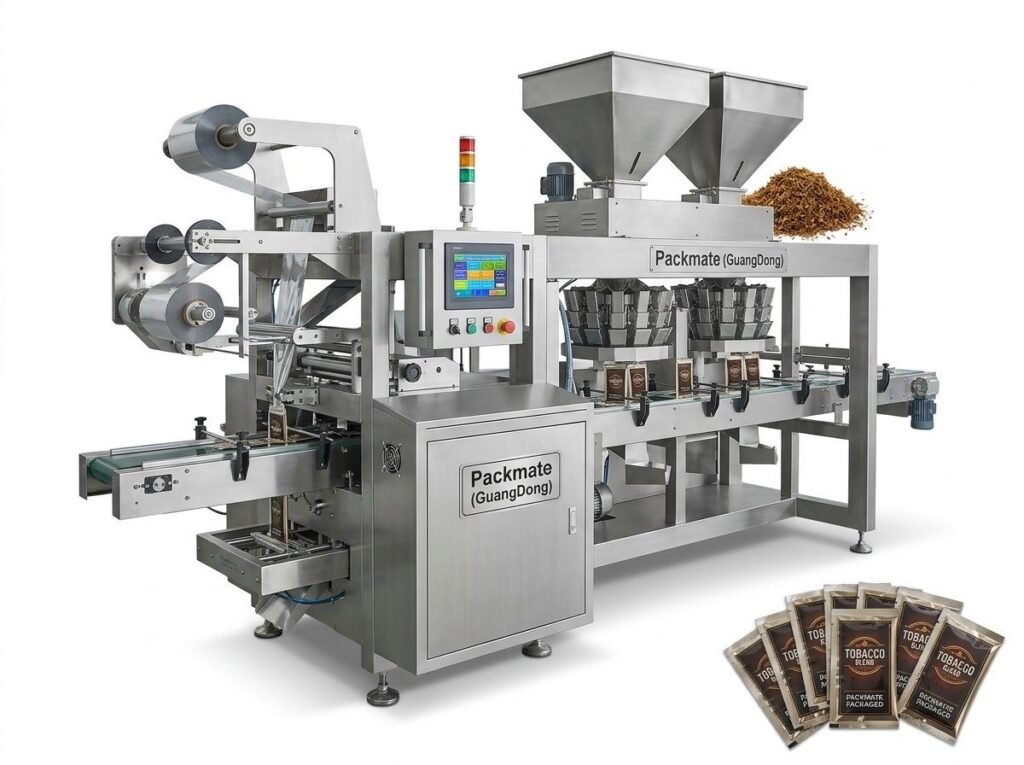
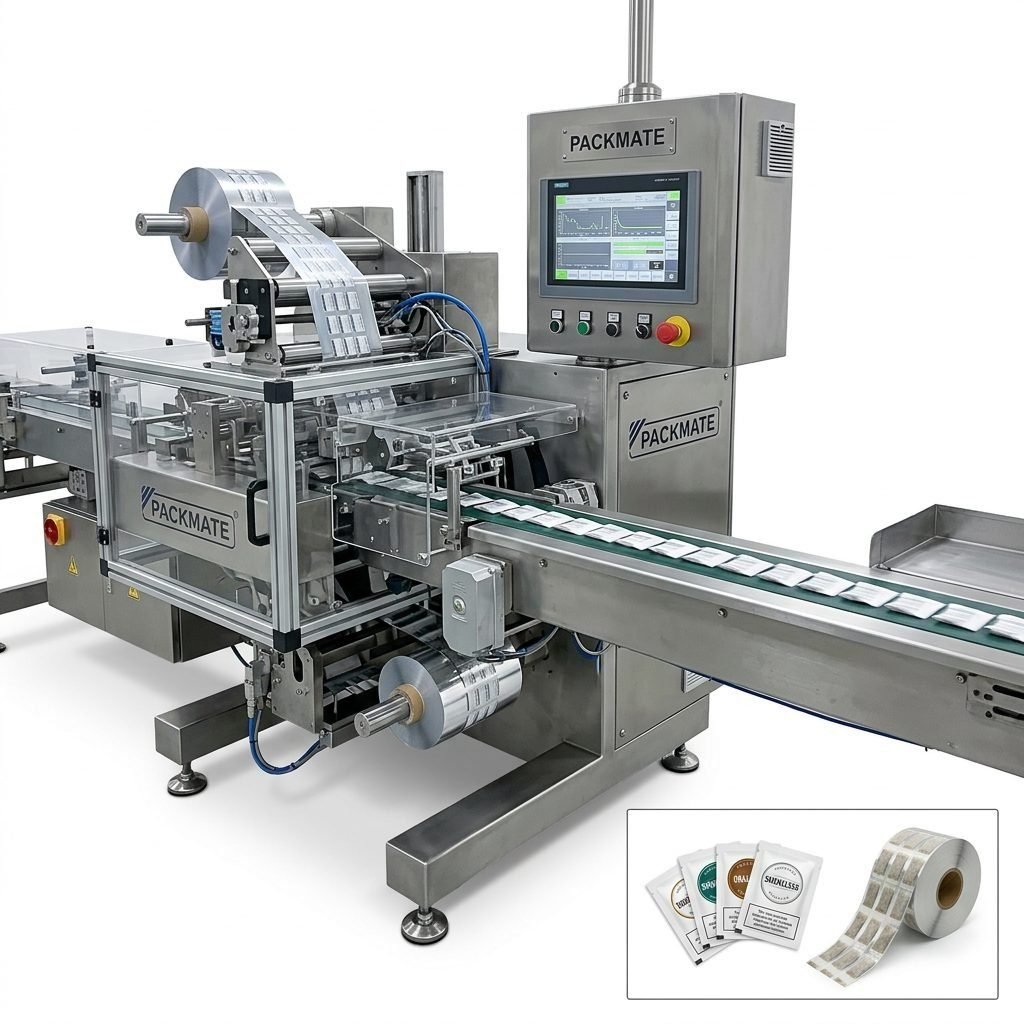
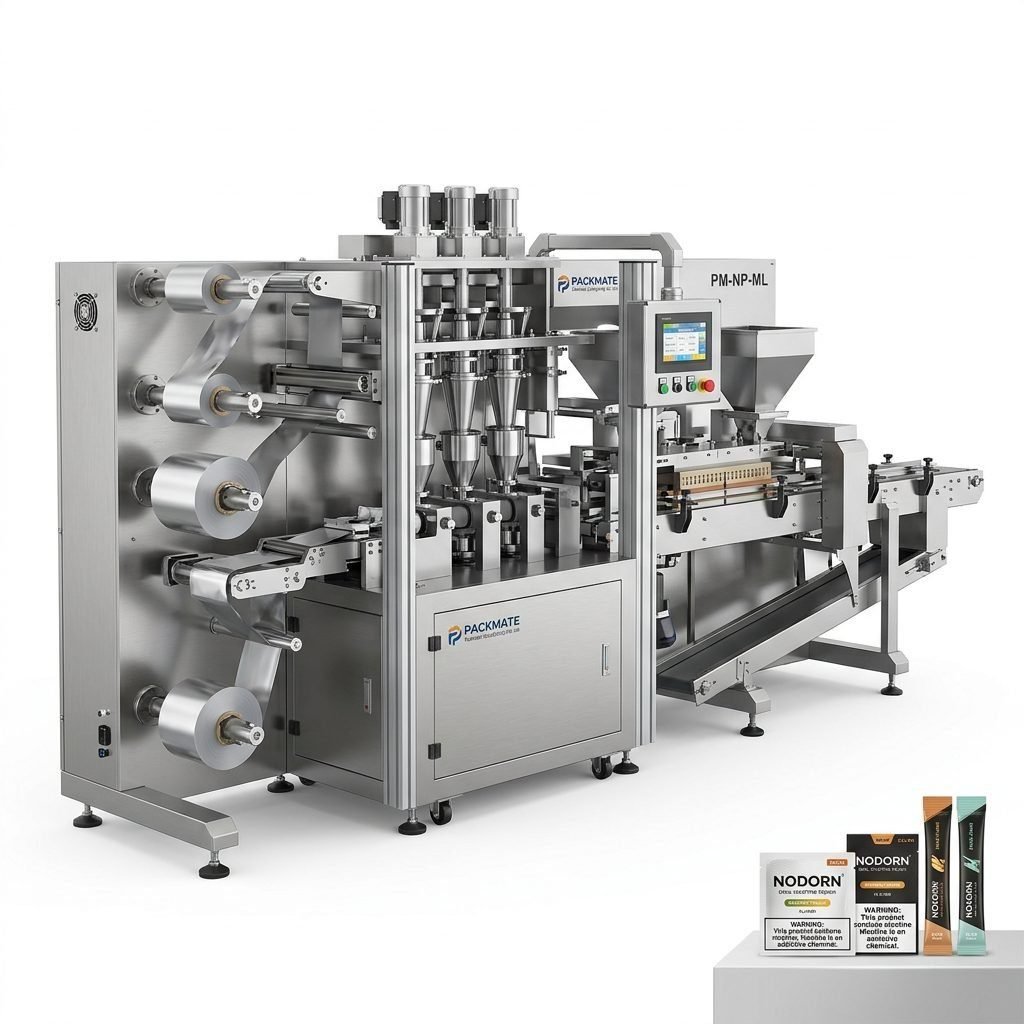
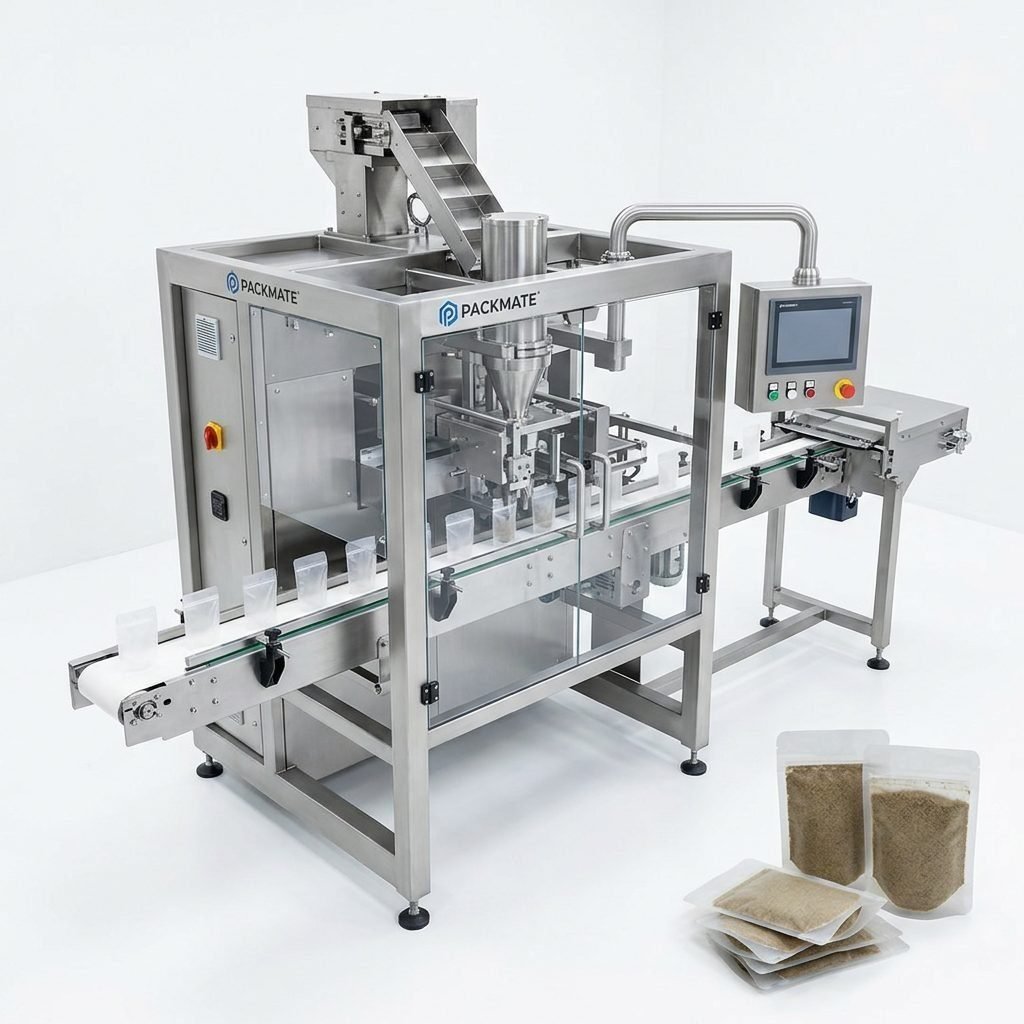
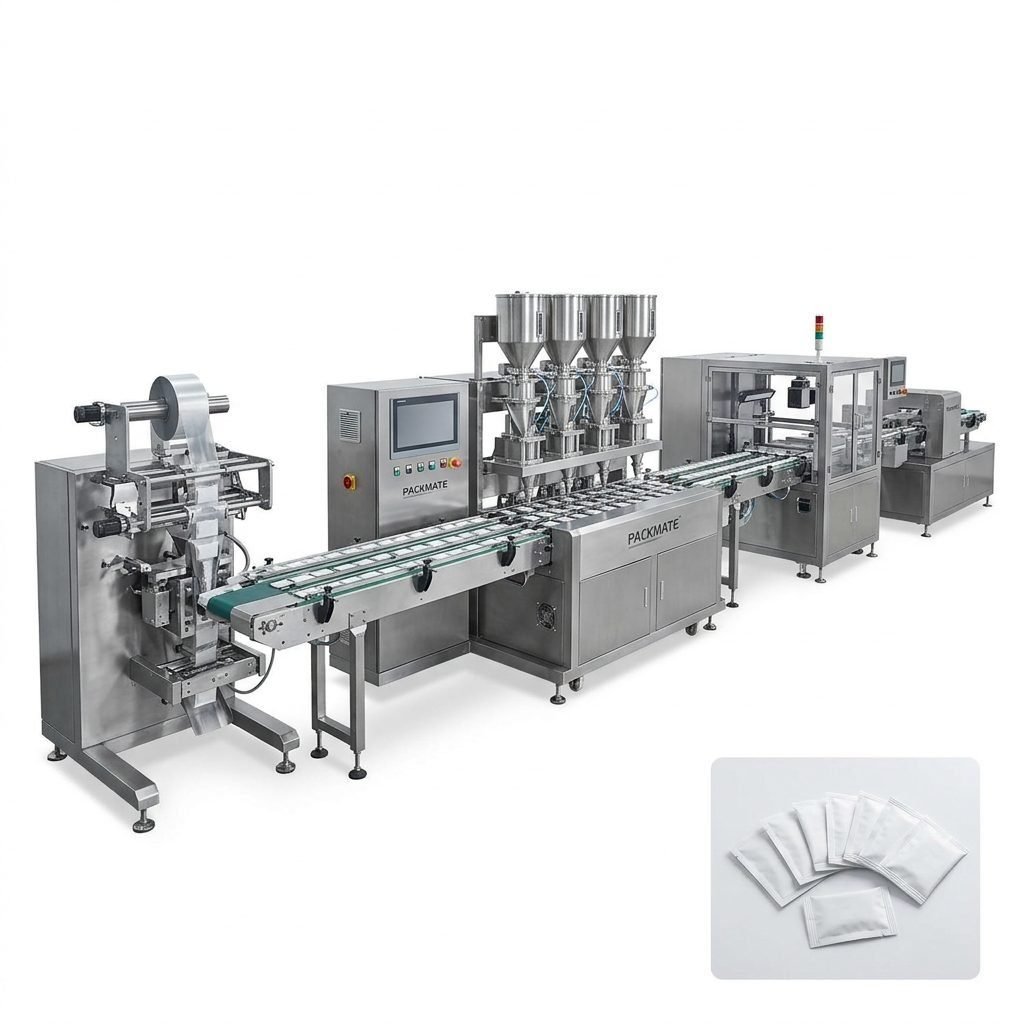
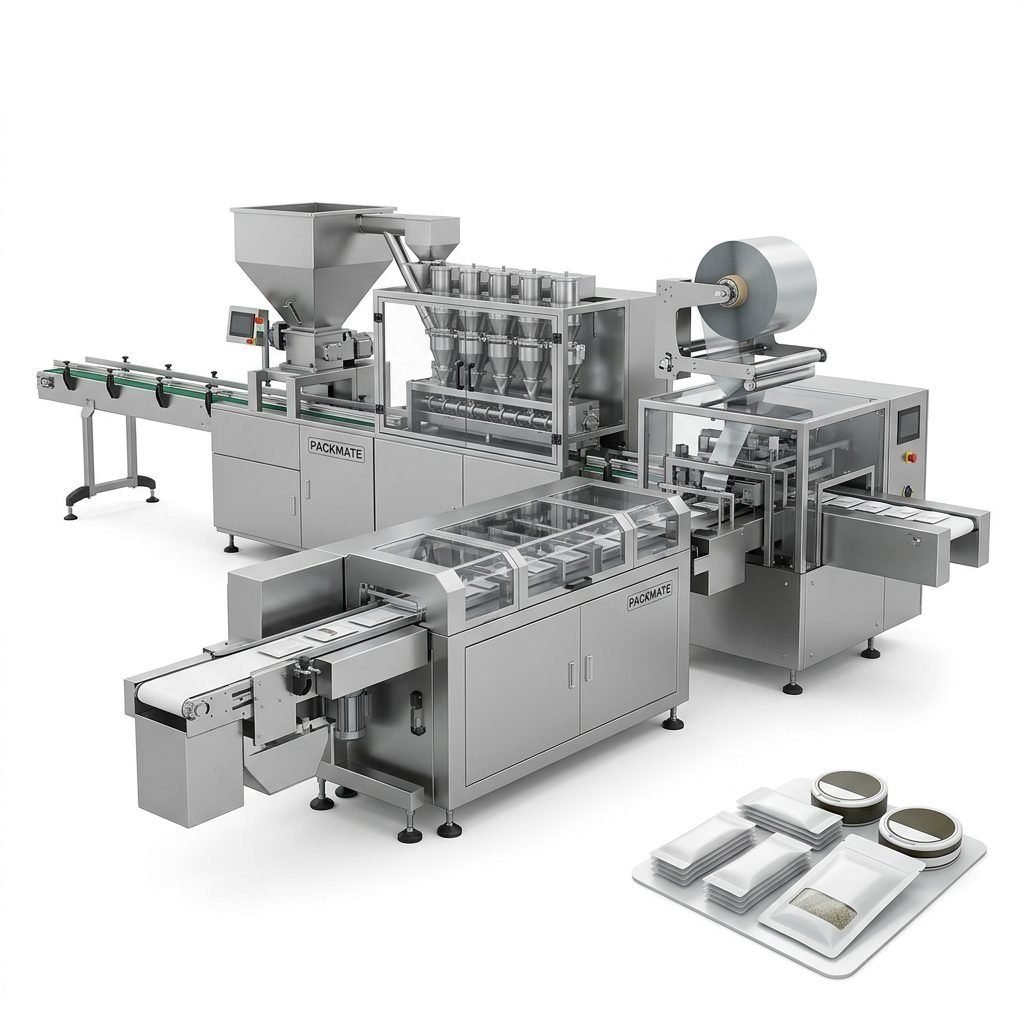
Packaging lines vary by format and automation level. For nicotine pouches and snus, common machine types include stick pack machines, multi-lane pouch machines, and sachet systems. Each type serves specific production strategies:
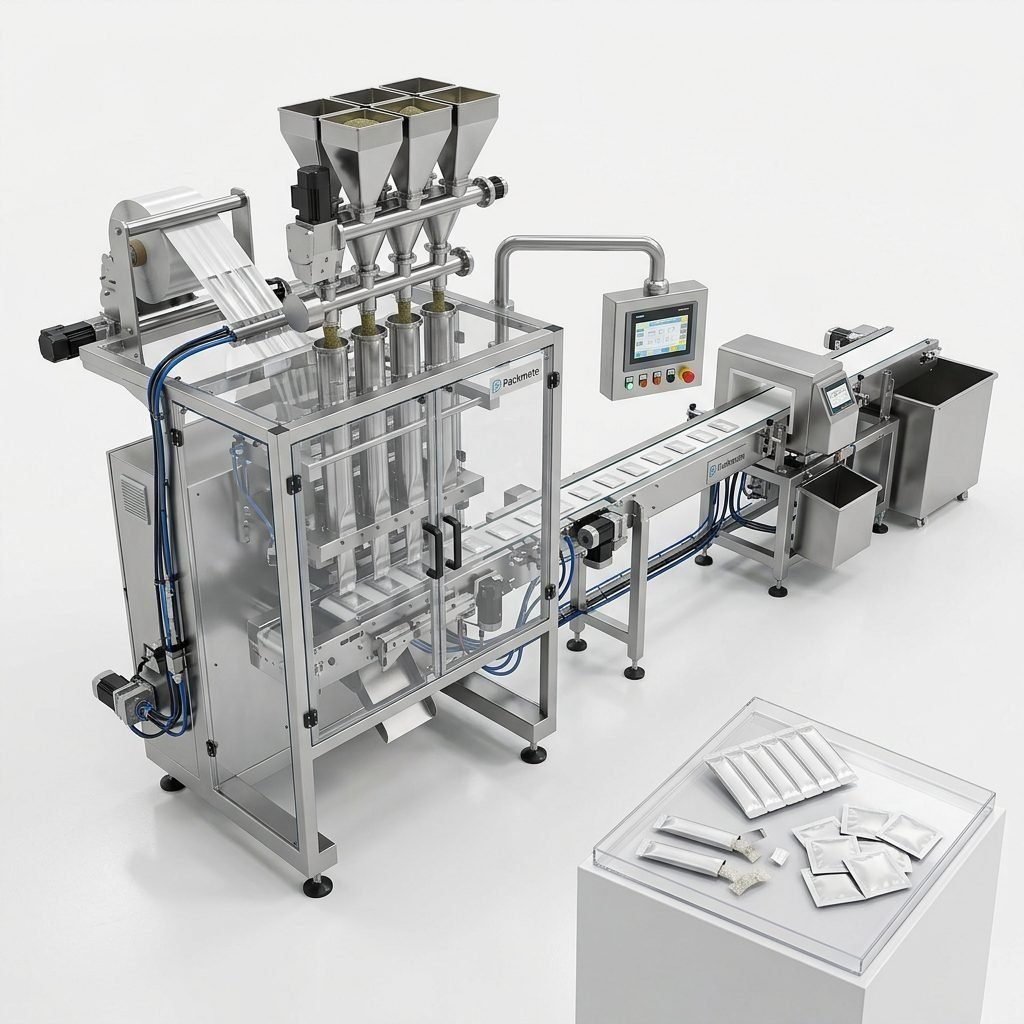
Stick pack machines
Stick packs are ideal for portion-controlled single-dose formats and high-speed output. If your product strategy emphasizes single-use convenience and automatic dispensing, a stick pack line can deliver excellent throughput.
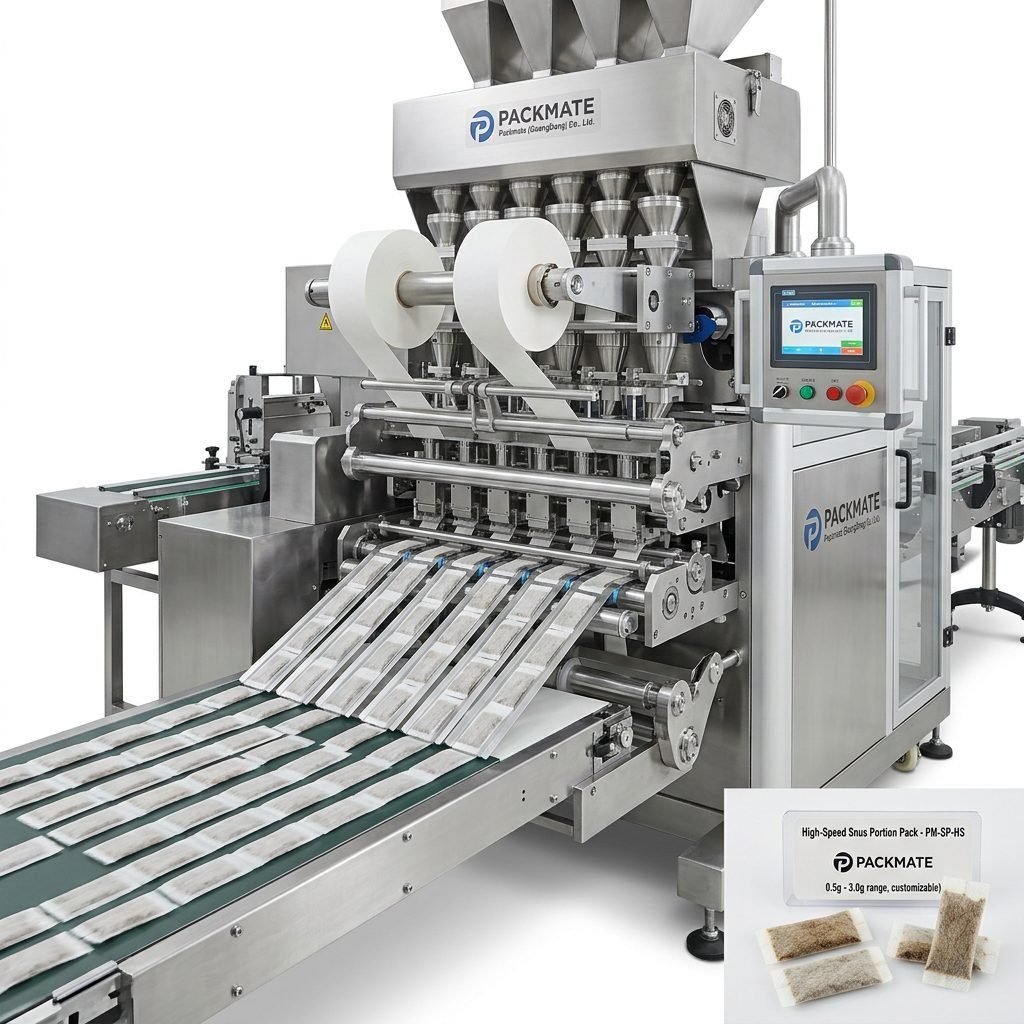
Multi-lane pouch / snus machines
Multi-lane systems enable compact, high-output production of small-dose pouches. They are particularly suited for nicotine pouches where many small units are produced simultaneously. Multi-lane designs reduce footprint per unit output and offer cost advantages at scale. Learn more about advanced options at
Snus & Nicotine Packaging Machines.
Sachet and pouch machines
Sachet and pouch machines are versatile and can handle powders, granules, and moist fillings. If you plan to package other SKUs such as tea or herbal blends alongside snus, consider flexible sachet/pouch systems. See options at
Sachet & Stick Pack Machines.
Tip: For Angola operations, prioritize machines that combine compact footprint and modular multi-lane capability — they deliver high productivity while keeping energy and space costs manageable.
Key Technical Specifications to Compare
When comparing vendors and models, focus on specifications that matter to production consistency and uptime:
Throughput and lane configuration
Throughput is commonly expressed as pouches per minute or packs per hour. Multi-lane machines offer aggregated throughput. Ensure the rated speed aligns with realistic production scenarios — consider product handling, filling accuracy, and packaging material changes.
Filling accuracy and dosing systems
Snus and nicotine pouches require precise dosing to meet quality and legal requirements. Check whether the machine uses auger fillers, volumetric cups, or weigh scales for dosing. For highest accuracy, integrated weighing and feedback control systems reduce rejects and waste.
Material compatibility and film handling
Machines must support your chosen packaging film or carton formats and have robust film tracking, tension control, and sealing capabilities. This ensures durable seals and a premium appearance for retail distribution.
Automation, Integration, and Line Flexibility
Modern packaging lines are more than standalone machines. Evaluate how easily a machine integrates with upstream and downstream systems: mixers, dosing feeders, conveyors, cartoners, and case packers. Automation features reduce labor needs and improve traceability.
Important automation elements: PLC/HMI control, recipe management for quick changeovers, remote diagnostics, and compatibility with weighing & packaging systems. For turnkey solutions consult options in
Weighing & Packaging Systems.
Checklist: PLC control, recipe recall, servo drives for precision, and remote access for diagnostics. These features reduce downtime and ease operator training.
Reliability, Maintenance and Local Support in Angola
Reliability is crucial for continuous production. Prioritize manufacturers with a proven track record and accessible spare parts supply. Consider:
✓ Mean time between failure (MTBF) data • ✓ Availability of local service partners or rapid overseas support • ✓ Standardized spare parts list
Suppliers that offer remote troubleshooting and preventive maintenance programs help Angolan operators maintain uptime. A robust handover and operator training plan is essential to ensure smooth day-one operations.
Compliance, Safety and Certification
Regulatory compliance in packaging and nicotine product manufacturing cannot be overlooked. Choose equipment that meets international safety and quality standards like CE and ISO. Verify hygienic design if your products require specific sanitary conditions.
Packmate Snus Machine emphasizes certified solutions and global standards — see their credentials at
Certificate.
Choosing a Supplier: Questions to Ask
Selecting the right manufacturer is as important as the machine itself. Ask suppliers about:
🔍 Lead time and production capacity • 🔍 Warranty terms and spare parts availability • 🔍 On-site commissioning and training • 🔍 References and case studies
Visit supplier case studies and exhibition histories to validate capability. Packmate’s global presence and case references are helpful resources:
Case and
Our Exhibition.
Supplier Red Flags: Poor response times, unclear spare parts pricing, no local references, or lack of standardized documentation for installation and operation.
Installation, Commissioning and After-Sales Service
Successful installation requires clear site preparation: utilities, floor strength, and access. A reliable supplier will provide:
• Detailed pre-installation checklist • On-site commissioning by trained engineers • Operator and maintenance training • Spare parts kits and documentation
Consider extended service contracts and remote support options to minimize downtime. Evaluate whether the supplier can help with customs clearance and local logistics for Angola shipments.
Cost, Total Cost of Ownership (TCO) and Return on Investment (ROI)
The machine price is only part of the investment. Assess total cost of ownership including energy consumption, spare parts, labor, maintenance, and expected lifespan. Higher initial cost can be justified by better uptime, lower reject rates, and lower running costs.
Build an ROI model: estimate daily output, yield (good units), average price per pack, maintenance costs, and payback period. Machines with precise dosing and automated quality checks typically reduce waste and deliver faster ROI.
Practical Checklist Before Purchase
Use this checklist to streamline vendor comparison:
- Required throughput and lane configuration confirmed
- Dosing accuracy and filler type validated
- Film and sealing compatibility checked
- Spare parts availability and lead times verified
- Service contract, training, and commissioning scope agreed
Why Packmate Snus Machine is a Consideration
With over 30 years of engineering experience, a 20,000㎡ manufacturing facility, and 50+ machine models, Packmate offers tailored multi-lane snus packaging systems, turnkey solutions, and global service. Explore their full suite of packaging solutions at
About Packmate and their product lines like
Bag & Pouch Packaging Machines.
On-the-Ground Considerations for Angola
Local infrastructure, power stability, and skilled labor availability influence machine selection. Plan for:
• Backup power or voltage stabilizers • Clear import and customs arrangements • Operator training that fits local skill levels • Local warehousing for critical spares
Quick Action Plan: Secure a service-level agreement with spare part lead times, set up initial three-month spare kit, and schedule hands-on training during commissioning.
Final Recommendations
For efficient and reliable snus or nicotine pouch production in Angola:
• Choose multi-lane, modular machines for higher output and flexibility. • Prioritize dosing accuracy and hygienic design. • Secure strong after-sales support and spare parts supply. • Evaluate TCO, not just purchase price. • Ensure machines meet international certifications for safety and quality.
Contact and Next Steps
If you are evaluating turnkey lines or want tailored quotes, discuss your production targets and site constraints with suppliers who have experience in snus packaging. For direct inquiries and service options, visit
Contact Us.
Common Questions (FAQs)
Q1: How do I choose between single-lane and multi-lane snus machines?
A1: Select based on required throughput, footprint, and product format. Multi-lane systems deliver higher aggregate output per floor area and lower per-unit energy cost, while single-lane lines may offer simpler changeovers for niche SKUs.
Q2: What are typical lead times for snus packaging lines to Angola?
A2: Lead times vary by configuration and customization. Standard models may ship sooner, while turnkey multi-lane lines with integrations require longer delivery and commissioning timelines. Confirm lead times and spare parts availability with the supplier early.
Q3: How important is dosing accuracy for nicotine pouches?
A3: Extremely important. Precise dosing ensures regulatory compliance, consistent user experience, and lower waste. Machines with integrated weighing and feedback systems provide the best results.
Q4: Can suppliers provide training and long-term maintenance in Angola?
A4: Many reputable manufacturers offer commissioning, operator training, and remote diagnostics. Verify whether local partners or authorized technicians are available for faster on-site support.
Q5: Where can I see examples of installed snus packaging lines?
A5: Check supplier case studies and exhibition demonstrations to understand installed performance and configurations. See case references and product showcases on the supplier site.