Choosing the right snus packaging machine manufacturer in Vietnam can determine whether your factory runs smoothly or faces costly downtime. This guide walks you through practical, factory-focused steps to select a reliable manufacturer that delivers machines designed for nicotine pouches, snus, and related small-dose packaging lines. You will learn what to verify on-site, how to compare proposals, and which red flags to avoid when selecting a partner for long-term collaboration.
Why choosing the right manufacturer in Vietnam matters
Vietnam has become an attractive manufacturing base for packaging machinery due to cost advantages and growing engineering talent. However, the most critical factors for your factory are consistency, machine uptime, and compliance with international standards. A competent manufacturer not only delivers equipment but also provides installation, training, and long-term service — all essential for minimizing production risks.
Start with company credentials and factory strength
Verify basic company facts first: years of experience, factory area, certifications, and the range of machine models. A manufacturer with decades of engineering history and a sizable manufacturing facility offers better quality control, spare parts stock, and quicker turnaround for customizations. For example, suppliers with advanced CNC centers and precision assembly lines demonstrate a commitment to durable, repeatable machine builds.
Quick checklist: years in operation, factory size (m²), number of machine models offered, CNC and testing capabilities, CE/ISO certifications, and export experience.
Key criteria to evaluate manufacturers
1. Proven experience with snus & nicotine pouch equipment
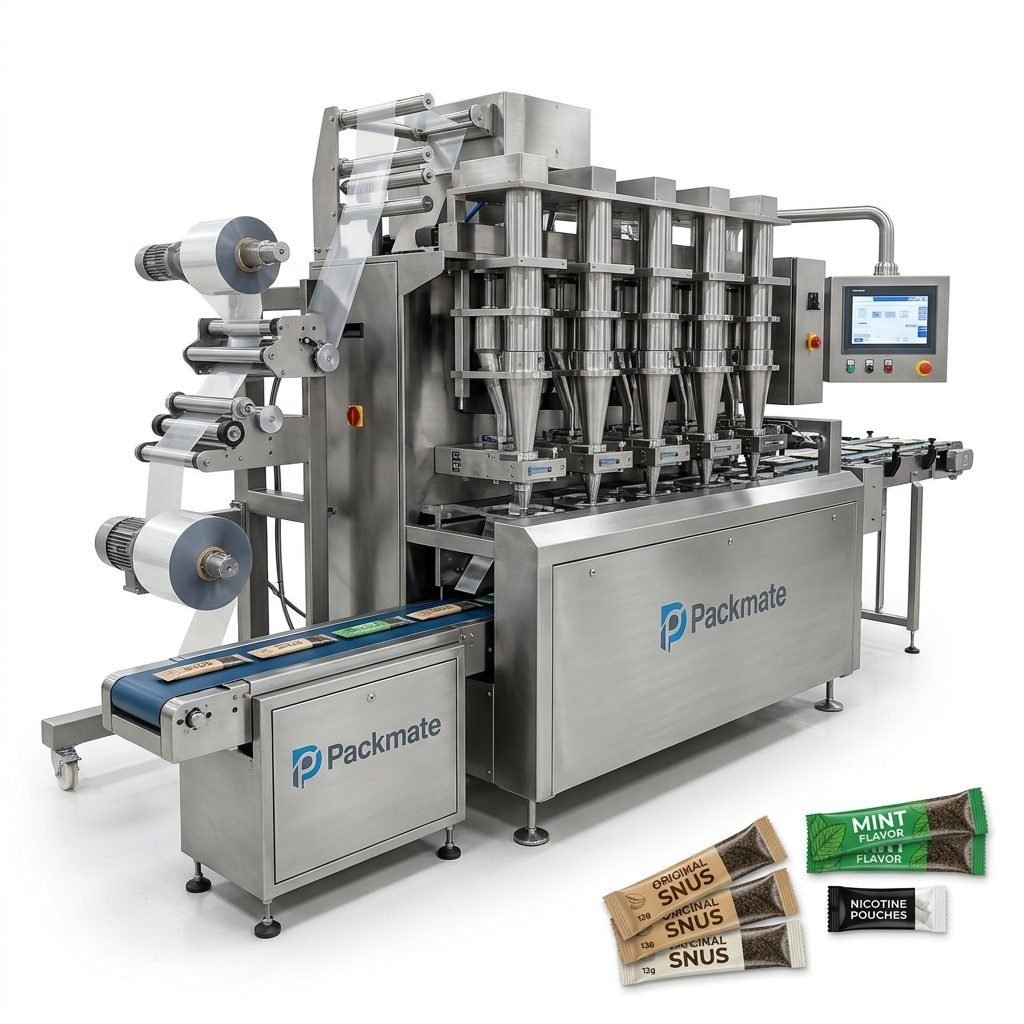
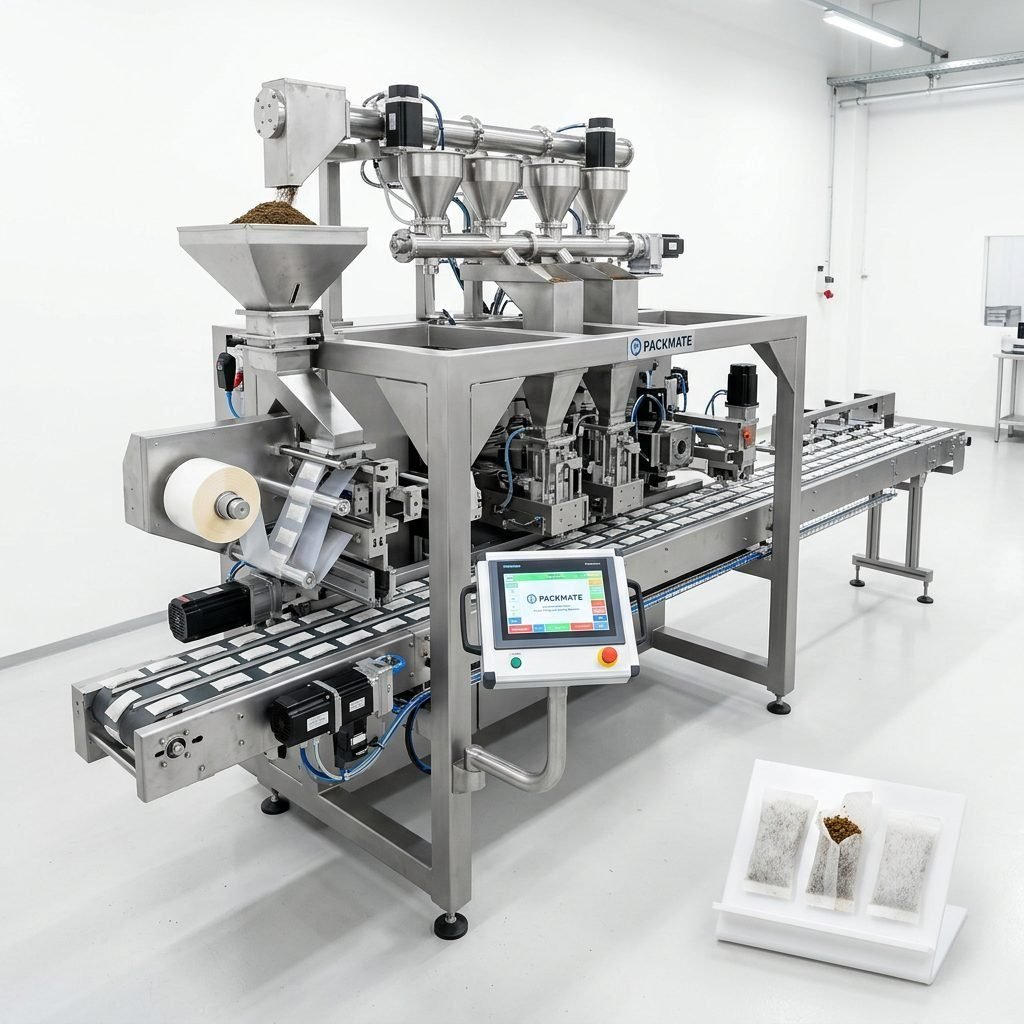
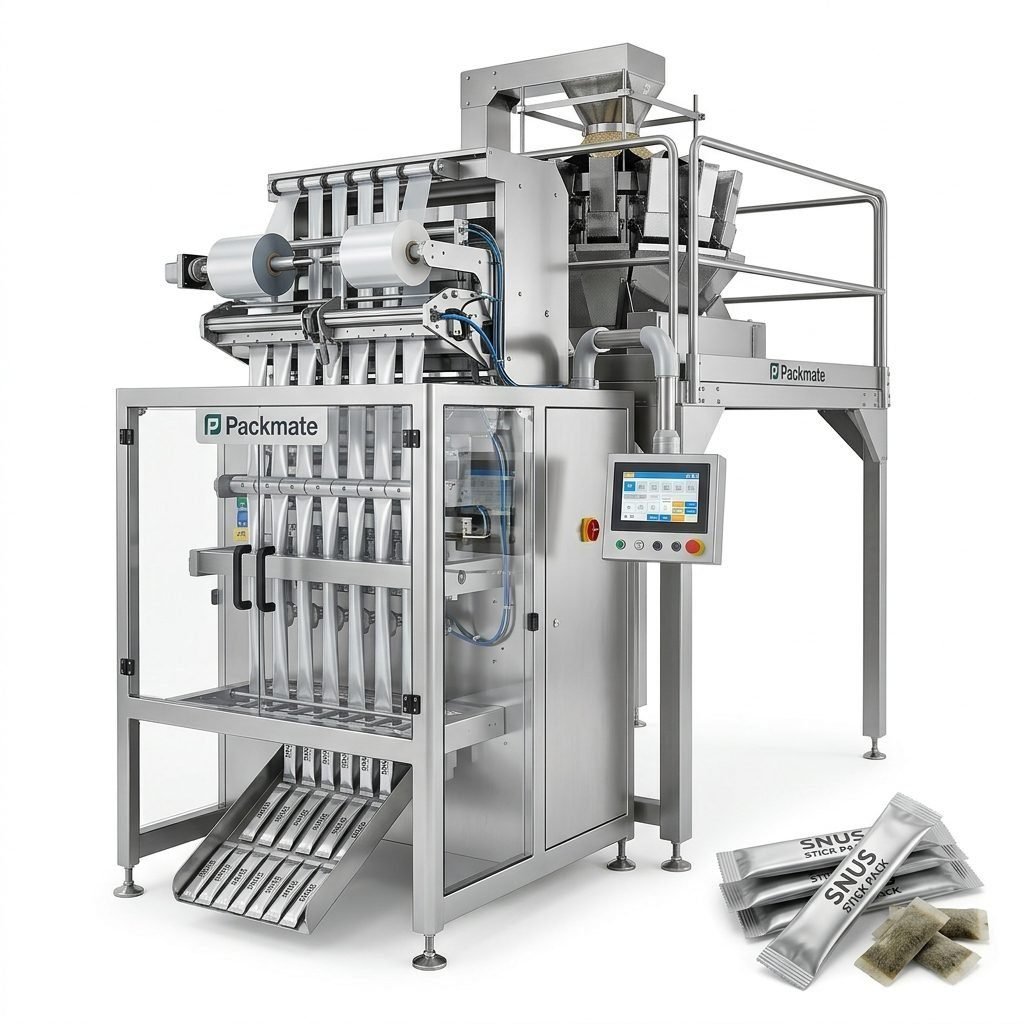
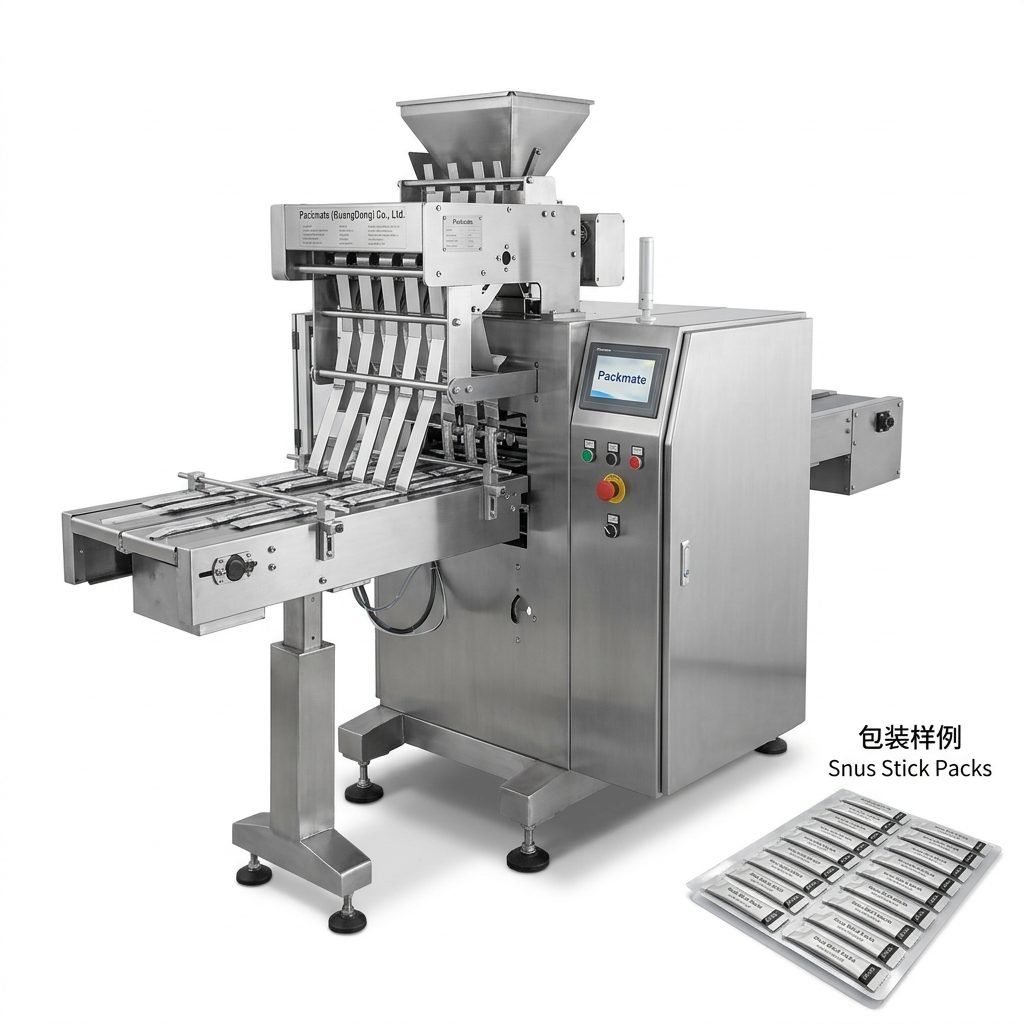
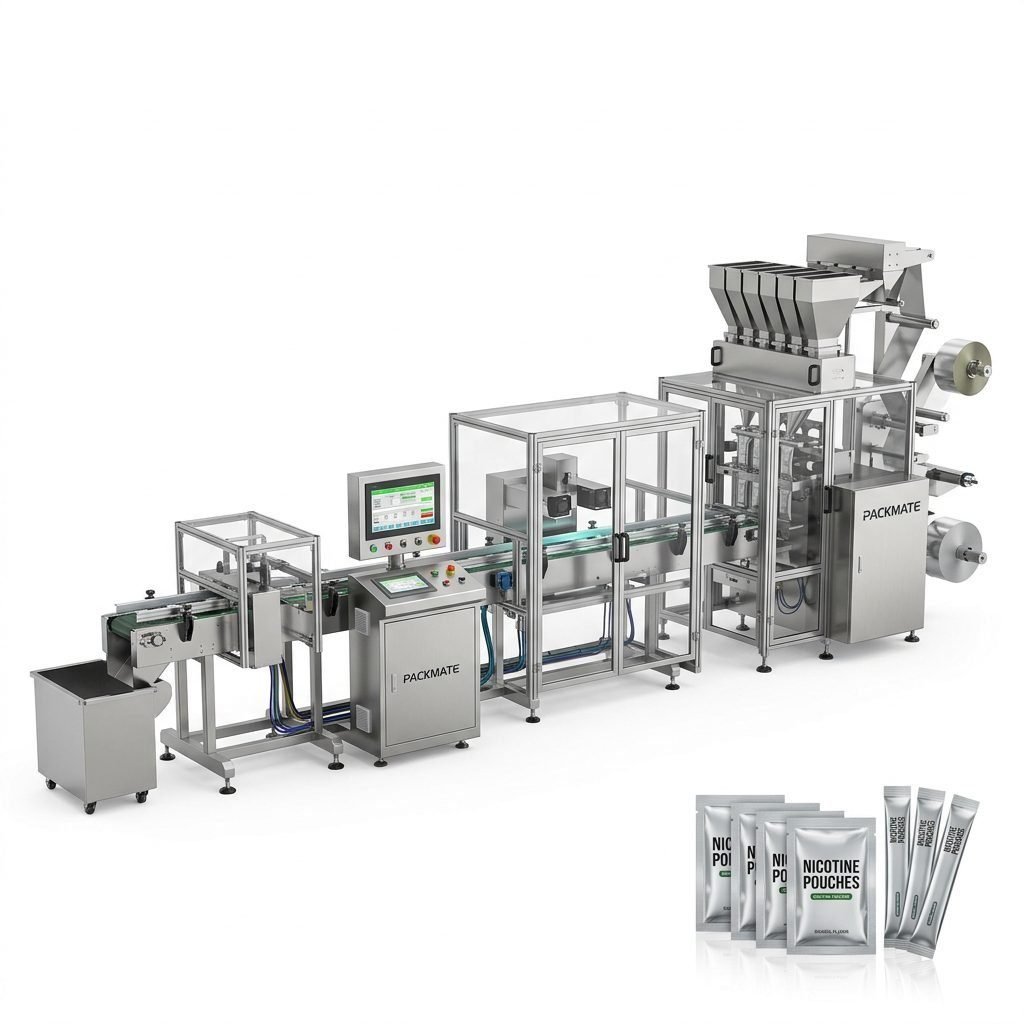
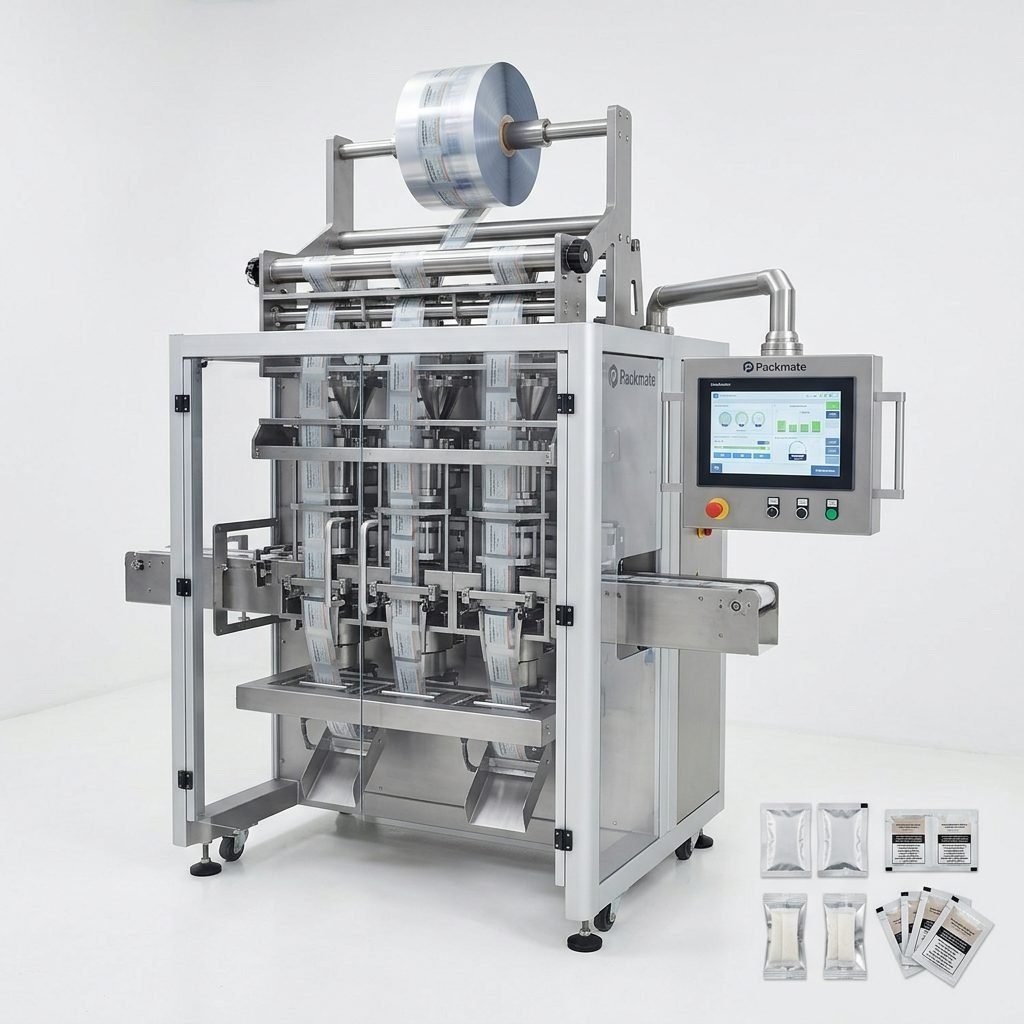
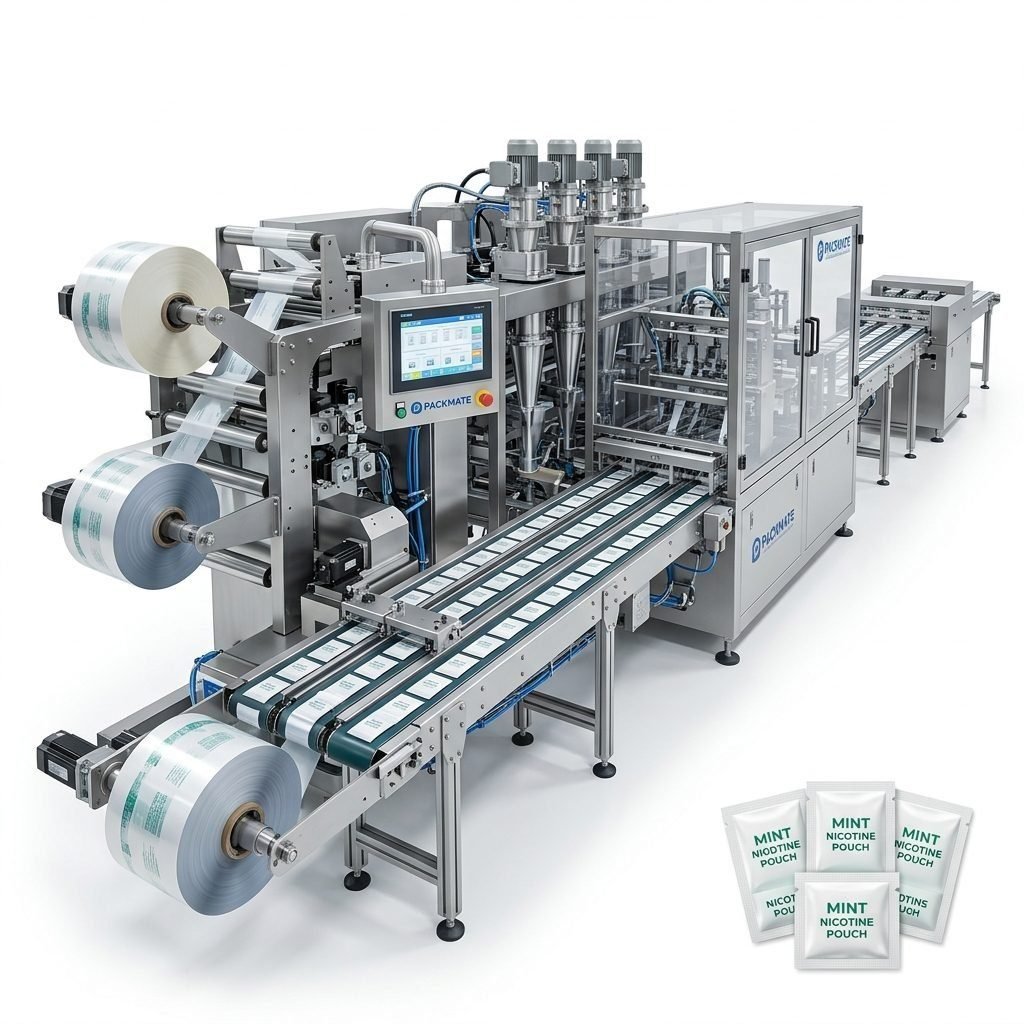
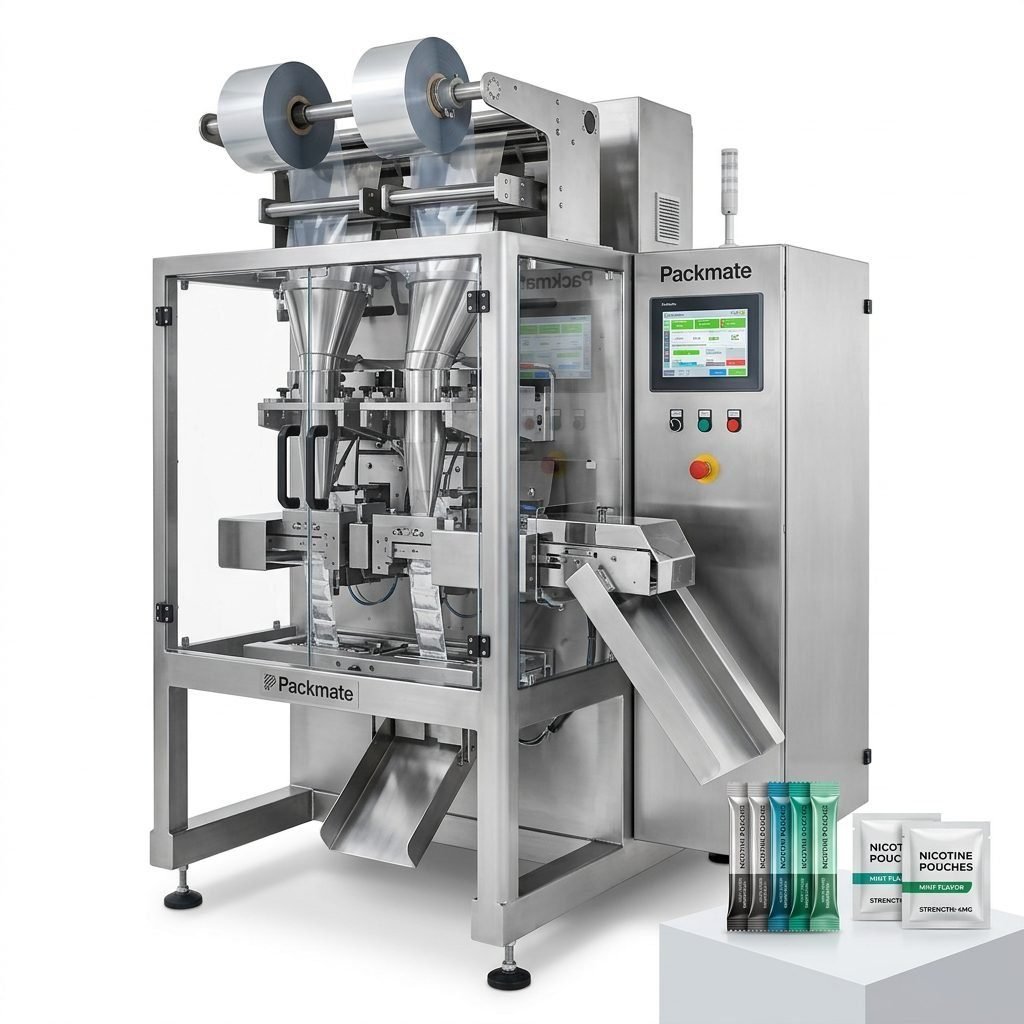
Machines for snus and nicotine pouches require precision dosing, contamination control, and adaptable packaging formats (stick packs, sachets, multi-lane pouches). Prior experience in this niche indicates the manufacturer understands small-dose accuracy, clean design, and regulatory requirements. Look for case studies or product pages such as
Snus & Nicotine Packaging Machines
to verify capability and real-world deployments.
2. Range of machine models and customization
A supplier that offers 50+ models or modular systems can adapt to future production growth. Determine whether they provide multi-lane systems for increased throughput and whether machines can be tailored for powder, granule, or liquid-based pouches. Customization ability saves you from buying new equipment as market demands change.
3. Factory capacity and lead times
Check the manufacturer’s production capacity and average lead time. A large, well-equipped factory is more likely to meet batch deadlines and provide spare parts quickly. Ask for a sample production schedule and typical delivery times for turnkey lines.
Tip: Request a timeline that includes design, manufacturing, FAT (Factory Acceptance Test), shipping, and on-site commissioning.
4. Quality standards and certifications
International certifications such as CE and ISO are minimum indicators of compliance and safety. Confirm the scope of certifications and whether the equipment meets specific hygienic design requirements for nicotine or food-contact applications. Ask for certificate copies and testing reports.
5. After-sales support and spare parts strategy
After-sales service is often the deciding factor between two manufacturers. A reliable supplier provides remote troubleshooting, on-site engineers, spare parts stock, and training. Clarify response SLA, warranty coverage, and parts lead time. Prefer suppliers with local service partners or clearly documented global support channels.
Factory visit: what to verify on-site
A physical or virtual factory visit is indispensable. When onsite (or during a thorough video tour), check machining centers, assembly areas, testing bays, and finished machine storage. Inspect wiring harnesses, PLC integration, and mechanical tolerances. Confirm cleanliness and quality control procedures — these reflect everyday manufacturing discipline.
On-site validation checklist
• Observe a machine test run and verify packaging consistency.
• Review spare parts inventories and technical documentation.
• Meet engineers who will support installation and ask about training plans.
• Inspect paint, finish, and accessibility for maintenance.
Factory strength example: a 20,000㎡ plant with advanced CNC machines and precision assembly lines typically supports high-quality, repeatable equipment builds.
Commercial terms and total cost of ownership
Price quotes must be compared beyond the purchase price. Calculate Total Cost of Ownership (TCO): installation, training, spare parts, energy consumption, maintenance, and expected machine lifespan. Negotiate clear payment terms, warranty details, and penalties for missed delivery or poor performance.
Key commercial questions to ask
• What is included in the quote (tools, spare parts kits, consumables)?
• What warranty period and scope are offered?
• Is on-site commissioning included, and how many days?
• Are training sessions for operators and maintenance staff included?
Testing, acceptance, and documentation
A robust Factory Acceptance Test (FAT) and clear SAT (Site Acceptance Test) protocol protect your investment. FAT should demonstrate performance against agreed KPIs: speed, fill accuracy, packaging seal integrity, and changeover times. Ensure full documentation: electrical diagrams, PLC code, user manuals, maintenance manuals, and spare parts lists.
Digital support and Industry 4.0 readiness
Ask if the supplier offers remote diagnostics, data logging, and OEE monitoring. Industry 4.0 capabilities reduce downtime and enable predictive maintenance. If your factory expects to scale or integrate production data, prioritize manufacturers with software integration experience.
References, cases and exhibitions
Review customer references and case studies to see how the supplier solves real problems. Attending exhibitions or watching demo videos provides a deeper sense of machine handling and build quality. Manufacturers that exhibit globally demonstrate market confidence and have tested equipment in varied environments. You can review examples in their case library or exhibition pages for more insight:
Case |
Our Exhibition
Red flags to watch for
Several warning signs indicate potential issues: vague technical answers, no formal FAT process, lack of spare parts inventory, poor documentation, or reluctance to provide references. Also be wary of suppliers who push lowest price without discussing service and TCO.
Warning: If a manufacturer cannot demonstrate successful installations of snus/nicotine packaging lines or refuses a FAT, treat that as a major red flag.
How to compare final proposals
Create a comparison grid that includes performance metrics, included scope, warranty, spare parts list, training days, FAT protocol, financial terms, and lead times. Assign weights to each category according to your factory priorities (e.g., uptime and serviceability often outweigh initial purchase price).
Negotiation pointers
• Secure clear acceptance criteria and penalties for non-compliance.
• Ask for an extended spare parts kit for the first year.
• Request on-site training and a local support plan.
• Confirm intellectual property clarity for custom tooling or recipes.
Why some factories choose Packmate as their supplier
Manufacturers with a long history in packaging machinery and a strong factory footprint can deliver peace of mind. Consider suppliers that publish detailed product lines — for instance, their pages on
Bag & Pouch Packaging Machines
and
Sachet & Stick Pack Machines
— which illustrate breadth across pouch types and dose formats. Also review their service offerings and support contacts:
Service.
Practical onboarding checklist for new equipment
• Define installation site requirements (power, air, drainage).
• Schedule FAT and SAT dates clearly in the contract.
• Prepare operator and maintenance training plans.
• Plan spare parts inventory for the first 12 months.
• Ensure software, HMI, and data interfaces are tested.
Onboarding Highlight: A clear FAT protocol and an agreed operator-training schedule reduce installation time and ensure quick ramp-up to full production.
Final selection decision: balancing risk and value
Your final decision should balance technical fit, supplier reliability, and long-term operational cost. The cheapest bid rarely yields the best value if it sacrifices support, documentation, or parts availability. Prioritize manufacturers who provide transparent documentation, clear commercial terms, and verifiable references.
Useful resources and next steps
If you want to review product families or request samples and catalogs, refer to product pages and company details such as:
Weighing & Packaging Systems,
Catalog, and
Contact Us.
Prepare a shortlist and ask each supplier for a detailed FAT plan, spare parts list, and references from similar installations.
Conclusion
Selecting the right snus packaging machine manufacturer in Vietnam requires diligence: verify factory strength, niche experience, certification, service capability, and commercial transparency. By focusing on long-term reliability and total cost of ownership — not only the purchase price — your factory will be better positioned to scale production, reduce downtime, and maintain product quality.
FAQs
Q1: How important is Factory Acceptance Test (FAT)?
A1: FAT is critical. It verifies machine performance against agreed KPIs before shipping, reducing installation risks and ensuring the supplier meets contractual specifications.
Q2: What certifications should a snus machine supplier have?
A2: At minimum, request CE and ISO certifications. For food-contact or nicotine products, ask about hygienic design standards and documentation supporting safe materials and sealing integrity.
Q3: How do I assess after-sales support?
A3: Verify spare parts availability, typical response times for support, remote diagnostic tools, and whether on-site service engineers are available. References from existing customers clarify actual responsiveness.
Q4: Is customization expensive?
A4: Customization adds cost but often improves long-term efficiency. Negotiate a clear scope and cost breakdown so you understand how changes affect price and delivery.
Q5: Where can I see example machines and request more information?
A5: Review product categories and ask for catalogs or demos via the supplier’s product pages and contact channels such as those linked above.