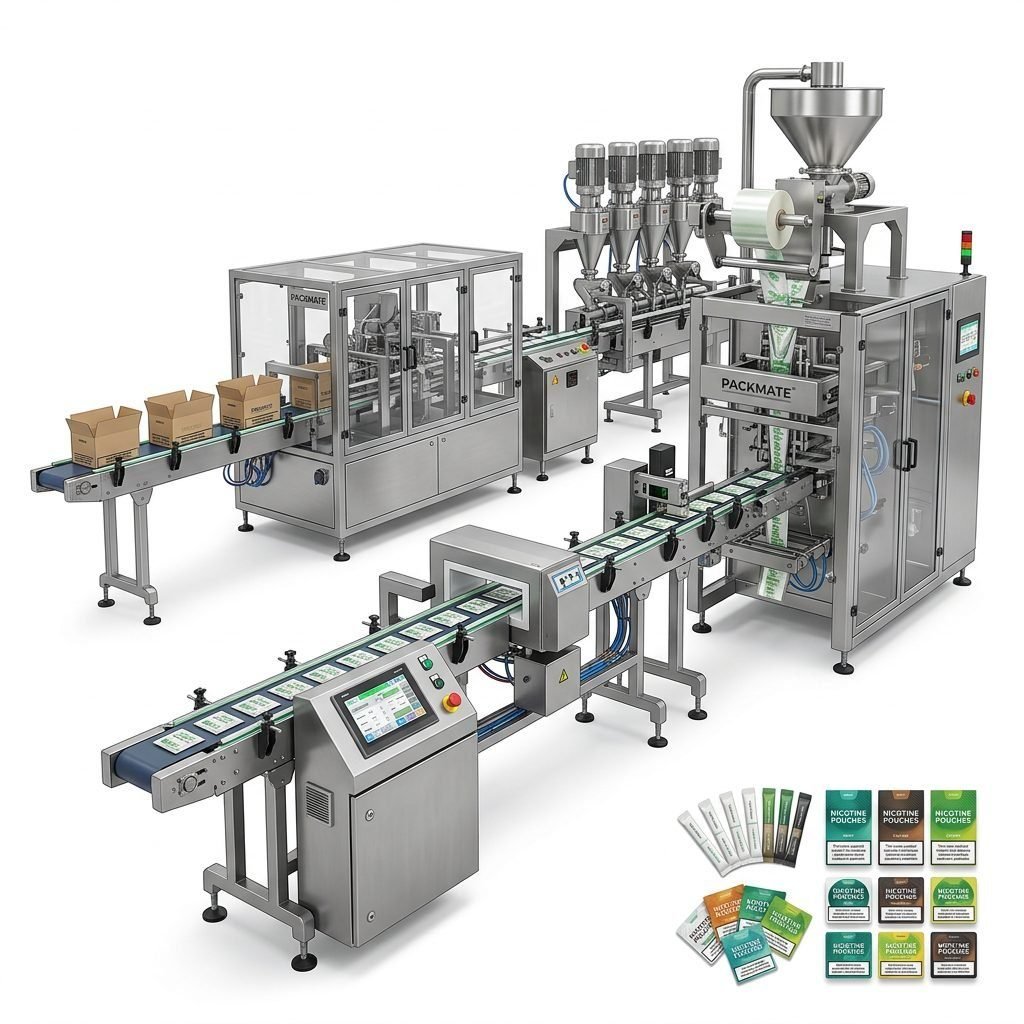
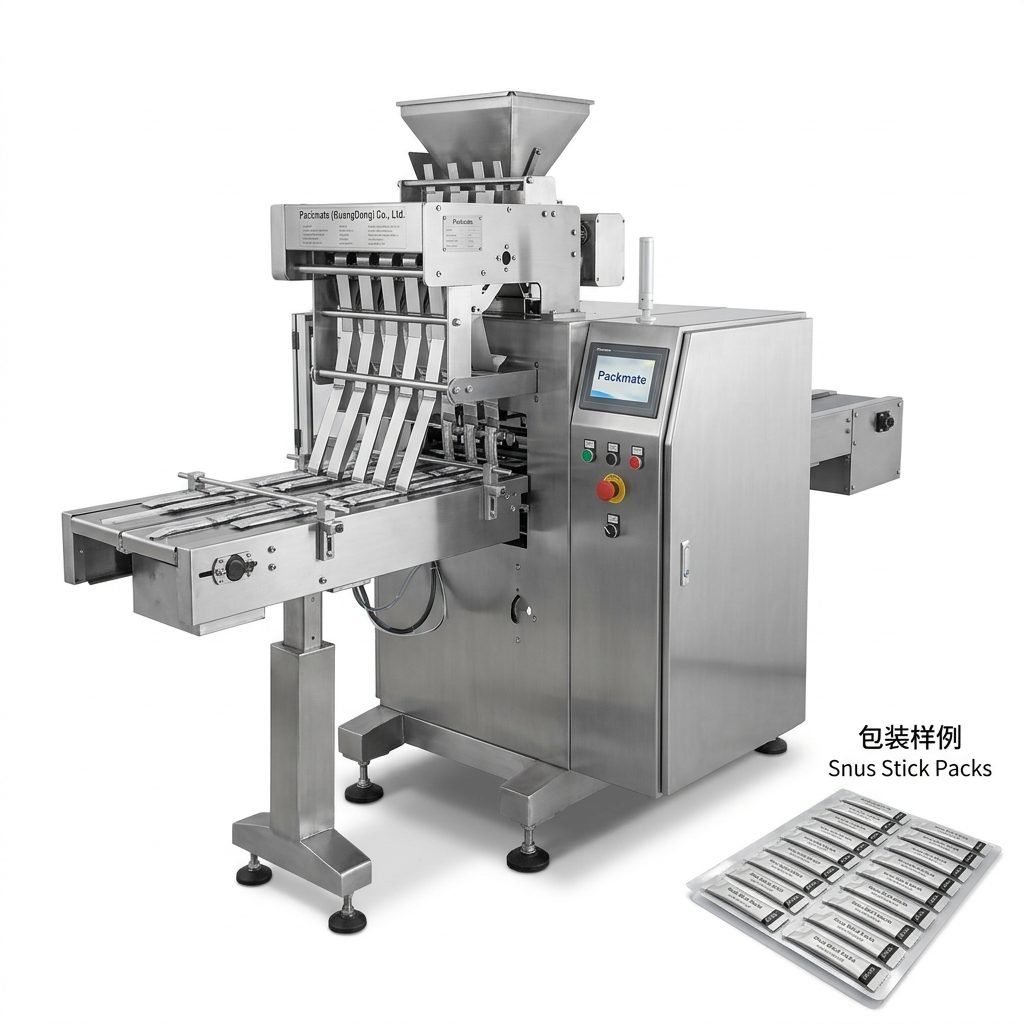
Choosing the right snus packaging machine manufacturer can make or break your product consistency, regulatory compliance, and long-term profitability. This guide walks Madagascar-based businesses through the critical factors to evaluate when selecting a supplier for snus and nicotine pouch packaging equipment, from technical capabilities and certifications to service, customization options, and total cost of ownership. Whether you are launching a new brand or scaling an existing line, learn how to make an informed purchase decision that supports growth, quality and compliance.
Understand Your Production Needs First 🔍
Before you evaluate vendors, define your actual production requirements. Ask: what is your target output per hour, pouch formats (stick pack, sachet, multi-lane nicotine pouches), and required fill types (powder, granule, liquid)? Equipment that is over-specified wastes capital; under-specified equipment risks bottlenecks.
Key decision points:
- Target throughput (pouches/min and lanes)
- Product formulation (moisture, viscosity, particulate size)
- Primary packaging material (laminate, paper, PE)
- Future scalability and modular add-ons
Why multi-lane systems matter for snus
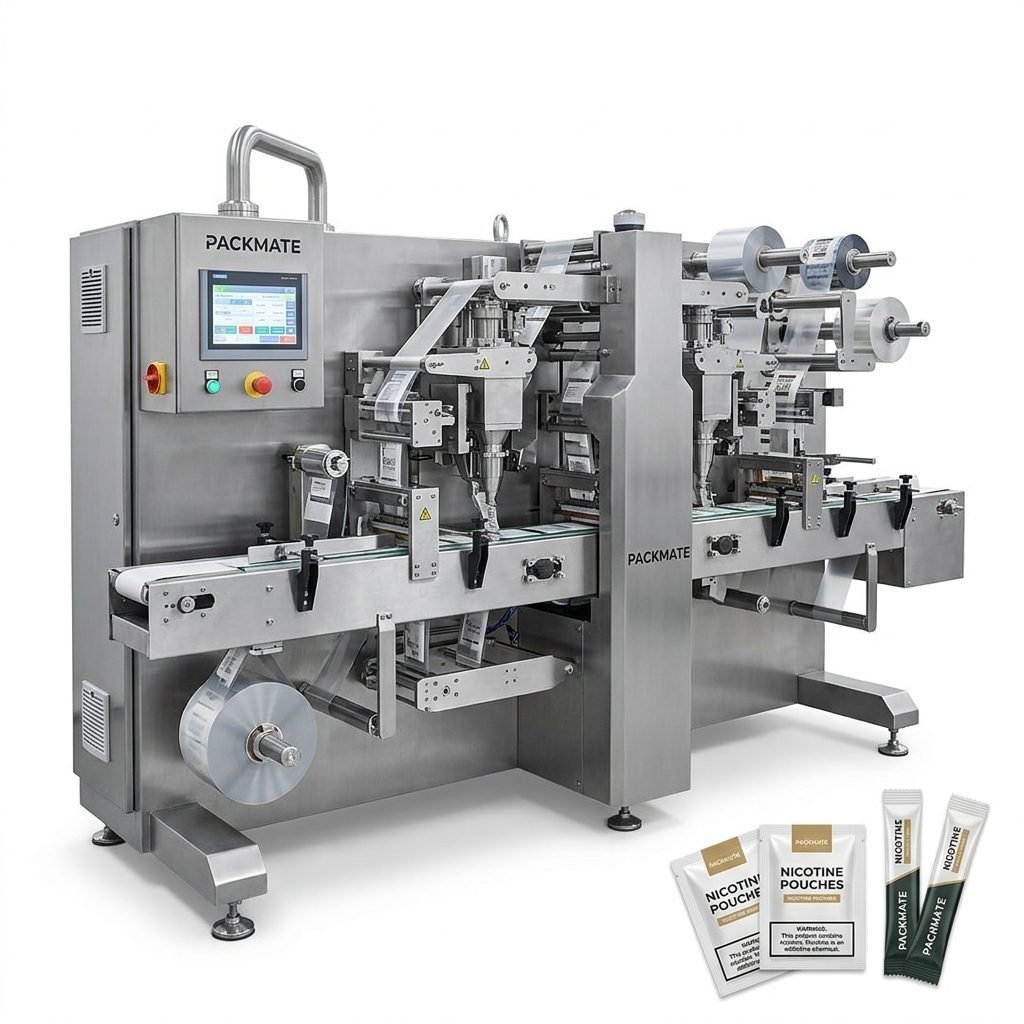
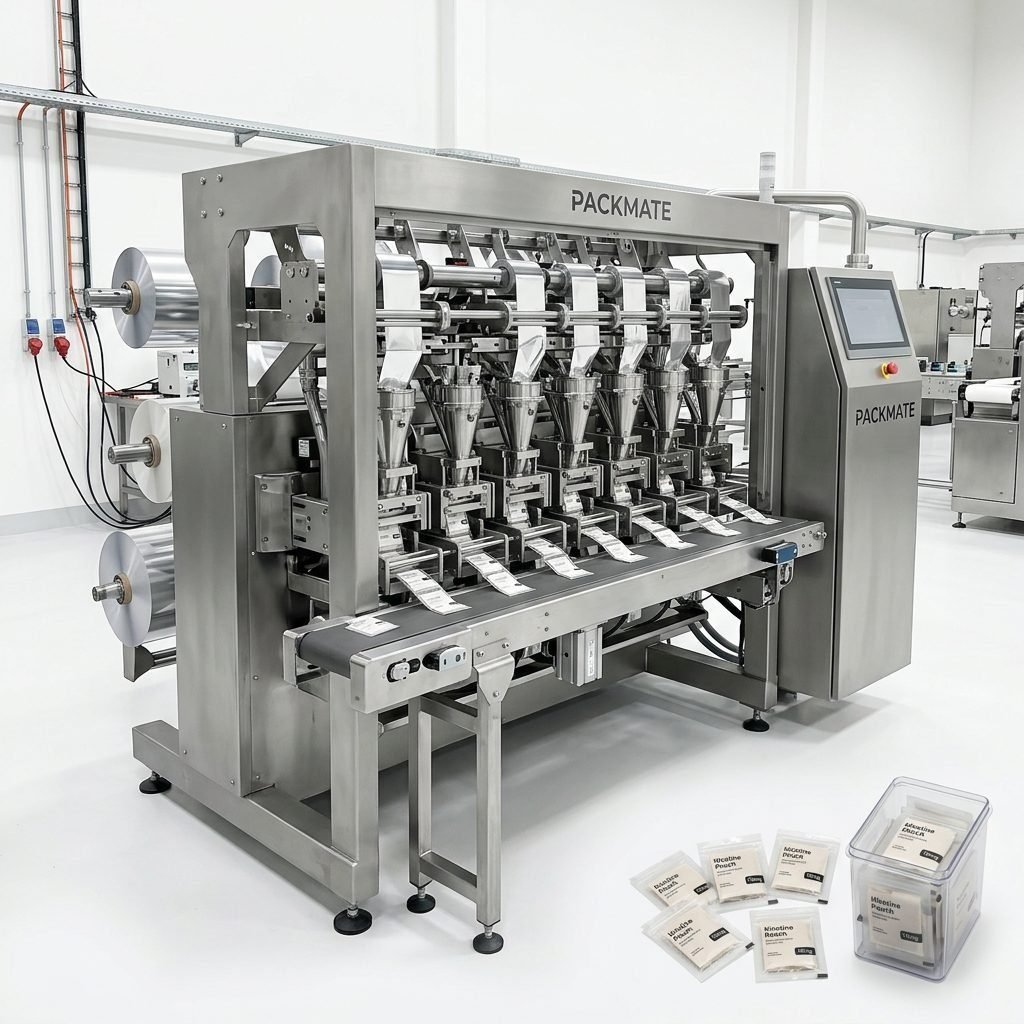
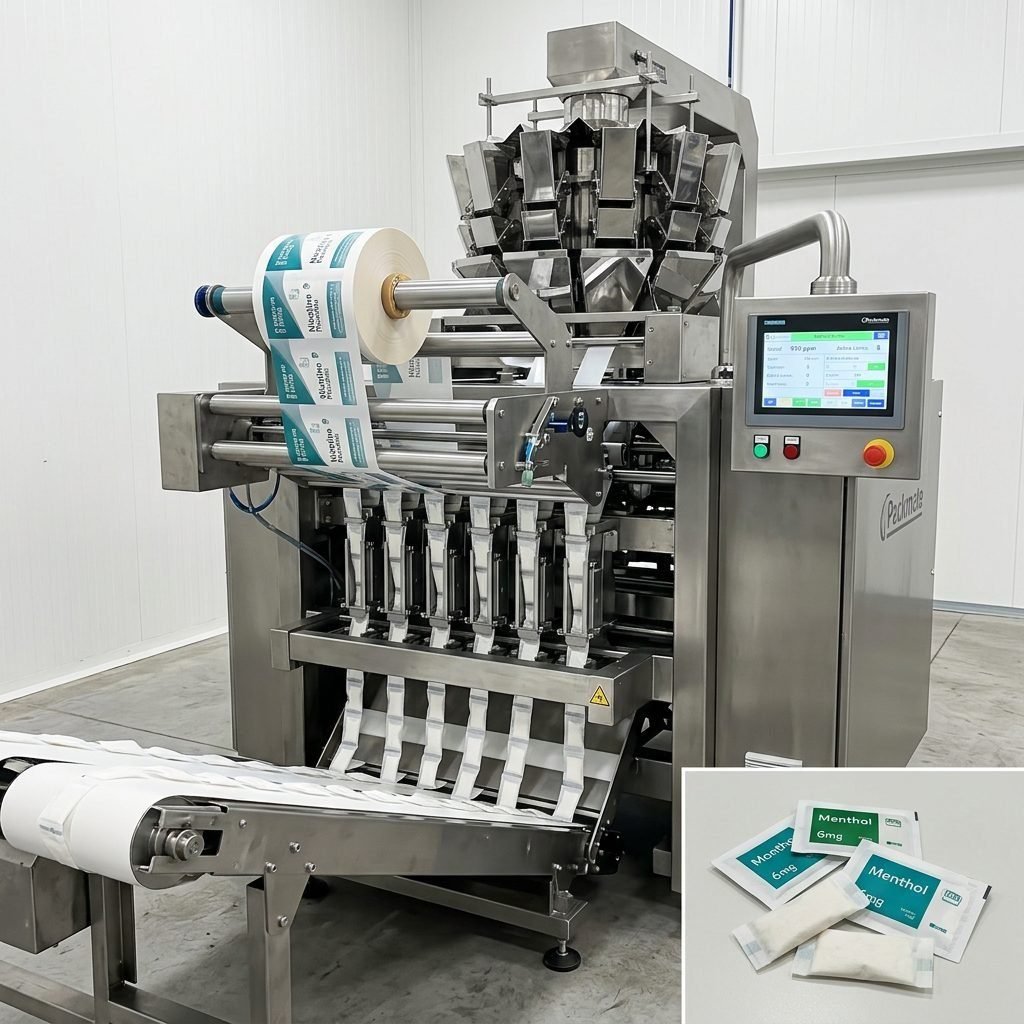
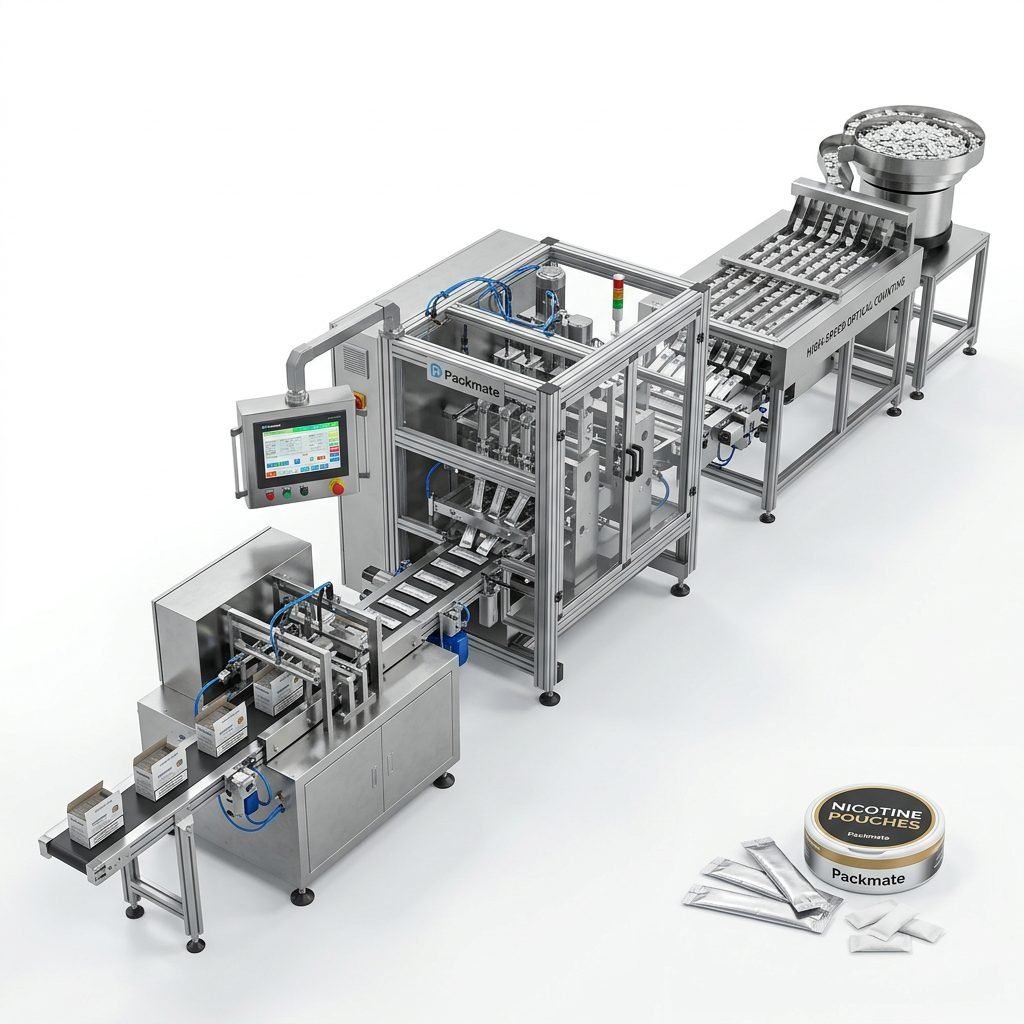
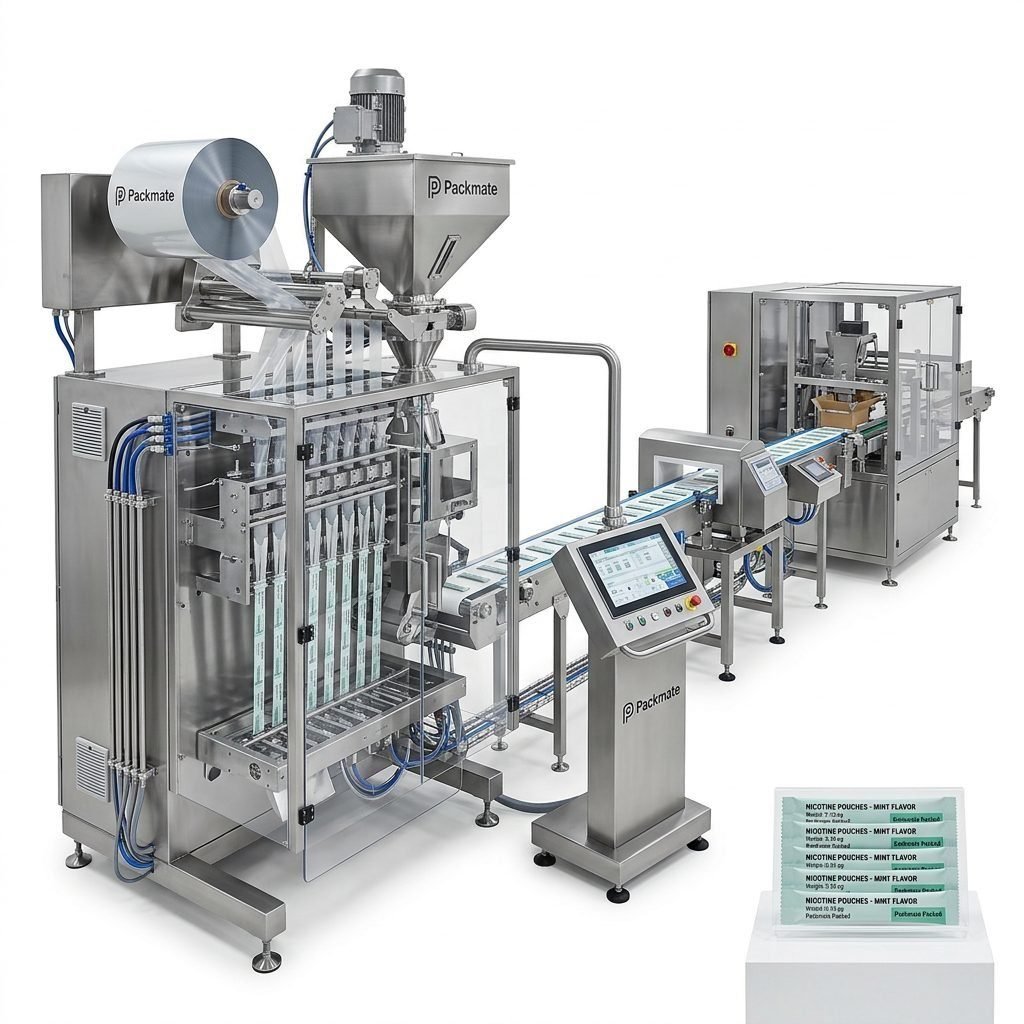
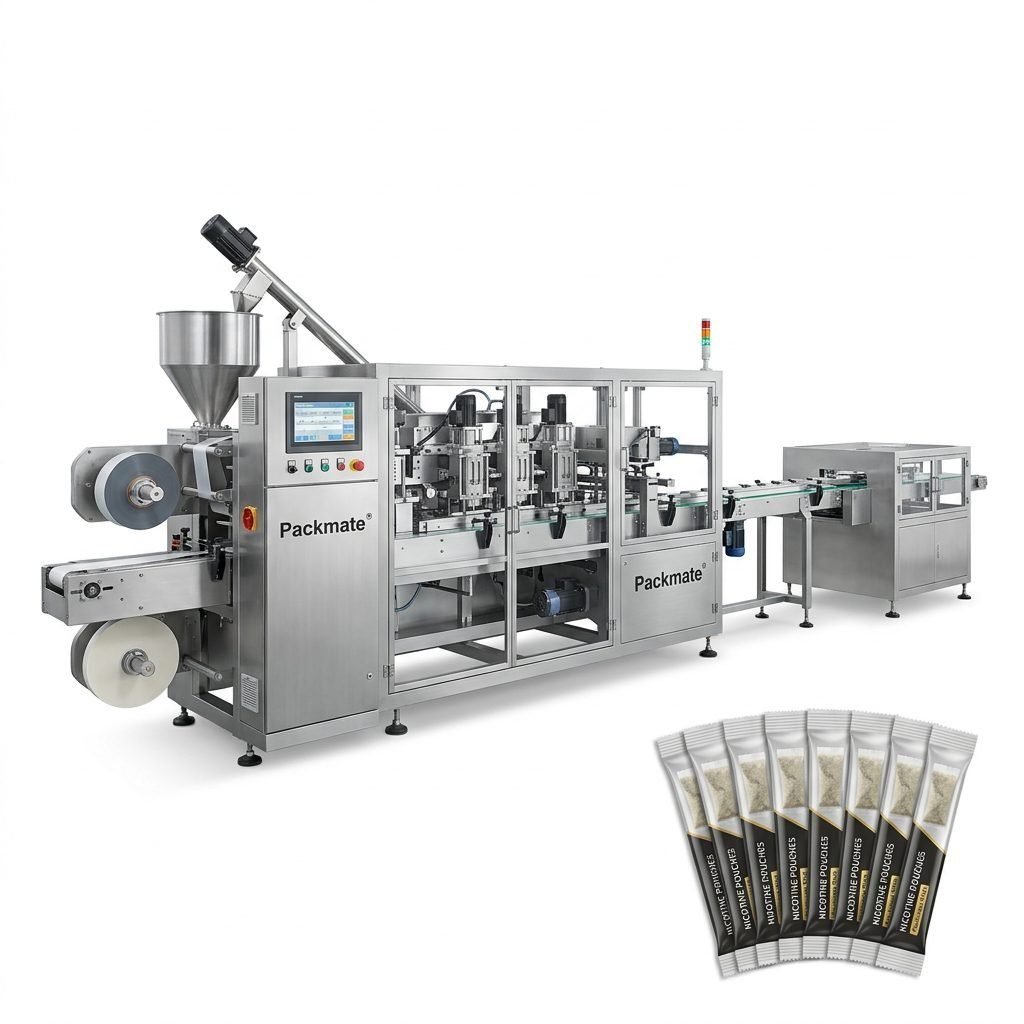
If your business needs high throughput without a huge factory footprint, multi-lane packaging machines can deliver more pouches per minute by running several lanes in parallel. Manufacturers with experience in multi-lane snus lines bring crucial know-how in synchronization, web handling, and pouch integrity.
✅ Throughput targets
✅ Product compatibility (powder, pouch size)
✅ Ease of lane changeover and maintenance
Evaluate Manufacturer Experience & Track Record ⚙️
Experience in snus and nicotine pouch packaging is non-negotiable. Look for manufacturers with decades of machine design, proven multi-lane systems, and a history of global deliveries. A supplier that has refined designs over years will likely offer better reliability, spare part availability, and engineering support.
For example, manufacturers that state 30+ years of engineering and maintain advanced CNC machining centers and precision assembly lines demonstrate the kind of industrial depth that reduces risk for your investment.
Explore case studies and factory tours to confirm capability — many leading suppliers publish production line cases and exhibition appearances. Reviewing delivered lines helps you verify that the machines operate at advertised speeds and meet product-specific needs. Check the manufacturer’s Case page for real installations and customer feedback. See real project cases
Technical Capabilities & Model Range
A broad model range signals a supplier’s ability to match equipment to your exact needs. Look for:
- Multiple machine types: snus/nicotine pouch lines, stick pack, sachet
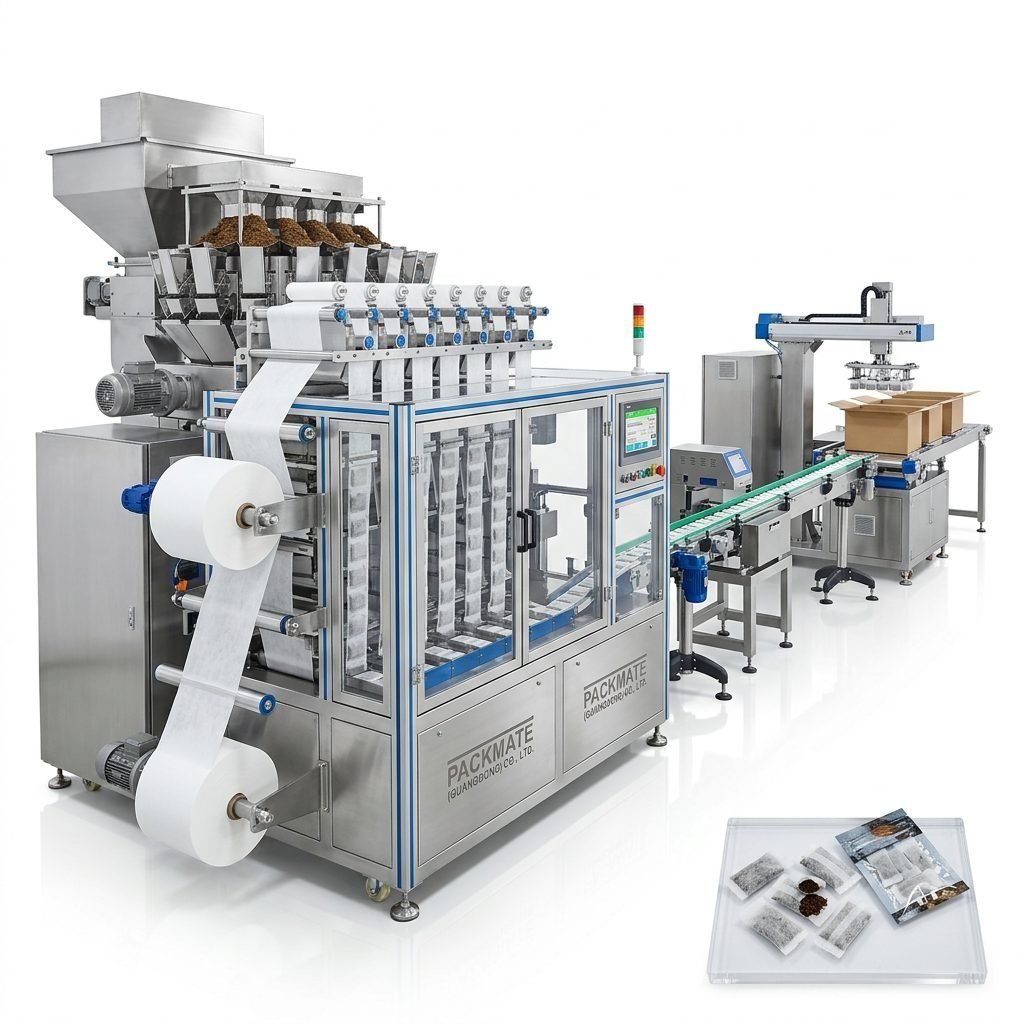
- Weighing and auxiliary systems to integrate into turnkey lines
- Options for high-accuracy dosing and hygienic contact parts
Good suppliers also publish product pages that clarify each model’s capabilities. Review the Snus & Nicotine Packaging Machines catalog and the Sachet & Stick Pack Machines to compare specifications and lane options.
– Accurate portion dosing systems (servo or precision augers)
– Stable web transport for laminated films
– Quick-change tooling for format shifts
– PLC and HMI with recipe storage for repeatable runs
Certifications, Compliance & Quality Assurance ✅
Regulatory compliance is essential for snus manufacturers. Choose partners whose equipment meets international standards like CE and ISO; this demonstrates attention to safety, documentation and quality systems. Confirm the manufacturer can provide validation-support documents, calibration certificates for dosing systems, and spare-part traceability.
Manufacturers with a dedicated Certificate page and documented factory testing offer extra assurance that equipment will perform as specified.
Factory capability and acceptance testing
A modern factory with advanced CNC machining centers, precision assembly lines, and strict quality control reduces build variances. Ask for FAT (Factory Acceptance Test) videos or on-site witness testing to verify speed, accuracy, and film sealing quality before shipment.
Service, Spare Parts & Local Support 📦
After-sales service is often the most important long-term cost driver. Confirm the manufacturer’s spare parts availability, recommended maintenance schedules, and whether they provide remote diagnostics or local technicians in your region. Request a service-level agreement that covers lead times for critical components.
Manufacturers who participate in global exhibitions and maintain international partnerships demonstrate a stronger support footprint. For contact and direct inquiries, review the manufacturer’s Contact Us page to evaluate responsiveness.
• Typical spare parts lead time
• Remote support via VPN or HMI access
• Availability of local service engineers in Africa or Europe
• Training packages for operators and technicians
Total Cost of Ownership (TCO) & Financing Options
Purchase price is only one component of cost. Analyze the TCO including energy consumption, spare parts, downtime risk, and consumables. Efficient machines with higher initial cost can pay back faster through reduced waste, lower rejection rates, and less maintenance.
Ask vendors about financing, leasing, and modular upgrade paths that let you scale capacity as sales grow. Some manufacturers provide turnkey solutions combining filling, weighing, and packaging equipment — review the Filling & Packaging Lines and Weighing & Packaging Systems to assess integrated cost advantages.
Customization & Turnkey Solutions
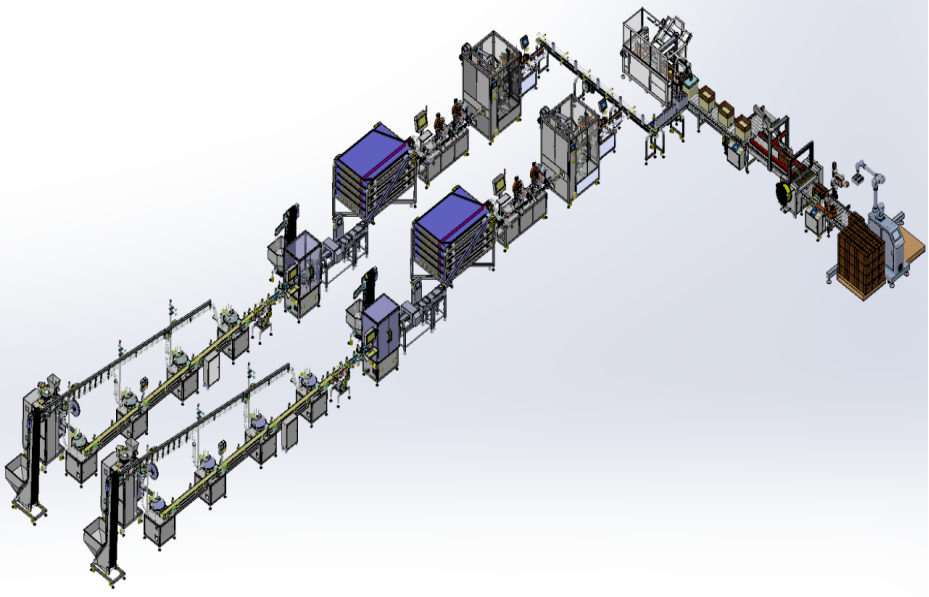
A trusted supplier will offer customization to match your product’s unique attributes — pouch size, printing requirements, nitrogen flushing options for extended shelf life, and secondary packaging. Turnkey suppliers manage system integration, testing and delivery, reducing project complexity and your internal engineering burden.
If you need a full production line, check the manufacturer’s capability for auxiliary equipment such as conveyors, cartoning units, and case packers. Manufacturers that present integrated offerings on their Auxiliary Packaging Equipment pages often ensure smoother commissioning.
Turnkey project benefits
– Single project accountability
– Optimized line layout and material flow
– Reduced commissioning time and risk
If you lack in-house integration skills, a turnkey partner saves time and prevents costly mistakes. Look for suppliers who document previous turnkey installations.
Factory Visit & FAT — Don’t Skip This Step
A Factory Acceptance Test (FAT) demonstrates machine performance in controlled conditions. Attend FAT or request video proofs across full production speeds and multiple format runs. Inspect critical components: frame rigidity, sealing temperatures, cutter performance, and dosing repeatability.
Ask for references and visit existing customers if possible. Real-world feedback on uptime, consumable costs, and responsiveness gives confidence beyond glossy brochures.
Choosing a Partner — Practical Selection Steps
Follow a structured selection process:
- Document detailed product and throughput requirements.
- Shortlist manufacturers with relevant snus experience and certifications.
- Request detailed quotes that include installation, FAT, training, and spare parts kit.
- Visit factory or request FAT video; review references and case studies.
- Negotiate service terms and spare-parts lead times before signing.
Consider suppliers with global installations — this often indicates robust engineering and international service networks.
Why Packmate (Example Supplier) Is a Strong Contender 🌍
Packmate Snus Machine (as an example) highlights several attributes buyers should seek: over 30 years of engineering experience, a 20,000㎡ manufacturing facility, advanced CNC machining, a wide model range of 50+ machines, and global turnkey solutions. Their public product pages and case studies showcase dedicated snus and nicotine pouch packaging lines that serve diverse markets.
If you want to review their product offerings, explore their product catalogs for snus lines and related systems: About Packmate and the Snus & Nicotine Packaging Machines pages.
Practical Onboarding & Start-up Considerations
A smooth start-up requires clear planning:
- Allocate sufficient time for operator training and trial runs.
- Stock a critical spare parts kit for the first 12 months.
- Plan preventive maintenance and document SOPs.
- Use acceptance criteria agreed before FAT to ensure vendor accountability.
Final Checklist Before You Sign
– Confirm all required certifications and documentation.
– Validate performance through FAT or onsite witnessing.
– Review warranty and spare part guarantees.
– Ensure clear support and escalation paths.
– Agree on training, installation, and commissioning schedules.
Investing in the right snus packaging partner reduces operational risk and accelerates time-to-market. Prioritize proven engineering, service readiness, and clear contractual terms.
Frequently Asked Questions
Q1: How do I determine the right throughput for my expected demand?
A1: Start with your forecasted monthly production volume, divide by operating hours, and add a contingency margin for peak seasons. Discuss these numbers with potential suppliers so they can recommend the suitable lane count and machine speed.
Q2: What certifications should the packaging machine have for international markets?
A2: Seek CE and ISO certifications as baseline. If exporting to specific regions, check local regulatory requirements for electrical safety, EMC, and food-contact materials.
Q3: How important is a Factory Acceptance Test (FAT)?
A3: FAT is critical — it verifies machine performance under controlled conditions and fixes acceptance criteria before shipment, reducing commissioning risks.
Q4: Can suppliers provide turnkey solutions including auxiliary equipment?
A4: Many experienced manufacturers offer turnkey packages, integrating filling, weighing, and secondary packaging. Evaluating integrated solutions often produces lower TCO and faster start-up.
Q5: Where can I see real examples of installed snus packaging lines?
A5: Review manufacturer case studies and exhibition demonstrations. Visit the Case and Our Exhibition pages for real-world installations and live demos.