Norway’s growing nicotine pouch and snus market demands packaging equipment that balances safety, regulatory compliance, and high production efficiency. Choosing the right nicotine packaging machine requires technical understanding, a clear production strategy, and a partner with proven experience. This guide walks Norwegian manufacturers and packagers through the most important selection criteria, practical considerations, and how to evaluate suppliers — helping you make a confident, future-proof decision.
Why machine choice matters for nicotine pouch production
✅ Safety, compliance — nicotine products are tightly regulated. Packaging equipment must maintain hygiene, avoid cross-contamination, and be compatible with inspection systems (metal detectors, vision inspection) to meet EU/EEA and local Norwegian rules.
✅ Consistency & yield — precise dosing and reliable sealing reduce waste, refunds, and regulatory risk. Good machinery preserves product integrity and consumer trust.
Common nicotine pouch packaging formats
Different formats call for different machine designs. The main formats you will encounter:
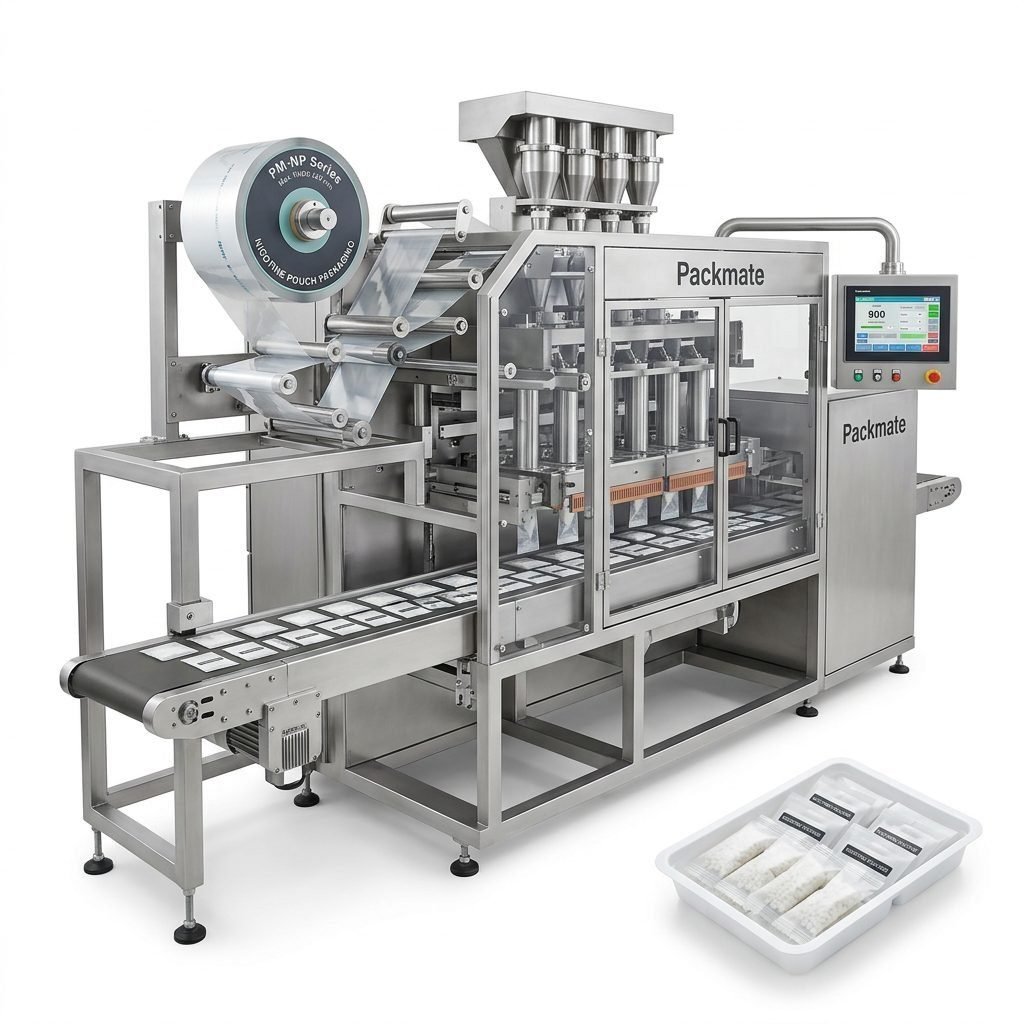
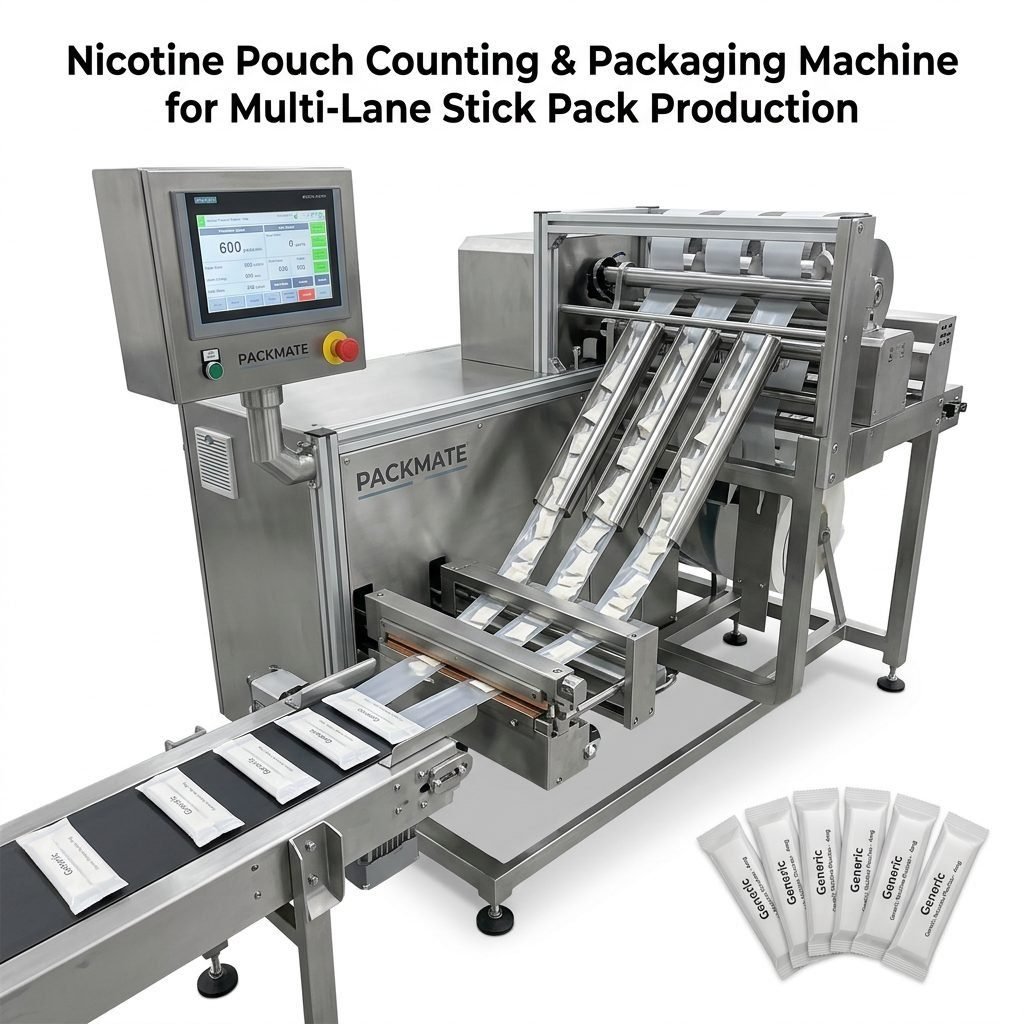
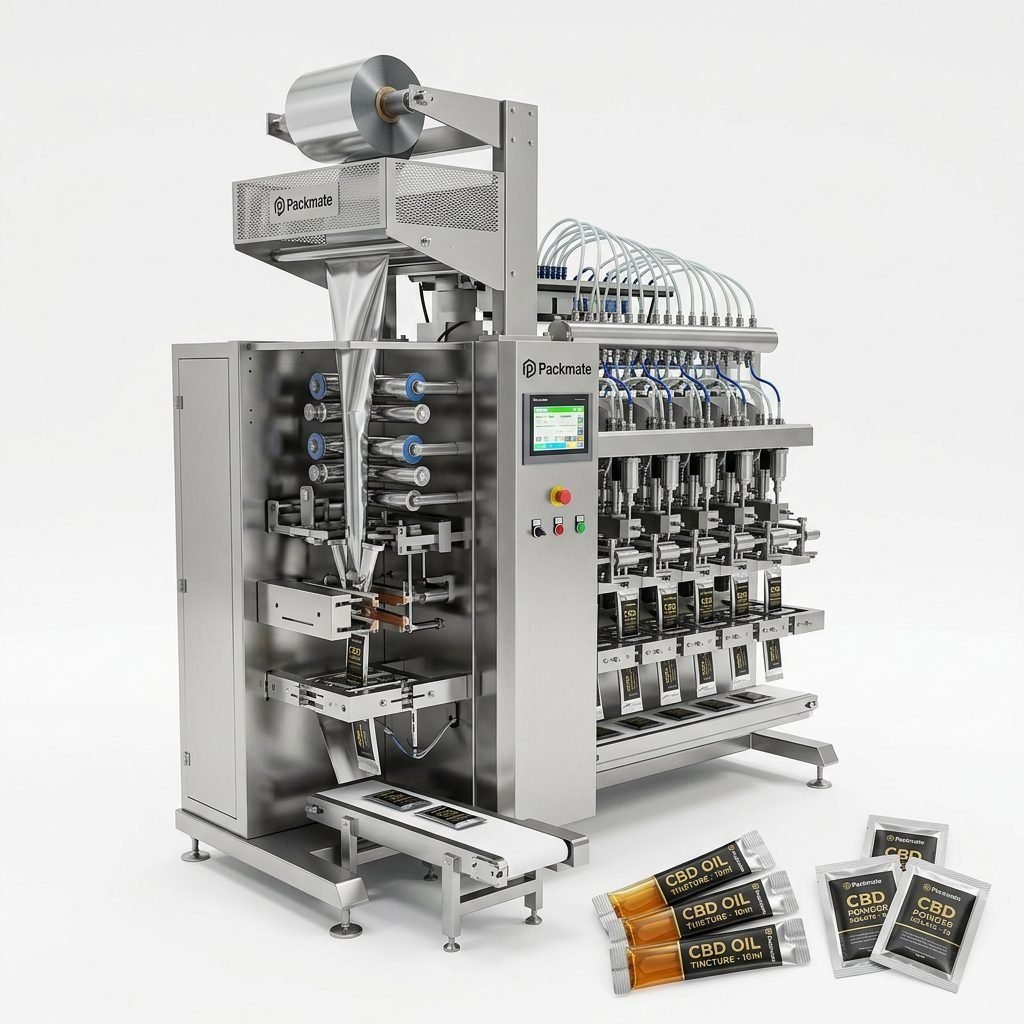
• Stick packs / single-portion pouches — ideal for individual dosing and high-speed automated lines.
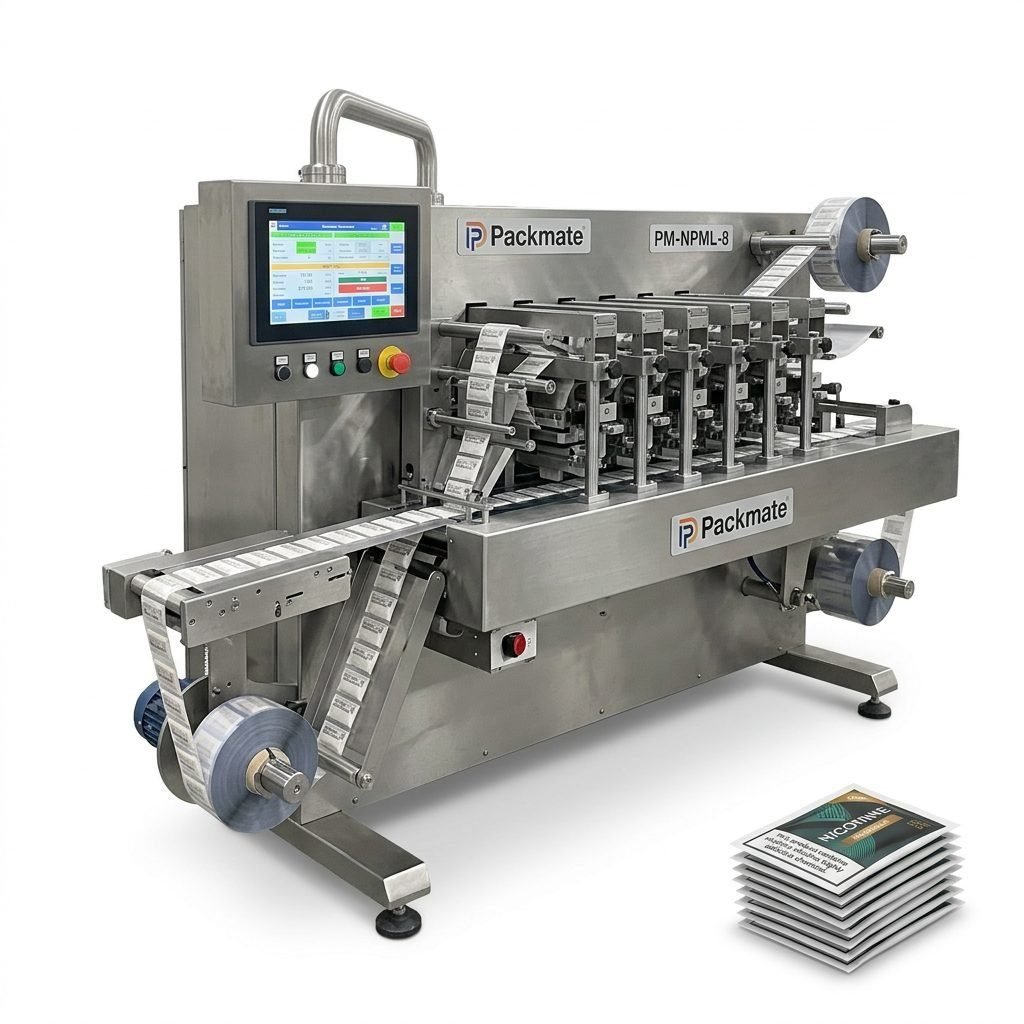
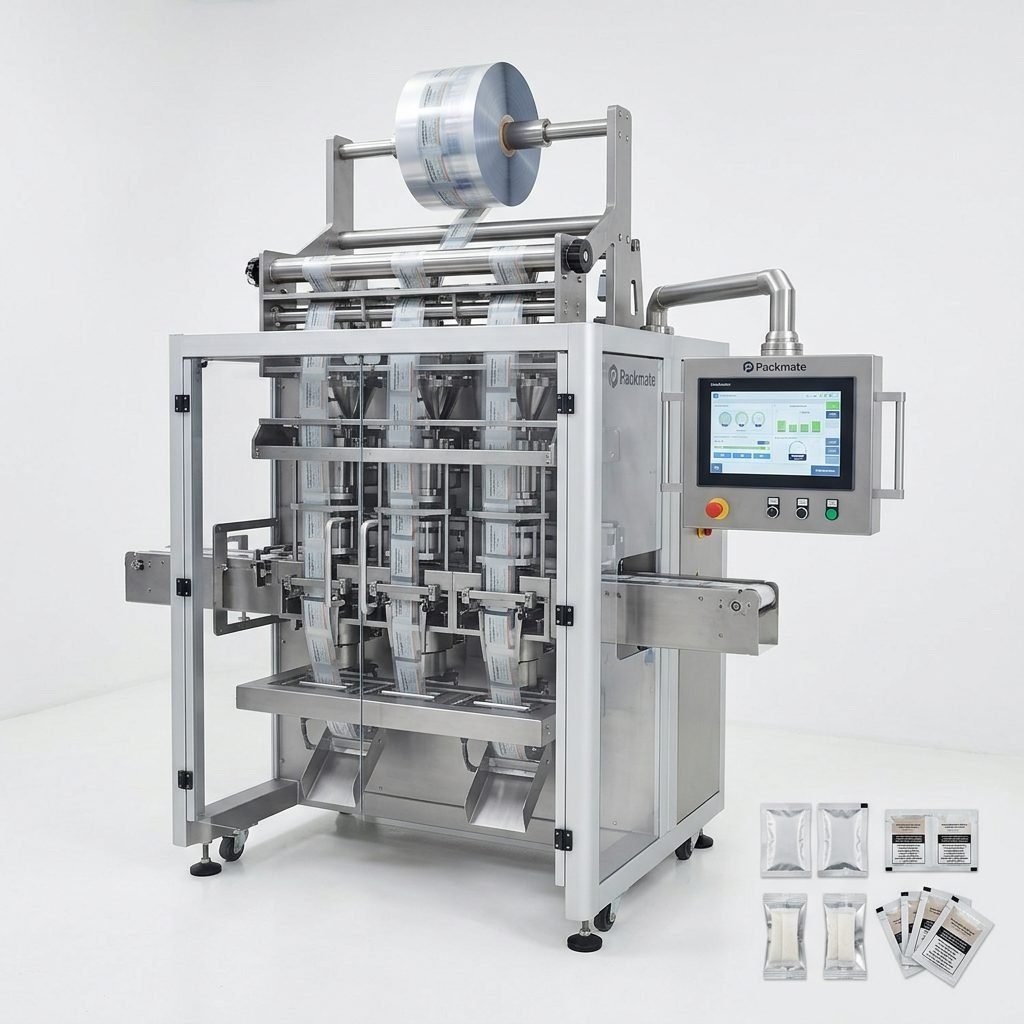
• Sachets & multi-lane pouches — enable compact dosing and high throughput using multi-lane systems.
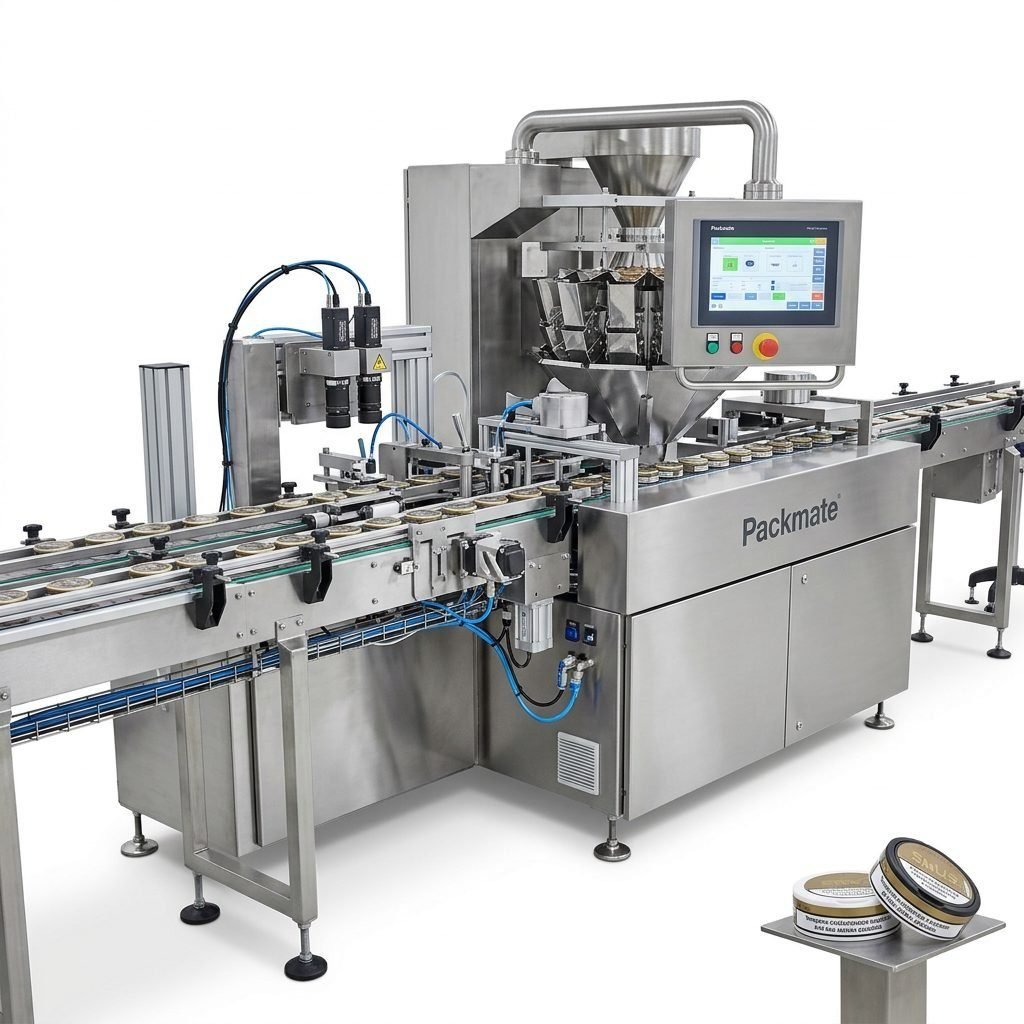
• Pre-formed pouches or cans — require specialized filling and sealing modules.
Where to begin: assess your production needs
⚙️ Throughput: How many pouches per minute/hour do you need? Choose machines rated comfortably above your baseline to allow for growth.
⚙️ Product characteristics: Powder, granule, or paste-like nicotine blends require different dosing heads and feed systems.
⚙️ Package size & material: Film type, barrier properties, and pouch dimensions determine sealing technology and temperature control.
Key technical features to compare
When evaluating machines, focus on features that influence safety, uptime, and total cost of ownership.
1. Dosing accuracy and flexibility
Exact portion weight is critical for nicotine products. Look for machines with precision dosing systems (volumetric, auger, multi-head weighers) and quick changeover options for different portion sizes.
2. Multi-lane synchronization
Multi-lane machines dramatically increase throughput within a smaller footprint. Ensure the control system synchronizes lanes to prevent mismatches and monitor lane-level diagnostics.
3. Sealing quality and material compatibility
Reliable heat-sealing or ultrasonic sealing consistent across speeds avoids leaks and contamination. Confirm the machine supports the films and laminates you plan to use.
4. Hygiene & cleanability
Stainless steel construction, open-frame designs for easy access, and CIP-friendly components reduce contamination risk. Quick dismantling for cleaning lowers downtime.
Safety, regulation and certification
⚖️ Certifications — Choose machines with CE and ISO compliance to ensure alignment with European standards. Equipment from experienced suppliers often includes validation documentation and user manuals that support audit readiness.
🔍 Traceability & quality control — Integrate vision inspection, weight checks, and batch coding to maintain traceability and meet Norwegian market requirements.
Integration: automation, weighing and line peripherals
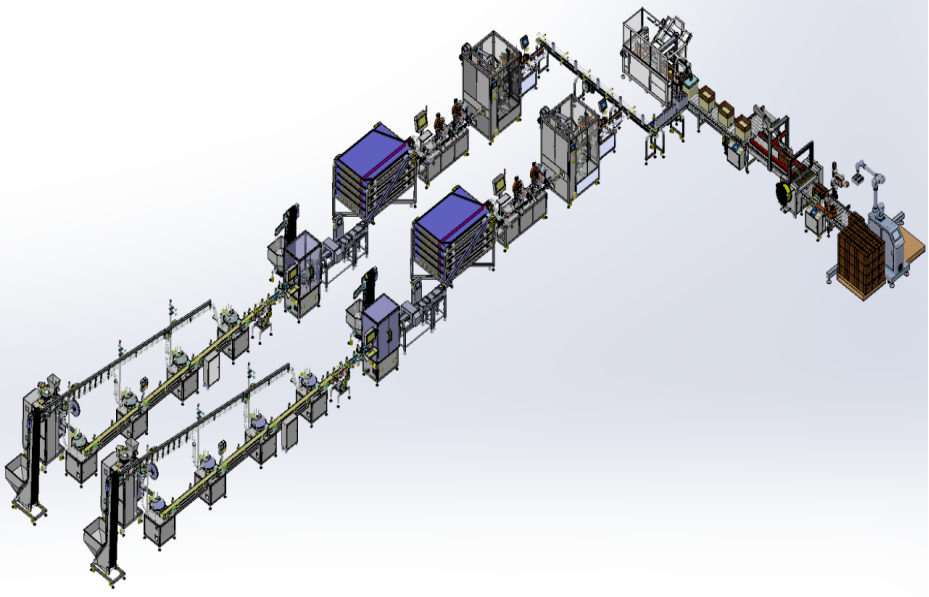
A packaging machine is rarely standalone. Plan for upstream and downstream equipment integration:
• Feeding & metering systems for accurate supply of tobacco-free nicotine blends.
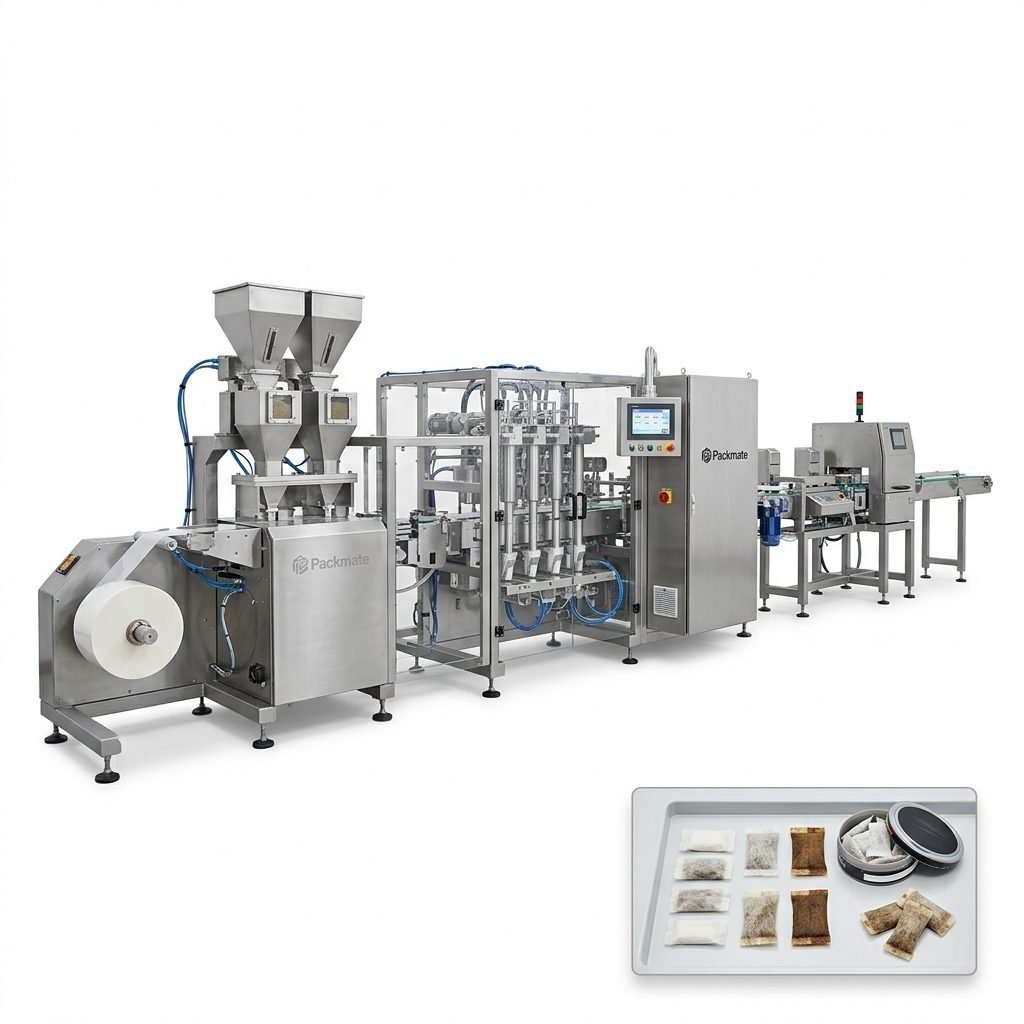
• Weighing & multi-head systems for complex formulations — consider weighing & packaging systems that can be synchronized with the main packaging line.
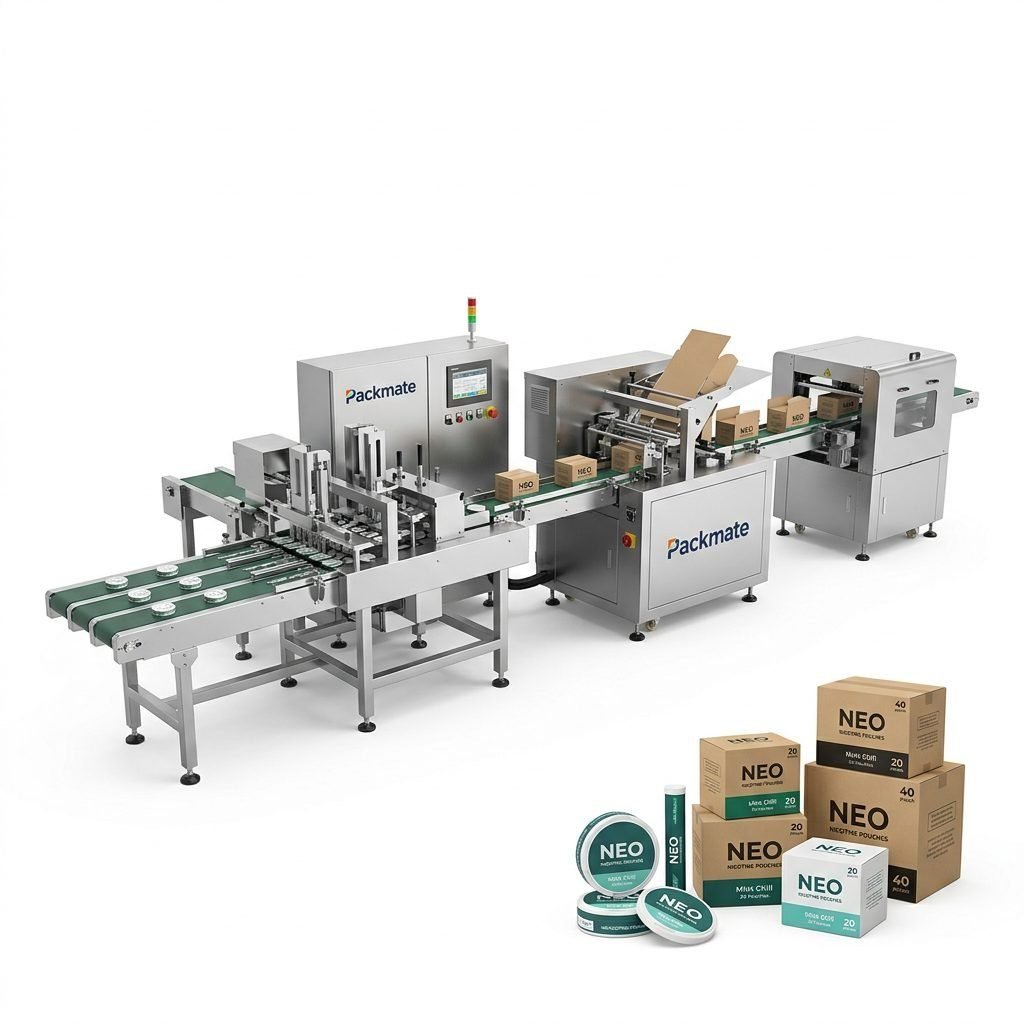
• Checkweighers, metal detectors, and cartoning modules for final packaging and compliance.
Evaluating suppliers: what to look for
🔧 Experience & track record — Prefer suppliers with domain expertise in snus and nicotine pouch equipment and global installations.
🔧 Technical support & spare parts — Rapid response, remote diagnostics, and local spares inventory reduce downtime.
🔧 Turnkey capability — If you need a full production line, partner with suppliers that deliver integrated solutions including feeders, weighers, and cartoning. See examples of turnkey offerings at Filling & Packaging Lines.
Why manufacturer capability matters: a supplier profile snapshot
A strong supplier presents clear evidence of production capacity, technical competence, and after-sales service. For example, a company with a 20,000㎡ manufacturing facility, advanced CNC centers, and a broad model portfolio signals the ability to deliver robust, customizable lines for nicotine pouch production. For more information about supplier history and strengths, review their background and global cases: About Packmate and Case.
Customization & scalability
Choose machines that can be customized for lane counts, portion sizes, and ancillary modules. Scalable designs let you increase capacity by adding lanes or upgrading dosing modules rather than replacing the entire line.
Electrical, footprint and plant fit
Consider available plant power, airflow, floor loading, and layout constraints. Suppliers should provide accurate machine footprints and utility requirements to avoid costly onsite changes.
Operational considerations: maintenance, training and spare parts
🛠️ Ease of maintenance — Modular spare parts, quick-change components, and clear documentation minimize repair time.
🛠️ Operator training — Verify the supplier’s training program for operators and maintenance staff; onsite commissioning and hands-on training are invaluable.
🛠️ Spare parts strategy — Request an initial spare parts kit and learn typical lead times for critical parts.
Cost, lifecycle and ROI
Initial price is only part of the story. Account for installation, validation, spare parts, energy consumption, and expected uptime. A higher-efficiency machine that reduces waste and increases speed can pay back quickly. Ask suppliers for a TCO (Total Cost of Ownership) or ROI model based on your anticipated production schedule.
Buying checklist: quick reference
• Confirm throughput and lane count options.
• Verify dosing accuracy and compatible feed systems.
• Review hygiene design and cleanability.
• Ensure CE/ISO compliance and traceability features.
• Check supplier’s installation, training, and spare parts support.
Real-world example: multipurpose snus lines
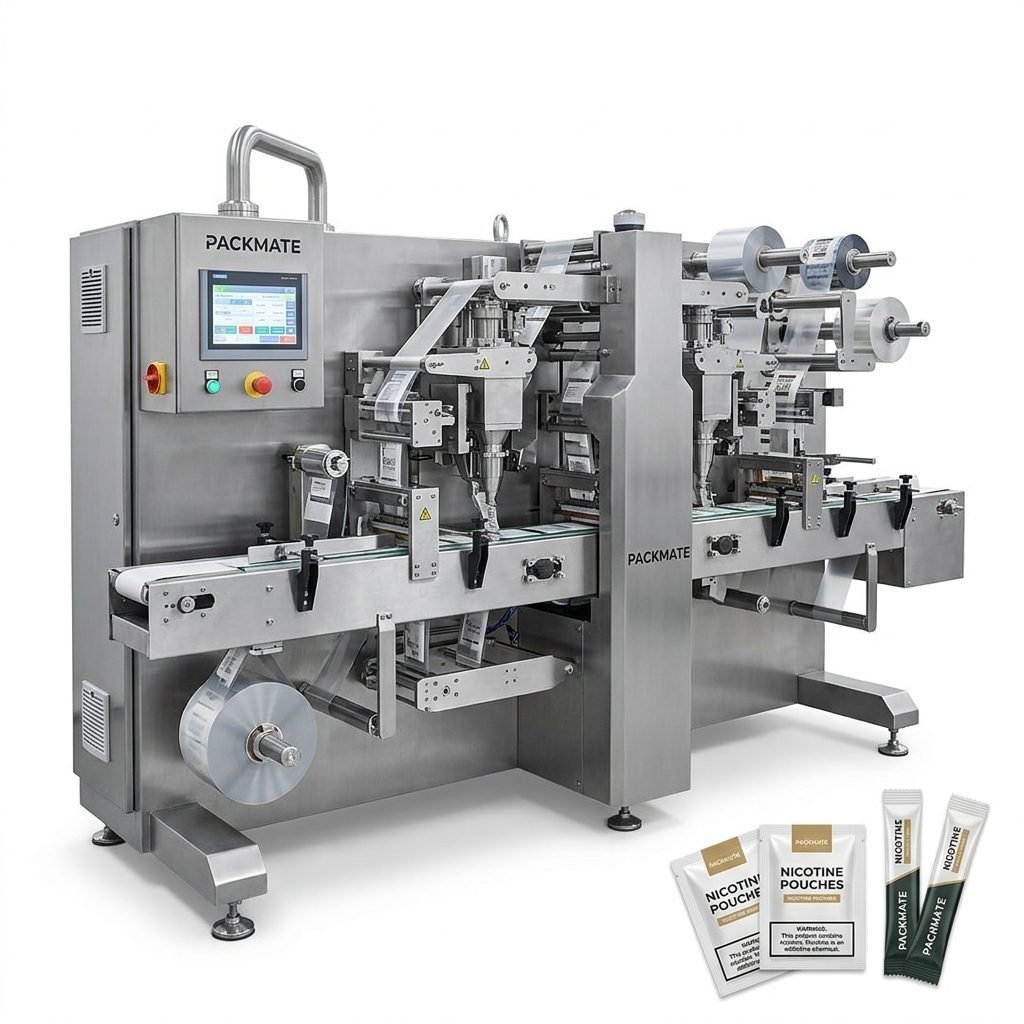
Manufacturers specializing in snus often select multi-lane stick-pack or sachet machines that can be retooled for different portion sizes and pack materials. A trusted equipment partner providing both the primary packing machines and auxiliary modules — such as baggers, cartoners, and checkweighers — simplifies commissioning and ensures smoother line integration. Explore product families tailored for this market at Snus & Nicotine Packaging Machines and Sachet & Stick Pack Machines.
Commissioning and validation in Norway
Plan commissioning activities with clear milestones: factory acceptance testing (FAT), site acceptance testing (SAT), and regulatory validation. Document each step for audits. A vendor experienced with international shipments and local regulations is an asset — they can support logistics, customs, and installation.
After purchase: continuous improvement
Track KPIs such as OEE (Overall Equipment Effectiveness), scrap rates, and downtime. Use these metrics to refine machine settings, staff training, and maintenance programs. Good suppliers offer software updates and retrofit options to improve performance over time.
Next steps: contacting the right partner
Start with a clear specification of product types, daily volumes, and package formats. Request machine datasheets, references, and site photos from potential suppliers. If you need more tailored assistance or to arrange a demonstration and quotation, reach out via the supplier’s contact channels: Contact Us.
🔎 Tip: Prioritize machines with real-world nicotine pouch installations and ask for site references — nothing replaces seeing similar lines in operation.
Conclusion
Choosing the best nicotine packaging machine in Norway requires balancing regulatory compliance, production goals, and supplier capability. Focus on dosing accuracy, hygiene, scalability, and after-sales support. A well-chosen machine increases safety, reduces waste, and delivers predictable, scalable production — supporting long-term success in the evolving nicotine pouch market.
Frequently Asked Questions
Q1: What certification should a nicotine packaging machine have for Norway?
A1: Machines should meet CE directives and relevant ISO standards. Additional documentation for material traceability and hygienic design is highly recommended for regulatory and audit readiness.
Q2: Can a single machine handle multiple pouch sizes?
A2: Many modern machines are designed with rapid-change parts and adjustable settings to accommodate multiple pouch sizes and formats, but very wide variations may require additional tooling or modules.
Q3: How important is a local service network?
A3: Extremely important. Local or regional service reduces downtime and lead times for critical spare parts. Verify the supplier’s service response commitments before purchase.
Q4: Where can I see examples of snus and nicotine packaging machines?
A4: Explore product pages and examples at the supplier’s website, such as their core product lines for Snus & Nicotine Packaging Machines or Sachet & Stick Pack Machines, and contact their team for factory demonstrations.