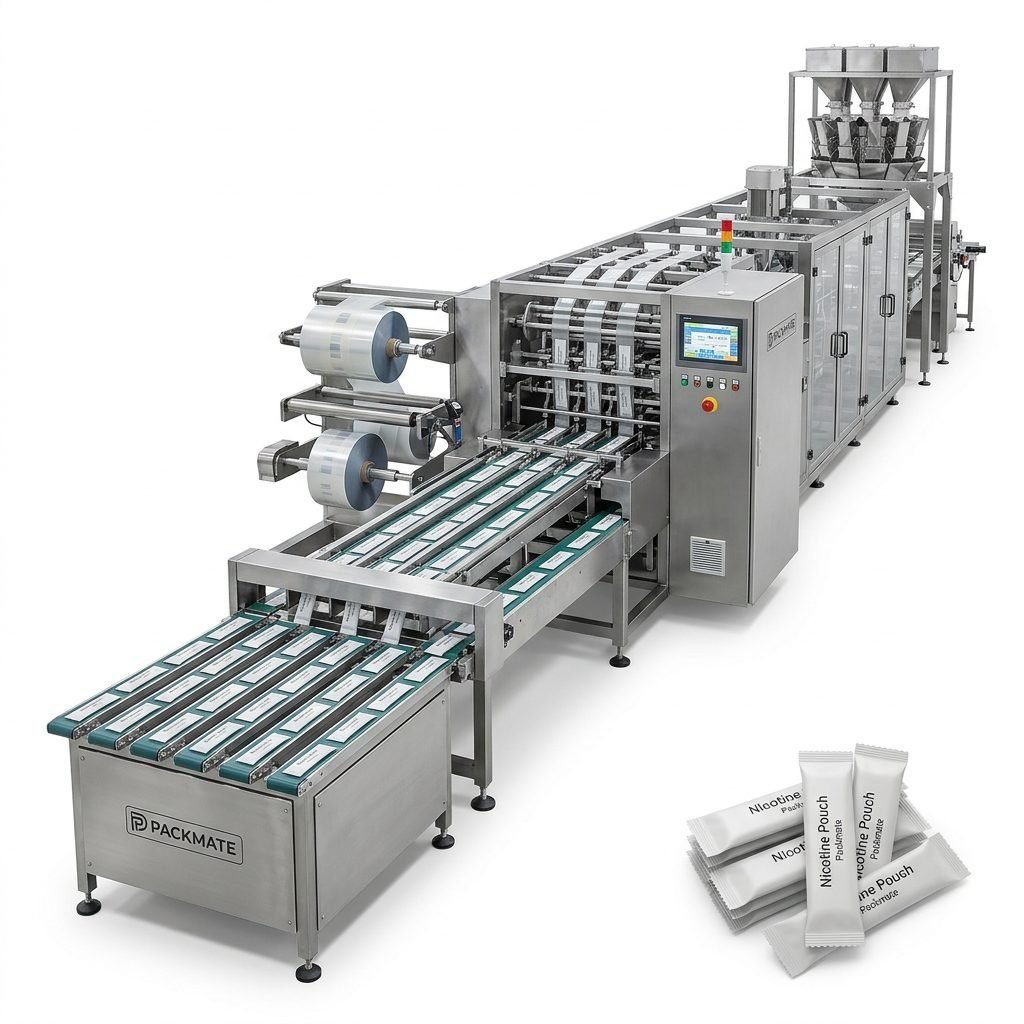
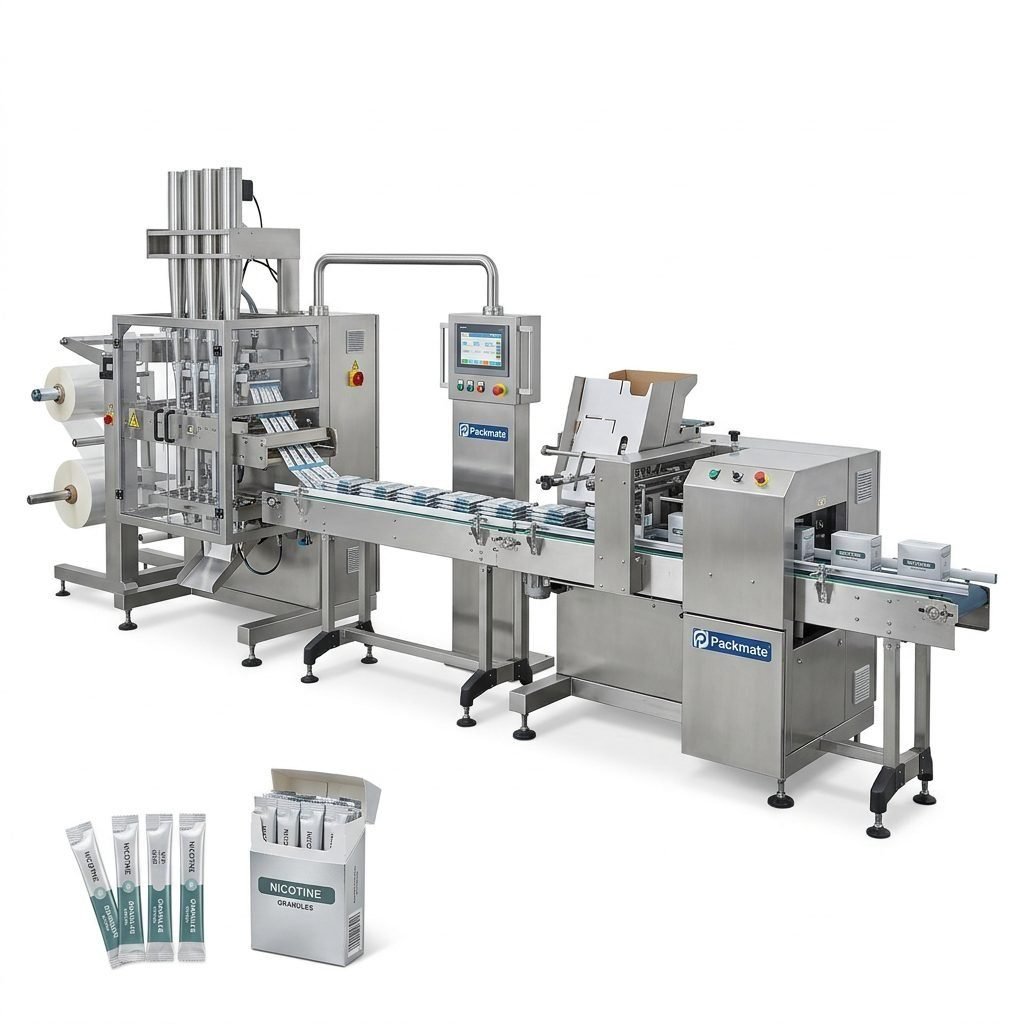
Choosing the right snus packaging machinery in Thailand is a strategic decision that affects product quality, production efficiency, regulatory compliance, and long-term operational costs. Whether you are launching a new nicotine pouch brand or scaling an existing line, this guide walks you through practical criteria and selection steps to secure efficient and reliable production equipment.
Understanding the Thai Snus Market and Production Needs
The market demand, regulatory landscape, and consumer preferences in Thailand and nearby export markets will shape your equipment choices. Key factors include daily production targets, pouch formats (loose snus pouch, stick packs, sachets), and the level of automation desired. Highly automated lines reduce labor costs and improve consistency but require higher upfront investment and technical support.
Production Capacity and Throughput
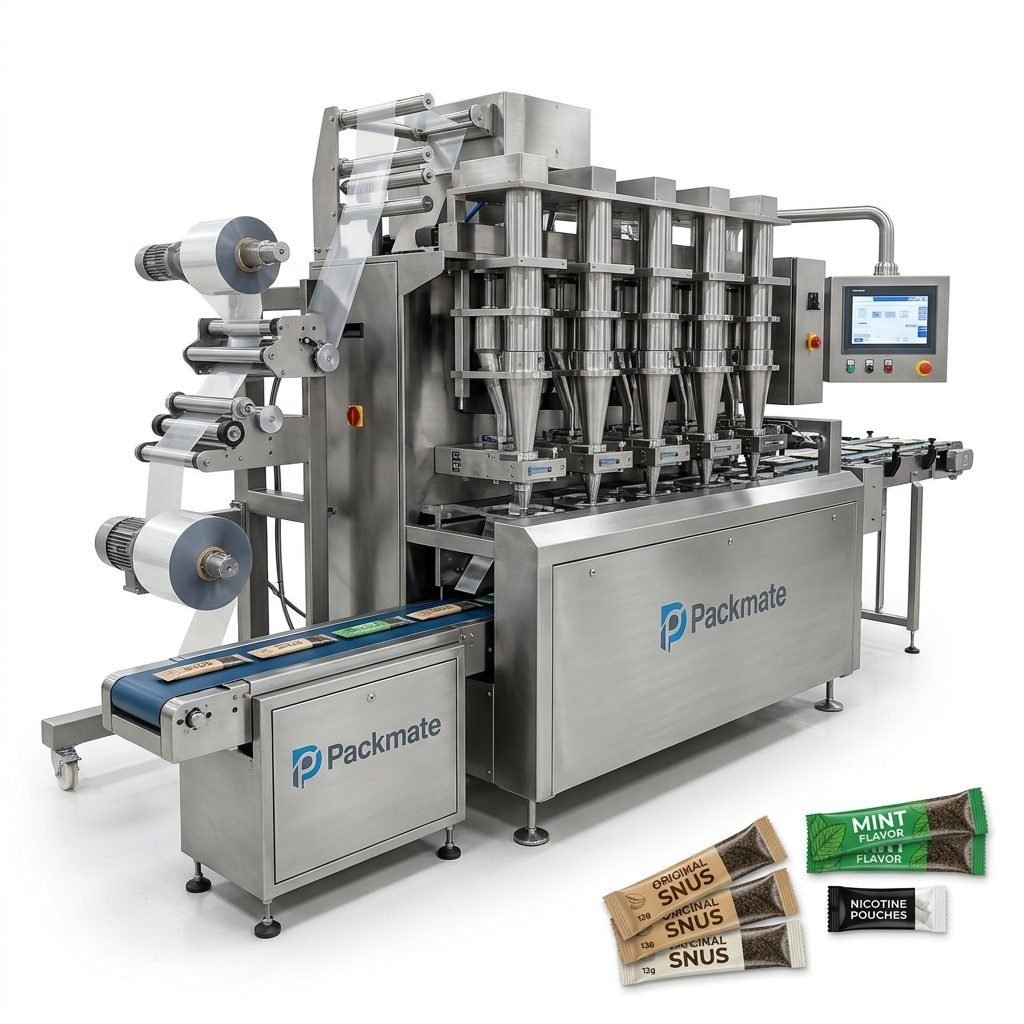
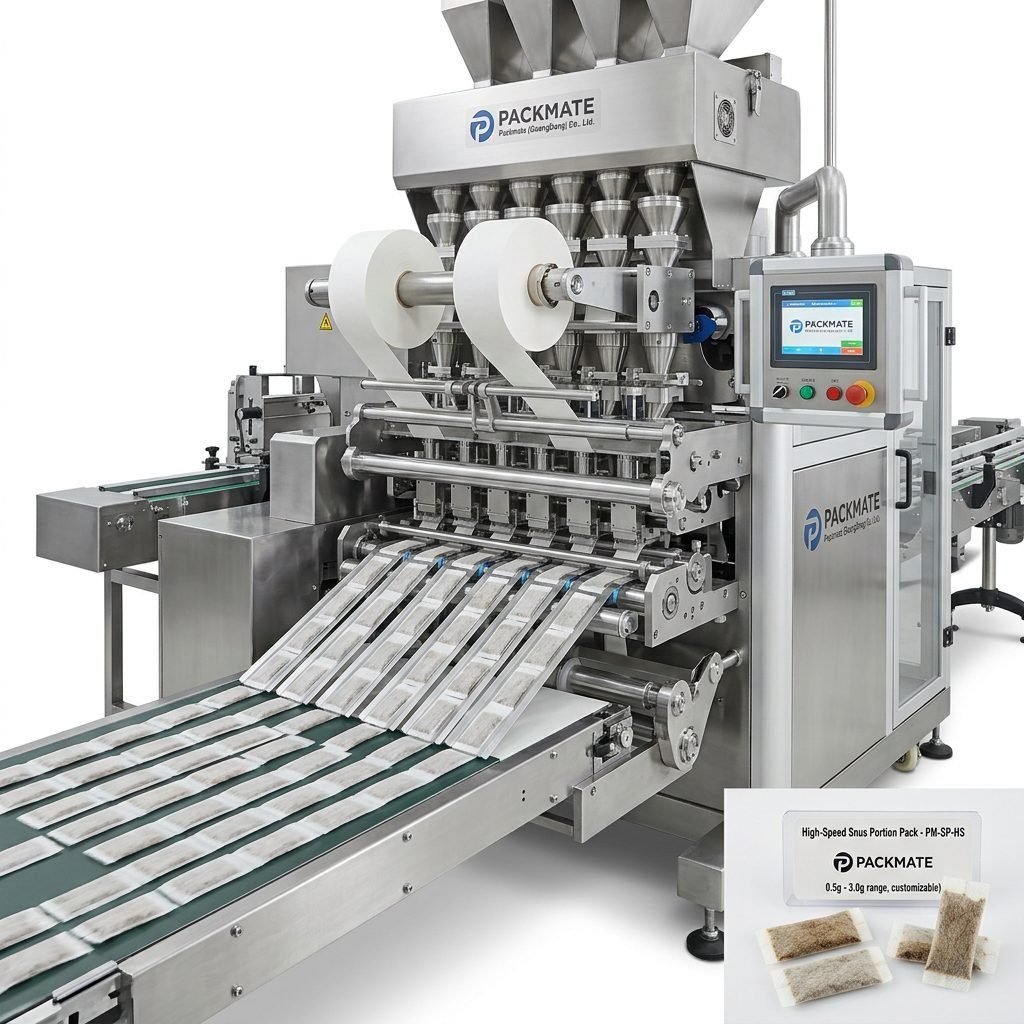
Start by defining your target throughput in pouches per minute and daily output. Manufacturers offer single-lane, multi-lane, and high-speed systems. A small pilot brand may be well served by a single-lane sachet or stick pack machine, while a commercial operation needs multi-lane snus & nicotine packaging machines to hit larger volumes. For reference, review product families such as Snus & Nicotine Packaging Machines to match capacity to demand.
🔎 Tip: If you expect to scale rapidly, opt for modular multi-lane systems that can expand lanes or integrate with upstream weighing systems and downstream secondary packaging without a complete equipment replacement.
Packaging Formats and Material Compatibility
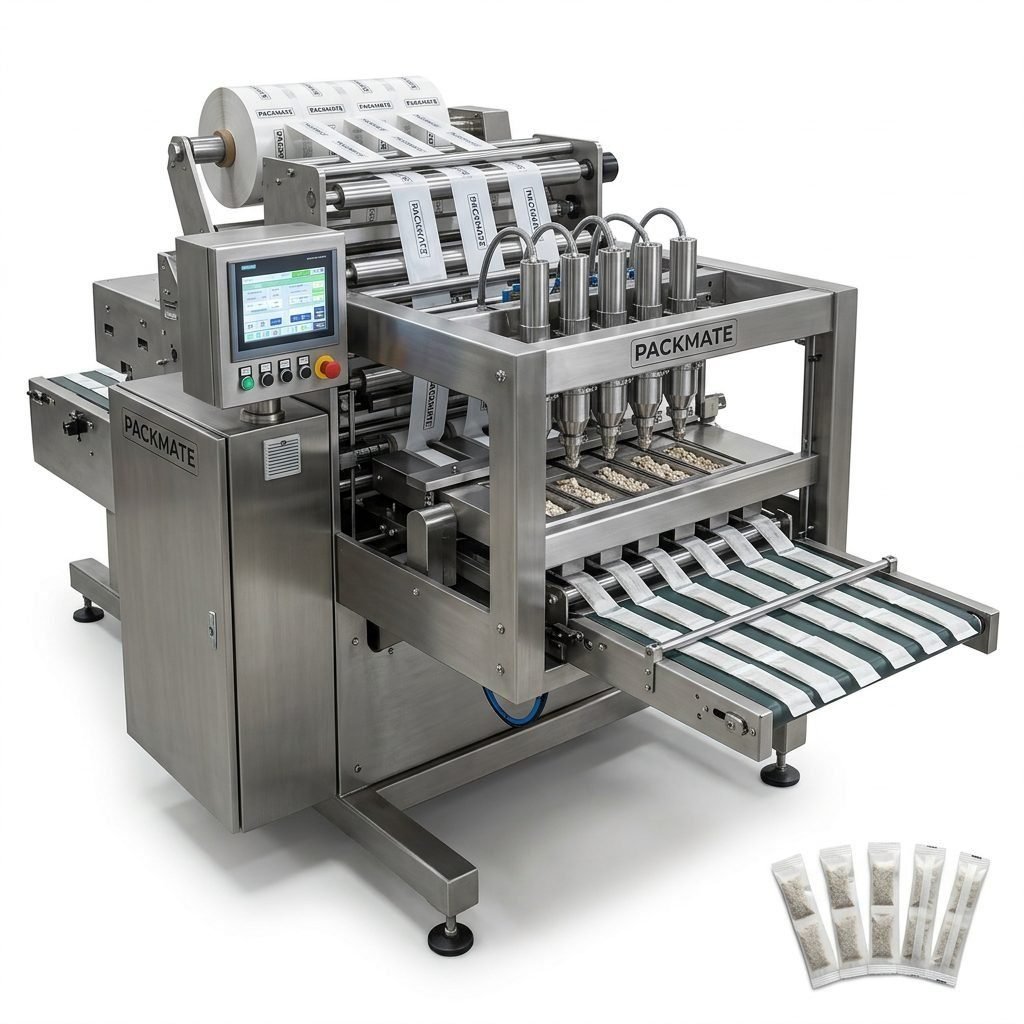
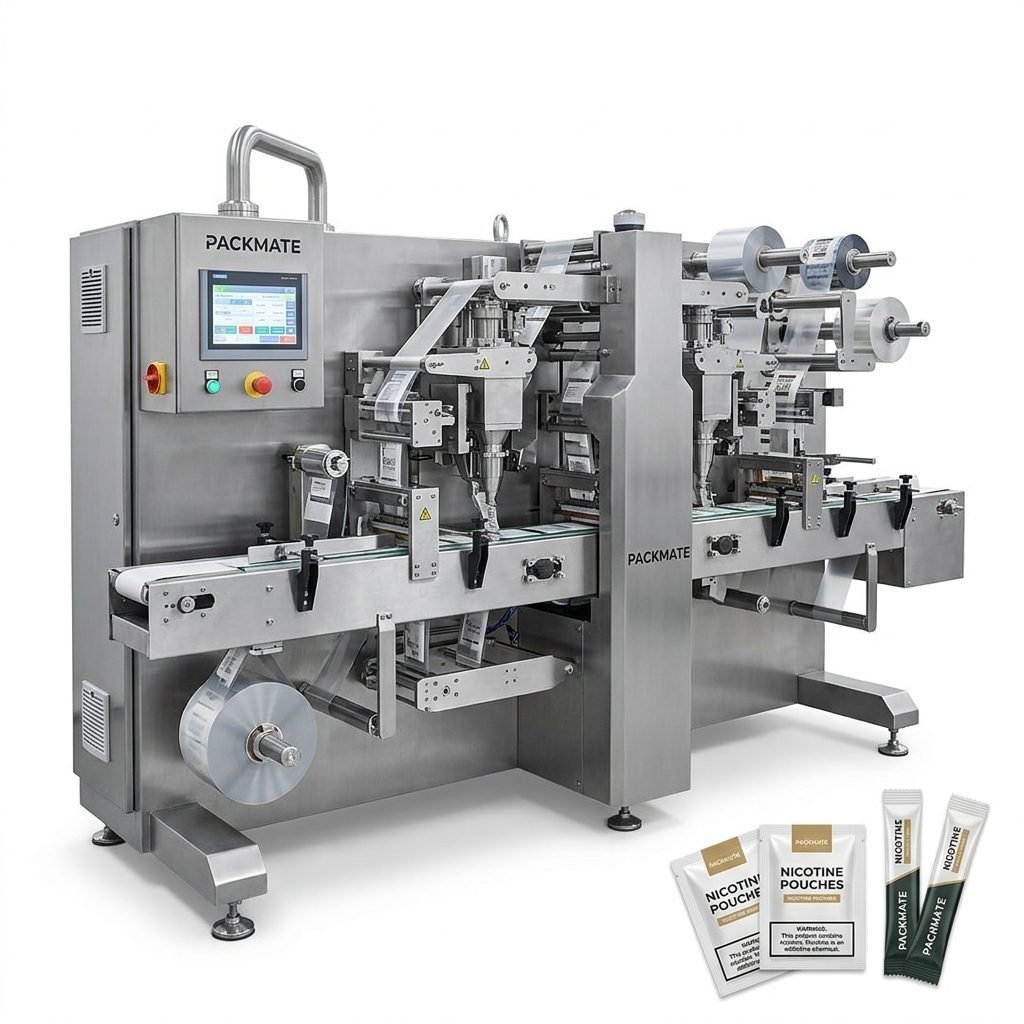
The pouch format determines sealing methods, film types, and machine head configuration. Common formats include sachets, stick packs, and small nicotine pouches. Choose machines that support your chosen film materials—laminates, foil, or bio-based films—and can handle additives like anti-static or barrier layers. For a quick view of format options, see Sachet & Stick Pack Machines and Bag & Pouch Packaging Machines.
Core Technical Criteria to Evaluate
When comparing suppliers, evaluate machines across technical, operational, and service criteria. Below are the primary technical checkpoints that often determine long-term performance.
1. Build Quality and Manufacturing Standards
Solid frame construction, precision machining of critical parts, and CE/ISO compliance are non-negotiable. A robust manufacturing facility with advanced CNC and assembly capabilities ensures components are repeatable and serviceable. Suppliers with documented factory capabilities and certifications provide predictable performance and easier parts replacement.
2. Automation, Control Systems and HMI
Modern PLC controls and intuitive HMI screens reduce operator training time and minimize errors. Check for options like recipe management, remote diagnostics, and data logging. These functions improve quality control and help with traceability during audits.
✅ Important: Ensure spare parts, electrical schematics, and software backups are part of the delivery scope to prevent lengthy downtime.
3. Dosing Accuracy and Filling Technology
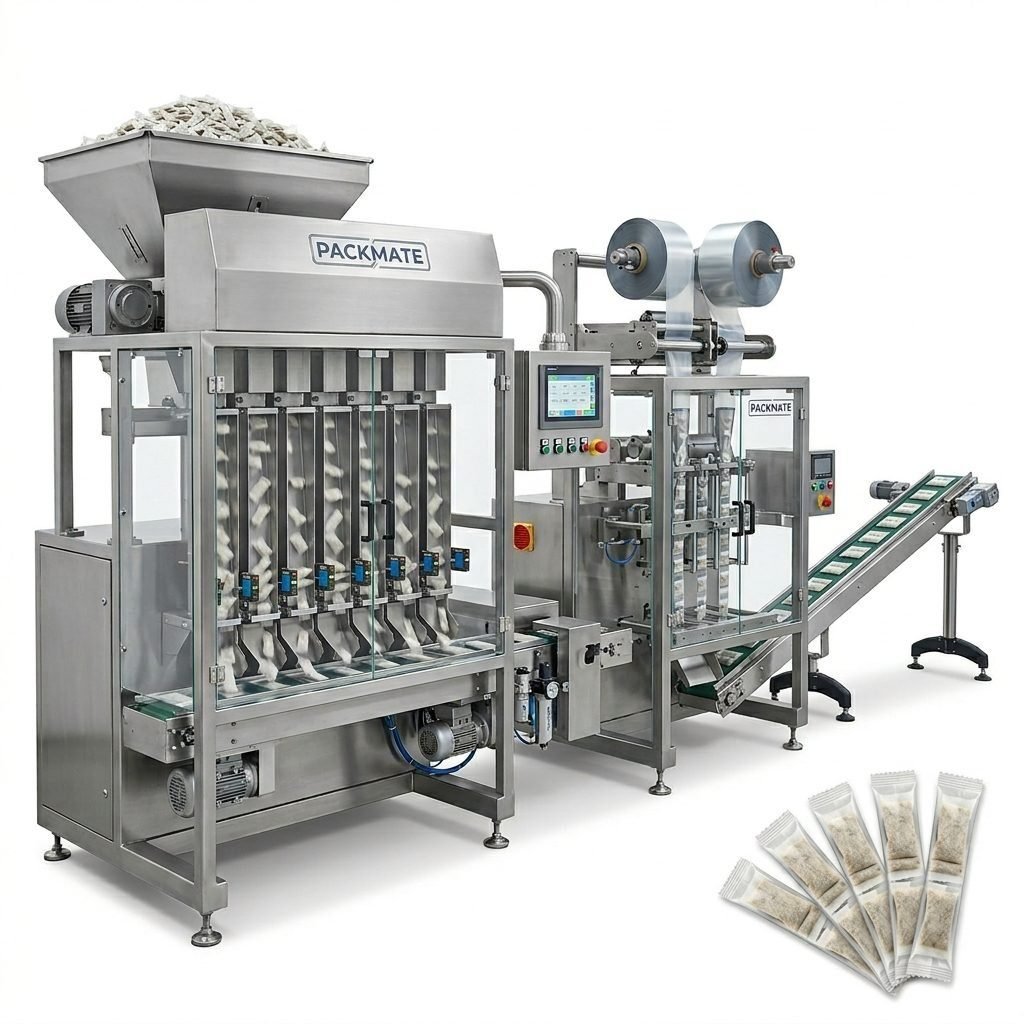
Nicotine pouch filling demands precision to ensure consistent weight and customer satisfaction. Weighing & Packaging Systems and modular filling lines are available that integrate multi-head weighers or volumetric dosing depending on product characteristics. Prioritize machines with low variation and quick changeovers between SKUs.
4. Changeover Flexibility and Sanitation
Fast changeover helps you run multiple SKUs without losing production time. Look for tool-less adjustments, quick-release parts, and hygienic designs that simplify cleaning. Sanitation-friendly materials and accessible surfaces matter for regulatory compliance and maintenance.
Regulatory Compliance and Safety Considerations
Compliance with local and export market regulations is a critical selection factor. Machines should adhere to international standards like CE and ISO; for machine-specific certificates or examples, view Certificate and About Packmate references to verify compliance history.
Safety Features
Safety guarding, emergency stops, interlocks, and clear labeling protect staff and reduce liability. A vendor offering safety documentation, training, and on-site support will help you meet Thai labor and machine safety regulations.
Choosing the Right Supplier: Beyond the Machine
Supplier capabilities, after-sales support, and experience in nicotine/snuff markets are as important as the machine itself. Packmate-style manufacturers that provide turnkey solutions, factory tourability, and detailed case studies often deliver better long-term value.
After-Sales Service and Spare Parts
Confirm spare parts availability, lead times, and local stocking options. A responsive service team and remote monitoring capabilities reduce downtime. Check for training programs, preventive maintenance schedules, and consumable plans.
Local Presence and Export Support
Suppliers with export experience to Southeast Asia understand customs, documentation, and packaging for shipment. They also often provide references and case studies; you may want to review Case examples or Contact Us pages to evaluate regional experience.
🔧 Supplier Checklist: delivery time, installation scope, commissioning, operator training, warranty period, spare parts kit, and remote support options.
Cost Considerations and Total Cost of Ownership
Evaluate machines using Total Cost of Ownership (TCO): initial purchase, tooling and spare parts, energy consumption, operator labor, maintenance, downtime risk, and potential productivity gains. High-efficiency machines often justify higher CAPEX by lowering OPEX and increasing yield.
Financing, Trials and Demonstrations
Ask for factory acceptance tests, pilot runs, and proof-of-performance reports. Some manufacturers will run your product through their demo machines or provide temporary trials. Financing or leasing options may also help balance CAPEX and cash flow.
Customization and Turnkey Solutions
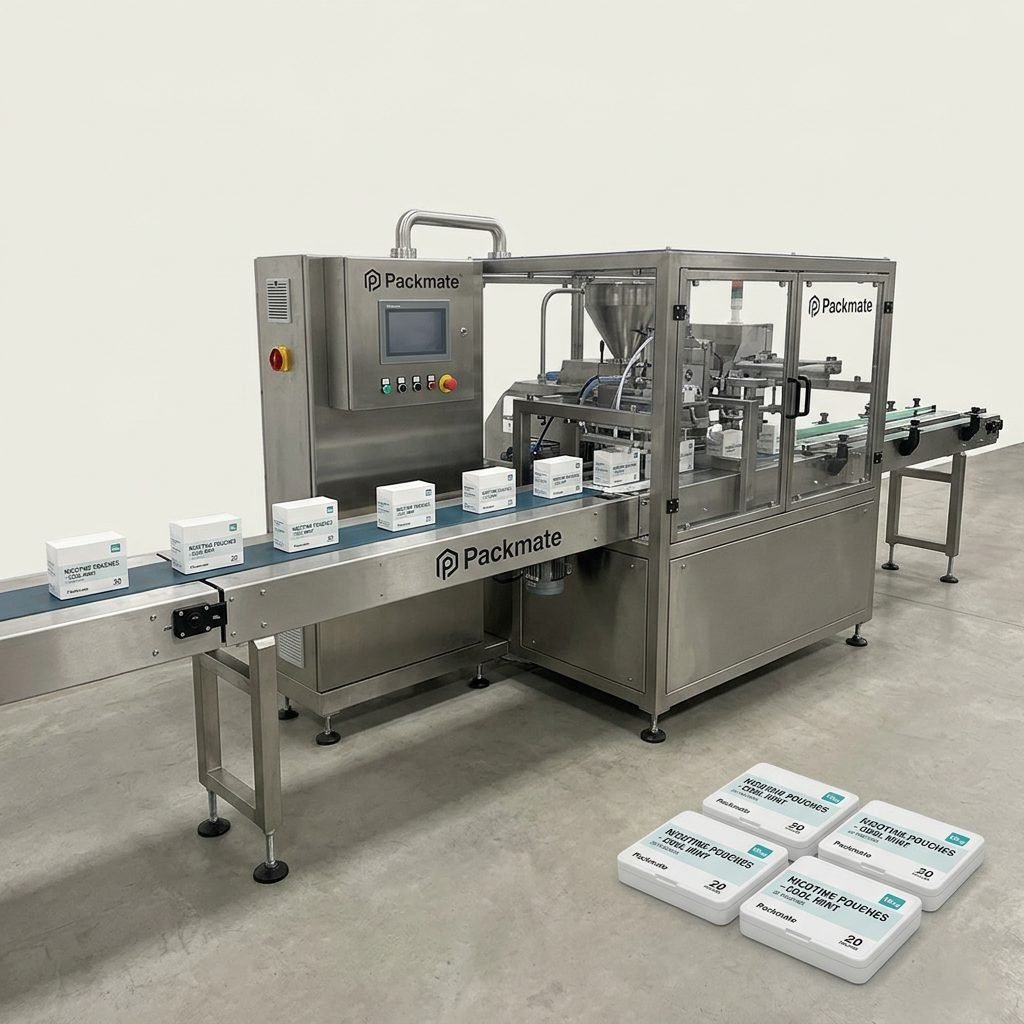
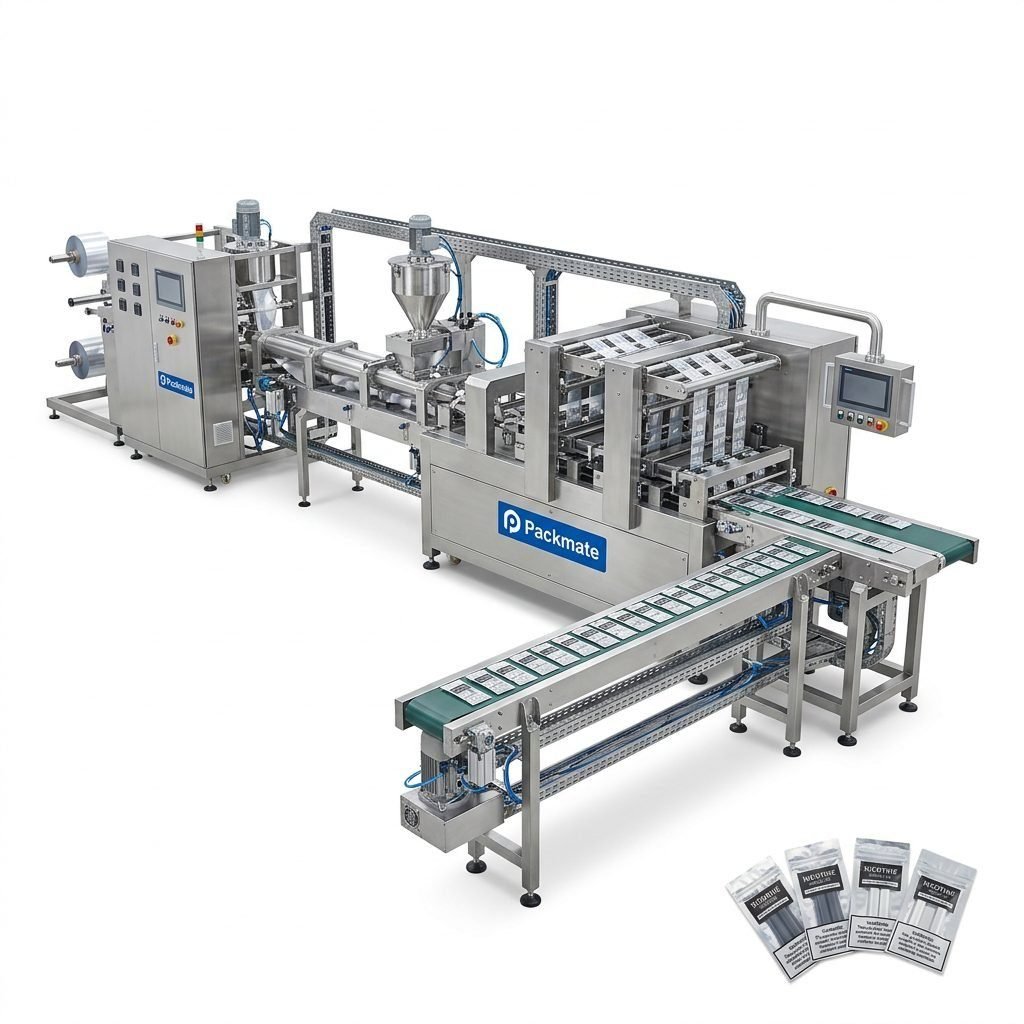
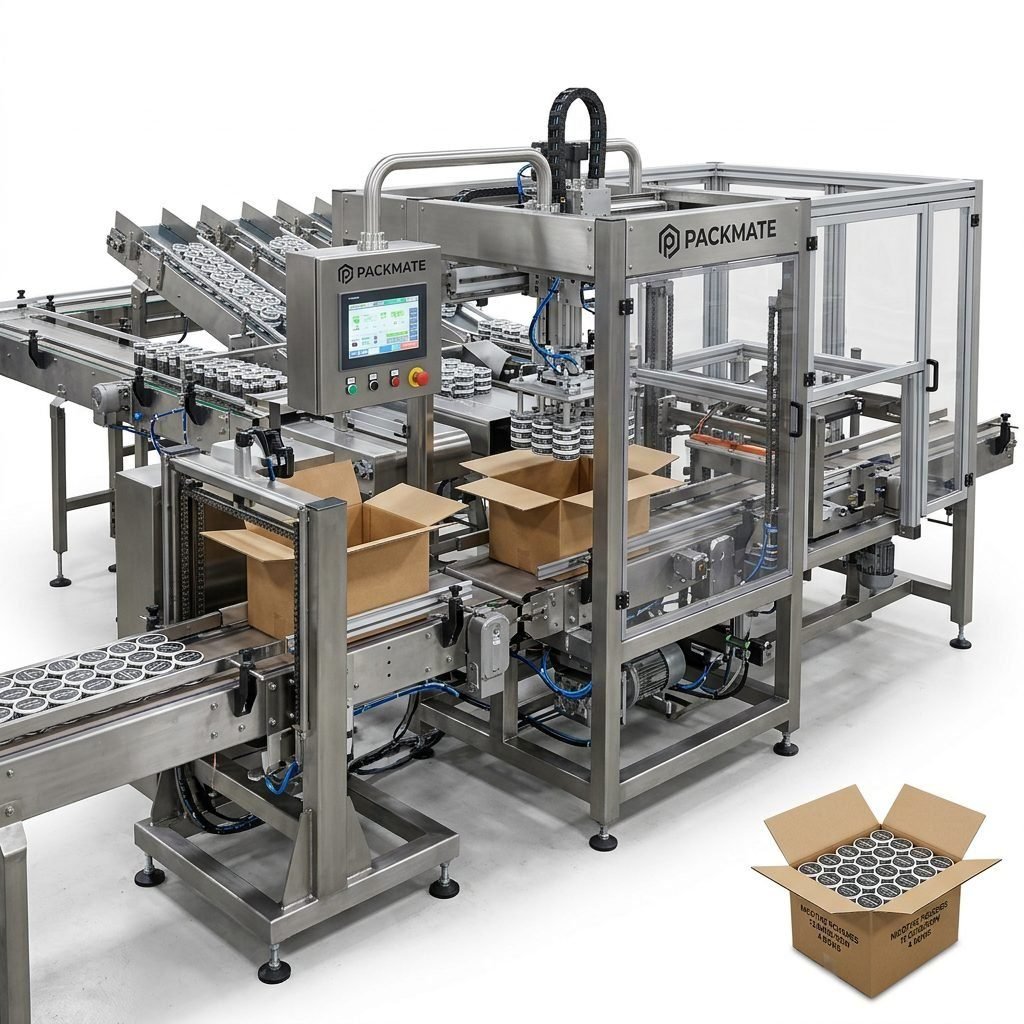
Modern suppliers provide modular turnkey lines combining weighing, filling, sealing, and secondary packaging. Customization can include multi-lane synchronization, unique pouch shapes, and in-line quality inspection systems. When you need an end-to-end solution, work with a supplier that documents the entire workflow and delivers installation, commissioning, and staff training.
Explore product families such as Filling & Packaging Lines and Auxiliary Packaging Equipment to evaluate the compatibility of upstream and downstream modules.
Implementation and Commissioning Best Practices
A successful installation relies on clear project management, site preparation, and operator training. Confirm utility requirements, floor loading capacity, and environmental controls before shipment. Plan for a commissioning window with the supplier and allow time for test runs with your actual raw materials and pouches.
⚠️ Note: Raw material variations (film thickness, powder flowability) can significantly affect setup. Always validate with production samples during FAT and SAT.
Evaluating Real-World Performance and References
Ask for performance metrics, uptime statistics, and customer references from similar industries. Review documented case studies and exhibition demos to see machines in operation; many suppliers list their global exhibitions and case histories to help buyers assess real-world reliability.
Factory Visits and Live Demonstrations
Whenever possible, visit the manufacturer’s factory to inspect assembly quality and witness test runs. Live demos at exhibitions or the supplier’s production floor provide insight into noise levels, operator ergonomics, and actual changeover time.
How to Shortlist Suppliers: A Practical Roadmap
Start with a technical requirements document, request quotations with scope, and compare TCO scenarios. Shortlist vendors that provide transparent documentation, references, demonstrable manufacturing strength, and after-sales commitments.
For quick reference, check product pages like Snus & Nicotine Packaging Machines, Sachet & Stick Pack Machines, and Filling & Packaging Lines to align machine capabilities with your requirements.
Operational Tips for Reliable Long-Term Production
Implement a preventive maintenance schedule, maintain a critical spare parts inventory, and train multiple operators and technicians. Regular calibration of dosing systems and scheduled inspections of seals and feeders will maintain product consistency.
Data-Driven Optimization
Use production metrics to optimize throughput and identify recurring issues. Integrating data capture on the line enables continuous improvement and faster troubleshooting with the supplier’s service team.
📌 Pro Tip: Keep detailed logs of material batches, machine adjustments, and operator notes to accelerate problem resolution with your supplier.
Why Manufacturer Experience Matters: A Brief Case for Choose Proven Partners
A manufacturer with decades of packaging engineering experience, a large product portfolio, and turnkey capabilities is more likely to deliver a solution that meets complex requirements. Experienced suppliers provide documented processes, testing protocols, and global installations that reduce risk during ramp-up. For detailed company background and service offerings, see About Packmate and Service.
Validation and Continuous Support
Post-installation support, software updates, and training keep your line productive. Confirm the level of remote assistance, spare parts consignment, and upgrade paths a vendor offers before signing the contract.
Final Recommendations Before Purchase
Conduct a small pilot production run, validate fill accuracy and seal integrity, and request a training plan and documented warranties. Ensure contractual clarity on delivery timelines, acceptance criteria, and spare parts supply.
If you need vendor contacts or product specs to get started, review the Contact Us and Catalog pages for direct engagement with manufacturers and specification sheets.
Frequently Asked Questions
Q1: How do I determine the right machine speed for my product?
A1: Base the decision on your target daily output, packaging format, and acceptable variation in fill weight. Ask suppliers for test data with similar materials. Consider multi-lane systems if you need higher aggregate throughput with consistent per-lane accuracy.
Q2: What certifications should snus packaging machines have for international shipping?
A2: Look for CE and ISO compliance as baseline standards. Additional documentation for electrical safety, EMC, and material contact safety may be required depending on export markets. Review supplier certificates and request copies during the selection process.
Q3: How important is local service and spare parts availability in Thailand?
A3: Very important. Local service reduces downtime and transport costs for spare parts. If local presence is limited, ensure the supplier provides quick international shipping or stocked critical spares and remote troubleshooting capabilities.
Q4: Can machines be customized for unique pouch shapes or nicotine dosages?
A4: Yes. Many suppliers offer customization for pouch shapes, dosing ranges, and multi-lane configurations. Confirm engineering lead times and prototype testing during contract negotiation.
Q5: What documentation should be included with machine delivery?
A5: Delivery should include operation manuals, electrical diagrams, spare parts lists, software backups, FAT reports, and training plans. Ensure warranty terms and service SLAs are written into the contract.
For more technical specifications or to request a demo, visit the product pages and contact the manufacturer directly via the Contact Us link. Reviewing detailed case studies and exhibition demos will further help you finalize the best snus packaging machinery selection for efficient and reliable production in Thailand.