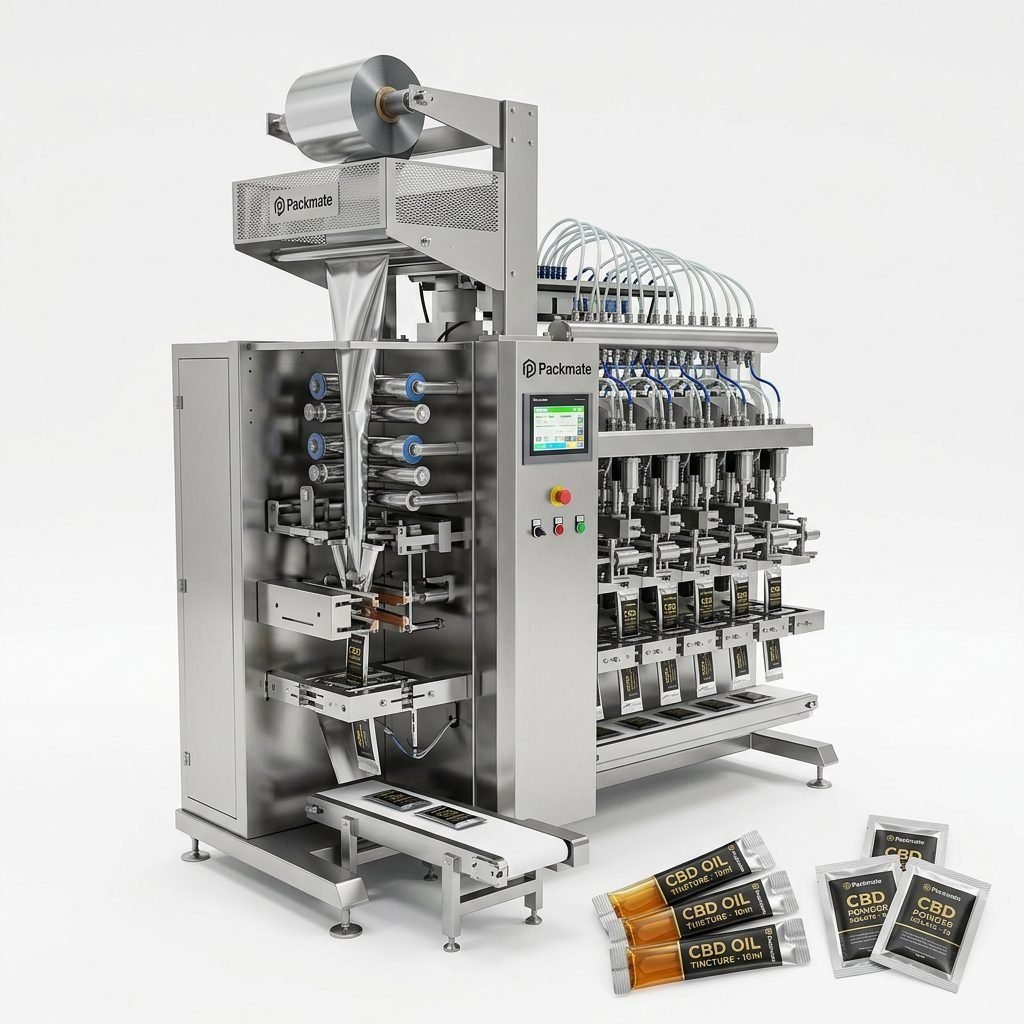
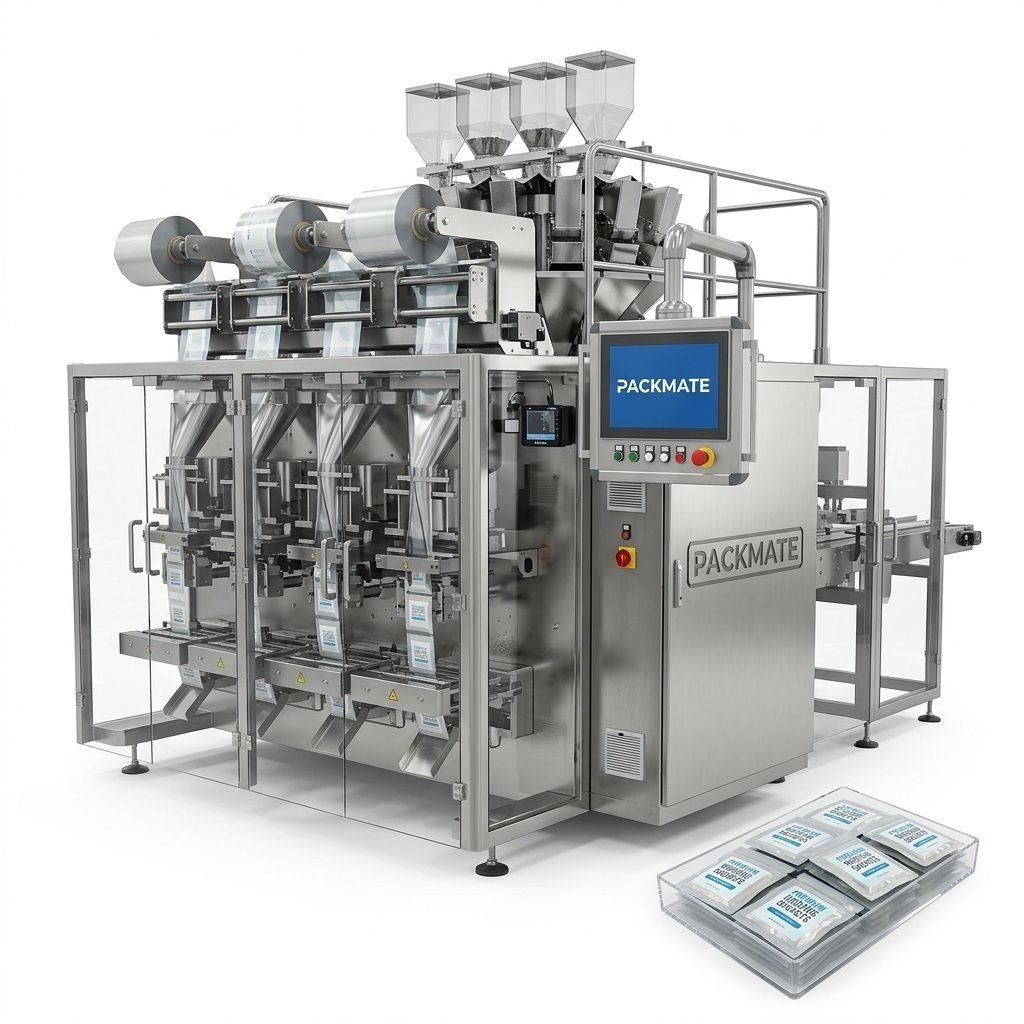
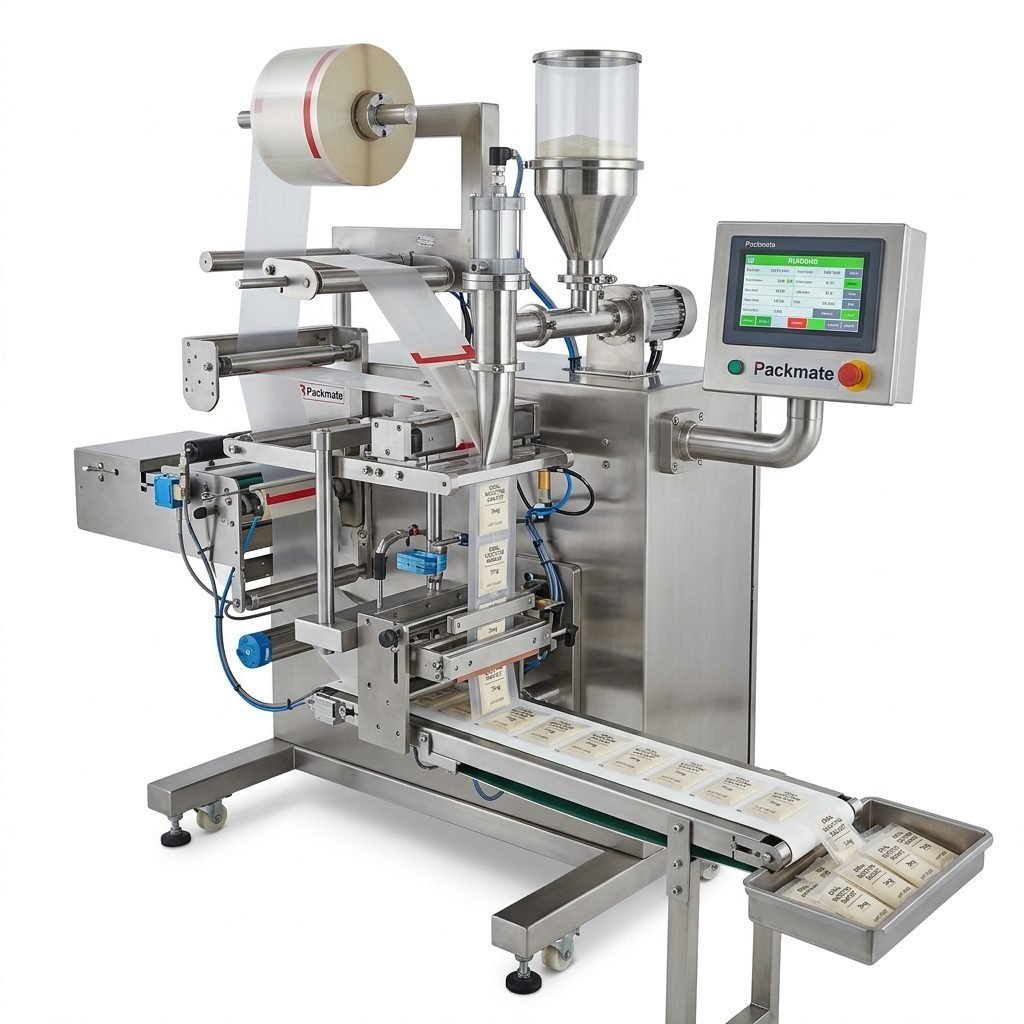
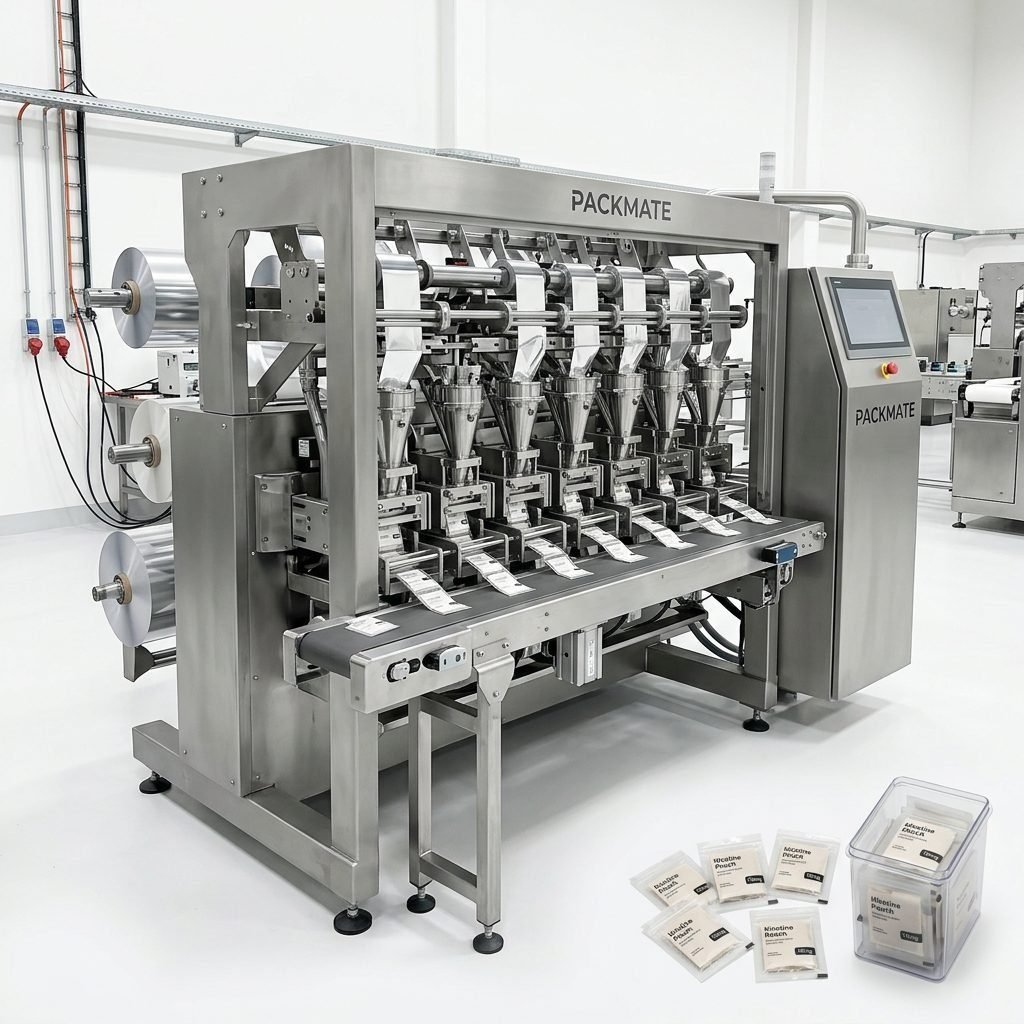
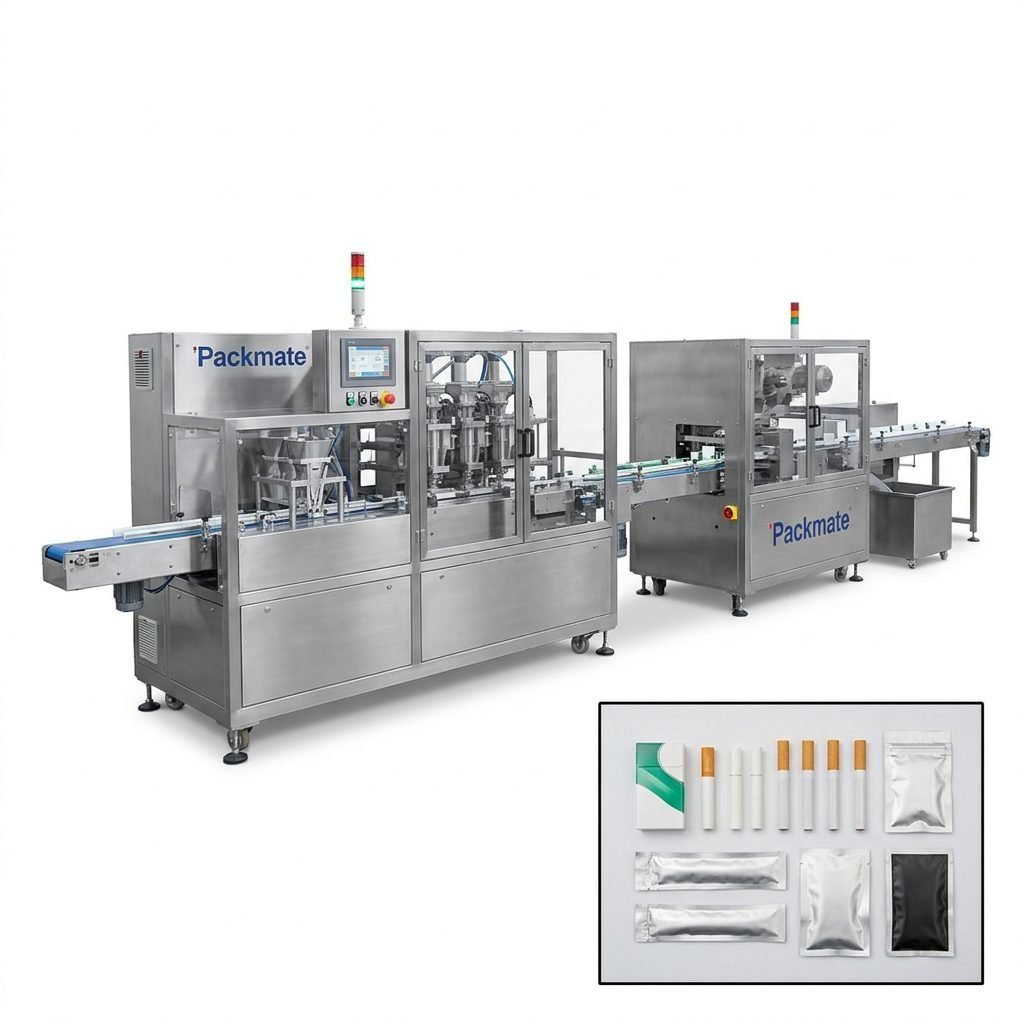
Choosing the right packaging equipment for snus production in Samoa requires a blend of technical knowledge, practical planning, and an awareness of local market demands. This guide walks you through everything from machine types and production capacity to regulatory compliance and after-sales support, helping you make a confident purchase decision for your snus line.
🔍 Understanding Snus Packaging Needs in Samoa
Small island markets such as Samoa often require flexible production strategies: limited storage, seasonal demand waves, and import logistics all affect how you should choose packaging machinery. Prioritize machines that are compact, energy-efficient, and simple to maintain while offering consistent pouch quality. Production stability and regulatory compliance are especially important for products like snus and nicotine pouches.
⚙️ Primary machine categories to consider
Different snus formats demand different machinery. The most common categories include:
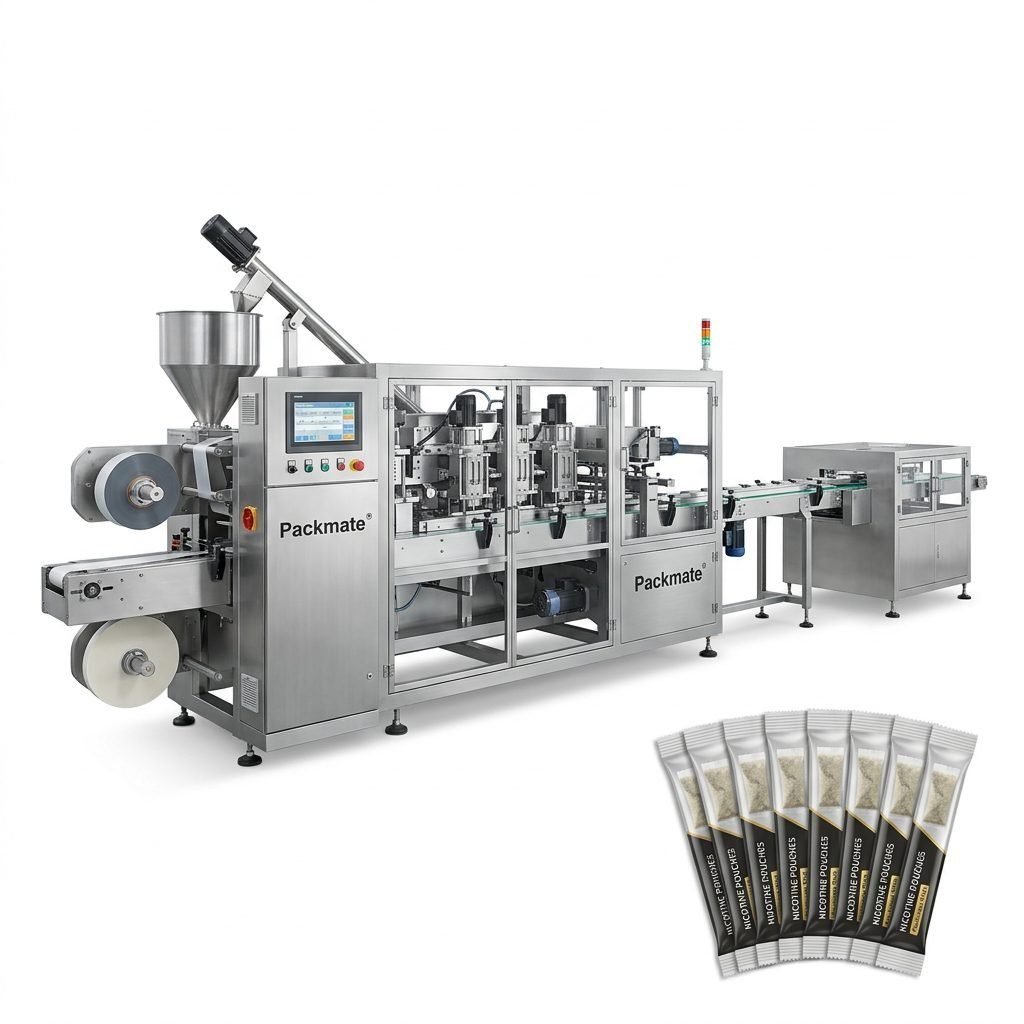
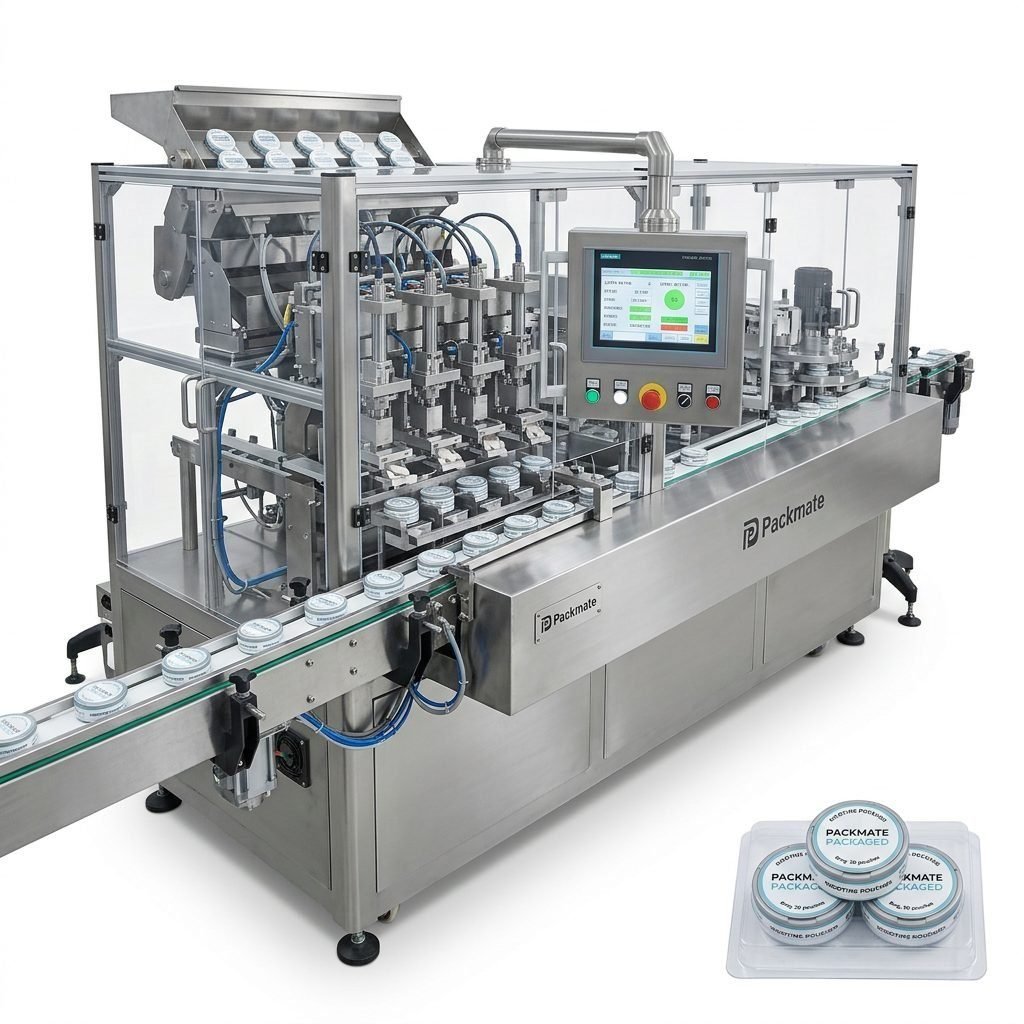
📦 Snus & Nicotine Pouch Packaging Machines – These are specialized for small-dose pouches and provide high dosing accuracy and gentle handling for tobacco-free and nicotine products. Learn more: Snus & Nicotine Packaging Machines
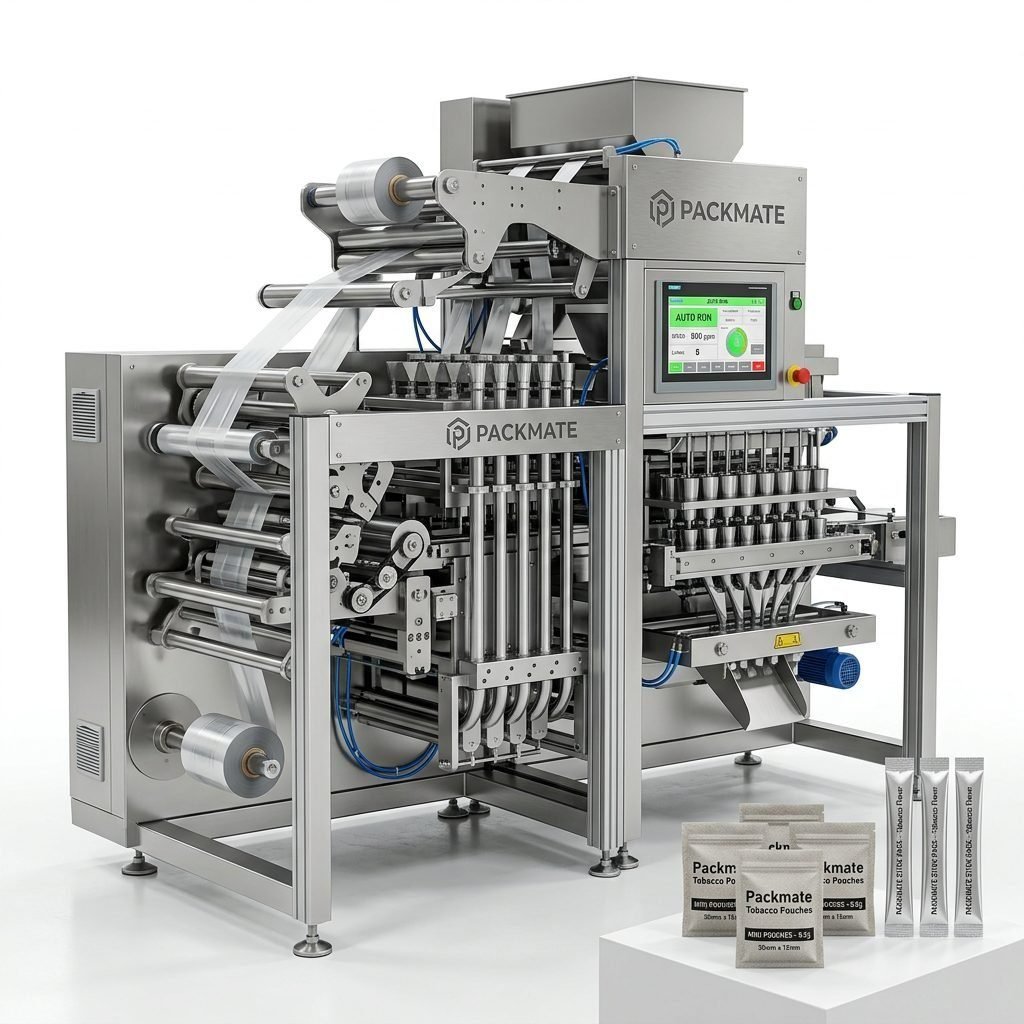
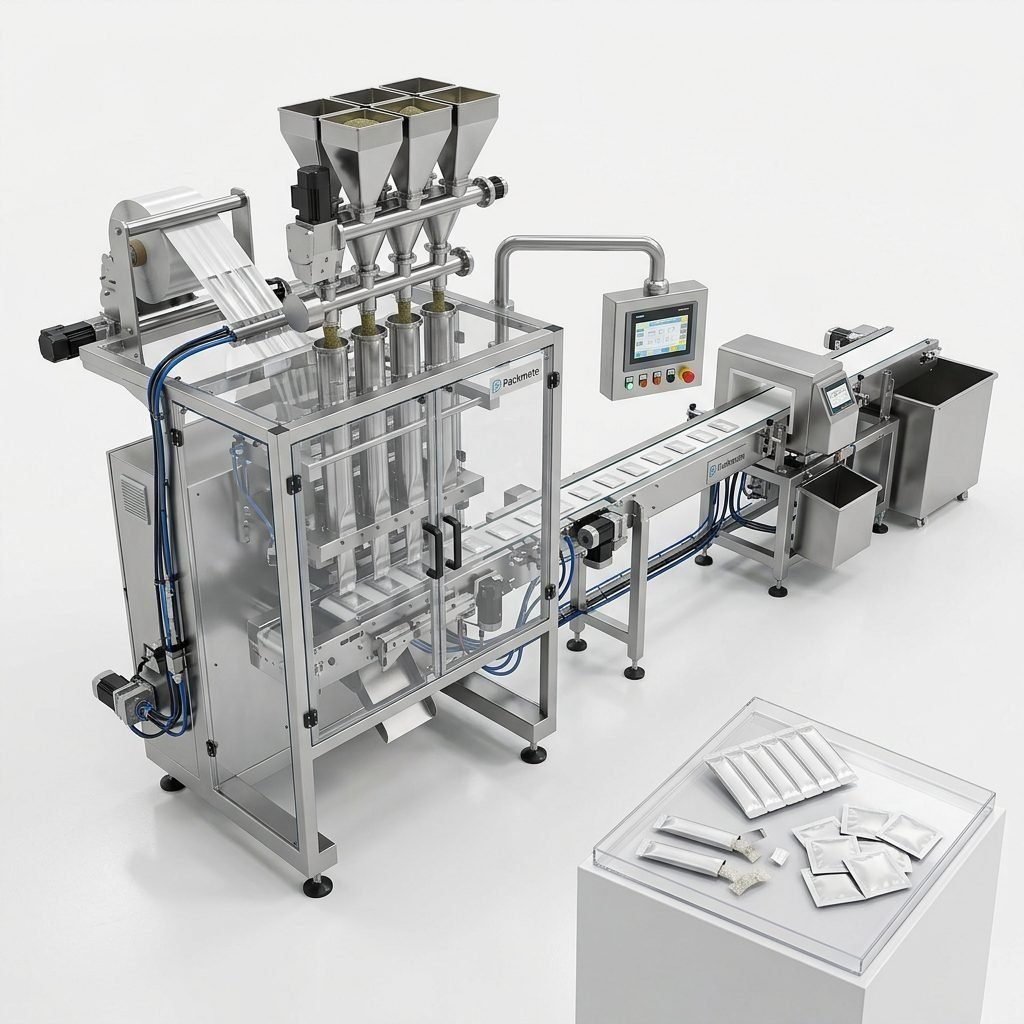
🧾 Sachet & Stick Pack Machines – Ideal for single-portion stick or sachet styles. They are often simpler, faster to changeover, and cost-effective for smaller formats: Sachet & Stick Pack Machines
🔗 Filling & Packaging Lines – For integrated solutions that include dosing, filling, sealing, and secondary packaging for full production automation: Filling & Packaging Lines
📈 Key selection criteria — what matters most
When evaluating machines, focus on these primary factors: speed, dosing accuracy, footprint, flexibility, material compatibility, and serviceability. Below is a guided checklist to make that evaluation easier.
✅ Production Capacity & Speed – Estimate your peak daily output and choose a machine with a comfortable margin above that rate. Machines are rated in pouches per minute (ppm); multi-lane units multiply throughput but increase complexity.
✅ Dosing Accuracy – Snus pouch weights and nicotine dosage tolerances require precision volumetric or weighing systems. High dosing accuracy reduces waste and regulatory risk.
✅ Format Flexibility – If you plan multiple pouch shapes or sizes, choose equipment with quick-change tooling and recipe memory for efficient changeovers.
✅ Sanitation & Maintenance – Machines that offer easy access to wear parts and wash-down compatibility can save downtime. Consider local availability of spare parts and technical support.
🏭 Why Packmate is a competitive option
With over 30 years of engineering experience and a 20,000㎡ manufacturing base, Packmate focuses on high-performance snus packaging lines, including multi-lane systems for small-dose production. Their portfolio covers stick pack, sachet, and specialized snus pouch machines, supported by CE and ISO certifications. For company background and credentials: About Packmate and Certificate.
🔧 Technical considerations in detail
Machine specifications often hide important nuances. Below are the technical facets to verify before committing:
- Control system: modern PLC and HMI with recipe management simplify changeovers and troubleshooting.
- Multi-lane capability: evaluate lane count versus pouch size — more lanes increase output but require precise synchronization.
- Filling method: weighers deliver best accuracy; auger or volumetric dosing can be adequate for bulk fill with tolerance adjustments.
- Sealing and film handling: check for reliable heat-seal systems, film tracking, and tension control to reduce rejects.
📐 Layout, footprint and utilities
Samoan facilities may have limited floor area and variable utility supply. Confirm exact machine footprints and required power/air specifications. Machines designed with compact layouts and low compressed air consumption can be advantageous for island operations.
📌 Tip: Request a detailed layout drawing during the quoting phase and verify local installation constraints including door widths and ceiling height.
🛠️ After-sales support, spare parts & training
Reliable technical support and quick spare parts access are critical. Ask vendors about their local or regional service networks, remote diagnostics, and operator training programs. Manufacturers offering long-term service contracts and quick spare shipments reduce the risk of prolonged downtime.
Packmate provides global turnkey solutions and participates in international exhibitions where you can see machines running. Booking a live demo or visiting a trade show can significantly de-risk your investment: Our Exhibition.
💰 Cost considerations and return on investment
When evaluating costs, consider total cost of ownership (TCO) rather than purchase price alone. TCO includes spare parts, consumables (films, inks), energy consumption, operator labor, and downtime risk. Machines with higher initial cost but superior uptime and efficiency often deliver a faster payback.
📊 Calculate ROI – Use these inputs: expected daily output, yield (good vs reject rate), material costs, labor costs, and machine uptime to estimate how quickly the new equipment will pay for itself.
🔄 Flexibility value – If product variety is high, a more flexible machine can preserve margins by reducing changeover costs and protecting sales from format constraints.
🧾 Compliance, safety and certifications
Certifications such as CE and ISO are indicators of design quality and regulatory compliance. In regulated products like nicotine pouches and snus, ensure your equipment and procedural documentation meet local import and safety requirements. Packmate machines comply with international standards, which simplifies cross-border regulation checks.
🔁 Integration with upstream and downstream systems
For efficient operations, ensure the packaging machine pairs well with upstream dosing/weighing systems and downstream cartoning or case packing equipment. Check communication protocols (e.g., digital I/O, Ethernet) and request interface specifications early in procurement.
If you need multi-component integration (weighing feeders, vibratory dosers, secondary packaging), consider suppliers that offer a full portfolio including auxiliary equipment: Auxiliary Packaging Equipment.
🧭 Practical buying checklist
1. Confirm target pouch formats and required lanes.
2. Verify dosing accuracy and acceptable variance for nicotine/pouch weight.
3. Request a video or live demo of similar product runs.
4. Ask for layout drawings, utility requirements, and spare parts list.
5. Check warranty, training, and local support availability — contact: Contact Us.
📦 Case studies & validation
Before final purchase, review vendor case studies to see how machines perform in real production environments similar to yours. Packmate publishes global cooperation cases that can help you benchmark machine selection for markets across Europe, Asia, and the Americas: Case.
📚 Final recommendations
– Prioritize dosing accuracy and machine uptime for nicotine pouch production.
– Choose modular machines with quick-change features if you expect multiple formats.
– Validate spare parts supply chains to Samoa and verify installation logistics.
– Insist on live demos and reference installations before purchase.
– Consider total cost of ownership and not just the purchase price.
❓ Frequently Asked Questions
Q1: What machine speed should I choose for a small production line in Samoa?
A1: Estimate your daily demand and factor in 20–30% margin for peak periods. For boutique runs, a single-lane or two-lane sachet machine with 30–80 ppm may suffice. For higher throughput, multi-lane snus machines that combine lanes for 200–400+ ppm offer better cost-per-unit.
Q2: How important is multi-lane capability?
A2: Multi-lane systems multiply output without occupying the proportional floor space of multiple single-lane machines. They require precise synchronization and better servicing, so only opt for them if you can support more complex maintenance and higher initial investment.
Q3: Can I source spare parts and service locally in Samoa?
A3: Local parts availability is limited in many island markets. Work with vendors who offer expedited shipping or regional warehouses, and secure a spare parts list before purchase. Remote support and training are also valuable to reduce service trips.
Q4: Where can I see Packmate machines running?
A4: Packmate participates in international exhibitions and publishes case studies and demo videos. Visit their exhibition page or request a live demo and references: Our Exhibition and Case.
Q5: How do I begin the procurement process?
A5: Start with a documented specification sheet that includes daily throughput, pouch formats, material types, and utilities. Request quotes, layout drawings, and video demos from multiple suppliers. Verify certifications, ask for references, and evaluate total cost of ownership. For help finding suitable models and full-line solutions, check product categories like Bag & Pouch Packaging Machines and Weighing & Packaging Systems.