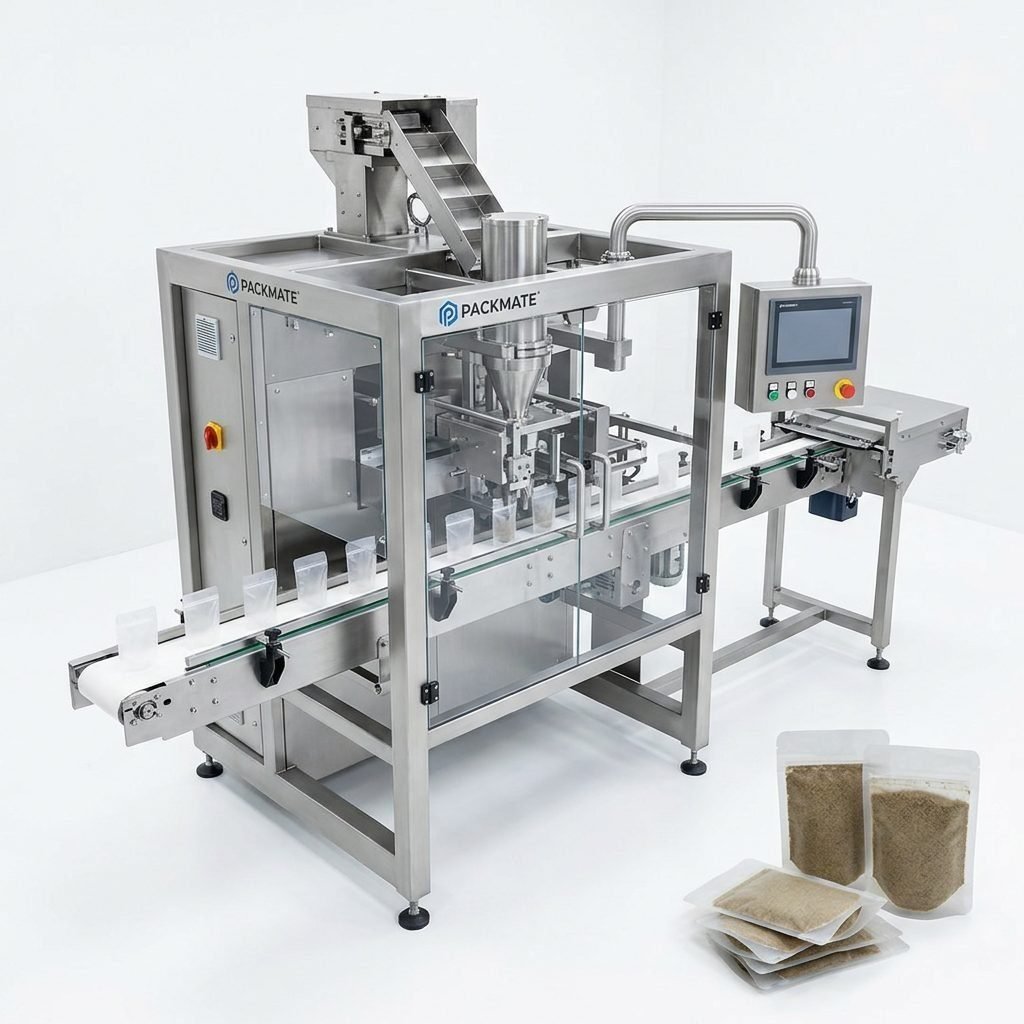
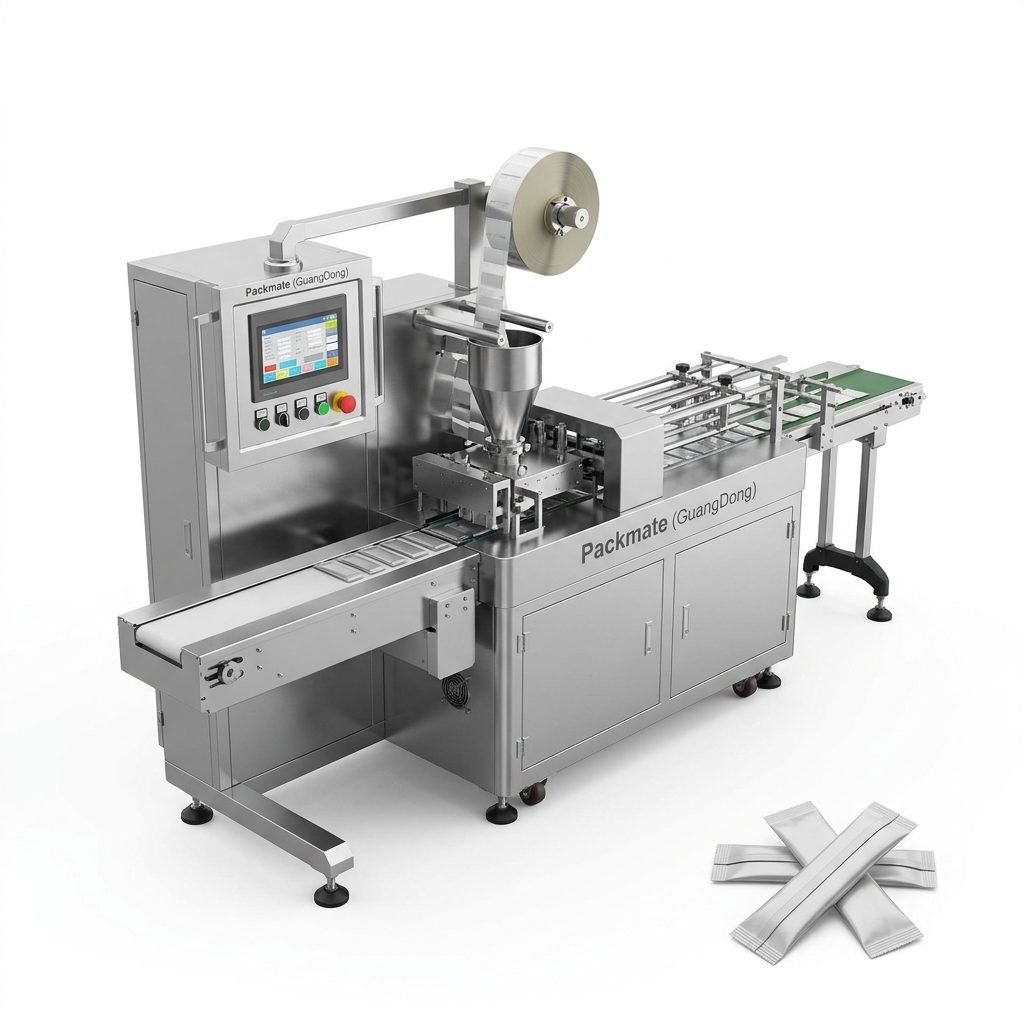
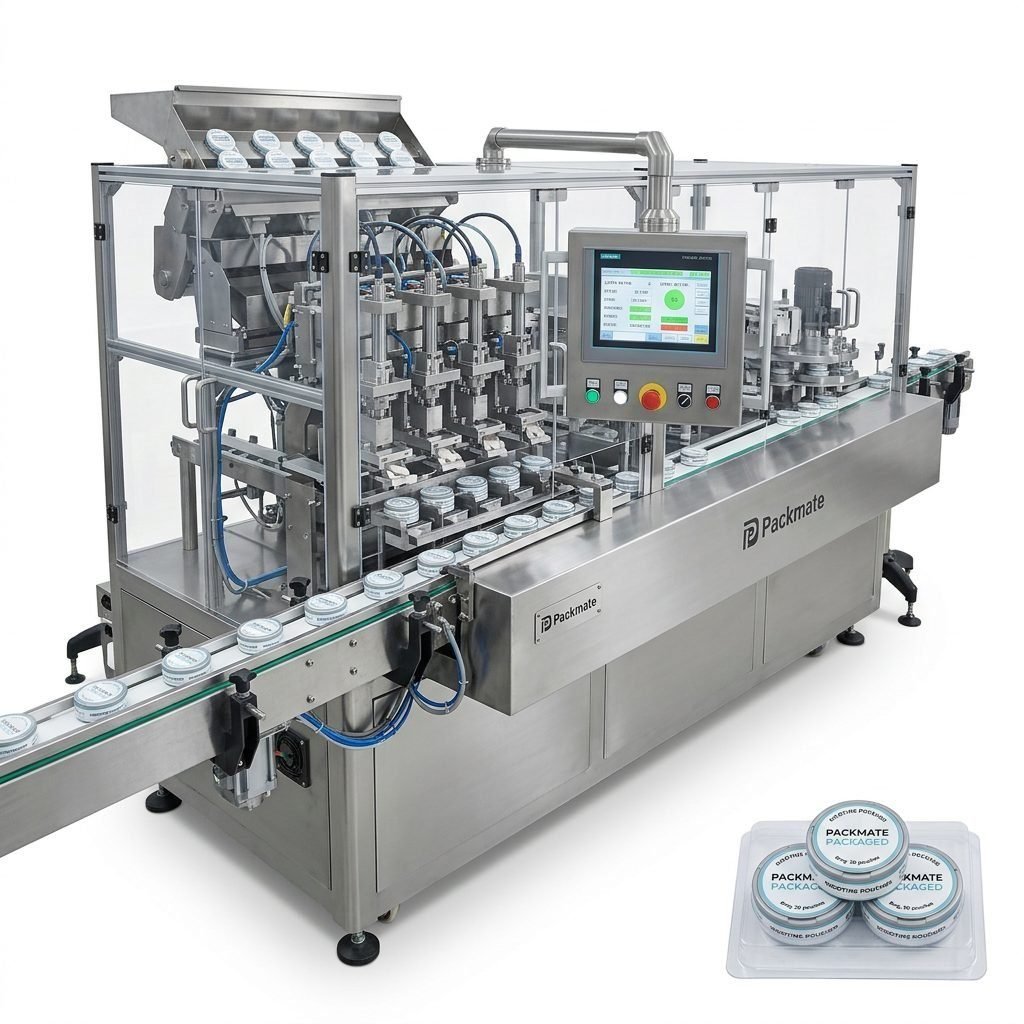
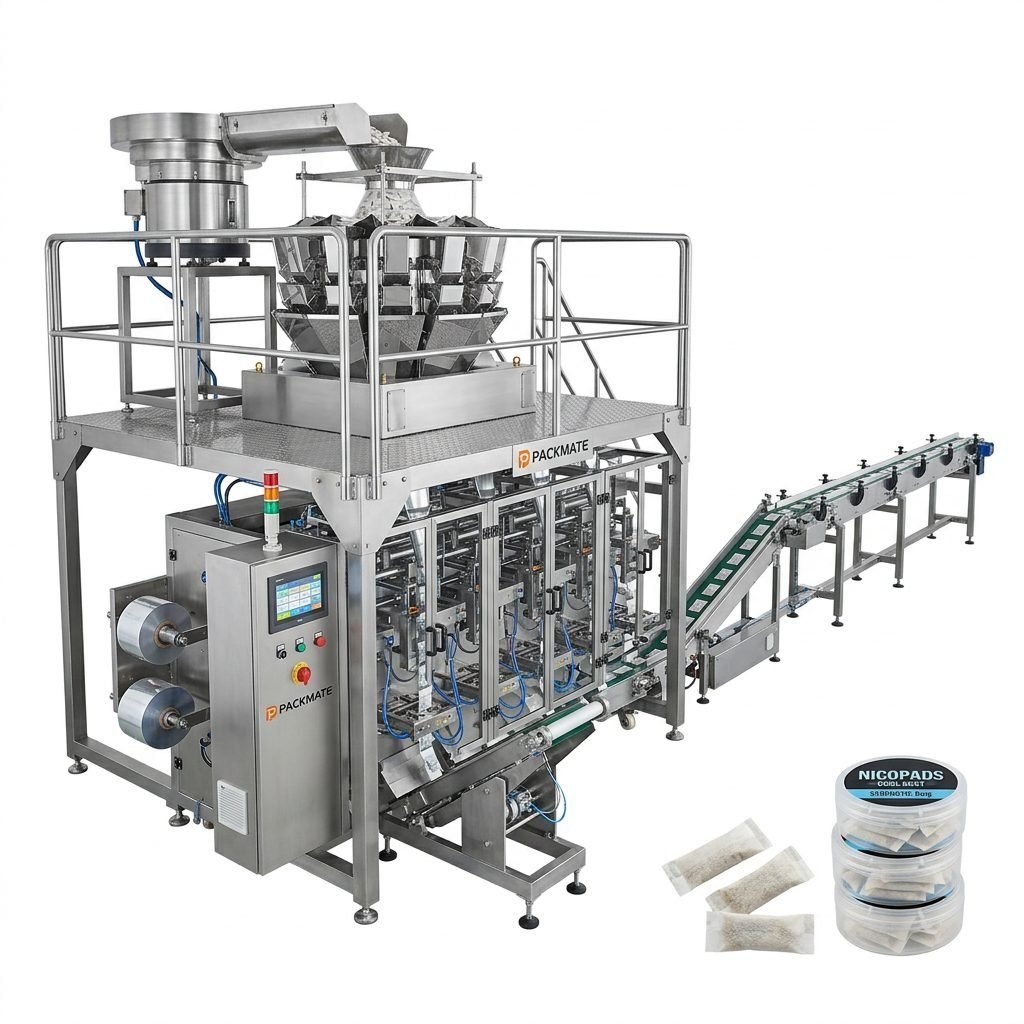
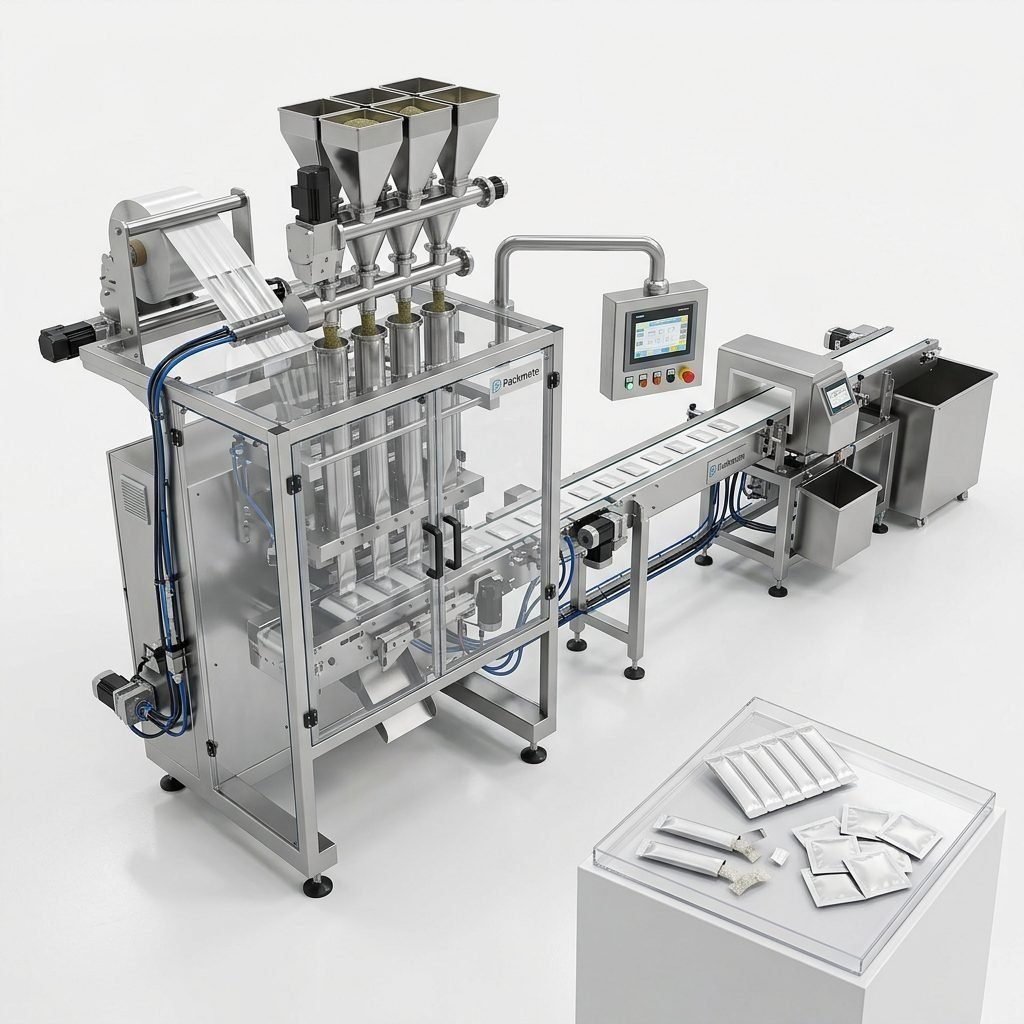
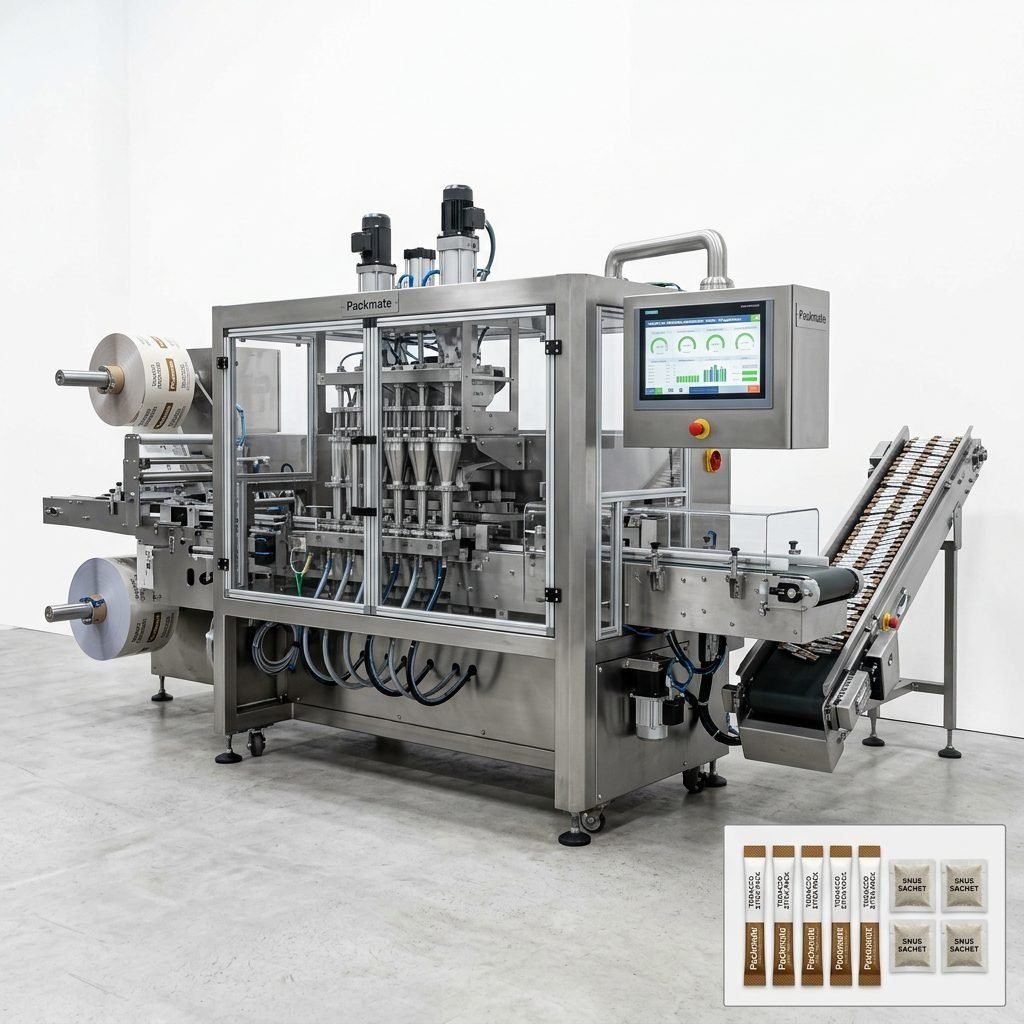
In the growing snus and nicotine pouch market, choosing the right packaging machinery manufacturer can determine whether your production line runs smoothly, meets regulatory demands, and scales with demand. This guide explains practical steps to evaluate and select the best snus packaging machinery manufacturer in India for your production needs, offering a balanced approach between technical criteria, commercial terms, and long-term partnership considerations.
Why the Manufacturer Choice Matters
Selecting a packaging machinery partner is not only about the upfront price or the machine model. A reliable manufacturer affects production uptime, product quality consistency, compliance with local and international regulations, spare parts availability, and the ability to adapt lines for new products. For snus and nicotine pouches—where dosing precision, hygiene, and packaging integrity are critical—choosing wisely reduces risk and long-term costs.
Key production risks you avoid with the right partner
⚠️ Machine downtime impacting supply commitments;
⚠️ Inconsistent pouch weight or seal quality;
⚠️ Non-compliance with certification requirements;
⚠️ Delays in spare parts or technical support across time zones.
Top Criteria to Evaluate Manufacturers
Below is a practical checklist you can use when vetting manufacturers. Use it to compare suppliers side-by-side and prioritize items that match your production size, budget, and growth plan.
Production & Capacity
📦 Evaluate production capacity (daily/weekly output) and the manufacturer’s ability to supply multiple machines. For multi-lane snus pouch lines, throughput per lane and synchronization across lanes are decisive.
🔧 Ask about lead time for standard models and for customized solutions. A supplier with a large manufacturing facility and CNC centers typically offers shorter deliveries and higher consistency.
Engineering & Customization
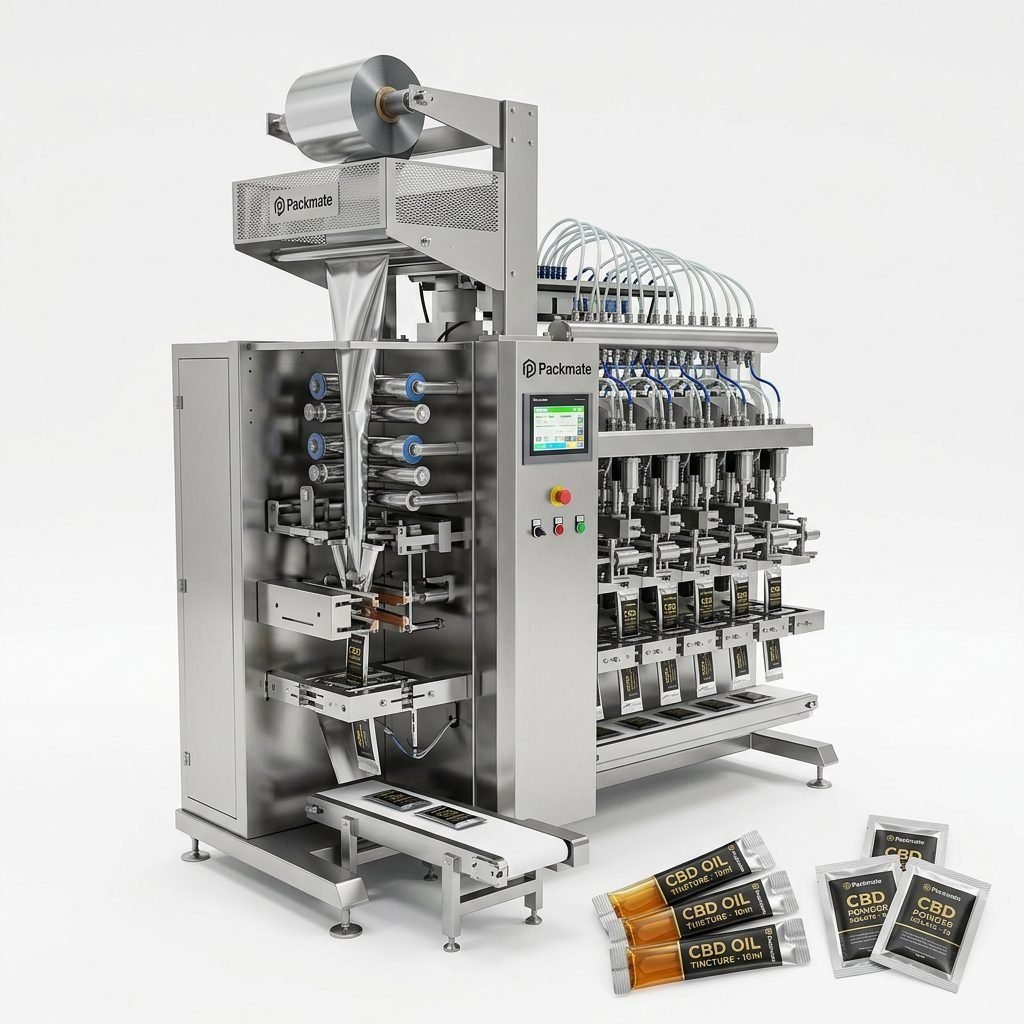
Look for manufacturers that can deliver both standard and tailored solutions. You will want flexibility for different pouch styles (stick pack, sachet, multi-lane), filling types (powder, granule, liquid), and secondary packaging. A partner who offers turnkey lines—integrating weighing, filling, sealing, and case packing—reduces integration risk.
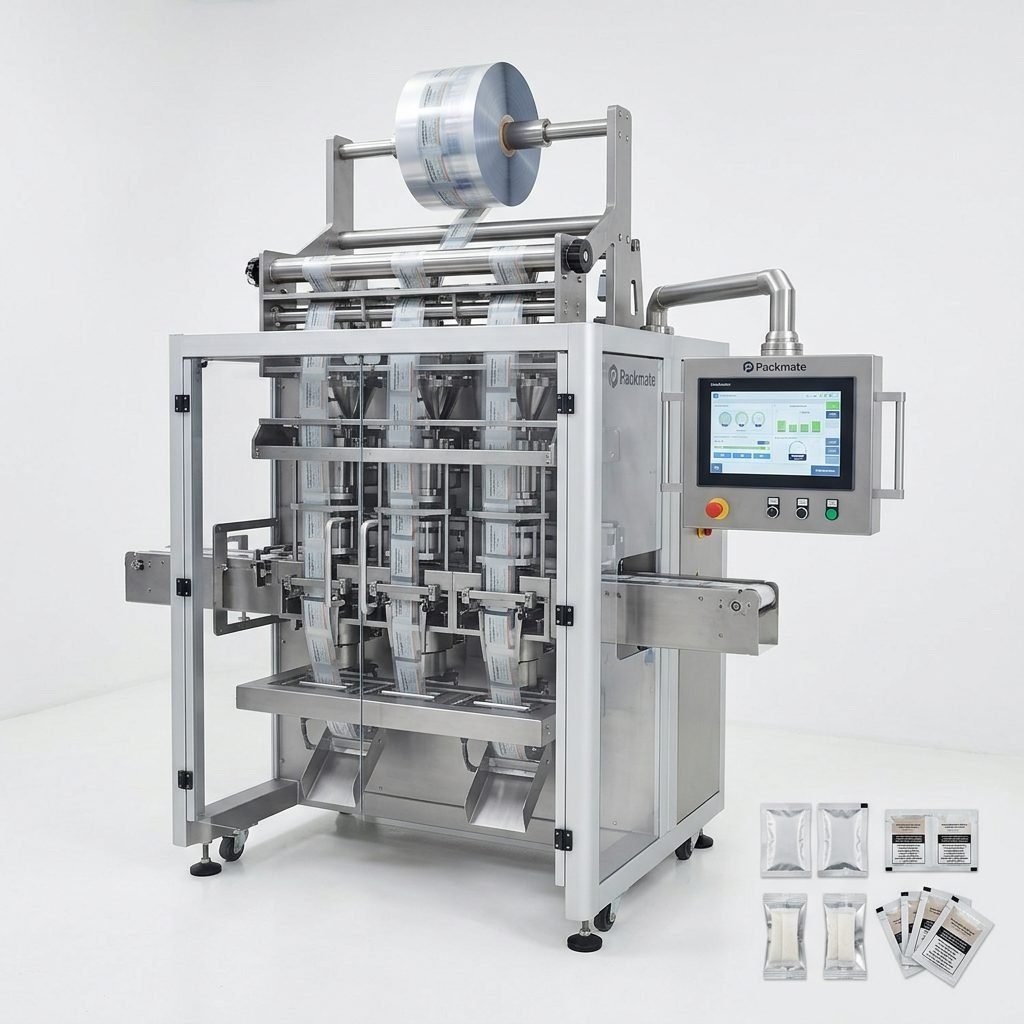
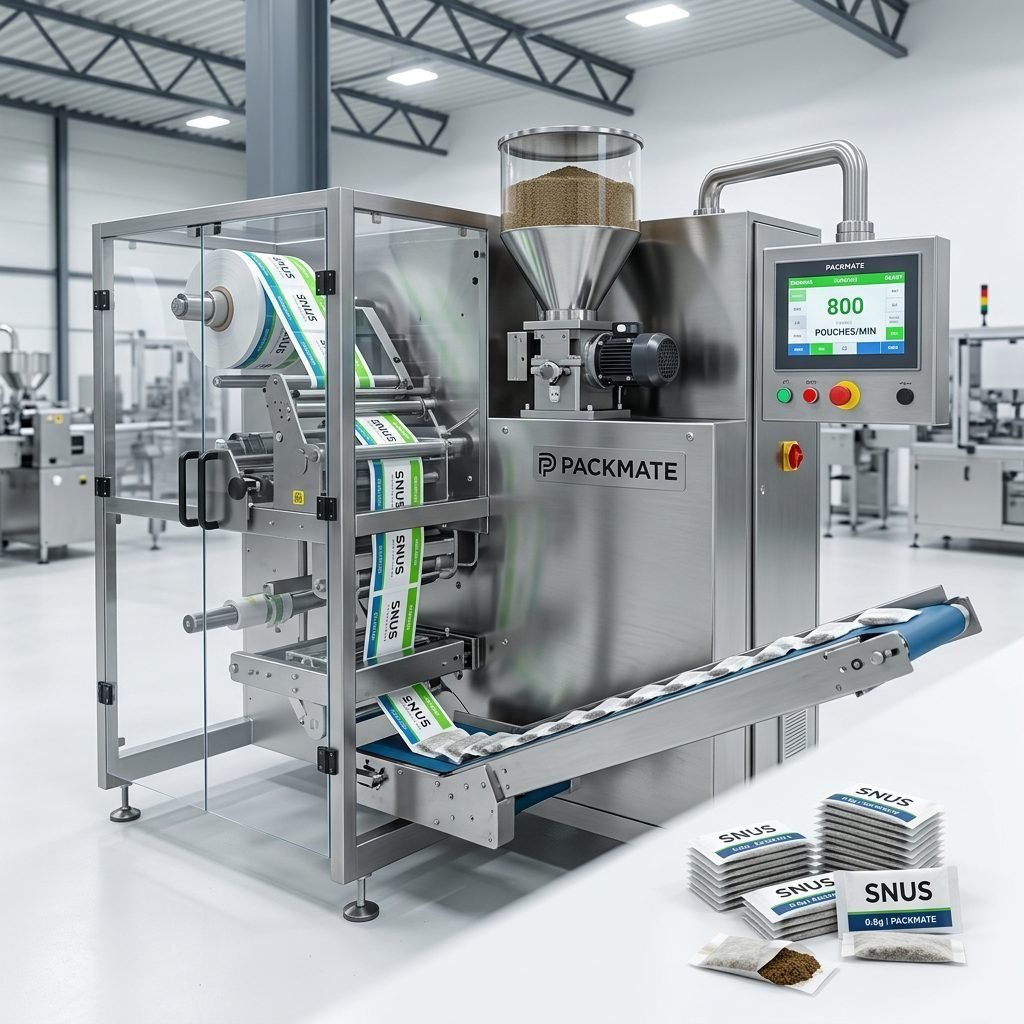
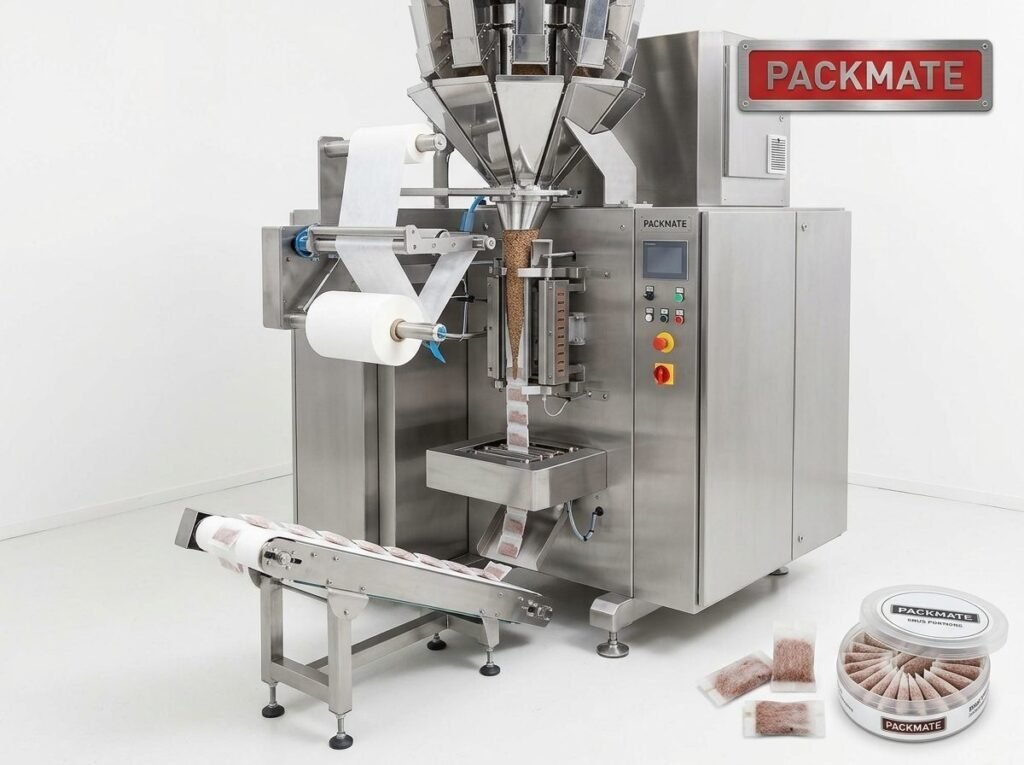
For example, if you need integrated weighing and multi-lane pouch forming, confirm they have in-house experience or references for such systems. Visit product pages like Snus & Nicotine Packaging Machines and Bag & Pouch Packaging Machines to review typical capabilities and options.
Quality Systems & Certifications
Certifications such as ISO and CE indicate that the manufacturer follows industry-standard processes for design, testing, and manufacturing. Check for documented quality assurance, factory acceptance testing (FAT), and compliance records. If you export finished products, ensure equipment can meet import-country standards.
After-Sales Support & Spare Parts
📞 After-sales support is a major differentiator. Ensure guaranteed response times, local or regional service partners, and transparent spare parts pricing. A manufacturer with a global service footprint or documented global cases is preferable.
🔁 Ask about recommended spare parts inventory for the first year and whether they provide training for operators and maintenance technicians.
Factory Strength & Track Record
A physically large and well-equipped factory suggests better capacity to fulfill larger orders and maintain quality control. Key indicators: size of manufacturing area, CNC machining centers, number of models produced, and turnover of R&D projects. Ask for a factory tour or video walkthrough and review case studies. Review pages such as Case to understand real installations and customer feedback.
What to inspect during a visit
– Assembly lines and machining capability;
– Shop-floor documentation of testing procedures;
– Factory acceptance tests and test reports for completed machines;
– Interview with engineers about machine control systems and PLC platforms.
Technical Specifications You Must Confirm
For snus and nicotine pouch lines, technical specs directly affect product quality:
✓ Pouch forming accuracy (tolerance in mm) and lane-to-lane synchronization.
✓ Filling accuracy (±% or mg) for small-dose nicotine pouches.
✓ Heat-seal quality, seal testing options, and compatible laminate types.
✓ Control system interfaces, recipe management, and optional vision inspection for packaging defects.
Integration & Upgradability
Confirm integration points for upstream dosing/weighing and downstream case packing. It’s important that the manufacturer can integrate weighing & packaging systems or provide compatible third-party options; consider suppliers that present combined solutions such as Weighing & Packaging Systems and Filling & Packaging Lines.
Commercial Terms & Risk Mitigation
Business terms influence project success. Ensure transparent contracts that include:
– Clear payment milestones tied to manufacturing progress and acceptance testing;
– Defined delivery incoterms and freight responsibility;
– Warranty terms, spare parts lead times, and service-level agreements (SLAs);
– Penalties for late delivery or performance shortfalls where feasible.
Tip: Negotiate a FAT & SAT Clause
Include Factory Acceptance Test (FAT) evidence and Site Acceptance Test (SAT) criteria in the contract. This keeps expectations aligned and reduces disputes on machine performance after installation.
Service Network & Training
A manufacturer that offers operator and maintenance training ensures your team can run and service the machines reliably. Also confirm whether remote diagnostics, firmware updates, and periodic preventive maintenance are offered either directly or via authorized partners. Review the manufacturer’s service page or contact channels to evaluate responsiveness—see Service and Contact Us for support options.
Spare Parts & Documentation
Ensure full documentation—wiring diagrams, parts lists, PLC code comments, and mechanical drawings—are delivered with the equipment. Ask for recommended spare parts lists tailored to expected throughput for the first 12 months.
Evaluating Proposals & Making the Final Decision
When you receive multiple proposals, use a scoring model that weights technical fit, total cost of ownership (TCO), lead time, references, and support. Avoid simply choosing the lowest capital cost; consider operating efficiency, warranty coverage, and the manufacturer’s financial stability.
Practical scoring template (example)
40% Technical fit & performance; 25% TCO & warranty; 15% Delivery & lead time; 10% Support & training; 10% References & factory strength.
Use this to calculate an objective total score for each supplier.
Why Case Studies and Exhibitions Matter
Seeing machines running in real production gives practical assurance—inspect finished packages, talk to operators, and understand the actual uptime and maintenance experience. Manufacturers who participate in global exhibitions and provide reference installations demonstrate confidence in product performance. Check their exhibition history and customer stories at Our Exhibition and company background at About Packmate.
Red flags to watch for
– No willingness for FAT or limited testing data;
– Vague warranty terms or unclear spare parts lead-times;
– Lack of factory references for similar projects;
– Poor documentation or refusal to provide electrical/mechanical diagrams.
Making the Partnership Work Long-Term
After selecting a manufacturer, establish clear communication channels, regular performance reviews, and a replenishment plan for critical spares. Consider an annual service agreement and schedule preventive maintenance visits to maximize uptime and extend machine life.
Quick checklist before sign-off
✅ Finalize FAT/SAT criteria and acceptance thresholds.
✅ Confirm warranty start date and spare parts availability.
✅ Set training schedule for operators and maintenance teams.
Conclusion
Choosing the best snus packaging machinery manufacturer in India involves balancing technical capabilities, quality systems, after-sales support, and commercial terms. Use a structured evaluation process—factory visits, FAT evidence, clear SLA terms, and references—to mitigate risk. Prioritize partners who deliver turnkey solutions and demonstrate consistent performance in real-world installations.
Frequently Asked Questions
Q1: What certifications should a reputable snus packaging machine manufacturer hold?
A1: Look for ISO (quality management) and CE compliance for electrical safety and CE-marked machinery if you plan to export. Manufacturers should also provide FAT documentation and machine-level test reports.
Q2: How important is local service presence for Indian operations?
A2: Very important. Local or regional service reduces downtime, shortens spare parts delivery, and simplifies training. If the manufacturer is overseas, confirm their local partners or establish clear remote support SLAs.
Q3: Should I prioritize turnkey lines or individual machines?
A3: Turnkey lines are recommended if you want a single-source responsibility for line performance and integration. Individual machines can be considered if you have proven integration capability and prefer modular procurement.
Q4: What is a sensible warranty and spare parts policy to expect?
A4: Standard warranties range from 12 to 24 months depending on the supplier. Ensure clarity on what is covered, response times for service calls, and availability/lead-times for critical wear parts.
Q5: Where can I find real-world examples and machine specs?
A5: Review manufacturer case studies and product catalogs online. For a broader view of available systems and models, explore product categories such as Sachet & Stick Pack Machines and Catalog.