This buyer’s guide helps Libyan manufacturers, importers, and distributors choose the right nicotine packaging machine for snus and nicotine pouches. It covers market context, machine types, technical specifications, regulatory considerations, factory selection, customization, installation, and total cost of ownership. Use this guide to make an informed investment that balances production capacity, compliance, and long-term serviceability.
Understanding the Libyan Market & Demand
Libya’s nicotine pouch and snus market is evolving. Businesses that plan to scale should evaluate local demand, distribution channels, and regulatory status. Key factors to assess are local consumer preferences (single-dose pouches vs. sticks), expected monthly volume, and packaging formats required by distributors and retailers. A clear forecast helps determine whether to buy a single-lane prototype or a high-speed multi-lane line.
Why machine selection matters
Choosing the wrong machine can result in high downtime, poor pouch quality, regulatory non-compliance, and hidden costs. Focus on reliability, dosing accuracy, product compatibility, and long-term support. For reference machines and solutions, explore product categories such as Snus & Nicotine Packaging Machines and Sachet & Stick Pack Machines.
Types of Nicotine Packaging Machines
Machines are selected based on pouch style, filling medium, and production throughput. Common types include:
🔹 Snus / Nicotine Pouch Machines
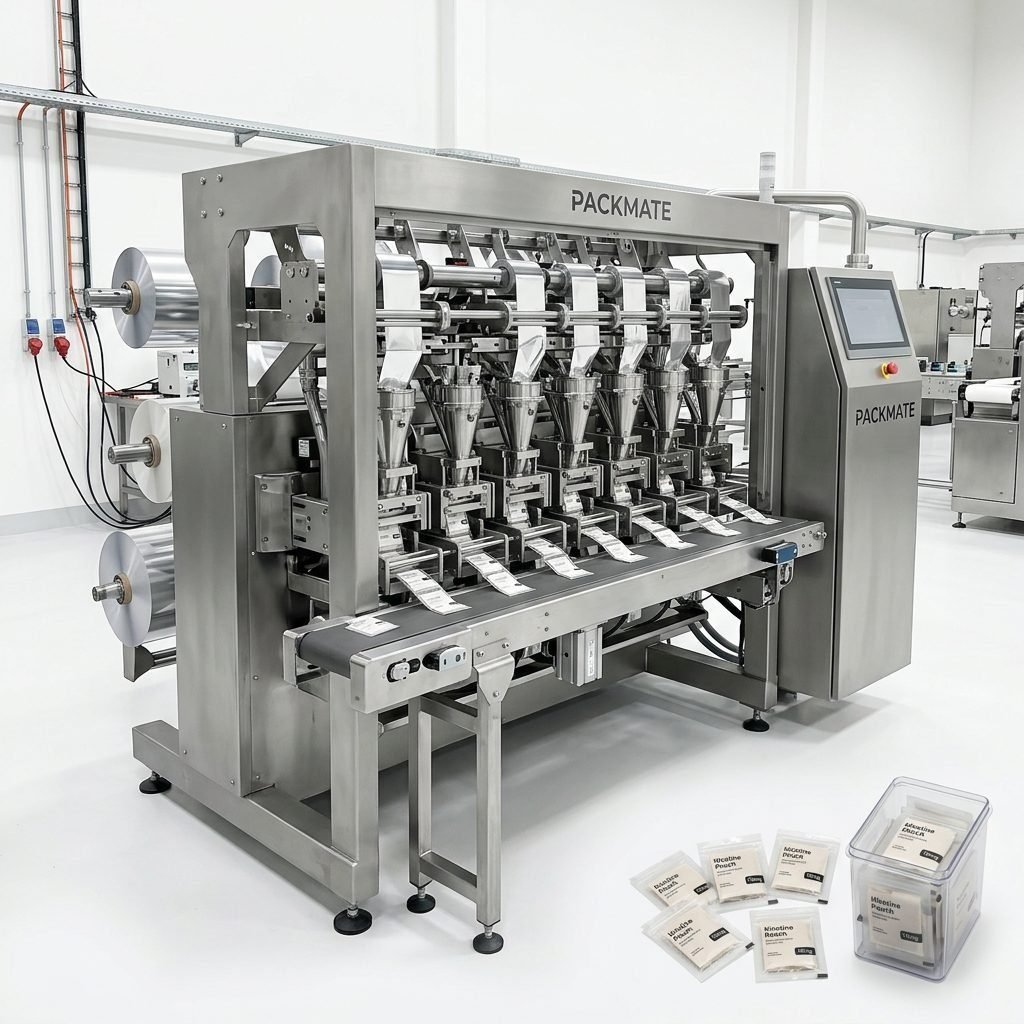
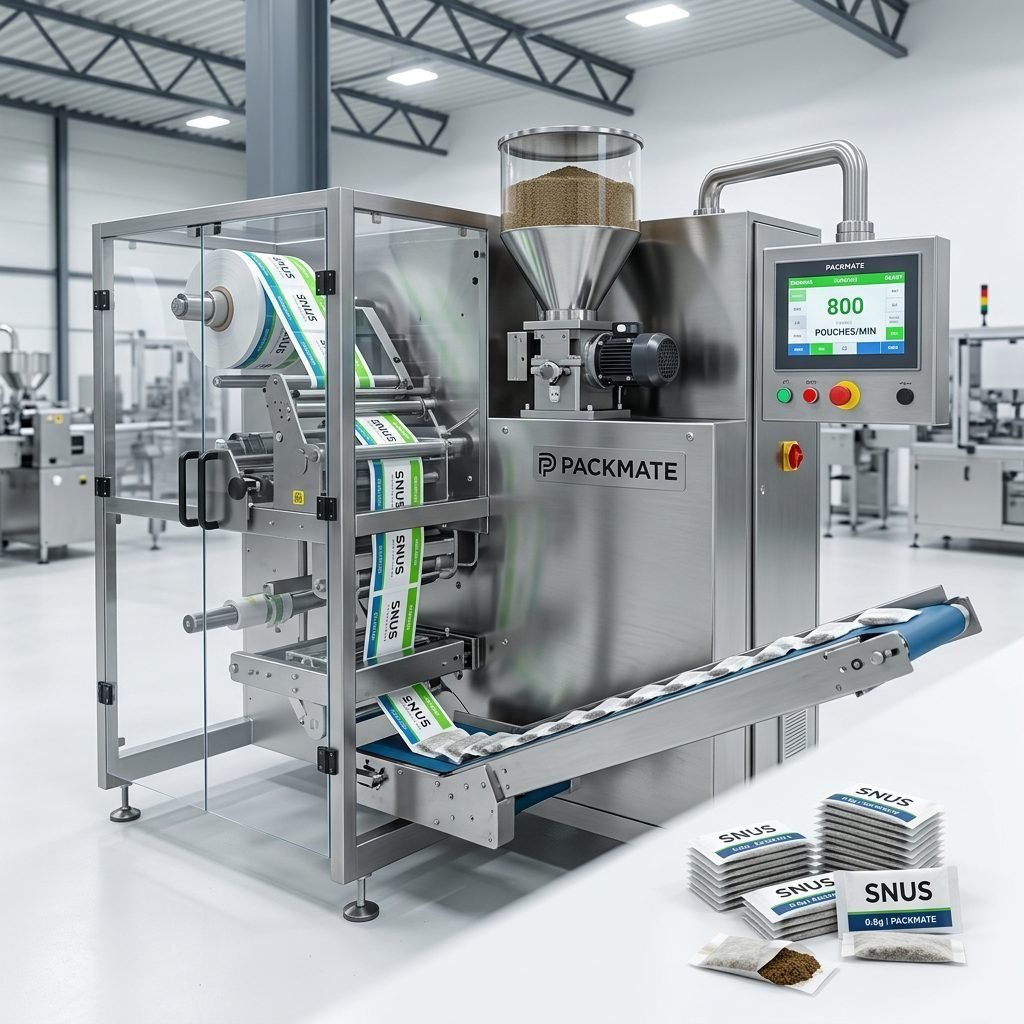
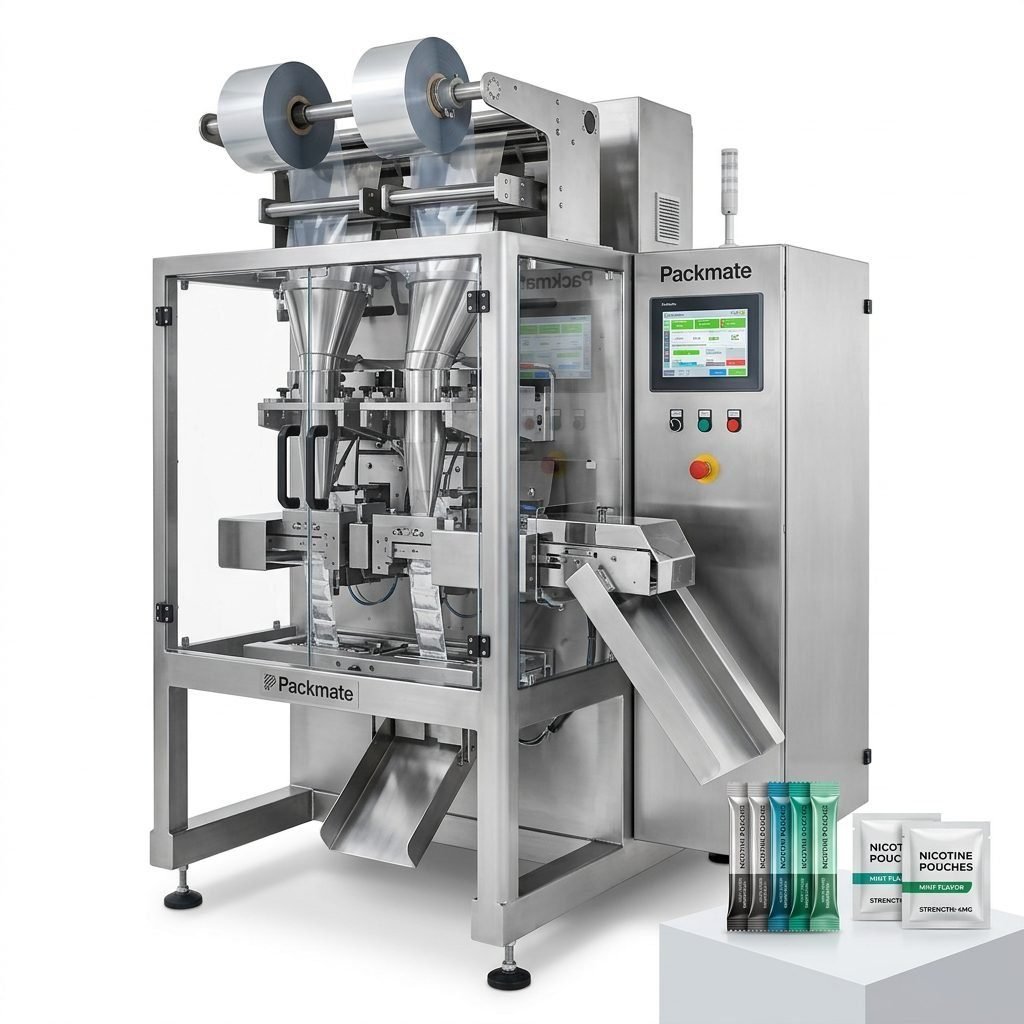
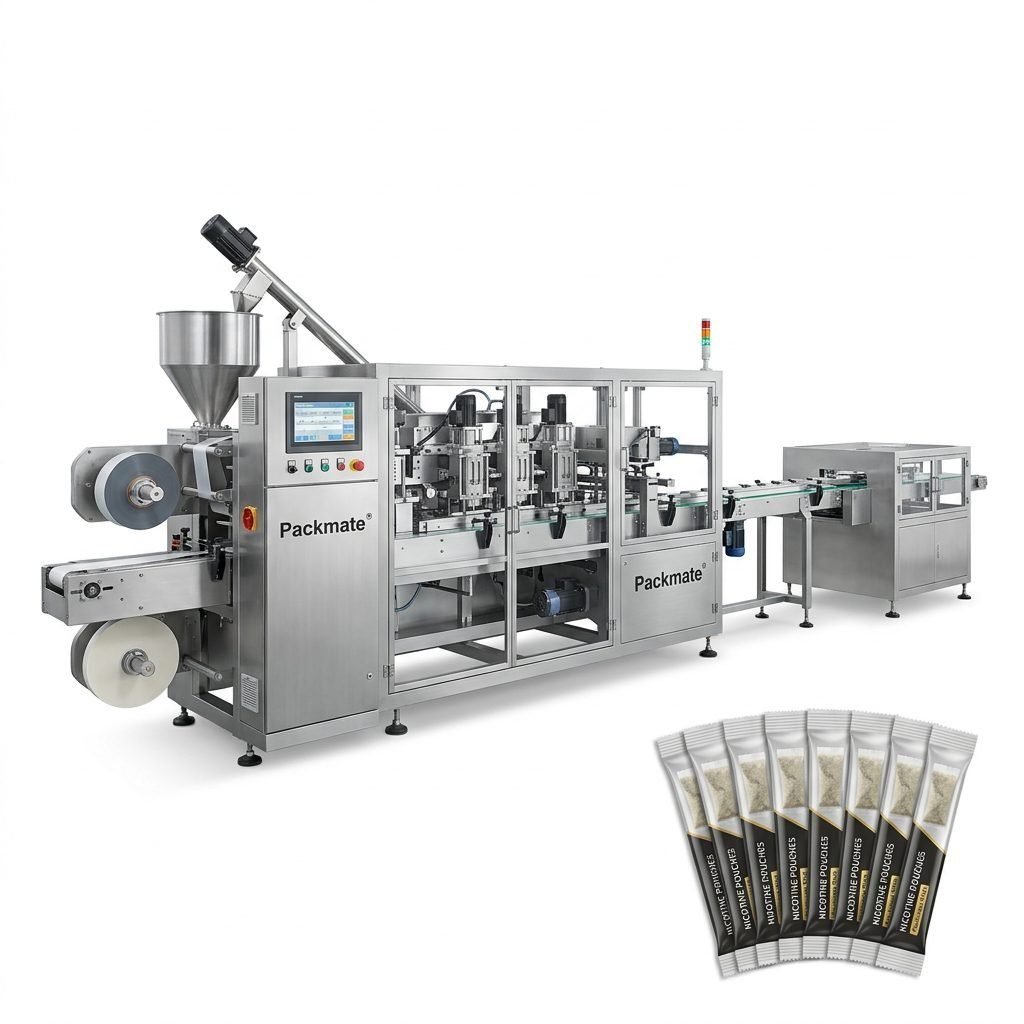
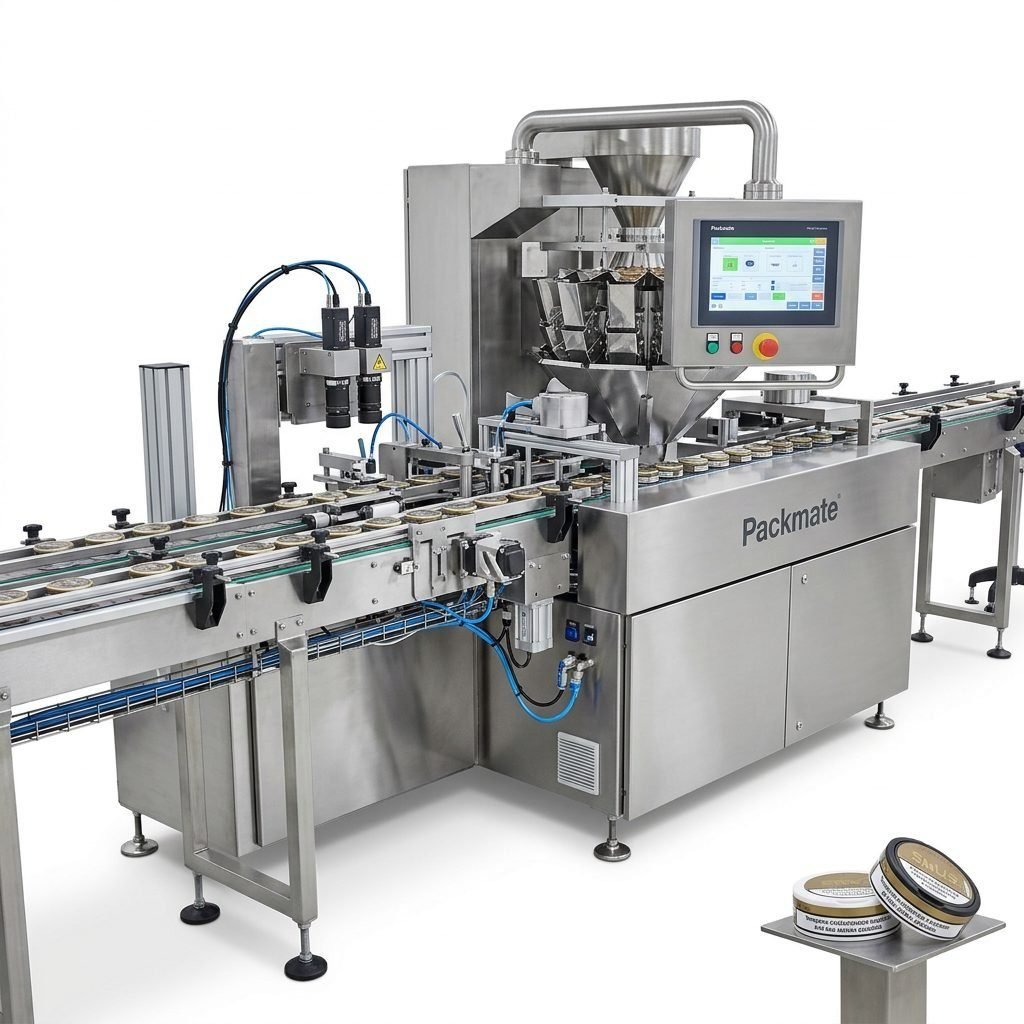
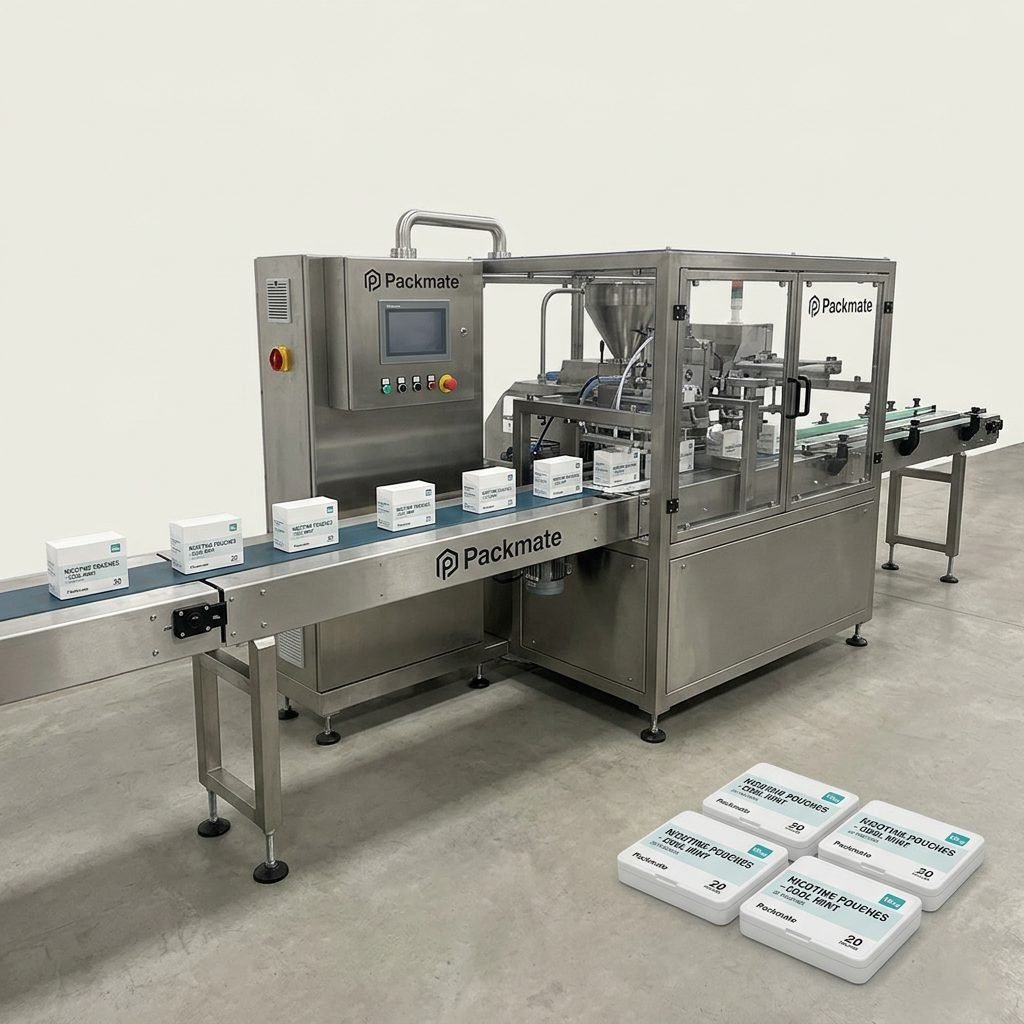
Designed specifically for round or flat nicotine pouches. They handle pouch forming, dosing, sealing, and output. Ideal for nicotine pouches with powders, microgranules, or moist blends.
🔹 Multi-lane High-Speed Systems
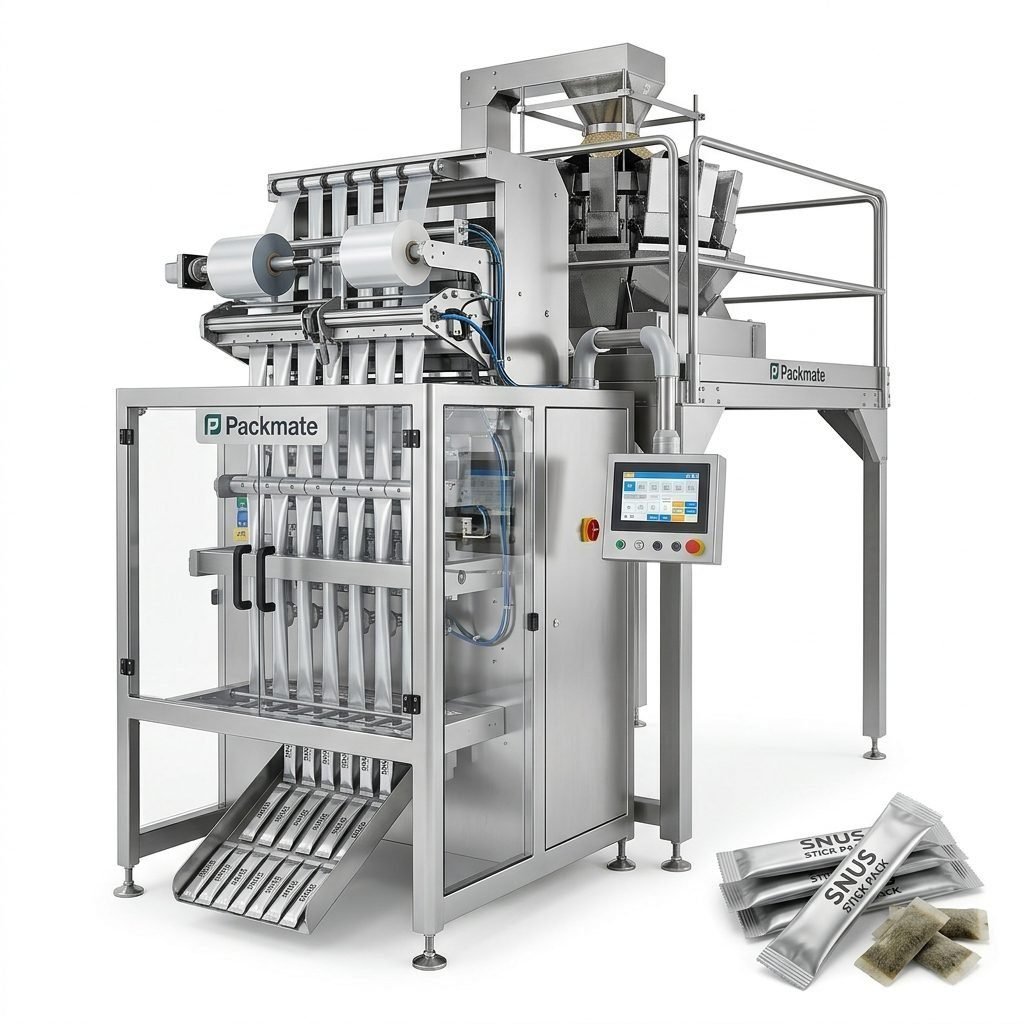
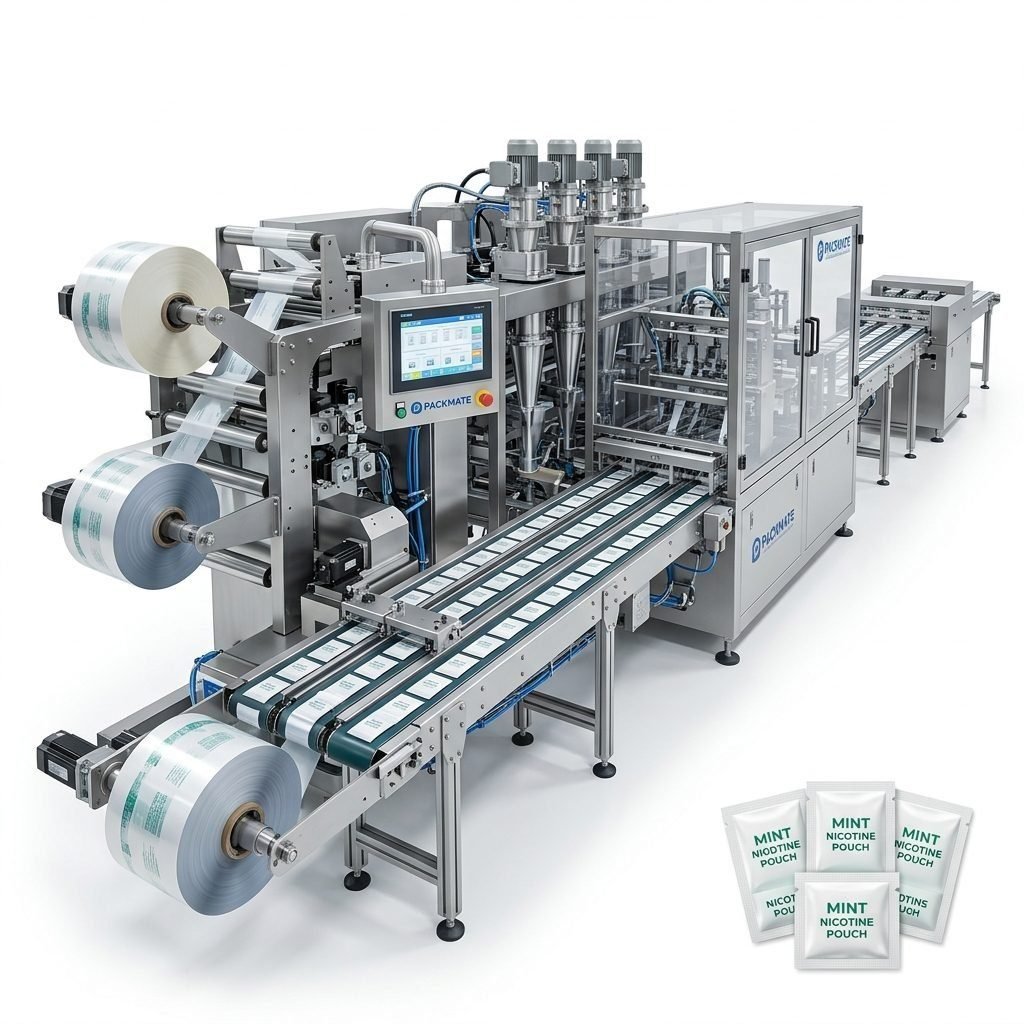
Multi-lane machines multiply output without increasing footprint significantly. Choose these when monthly volumes exceed single-lane capacities and when consistent quality across lanes is essential.
🔹 Stick Pack & Sachet Machines
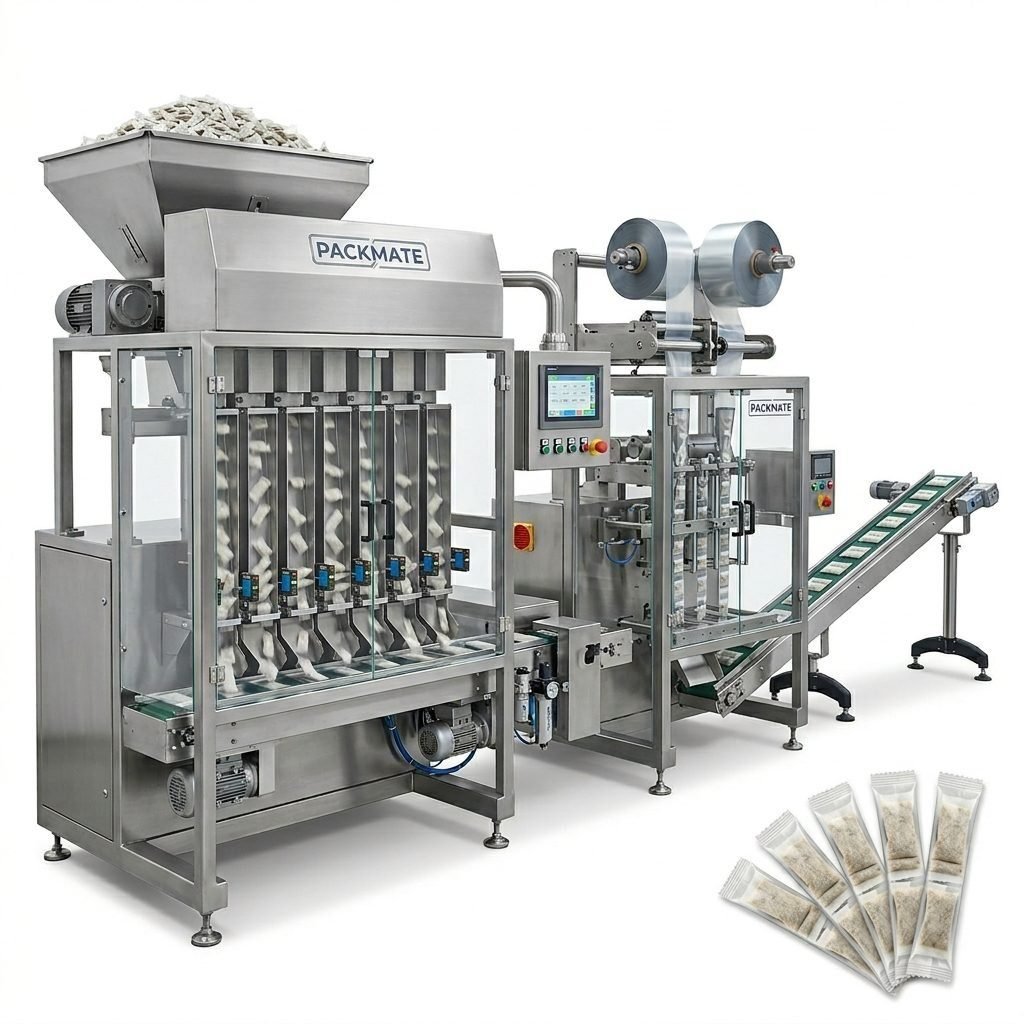
If you plan to offer stick formats or sachets for nicotine-related products, consider sachet and stick pack systems. They suit single-dose gel, liquid, or powder mixes.
🔹 Filling & Complete Lines
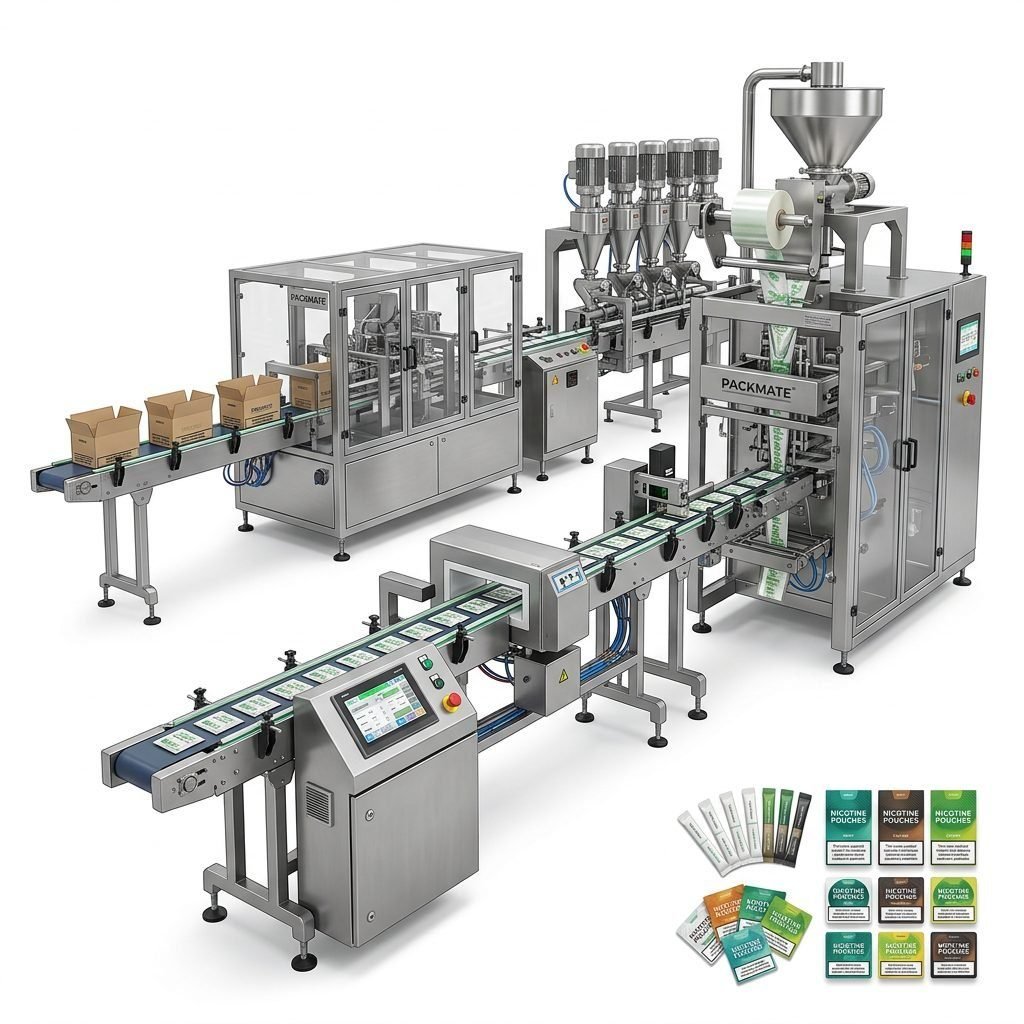
For turnkey production, machines integrated with dosing scales, conveyors, and packaging output are preferred. Check integrated solutions like Filling & Packaging Lines.
Tip: For start-ups in Libya, a flexible single- or dual-lane machine that can be upgraded to multi-lane later often gives the best balance of cost and scalability.
Key Technical Specifications to Evaluate
When comparing machines, evaluate the following technical parameters carefully:
⚙️ Production Speed & Throughput
Measured in pouches per minute (or lanes × pouches/min), speed should match your demand forecast. Keep in mind that rated speed is often the machine’s maximum under ideal conditions — realistic operating speeds can be lower due to frequent changeovers or delicate products.
🎯 Dosing Accuracy
For nicotine products, dosing accuracy is critical for both safety and regulatory compliance. Look for machines with high-precision dosing systems (weighing or volumetric) and repeatability specifications.
🔗 Material Compatibility
Check compatibility with foil, paper/foil laminates, and eco-friendly films. Sealing temperatures and dwell times must match the selected pouch film. If you plan to change materials frequently, ask about quick-change tooling.
🔄 Changeover & Automation
Fast and tool-less changeovers save labor and reduce downtime. Evaluate HMI controls, recipe storage, and automatic fault detection. Connectivity for Industry 4.0 features can future-proof your line.
🛠️ Maintenance & Spare Parts
Ask about mean time between failures (MTBF), availability of spare parts, and recommended maintenance schedules. Machines built with standard components simplify local repairs.
Must-check: Confirm dosing repeatability, sealing integrity, and film supplier compatibility before purchase. Manufacturers who provide pre-shipment trials with your actual materials reduce risk.
Regulatory & Compliance Considerations
Nicotine products typically face strict controls. Ensure the machine and the packaging line can help you comply with local and international regulations:
- Material traceability and labeling support
- Cleanability and hygiene (stainless steel contact parts, IP ratings)
- CE and ISO compliance for the equipment — ask for Certificates
- Support for tamper-evident or child-resistant features if required
How to Vet Manufacturers: What to Ask
Choose a manufacturer with proven experience in nicotine pouch packaging and strong after-sales support. Questions to ask:
- How many installed lines for nicotine/snuspouches do you have globally?
- Can I see case studies or references? (Request customer contacts or visit reports)
- What certifications does your factory hold?
- Do you provide on-site commissioning, training, and spare parts packages?
- Can you run trials with our product and packaging materials before shipment?
Packmate Snus Machine has over 30 years of experience, a 20,000㎡ factory, and a broad product range. Learn more About Packmate and review real cases at their Case page.
Customization & Turnkey Solutions
For new production lines, consider a turnkey solution that includes filling, dosing, packing, case packing, and conveyors. Customization ensures the line fits your product format, local utilities, and future expansion plans.
If you need weighing integration, explore Weighing & Packaging Systems for synchronized dosing and counting.
Factory Acceptance Test (FAT) & Pre-shipment Trials
Always request a FAT with your actual product and packaging film. FATs validate performance, speed, and quality before shipment. Confirm acceptance criteria in writing and ensure any defects identified are corrected before export.
For long-distance purchases to Libya, pre-shipment inspection and FAT video documentation also reduce import risk.
Checklist for FAT: sample run results, dosing variation report, sealing strength test, and video of continuous operation at target speed.
Installation, Training & After-Sales Support
Commissioning on-site is critical for optimal performance. Confirm the vendor provides:
- On-site installation and calibration
- Operator and maintenance training (local language if needed)
- Spare parts kits and recommended consumables list
- Remote support capabilities and warranty terms
Budgeting: CAPEX, OPEX & Hidden Costs
Factor the following into your total cost of ownership:
- Initial machine cost (CAPEX)
- Installation and commissioning expenses
- Shipping, customs, and local taxes to Libya
- Spare parts inventory and consumables
- Electricity, compressed air, and utilities (OPEX)
- Training and labor costs for operation and maintenance
Example: a high-speed multi-lane line may cost more initially but lower unit cost per pouch when operating at optimized capacity.
Logistics: Shipping to Libya & Local Requirements
Work with freight forwarders experienced with machinery shipments to Libya. Confirm:
- Packing specifications and lifting points for safe unloading
- Customs HS codes and documents required for import
- Availability of certified technicians for local installation
Common Mistakes to Avoid
Avoid these common pitfalls:
- Buying based on maximum spec alone without FAT verification
- Ignoring spare parts lead times — stock key items
- Underestimating training and documentation needs
- Choosing a machine incompatible with your packaging materials
Practical advice: Plan spare parts procurement concurrently with machine purchase to avoid extended downtime during the first year.
Decision Checklist Before You Buy
✔️ Production forecast: Monthly and peak capacity targets
✔️ Product & material compatibility: Film type, nicotine mix, powder granularity
✔️ FAT & acceptance criteria: Documented tests with your product
✔️ After-sales support: On-site commissioning, local tech training, spare parts
✔️ Compliance & certification: CE, ISO, documentation for customs
Where to Find Reliable Machines & Solutions
Select vendors with a proven history in snus and nicotine packaging. Packmate Snus Machine is one such supplier, offering a wide portfolio including snus pouch machines, stick pack, sachet equipment, and turnkey lines. Browse relevant product pages:
– Snus & Nicotine Packaging Machines
– Bag & Pouch Packaging Machines
– Filling & Packaging Lines
Final Recommendations
Make decisions based on verified performance, clear service agreements, and realistic operating assumptions. Prioritize vendors who provide FAT, accept reasonable acceptance tests, and have documented global installations. When in doubt, request a sample run in the manufacturer’s factory to see how your product behaves on the line.
For tailored solutions and turnkey production lines, consider contacting established manufacturers whose capabilities include multi-lane snus systems and comprehensive after-sales support. Review manufacturer credentials, factory photos, certification pages, and exhibition reports to gain confidence in their capabilities.
Quick links for further research
Explore product catalogs and support pages here: Catalog, Service, and Contact Us for direct inquiries.
Frequently Asked Questions (FAQs)
Q1: What machine capacity should a small Libyan producer choose first?
Start with a flexible single- or dual-lane machine that covers current demand and allows upgrades. This lowers initial CAPEX while preserving the option to scale with multi-lane modules.
Q2: How important is FAT before shipment?
FAT is essential. It verifies real-world performance with your materials and defines acceptance criteria, reducing the risk of receiving equipment that doesn’t meet expectations.
Q3: What certifications should I request from the supplier?
Request CE and ISO certificates, plus documentation on electrical safety, material traceability, and compliance with hygiene standards relevant to nicotine product production.
Q4: How do I manage spare parts and maintenance for machines imported to Libya?
Stock critical spares at installation, establish a parts reorder plan with the supplier, and arrange remote support or local technician training to reduce downtime.
Q5: Can I get a turnkey line including dosing and packaging?
Yes. Many vendors offer integrated lines combining weighing, dosing, filling, and packaging. Discuss your product profile and throughput targets to design an optimized turnkey solution.