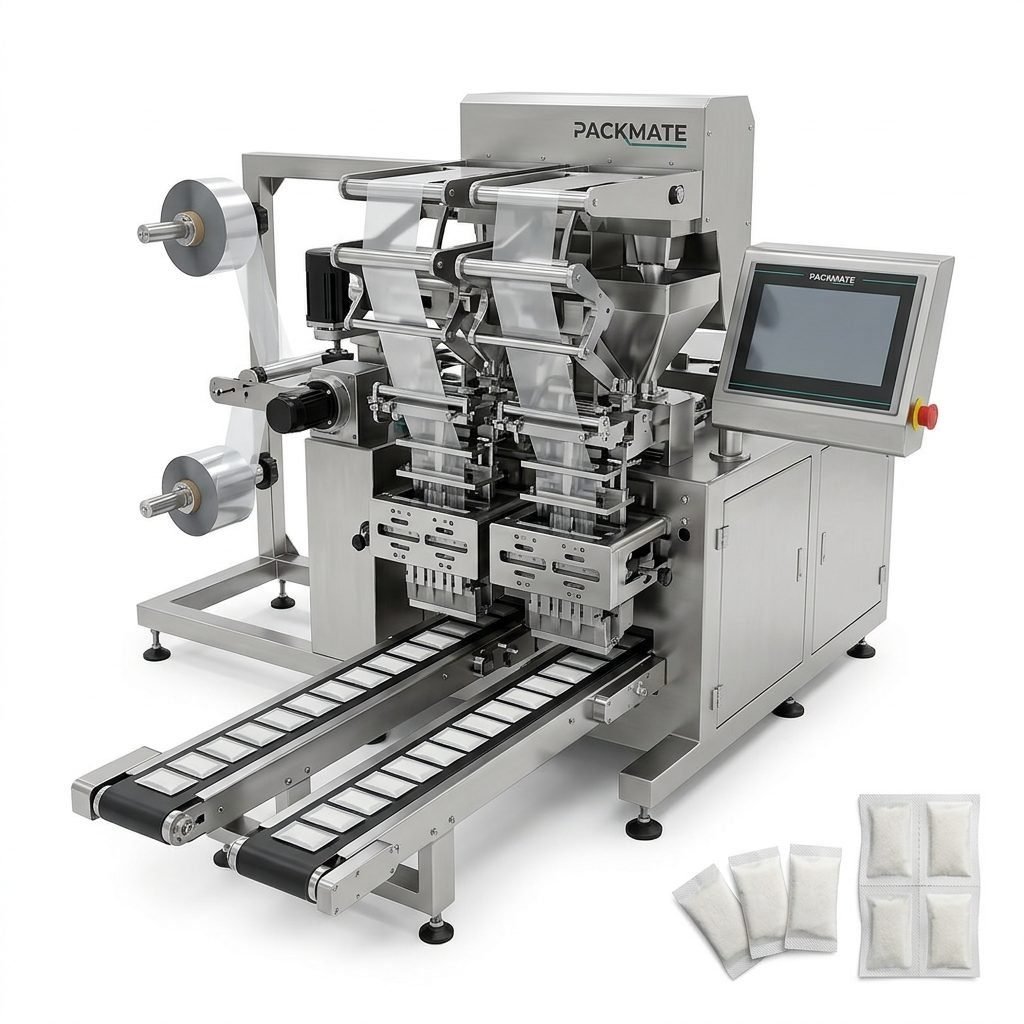
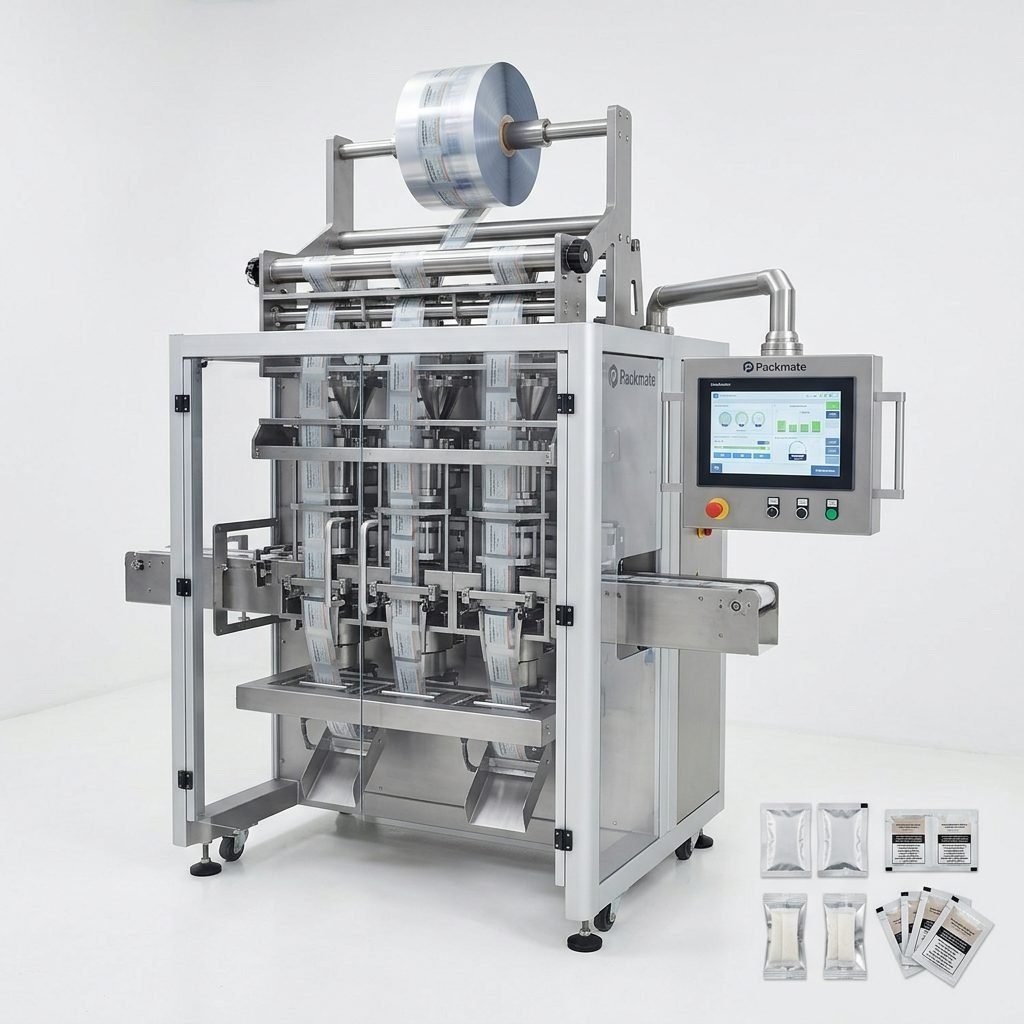
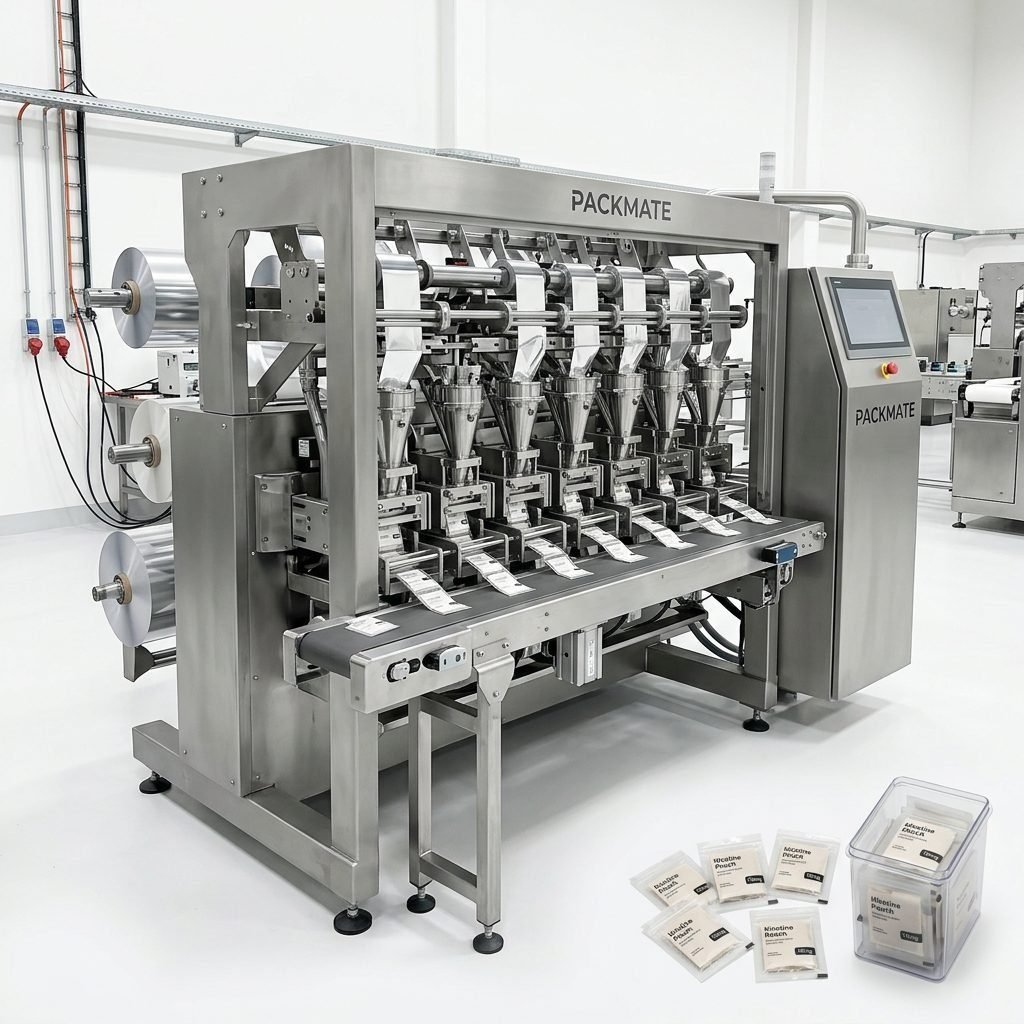
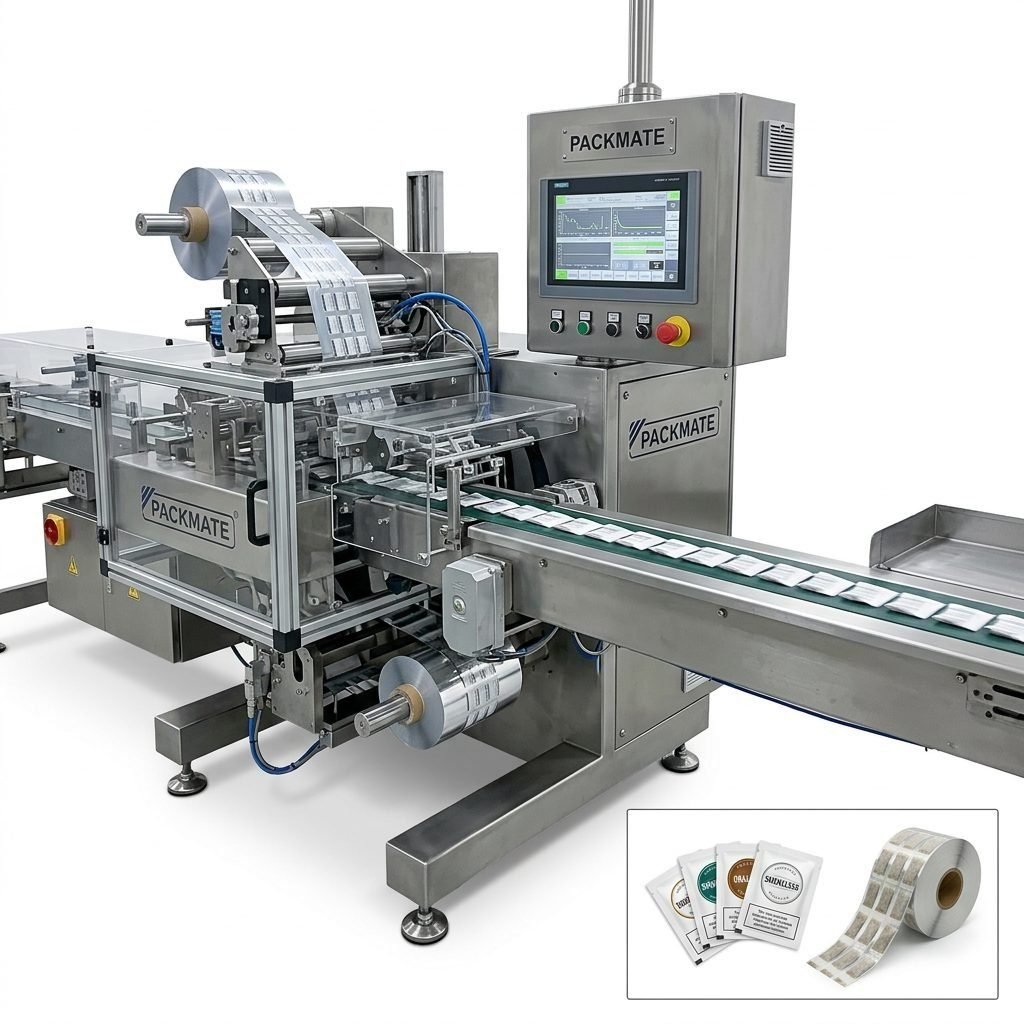
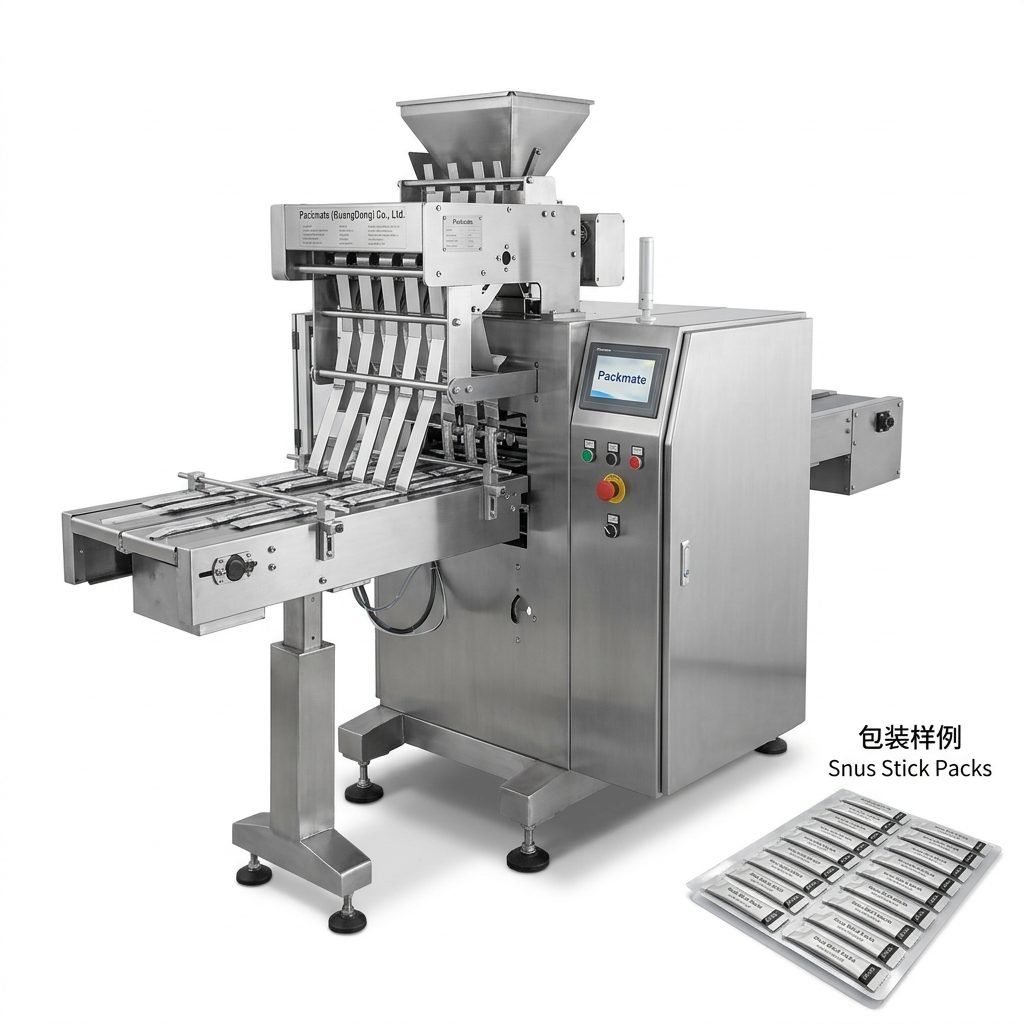
Entering the Saudi Arabian market with snus or nicotine pouch products requires careful planning beyond branding and distribution. One of the most critical early decisions is selecting the right packaging machinery to ensure product integrity, regulatory compliance, and production scalability. This guide walks you through practical, business-oriented steps to choose the best snus packaging machine for your operation in Saudi Arabia, with industry insight, decision checklists, and supplier considerations.
🔎 Understand the Saudi Market & Regulatory Context
Saudi Arabia has a growing consumer base and evolving regulations around nicotine products. Before evaluating machines, ensure your product formulation, labeling, and packaging materials meet local and Gulf Cooperation Council (GCC) standards. Partnering with a machine supplier familiar with international certifications (CE, ISO) and export documentation simplifies compliance and customs clearance.
Key action: Confirm regulatory requirements first — this affects packaging materials, tamper-evidence features, and printing/labeling capabilities built into the machine line.
⚙️ Choose the Right Machine Type for Your Product
Snus and nicotine pouches may be packaged by several machine formats. Selecting the correct type depends on pouch design, materials, dose size, and production targets.
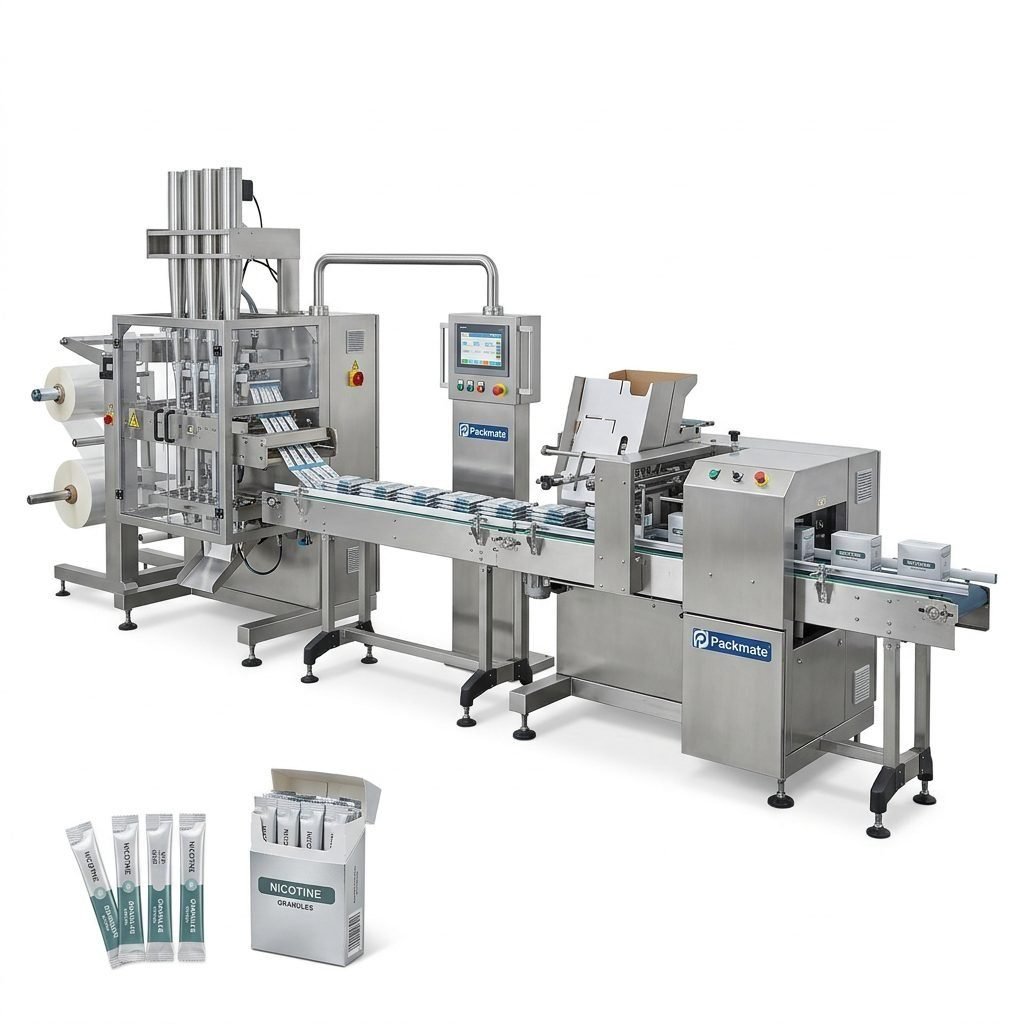
Sachet & Stick Pack Machines
Ideal for single-dose pouches that require quick cycle speeds and compact layouts. Stick packs and sachets can be sealed with printed or plain films and are suitable for high-speed, single-lane operations.
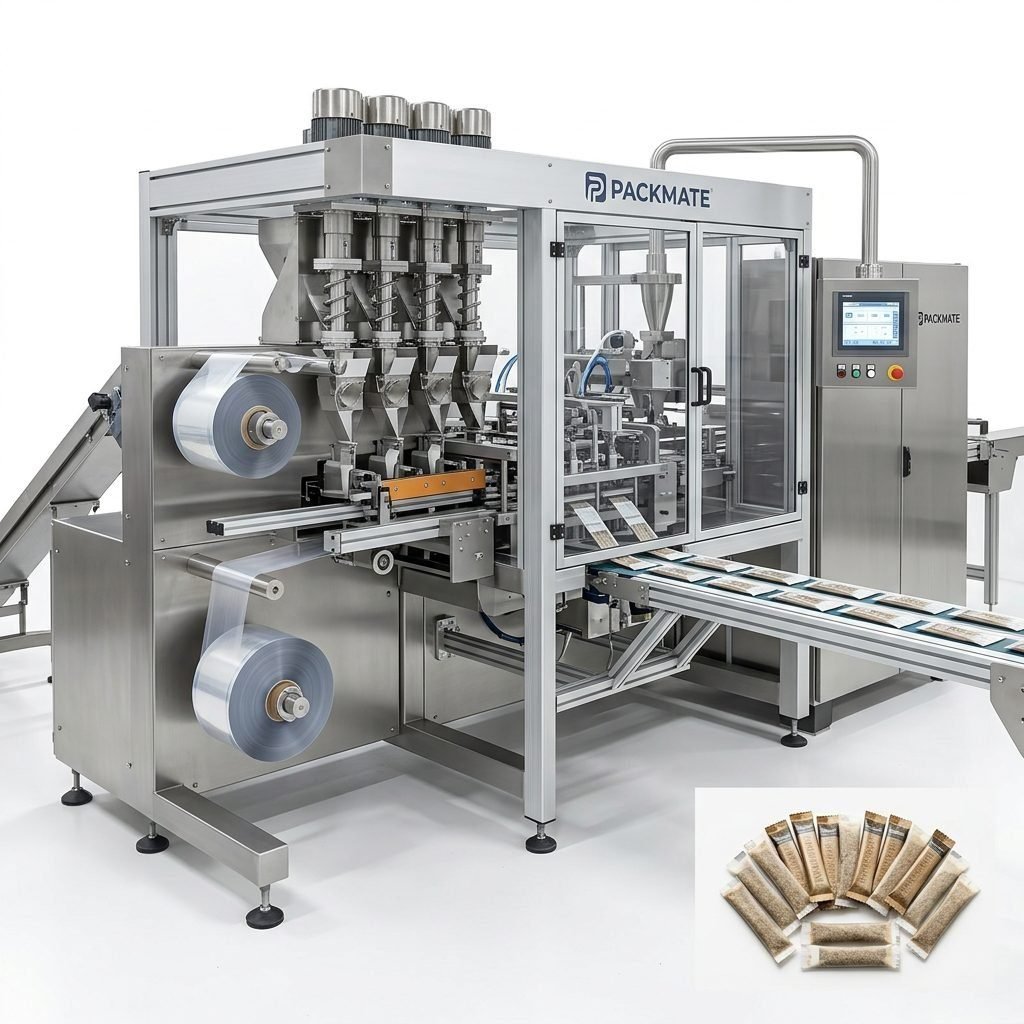
Snus & Nicotine Pouch Packaging Machines
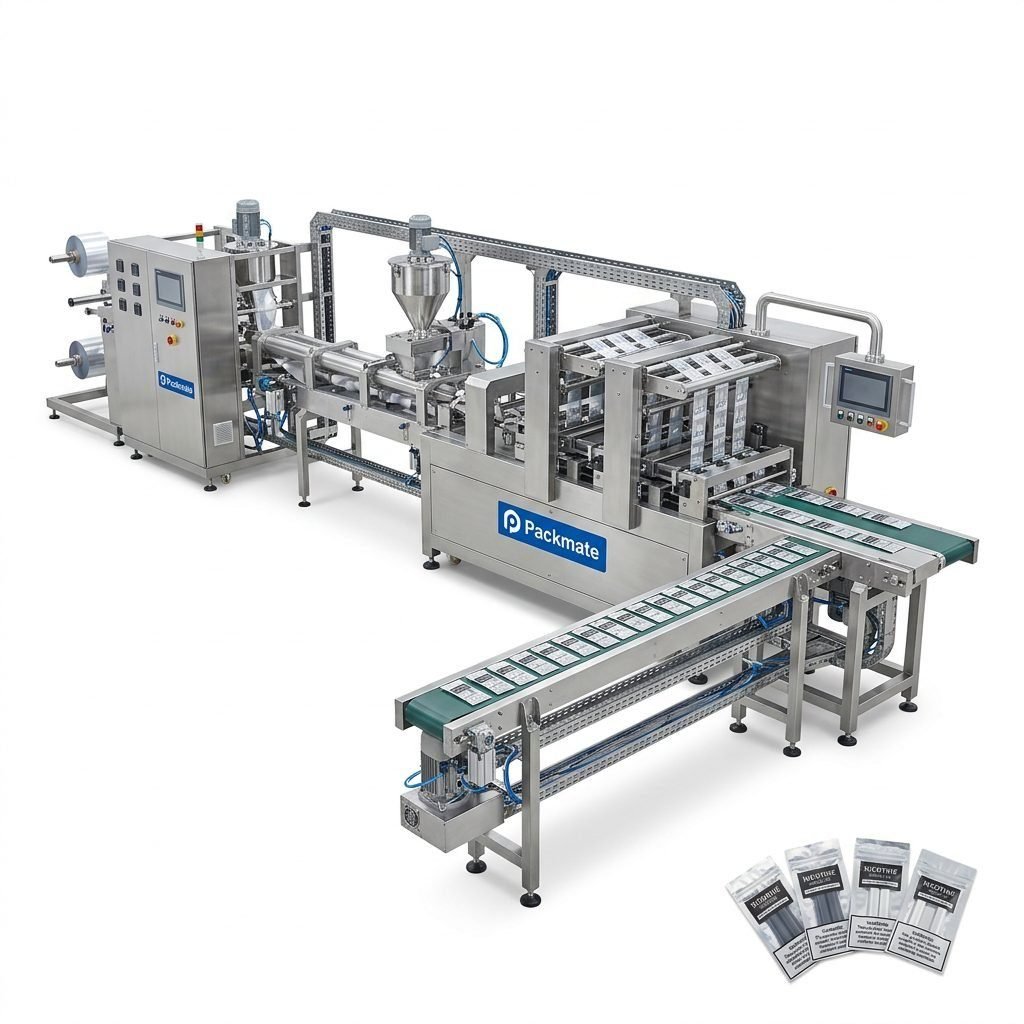
Specialized snus pouch machines are designed for small-dose, precise filling and may include multi-lane options for higher throughput. These machines often integrate pouch forming, dosing, sealing, and date/lot coding.
Explore proven models here: Snus & Nicotine Packaging Machines
Multi-lane Systems
If you forecast fast growth, multi-lane systems multiply output without needing many independent machines. They work well for small-dose pouches where multiple lanes are synchronized for filling and sealing.
📈 Production Capacity & Throughput
Match machine throughput to realistic production forecasts. Over-specifying capacity increases capital costs; underestimating capacity causes bottlenecks and missed sales opportunities.
Quick rule: Choose a machine that meets your 1–3 year projected demand with a 20–30% headroom for growth. Consider modular systems that can be upgraded to multi-lane configurations.
🧩 Material Compatibility & Packaging Formats
Verify the machine supports the films and substrate types you plan to use: laminated films, biodegradable films, aluminum compounds, or specialized barrier materials. Machines often need specific forming tools or seals for different materials — confirm interchangeability and spare parts availability.
If you use printed films or require high-quality date/lot coding, ensure the line includes or supports an integrated printer and vision inspection modules for quality control.
🔧 Automation, Integration & Turnkey Solutions
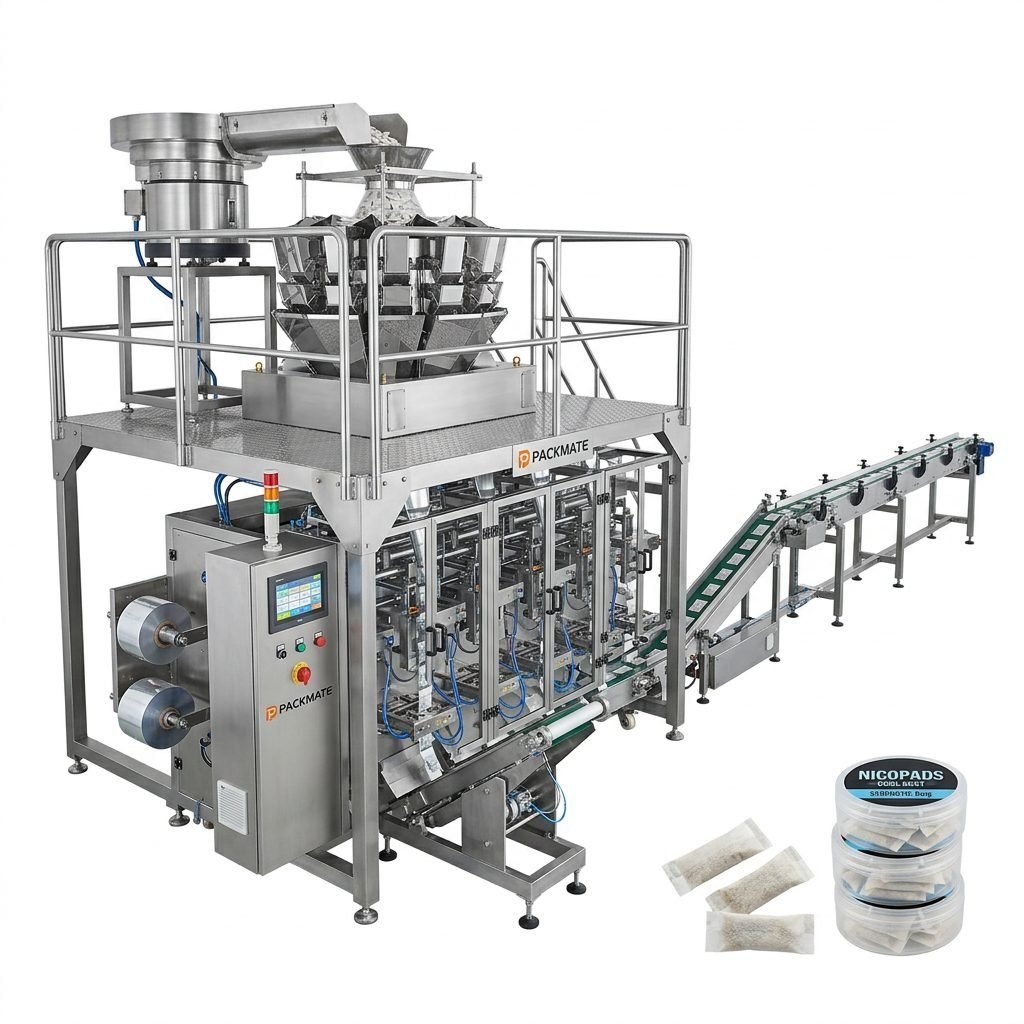
Decide your desired level of automation: standalone machines vs. fully integrated lines (weighing, feeding, packaging, cartoning). Suppliers that offer turnkey solutions reduce engineering headaches and shorten ramp-up time.
Packmate provides complete turnkey packaging lines including filling, weighing, and auxiliary equipment — review detailed product categories for a holistic solution: Filling & Packaging Lines and Weighing & Packaging Systems.
🏭 Factory Strength & Quality Assurance
Machine reliability begins with manufacturing capability. Look for suppliers with advanced CNC machining, precision assembly lines, and robust quality testing. A supplier with decades of industry experience and a sizeable factory footprint reduces delivery delays and maintains spare-part inventories.
Check certifications and factory visits or virtual tours if possible. Packmate highlights CE and ISO compliance across its range, which is important for international markets. Learn more about company credentials here: Certificate
🤝 After-sales Service, Training & Spare Parts
Strong after-sales support is essential. Confirm the supplier provides installation support, operator training, preventive maintenance schedules, and rapid spare-part delivery to Saudi Arabia. Local or regional service partners shorten downtime and ensure continuous production.
Must-have service items: installation supervision, onsite training, remote troubleshooting, recommended spare-part kits, and documented maintenance plans.
💸 Cost, ROI & Total Cost of Ownership (TCO)
Machine cost is not just the purchase price. Include installation, tooling, spare parts, consumables, utility usage, and expected downtime in your TCO. Calculate ROI based on increased throughput, reduced labor, and lower waste from precision dosing.
Request detailed proposals with lifecycle cost estimates and reference case studies. Packmate offers factory cases and global cooperation examples that help evaluate real-world performance: Case
📝 Checklist: Questions to Ask Suppliers
Use this checklist when assessing machine vendors and models:
- What is the guaranteed throughput (pouches/min) for my pouch size?
- Which film/substrate materials are compatible and what tooling is required?
- Is multi-lane capability available and what is the upgrade path?
- What certifications (CE/ISO) and factory quality controls do you have?
- What are lead times, payment terms, and warranty conditions?
- Do you provide turnkey line integration (weighing, feeding, cartoning)?
- What training and after-sales support do you include?
🔁 Installation, Validation & Ramp-up
Plan installation and validation into your timeline. A successful ramp-up includes machine commissioning, product trials, staff training, and initial production runs with quality monitoring. Ensure contract terms cover onsite commissioning and performance acceptance tests.
📦 Packaging Line Examples & Optional Modules
Typical modules you may need: automatic dosing/weighing, multi-lane pouch feeders, vibration-based product feeding, in-line coding, vision inspection, and automatic cartoning. Evaluate which modules are essential at launch versus those that can be added later to control initial investment.
Check modular product lines and auxiliary equipment options: Auxiliary Packaging Equipment
✅ Selecting a Reliable Supplier: Why Experience Matters
Suppliers with long-term industry experience deliver better-engineered solutions and realistic performance estimates. Packmate’s history from R&D beginnings in 1993 to a modern 20,000㎡ manufacturing facility demonstrates the scale and maturity needed for reliable global supply. Learn more about the company background: About Packmate
🧭 Decision Flow: A Practical Selection Path
Follow this step-by-step approach:
- Confirm regulatory packaging requirements for Saudi Arabia and GCC.
- Define product format, pouch size, and film materials.
- Estimate realistic production volume for 1–3 years.
- Shortlist machine types (single-lane vs. multi-lane, sachet vs. pouch).
- Request proposals including TCO, lead times, and reference sites.
- Review warranty, spare-part strategy, and on-site support offerings.
- Finalize supplier and schedule installation, testing, and training.
📞 Next Steps & Contact
When you are ready to request quotes or technical consultation, provide clear product specifications: pouch dimensions, dose weight range, film type, target speed, and desired automation level. Reputable suppliers will provide layout drawings, electrical and utility demands, and integration plans.
For specific solutions, turnkey lines, or service inquiries, reach out to the manufacturer’s contact team: Contact Us and review service offerings here: Service.
📌 Key Takeaways
• Match machine type to pouch format and growth plans.
• Prioritize suppliers with proven factory capability and global service.
• Consider total cost of ownership not just the purchase price.
• Require clear acceptance tests, operator training, and spare-part commitments.
❓Common Questions
Q1: What is the typical lead time for a snus packaging machine?
A1: Lead times vary by model and customization level. Standard machines may ship within 8–12 weeks, while fully customized turnkey lines can take 12–20 weeks. Confirm lead times in writing before purchase.
Q2: Can I scale from single-lane to multi-lane later?
A2: Some vendors offer modular upgrades. If you expect growth, request upgrade paths and compatibility for lanes, feeders, and control systems at the time of purchase.
Q3: What after-sales support should I expect for operations in Saudi Arabia?
A3: Expect installation support, operator and maintenance training, spare-part kits, remote diagnostics, and regional service contacts. Ensure service SLAs are included in the contract.
Q4: How do I ensure packaging meets Saudi labeling and safety requirements?
A4: Work with regulatory consultants and choose machines capable of printing or applying variable data. Confirm the supplier can adapt labeling modules for required language, warnings, and batch coding.
Q5: Where can I view real-world installations and performance references?
A5: Request case studies and references from the supplier. Manufacturers like Packmate publish global cooperation cases and exhibition demos that show machine performance across markets: Our Exhibition