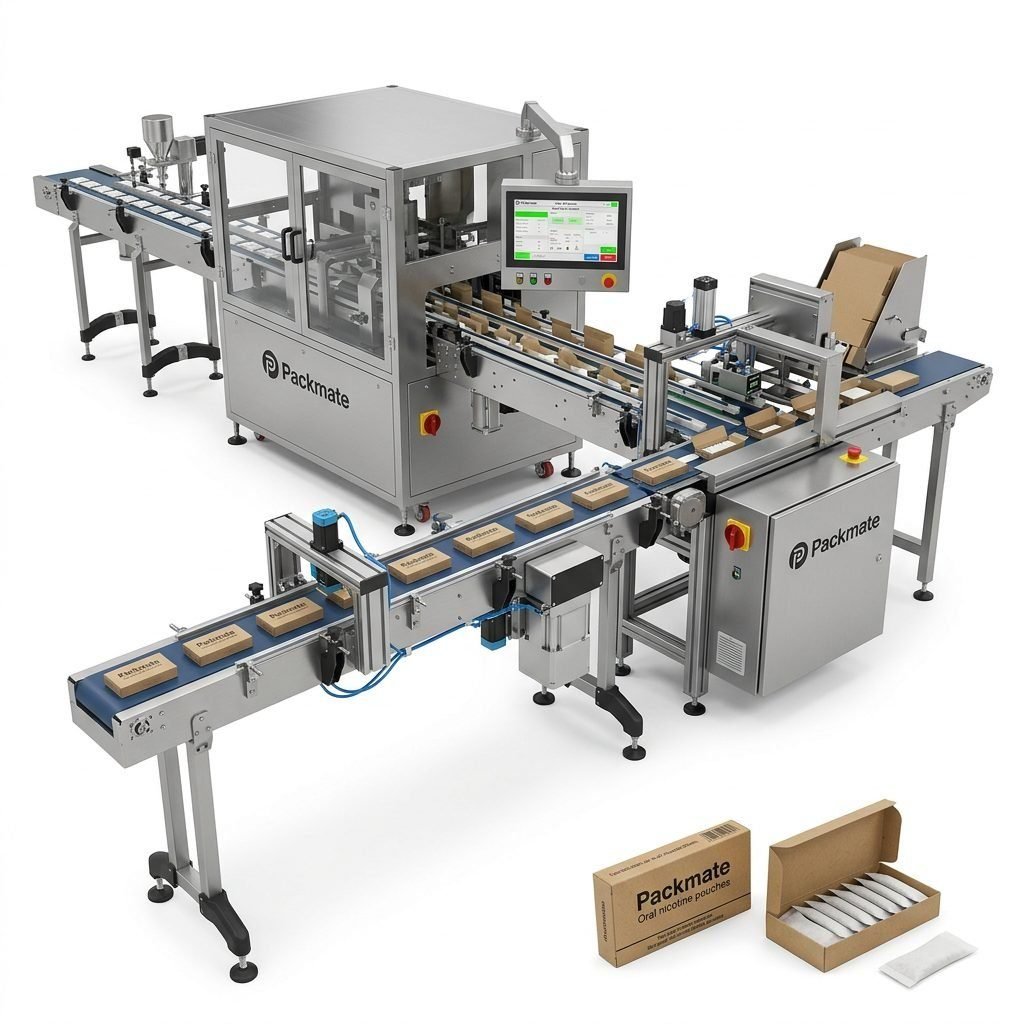
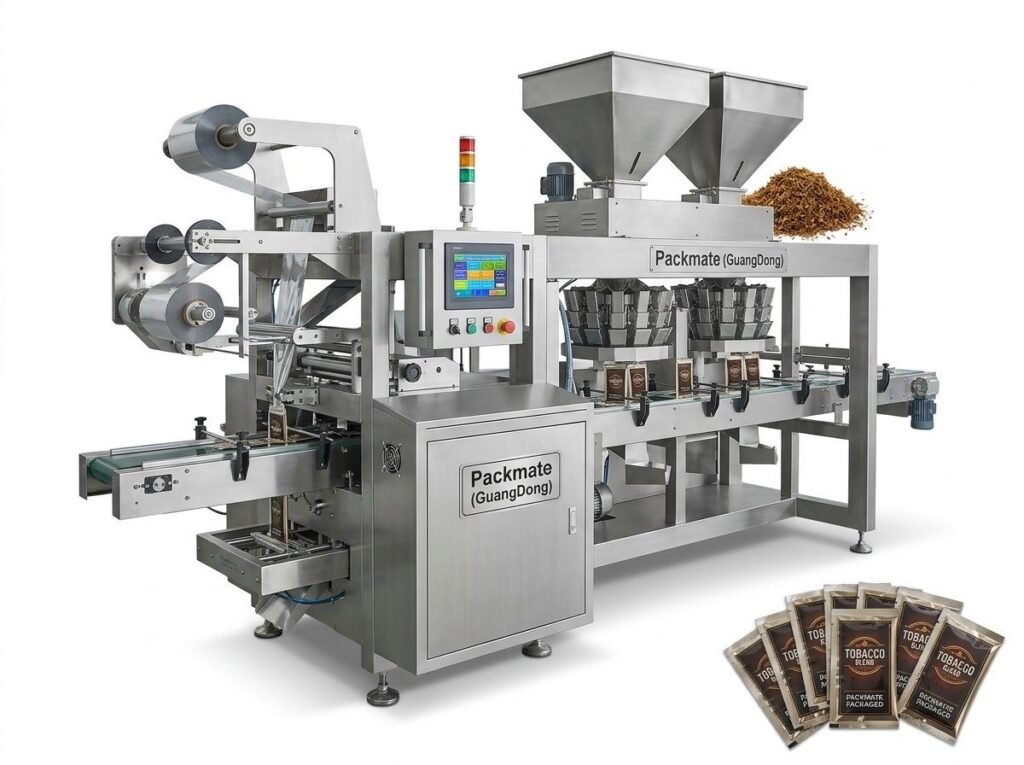
Choosing the right snus packaging machine for a local manufacturing operation in Eritrea requires careful consideration of production goals, local infrastructure, and regulatory requirements. This guide walks Eritrean factory managers and procurement teams through practical steps to evaluate equipment options, with clear indicators of performance, return on investment, and after-sales support. Whether you plan to package nicotine pouches, snus sticks, or sachets, the right machine reduces waste, ensures consistent product quality, and improves workplace safety.
Understand Your Production Needs 🛠️
Before contacting suppliers, document your expected daily and monthly output, desired pouch types (e.g., nicotine pouches, stick packs, sachets), target pouch sizes, and acceptable tolerance for weight variation. Production volume determines whether you need a single-lane machine for small runs or a high-speed multi-lane system for larger factories. Consider whether you’ll expand capacity within 1–3 years — modular machines or scalable lines can save capital in the long term.
Key capacity questions
– What is your target units per minute and per shift?
– Do you require multi-lane filling to increase throughput without expanding the footprint?
– Are frequent product changeovers expected (different pouch sizes or materials)?
Match Machine Type to Product Format 📦
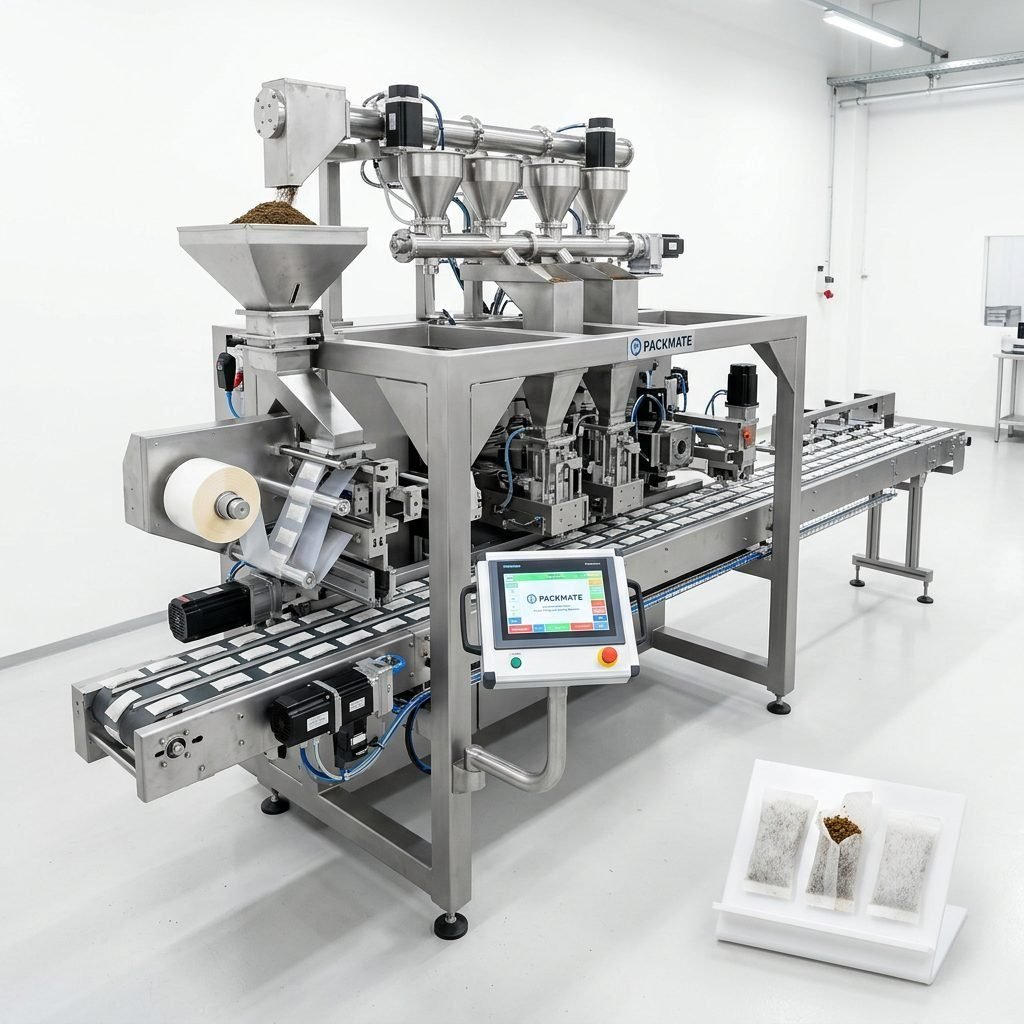
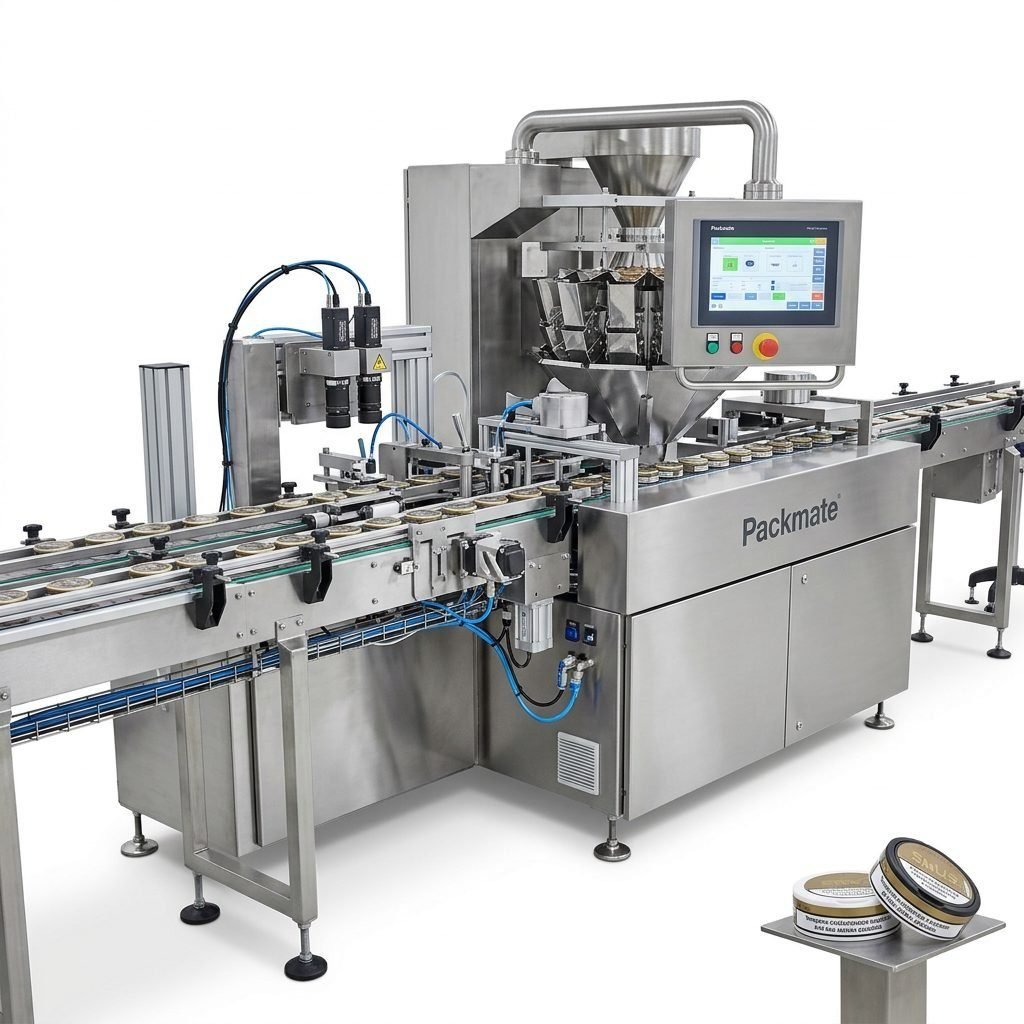
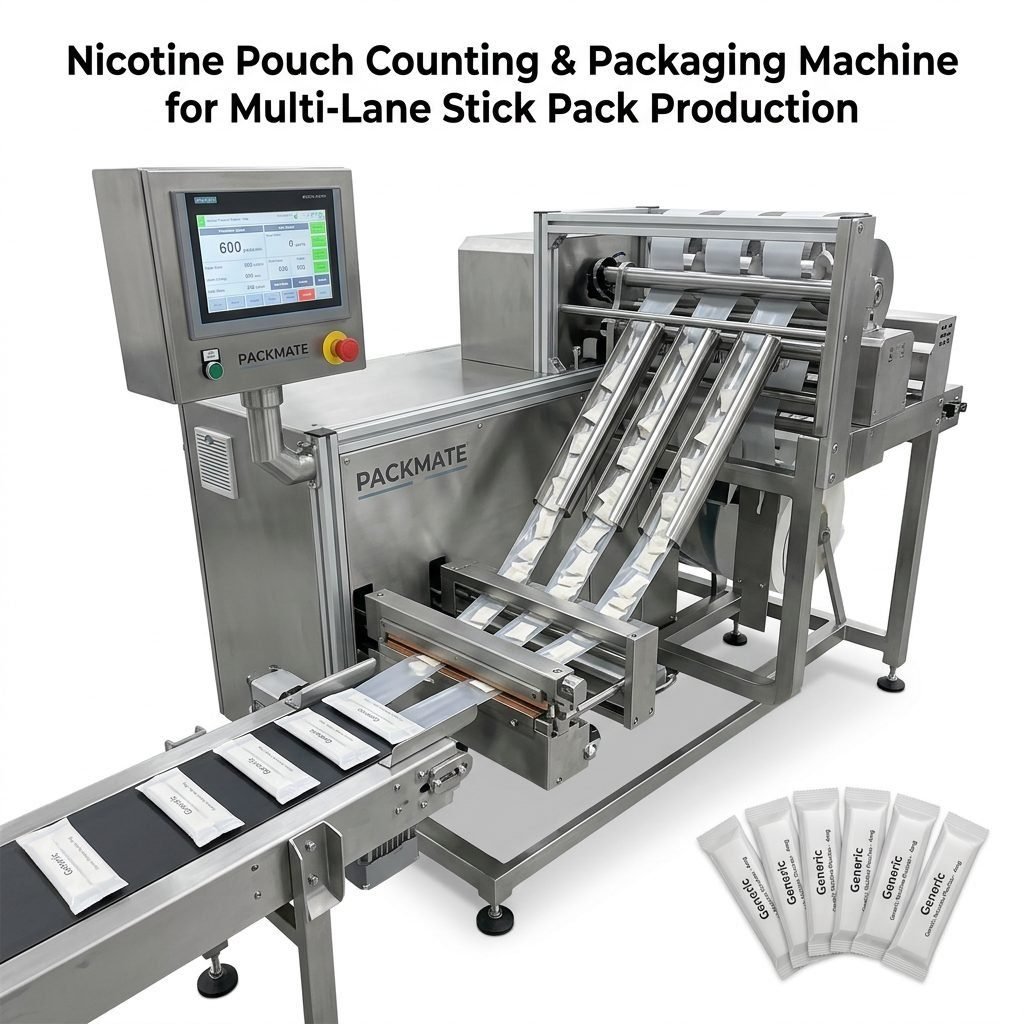
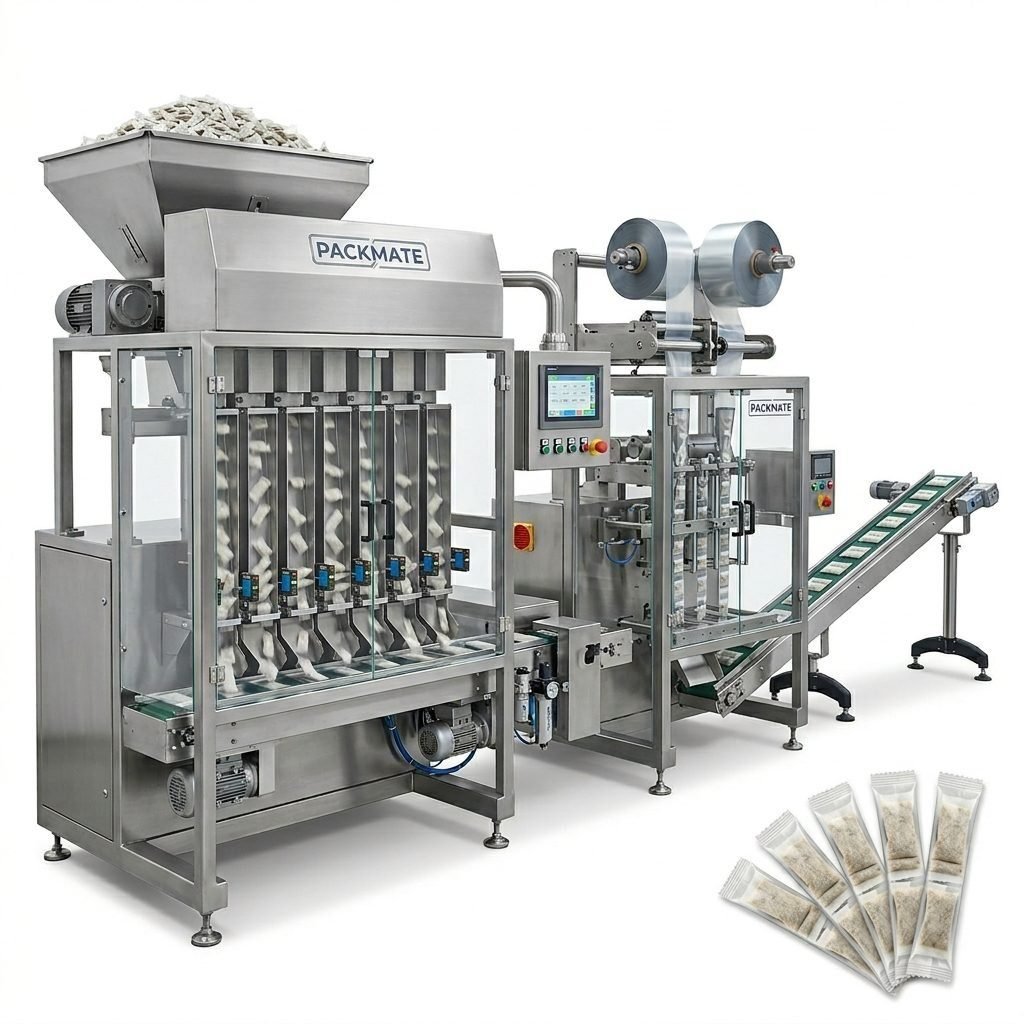
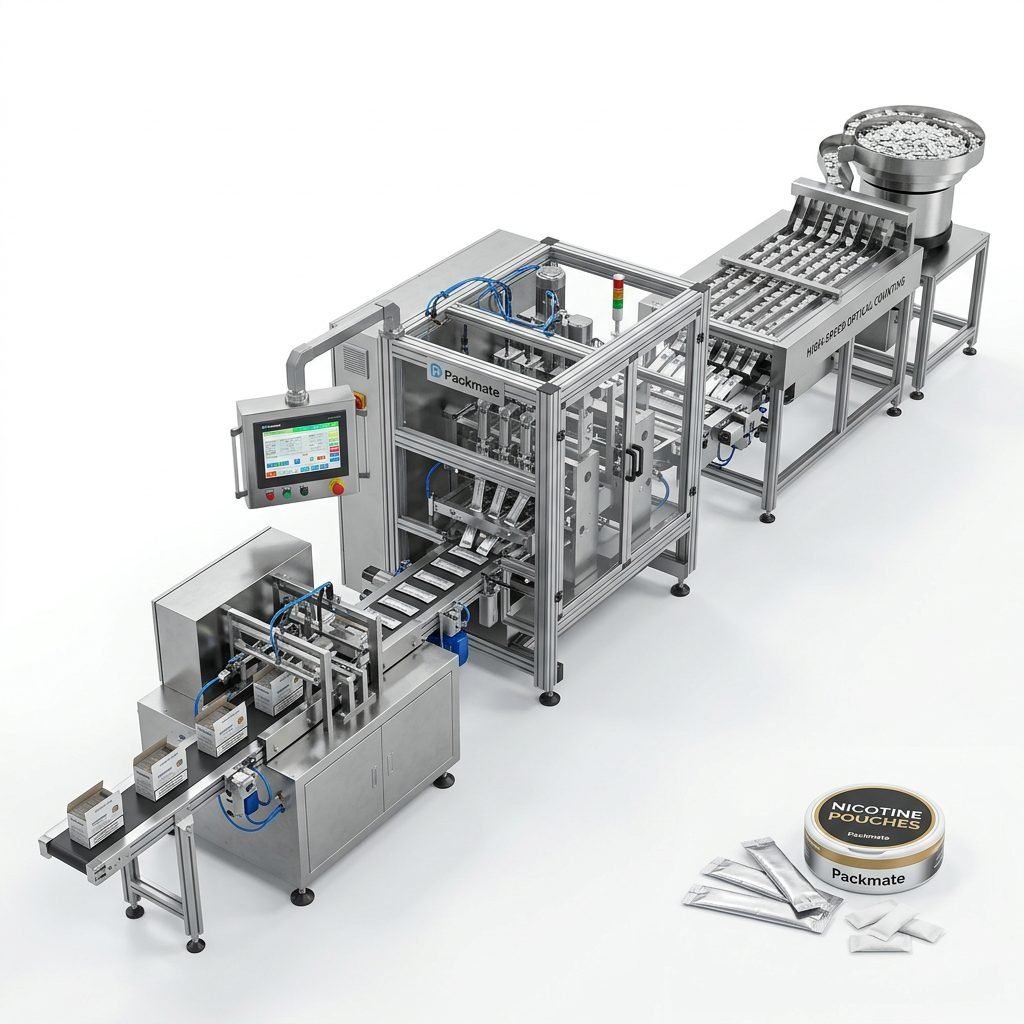
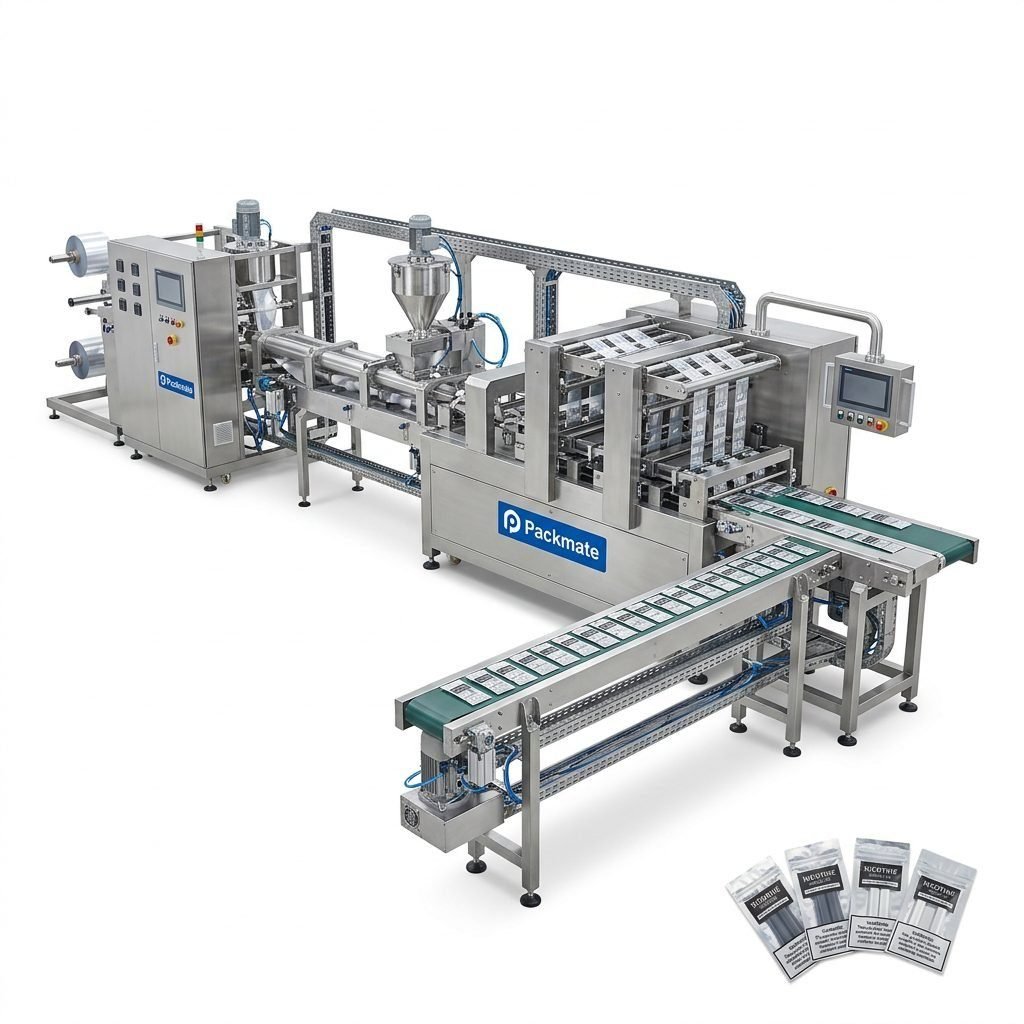
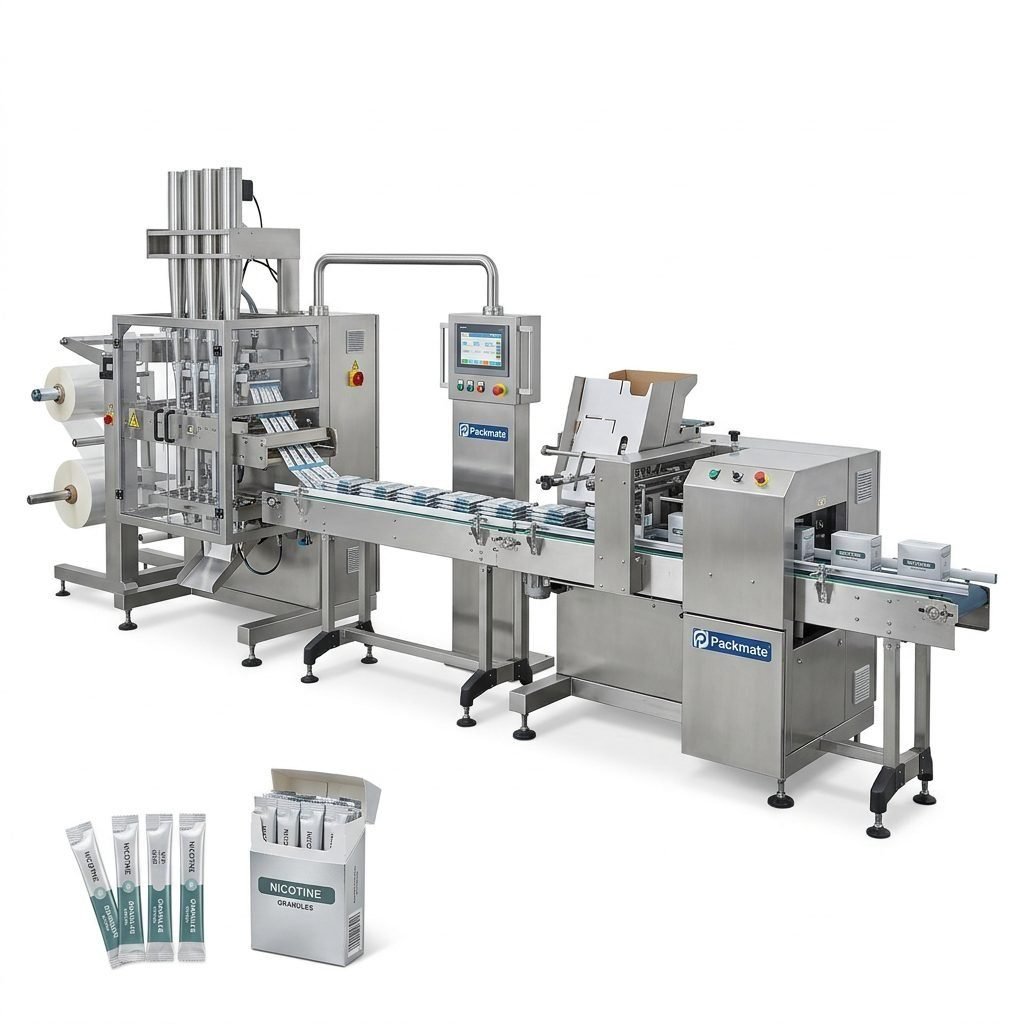
Different packaging machines excel with different formats. For example, stick pack and sachet machines are ideal for single-dose nicotine pouches, while multi-lane pouch machines are specialized for small-dose snus and nicotine pouch production. Review the manufacturer’s product lines — Packmate provides dedicated machines for snus and nicotine pouches, as well as sachet and stick pack machines that may suit your needs (see Snus & Nicotine Packaging Machines and Sachet & Stick Pack Machines).
Format considerations
– Pouch material compatibility (heat-seal films, laminates, biodegradable films).
– Filling type: powder, granule, liquid, or blend — choose corresponding dosing and weighing systems.
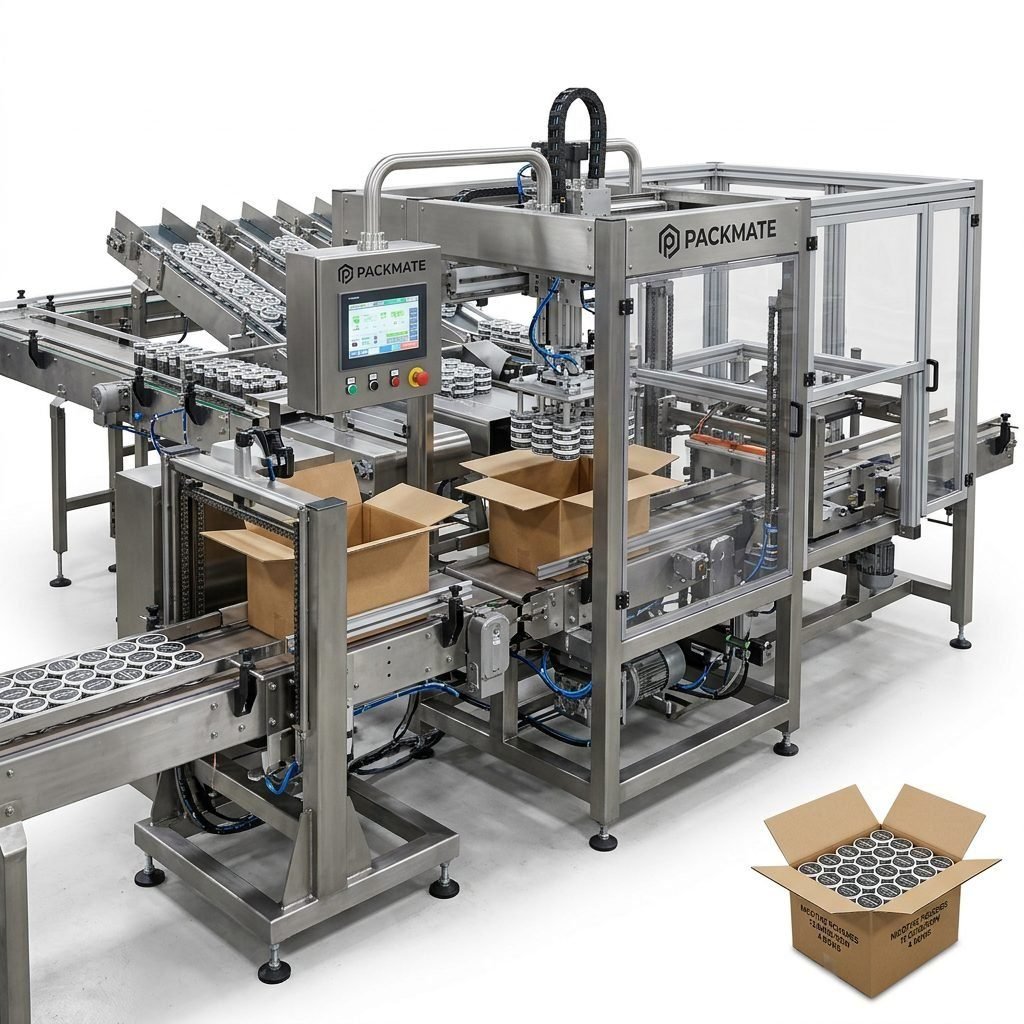
– Secondary packaging needs (cartoning, case-packing) for export or retail presentation.
Evaluate Key Technical Specifications ⚙️
When comparing machines, focus on reliability metrics and components that determine long-term performance. Important specs include electrical requirements, motion control systems (servo motors vs. stepper motors), PLC controls, and available automation features such as auto-labelling and inline checkweighing. Choose machines with CE and ISO compliance if you plan to export or meet international safety standards.
Consider the availability and quality of spare parts and whether the machine uses globally available standard components. Packmate Snus Machine’s facility features advanced CNC machining and precision assembly, which typically improves spare parts consistency and machine interchangeability.
Assess Local Support and After-Sales Service 🤝
Local or regional after-sales support is a critical factor for minimizing downtime. Confirm the supplier’s warranty terms, remote diagnostic capabilities, and availability of training for your technicians. For global suppliers like Packmate, ask about local partners or authorized service centers, spare parts shipping times, and whether remote commissioning is possible to reduce travel costs.
Checklist for service readiness
✅ Clear warranty coverage and response times.
✅ Training programs for operators and maintenance staff.
✅ Spare parts kits and recommended inventory levels.
✅ Remote troubleshooting and software update procedures.
Consider Local Infrastructure and Utilities 🏗️
Eritrean factories may face specific constraints in utilities and site infrastructure. Verify your plant’s power supply (voltage, frequency, and stable load), compressed air capacity and quality, water supply for cleaning systems, and floor loading capability. Machines with lower power and air consumption or with built-in energy-saving modes will be more resilient in environments with supply variability.
Total Cost of Ownership (TCO) and ROI Analysis 💰
Purchase price is only one part of the equation. Calculate installation, training, spare parts inventory, energy consumption, maintenance labor, and expected uptime. Compare TCO between cheaper imports and higher-quality machines built with robust production practices. Remember: a reliable machine with less downtime often delivers a lower cost per unit over three to five years.
Sample ROI elements
– Initial capital and installation costs.
– Expected throughput increase and revenue per shift.
– Maintenance downtime estimates and spare parts costs.
– Energy and consumable costs (sealing film, labels).
Inspection, Trials, and Factory Acceptance Testing (FAT) 🔍
Before final acceptance, request a Factory Acceptance Test (FAT) or live demonstration. FAT should include running your actual product or a close analogue, testing changeover procedures, and verifying packaging integrity under real operating conditions. Document agreed acceptance criteria — cycle speed, weight tolerances, and film sealing quality — to avoid disputes during commissioning.
Where possible, arrange a site visit to an existing reference customer of the supplier to observe long-term machine performance. Packmate’s global case studies and exhibition demonstrations can provide insights into in-field performance and the company’s ability to support international customers.
Compliance, Documentation and Certification 📑
Ensure the machine documentation includes electrical schematics, PLC programs, mechanical drawings, spare parts lists, and maintenance manuals. Certifications such as CE and ISO provide baseline assurance of manufacturing quality and safety standards. If you plan to export packaged products, verify the machine’s ability to meet international labeling and sealing standards.
Selecting the Right Supplier: Questions to Ask 🧭
When evaluating suppliers, ask practical questions: How many similar machines have you delivered? Can you provide references in my region? What is the typical lead time and installation schedule? Do you offer turnkey solutions including auxiliary equipment like checkweighers and conveying lines? For product lines and details, check the supplier’s product pages such as Bag & Pouch Packaging Machines and Filling & Packaging Lines.
Also ask about customization capacity: will the supplier adapt a machine for a specific film type, pouch design, or dosing system? Suppliers with a strong manufacturing base and CNC capabilities typically provide better customization and spare parts consistency.
Practical Tips for Procurement and Installation ✅
– Build a realistic timeline that includes site preparation, FAT, shipping, customs clearance, installation, and staff training.
– Allocate spare parts for the first 6–12 months of operation.
– Plan operator and technician training sessions during installation to accelerate ramp-up.
– Consider contractual service level agreements (SLAs) to guarantee response times.
Useful links
Explore the manufacturer’s lineup and resources to compare models and request quotes: Snus & Nicotine Packaging Machines, Sachet & Stick Pack Machines, and About Packmate. For service inquiries, see Contact Us.
Final Recommendations for Eritrean Factories 🌍
For Eritrean manufacturers, emphasize reliability, easy maintenance, and a supplier willing to support remote commissioning. Modular multi-lane machines can maximize output in limited factory footprints while single-lane machines help smaller producers manage capital. Prioritize suppliers with solid documentation, global certifications, and proven case histories in nicotine pouch production.
Conclusion
Selecting the best snus packaging machine is a strategic choice that impacts product quality, operational cost, and business scalability. Thoroughly document requirements, verify supplier credentials and support, and perform acceptance tests with your real product. Investing time in specification and supplier selection pays off with improved uptime, consistent packaging quality, and better ROI.
Frequently Asked Questions
Q1: What is the typical lead time for a snus packaging machine?
A1: Lead times vary by model and customization level. Standard models may ship in 8–12 weeks, while customized or multi-lane lines can take longer. Always confirm current lead times with the supplier at the RFQ stage.
Q2: How do I ensure the machine will handle my particular pouch material?
A2: Provide film samples and product specifications during the inquiry. Request FAT using your materials or a close equivalent to validate sealing temperature, film draw, and mechanical handling.
Q3: What after-sales services should I expect?
A3: Look for warranty coverage, spare parts availability, remote diagnostics, and training. Good suppliers provide manuals, electrical drawings, and recommended spare-parts lists to minimize downtime.
Q4: Are multi-lane machines suitable for small factories?
A4: Multi-lane machines increase throughput without proportional increases in floor space, but they require higher initial investment and more precise setup. For small factories with reliable demand forecasts, a modular multi-lane approach can be cost-effective.
Q5: Where can I find real-world examples of snus packaging lines?
A5: Review supplier case studies and exhibition footage for real-world references. Explore the manufacturer’s case pages and exhibition events to see live demos and customer installations.