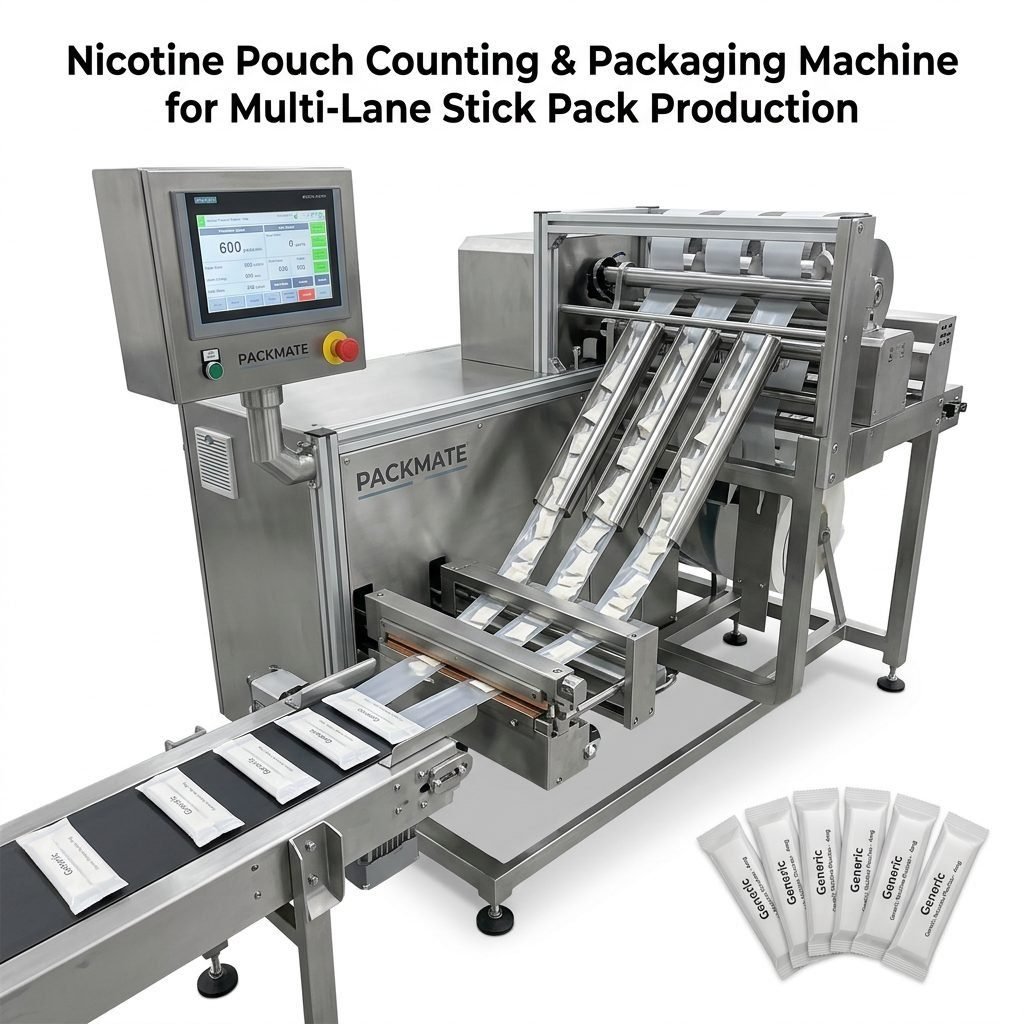
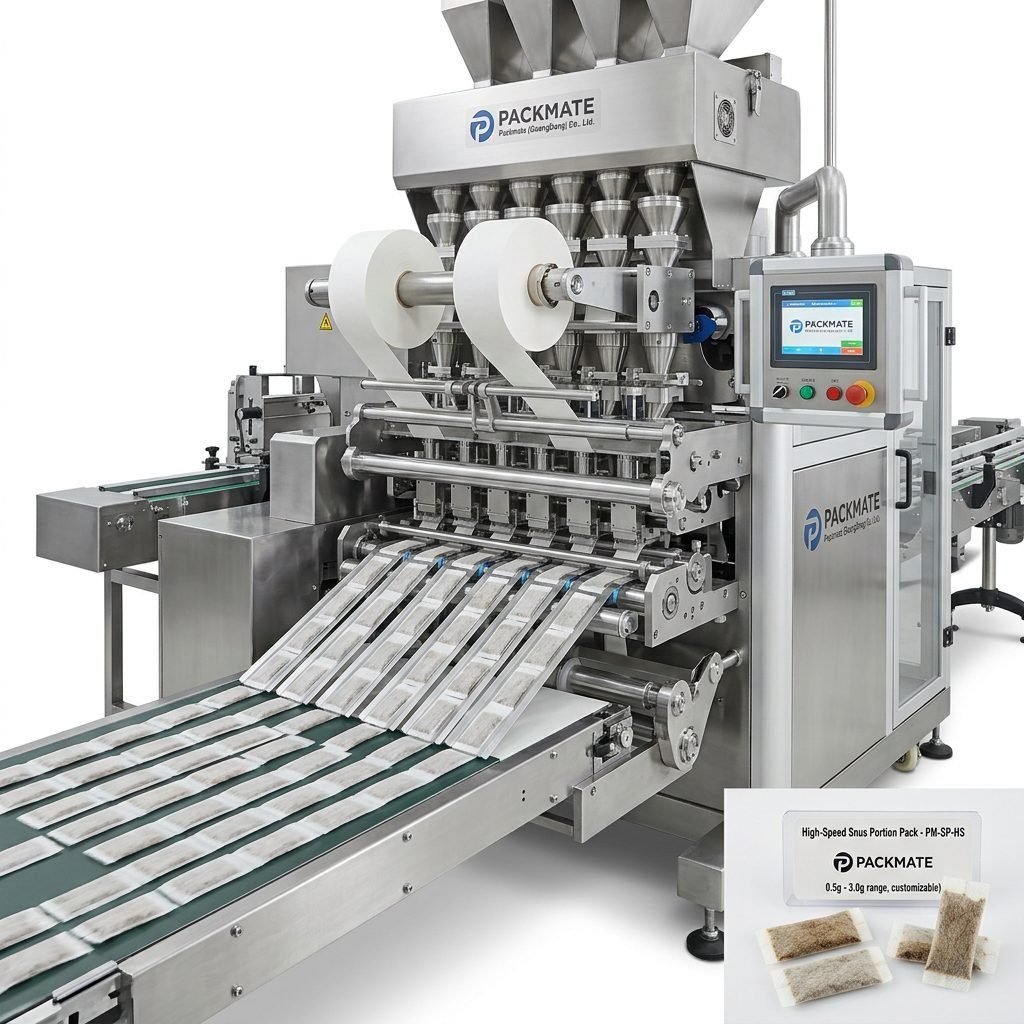
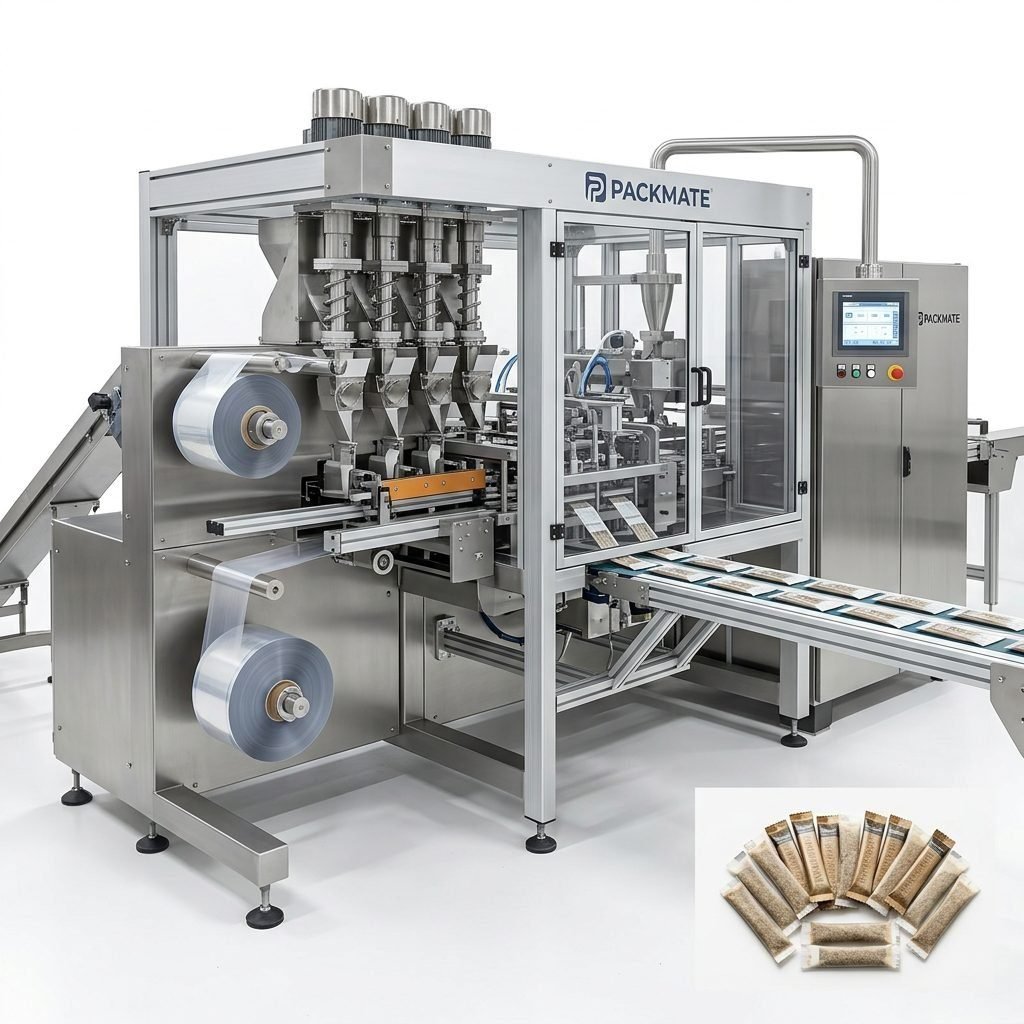
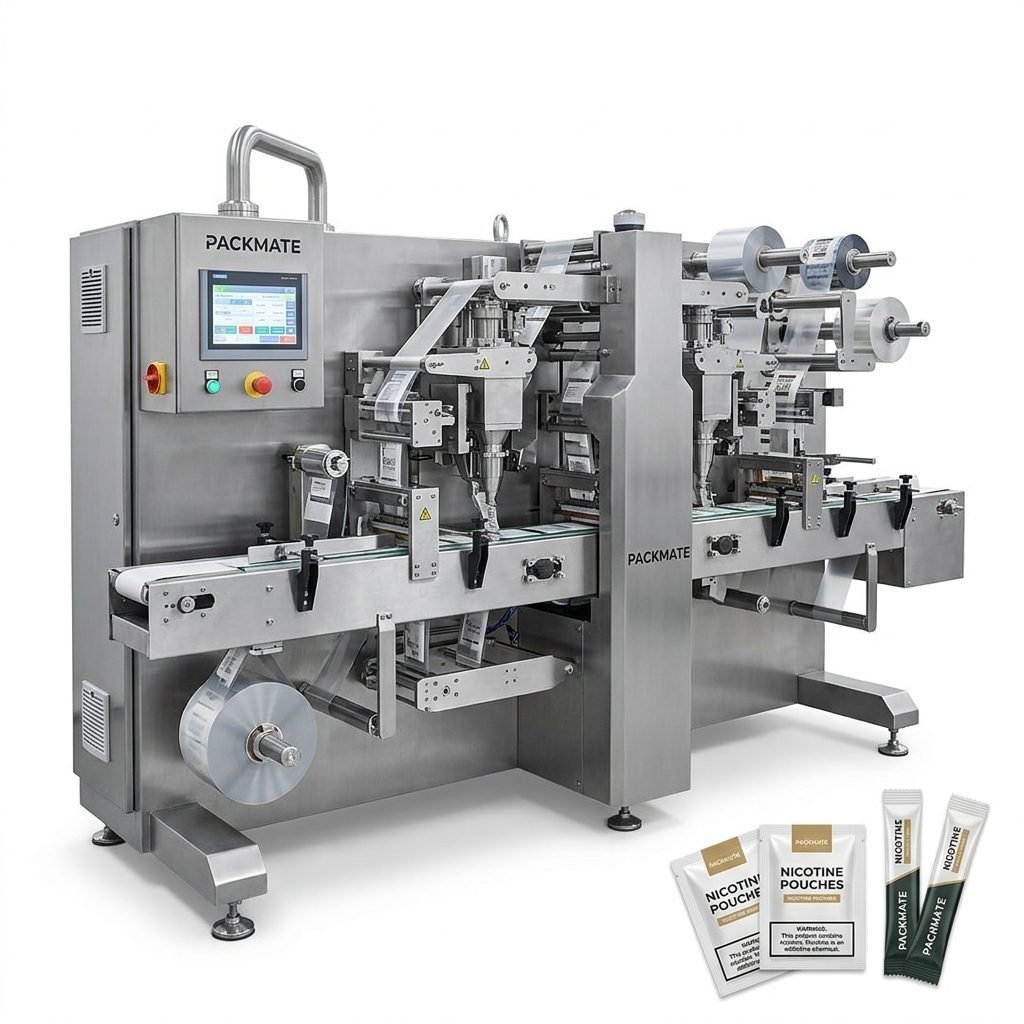
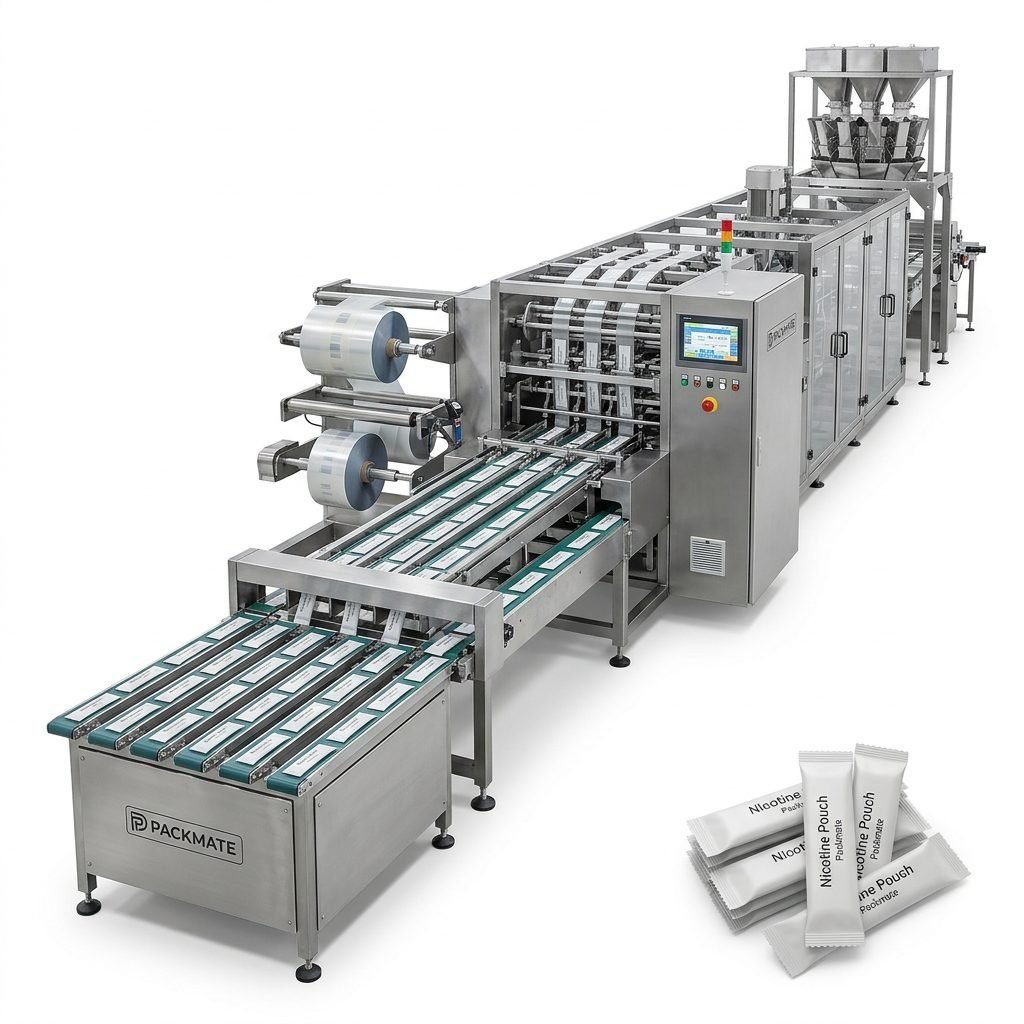
Choosing the right snus packaging machine manufacturer for your business in Mali is a strategic decision that impacts production efficiency, product quality, and long-term operational cost. This guide walks you through the key factors to evaluate—technical capability, certifications, machine types and customization, after-sales support, logistics, and compliance—so you can select a reliable partner that meets both immediate needs and future growth plans. Whether you are launching a small nicotine pouch line or scaling to multi-lane production, these practical steps will help you compare suppliers objectively and reduce procurement risk.
🔍 Understand Your Production Needs First
Before contacting manufacturers, define your product specifications and target output. Ask yourself: What pouch formats will you produce (stick pack, sachet, multi-lane snus pouches)? What are daily production targets? What raw materials (powder, granule, wet/dry nicotine pouch mixes) will you handle? Clear answers make it easier to match available equipment to your line. For example, if you plan multi-lane small-dose pouch production, seek specialized multi-lane systems rather than single-lane general machines.
🏭 Evaluate Manufacturer Experience & Factory Capabilities
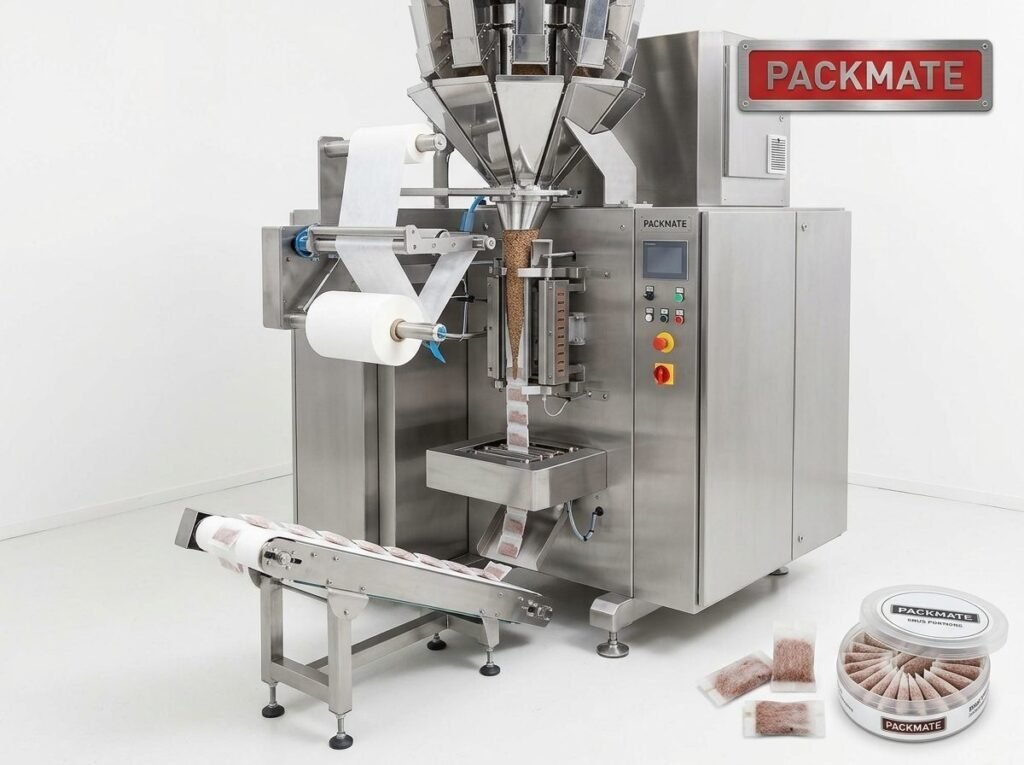
A manufacturer’s industry tenure and factory scale often correlate with product maturity and engineering depth. Look for companies with long-term engineering experience, comprehensive machining and assembly capacity, and a track record in snus or nicotine pouch equipment. For instance, Packmate Snus Machine brings over 30 years of engineering experience and a 20,000㎡ manufacturing facility equipped with advanced CNC machining centers and precision assembly lines—attributes that support consistent quality and reliable customizations.
✅ What to check:
Factory area, CNC capability, number of machine models (the broader the range, the more mature the R&D), and examples of turnkey solutions. Manufacturers offering dozens of models and turnkey lines can typically integrate filling, weighing, and packaging more smoothly.
📦 Match Machine Types to Your Product Line
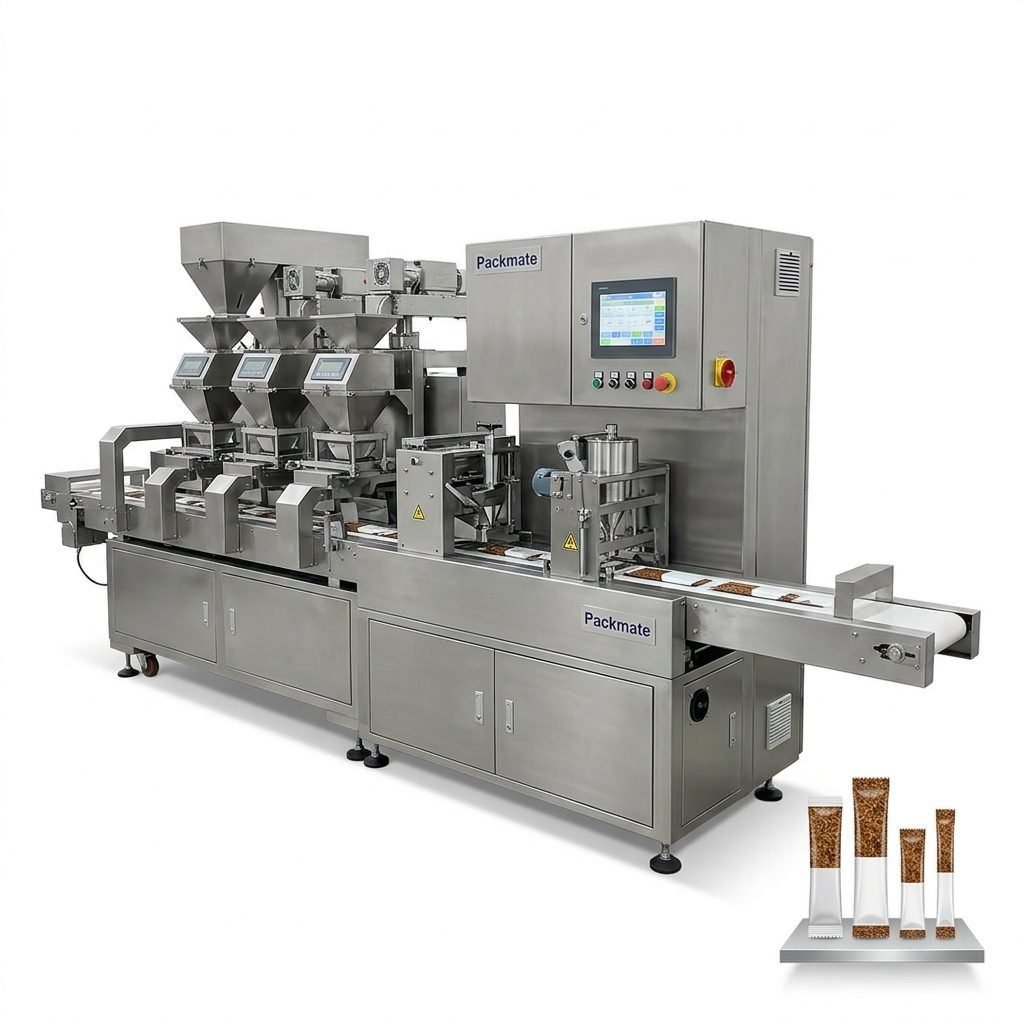
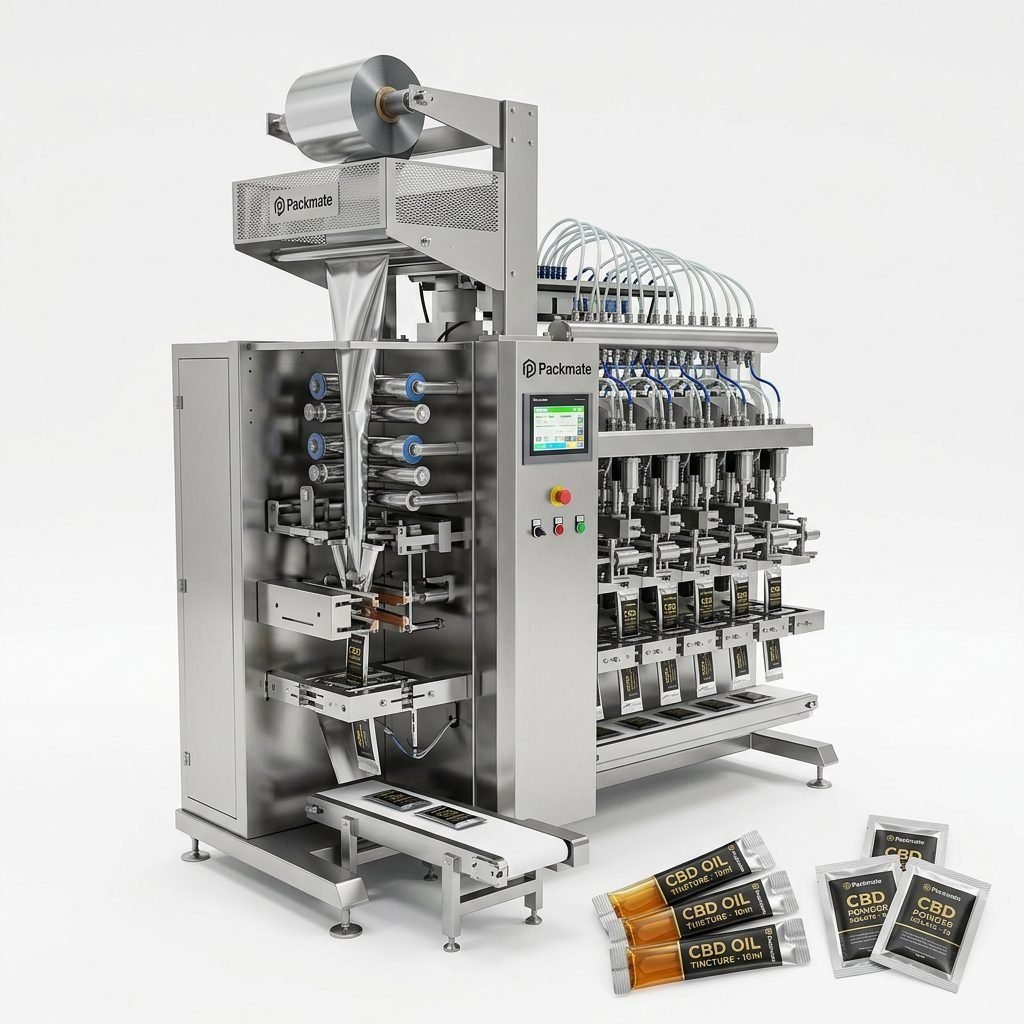
Packaging machines vary widely: stick pack, sachet, snus/nicotine pouch machines, powder/granule fillers, and auxiliary equipment. If your focus is nicotine pouches and snus, review manufacturers’ dedicated product pages and case studies to confirm real-world performance. Explore product categories such as Snus & Nicotine Packaging Machines, Bag & Pouch Packaging Machines, and Sachet & Stick Pack Machines to compare technical specifications and line configurations.
Pay attention to machine speed (packs/min), lane count, dosing accuracy, and format-change flexibility. If you expect to expand SKUs, prioritize modular systems that allow additional lanes or attachments without a full line replacement.
⚙️ Technical Quality, Materials & Control Systems
Core components—servomotors, PLC controls, sensors, and sealing systems—drive reliability. Ask vendors about supplier brands, mean time between failures (MTBF) data, and local spare parts availability. Check whether the machine supports modern HMI controls and remote diagnostics for fast troubleshooting. Manufacturers with in-house machining and assembly are often better at strict tolerance control and long-term spare parts consistency.
Quick tip: Request a component list and ask which parts are standardized versus custom. Standardized parts reduce lead times for replacements in Mali.
🛡️ Certifications, Compliance & Safety
Ensure the manufacturer complies with relevant international standards. CE and ISO certifications indicate attention to safety, manufacturing management, and quality assurance. For export into African markets, confirm conformity to any local import regulations and electrical standards. Packmate Snus Machine, for example, lists compliance with CE and ISO—important markers to verify during supplier due diligence.
🤝 After-Sales Service, Training & Spare Parts
After-sales support is critical when installing advanced packaging lines in Mali. Confirm the manufacturer provides:
🔧 On-site commissioning and operator training;
🔧 Spare parts kits and clear lead times;
🔧 Remote support and maintenance contracts;
🔧 Documentation in English and installer checklists.
Must-have: A service plan that covers spare parts shipping time to Mali and a clear escalation path for urgent repairs.
💼 References, Case Studies & Demonstrations
Request real-world case studies and references from customers in similar industries or regions. Video demonstrations and factory acceptance tests (FAT) provide valuable proof of performance. Reviewing the manufacturer’s case gallery or exhibition appearances can reveal how their machines perform in live settings; explore their exhibition history and case records to assess credibility. See examples on the manufacturer’s site such as their Case and Our Exhibition pages.
Links for reference: Case | Our Exhibition
🌍 Logistics, Import & Local Requirements in Mali
Shipping heavy machinery to Mali involves customs documentation, freight forwarding, inland transport, and possibly import duties. Discuss logistics with your supplier early: will they handle CIF/DAP terms? Can they recommend reliable freight partners experienced with shipping machinery to West Africa? Ensure proper packing, crate dimensions, and spares shipped in the same container if possible. Local installation teams or authorized partners can speed commissioning.
💰 Cost vs. Total Cost of Ownership (TCO)
Initial price is only part of the equation. Calculate TCO by factoring in installation, training, spare parts, energy consumption, yield (waste rates), and projected maintenance. A cheaper machine with frequent downtime can cost far more over five years than a higher-quality machine with robust support. Request sample ROI calculations and energy usage data when comparing proposals.
🔄 Customization, Scalability & Turnkey Solutions
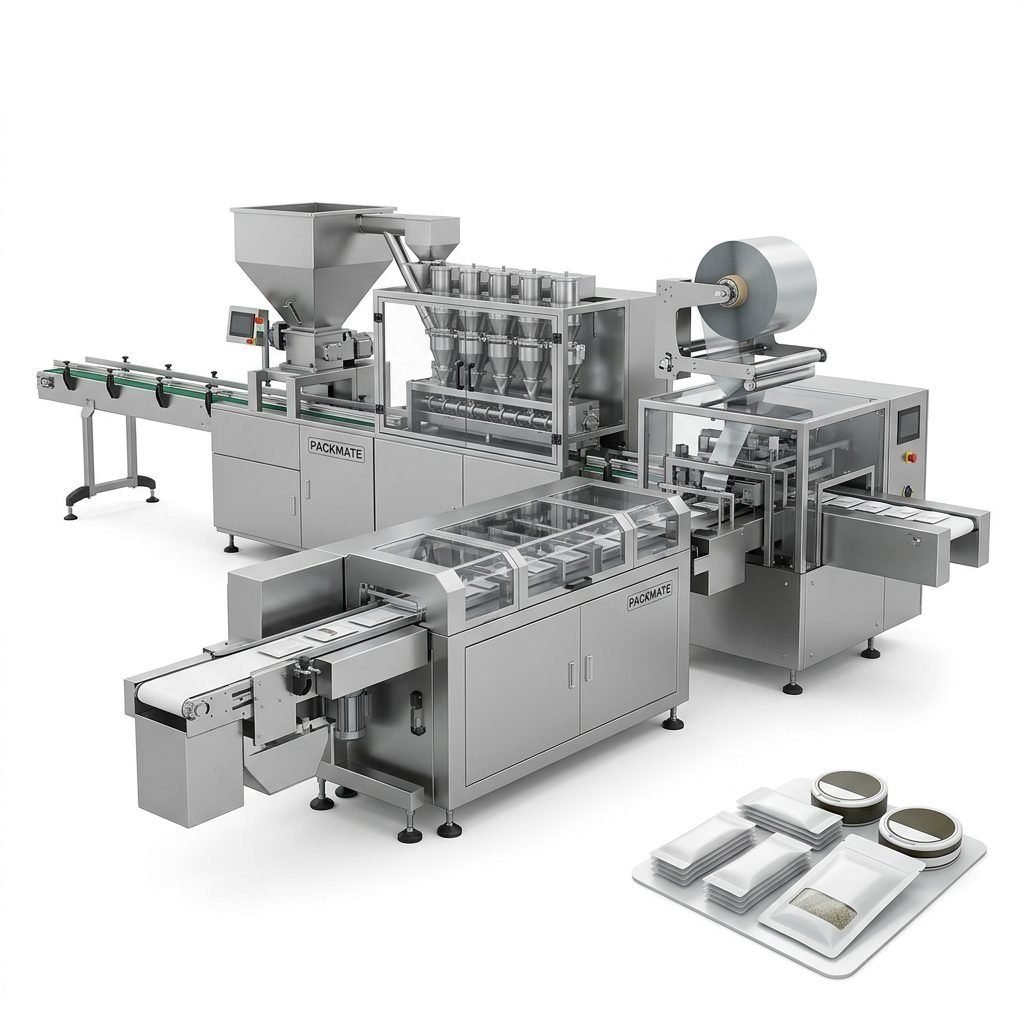
If you need filling, weighing, and packaging integrated into one line, prioritize vendors that offer turnkey packaging lines and system integration experience. Packmate offers full solutions across categories like Weighing & Packaging Systems and Filling & Packaging Lines. Discuss future expansions: can the line be upgraded to additional lanes or integrated with auxiliary equipment?
📄 Contracts, Warranties & Payment Terms
Clarify warranty coverage, excluded items, acceptance criteria, and penalties for missed delivery dates. Negotiate payment terms that align with milestones—deposit, FAT approval, shipment, and final acceptance. Ensure spare parts lists, training scope, and acceptance testing are appended to the contract to avoid disputes later.
🔗 Useful Resources & Next Steps
When you shortlist suppliers, request:
• A detailed equipment spec sheet and bill of materials;
• Video of the exact model running your product or a close equivalent;
• FAT and SAT (site acceptance test) procedures;
• A list of recommended spare parts for the first 12 months.
Action checklist: Shortlist 3 manufacturers, compare spec sheets side-by-side, request FAT videos, and confirm spare parts lead times to Mali.
📣 Why consider Packmate Snus Machine
Manufacturers with a long history in snus and nicotine pouch equipment bring specialized expertise. Packmate Snus Machine highlights include 30+ years of engineering experience, a 20,000㎡ factory, 50+ machine models, and a track record of delivering global turnkey solutions. Their portfolio covers snus and nicotine packaging machines, bag & pouch systems, and auxiliary equipment—useful if you want an integrated supplier who can design a full production line. Learn more on their About Packmate and Contact Us pages.
🧾 Final procurement tips
Negotiate a clear FAT (factory acceptance test) plan before shipment and insist on run-in tests with materials similar to yours. Verify warranties and spare parts availability, and plan operator training ahead of installation. Allocate contingency budget for customs, local installation, and potential electrical or civil changes at your Mali facility.
📌 Summary & Common Questions
Choosing a snus packaging machine manufacturer in Mali requires careful evaluation of technical fit, manufacturing capability, certifications, after-sales support, logistics, and total cost of ownership. Prioritize suppliers that demonstrate industry-specific experience, provide transparent documentation, and offer robust support for spares and commissioning. A well-chosen partner will accelerate your time-to-market, improve product consistency, and protect your investment over the long term.
Frequently Asked Questions:
Q1: How do I verify a manufacturer’s claims about production speed and accuracy?
A1: Request FAT videos showing the specific model running with materials like yours, technical test reports, and references you can contact. A factory visit or third-party inspection before shipment is ideal.
Q2: What warranty and spare parts provisions should I insist on?
A2: Insist on at least a 12-month warranty on core components, a list of recommended spare parts for the first year, and agreed lead times for critical parts. Include these terms in the contract.
Q3: Can I get local support in Mali for maintenance and repairs?
A3: Some manufacturers have regional partners; if not, ensure the supplier offers remote diagnostics, training for local technicians, and a clear plan to ship spare parts quickly to Mali.
Q4: How important are certifications like CE and ISO?
A4: Certifications indicate adherence to international safety and quality standards and are important for regulatory acceptance and risk mitigation. Always verify certificates and ask for evidence of compliance.