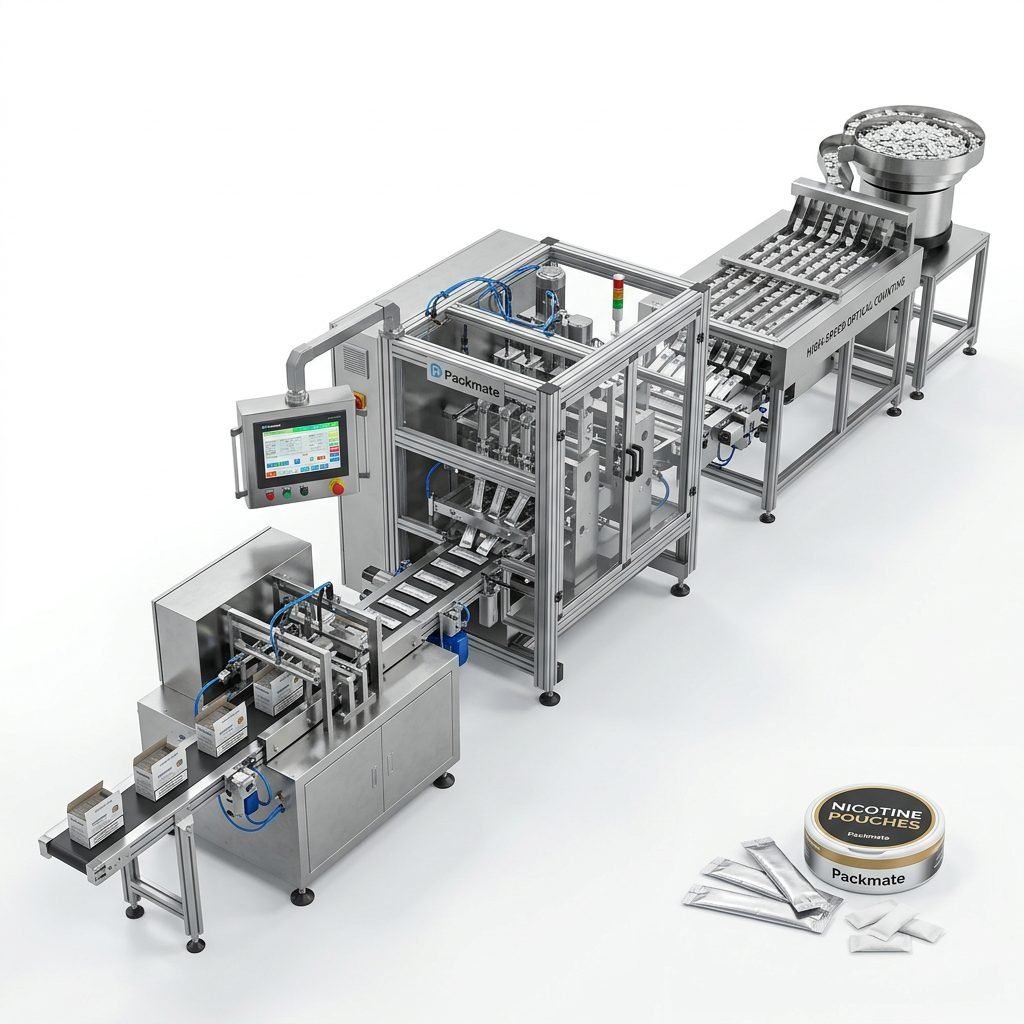
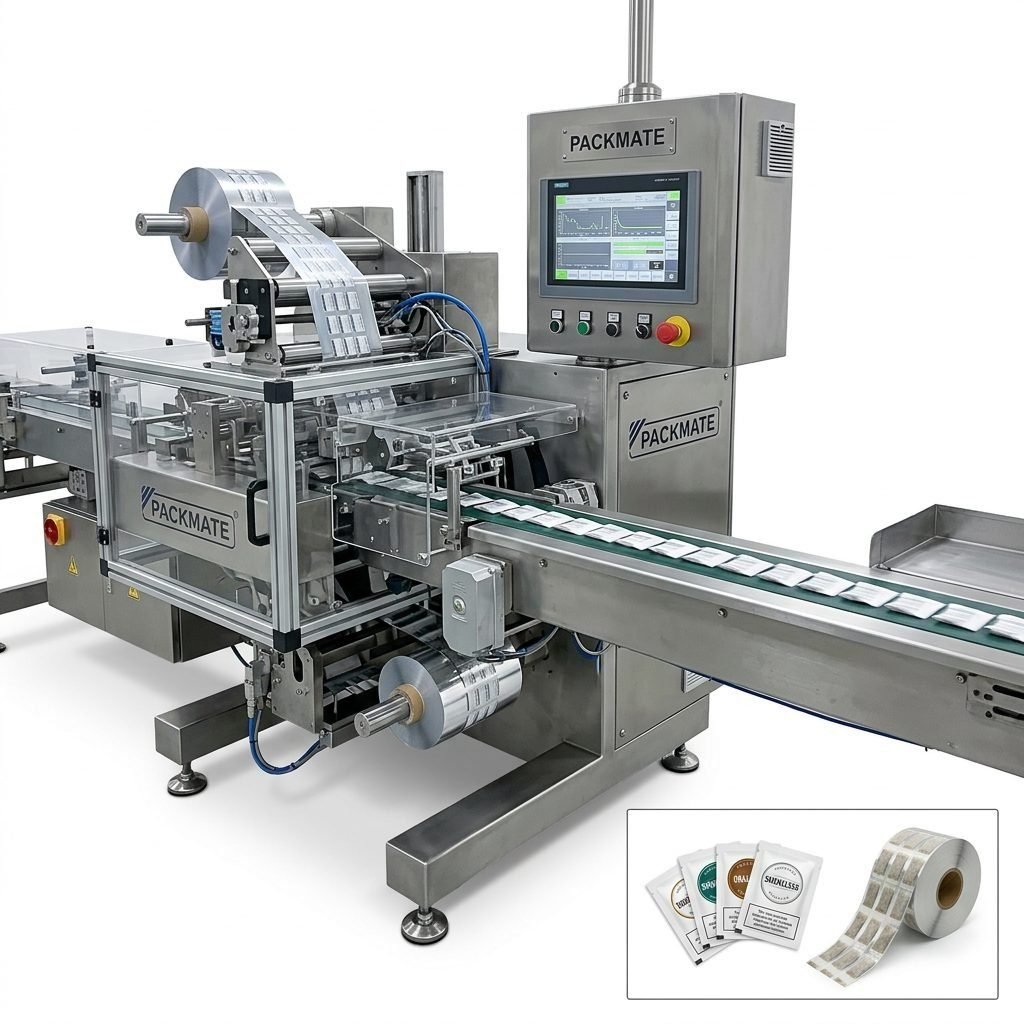
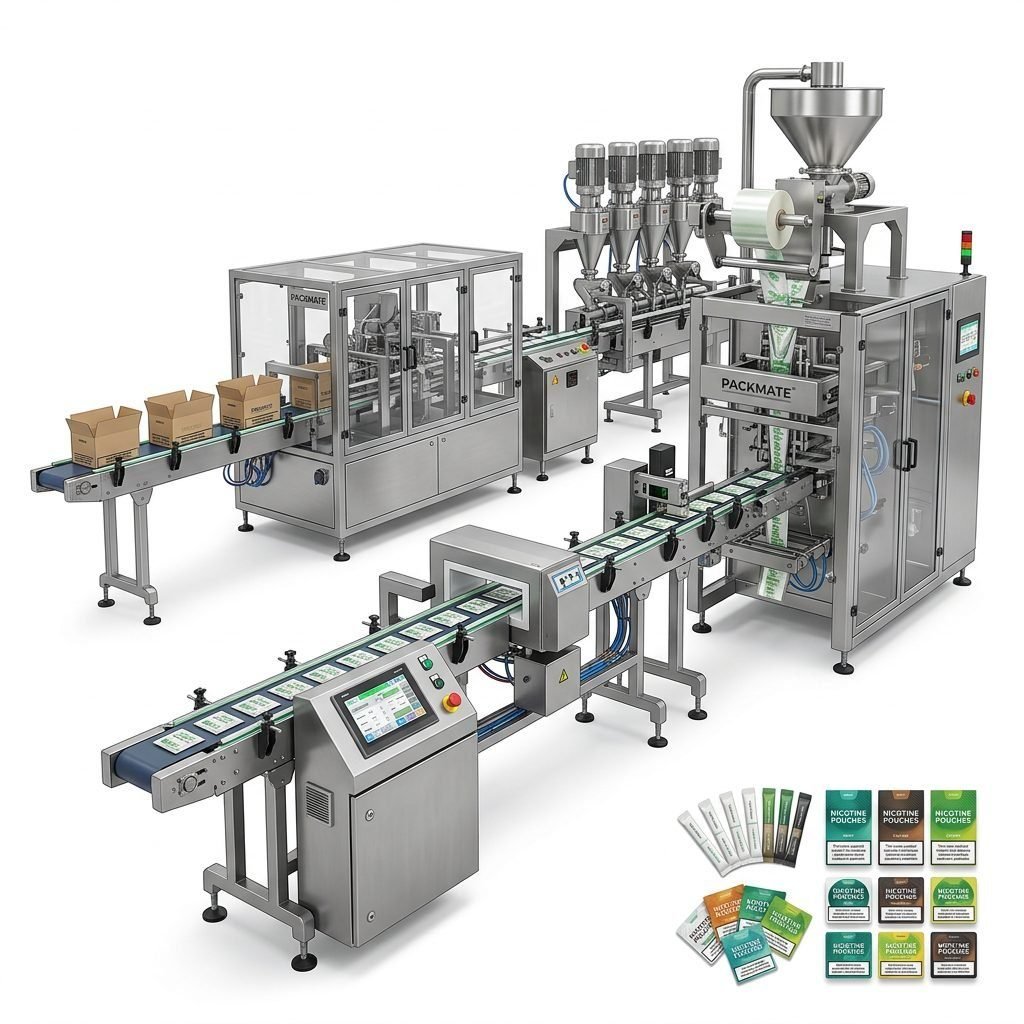
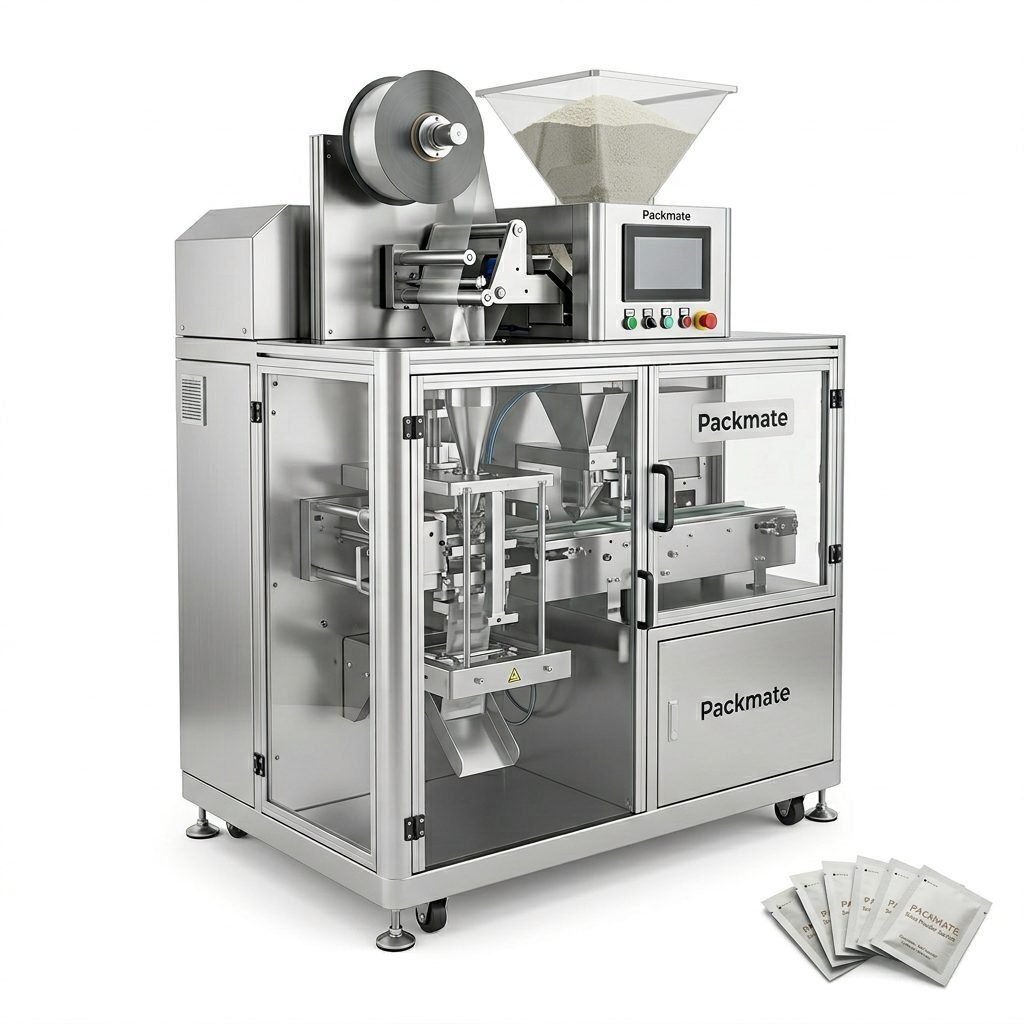
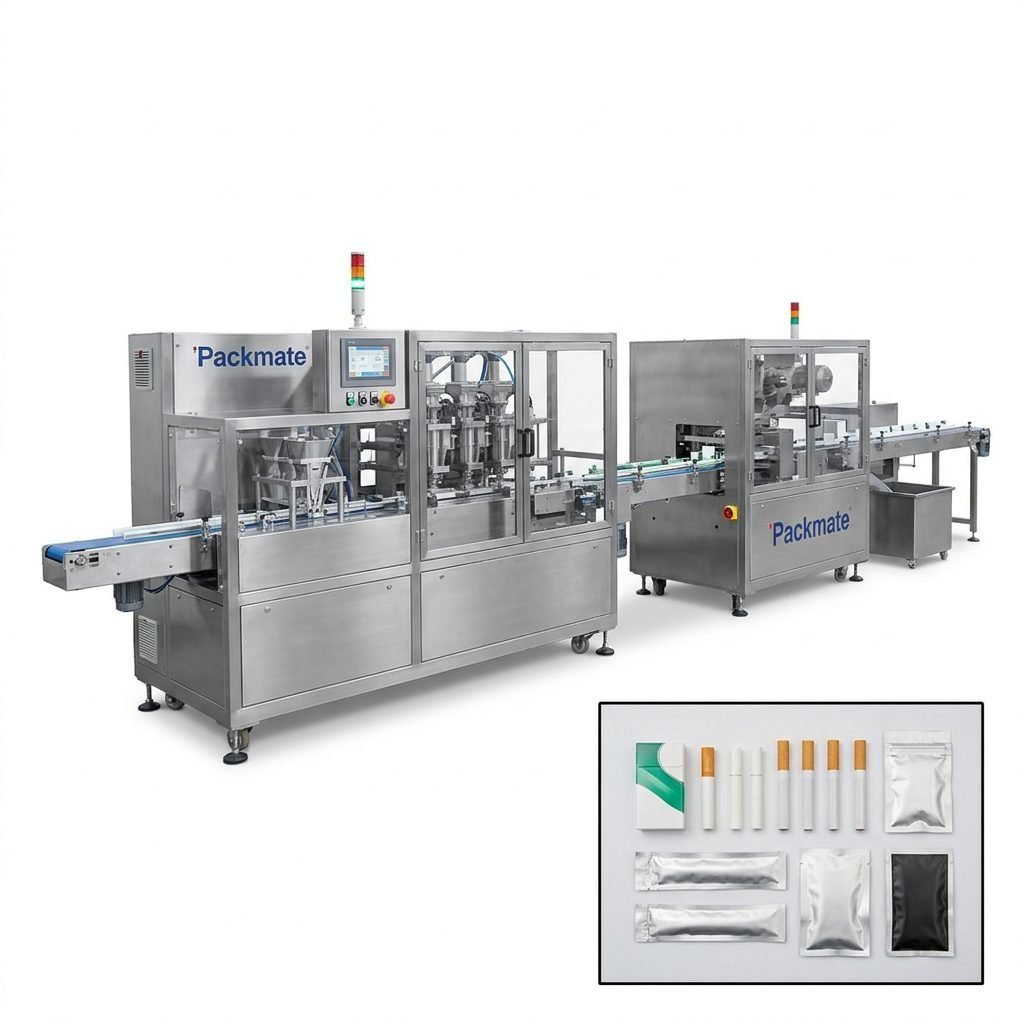
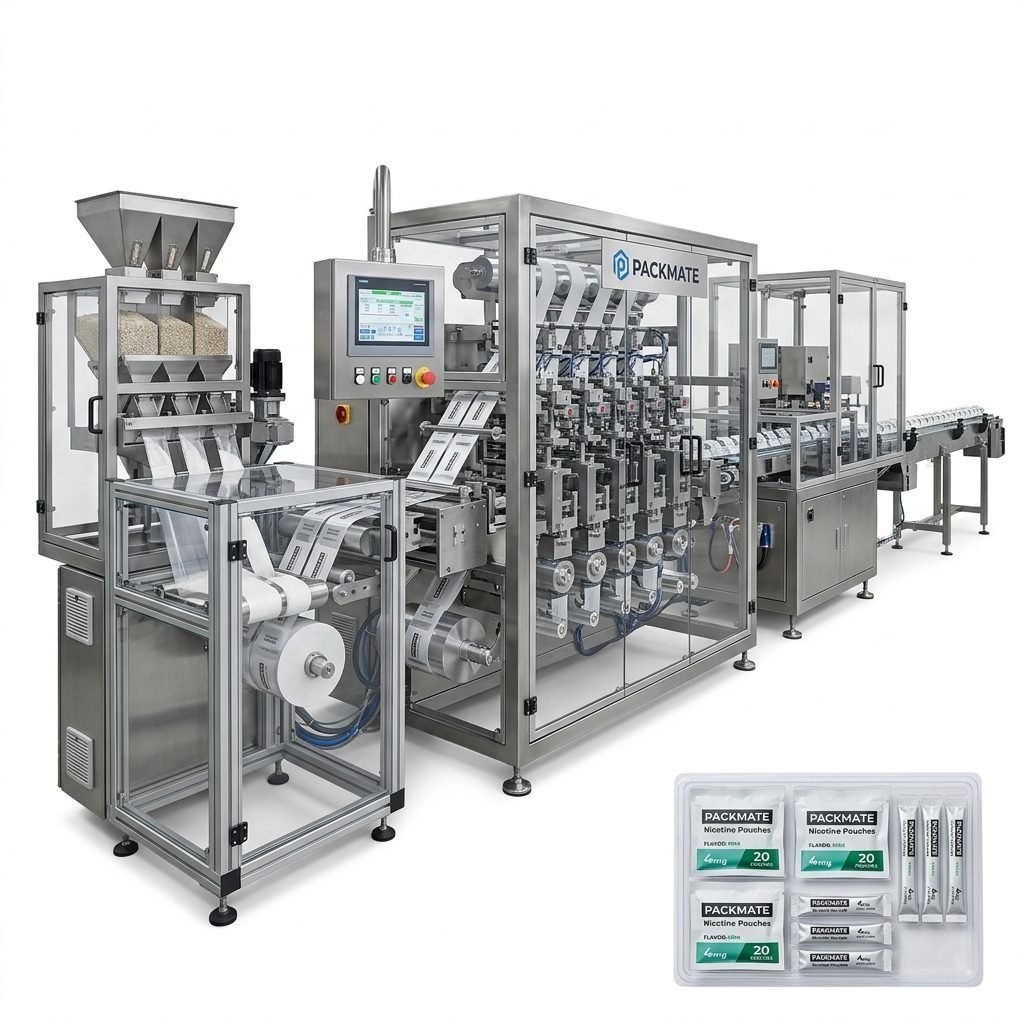
Entering the snus and nicotine pouch market in Saint Kitts and Nevis demands more than a great product — it requires the right packaging partner. Selecting a reputable snus packaging machinery manufacturer will determine your line uptime, product consistency, regulatory compliance, and long-term cost of ownership. This guide walks processors, brand owners, and procurement managers through a practical, step-by-step process for choosing the best snus packaging machinery manufacturer tailored to Saint Kitts and Nevis operations.
Why Manufacturer Choice Matters for Saint Kitts and Nevis
Small island markets like Saint Kitts and Nevis present unique logistical and regulatory challenges: long shipping lead times, customs clearances, limited local service networks, and import compliance. Working with a manufacturer that understands these factors reduces installation delays and downtime. A reliable supplier delivers machines that are robust, easy to maintain, and supported with timely spare parts and technical assistance.
Quick Snapshot: What to Expect from a Top Supplier
🔧 High-precision filling and sealing for nicotine pouches and snus • ⚙️ Multi-lane systems for higher throughput • ✅ CE & ISO certifications • 🏭 Factory with advanced CNC machining and strict quality control • 🌐 Turnkey solutions including weighing, dosing, filling and final packaging.
Step 1 — Verify Core Machine Types and Compatibility
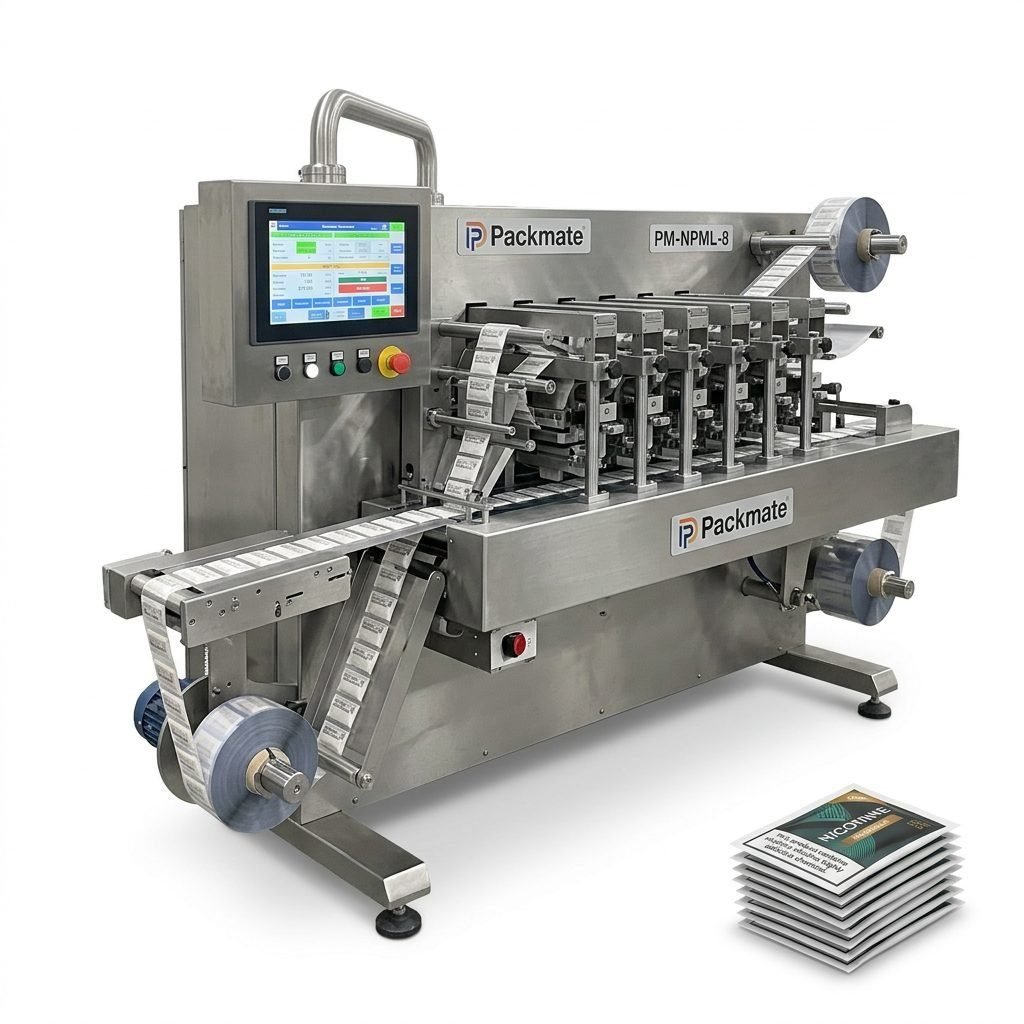
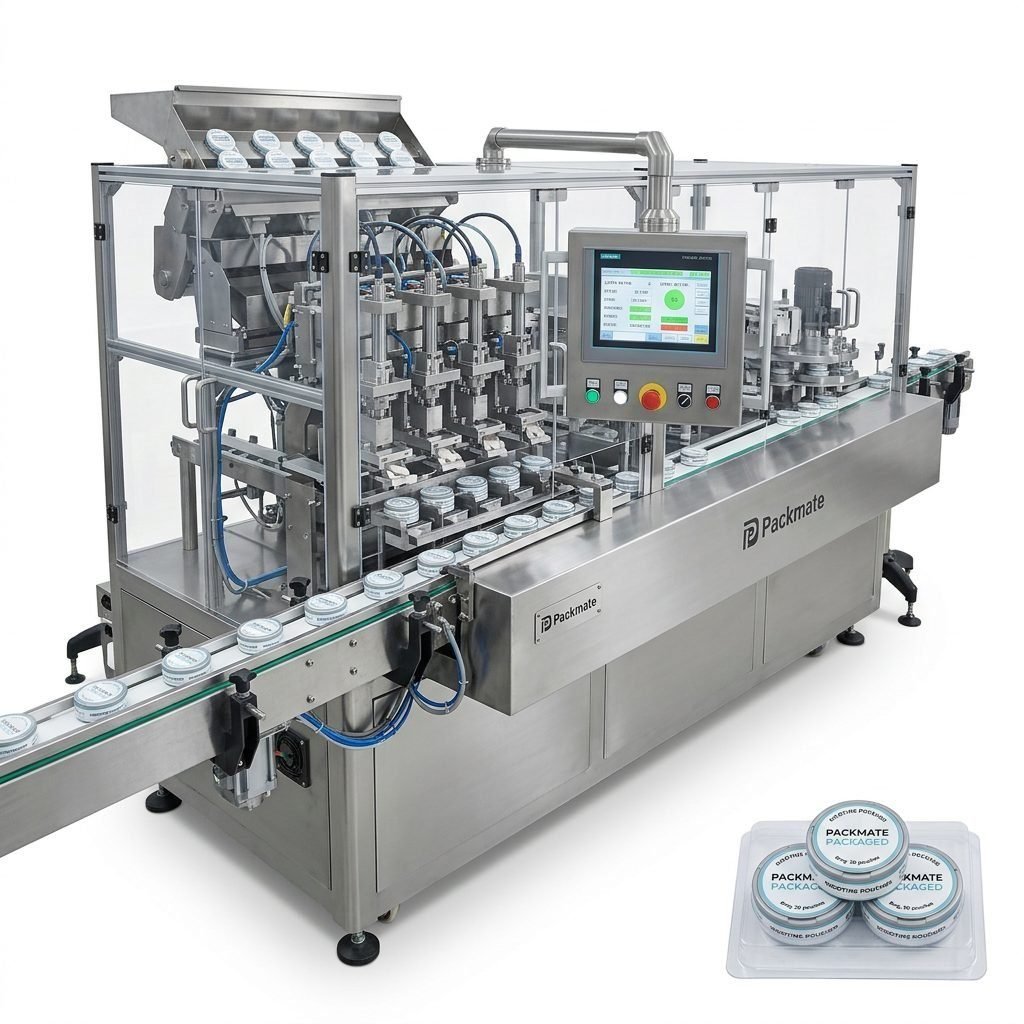
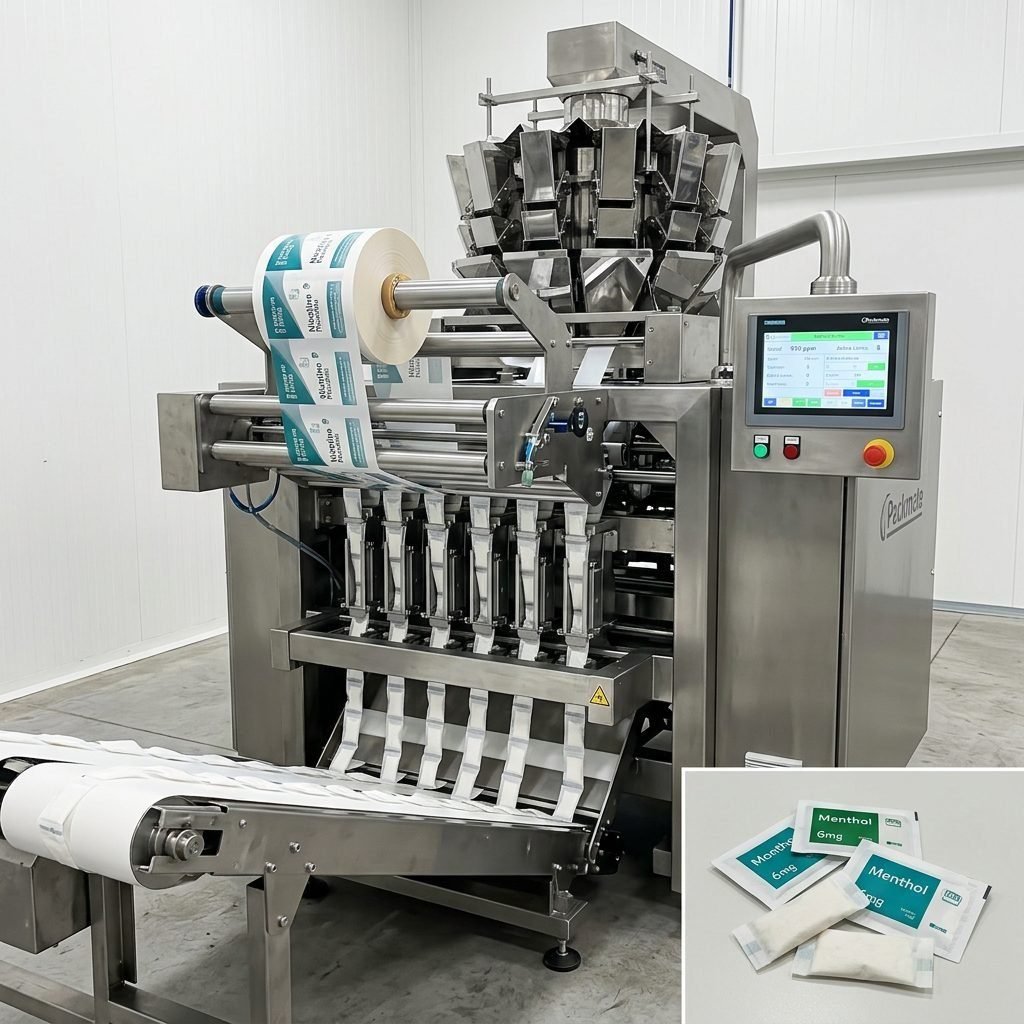
Your first check should confirm the manufacturer produces machine types that match your product formats. Snus and nicotine pouches commonly use:
-
Stick pack and sachet machines for single-dose pouches.
-
Multi-lane systems for high-volume, small-dose pouch production.
-
Integrated weighing and feeding systems for powders and granules.
If you want to explore product lines and machine examples, see the manufacturer’s product pages such as Snus & Nicotine Packaging Machines, Sachet & Stick Pack Machines, and the Weighing & Packaging Systems.
Step 2 — Inspect Factory and Manufacturing Strength
For long-term reliability you must assess factory capabilities. Key indicators include:
-
Presence of advanced CNC machining centers and precision assembly lines.
-
A documented quality control process and inspection protocols.
-
Size and scale — a factory area around 20,000㎡ indicates production capacity to supply turnkey systems.
📌 Tip: Ask about factory tours or virtual walk-throughs. Manufacturers with large, modern facilities are better equipped to manage complex multi-machine lines and to provide spare parts quickly.
Step 3 — Evaluate Technical Specifications & Performance
Core technical questions to ask:
-
What are the machine throughput rates (pouches/minute) for single-lane and multi-lane models?
-
Tolerance specs for fill weight and sealing integrity?
-
Changeover time and tool-less adjustments for format changes?
-
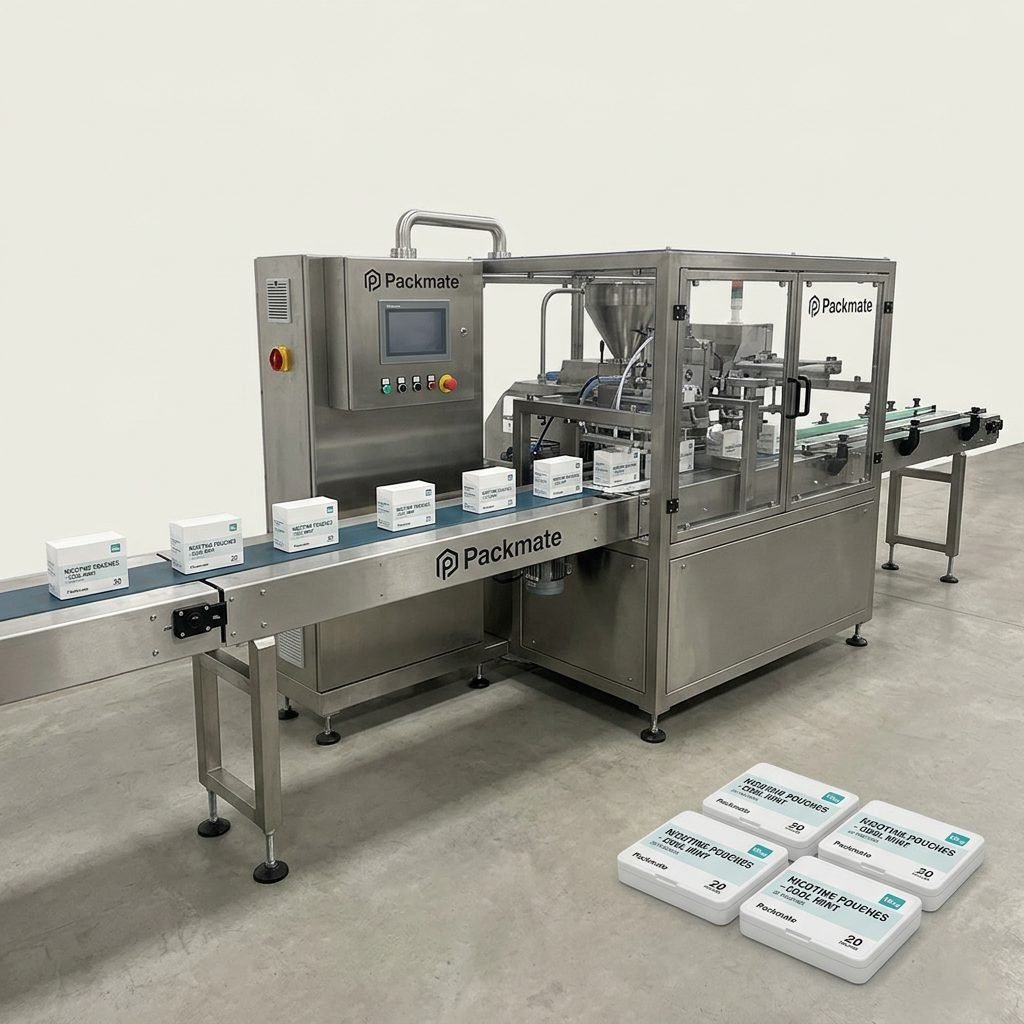
Compatibility with downstream equipment like cartoning or secondary packaging?
Key Performance Indicators
Prioritize machines with consistent accuracy, easy maintenance access, and PLC/HMI systems for quick diagnostics. Manufacturers with proven multi-lane systems typically deliver higher productivity per floor area for small-dose pouches.
Step 4 — Certifications and Compliance
Confirm international and product-specific certifications. A reputable supplier should provide CE and ISO certifications as basic compliance evidence. For export and import to Saint Kitts and Nevis, documentation must meet customs and safety standards to avoid delays.
You can review corporate compliance pages such as Certificate and company background at About Packmate.
Step 5 — Turnkey Capabilities and System Integration
The best suppliers offer turnkey systems that integrate filling, weighing, feeding, packaging, and auxiliary equipment. Benefits include:
-
Single point accountability for performance and installation.
-
Optimized control systems across the line for consistent output.
-
Easier warranty and spare parts management.
Explore product categories such as Filling & Packaging Lines and Auxiliary Packaging Equipment to confirm integration breadth.
Step 6 — After-Sales Support, Spare Parts and Local Service
For Saint Kitts and Nevis, rapid access to spare parts and remote technical support is essential. Ask the manufacturer:
-
Do they maintain a regional parts warehouse or partner network?
-
What is their remote diagnostic and training capability (video calls, remote PLC access)?
-
Do they provide operator training on-site or virtually, and are training materials available?
⚠️ Critical: Confirm lead times for essential spare parts. Long import distances can extend downtime — a supplier that stocks common spares or supports local distributors reduces risk.
Step 7 — References, Case Studies and Live Demonstrations
Ask for customer references, videos of running machines, and case studies in similar markets. A strong manufacturer will share production cases and exhibition appearances. Check real examples and cases at the company’s Case page and exhibition records at Our Exhibition.
Step 8 — Pricing Structure and Total Cost of Ownership
Initial machine price is only part of the picture. When comparing suppliers, evaluate:
-
Warranty terms and who bears shipping/installation costs.
-
Average spare parts cost and recommended spares inventory.
-
Expected lifespan, mean time between failures (MTBF), and maintenance requirements.
A slightly higher upfront investment can pay off with reduced maintenance, fewer format adjustments, and lower labor costs — all crucial for remote island operations.
Step 9 — Logistics, Export Experience and Local Regulations
Validate the manufacturer’s export experience to Caribbean nations. Confirm they can provide export documentation, packing lists, and CIF/FOB terms as required. Experienced exporters help avoid customs delays and can recommend shipping routes and local agents.
Step 10 — Trial Runs, FAT and SAT
Factory Acceptance Test (FAT) and Site Acceptance Test (SAT) are essential. Ensure FAT includes full production runs with your pouch materials and fillings. SAT should confirm performance after installation in Saint Kitts and Nevis, ideally with on-site training.
Negotiation & Purchase Checklist
• Clear warranty and service SLA
• Detailed spare parts list and pricing
• FAT with client-specific pouch and fill trials
• Training plan and documentation in English
• Shipping, installation, and commissioning responsibilities
Making the Final Decision
Shortlist suppliers that match your technical needs, demonstrate strong factory capabilities, and provide excellent after-sales support. Prioritize vendors who offer turnkey integration and clear logistics experience to Saint Kitts and Nevis. When in doubt, request a staged approach: start with a pilot line or single-lane system, then scale to multi-lane production once processes are proven.
✅ Final selection reminder: balance technical fit, local support, and total cost of ownership. A partner with global turnkey experience and factory strength (such as an established supplier with decades of packaging engineering experience) significantly reduces your go-live risk.
Useful Resources
For more detailed product specifications and company information, consult the manufacturer’s product pages and service resources, including Bag & Pouch Packaging Machines, the Service offerings, and downloadable catalogs at Catalog.
Next Steps to Engage a Manufacturer
1) Prepare a Request for Quotation (RFQ) with your pouch specs, target throughput, and packaging material details.
2) Request FAT and spare parts lead time information.
3) Schedule a virtual or on-site factory tour and confirm references.
4) Negotiate payment terms, warranty, and training commitments before signing.
Contact & Follow-Up
To request further information, technical consultations, or quotations, reach out directly via the manufacturer’s contact page: Contact Us. A reliable supplier will provide tailored guidance for launching snus production in Saint Kitts and Nevis, handling everything from machine selection to commissioning.
Frequently Asked Questions (FAQs)
Q1: How long does a typical snus pouch production line take to deliver and install in Saint Kitts and Nevis?
A: Delivery depends on machine configuration and factory schedule, typically 8–16 weeks for standard models plus shipping. Installation and commissioning usually require 1–2 weeks on site, longer for multi-line turnkey systems.
Q2: What support is available remotely if a machine stops working?
A: Leading manufacturers provide remote diagnostics via PLC/HMI access, video support, and express shipment of critical spare parts. Confirm SLAs and spare parts availability before purchase.
Q3: Can machines handle different pouch sizes and formats?
A: Most modern snus packaging machines are designed for quick format changes, often with modular tooling and adjustable lanes. Verify changeover times and whether additional format kits are needed.
Q4: What certifications should I request?
A: Request CE and ISO certificates as baseline, plus documentation for materials and electrical components. For export, ensure the supplier provides complete export documentation for customs clearance.
Q5: Is it better to buy single-lane machines first or invest directly in multi-lane systems?
A: If production volumes are uncertain, start with single-lane or smaller systems to validate product and processes. For established demand and efficiency needs, multi-lane systems deliver superior throughput and space utilization.