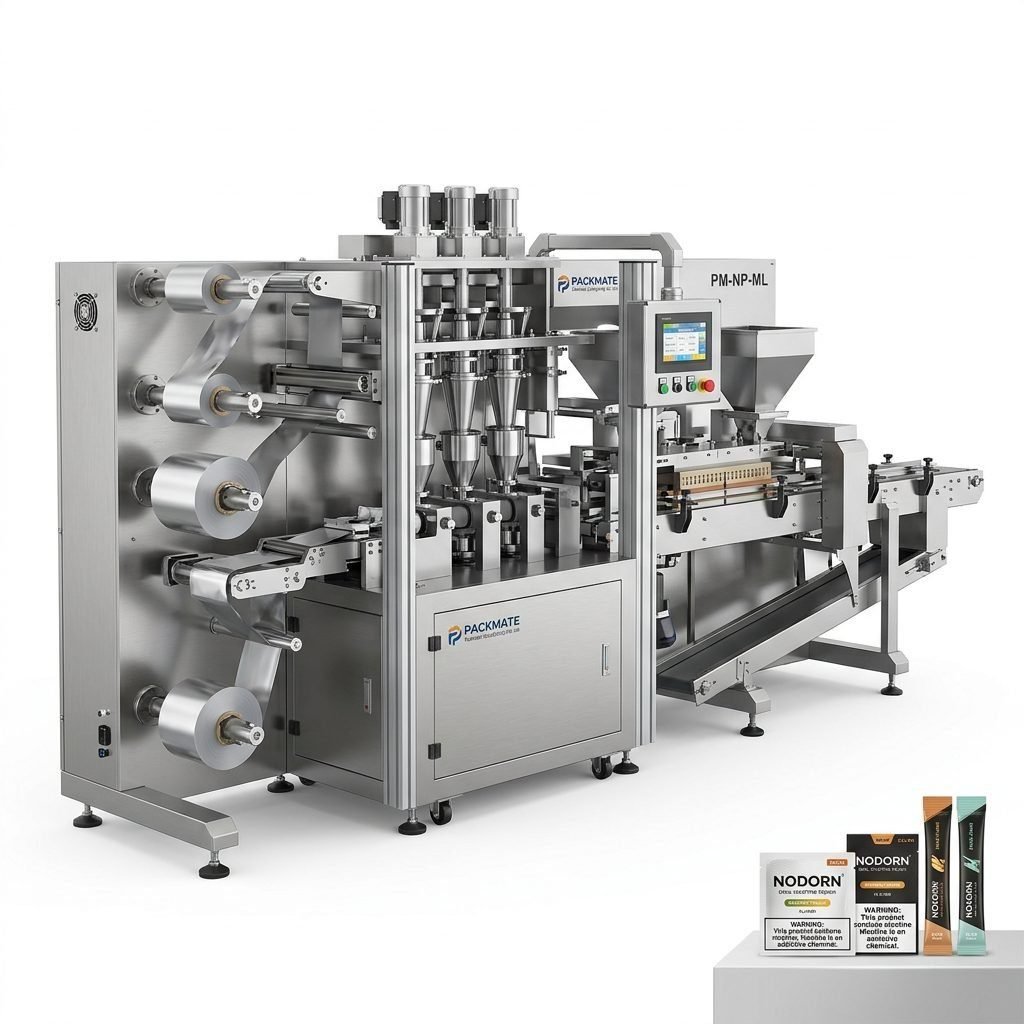
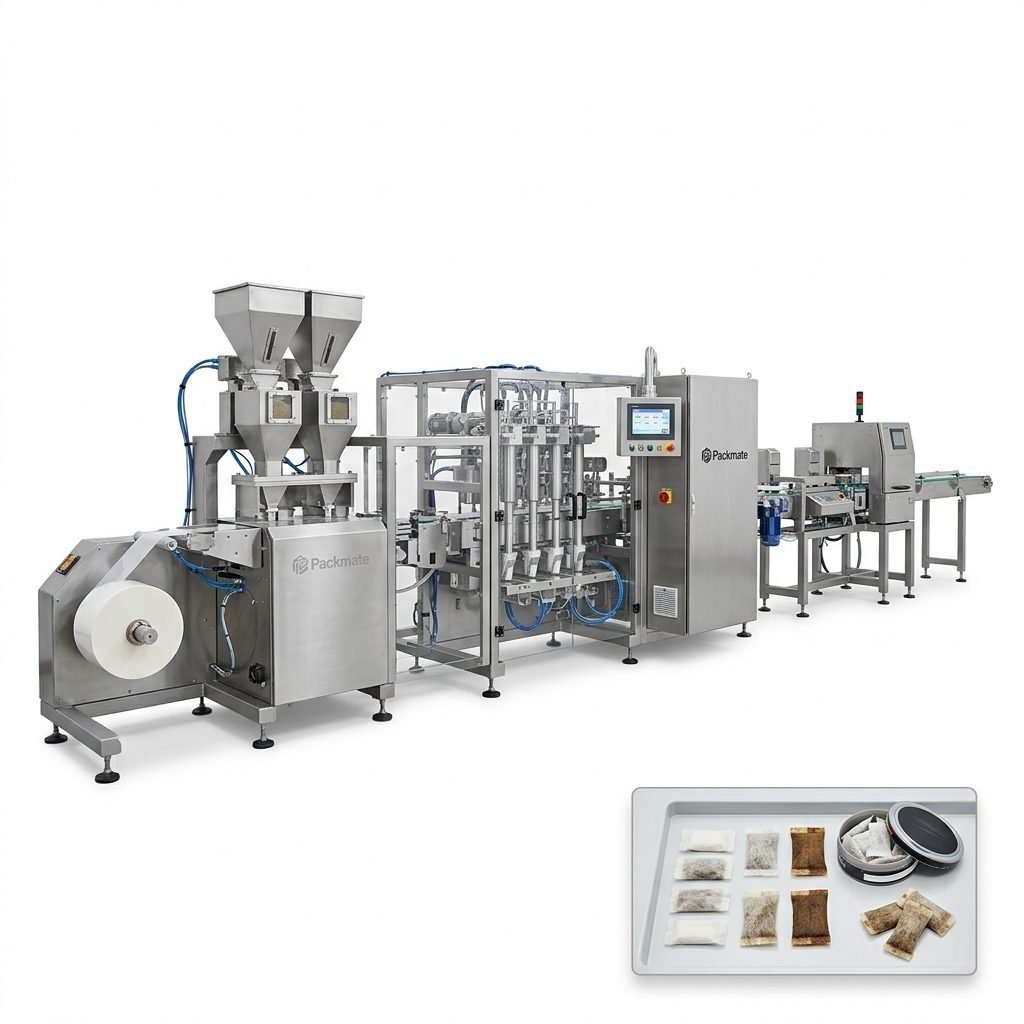
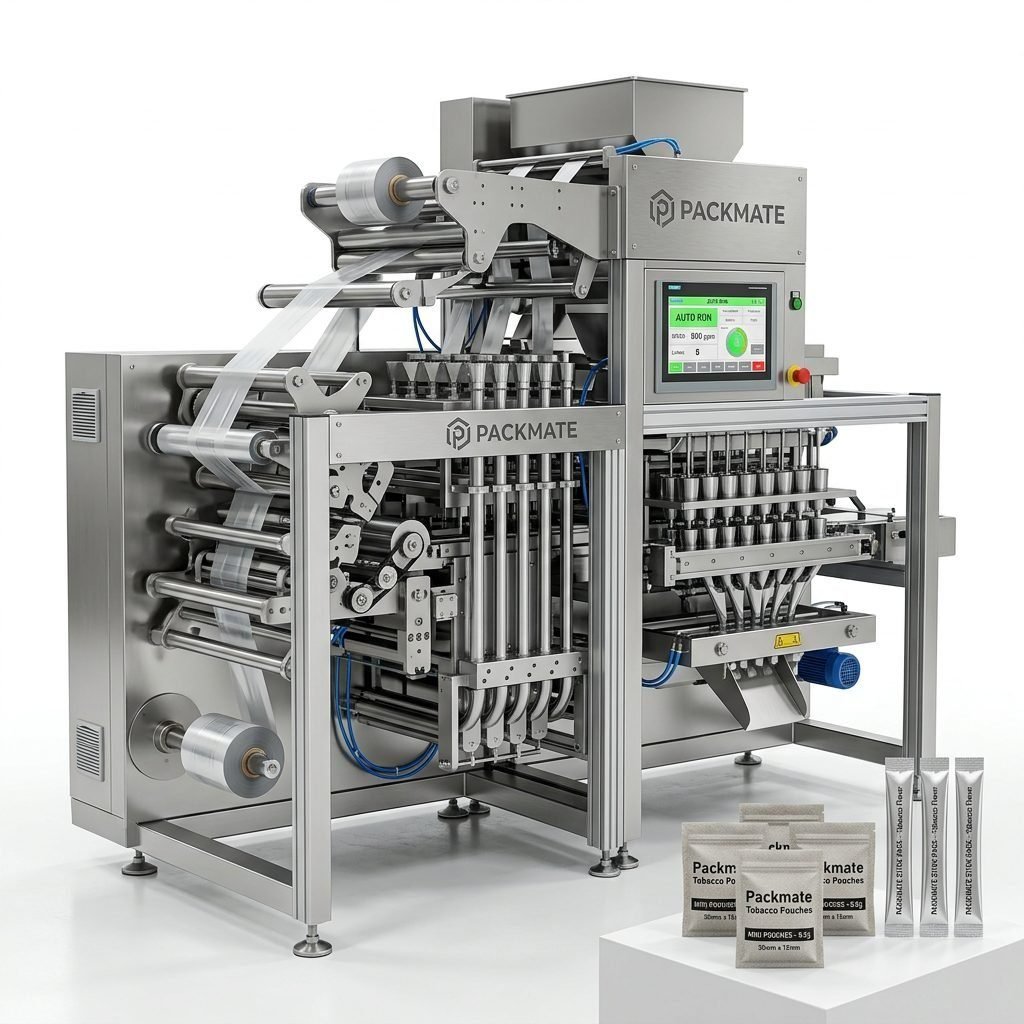
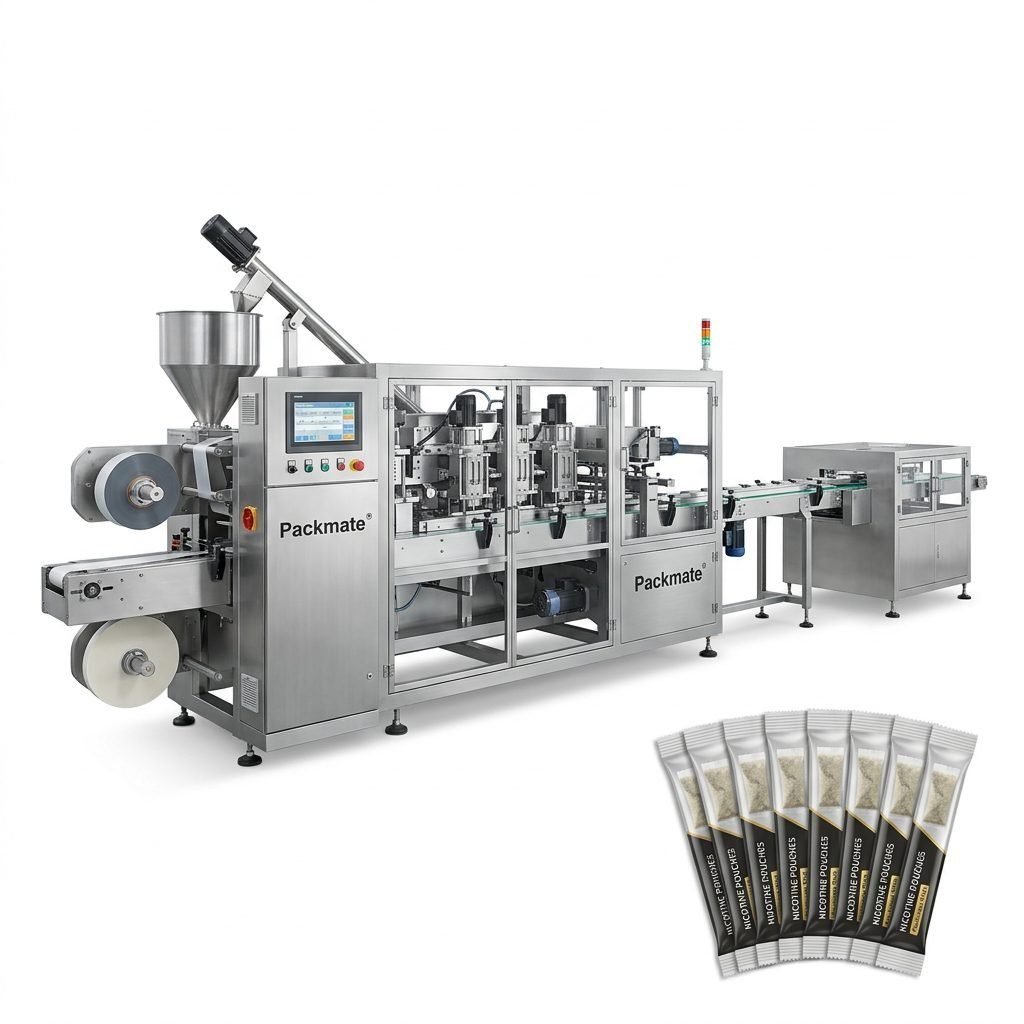
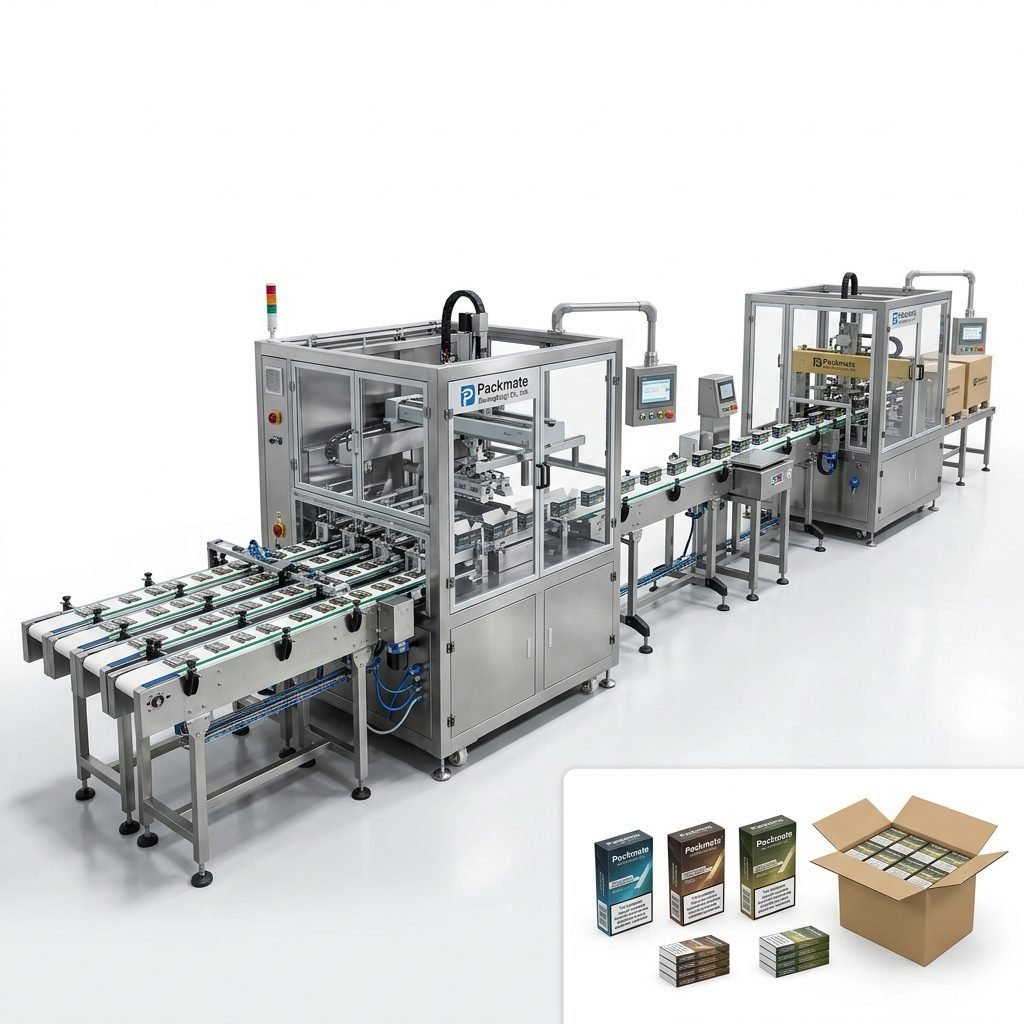
Choosing a reliable snus packaging machine supplier in Kosovo requires a blend of technical due diligence, awareness of local business practices, and clear expectations about after-sales support. This guide walks you through the critical steps—vendor verification, machine capabilities, regulatory compliance, logistics, and service—to help you select a partner who will deliver stable production, timely support, and long-term value for your nicotine pouch or snus packaging line.
Understand the Kosovo Market & Local Requirements
Kosovo is a small but growing market in the Western Balkans with a strong entrepreneurial culture and a preference for practical relationships built on trust. When sourcing packaging equipment here, consider language preferences (Albanian and Serbian are commonly used), local import procedures, and consumer habits. Business dealings often value personal visits and direct communication—planning an on-site meeting or a detailed live demo (virtual or in-person) can significantly strengthen negotiation outcomes.
🔍 Tip: Because Kosovo is not an EU member but aligns many standards with Europe, ensure the supplier understands local customs clearance, VAT rules, and labeling requirements to avoid delays at import.
Key local considerations
• Language for manuals and training: Request documentation in English and consider local-language translation for operators.
• Local service network: Prioritize suppliers who can provide regional engineers or fast-shipment spare parts to Kosovo.
• Cultural etiquette: Respect for punctuality and formality in meetings can help foster trust and smoother negotiations.
Verify Supplier Credibility and Manufacturing Strength
A reputable supplier will have transparent company information and verifiable factory capabilities. Look for established manufacturers with decades of experience, robust production facilities, and international certifications. For example, Packmate Snus Machine brings more than 30 years of engineering experience, a 20,000㎡ production site, advanced CNC machining and assembly systems, and CE/ISO compliance—these are the kinds of indicators that reflect the ability to deliver reliable snus and nicotine pouch packaging lines.
✅ Must-check: factory photos, production capacity, CNC equipment, quality control procedures, and a timeline showing development & delivery capacity.
Documentation to request
Ask for: company registration, factory photos, equipment lists (CNC, assembly lines), ISO/CE certificates, machine datasheets, and recent project references or case studies. You can review case examples to confirm similar projects and outcomes—see real-world projects and references to evaluate consistency and quality.
View case examples
Match Machine Capabilities to Your Product & Throughput Needs
Different snus and nicotine pouch formats require specific filling, sealing, dosing, and packaging solutions. Accurately define product characteristics—pouch type (loose snus pouch, nicotine pouch), pouch size, dosing precision, fill material (powder, granule, liquid), and target production speed. Suppliers offering multi-lane systems and turnkey automation are advantageous when scaling production.
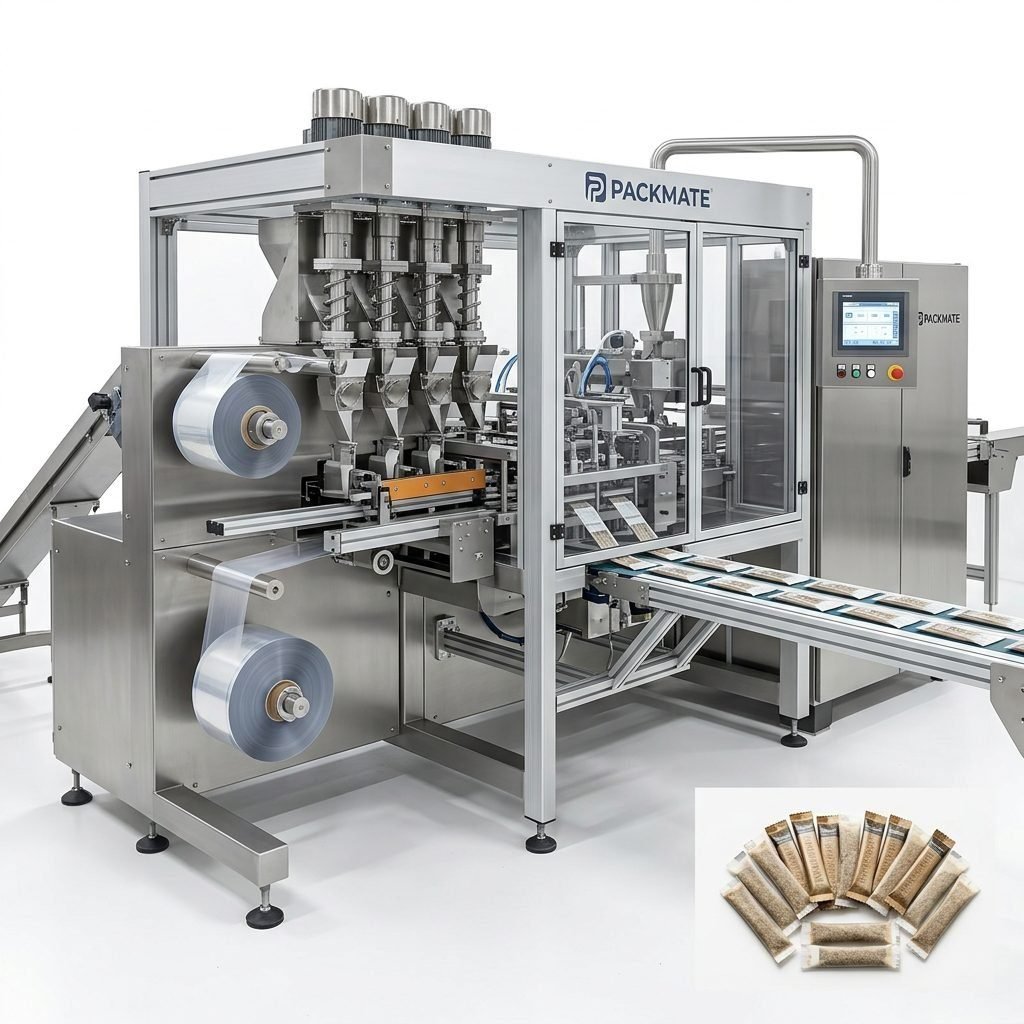
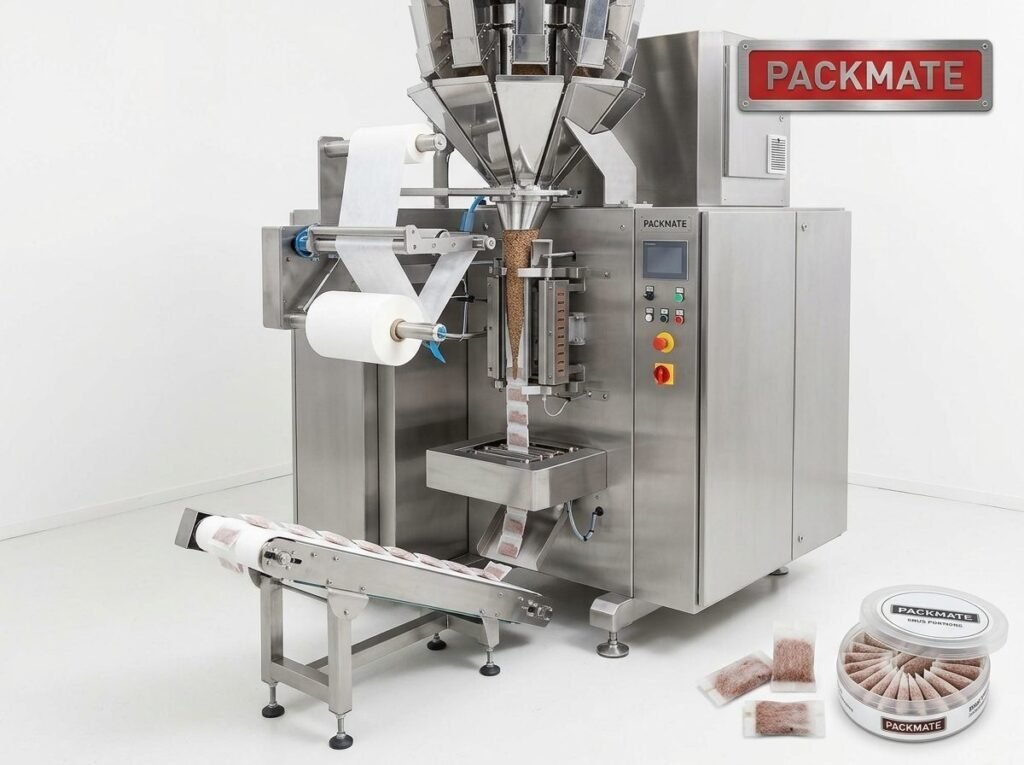
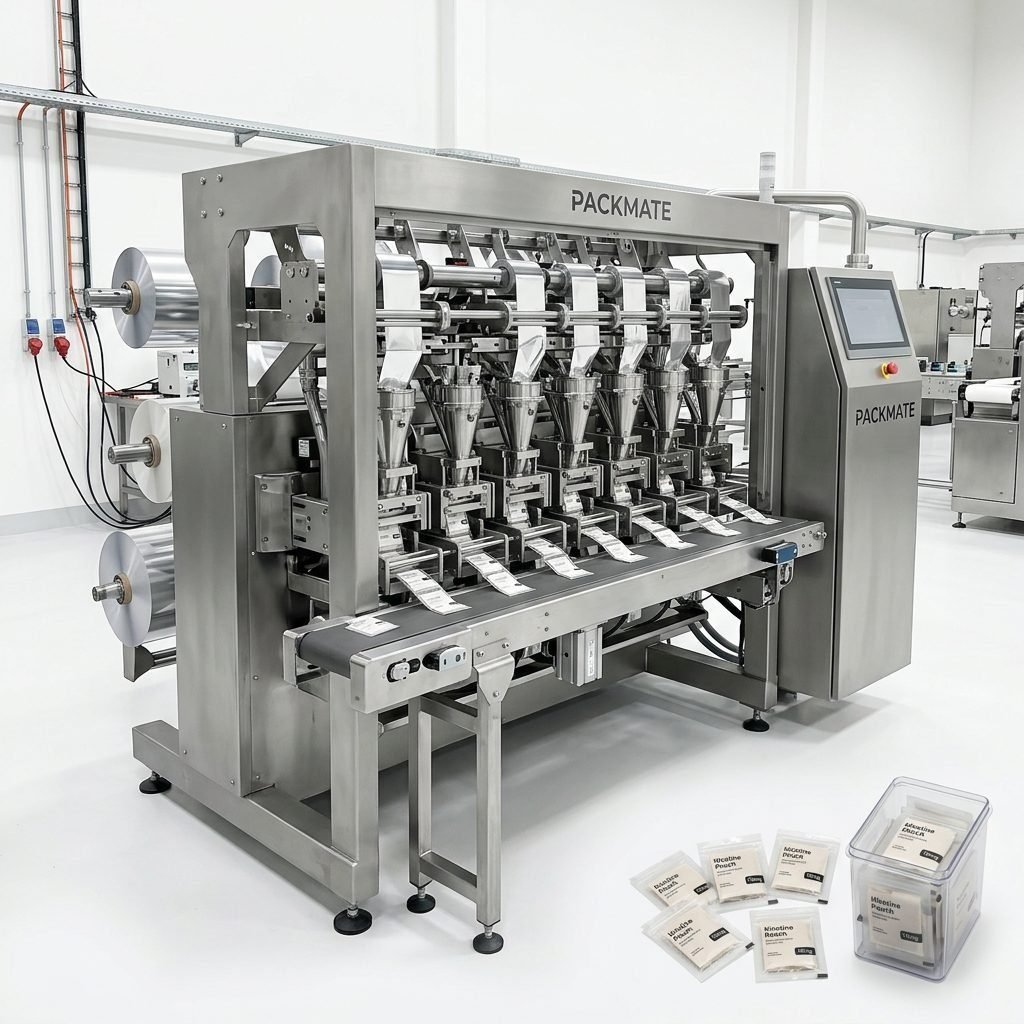
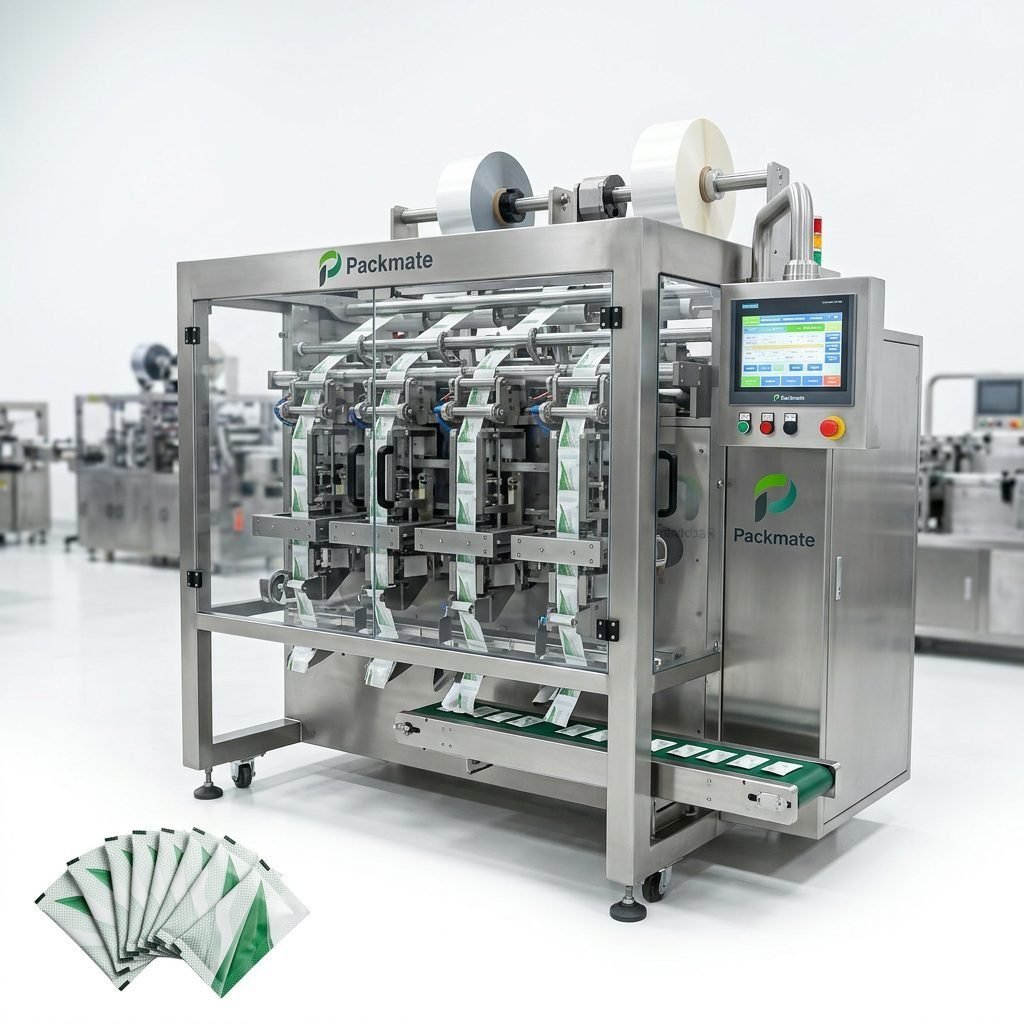
Look into machine models such as stick pack, sachet machines, and multi-lane snus pouch lines. For detailed product lines and machine types, review a full product catalog to confirm fit for your requirements:
Snus & Nicotine Packaging Machines ·
Sachet & Stick Pack Machines
🔧 Capacity checklist: target pieces per minute, expected uptime, material handling, multi-lane synchronization, and scalability for future products.
Check Certifications, Compliance & Safety Standards
You must ensure machines meet international safety and hygiene standards. CE and ISO certificates are common indicators of compliance. Also verify electrical standards, local compatibility for power supply, and any region-specific documentation required for tobacco or nicotine product lines in Kosovo.
Suppliers with rigorous testing and quality control protocols reduce the risk of early-life failures. Request a factory acceptance test (FAT) report or a video demonstration of your exact machine model producing a sample run.
Certificate
Evaluate After-sales Service, Training & Spare Parts Supply
After-sales support is a decisive factor for operations in Kosovo where local technical resources may be limited for specialized packaging machines. Confirm response times, engineer availability, remote diagnostic capability, and spare part shipment lead times. Look for suppliers offering operator and maintenance training, plus readily available spare parts kits.
Companies that provide turnkey services and lifecycle support, including installation, commissioning, and long-term servicing, are preferable for first-time packaging lines. For detailed service offerings, check the supplier’s service pages and warranty policies:
Service ·
Contact Us
📦 Spare parts strategy: ask for a recommended spare-parts list for 12 months of operation and lead time guarantees for critical components.
Pricing, Payment Terms & Total Cost of Ownership (TCO)
A low purchase price can hide higher operating costs. Evaluate energy consumption, maintenance frequency, spare parts costs, and expected machine lifespan. Ask suppliers for a transparent cost breakdown: machine price, shipping, customs, installation, commissioning, training, spare parts starter kit, and extended warranty options.
Negotiate payment terms that reduce risk—typical supplier arrangements include stage payments tied to milestones: deposit, pre-shipment inspection, and final payment upon acceptance. For high-value turnkey lines, consider third-party escrow or documentary credits to safeguard both parties.
Factory Visits, FAT and Acceptance Testing
Whenever possible, conduct a factory visit or request an on-site FAT to witness machine performance on your product. FATs should include real-format sample production, measurement of speed and accuracy, noise and vibration checks, and interface demos for HMI and PLC operation. If you cannot visit physically, insist on a detailed live-streamed FAT with a checklist and recorded test run.
🌍 Remote FAT: Ensure traceable records, timestamps, and independent verification of output for acceptance in Kosovo.
Logistics, Installation & Local Regulations
Plan logistics carefully: packing, crate dimensions, freight method (air/sea), customs documents, and on-site installation planning. Provide your supplier with the final destination address and local handling capabilities. Local compliance may require machine labeling, CE documentation, and user manuals in specific formats.
If you’re importing into Kosovo, work with an experienced customs broker familiar with nicotine product equipment to minimize hold-ups. Confirm who handles import duties and inspection costs upfront—this should be stated in the purchase terms.
Installation & commissioning checklist
• Pre-shipment inspection dates and acceptance criteria.
• Installation scope: mechanical alignment, electrical connection, and product trials.
• Operator and technician training plan and language arrangements.
• Warranty start date (often linked to commissioning).
How to Negotiate a Supplier Contract
Use clear, detailed contracts that specify delivery timelines, acceptance criteria, performance guarantees, penalties for missed milestones, warranty terms, spare parts supply, and training obligations. Include a Service Level Agreement (SLA) for response times on critical failures and specify who is responsible for shipping and customs clearance.
⚠️ Negotiate: acceptance criteria, spare parts minimum stock, maximum resolution times for critical breakdowns, and language for technical documentation.
Selecting a Long-term Partner vs. One-off Supplier
For growing brands in Kosovo, a long-term partner who can expand capacity, provide upgrades, and support new SKUs is far more valuable than a one-off supplier. Evaluate a supplier’s roadmap for new technologies, their approach to automation, and willingness to develop tailored solutions (e.g., multi-lane scaling, integration with weighing systems).
Check the supplier’s global footprint and whether they have repeat customers in nearby regions—this often indicates reliable after-sales service and product maturity. For more on supplier capabilities and global presence, refer to the company profile:
About Packmate
Practical Next Steps for Kosovo Buyers
1. Prepare a detailed Request for Quotation (RFQ) with product specs, target capacity, desired automation level, and acceptance criteria.
2. Shortlist 2–4 suppliers with proven experience in snus/nicotine pouch equipment.
3. Request FATs, references, and full documentation; if possible, visit the factory or arrange a live FAT.
4. Negotiate terms including warranty, spare parts, shipping, and training.
5. Plan for installation, operator training, and a spare-parts kit for the first 12 months.
📌 Actionable: include sample product material with your RFQ so the supplier can recommend the exact model and line configuration.
Why Packmate is a strong candidate
With 30+ years of experience and a focus on snus/nicotine pouch systems, Packmate provides advanced multi-lane solutions, complete turnkey lines including weighing and filling systems, and global service experience. Their product range, certification record, and production capacity make them a viable candidate for Kosovo buyers seeking long-term, scalable packaging solutions.
Explore detailed equipment options and supplemental systems:
Weighing & Packaging Systems ·
Filling & Packaging Lines
Final considerations
Investing in high-quality snus packaging equipment is a strategic decision. Consider the supplier’s reputation, the matched capability of the machine, compliance with standards, after-sales response, and logistical readiness for Kosovo. Prioritize partners who offer transparency, detailed documentation, and strong technical support to protect your production and brand reputation.
Common Questions (FAQs)
Q: How long does it typically take to receive and install a snus packaging line in Kosovo?
A: Lead times vary by machine complexity—basic machines may ship in 8–12 weeks, while customized multi-lane turnkey lines can take 16–28 weeks. Add 2–6 weeks for shipping and customs clearance. Confirm timelines in your purchase agreement.
Q: What certifications should I demand from a supplier for nicotine pouch equipment?
A: Insist on CE and ISO certificates, factory quality control evidence, and FAT reports. Also request documentation for electrical standards and any material-contact certifications relevant to your product.
Q: Can the supplier train local staff in Albanian or Serbian?
A: Many global suppliers offer English-language training by default; check whether they provide translated manuals or local-language trainers. If not available, arrange a translator during commissioning.
Q: How should I plan spare parts inventory for the first year?
A: Request the supplier’s recommended spare parts list for 12 months of operation. At minimum, stock critical items: sealing components, belts, sensors, and a starter kit for wear parts.
Q: Where can I find more information about Packmate’s machine models and services?
A: Visit Packmate’s product and service pages for catalogues, case studies, and contact details to arrange technical discussions and FATs.
Catalog ·
Contact