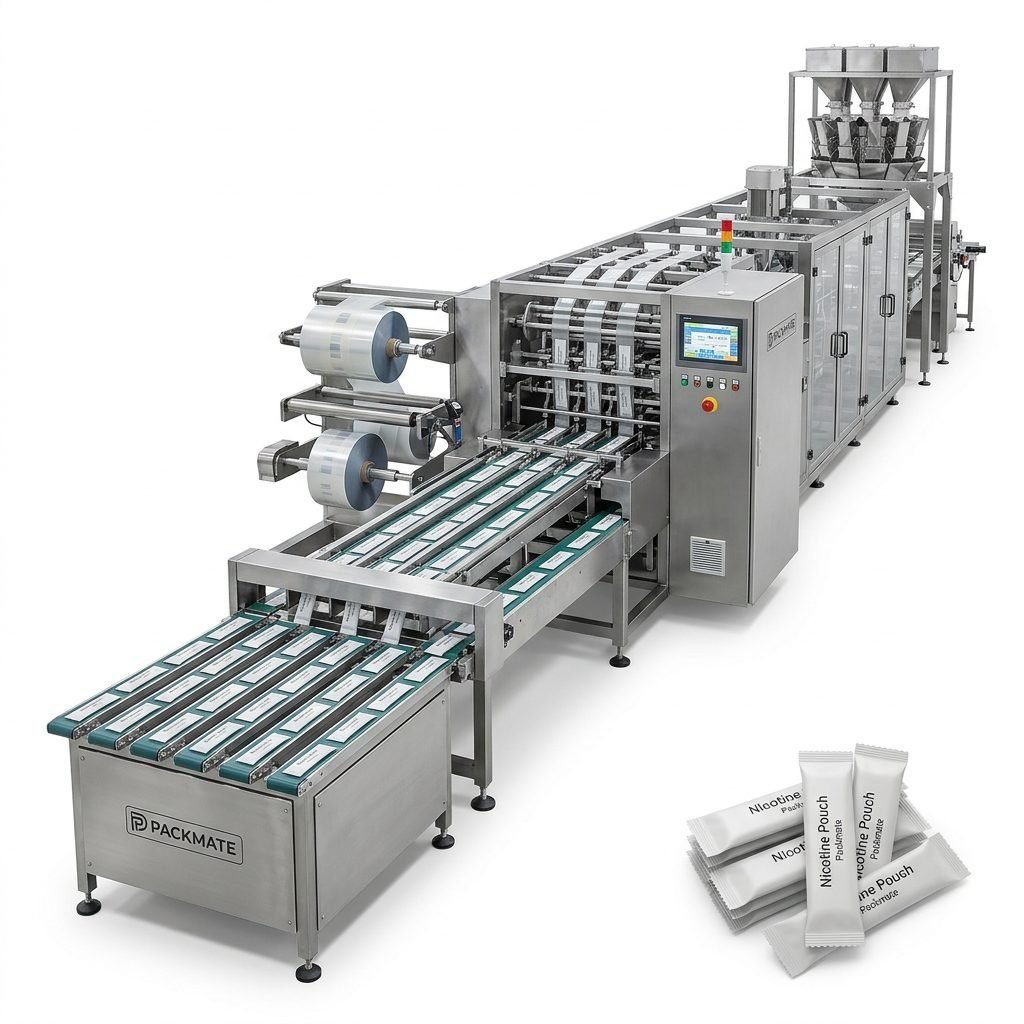
Choosing the right nicotine packaging machine supplier in Romania is a strategic decision that affects production efficiency, regulatory compliance, and long-term costs. This buyer’s guide walks you through practical steps and local considerations to help Romanian manufacturers, contract packers, and importers identify the best partner for snus and nicotine pouch packaging solutions. We cover technical, commercial, and cultural aspects so you can make an informed purchase that fits Romania’s market and operational realities.
Understand Local Market and Regulatory Context
Romania is part of the European Union, and local regulations generally follow EU directives for tobacco and nicotine-related products. However, legal status and interpretation for nicotine pouches can vary by country and evolve over time. Before investing in equipment, ensure your product classification, labeling, and ingredient disclosures comply with Romanian authorities and EU rules. It’s highly recommended to consult a local legal advisor and to confirm whether your product will be treated under tobacco regulations, consumer product laws, or novel nicotine categories.
📌 Tip: Ask potential suppliers for past experience exporting to EU markets and for CE or ISO certificates. Equipment that meets international standards simplifies customs clearance and local certification.
Why supplier compliance matters in Romania
Romanian buyers should prioritize suppliers who provide documentation demonstrating compliance with CE and ISO standards because these documents are often required during product import and local installation. A supplier familiar with European testing laboratories, documentation for machinery safety, and packaging machine hygiene standards can accelerate commissioning and reduce local administrative hurdles.
Technical Specifications: Match Machine Capabilities to Your Product
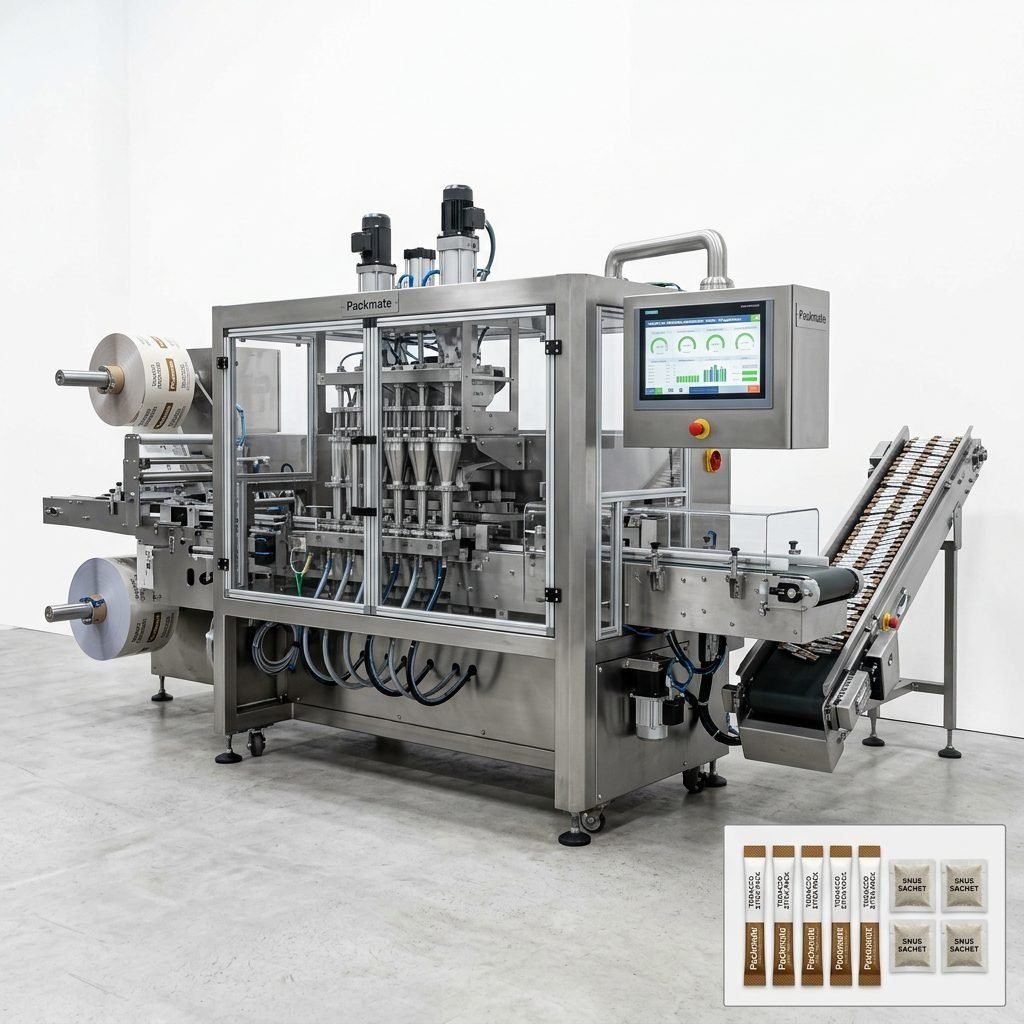
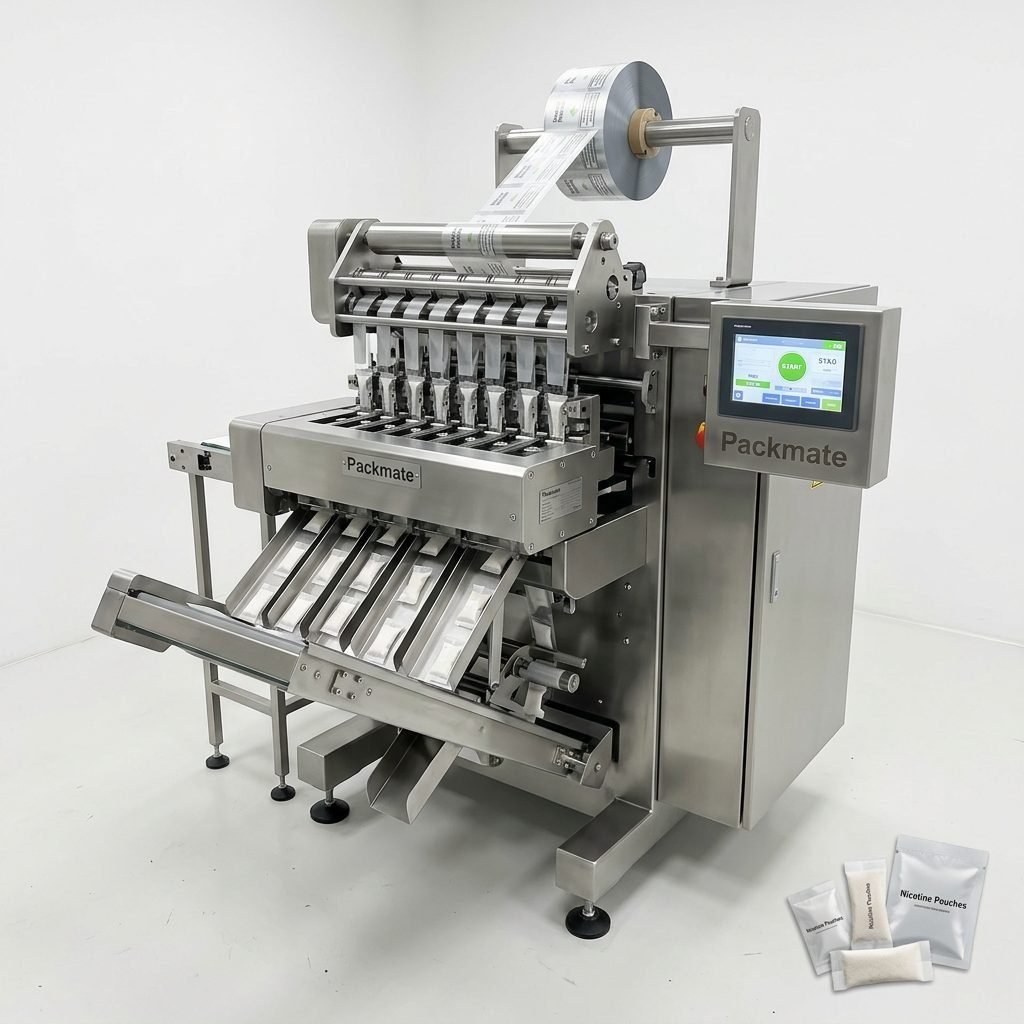
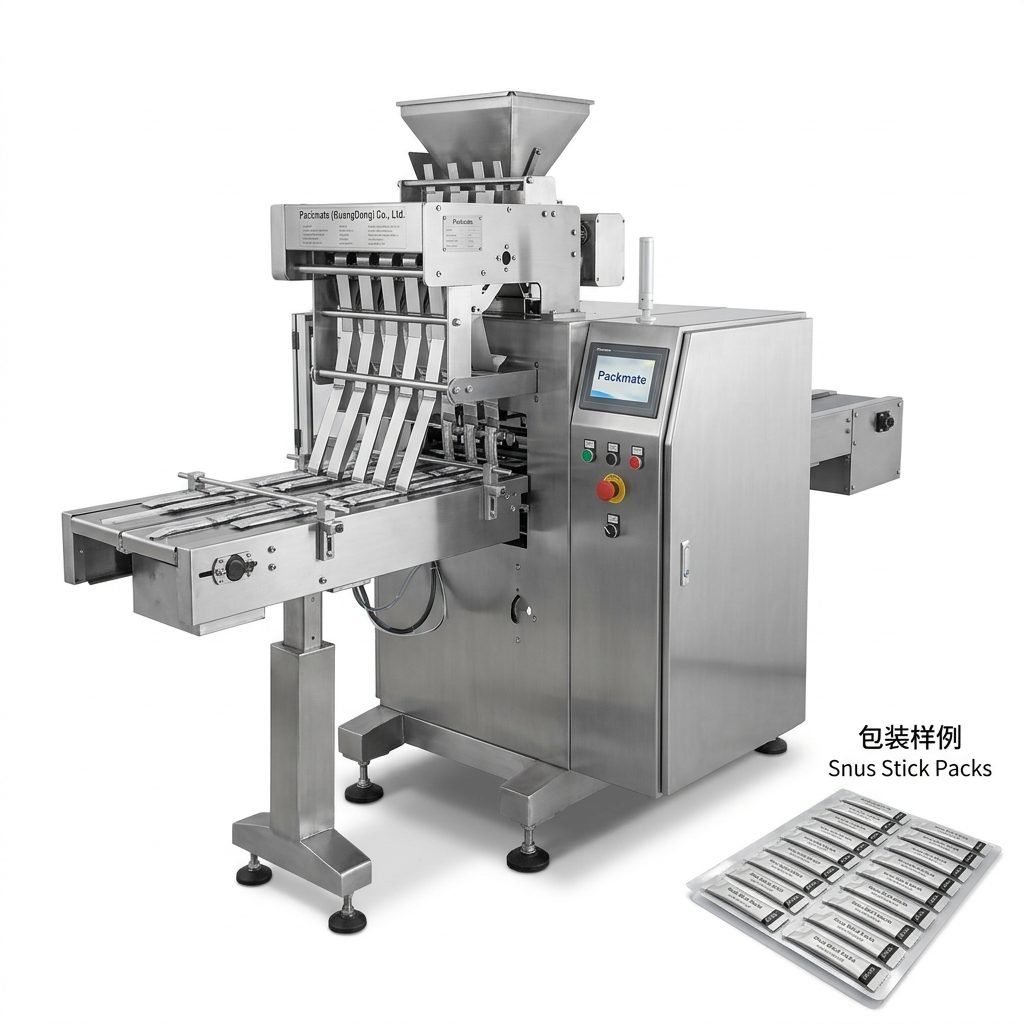
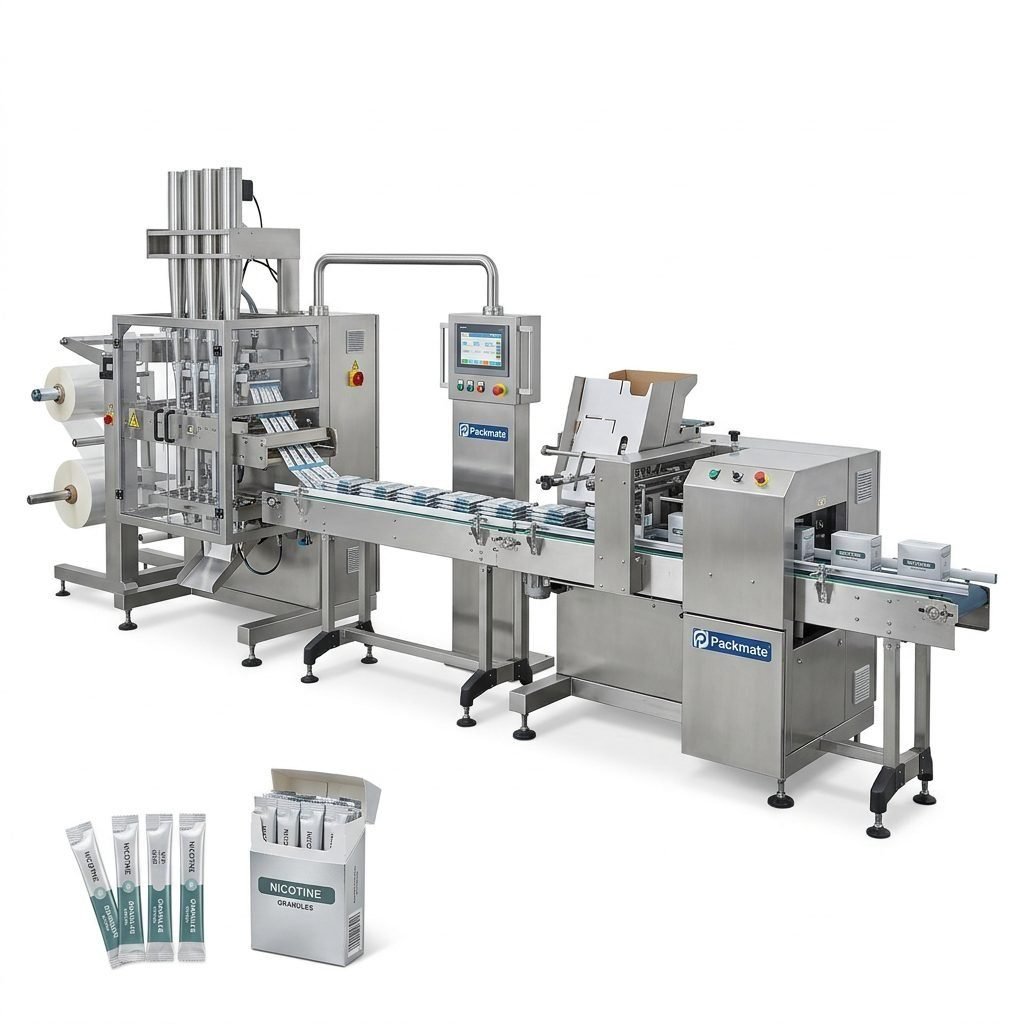
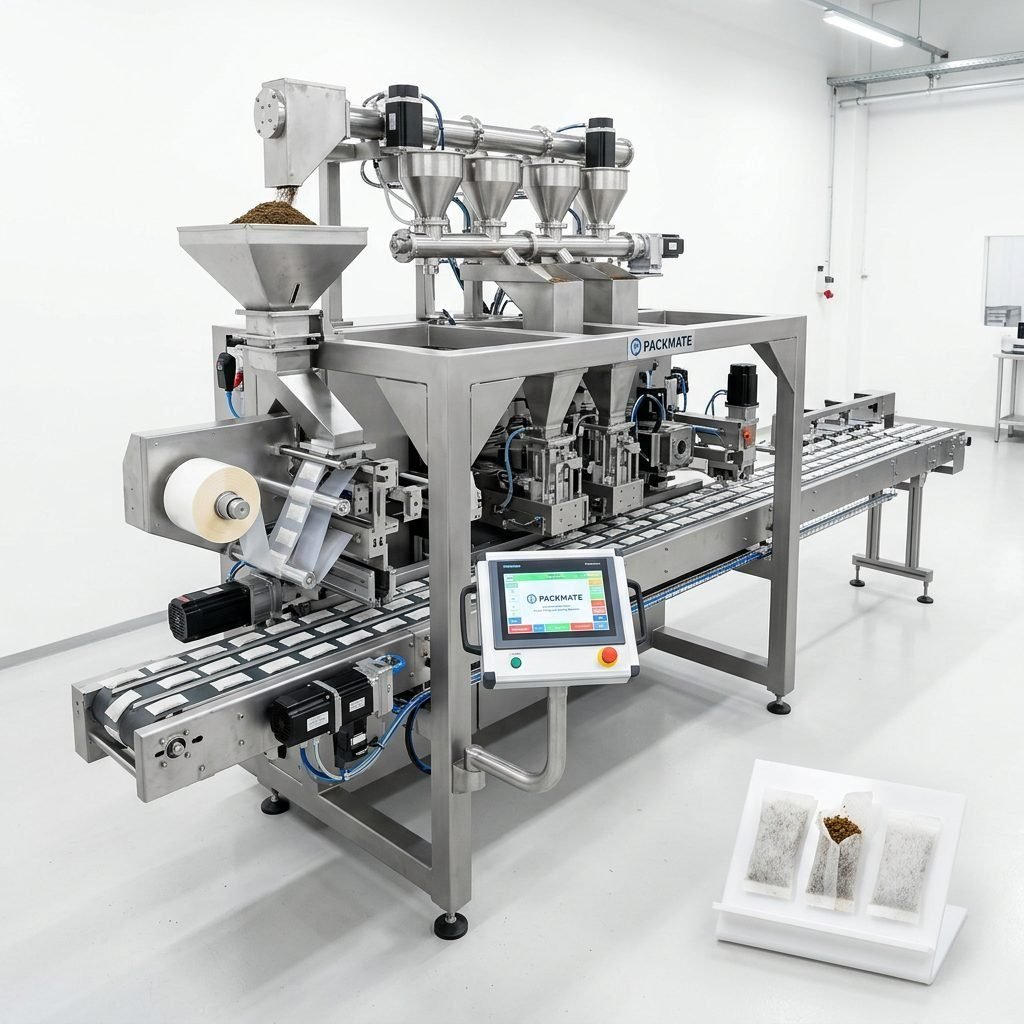
Evaluate machines based on the product format (single-dose nicotine pouches, snus sticks, sachets), target throughput (pouches per minute), filling accuracy, and lane configuration. If you plan multiple SKUs or variable weights, choose a system with flexible dosing modules and quick changeover features. For nicotine pouch production, high-precision multi-lane systems are often essential to achieve small-dose accuracy across many lanes simultaneously.
✅ Key spec checklist: throughput, lane count, filling tolerance, material compatibility, cleanability, and spare-parts availability.
Materials and compatibility
Confirm the machine’s compatibility with pouch materials commonly used in Romania (film laminates, paper laminates, or biodegradable blends). Some packaging formats require specific sealing temperatures or vacuum/modified atmosphere options to preserve product shelf life. Verify the supplier’s ability to test your actual pouch material and nicotine blend before finalizing the order.
Service, Spare Parts and Local Support
After-sales support is critical for continuous production. Prioritize suppliers with an established spare parts supply chain, local or regional service partners, and available remote support. Romanian operations benefit from quick-response maintenance services to avoid costly downtime. Ask suppliers for an example spare-parts list and average lead times to Romania.
Packmate Snus Machine, for example, emphasizes long-term technical support and global turnkey solutions. Check supplier case histories and exhibition presence to evaluate their real-world service commitments and international experience.
Local language and onsite training
While many Romanian engineers and staff speak English, offering training in Romanian or providing bilingual manuals can speed up operator acceptance and reduce errors. Confirm whether the supplier offers multilingual documentation and on-site commissioning with a translator if required.
Production Efficiency and Total Cost of Ownership (TCO)
Purchase price is only part of the equation. Evaluate TCO by factoring in energy consumption, planned maintenance intervals, mean time between failures (MTBF), spare parts costs, and expected yield/waste rates. A slightly higher upfront cost may be justified by lower downtime and better long-term reliability.
🔍 Ask suppliers for lifecycle cost data and references from European customers — real production metrics reveal hidden costs.
Customization and Turnkey Solutions
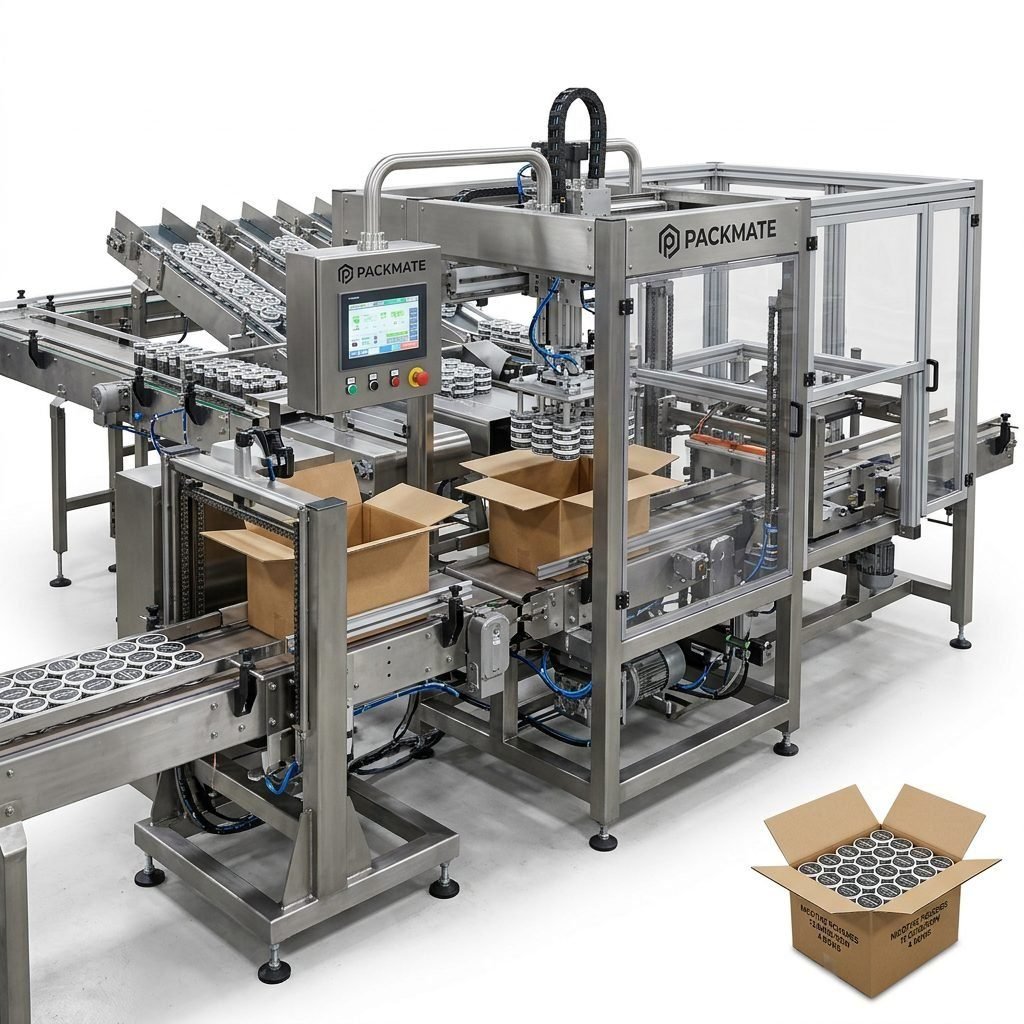
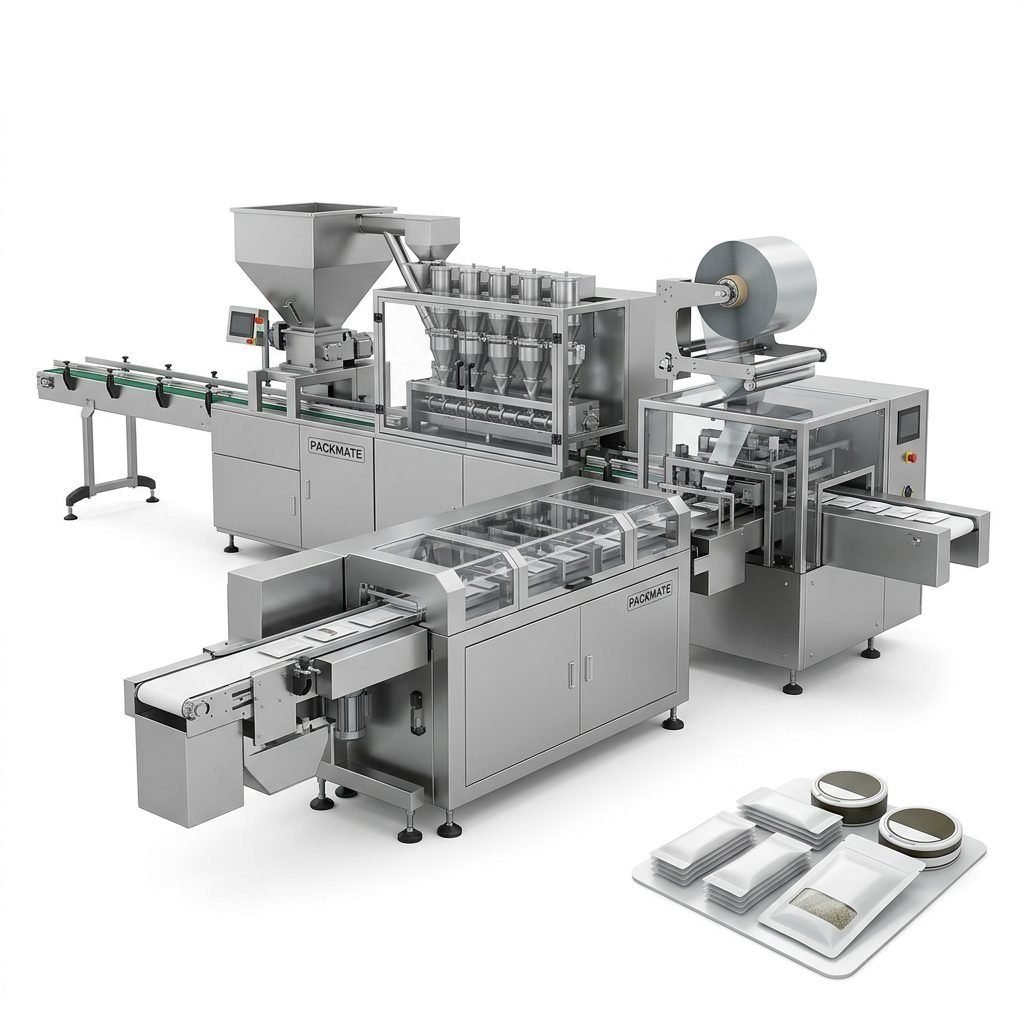
If your project requires an integrated line — feeding, weighing, pouch forming, sealing, inspection, and case packing — work with a supplier experienced in turnkey installations and PLC/HMI integration. Suppliers like Packmate offer turnkey packaging solutions, including multi-lane snus systems and auxiliary equipment, which can reduce integration risk and shorten project timelines.
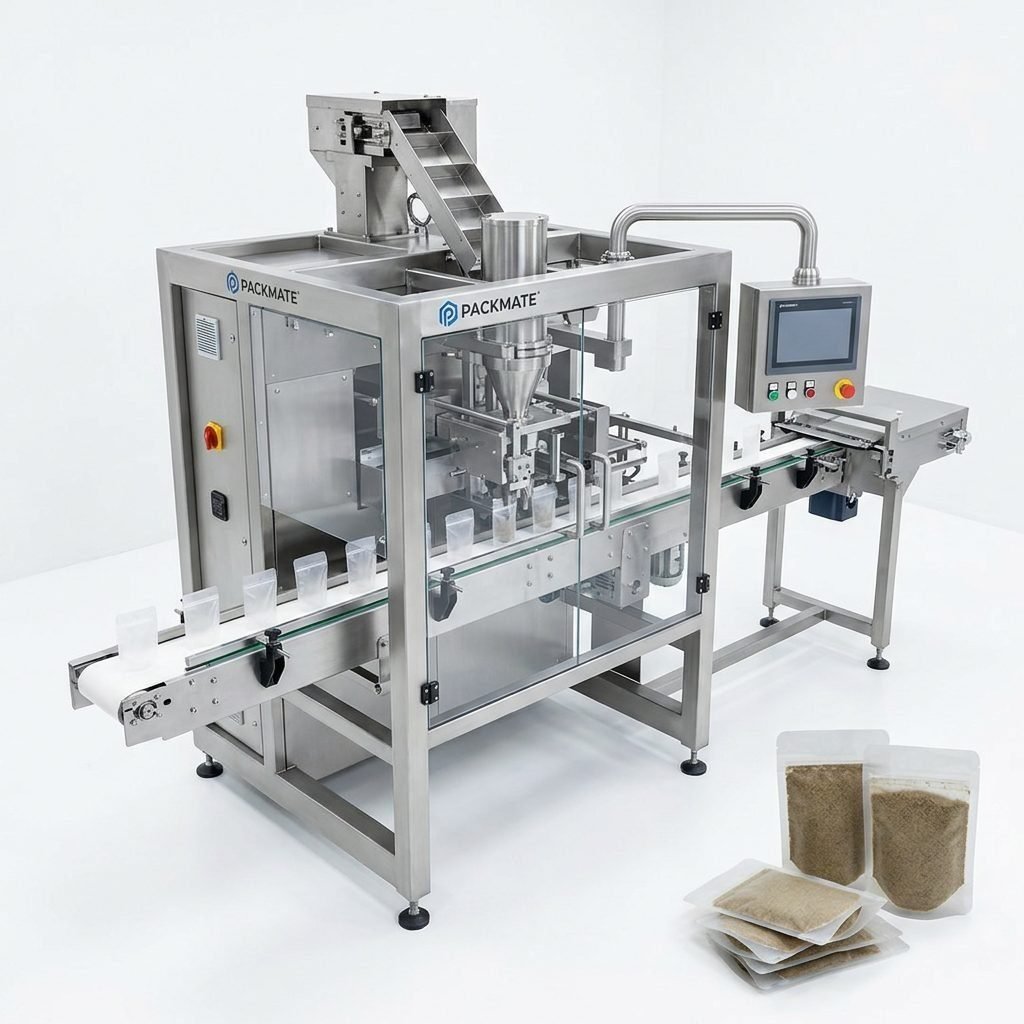
For product references and machine types, explore detailed equipment categories: Snus & Nicotine Packaging Machines, Bag & Pouch Packaging Machines, and Sachet & Stick Pack Machines.
Scalability and phased investment
Consider purchasing a modular line that allows capacity upgrades as demand grows. Romanian businesses often prefer starting with a flexible mid-speed line and adding lanes or auxiliary systems later. Ensure the supplier provides clear upgrade paths and pricing for future expansions.
Factory Visits, Trials and References
Arrange factory acceptance tests (FAT) and, if possible, visit the supplier’s manufacturing site. Seeing machines run with real product samples gives confidence in performance claims. Request client references, ideally from EU or neighboring markets, to learn about long-term reliability and after-sales experience.
You can review company certifications and service records on supplier pages such as Certificate and contact details via Contact Us.
Commercial Terms, Shipping and Installation in Romania
Clarify Incoterms, delivery timelines, and responsibilities for customs clearance in Romania. Ask for an installation and commissioning plan that includes electrical, pneumatic, and civil requirements. Verify warranty terms and the availability of local technical service partners who can handle urgent repairs.
⚠️ Make sure lead times and spare-part delivery estimates are written into the contract — this reduces risk of long production stoppages.
Cultural and Operational Considerations in Romania
Romanian manufacturing teams value practical training, clear documentation, and reliable spare parts. Personal relationships and responsive communication go a long way; suppliers who provide dedicated account managers and timely updates build stronger partnerships. Also consider energy costs and factory shift patterns in Romania when specifying machine cycles and maintenance windows.
Local labor skills and training
Invest in operator and maintenance training programs that match local skill levels. Provide clear SOPs and troubleshooting guides in Romanian to accelerate operator competence and reduce human error.
How to Compare Suppliers — Practical Checklist
When comparing suppliers, score them on: compliance documentation, technical fit, TCO, spare-parts strategy, local support, warranty commitments, NFAs/FATs availability, and references from EU clients. A balanced scorecard helps justify choices to stakeholders and secures board-level approval.
Useful supplier info to request
Request datasheets, videos of machines running with similar products, FAT reports, a spare-parts list with lead times, and client case studies. Suppliers with transparent documentation are usually easier to work with during installation and scale-up.
Next Steps and Where to Find Reliable Suppliers
Start by shortlisting suppliers who demonstrate EU experience, robust documentation, and clear after-sales support. Visit their websites, review product categories such as Weighing & Packaging Systems and Filling & Packaging Lines, and schedule virtual or in-person demonstrations. Verify references and inspect machine performance in FATs before finalizing the contract.
📌 Resource: Learn more about supplier capabilities and case studies by visiting About Packmate and Case sections on supplier sites to assess their manufacturing strength and exhibition presence.
Summary and Buyer Checklist
In summary, Romanian buyers should focus on compliance documentation, proven EU experience, spare parts accessibility, local language support, and clear lifecycle costs. Prioritize suppliers who offer FATs, references from EU markets, and turnkey solutions that simplify integration. A methodical procurement process reduces risk and delivers a packaging line that supports your business growth.
Frequently Asked Questions
Q1: Are nicotine pouch machines allowed in Romania? — Check local regulations and EU directives; classify your product early and consult local legal counsel to verify compliance before procurement.
Q2: What documents should a supplier provide for EU import? — CE certificates, ISO documentation, FAT reports, and a detailed spare-parts list with lead times are essential.
Q3: How important is local service in Romania? — Very important. Fast response times and accessible spare parts reduce downtime and protect production.
Q4: Where can I see real examples and cases? — Visit supplier case pages and exhibition records to view machine demos and client testimonials which indicate field reliability.
Q5: Who can I contact for more information? — Use supplier contact pages and request a dedicated sales and service manager who understands the Romanian market and can organize FATs and on-site commissioning.