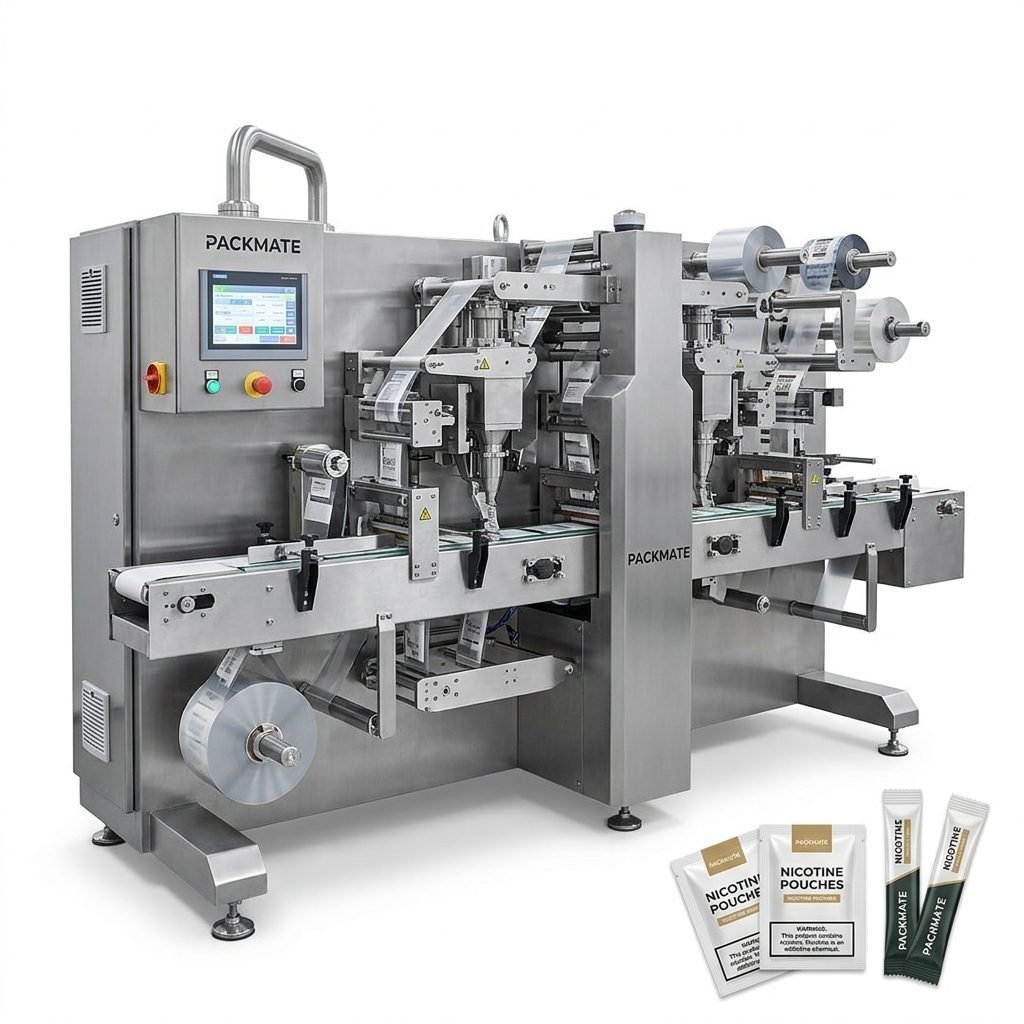
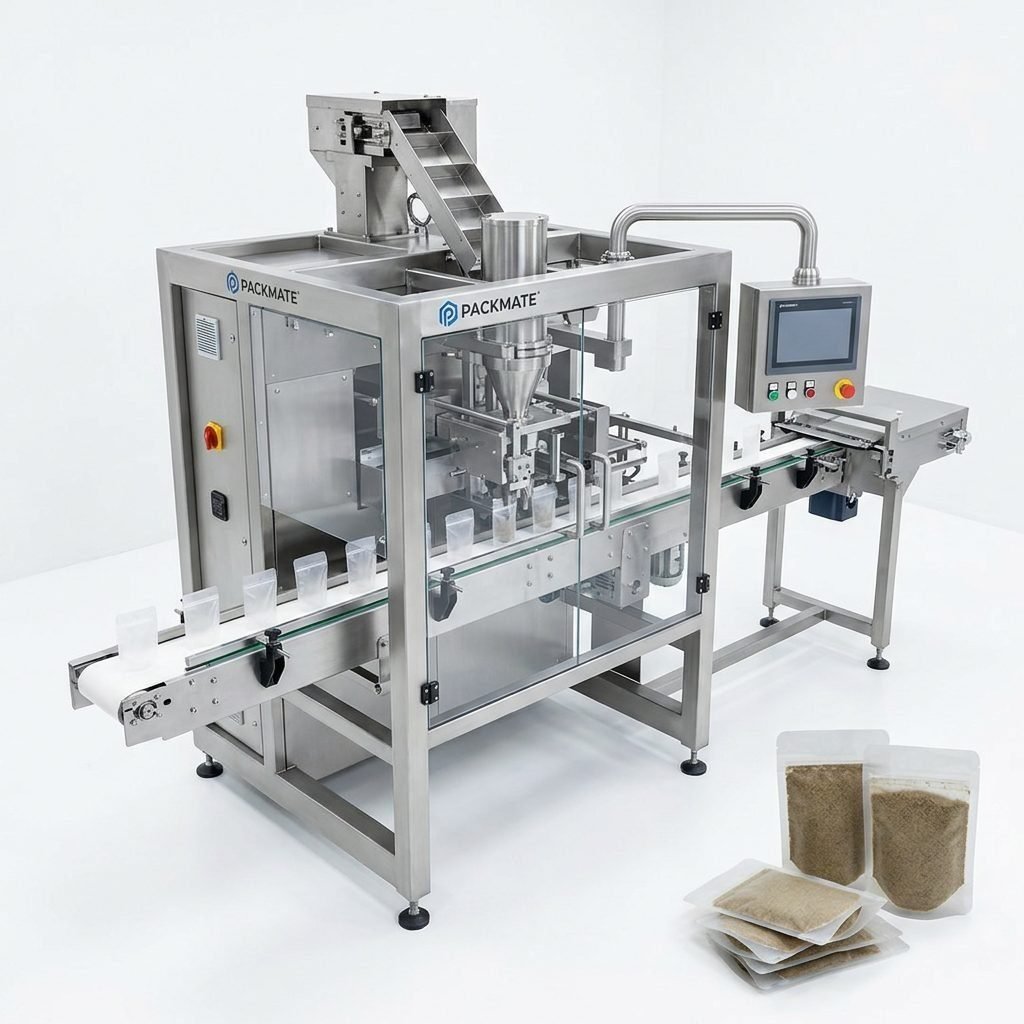
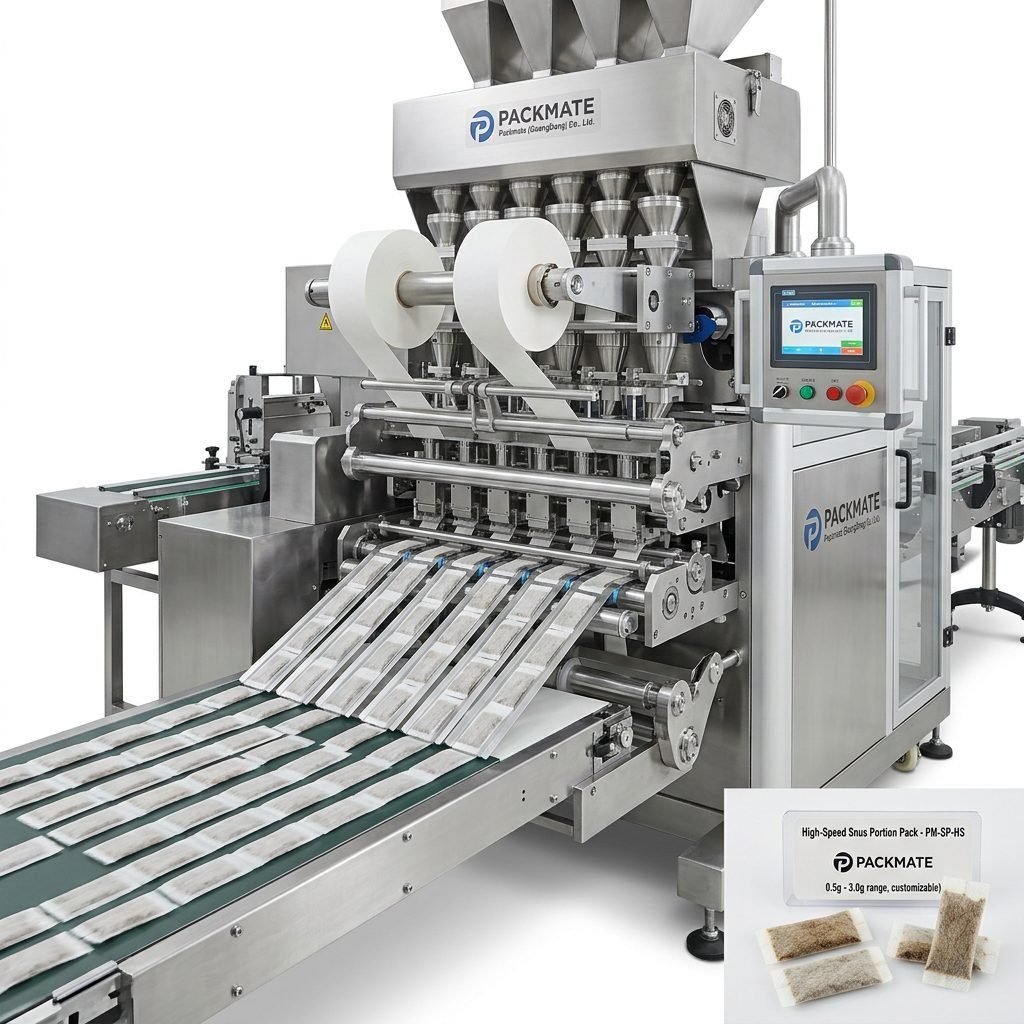
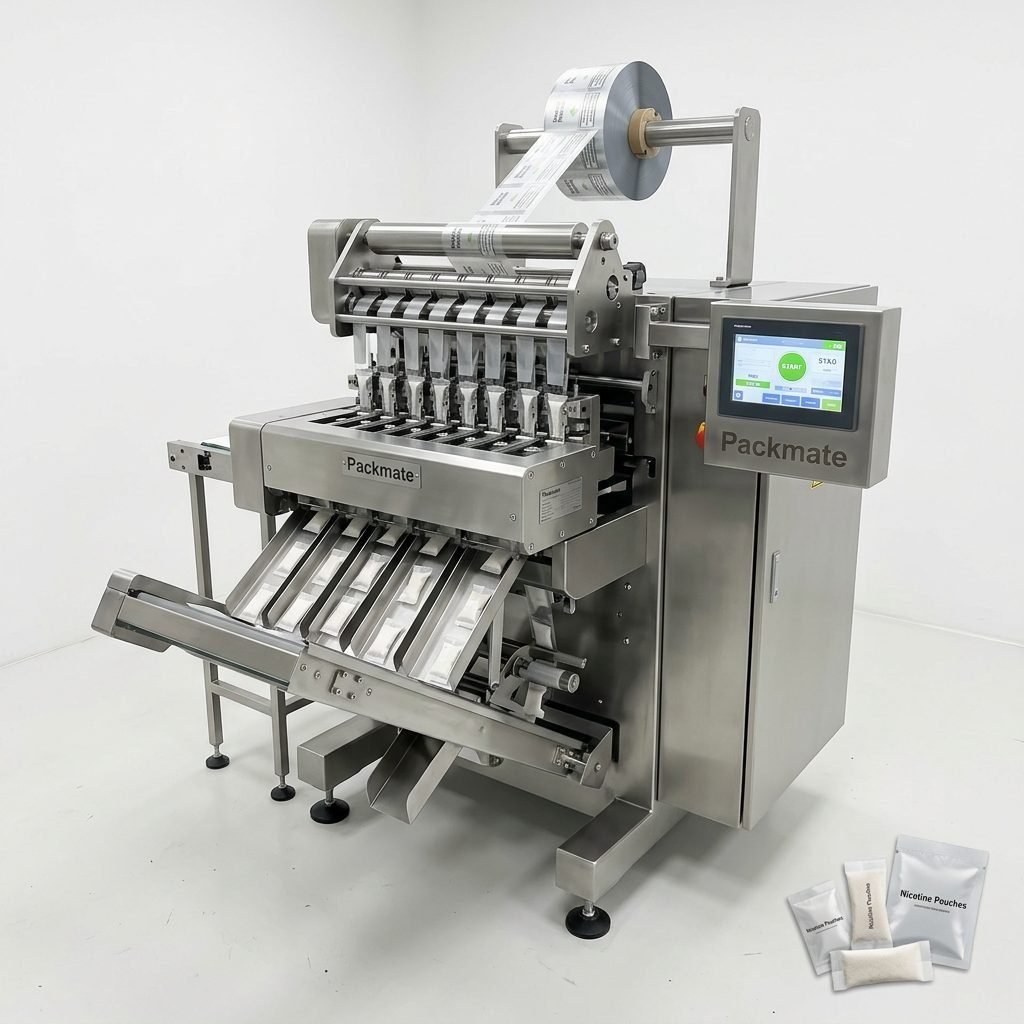
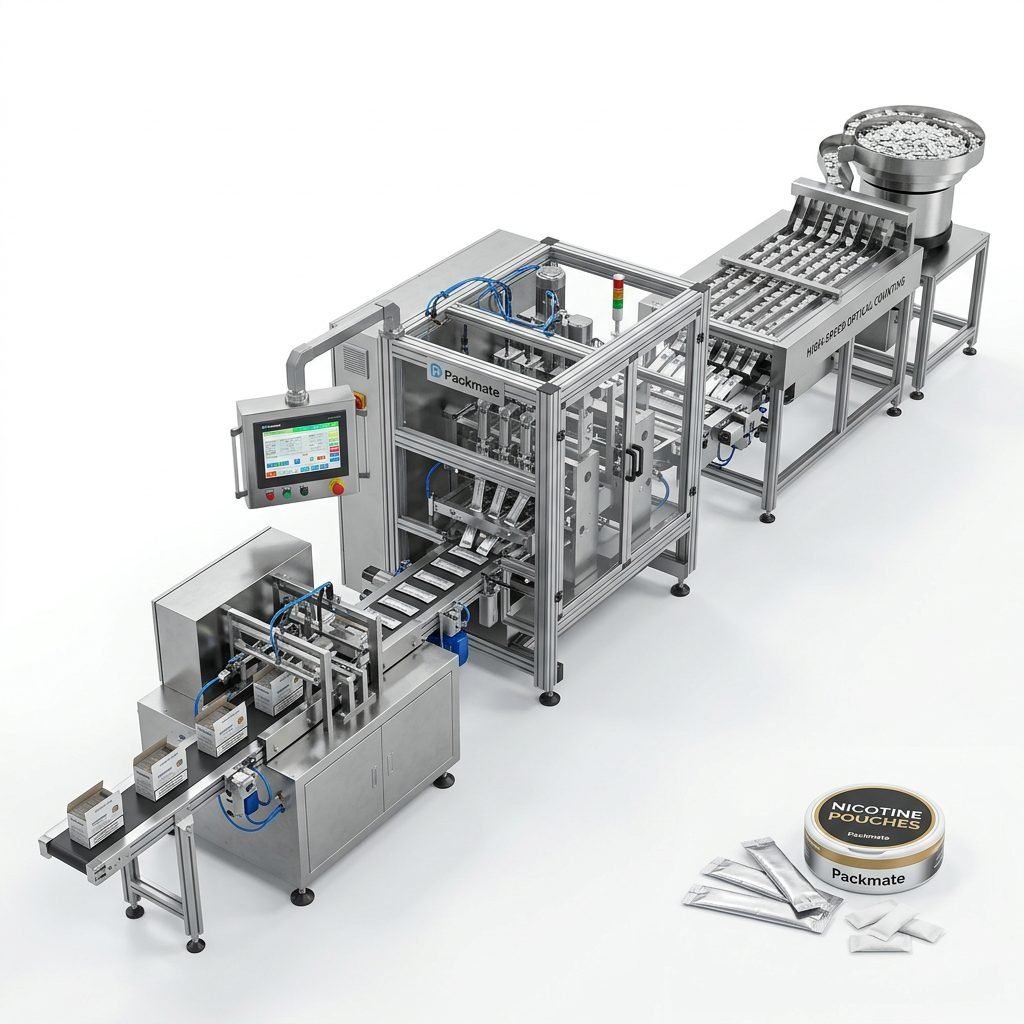
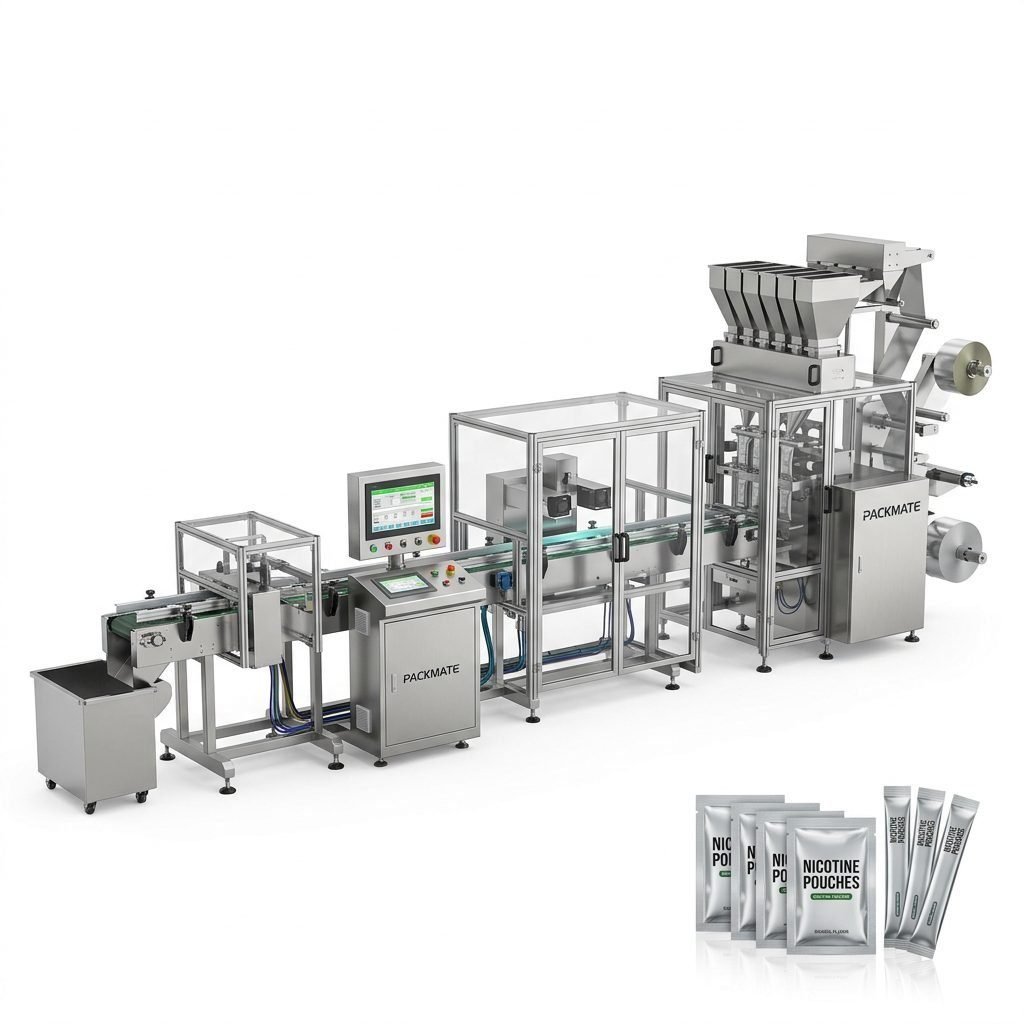
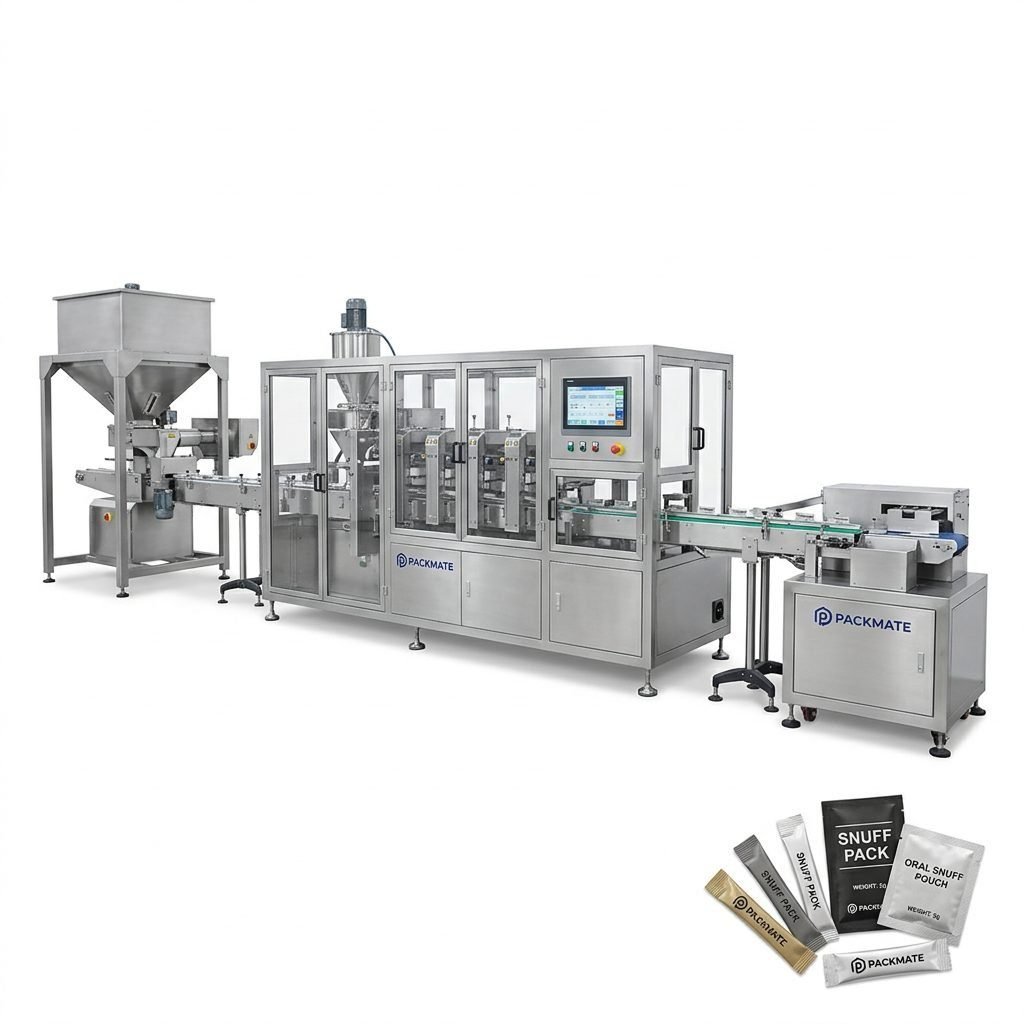
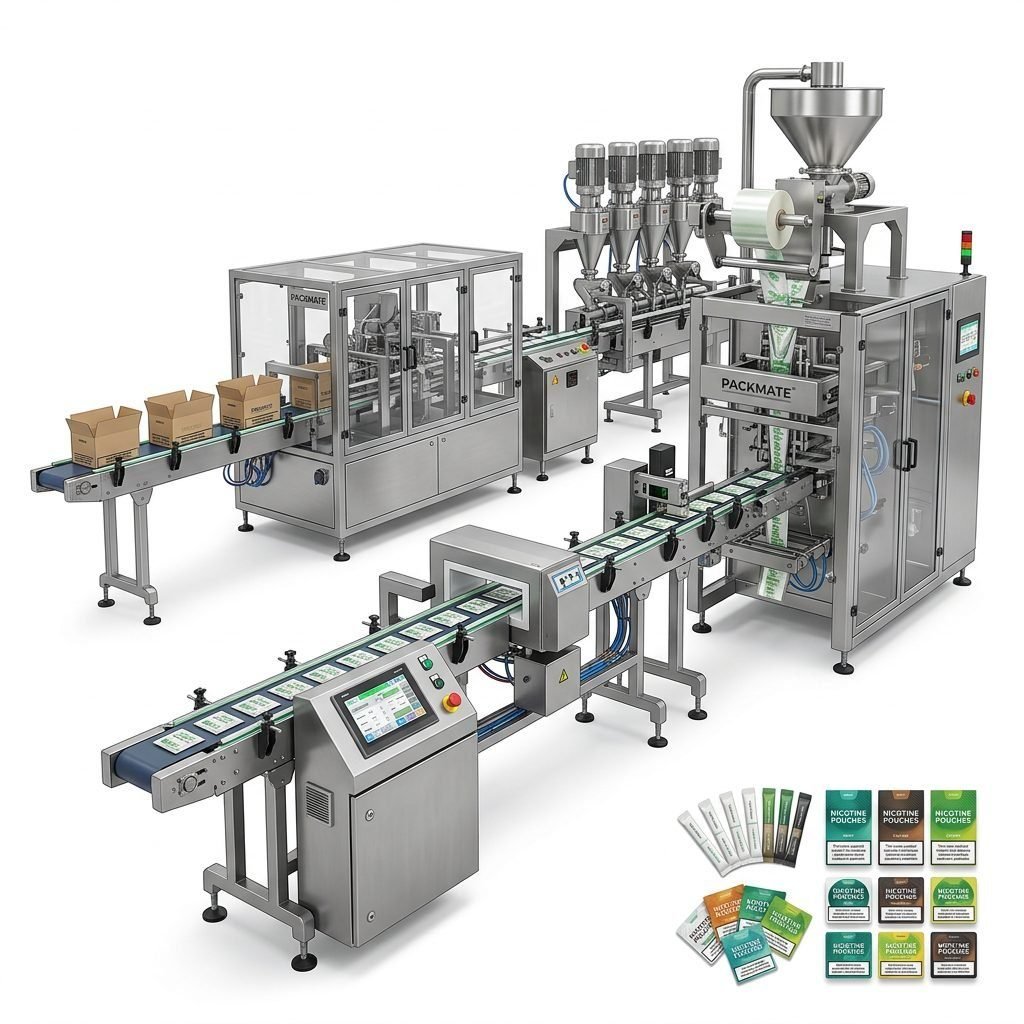
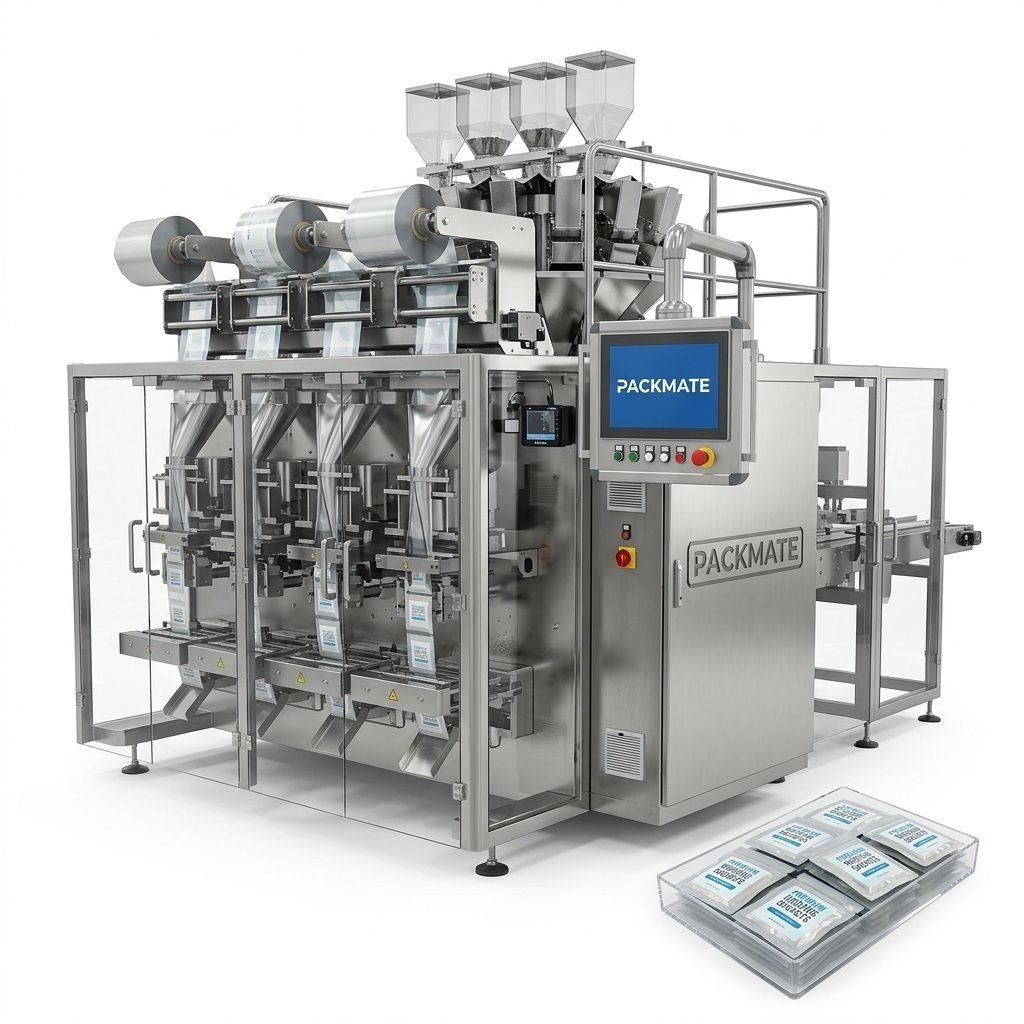
Choosing the right nicotine packaging machinery in Nicaragua requires a mix of technical knowledge, local market understanding, and practical logistics planning. Whether you’re setting up a new production line for nicotine pouches, snus or stick packs, the decision you make will affect product quality, regulatory compliance, and long-term profitability. This guide walks you through the most important factors — from machine specifications to Nicaraguan market habits and infrastructure — so you can select equipment that fits both your production goals and local realities.
Understanding the Nicaraguan Market for Nicotine Products
Nicaragua is a Central American country with a predominantly Spanish-speaking population and distinct regional consumption patterns. Urban centers such as Managua and León tend to adopt new convenience products faster, while rural areas are generally more conservative. When you plan packaging for nicotine pouches or snus, remember that portability, discreetness, and humidity-resistance are often decisive attributes for local consumers.
Local customs and commercial habits
Business in Nicaragua often relies on strong personal relationships and trust. Spanish-language manuals and on-site training in Spanish will smooth commissioning and maintenance. Also, consider local celebration periods and religious holidays when planning production ramp-ups: demand can be seasonal, and scheduling maintenance around these periods is a common practice.
Regulatory environment and compliance
Regulations affecting nicotine products vary across Central America, and enforcement can change rapidly. Ensure that your packaging line can support tamper-evident seals, clear labeling, and any child-resistant features required by import authorities or distributors. Working with CE- and ISO-certified equipment reduces risk when exporting to regional markets. For product-specific machinery information, consider the manufacturer’s product pages such as
Snus & Nicotine Packaging Machines and
Bag & Pouch Packaging Machines.
Key Technical Features to Prioritize
When assessing packaging machinery, focus on features that directly impact product integrity and operational efficiency. Below are the core technical criteria that should guide your selection:
🔧 Capacity and speed
Choose a machine whose hourly output matches your planned production scale. Over-specifying capacity increases capital expense unnecessarily, while under-specifying creates bottlenecks. Look for modular machines that allow capacity scaling without replacing the entire line.
📦 Flexibility and format compatibility
Nicotine products come in multiple formats: pouches, sachets, stick packs, and multi-lane sachets for small-dose products. Machines that quickly switch formats and adjust lane counts help you test SKUs and adapt to market trends. The manufacturer’s range, like the
Sachet & Stick Pack Machines, can be a good reference.
🔒 Sealing quality & material handling
In humid climates such as Nicaragua’s coastal regions, strong seals and moisture-barrier films are critical. Machines should provide reliable heat or ultrasonic sealing, precise film tension control, and gentle product handling to avoid damage to delicate pouches.
🧼 Ease of cleaning and hygiene
Food-grade or pharma-adjacent nicotine products demand sanitary design. Look for open access to critical zones, quick-change components, and materials resistant to frequent washdowns. This reduces downtime for cleaning and helps maintain product safety.
⚡ Energy efficiency and local power considerations
Power quality in some Nicaraguan regions can be variable. Choose equipment with voltage tolerance, soft-start motors, and efficient heaters. Lower energy consumption reduces operating costs in the long run — a critical factor for growing operations.
🛠 After-sales support and spare parts
Fast access to spare parts and technical support is essential. Confirm lead times for critical components, availability of local service partners, and whether the manufacturer offers remote diagnostics. Packmate’s global service resources and documentation can help — see
Service and
Contact Us for details.
Highlighted must-have checklist
✔️ Modular lane adjustments for small-dose nicotine pouches
✔️ CE/ISO compliance and clear documentation in Spanish
✔️ Humidity-resistant seals and barrier film support
✔️ Local-friendly power handling and energy-efficient designs
Choosing the Right Machine Type for Your Line
Different product formats require different solutions. Below are common options and when to choose them:
Stick pack machines
Best for single-dose, low-bulk products. Stick packs are popular where consumers want single-use convenience. They have compact footprint and relatively low maintenance.
Sachet and multi-lane pouch machines
Ideal for nicotine pouches and snus formats where multi-lane output improves yield. Packmate offers advanced multi-lane systems designed specifically for small-dose pouch production — helpful when scaling production without large footprint increases. See product options:
Filling & Packaging Lines.
Installation, Logistics and Local Considerations in Nicaragua
Importing and installing machinery in Nicaragua involves logistics, customs, and local regulations. Key points to plan for:
Shipping and customs
Work with a freight forwarder experienced in Nicaragua to avoid delays. Ensure all machine documentation, CE/ISO certificates, and spare part lists are ready for customs clearance. Consider CIF terms if you want the supplier to handle transport to port.
Local installation and training
Arrange Spanish-language training sessions for operators and maintenance staff. On-site commissioning by the supplier shortens the learning curve and reduces startup glitches. Packmate’s long history and global turnkey delivery experience are helpful when planning complex lines; learn more in the company profile:
About Packmate.
Spare parts and local inventory
Maintain a small stock of critical spare parts locally. Common items like heating wires, belts, and sensors often have longer lead times when imported. Negotiate spare-parts kits upfront to minimize downtime.
Costs, ROI and Budgeting
Evaluate both upfront capital expenditure and ongoing operational costs. Consider the following when calculating ROI:
Initial investment vs. future flexibility
A slightly higher initial cost for flexible, modular machinery often pays off when launching multiple SKUs. Machines that accept a range of film types and pouch sizes extend the useful life of your factory floor.
Operating cost drivers
Power consumption, film waste, labor and maintenance are the main operating costs. Machines optimized for low material scrap and energy-efficient operation improve margins over time.
Practical ROI example
If your line produces 30,000 sachets per hour and you reduce scrap by 1%, the material savings alone can justify a higher-spec machine within 12–18 months depending on film costs and production hours.
Selecting a Supplier: What to Ask
When evaluating a supplier, use a structured set of questions to compare offers. Critical topics include:
Operational guarantees
Request target uptime, mean time between failures, and the approach for field service in Nicaragua. Ask for references and case studies in similar climates and product types; see global cases at
Case.
Training and documentation
Confirm language options for manuals and whether the supplier provides on-site or remote training. Spanish-language SOPs and maintenance checklists accelerate adoption for Nicaraguan teams.
Spare parts & local support
Ask about spare lead times, spare kits included with purchase, and whether regional support partners are available. Suppliers with international exhibition presence often maintain broader service networks; consider viewing the supplier’s exhibition history:
Our Exhibition.
Local Partnerships and Scaling in Nicaragua
Starting with a local distributor or technical partner can accelerate market entry, provide language support, and help navigate customs and distribution networks. As your volumes grow, consider direct relationships with manufacturers for better customization and price negotiation.
Why Packmate is a solid choice
With 30+ years of engineering experience, a 20,000㎡ factory, and a portfolio of snus and nicotine pouch packaging lines, Packmate offers turnkey solutions and multi-lane systems tailored to small-dose pouch production. Machine ranges include snus and nicotine packaging machines, sachet & stick pack machines, and full filling & packaging lines. For more product details visit:
Snus & Nicotine Packaging Machines and
Auxiliary Packaging Equipment.
Final Selection Steps Before Purchase
Before signing a purchase order, validate the following: onsite acceptance test protocol, Spanish-language documentation and training, spare-parts kit, warranty terms, shipping & customs responsibilities, and an agreed timeline for installation and commissioning.
Taking these measured steps reduces risk, aligns supplier capabilities with market realities in Nicaragua, and allows you to build a packaging line that supports product quality, compliance, and future growth.
Frequently Asked Questions
Q1: How long does it take to install a nicotine pouch packaging line in Nicaragua?
A1: Typical installation and commissioning take 2–6 weeks depending on line complexity, customs clearance, and availability of local technicians. Allow extra time for Spanish-language training and validation.
Q2: What are the main maintenance costs to budget for?
A2: Budget for spare parts (belts, sensors, heating elements), periodic seal head replacements, film waste, and routine filter or bearing replacements. Annual preventive maintenance by a trained technician reduces emergency repairs.
Q3: Can these machines handle moisture-sensitive products in tropical climates?
A3: Yes — machines with precise temperature control, strong sealing mechanisms, and support for barrier films are suitable. Also consider climate-controlled storage and production areas to maintain product stability.
Q4: Is local Spanish documentation available for most manufacturers?
A4: Reputable manufacturers often provide manuals and training in Spanish upon request. Confirm this before purchase to ensure smooth operator training and maintenance.
Q5: Where can I see references or demonstrations of these machines?
A5: Visit manufacturer exhibition pages, case studies, and product galleries to review demonstrations. For Packmate, see their case studies and exhibition details at
Case and
Our Exhibition.