Selecting the right snus packaging machine manufacturer is one of the most important strategic decisions for a tobacco or nicotine pouch business in Vanuatu. The right supplier not only provides equipment, but also ensures smooth supply chains, local regulatory compliance, reliable after-sales service, and long-term production stability. This guide walks you through the technical, commercial, cultural and logistical considerations specific to Vanuatu, giving you a step-by-step approach to choose the best partner.
🔎 Why choosing the right manufacturer matters in Vanuatu
Vanuatu is an island nation with a small market and dispersed population centers. Import cycles are often slower, freight costs higher, and local technical resources limited. For these reasons, the manufacturer you choose must be technically reliable, export-experienced, and prepared to support remote commissioning and spare parts delivery. In addition, producers in Vanuatu and the wider Pacific tend to emphasize community relationships and regulatory transparency. Choose a manufacturer who understands customs procedures at ports like Port Vila and Luganville, can document compliance (CE, ISO), and offers clear after-sales pathways.
✅ Core technical criteria to evaluate
When assessing manufacturers, look beyond price. Prioritize equipment that fits your product format, production target, and regulatory constraints. The following technical factors are essential:
⚙️ Packaging formats and machine types
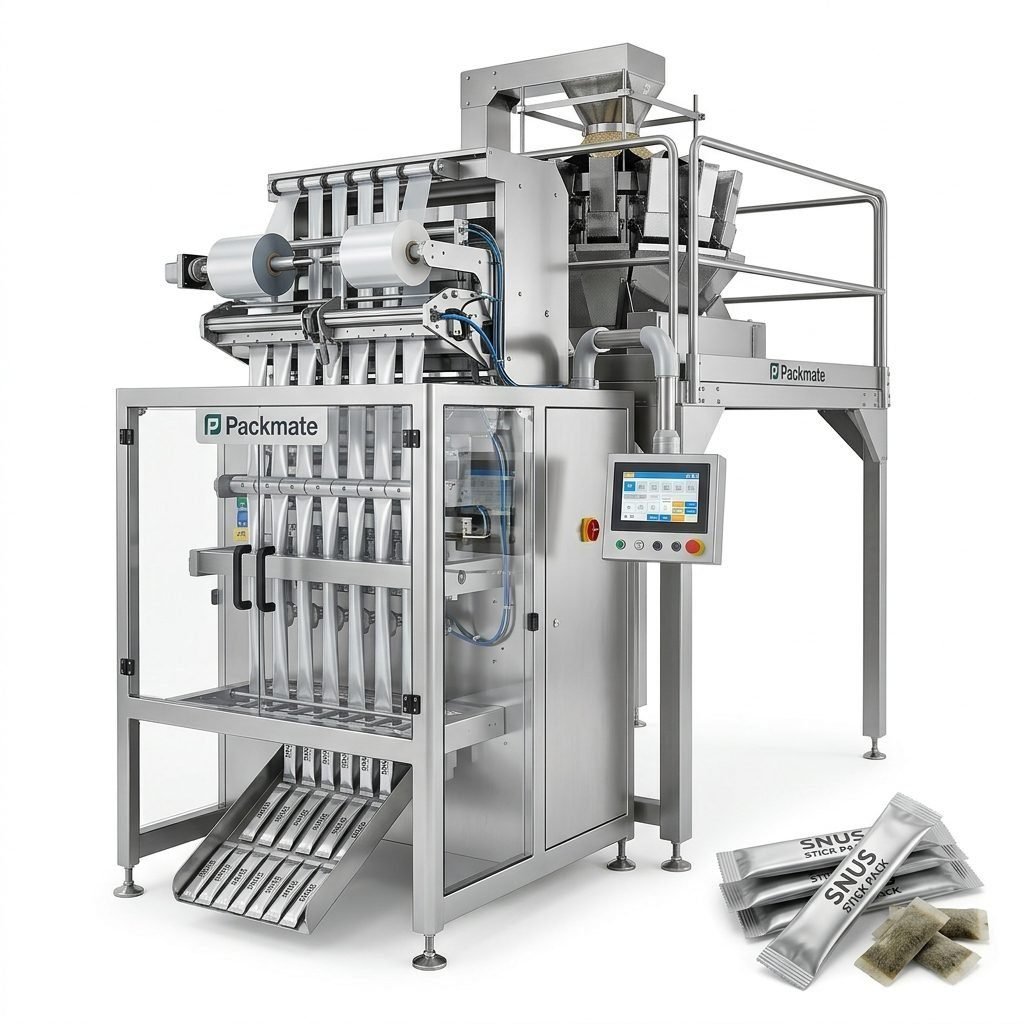
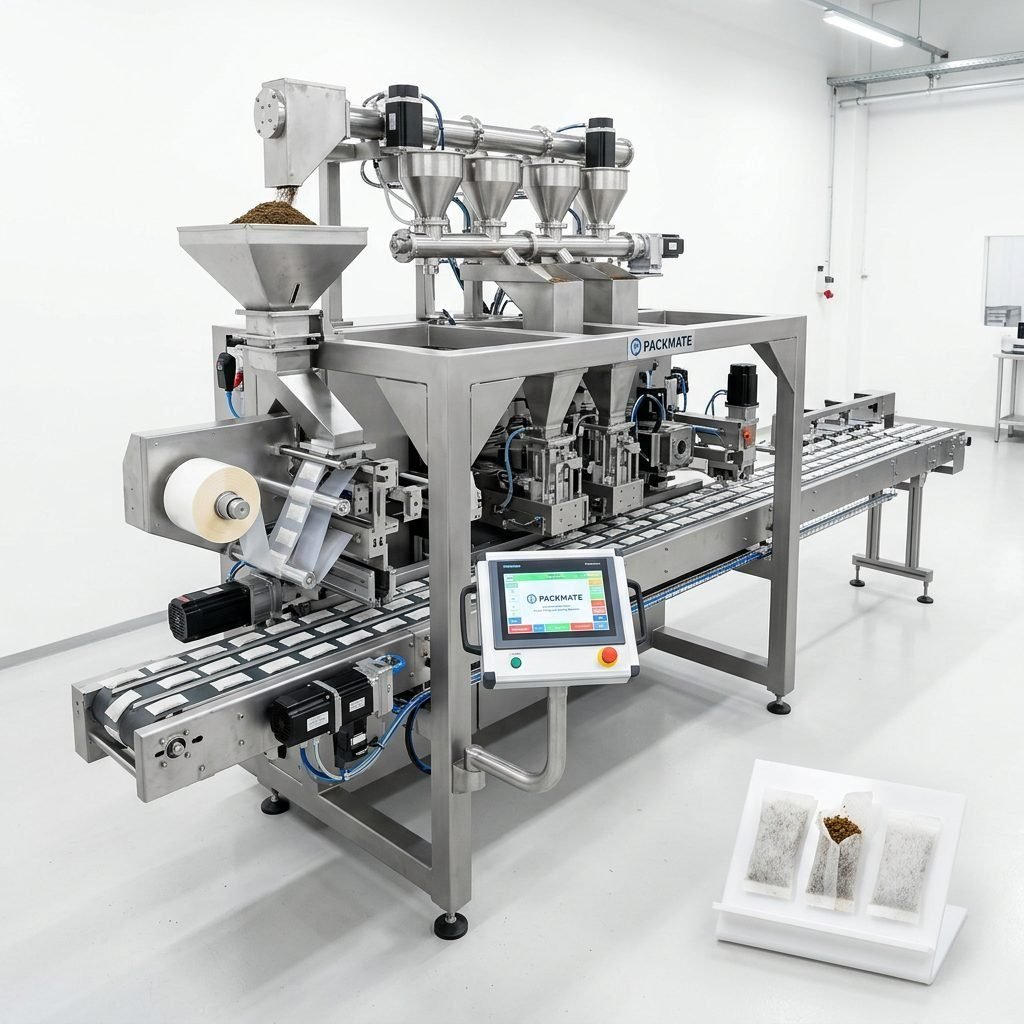
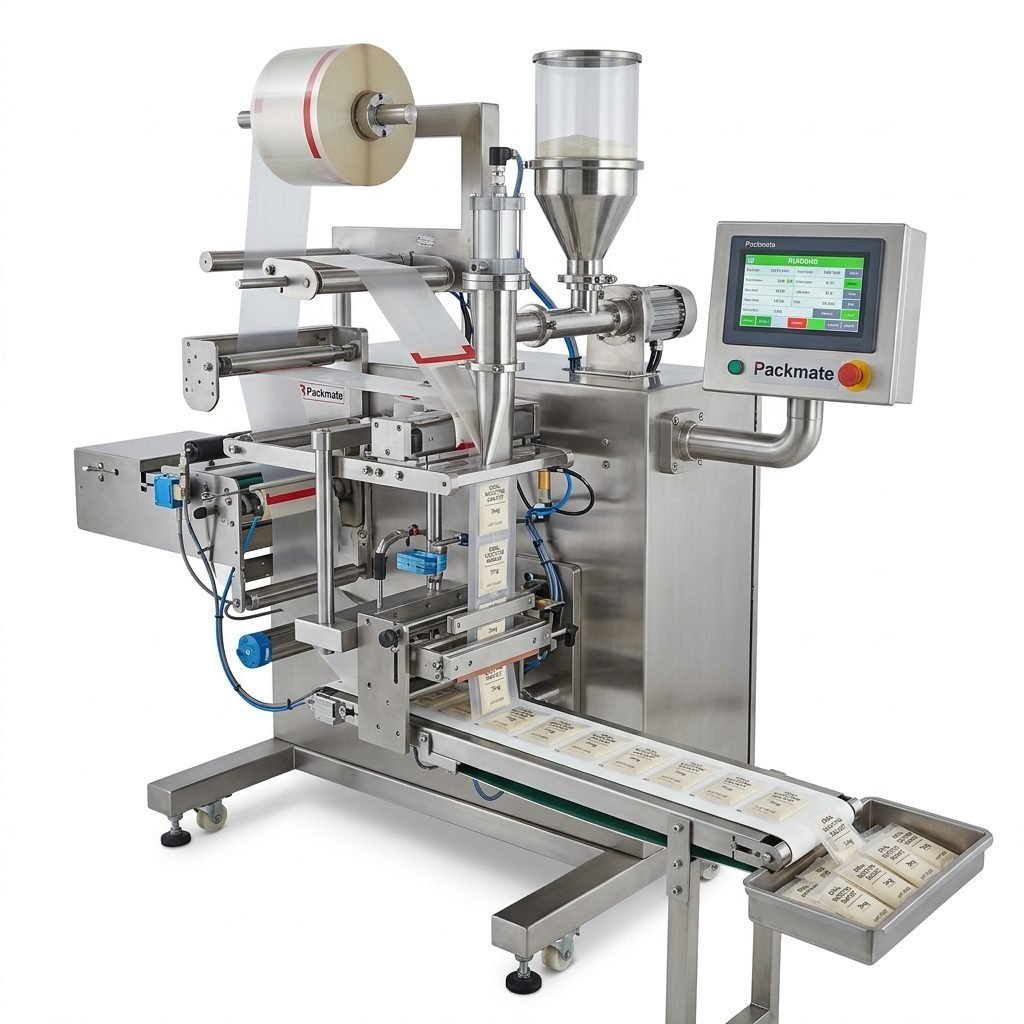
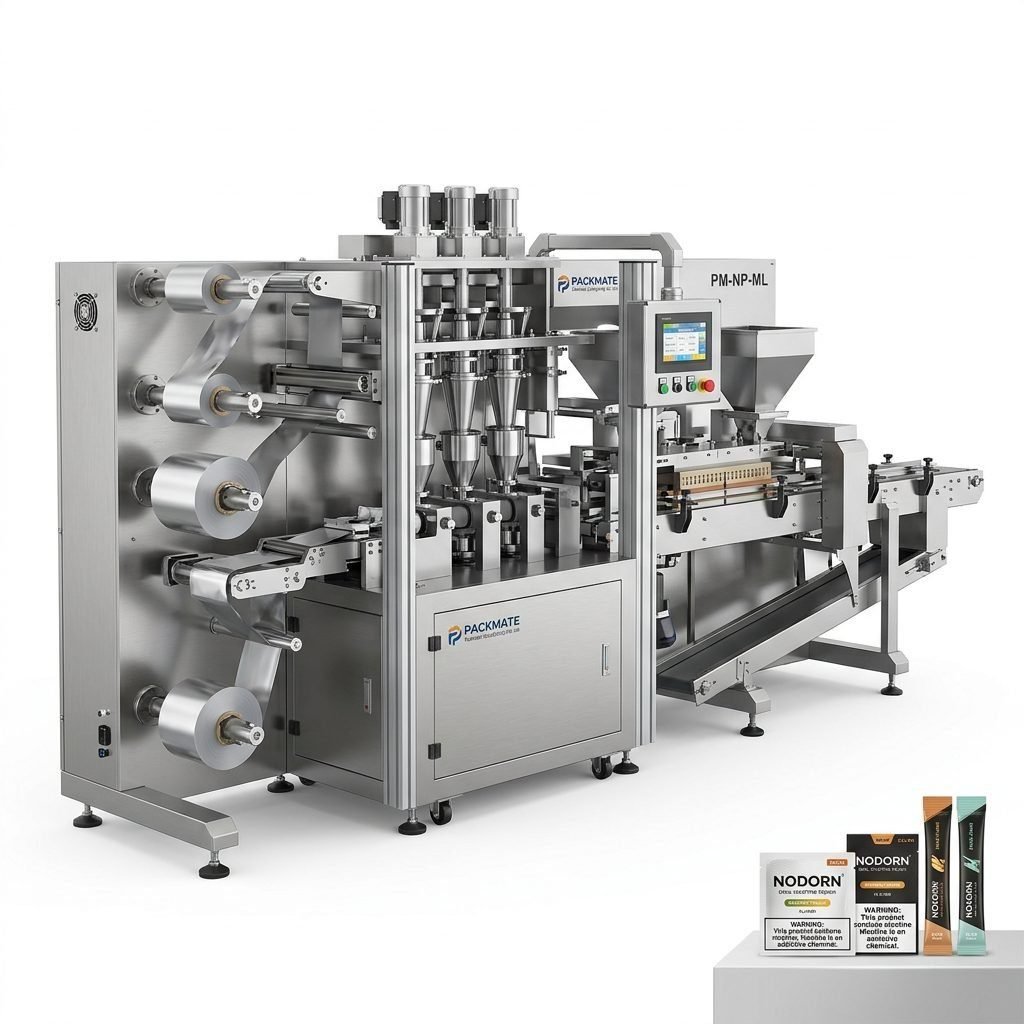
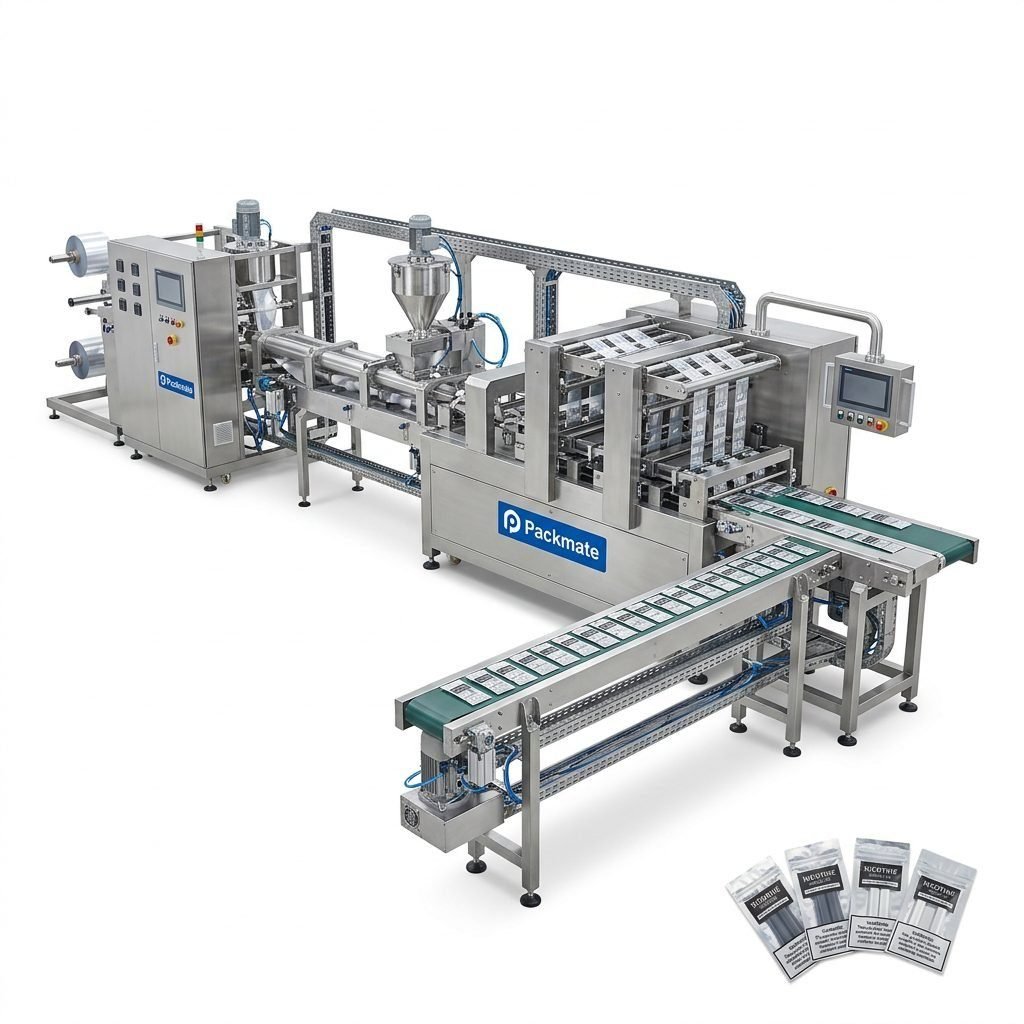
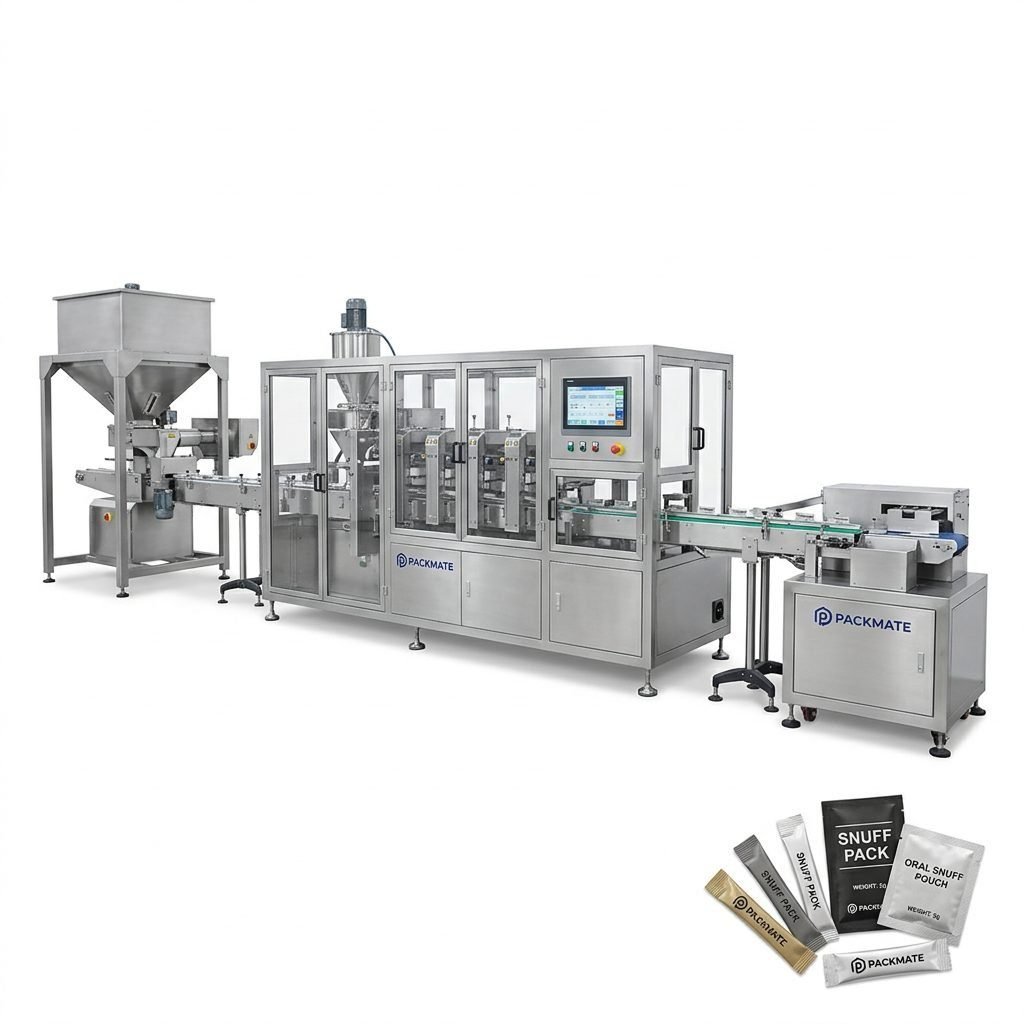
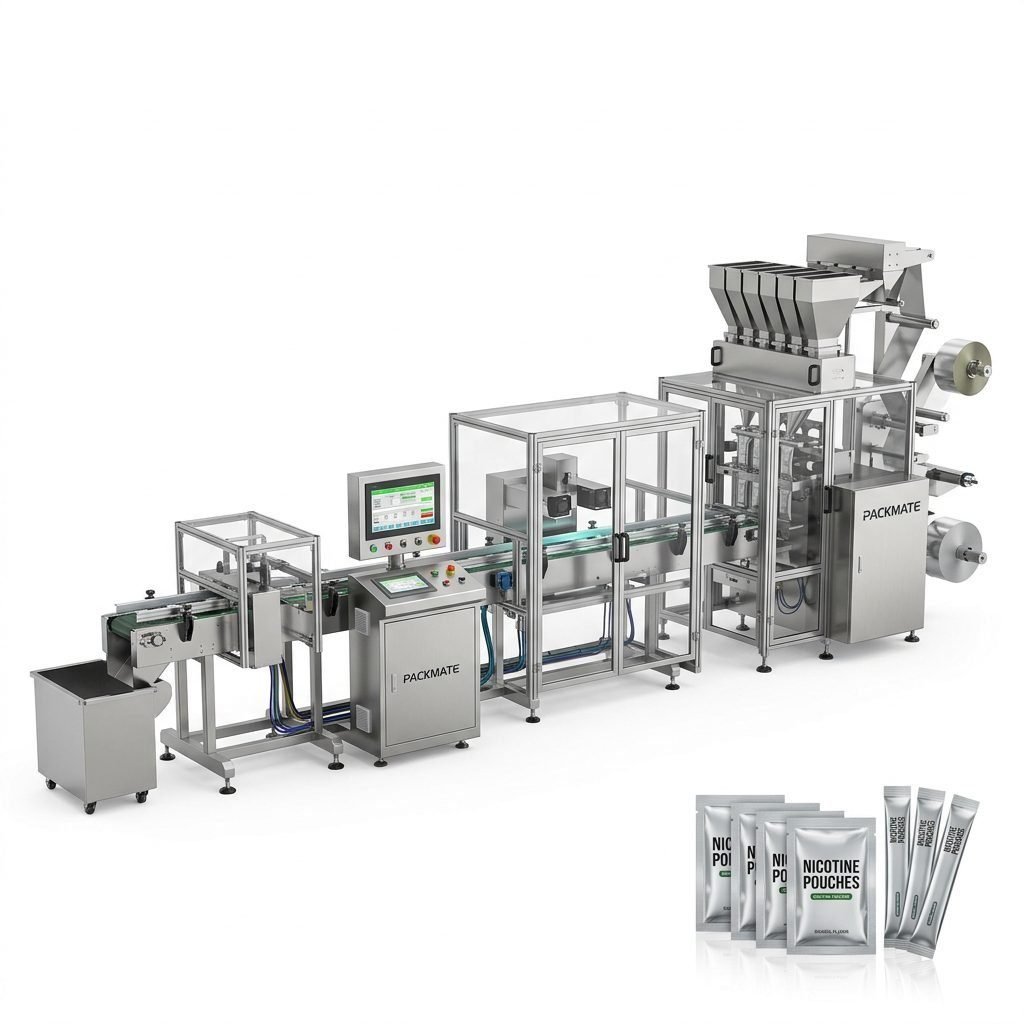
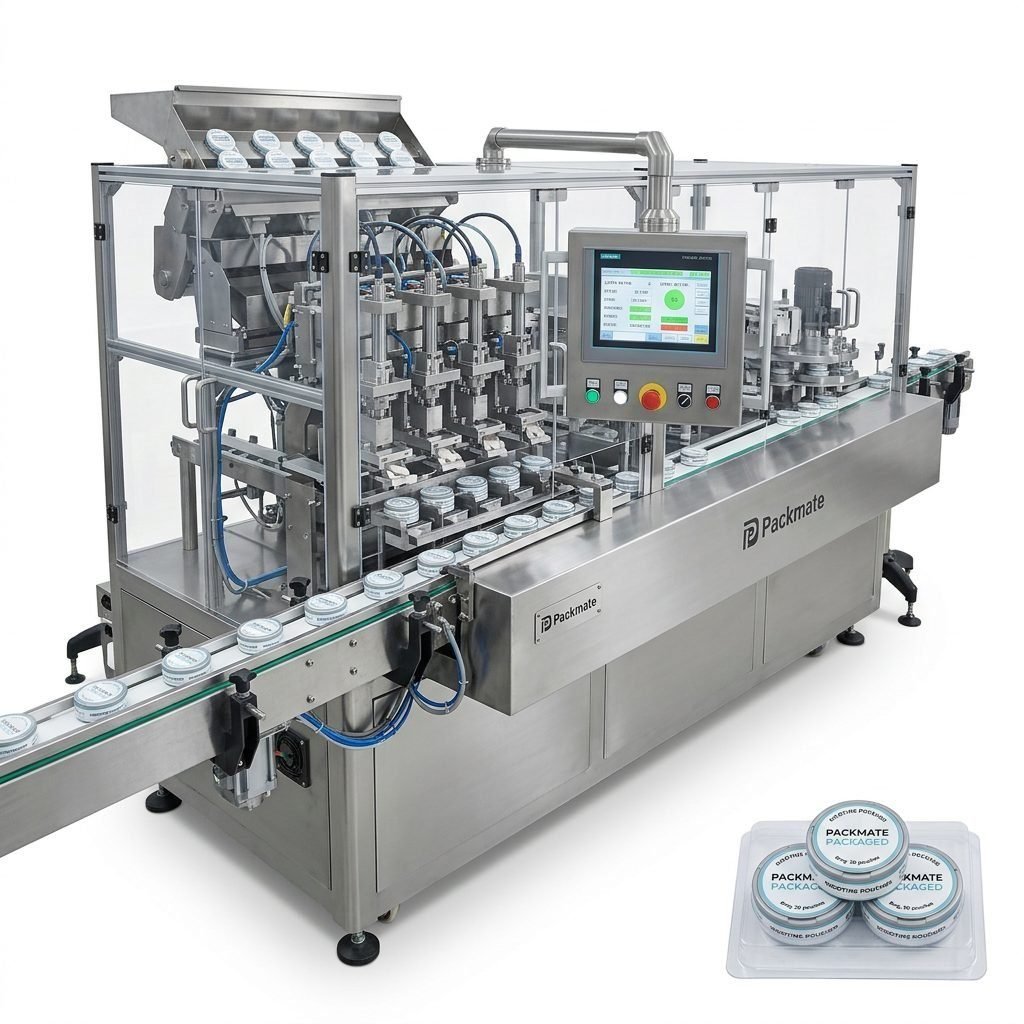
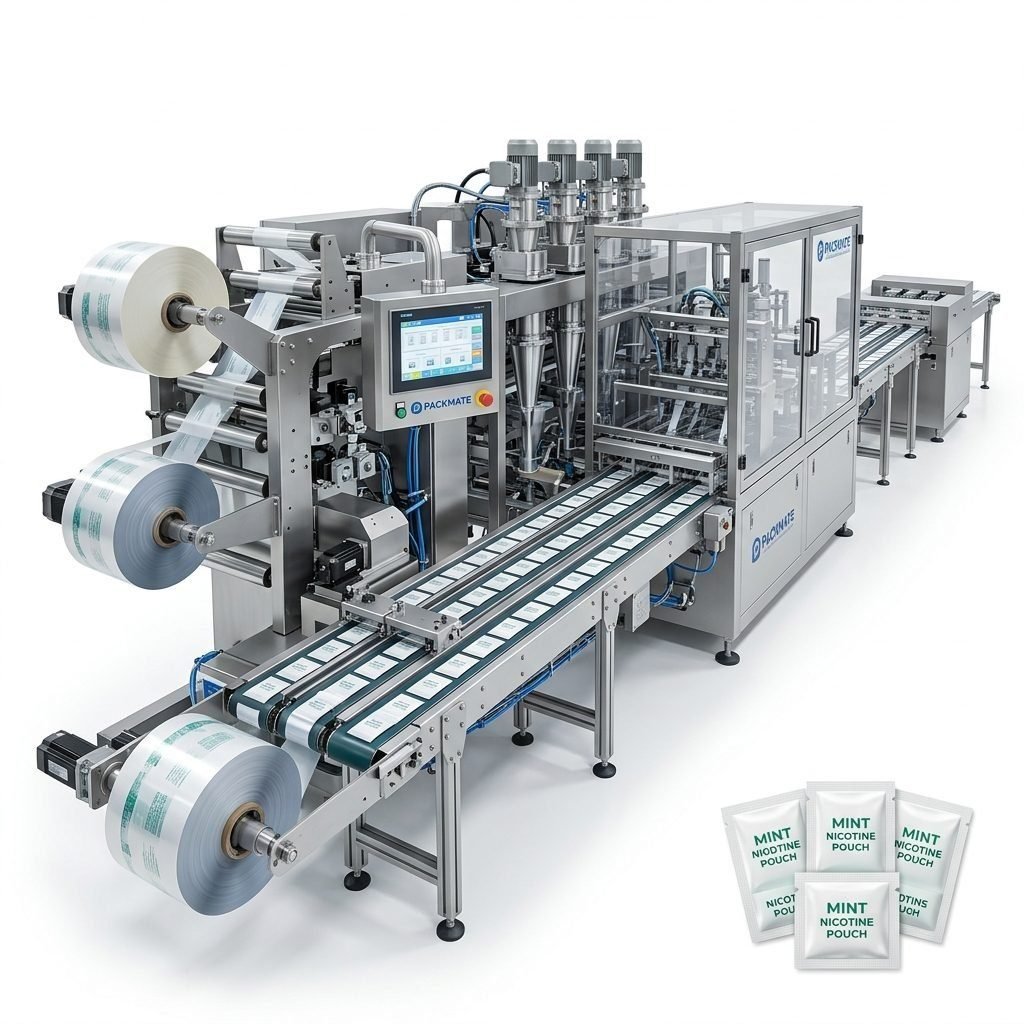
Different snus and nicotine pouch businesses require different machines: stick pack, sachet, multi-lane pouch machines, or specialized nicotine pouch systems. Check that the manufacturer supports the exact format you need and can provide configuration flexibility for bag shapes, materials and sealing types. See examples of available options here: Snus & Nicotine Packaging Machines and Bag & Pouch Packaging Machines.
🎯 Accuracy, dosing and weighing systems
For nicotine pouches and snus, dosing accuracy is critical for product consistency and regulatory compliance. Verify the supplier’s weighing accuracy, repeatability and option for multi-head or custom weighing systems. It’s advisable to confirm compatibility with weighing & packaging systems and request statistical test data for dosing precision.
🔗 Integration and turnkey capability
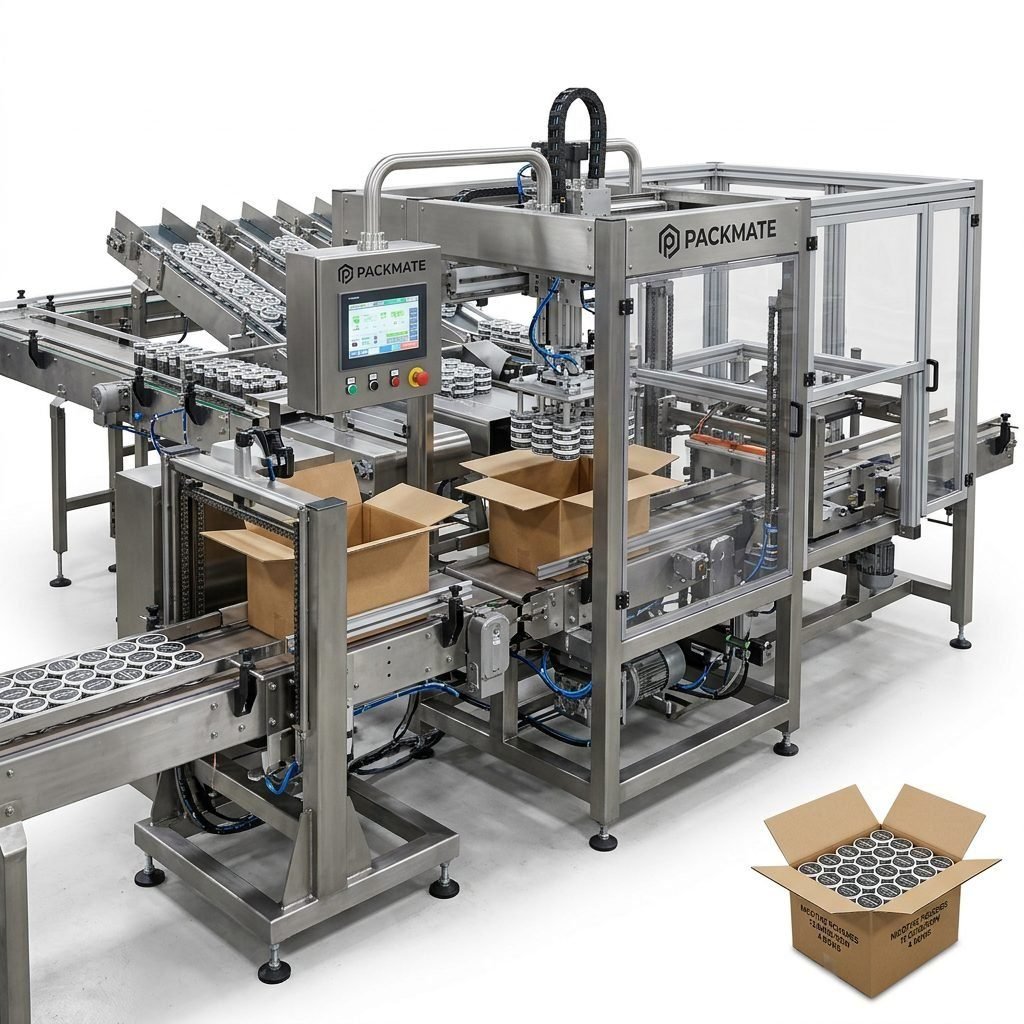
If you want a single-source solution — from filling to primary packaging to case packing — choose a manufacturer that offers turnkey lines and integration support. Integrated solutions reduce compatibility risks and can shorten commissioning time. Explore filling & packaging lines and auxiliary equipment options when comparing vendors.
🏭 Factory capability, quality control and certifications
Trustworthy suppliers will openly present factory facts: floor area, CNC capabilities, assembly processes, model range, and inspection standards. A manufacturer with a modern 20,000㎡ plant, multiple CNC machining centers, and rigorous QC is more likely to deliver consistent equipment performance and spare parts continuity.
Ensure the manufacturer provides valid international certifications (CE, ISO), documented testing reports, and warranty terms. You can learn more about vendor credentials and certificates at their certificates and company profile pages such as Certificate and About Packmate.
🧭 Practical buying steps and a Vanuatu-aware checklist
Use a structured procurement process to avoid surprises. Follow these steps tailored for buyers in Vanuatu:
1. Define product specs & annual volumes
Document pouch dimensions, materials (laminates, barrier films), target speeds (packs/min), and annual production. In Vanuatu, seasonality and shipping lead times mean you should plan spare parts inventory for longer intervals.
2. Request detailed RFQs and factory photos/videos
Ask for machine datasheets, electrical schematics, detailed videos of similar lines running, and references from Southeast Asia or Pacific clients. If on-site visits are not feasible, live video demos and factory walk-throughs are acceptable substitutes.
3. Factory audit and performance trials
Wherever possible, witness an acceptance test (FAT) using your materials or equivalent. FAT helps verify speed, seal strength, weight deviation, and changeover times. Ensure the contract makes FAT a condition before shipment.
💸 Budgeting, shipping and local logistics in Vanuatu
Importing heavy machinery to Vanuatu has unique cost drivers: long ocean transit, port handling, customs clearance fees, and inland transport over limited roads. Prices should include packaging for sea transport, estimated freight to Port Vila or Luganville, and customs documentation.
Important: ask the manufacturer for an itemized quote including FOB terms, crating specs, recommended shipping method, and suggested Incoterms. Confirm whether the supplier assists with shipping booking and export documentation, which can save considerable time and reduce errors at Vanuatu customs.
🔧 After-sales, spare parts and training
In Vanuatu, access to local certified technicians is limited. Prioritize manufacturers that offer:
• Comprehensive commissioning and on-site training packages (or remote training options);
• Clear spare parts catalogs with part numbers and standard replenishment kits;
• Durable documentation (manuals, PLC code comments, electrical diagrams);
• Fast-response remote support via video calls and priority parts shipping.
📌 Red flags and trust signals
When evaluating manufacturers, pay attention to the following indicators:
Trust signals (positive)
• Verified certifications (CE, ISO), published case studies and photos;
• Transparent factory data (floor area, CNC counts) and long industry history;
• Exhibition participation and references — check exhibitions and case pages such as Our Exhibition and Case;
• Comprehensive service packages and spare parts availability.
Red flags (avoid)
• Vague technical specs or refusal to provide FAT;
• No established export experience or unwillingness to provide references;
• Short or unclear warranty terms and missing spares lists;
• Excessively low quotes with poor documentation — low cost often leads to higher lifecycle cost.
📝 Negotiation and contract essentials
Ensure your purchase contract explicitly covers the following points:
• Scope of supply, spare parts list, and tooling included;
• FAT acceptance criteria and penalties for failing to meet performance;
• Lead time and clear shipment milestones;
• Warranty period and coverage details; remote support obligations;
• Training scope, number of trainees, and language of instruction;
• Intellectual property or PLC ownership clauses (if customization required).
🚀 Implementation and commissioning in Vanuatu
Successful commissioning in Vanuatu requires pre-shipment planning and local coordination:
Pre-shipment preparations
• Confirm electrical standards and voltages for the site;
• Arrange customs clearance documents and import permits in advance;
• Plan for crane or forklift availability at the receiving port/site;
• Prepare an installation checklist and necessary civil works.
On-site commissioning and cultural respect
Work with local teams respectfully: Ni-Vanuatu customs place high value on relationship-building and community engagement. Scheduling commissioning visits in consultation with local managers and recognizing local holidays can improve cooperation. Consider providing hands-on training adapted to local skill levels and use clear, visual manuals. A successful project will leave local operators confident to run and maintain the line.
📂 Manufacturer profile example: what to look for
A strong manufacturer profile typically includes: 30+ years of engineering experience, a modern 20,000㎡ production facility, more than 50 machine models, and a documented history of turnkey packaging solutions. They should offer a clear company story, development timeline, and show global cooperation cases. See a detailed example at About Packmate.
📌 Final checklist before signing
• Confirm machine meets regulatory and safety standards;
• Validate FAT results and obtain video evidence;
• Agree packaging and shipping method for sea freight to Vanuatu;
• Finalize spare parts kit and estimated replenishment timeline;
• Ensure training plan and remote support SLAs are included in the contract.
🔗 Useful vendor links
If you want to explore product lines and services referenced in this guide, these pages are helpful starting points: Snus & Nicotine Packaging Machines, Sachet & Stick Pack Machines, and Service.
🔴 Quick summary (what matters most)
• Choose a manufacturer with proven export experience and documented certifications;
• Prioritize durable machinery with spare parts availability and strong remote support;
• Make FAT a contractual requirement and plan shipping/clearance for Vanuatu early;
• Factor cultural practices and local logistics into commissioning and training plans.
❓ Frequently Asked Questions
Q: What certifications should a snus packaging machine manufacturer have for exports to Vanuatu?
A: Look for CE and ISO certifications as a minimum. These indicate compliance with international safety and quality norms and ease customs clearance. Manufacturers with additional testing documentation and factory audit reports are preferred.
Q: How long should I expect lead time and shipping to Vanuatu?
A: Typical production lead times vary by model and customization (often 8–16 weeks). Sea freight to Port Vila or Luganville can add 3–8 weeks depending on routing. Plan for customs clearance time and local site preparation.
Q: What spare parts should I order upfront for an island-based operation?
A: Order a critical spare parts kit that includes sealing jaws, sensors, belts, PLC spare modules, bearings, and easy-to-replace consumables. Ask the supplier to recommend a parts list based on expected monthly throughput.
Q: Can the manufacturer provide remote commissioning and training if on-site support is delayed?
A: Many reputable suppliers offer remote commissioning support via video conferencing, annotated manuals, and guided checklists. Ensure your contract defines response times for remote troubleshooting and escalation paths.
Q: How do I verify the manufacturer’s claims and past performance?
A: Request factory videos, FAT records, machine run-time data, and contactable references in similar regions. Visiting the factory or attending an international exhibition where the manufacturer displays equipment is ideal. You can check exhibitions and case studies at Our Exhibition and Case.