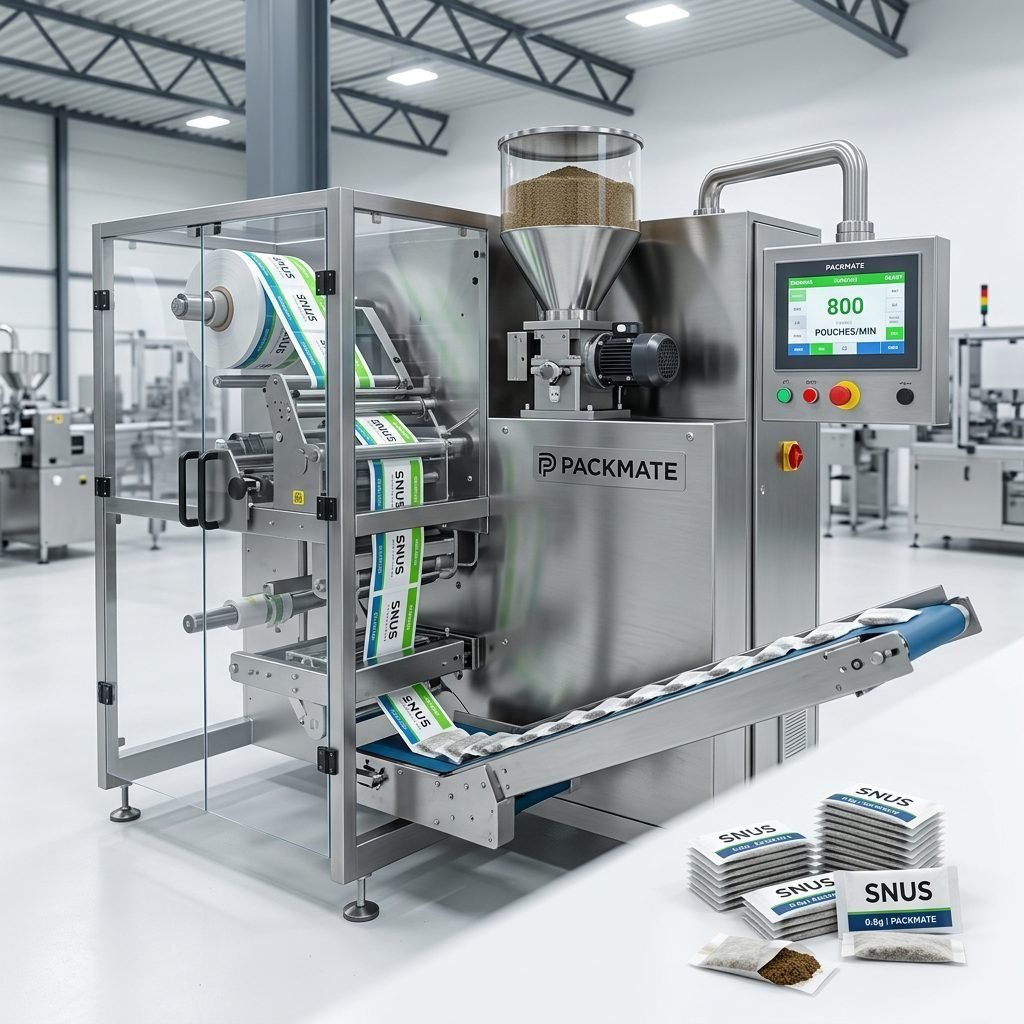
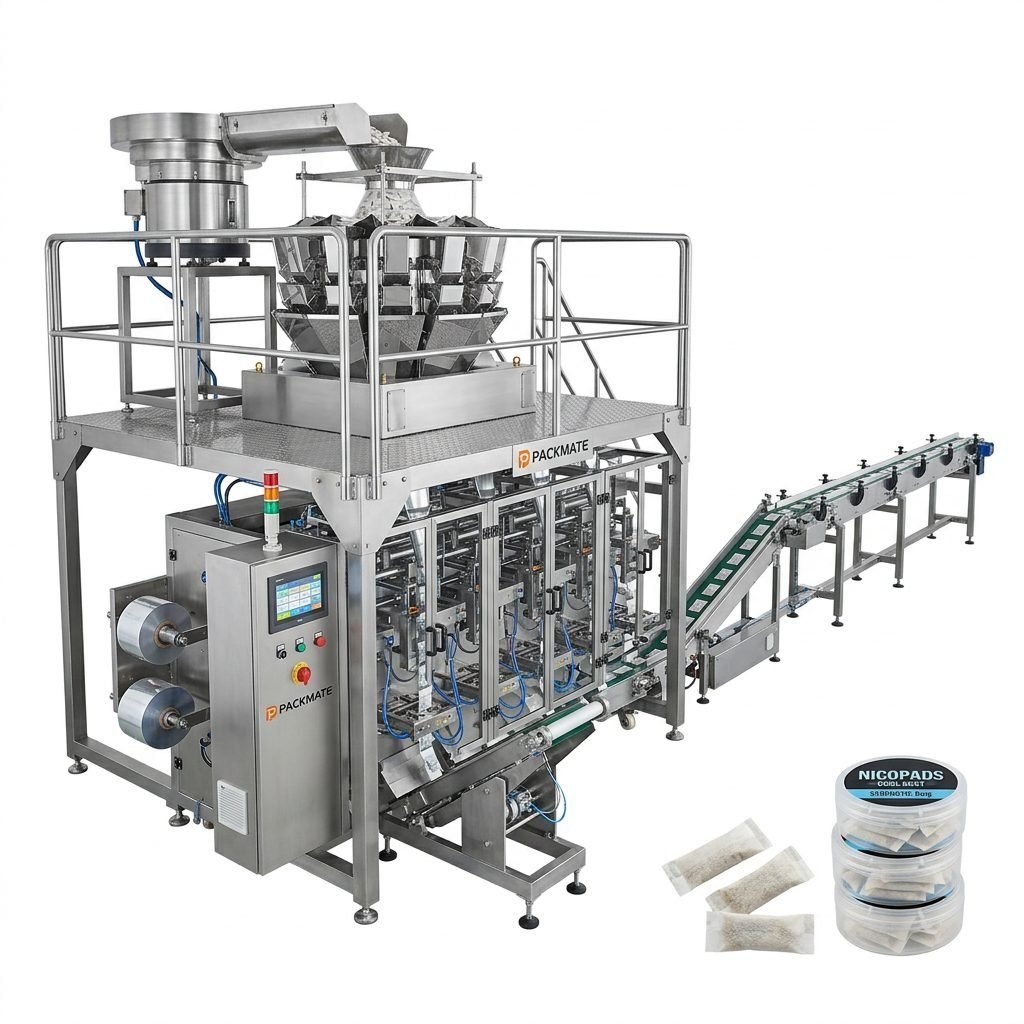
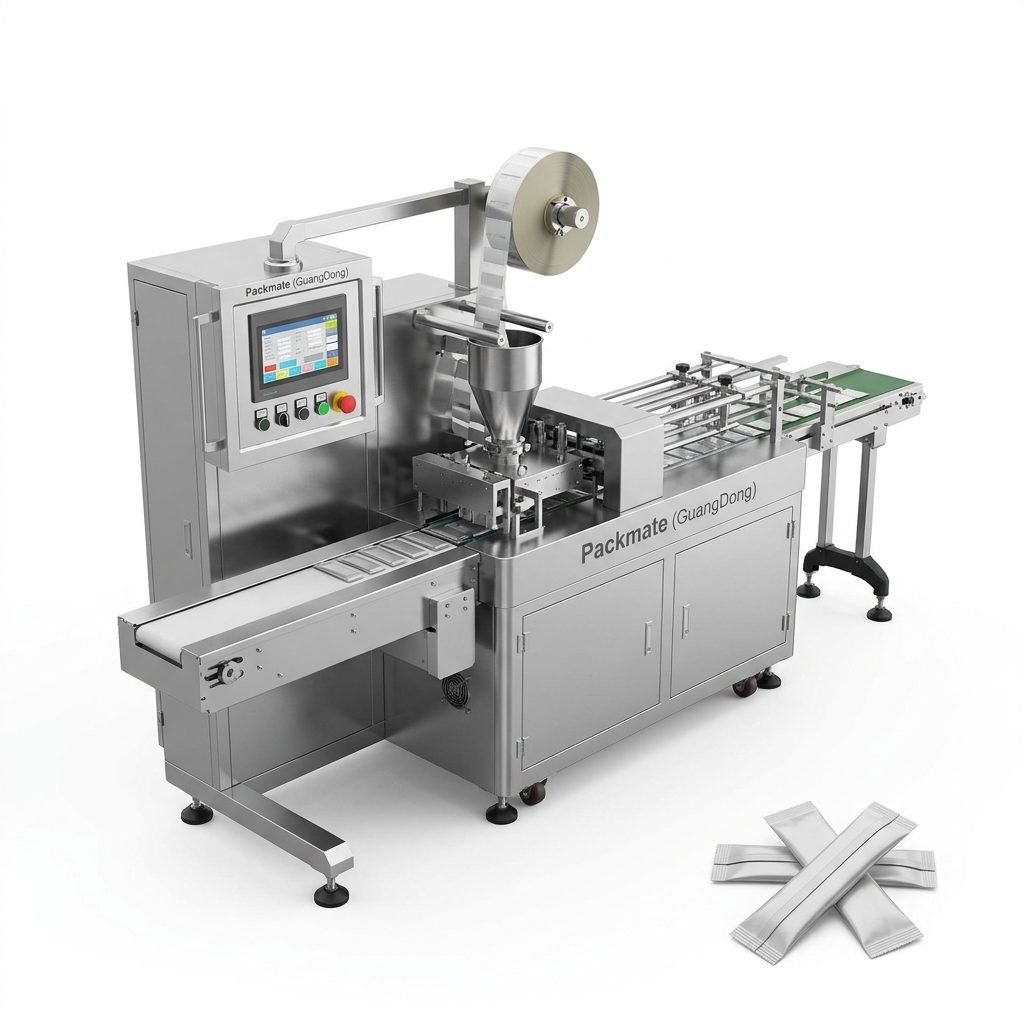
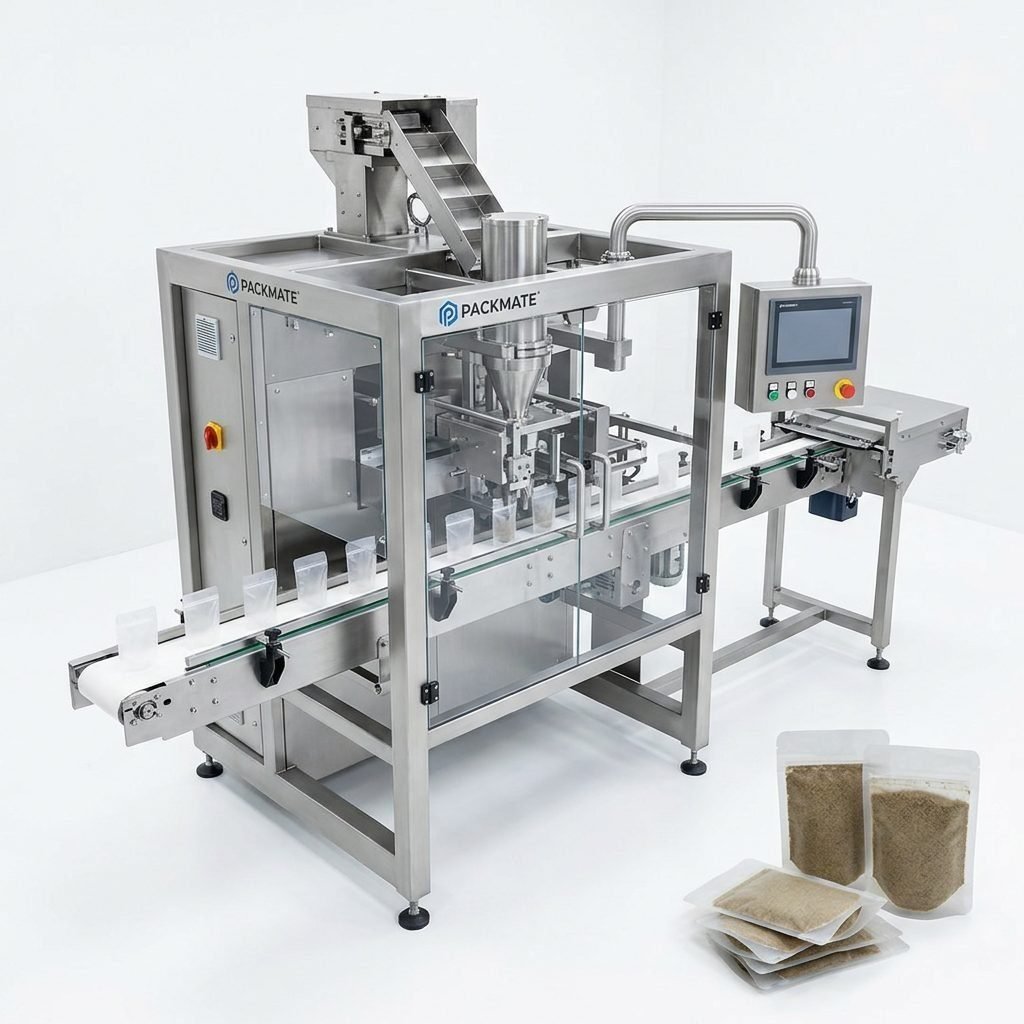
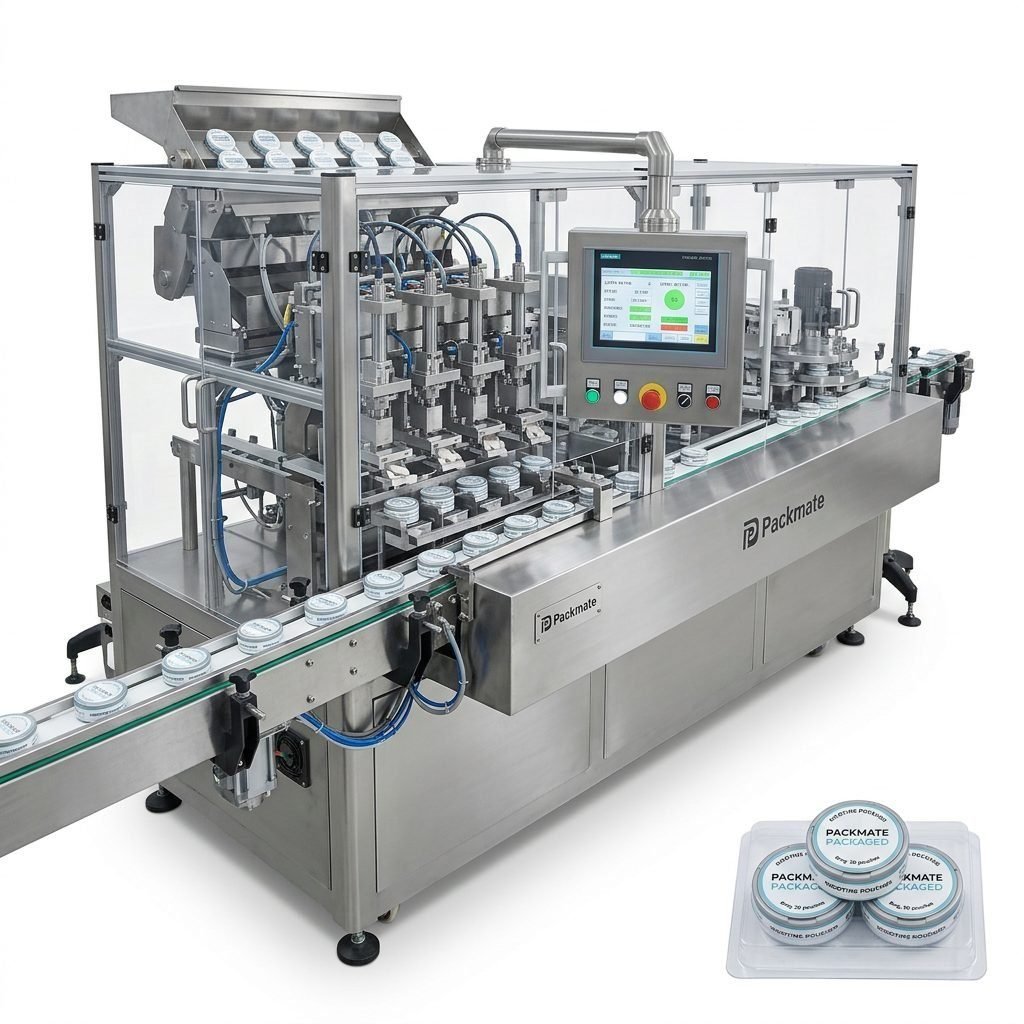
Choosing the right snus packaging machine for manufacturing in South America requires understanding local consumer habits, regulatory differences, and production goals. This buyer’s guide walks manufacturers through technical specifications, machine types, certification needs, installation and after-sales support, and tips to maximize productivity and compliance across major South American markets.
Understanding the South American Market & Local Habits
South America is diverse: consumer preferences, age demographics, and legal frameworks vary by country. While traditional oral tobacco like snus has been historically associated with Nordic markets, the region has seen a rising interest in tobacco-free nicotine pouches and new delivery formats. Manufacturers should be aware that:
📌
Regulatory landscape: Regulations differ greatly — some countries restrict oral tobacco while others regulate nicotine pouches under different rules. Always verify local laws before scaling production.
🔎
Consumer preference: Many South American consumers favor discreet, single-dose formats and flavored pouches; packaging that emphasizes freshness and convenience performs well.
Why machine choice matters
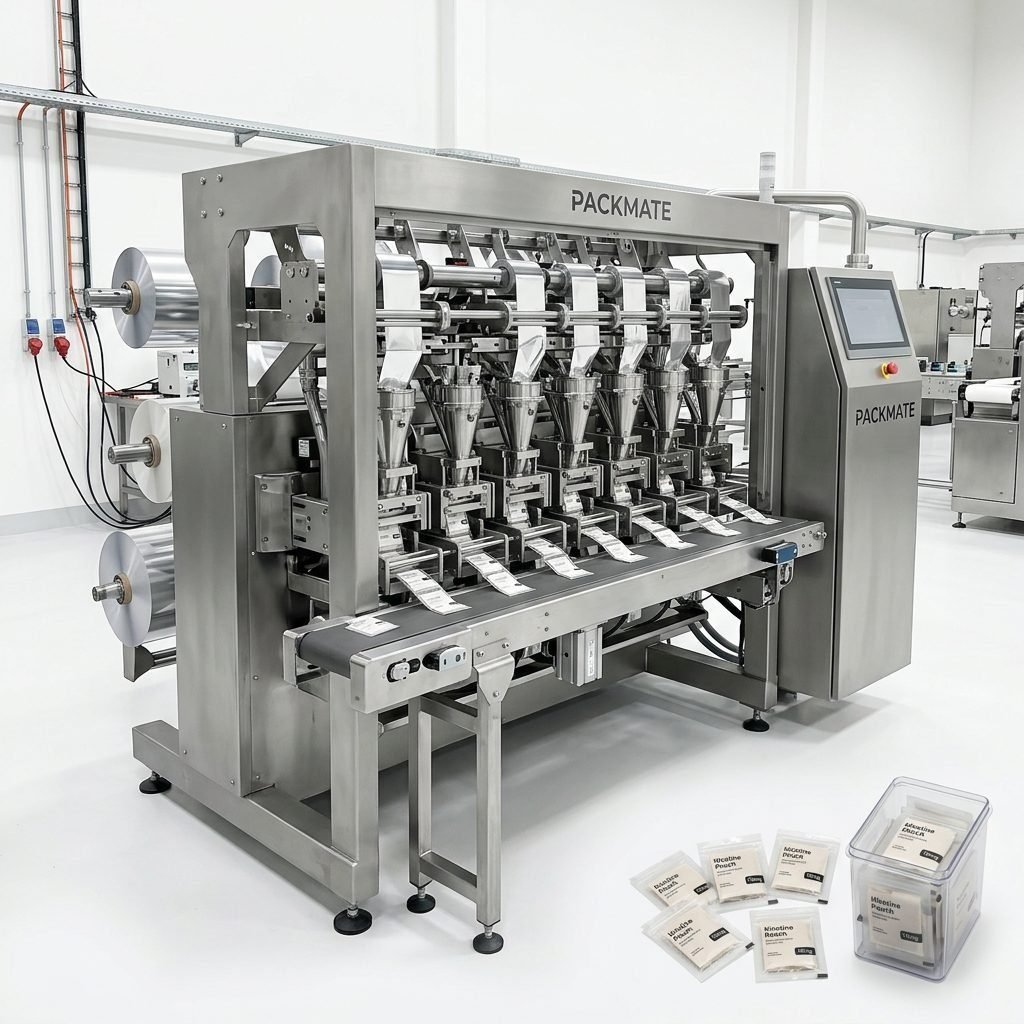
The right packaging machine affects product quality, production cost, speed, and regulatory compliance. Choose equipment that supports the pouch types you need (stick packs, sachets, multi-lane pouches), offers precise dosing for nicotine or fillers, and integrates with upstream and downstream systems for a complete production line.
Key Machine Types for Snus & Nicotine Pouches
Familiarize yourself with common machine categories. Each has strengths for specific product formats and production scales:
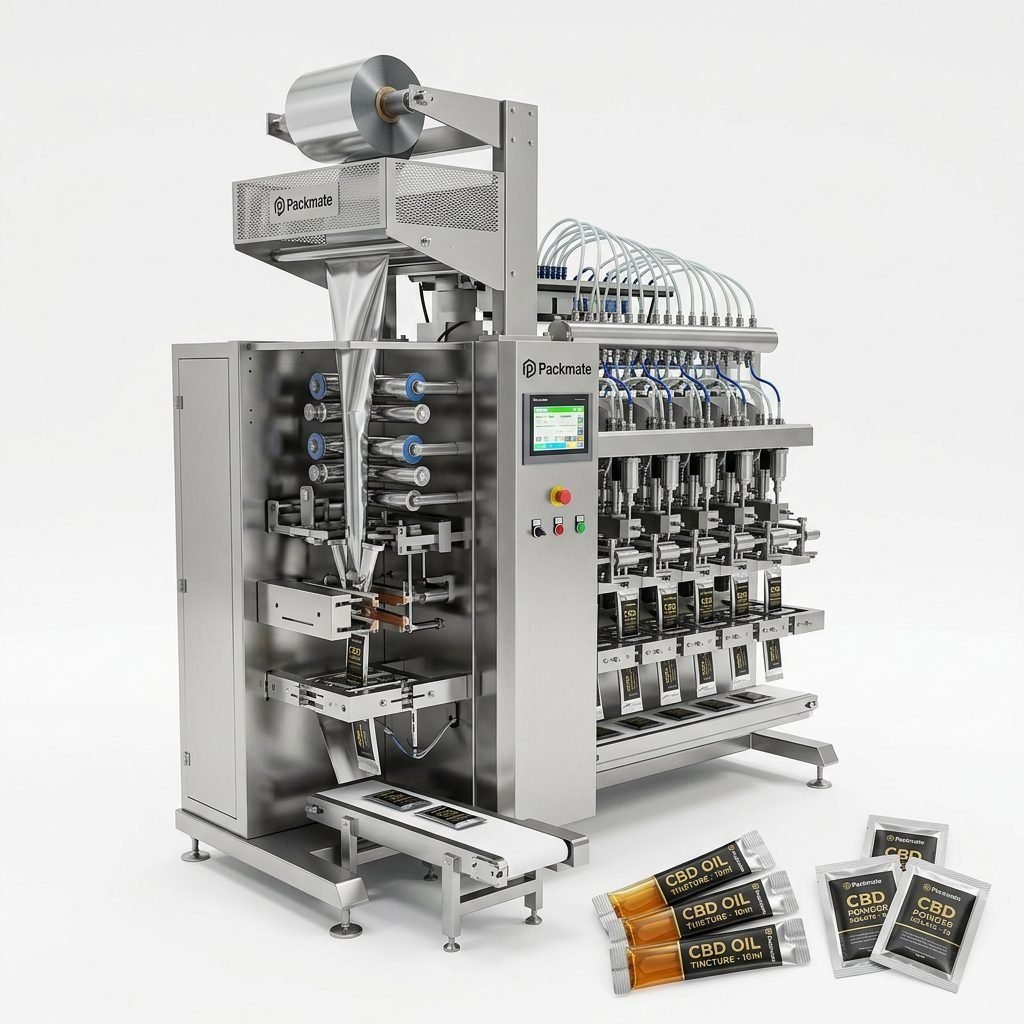
Sachet & Stick Pack Machines
Ideal for single-dose, easy-to-open formats — good for flavored nicotine pouches and promotional single-serve samples. These machines are compact and offer rapid changeover for different sachet lengths. For product examples and models, see Sachet & Stick Pack Machines.
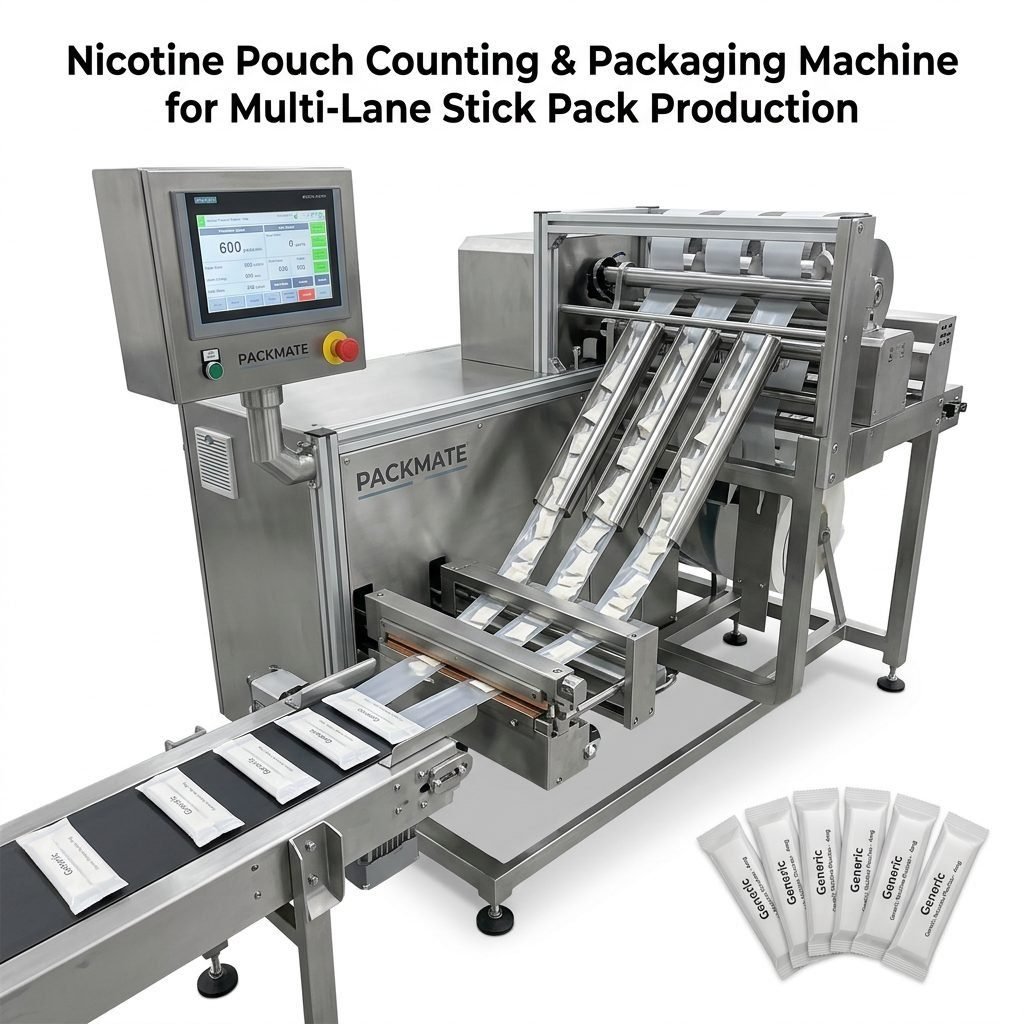
Multi-lane Pouch Systems
When output matters, multi-lane systems multiply throughput while keeping footprint efficient. These systems are especially useful for small-dose pouches where many lanes can run simultaneously to meet large order volumes.
Vertical & Horizontal Filling Lines
Choose the filling orientation based on flow characteristics: powders, granules, and blends often work best on vertical systems; sticky or high-moisture mixes may need horizontal systems or customized feeders.
✅
Tip: Evaluate machines by actual output per shift (kg or pouch count), not just theoretical top speed. Real-world performance depends on product handling and operator skill.
Essential Technical Specifications to Compare
When comparing suppliers, focus on the technical specs that will impact production consistency and operating costs:
- Production speed (pouches/min) under real product conditions
- Lane count and expandability for future growth
- Dosing accuracy (± mg) and repeatability
- Changeover time between formats and CIP (clean-in-place) considerations
- Material contact surfaces (stainless steel grades, coatings) for hygiene and corrosion resistance
- PLC control, remote diagnostics, and HMI usability
Dosing & Weighing Integration
Precise dosing determines product consistency and compliance. Look for machines that integrate with gravimetric or volumetric feeders and consider pairing with automated weighing & packaging systems for large-scale accuracy. Explore compatible systems at Weighing & Packaging Systems.
Compliance, Certification & Quality Assurance
Certifications matter for export and local operations. Choose manufacturers whose equipment meets international standards and offers documentation to support audits.
⚖️
Must-have certifications:
CE, ISO, and materials traceability. Request FAT (Factory Acceptance Test) reports and IQ/OQ documentation for validation and local regulatory submissions.
Supplier Capabilities & After-sales Support
A supplier’s engineering strength and global support network are critical. Assess:
- Factory scale and manufacturing precision — larger facilities with CNC and precision assembly often yield more consistent machines. Packmate’s 20,000㎡ facility and advanced CNC centers are examples of such capability (About Packmate).
- Availability of spare parts and trained field engineers in or near South America.
- Warranty terms, remote diagnostics, and training programs for operators and maintenance staff.
- Custom engineering or turnkey solutions to integrate with your factory layout and regulatory needs.
Turnkey Lines & Integration
For manufacturers seeking end-to-end solutions, consider suppliers who offer filling & packaging lines, auxiliary equipment, and full integration services. Packmate provides full production lines including filling solutions and auxiliary equipment; see relevant options at Filling & Packaging Lines and Auxiliary Packaging Equipment.
Practical Buying Checklist
Use this checklist when evaluating machine quotes and demos. Score each supplier objectively.
1️⃣ Production requirements: Does the machine meet your current and projected annual volumes?
2️⃣ Format flexibility: How many pouch sizes can be handled? What is the changeover time?
3️⃣ Accuracy & waste: Verify dosing tolerance and expected material waste during production runs.
4️⃣ Service & parts: Confirm spare parts lead times and local technical support options in South America.
5️⃣ Compliance: Can the supplier provide certificates, FAT reports, and validation documents?
Cost Considerations & Return on Investment
Evaluate not just the purchase price but total cost of ownership:
- Initial capital expenditure vs. lease options
- Installation and factory modification costs
- Operator training and ramp-up time
- Maintenance intervals and spare parts pricing
- Energy consumption and consumables (film, seals, primers)
📈
ROI example:
Calculate ROI by estimating production output, yield improvements from better dosing, and labor savings from automation. High-precision multi-lane machines often deliver the fastest payback for high-volume SKU portfolios.
Installation, Training & Localization Tips
Implementing a new packaging line in South America benefits from detailed planning:
- Site survey to confirm utilities (power, compressed air, floor load capacity) and access for large equipment.
- Operator and maintenance training; request on-site sessions and documentation in local languages when possible.
- Spare parts stock plan — maintain a buffer of critical wear parts to minimize downtime.
- Connectivity for remote support — machines with remote diagnostics accelerate troubleshooting from overseas engineers.
How Packmate’s Experience Can Help South American Manufacturers
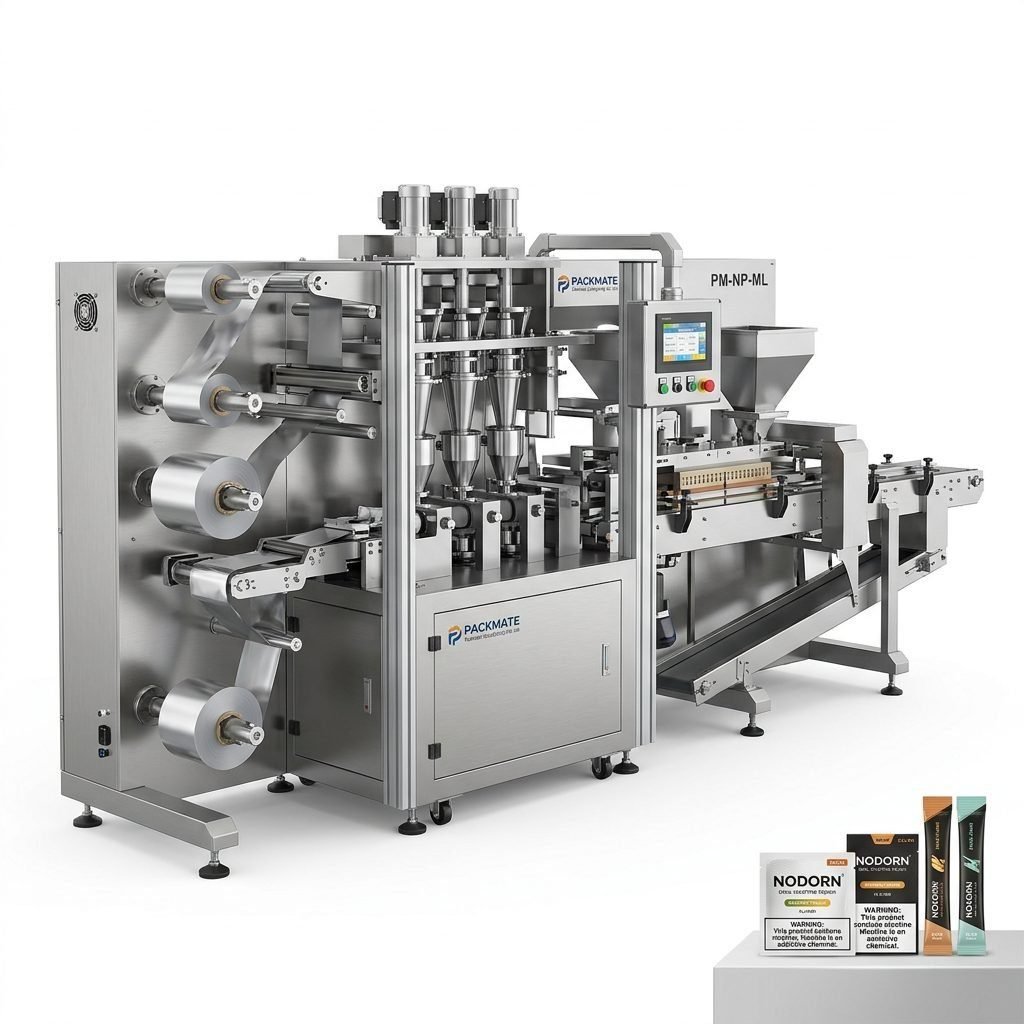
With over 30 years of engineering experience and a 20,000㎡ manufacturing facility, Packmate offers a range of snus and nicotine pouch packaging machines designed for high performance and reliability. Their portfolio includes multi-lane systems, stick pack and sachet machines, and turnkey solutions that integrate weighing and filling systems. Learn about Packmate’s products and capabilities via their product pages: Snus & Nicotine Packaging Machines and Bag & Pouch Packaging Machines.
📦
Global exhibitions & case studies: Meet suppliers at trade shows or request case references to see machines running real products. Packmate’s exhibition and case information can help validate performance: Our Exhibition | Case Studies.
Final Selection Tips Before Purchase
Before signing an order:
- Request on-site or video demonstrations running your actual product mix.
- Ask for a detailed spare parts list and lead times, plus local support options in South America.
- Verify all compliance documentation and request FAT/IQ/OQ packages.
- Plan for future SKU additions — choose modular machines that scale lanes or add modules without major rebuilds.
- Negotiate training, commissioning, and warranty terms upfront to reduce startup risks.
Contact & Next Steps
When you are ready to evaluate machines or request a quote, use the supplier’s contact channels to arrange a detailed technical review. For Packmate inquiries or to request tailored proposals, visit Contact Us.
Frequently Asked Questions (FAQs)
Q1: Are nicotine pouch machines legal in all South American countries?
A: Legal status varies. Some countries regulate oral tobacco and nicotine differently or restrict imports. Always consult local regulatory counsel before manufacturing or distributing new nicotine products.
Q2: What production capacity should I choose for a new line?
A: Base capacity on projected demand for 12–36 months plus a growth buffer. Multi-lane systems offer scalability; consider starting with a mid-range lane count that you can expand or duplicate.
Q3: How important is supplier after-sales presence in South America?
A: Very important. Local technicians or rapid remote support reduce downtime. Confirm spare part shipping times and consider stocking critical wear parts locally.
Q4: Can machines handle flavored and moisture-sensitive formulations?
A: Yes, but you may need specialized feeders, anti-static components, or humidity controls. Discuss product characteristics with suppliers to ensure proper configuration.
Q5: Where can I see real-world examples of snus packaging lines?
A: Request case studies and demonstration videos from suppliers. Packmate’s case and product pages provide references and machine examples: Case | Product Range.