Introduction
Choosing the right snus packaging machinery manufacturer for your factory in Malawi is a strategic decision that shapes production efficiency, product quality, and long-term profitability. This guide walks factory owners, production managers, and procurement teams through the practical criteria to evaluate potential suppliers, compare technologies, and secure reliable after-sales support. Focus is placed on real-world considerations such as machine performance, factory capabilities, regulatory compliance, and return on investment.
1. Clarify Your Production Requirements
Before contacting any manufacturer, document your product and line requirements clearly. Include the following in a concise specification sheet:
Key items to list: target output (packs/min), pouch types (stick, sachet, multi-lane), pouch materials, dose weight range, product type (powder, granule, paste, nicotine pouch), required automation level (manual feeding to fully automatic), and intended production shifts per day. ⚙️
2. Evaluate Manufacturer Experience and Product Range
Experience matters in high-precision snus and nicotine pouch packaging. Manufacturers with decades of focused R&D and a wide range of models can reduce implementation risk and shorten commissioning time. Look for these signals:
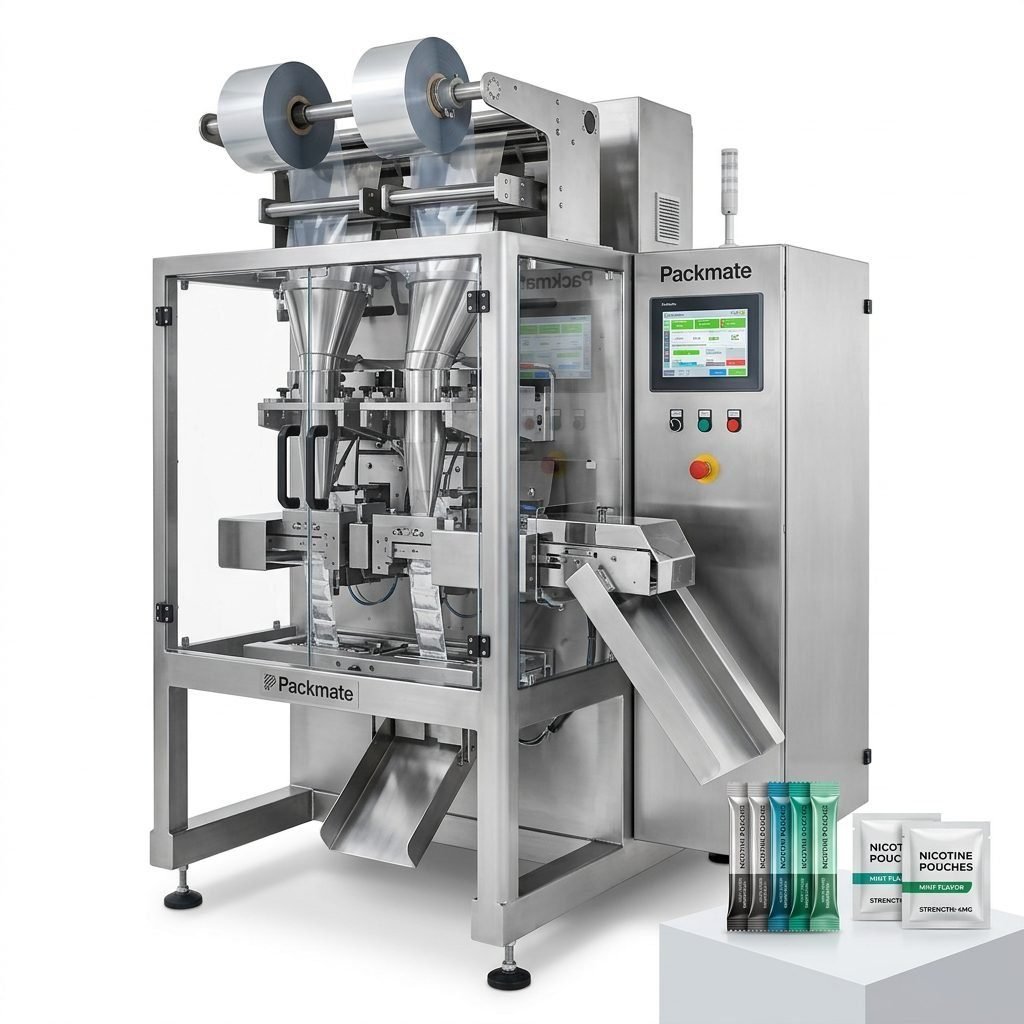
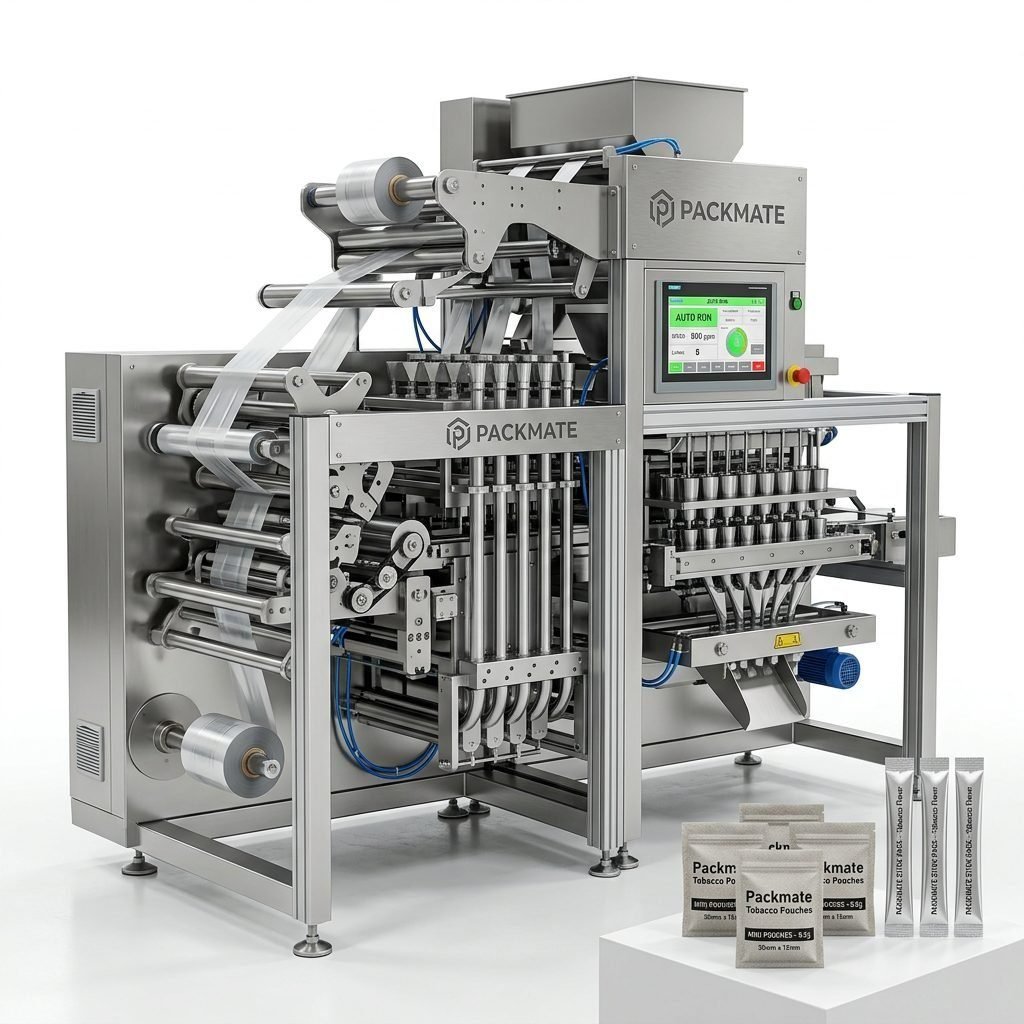
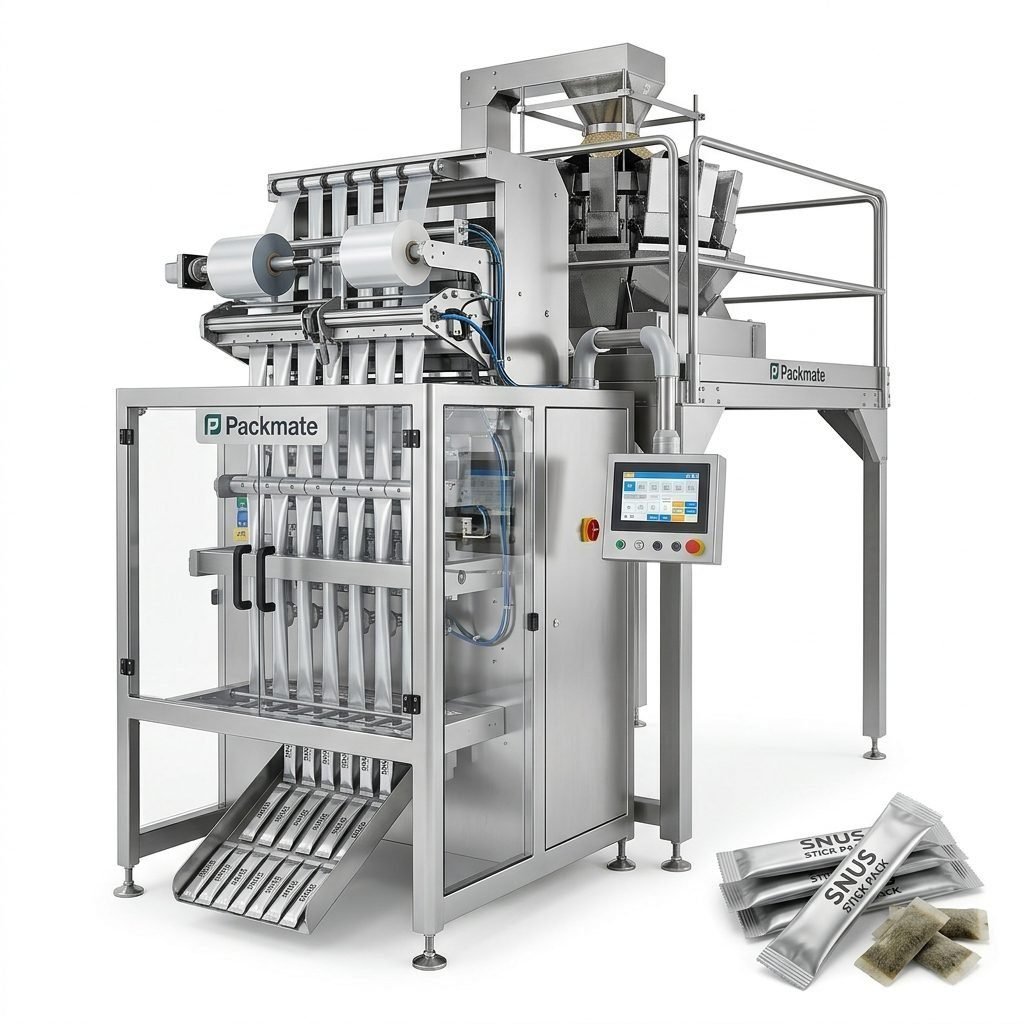
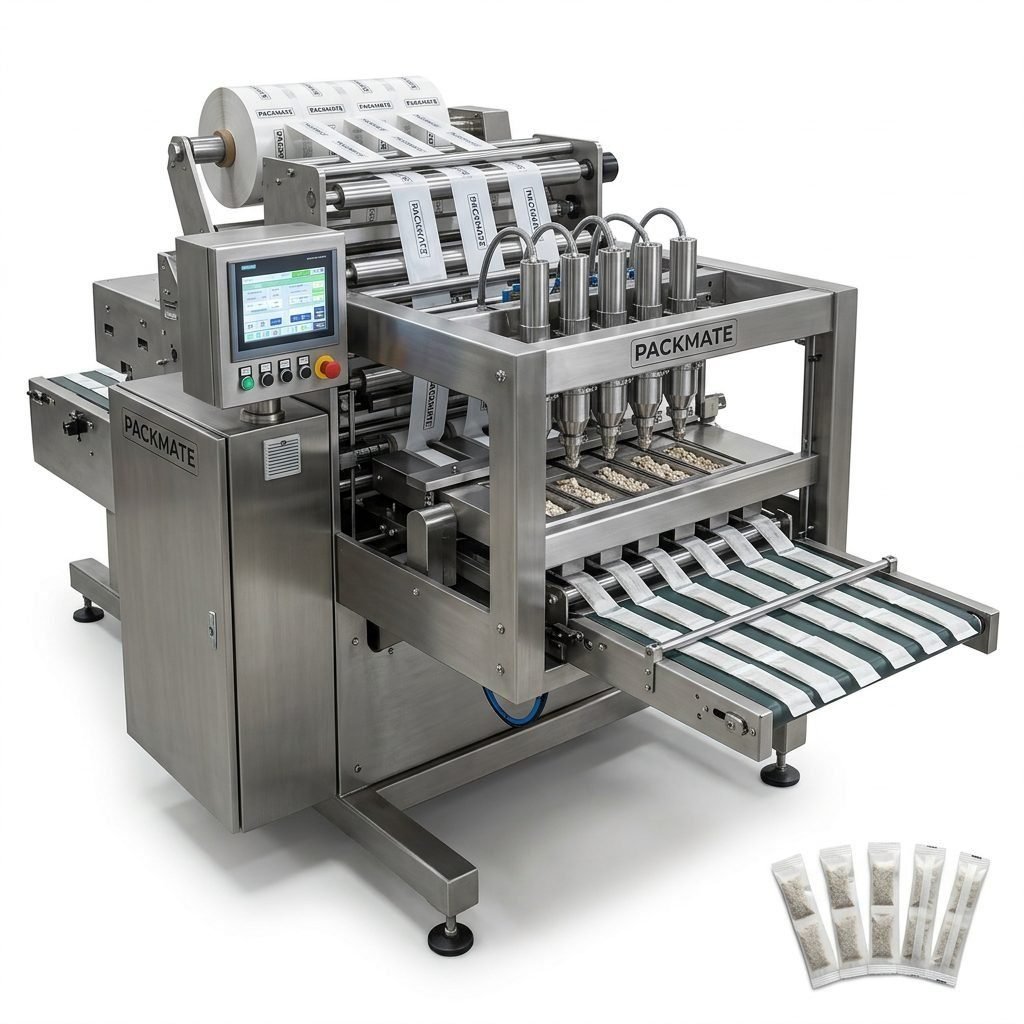
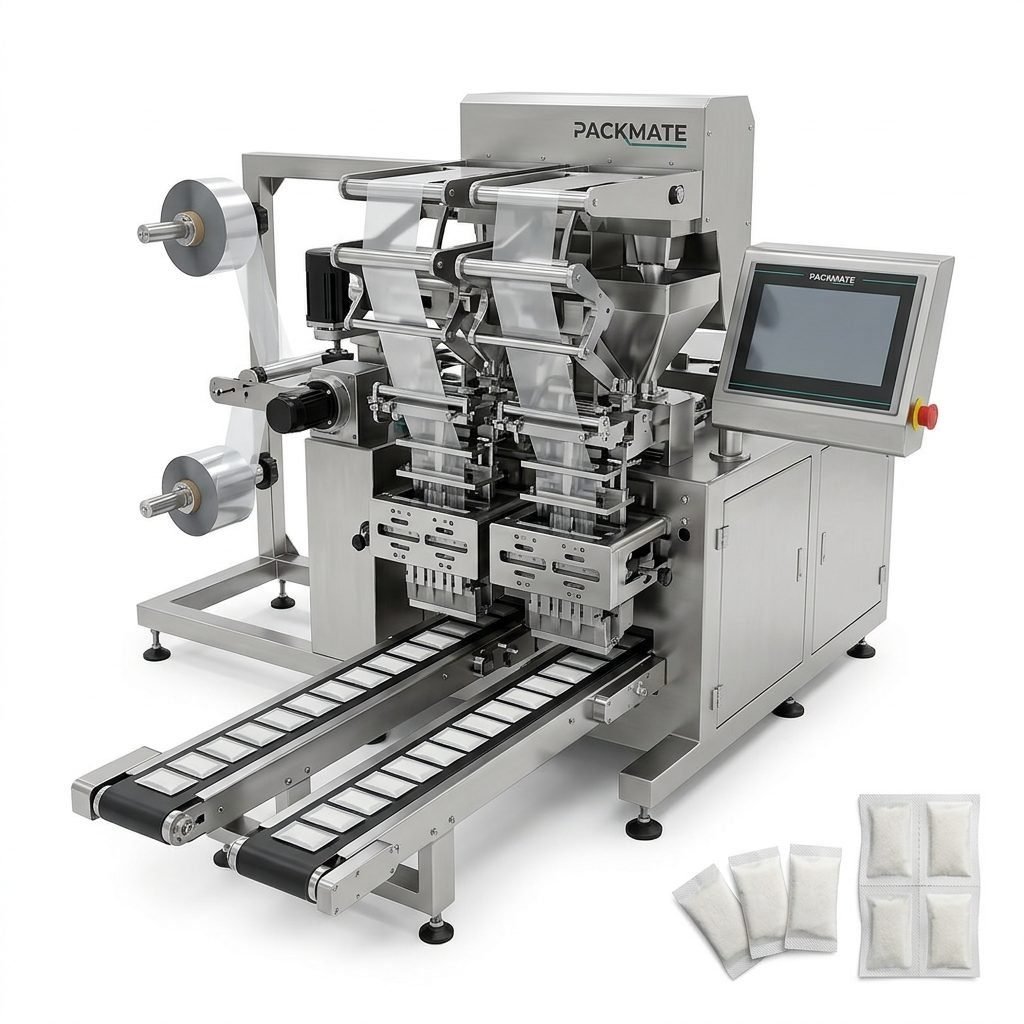
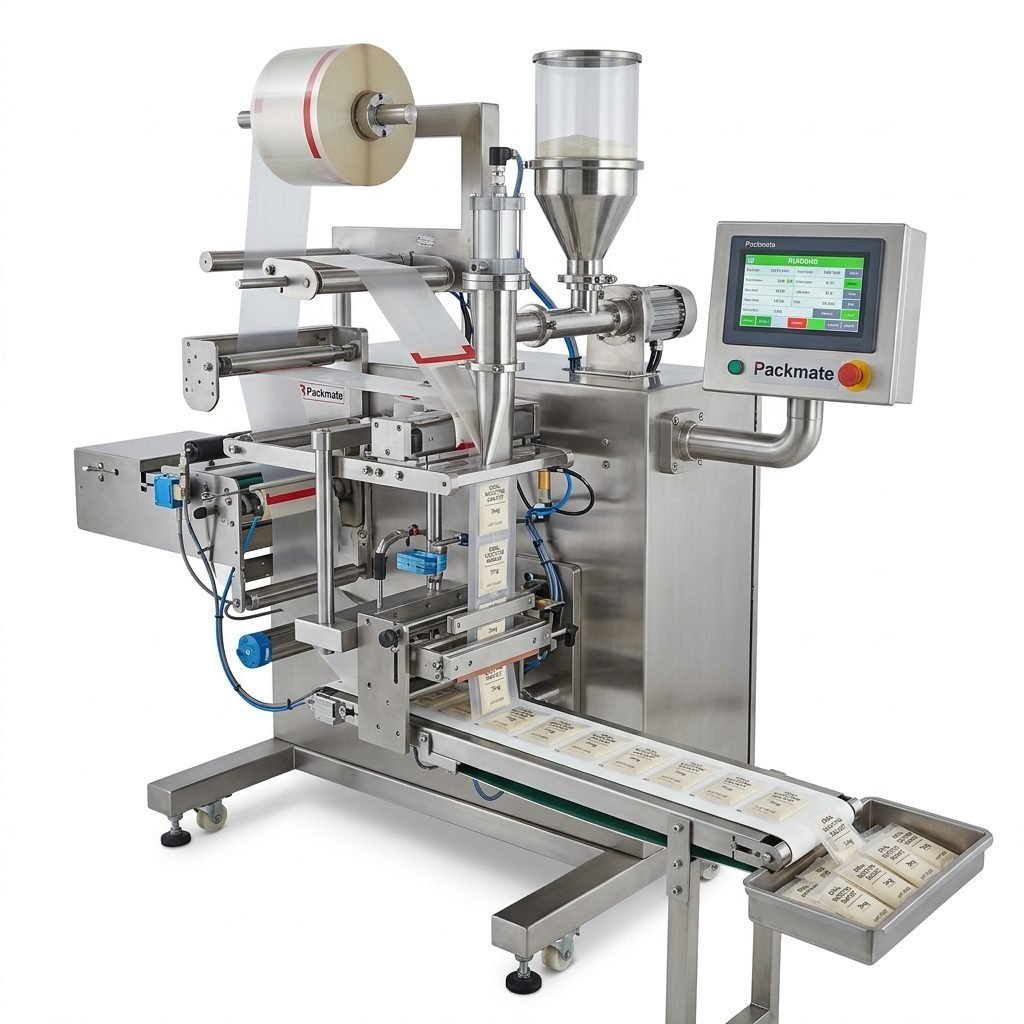
Proven product lines: check whether the supplier offers dedicated snus / nicotine pouch solutions and multi-lane systems that match small-dose pouch production. See real examples at Snus & Nicotine Packaging Machines (https://www.snusmachinery.com/products/snus-nicotine-packaging-machines/). ✅
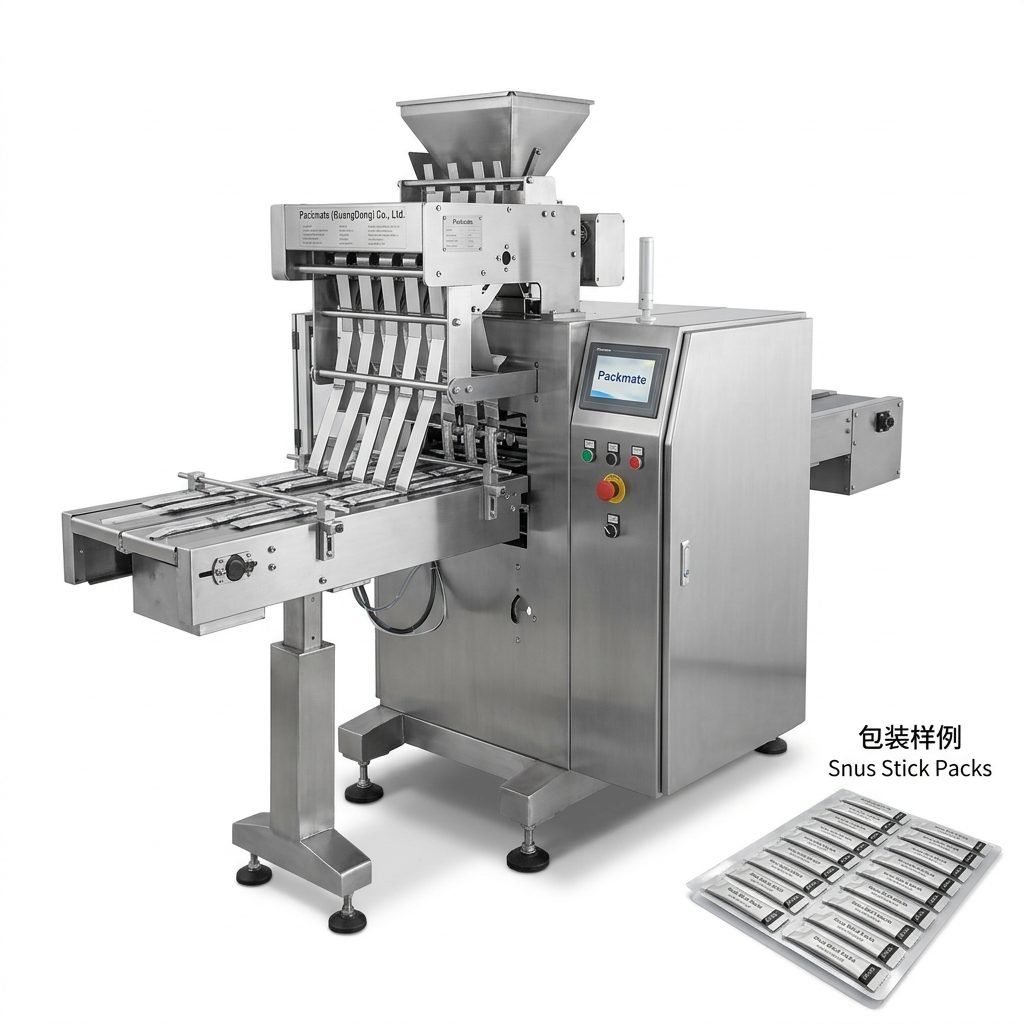
A manufacturer with a catalog covering stick packs, sachets, weighing and filling solutions shows the ability to provide integrated lines rather than piecemeal machines. Explore Sachet & Stick Pack Machines and Filling & Packaging Lines to confirm equipment fit.
3. Inspect Factory Strength and Manufacturing Capacity
A strong factory footprint indicates reliability in lead times and quality control. Key factory indicators include floor area, machining capabilities, and assembly lines.
What to verify: workshop size (e.g., a 20,000㎡ facility), availability of advanced CNC machining centers, and dedicated precision assembly stations. These reduce tolerance issues and improve long-term stability of snus packing machines. ⚙️
4. Quality Control, Testing and Certifications
Robust QA processes and international certifications matter for global compliance and safety. Evaluate whether the manufacturer adheres to recognized standards and has rigid testing protocols.
Look for: CE and ISO certifications, documented factory testing, pre-shipment machine trials, and traceable quality records. These reassure you of consistent machine performance and easier import clearance. ✅
5. Technology Match: Single-Lane vs Multi-Lane & Automation Level
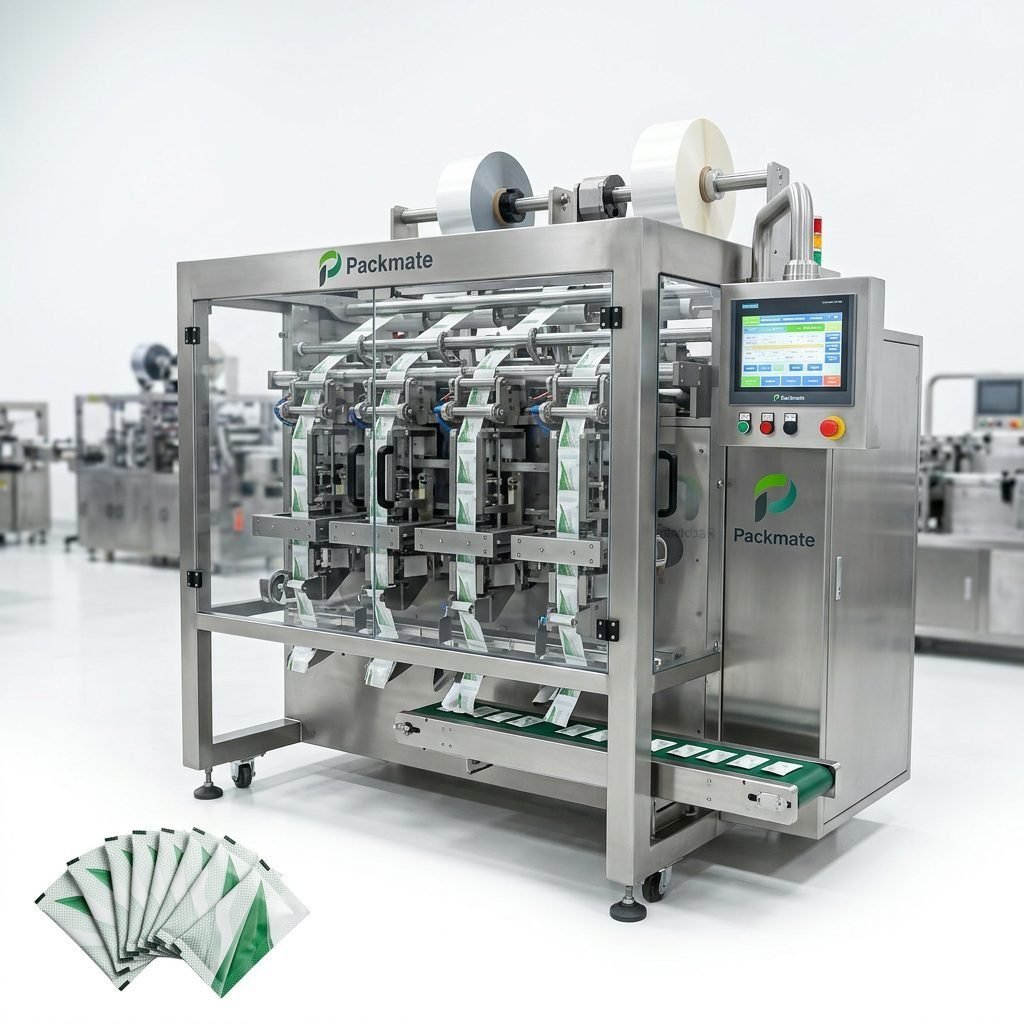
The right technology depends on your target output and product format. Single-lane machines are economical for low volumes; multi-lane systems and fully automated lines suit higher-capacity operations and small-dose pouch production.
Consider: synchronized multi-lane performance, electronic weighing integration, and optional inline metal detection or vision inspection. Manufacturers that offer integrated Weighing & Packaging Systems demonstrate competency in end-to-end production line design. ⚙️
6. Customization and Turnkey Solutions
If your products require special handling, specific pouch sizes, or unique dosing systems, select a supplier that provides tailored engineering and turnkey production lines.
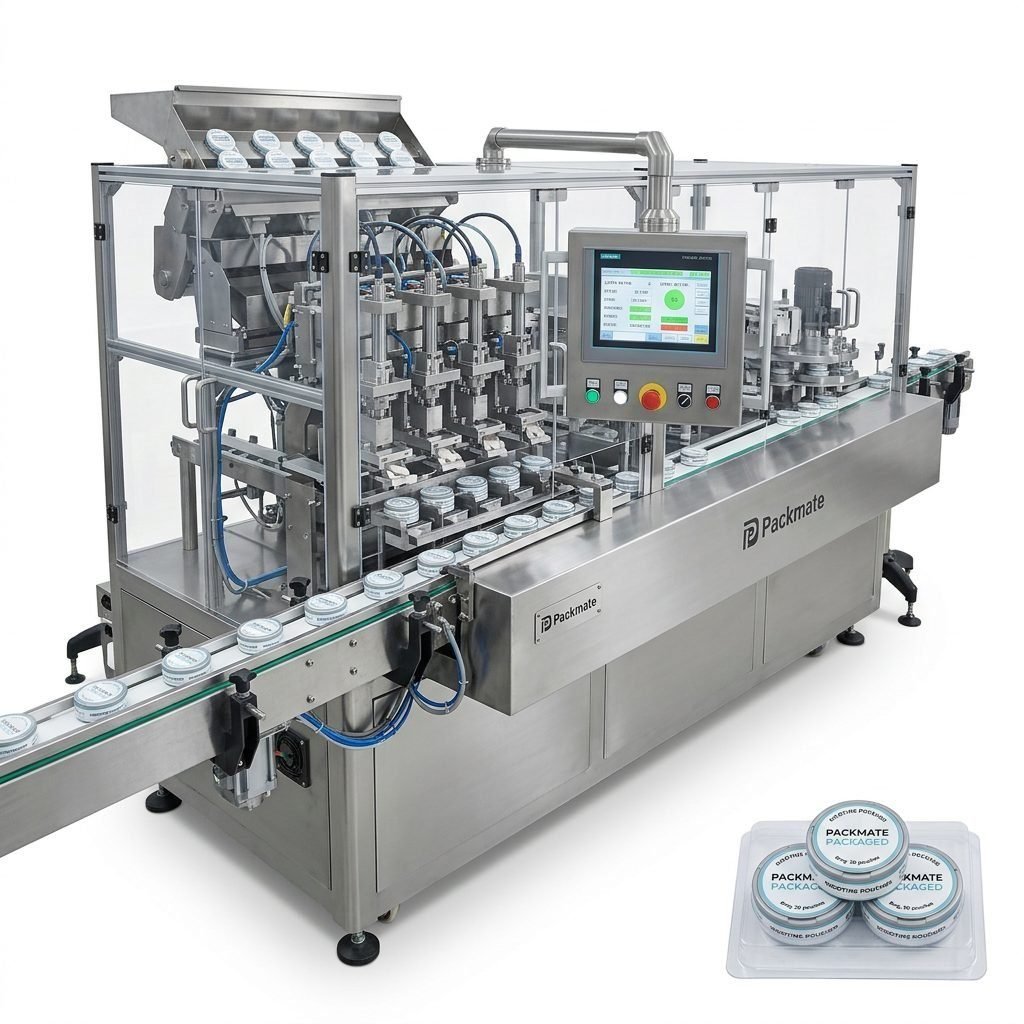
Why this matters: a one-stop supplier reduces integration complexity, shortens commissioning, and ensures all line components (filling, weighing, sealing, and packaging) are compatibly engineered. Explore their Bag & Pouch Packaging Machines and Auxiliary Packaging Equipment to confirm custom options.
7. After-Sales Service, Spare Parts and Training
A machine is only as good as the support behind it. Prioritize manufacturers with clear after-sales programs that include spare parts supply, remote diagnostics, on-site commissioning, and operator training.
Service checklist: guaranteed spare parts availability, training packages for operators and maintenance staff, and responsive technical support channels. Confirm Service and Contact Us options before purchase. ✅
8. References, Case Studies and Exhibition Presence
References and real case studies reveal how a manufacturer performs under real production conditions. Participation in global exhibitions also shows market legitimacy and a willingness to demonstrate equipment.
What to ask for: customer case examples, performance data from similar projects, and exhibition demos (see Our Exhibition and Case). An established track record across regions reduces execution risk. ⚙️
9. Cost Analysis and Return on Investment (ROI)
Price is important, but total cost of ownership includes installation, training, spare parts, downtime, and energy consumption. Analyze ROI across these dimensions.
Financial tips: request a TCO (total cost of ownership) estimate, factor in expected uptime and yield improvements, and calculate payback period based on increased throughput and labor savings. ✅
10. Logistics, Installation and Commissioning in Malawi
Consider import logistics, customs duties, local installation capabilities, and test runs before purchase. A supplier experienced in global shipments can help navigate documentation and export compliance.
Practical steps: confirm shipping terms, request pre-shipment video tests, and schedule on-site commissioning. Use Contact Us to clarify shipping support and lead times. ⚙️
11. Decision Checklist — What to Require in Your RFQ
When issuing a Request for Quotation, include clear technical and commercial requirements to get comparable bids.
Minimum RFQ items:
• detailed production rates and product specifications
• machine layout and footprint
• included accessories, spare parts list and warranty terms
• lead time, FOB/CIF terms and training plan
• acceptance testing criteria and penalty clauses for missed targets
12. Why Consider a Specialized Snus Packaging Manufacturer
Specialist manufacturers bring domain-specific engineering and production experience. For snus and nicotine pouches, this often means refined dosing systems, low-tolerance sealing, and gentle product handling that reduces waste and ensures consistent pouch weight.
Example strengths: long history in snus machinery R&D, customized multi-lane lines, and global turnkey projects—all reduce integration headaches and improve long-term reliability. Learn more About Packmate and the specific machine lines in their catalog if you need a trusted partner. ✅
13. Useful Links and Resources
For more details on machine types and full-line solutions, review these resources:
– Snus & Nicotine Packaging Machines: https://www.snusmachinery.com/products/snus-nicotine-packaging-machines/
– Sachet & Stick Pack Machines: https://www.snusmachinery.com/products/sachet-stick-pack-machines/
– Filling & Packaging Lines: https://www.snusmachinery.com/products/filling-packaging-lines/
– About the Company and Contact: https://www.snusmachinery.com/about-us/
Common Questions — FAQs
Q1: How do I verify a manufacturer’s machine performance before purchase?
A1: Request pre-shipment video of the specific machine in operation with your product or a similar product, ask for performance data from installed lines, check customer references and, where possible, witness factory acceptance tests.
Q2: What certifications should snus packaging machines have for international markets?
A2: Common and important certifications include CE for European markets and ISO quality system adherence. Specific markets may require additional documentation—confirm with the supplier and your local import authorities.
Q3: How long is the typical lead time for snus packaging lines and what affects it?
A3: Lead times vary based on customization and factory load. A standard machine may take 8–16 weeks; a fully customized multi-lane turnkey line often requires longer. CNC capacity, component sourcing, and pre-shipment testing affect schedules.
Q4: What after-sales support should be included in the contract?
A4: Insist on clear warranty terms, spare parts availability, remote troubleshooting, on-site commissioning, and training sessions for operators and maintenance staff. A documented spare parts list and lead times for replenishment are essential.
Q5: Can manufacturers provide turnkey solutions including filling, weighing and packaging?
A5: Yes. Reputable suppliers offer integrated solutions covering weighing, filling, pouch forming and final packaging. Check listings for Weighing & Packaging Systems and Filling & Packaging Lines to confirm integrated capabilities.