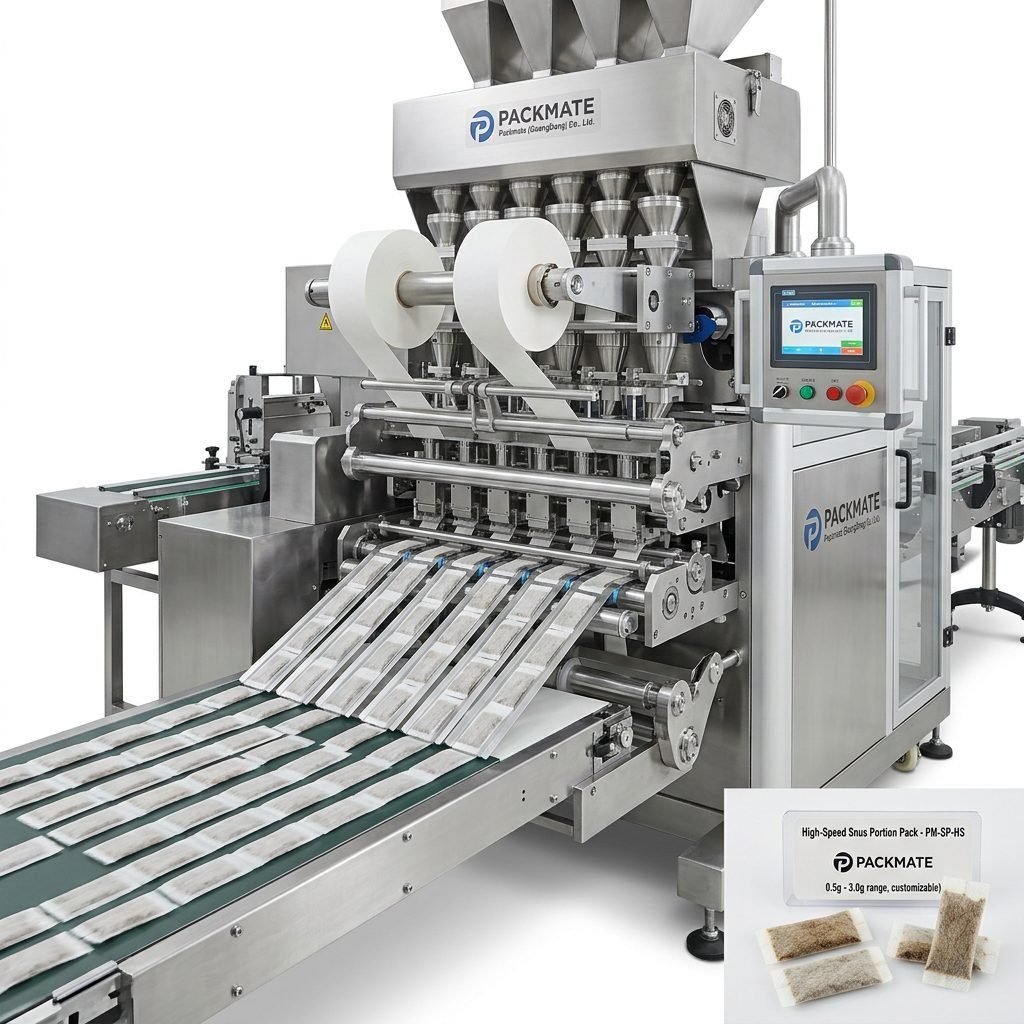
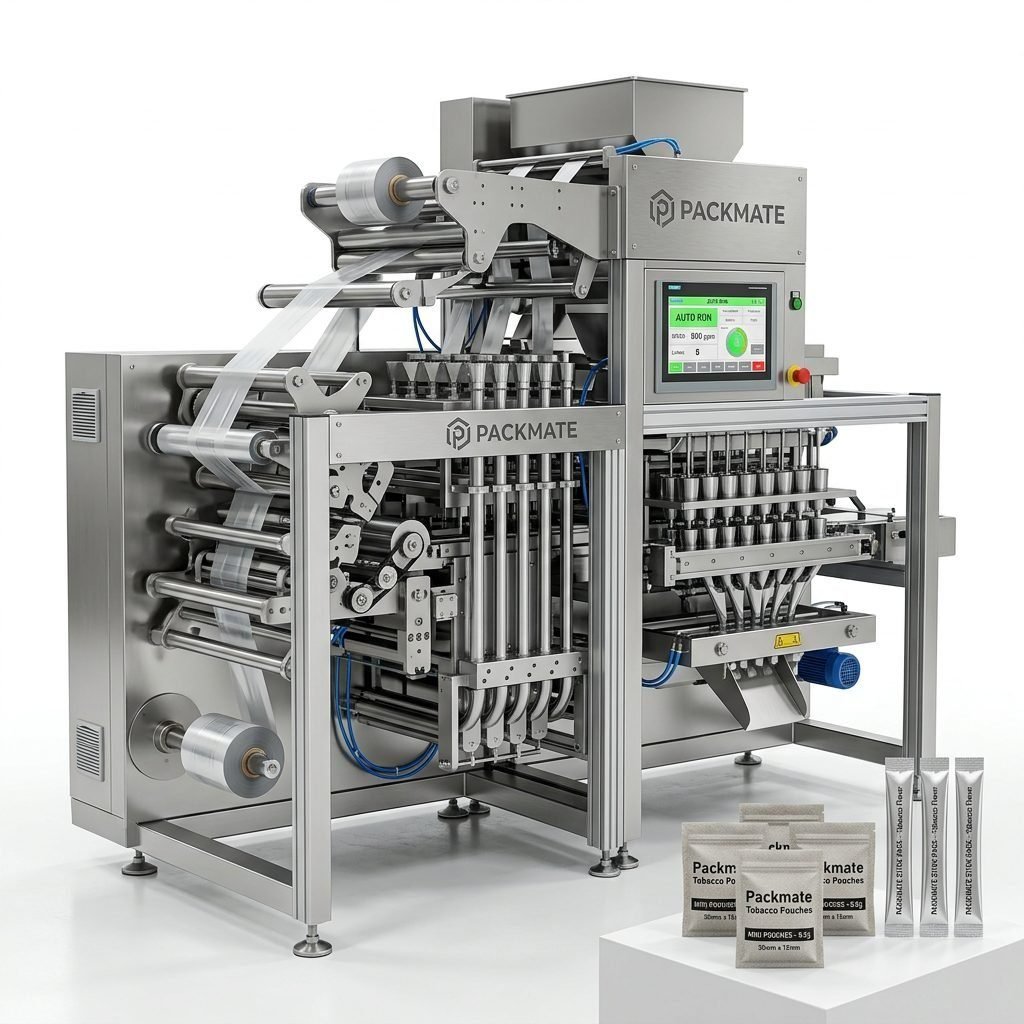
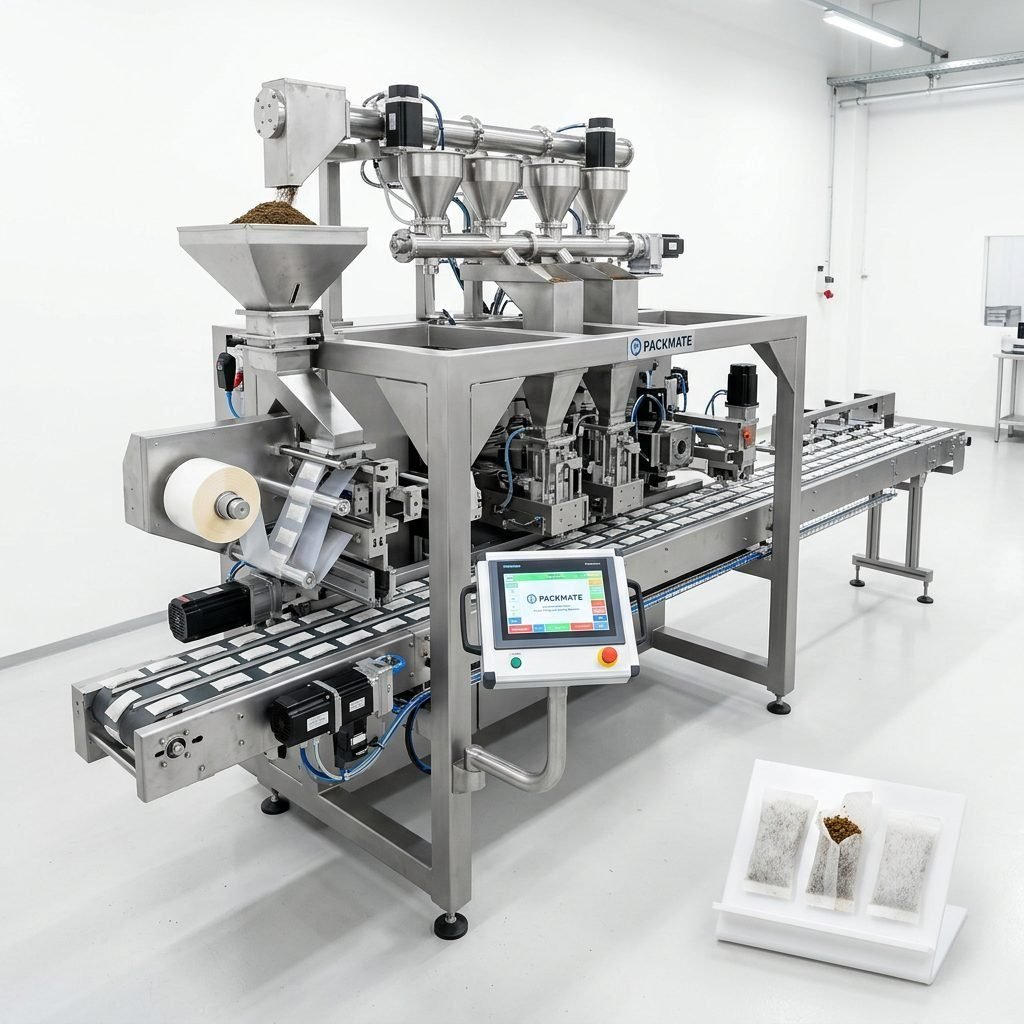
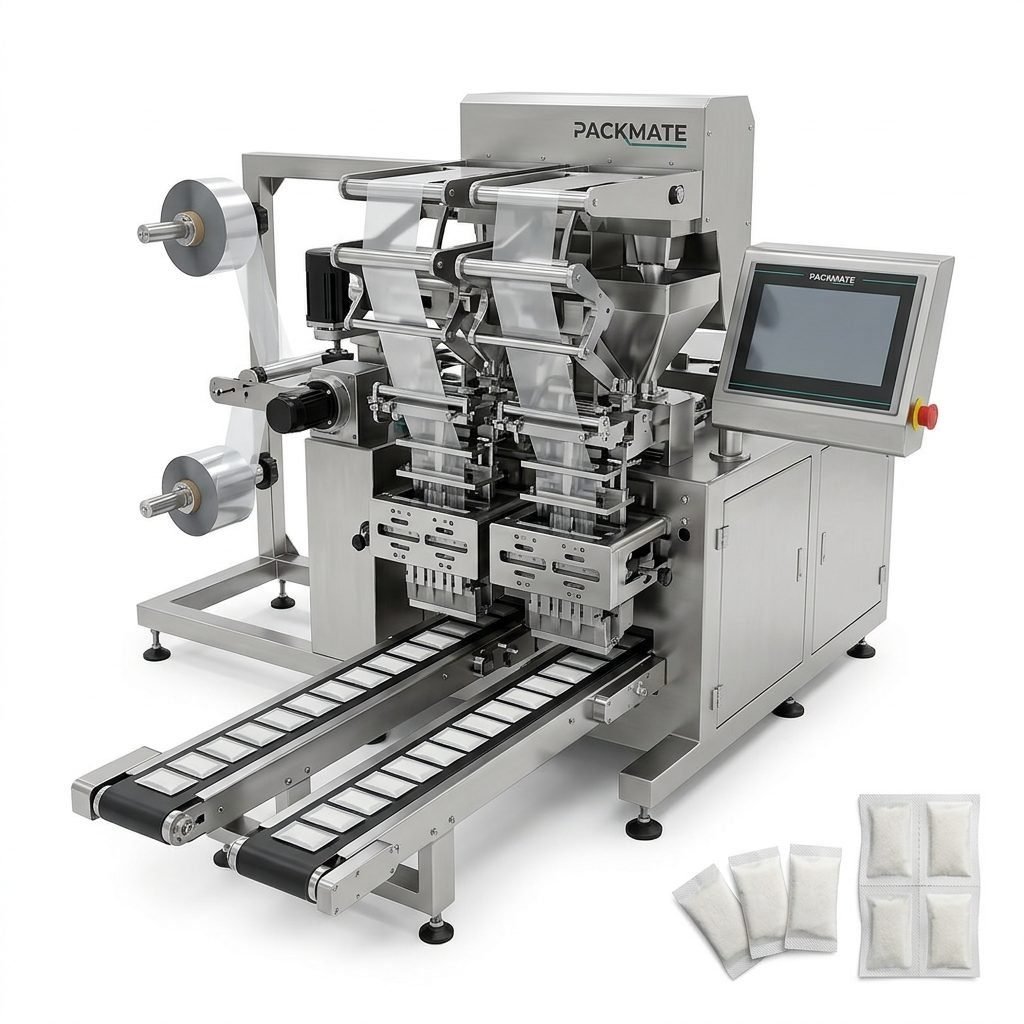
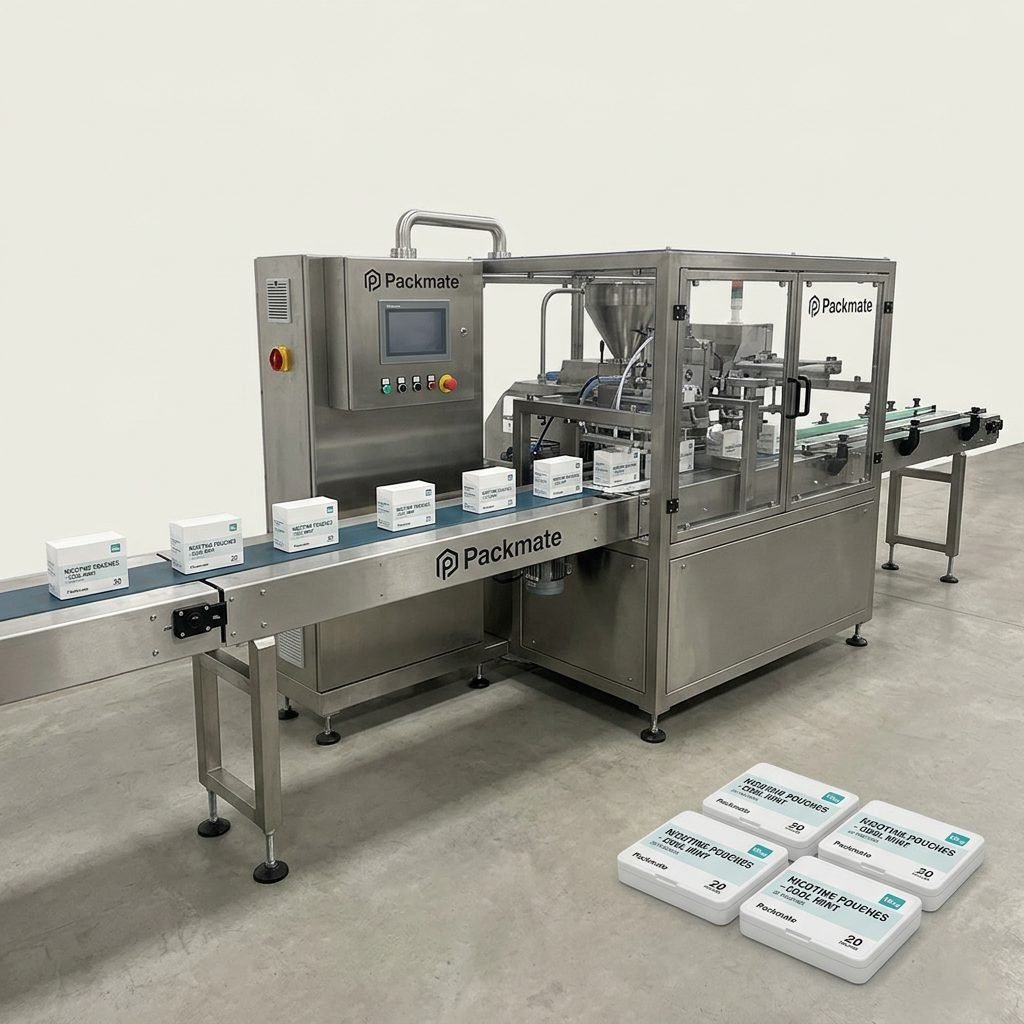
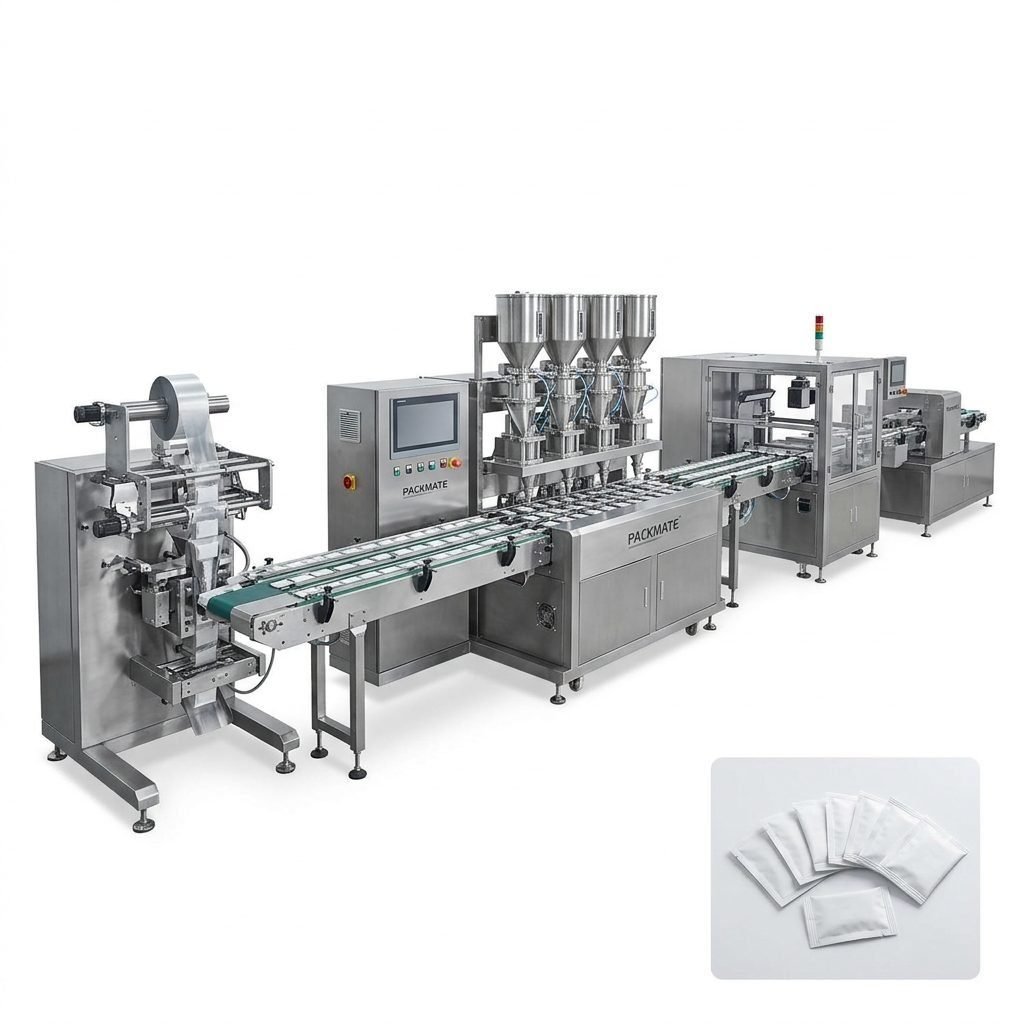
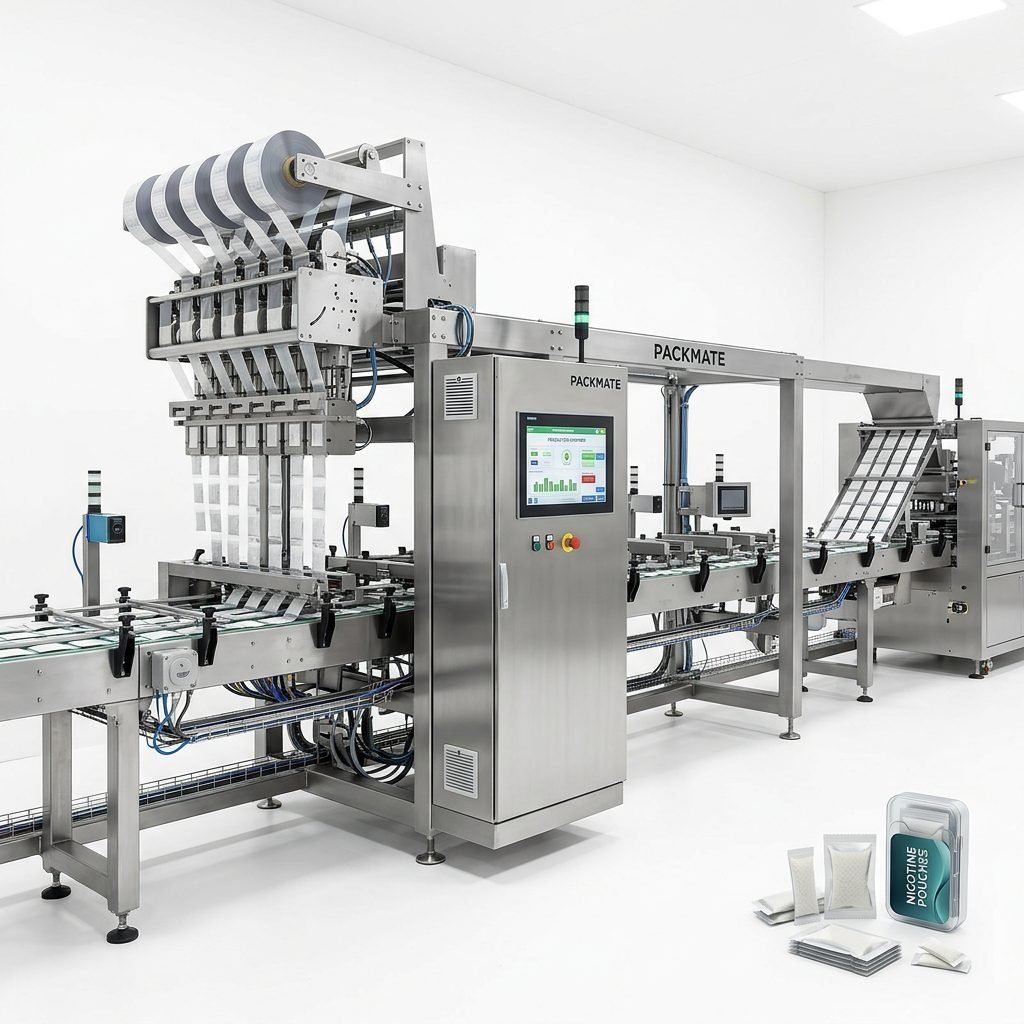
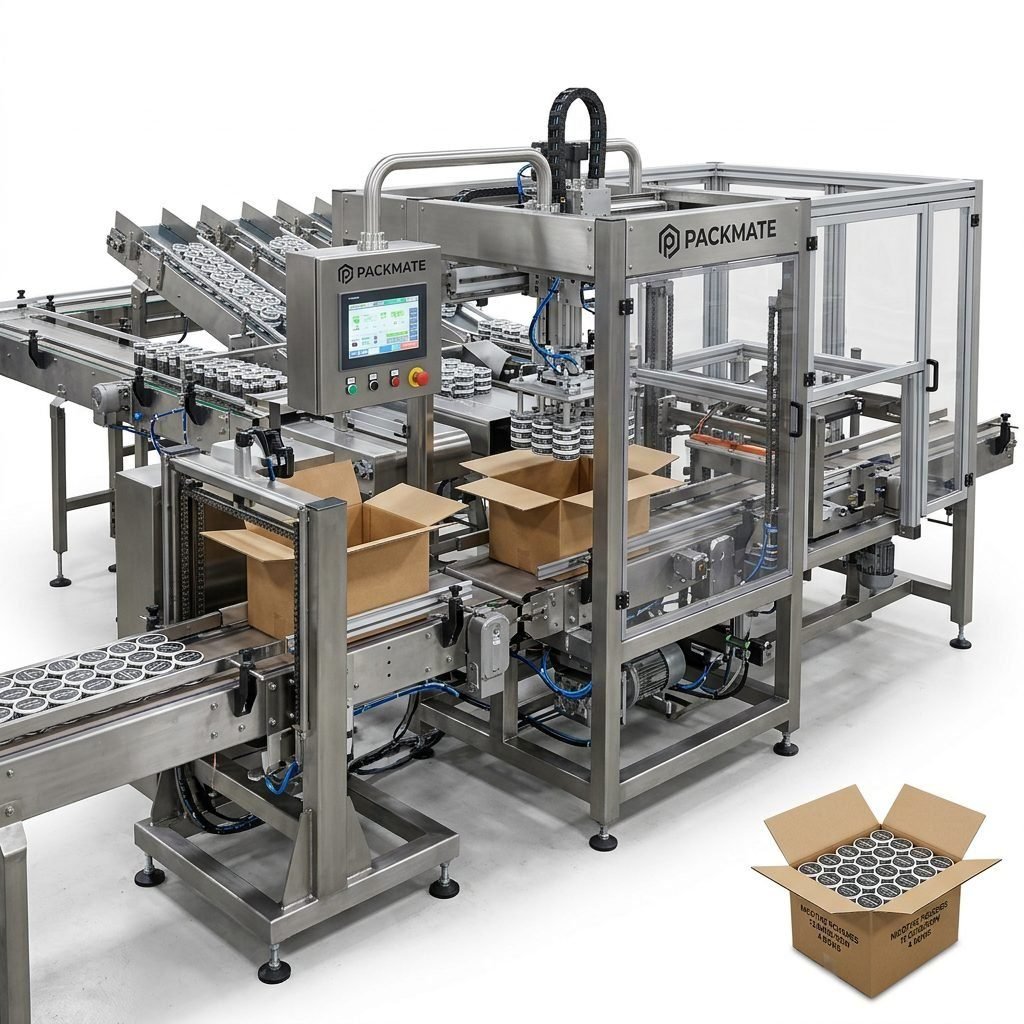
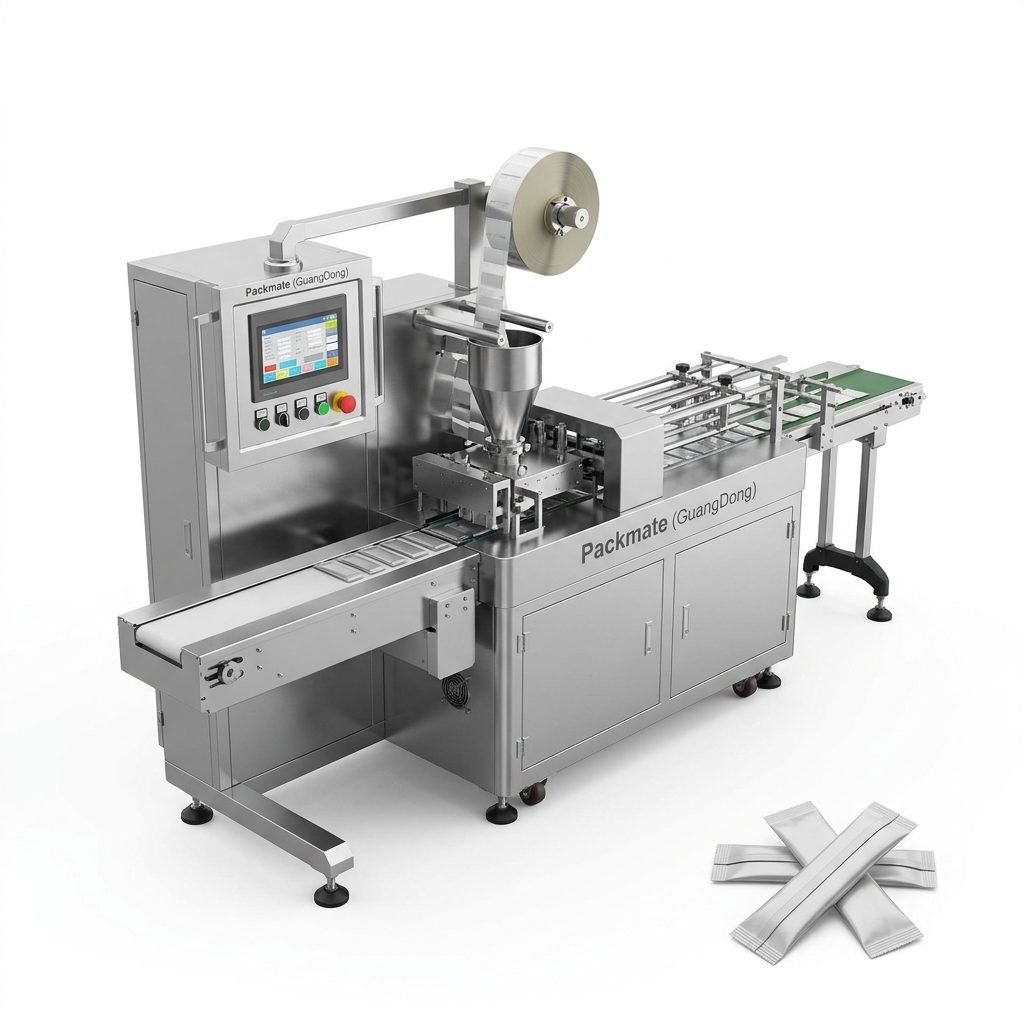
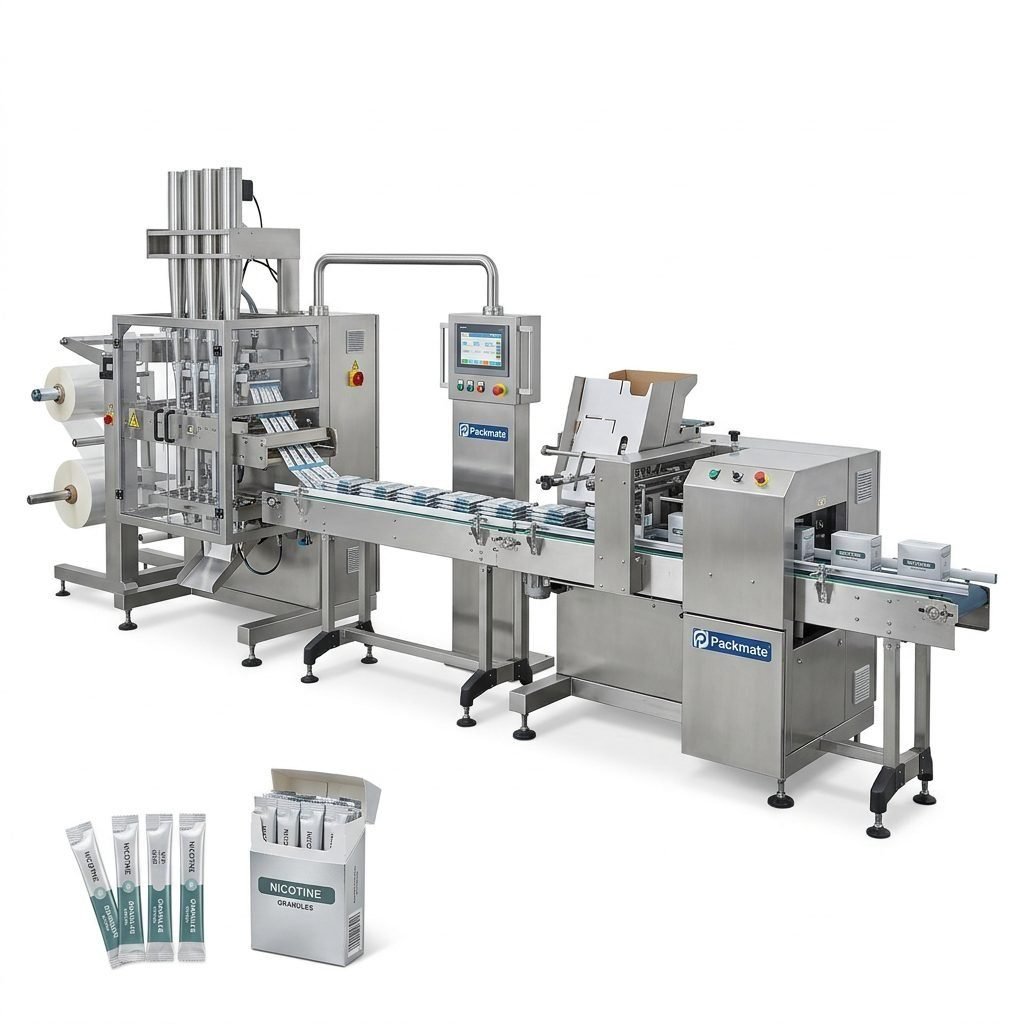
Choosing the right nicotine packaging machinery manufacturer for the Senegal market is more than a price negotiation: it is a strategic decision that affects product quality, regulatory compliance, production uptime, and long-term profitability. This guide walks you through practical, on-the-ground criteria and decision steps so you can confidently select a supplier who delivers reliable snus and nicotine pouch packaging solutions tailored for West Africa’s evolving market.
Understand Your Production Needs First ⚙️
Before you contact manufacturers, define the core parameters of your operation: target daily output, pouch formats (stick pack, sachet, multi-lane pouches), dosage accuracy, and product types (powder, granule, liquid, or nicotine pouch). These requirements determine machine class, required automation level, and the supporting equipment you’ll need.
Key variables to document:
✅ Daily capacity: target pouches per hour/day
✅ Format flexibility: single-lane vs. multi-lane systems
✅ Product characteristics: humidity, granulation, flowability, corrosiveness
Manufacturer Credentials: What to Verify 🏭
When evaluating manufacturers, prioritize proven engineering history, factory capability, and compliance with international standards. A supplier with decades of focused experience in snus and nicotine pouch lines will reduce integration risk.
• Engineering track record: Look for 10+ years in pouch/snus systems or 30+ years in packaging machinery for broader confidence.
• Factory scale: A 20,000㎡ facility with CNC and precision assembly gives better consistency and faster lead times.
• Certifications: CE, ISO or equivalent show compliance with safety and quality systems.
Why experience in snus / nicotine matters
Nicotine pouches and snus require tight dosing, gentle handling, and often multi-lane high-speed packaging. Suppliers with domain-specific experience will already have proven machine models (stick pack, sachet, multi-lane) and the right tooling, reducing development time and technical risk.
Product Portfolio & Customization Capability 📦
A manufacturer should offer a range of machine models to match different scales and product types. Standard designs speed delivery; customization ensures your line handles local product specifics and regulatory labeling.
Important portfolio signals:
• Multi-model offerings: stick pack, sachet, pouch, and auxiliary equipment.
• Turnkey solutions: integration of weighing, filling, packaging and secondary operations.
• Spare parts & upgrades: access to common spare parts, retrofit and spare tooling.
For examples of full product ranges and modular systems, review manufacturer catalogs or product pages—these reveal real engineering depth and model variants. (See providers’ dedicated product pages for Snus & Nicotine Packaging Machines and Bag & Pouch Packaging Machines.)
Useful links:
Snus & Nicotine Packaging Machines |
Bag & Pouch Packaging Machines |
Sachet & Stick Pack Machines
Factory & Manufacturing Strength — What to Inspect 🌐
If possible, conduct a factory visit or request a detailed virtual tour. Verify machining capability (CNC centers), assembly areas, test benches and a documented quality control process. These are critical for long-term stability, lead-time reliability and consistent machine tolerance.
🔎 Check: machine assembly lines, CNC equipment, electrical control rooms, and a demo/testing area.
🔧 Ask for: factory photos, live demo videos, and a list of recent export projects similar to your needs.
Quality Control, Testing & Certifications 🔬
Validate the supplier’s QC procedures: incoming materials inspection, dimensional checks, electrical and safety tests, and pre-shipment performance tests under production-like conditions. Certifications such as CE and ISO indicate formalized quality and safety management.
Ask for machine test reports, FAT (Factory Acceptance Test) videos, and traceability records for critical components (PLC, servo drives, sensors).
Service, Spare Parts & Local Support 🛠️
Long-term serviceability is as important as the machine itself. Confirm the supplier’s spare parts lead times, availability of consumables, and remote support capability. For Senegal, ask whether the manufacturer has local agents, regional partners, or fast courier options for parts.
• Remote commissioning & training: Does the supplier offer virtual commissioning and operator training?
• Spare parts kit: Request a recommended spare parts list for the first 12 months.
• Service SLA: Response times for critical failures and availability of on-site technicians.
Cost vs. Total Cost of Ownership (TCO) 💰
The cheapest machine up front can be the most expensive over its lifecycle. Evaluate TCO: energy consumption, mean time between failures (MTBF), spare parts cost, consumables, and expected throughput. Also include costs for installation, commissioning, and operator training.
A good manufacturer will give clear metrics: expected output at different formats, power consumption, and recommended maintenance intervals.
Regulatory & Compliance Considerations in Senegal ⚖️
Nicotine products may face strict labeling, packaging, and import controls in West Africa. Work with suppliers who understand export documentation, CE marking, and can assist with local compliance information or provide machine documentation needed for customs clearance.
If required, check whether the manufacturer can adapt packaging lines for local language labeling and integrate inspection systems for regulatory checks.
References, Case Studies & Live Demos 🔍
Ask for customer references and case studies in similar industries and export markets. Machines that operate reliably in climates similar to Senegal’s provide higher confidence.
Request live machine demos or videos of lines producing nicotine pouches. Look for consistent sealing quality, dosing accuracy and multi-lane synchronization.
Helpful links for reviewing real projects and the company background:
Case |
About Packmate |
Our Exhibition
Remote Evaluation Checklist (for initial shortlisting) 📋
1. Factory credentials and years in snus/nicotine packaging
2. Machine models and demonstrated multi-lane capability
3. FAT videos, performance reports and customer references
4. Spare parts availability and lead times to Senegal
5. Warranty terms, remote support and training options
Practical Steps to Finalize Your Supplier 🤝
1) Shortlist 3–5 vendors based on portfolio and references. 2) Request technical proposals with performance guarantees and acceptance criteria. 3) Negotiate a detailed contract: lead time, payment milestones, FAT & SAT (site acceptance), warranty and spare parts. 4) Plan for commissioning, training and spare parts stocking before shipment.
When discussing contracts, include specific acceptance criteria (e.g., pouch weight tolerance, sealing strength, uptime % during acceptance run). This minimizes ambiguity and protects your investment.
Why Work with a Specialist Snus / Nicotine Packaging Manufacturer? 🌟
Specialist manufacturers have tuned machines and tooling for nicotine products: dosing units that handle small doses accurately, sealing systems compatible with moisture-sensitive blends, and multi-lane synchronization for high throughput. This focus reduces time-to-market and increases first-pass yield.
Final Recommendations
• Prioritize manufacturers with documented snus/nicotine experience and a wide product portfolio.
• Insist on FAT videos and measurable acceptance criteria before shipment.
• Plan spare parts and training into your procurement to reduce downtime risk in Senegal.
• Balance initial price with lifecycle costs — energy and maintenance can dominate TCO.
Where to Explore Trusted Suppliers & Resources
Manufacturer product pages, catalogs and project case studies are excellent starting points. Explore detailed product lines like Filling & Packaging Lines and Weighing & Packaging Systems to understand integration options.
Common Questions (FAQs)
Q1: What is the typical lead time for a snus pouch packaging line?
A1: Lead time depends on complexity and customization. Standard machines may ship in 8–12 weeks; turnkey multi-lane lines with integration often require 12–20 weeks plus FAT time.
Q2: How should I plan spare parts for operation in Senegal?
A2: Stock essential wear parts (sealing jaws, belts, sensors), critical electrical components (PLCs, drives) and a 6–12 month consumables supply. Confirm shipping channels and local agent support where possible.
Q3: Can suppliers provide remote commissioning?
A3: Many modern suppliers offer remote commissioning, virtual training and video-guided setup. This reduces travel costs but plan for at least one on-site visit for final acceptance if possible.
Q4: Are nicotine-specific machines certified differently?
A4: Certification focuses on safety and quality management (CE, ISO). Regulatory aspects for nicotine products are country-specific; ensure machine labeling and inspection modules can meet local rules.