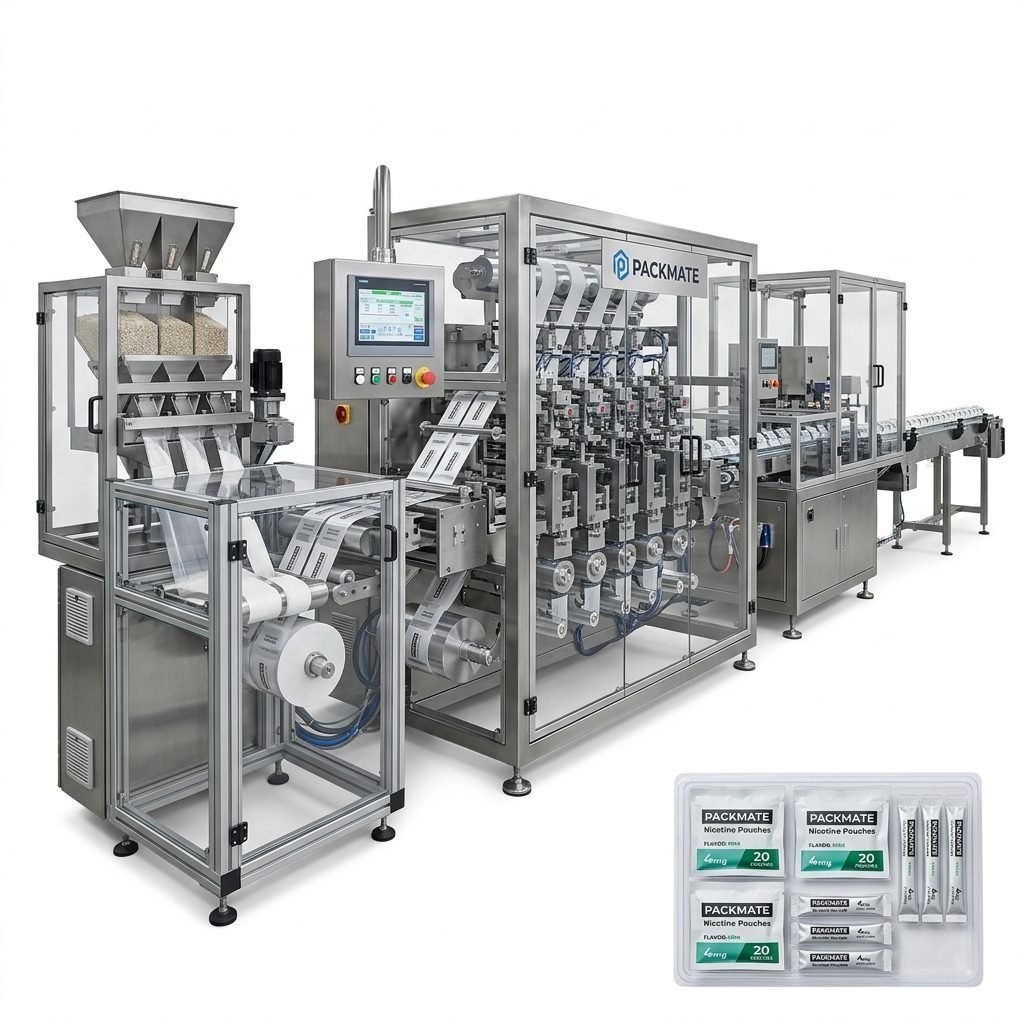
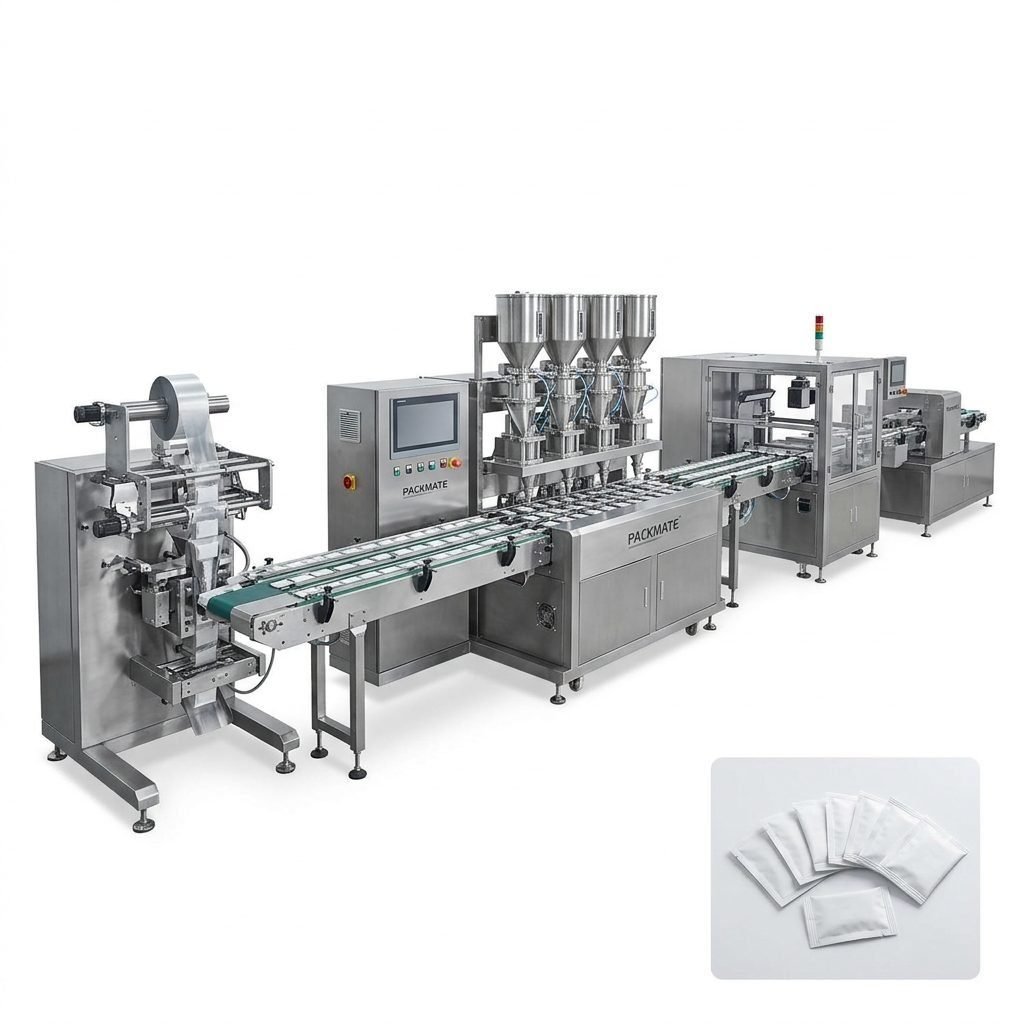
Choosing the right snus packaging machine for the Middle East market requires more than picking the most advanced model — it demands a clear understanding of your product specifications, regulatory environment, production goals, and long-term service expectations. This guide walks you step-by-step through the selection process for snus and nicotine pouch packaging equipment, with practical tips to evaluate machine types, production capacity, customization, compliance, and after-sales support.
Understand Your Product and Market Requirements
A precise definition of the product is the foundation of equipment selection. Ask these questions first: What is the pouch type (portion snus, nicotine pouch, sachet)? What are the typical pouch sizes and materials (paper, foil, laminated films)? Do you need dry-fill, liquid, or powder handling? The answers influence the type of machine — stick pack, sachet, multi-lane pouch machine — and the auxiliary systems required.
Key product checklist:
✓ Pouch format and dimensions — single-portion or multi-portion lanes
✓ Product state — powder, granular, liquid or paste
✓ Film type — heat-seal characteristics and barrier needs
✓ Target shelf-life and packaging atmosphere (vacuum, nitrogen flush)
Match Machine Type to Your Production Needs
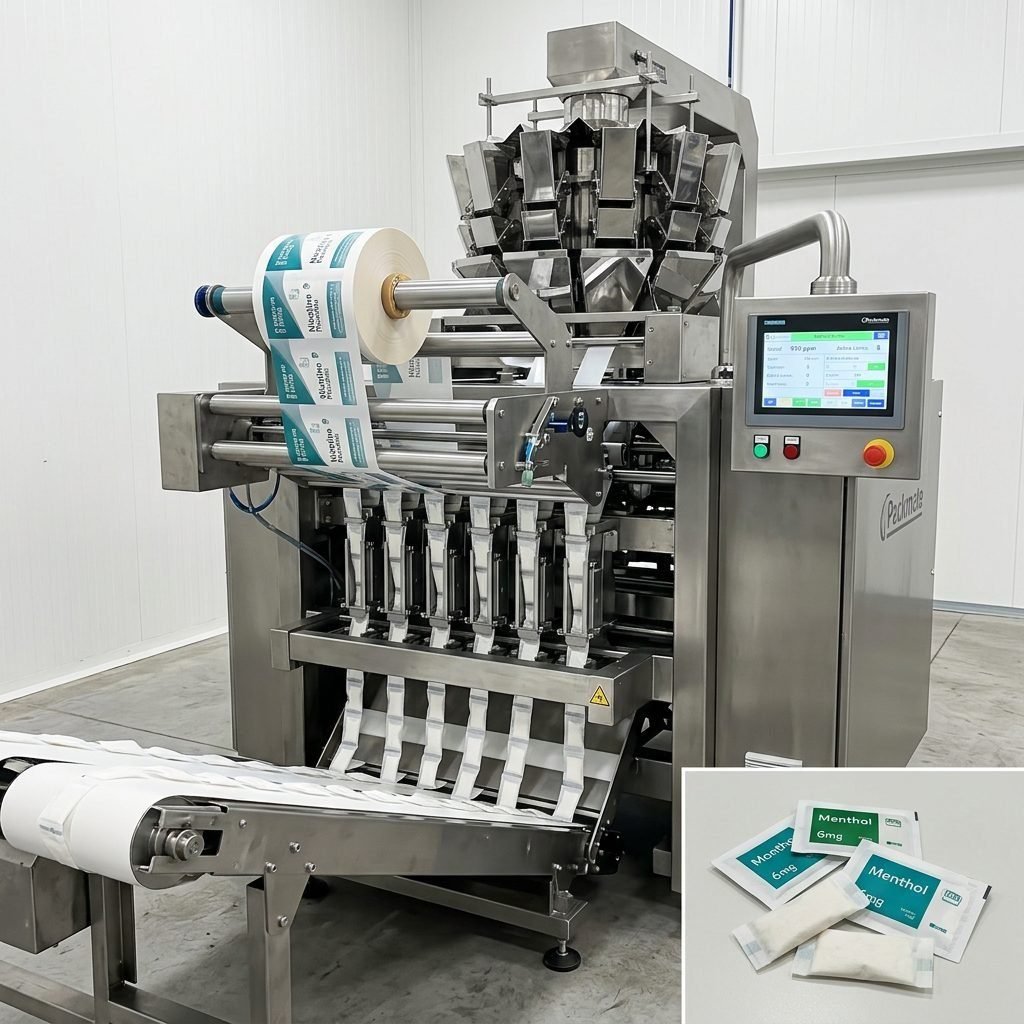
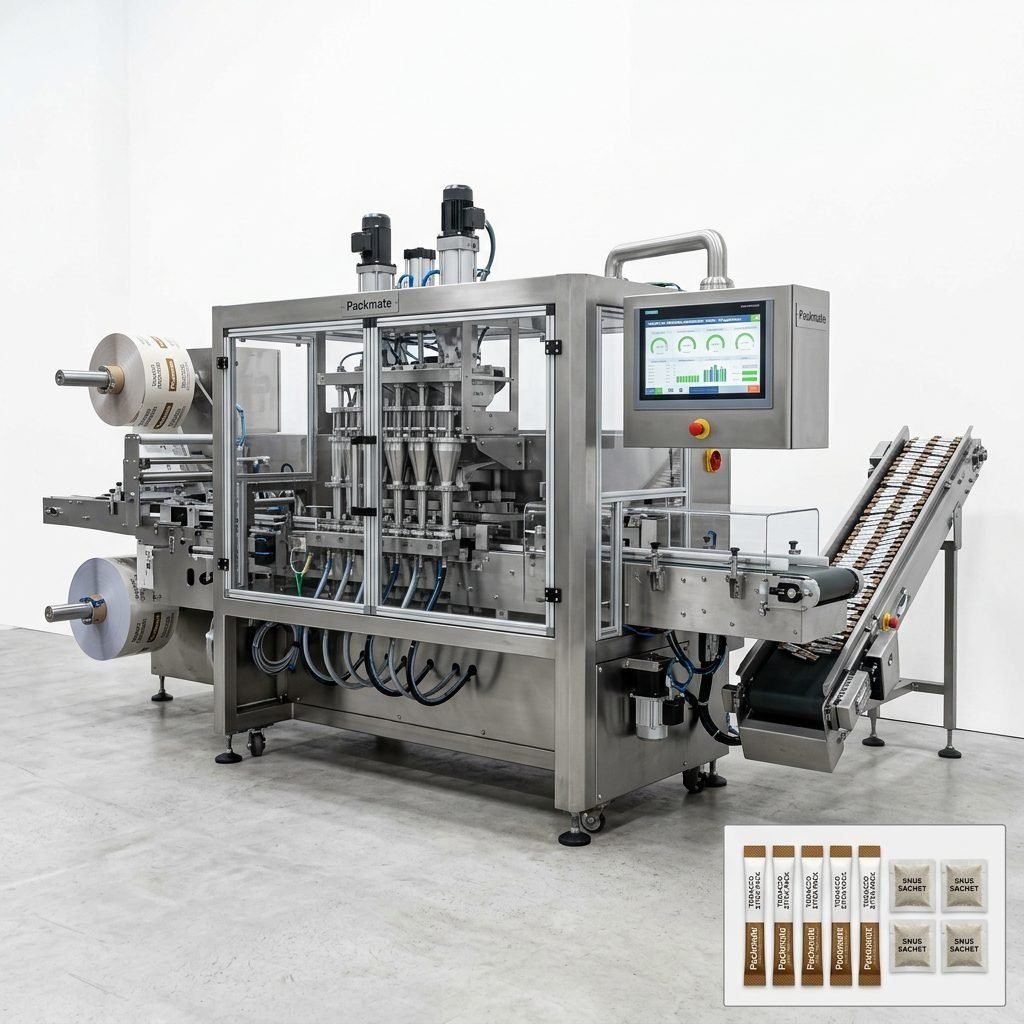
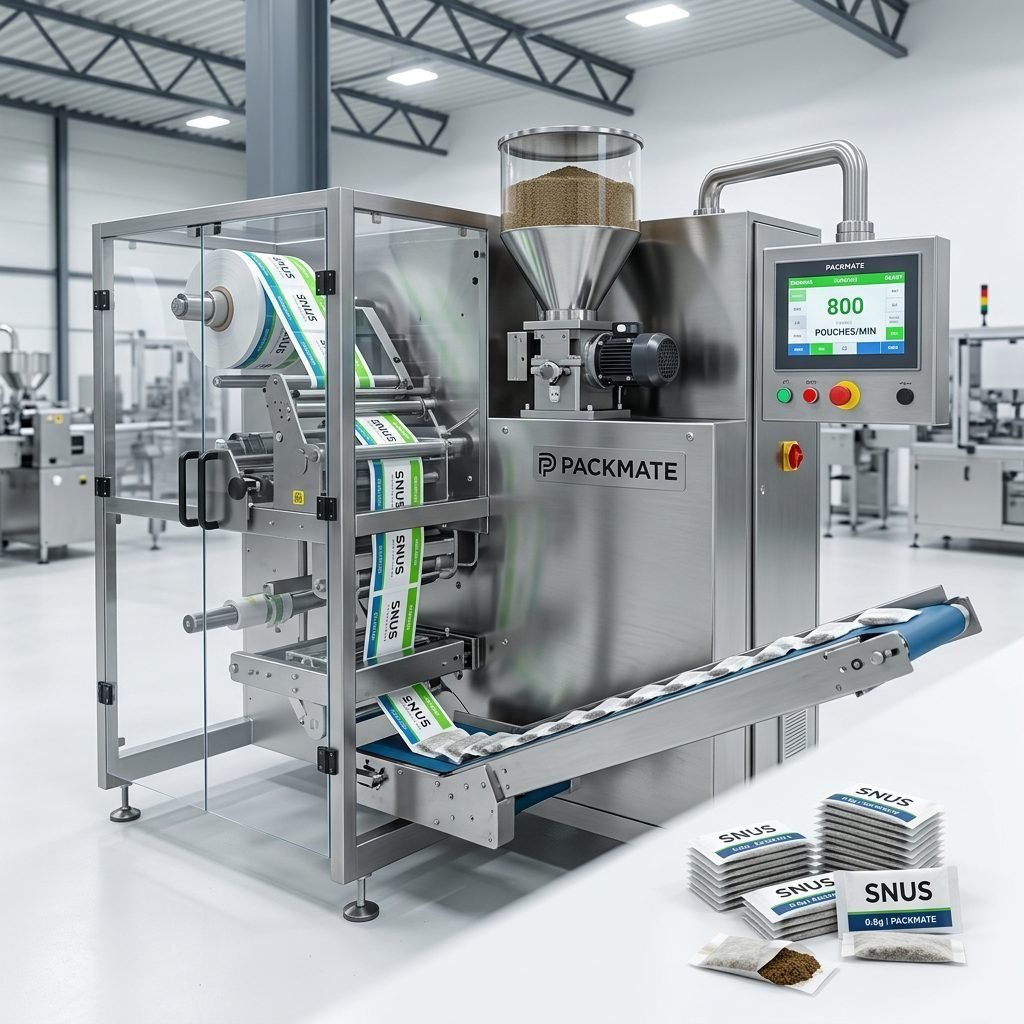
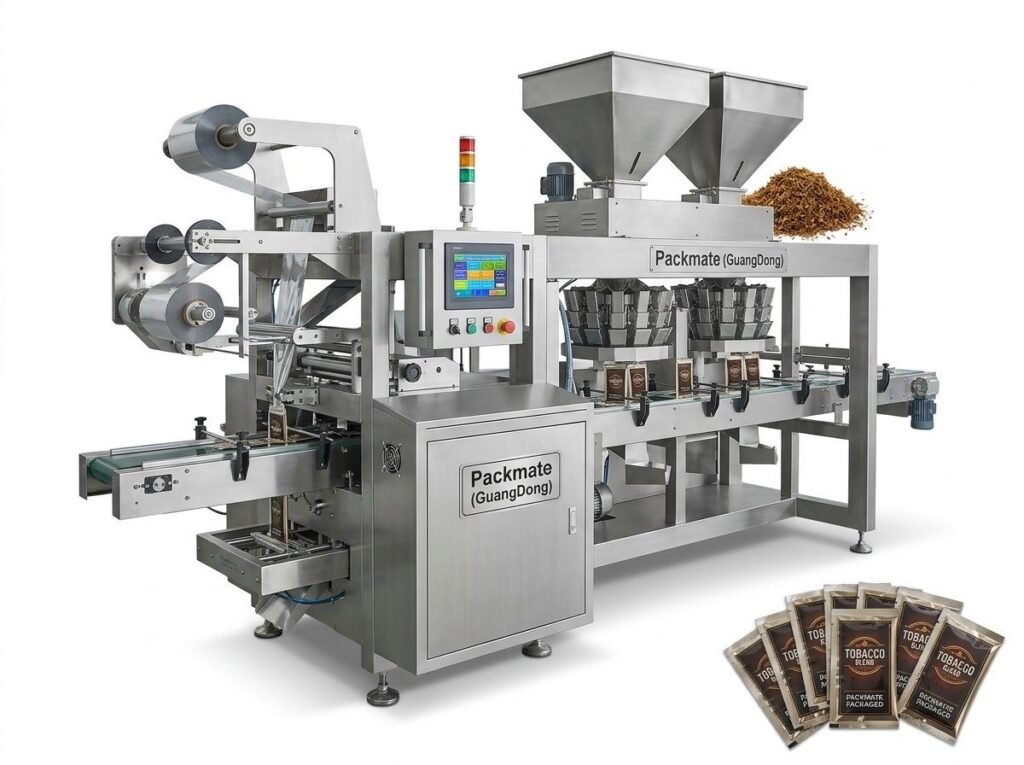
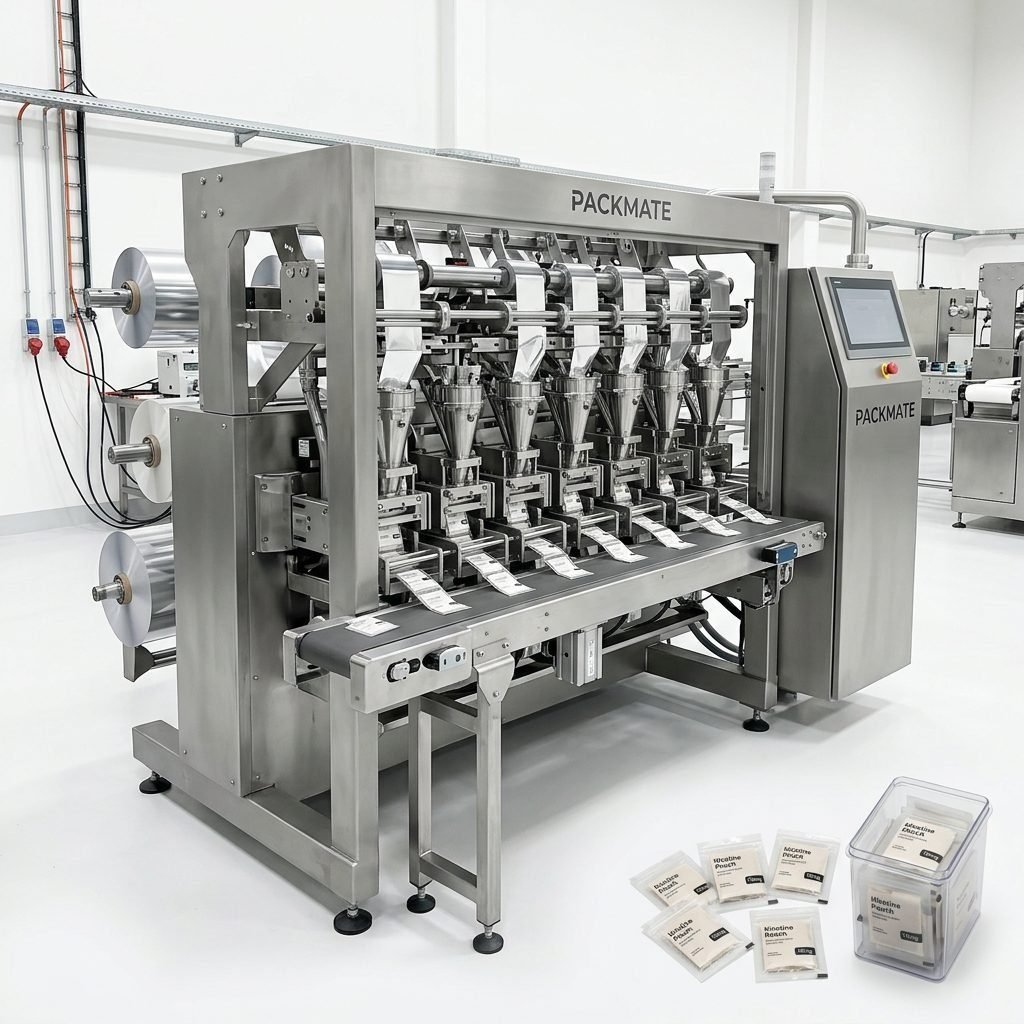
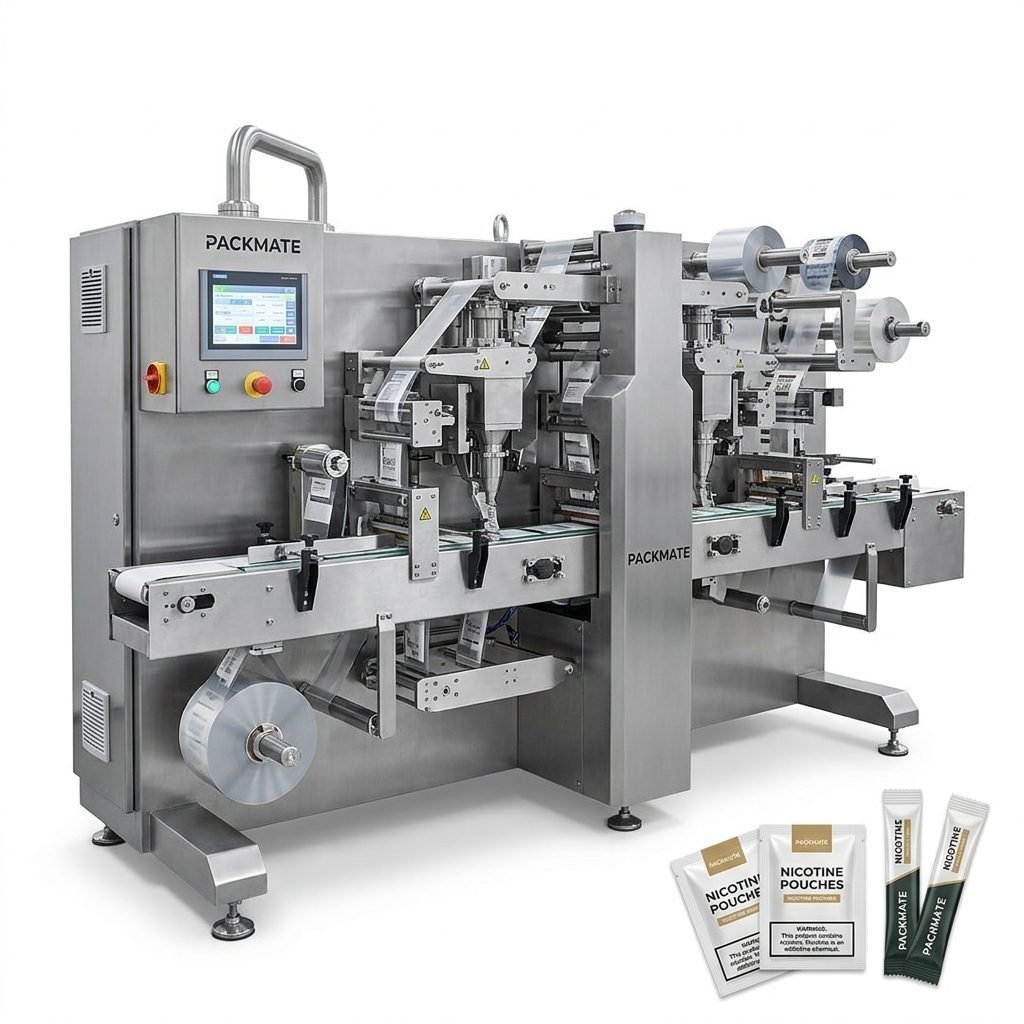
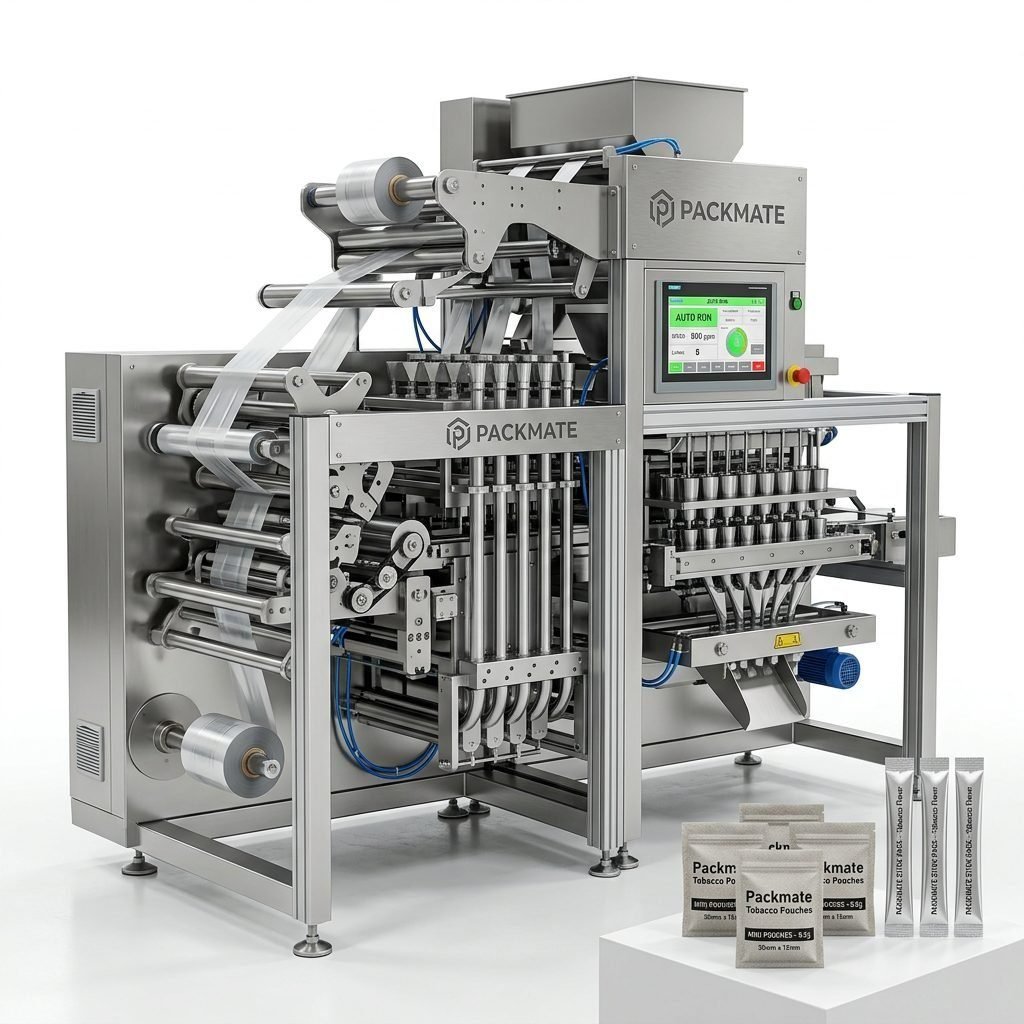
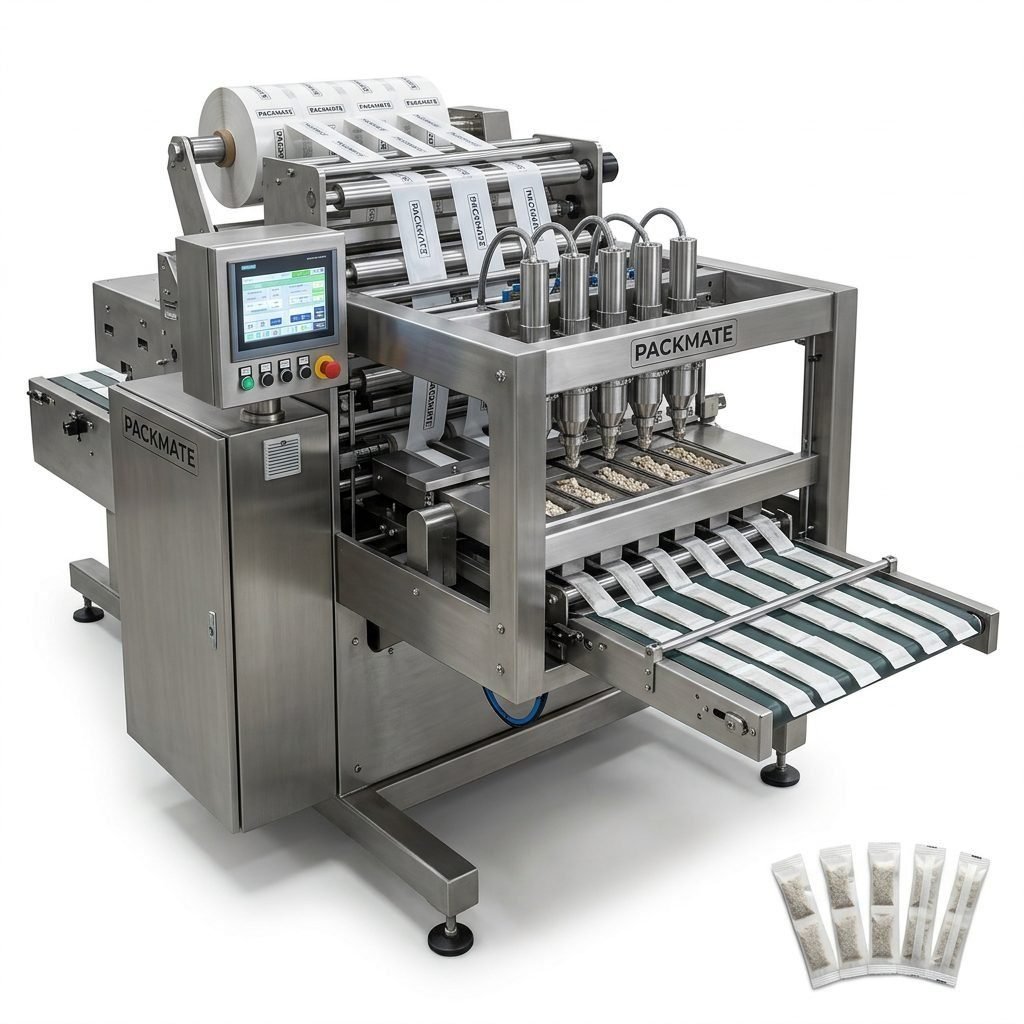
Manufacturers offer several machine families optimized for different scenarios. For a full overview of available machine types and configurations, consult product portfolios like Snus & Nicotine Packaging Machines and Sachet & Stick Pack Machines. Typical options include:
Stick Pack Machines
Stick pack lines are ideal for slim, single-portion products. They provide continuous high-speed output and are excellent for markets that prioritize compact, retail-friendly formats.
Sachet & Pouch Machines
Sachet and pillow pouch machines are versatile for a range of pouch sizes and materials. Multi-lane configurations enable higher throughput without expanding floor footprint.
Multi-Lane Systems
If your strategy targets high-volume production, multi-lane systems are a strong choice. They split the film web into multiple lanes, dramatically increasing output per cycle while maintaining consistent portioning accuracy.
Tip: For detailed line combinations (filling, weighing, pouch forming), review integrated solutions at Filling & Packaging Lines.
Evaluate Capacity, Speed and Flexibility
Define your required output in pouches per minute or per shift. Machines are rated by maximum theoretical speed, but real-world throughput depends on product properties and film handling. Prioritize:
– Net throughput at your product settings rather than peak speed.
– Quick changeover between sizes if you plan multiple SKUs.
– Modular design to add lanes or upgrades as demand grows.
Automation and Integration
Ask about line integration with upstream and downstream equipment: feeders, weighers, metal detectors, and cartoning modules. Seamless communication via PLC/HMI and industry-standard protocols reduces downtime and enables Industry 4.0 monitoring.
Material Compatibility and Sealing Performance
Not all films behave the same during heat-sealing and forming. Ensure the machine supports the sealing temperature range and has adaptable sealing jaws for laminated films. For barrier-sensitive snus products consider modified atmosphere packaging (MAP) options like nitrogen flushing.
Material validation: Request test runs with your films and product — this validates seal integrity, pouch appearance, and weight accuracy before purchase.
Regulatory Compliance and Certifications
For export and local sales in the Middle East, confirm the equipment meets regional and international safety and quality standards. Packmate Snus Machine equipment is designed to comply with certifications such as CE and ISO. See their company credentials at Certificate.
Service, Spare Parts and Local Support
Long-term uptime depends on dependable service and readily available spare parts. Evaluate vendor capabilities:
– Lead times for critical spares and the availability of local stocking partners.
– Training programs for operators and maintenance staff.
– Remote diagnostic capabilities and on-site commissioning support.
Service checklist: Ask suppliers for service records, spare parts lists, and references from regional customers. Packmate provides global turnkey solutions and exhibition demonstrations — check Our Exhibition and Case pages.
Total Cost of Ownership (TCO)
Purchase price is only part of the story. Calculate TCO by including energy consumption, maintenance cycles, spare part costs, expected lifespan, and potential upgrades. Higher upfront investment in robust automation can reduce labor and waste, improving ROI over time.
Factory Footprint and Layout Planning
Map the intended machine location and see how it integrates with upstream and downstream equipment. Consider:
– Floor loading and access for delivery/maintenance.
– Cable and air supply requirements.
– Sanitation and dust control for tobacco-related lines.
Customization and Branding
Many Middle East brands require specific pouch graphics, printing and coding solutions. Make sure the machine supports reliable coding (thermal, inkjet, laser) and can integrate a labelling or cartoning module if needed. For customization options and models, review Bag & Pouch Packaging Machines.
Factory and Manufacturer Credibility
Trustworthy suppliers offer transparent company history, factory tours, and verifiable references. Packmate Snus Machine highlights include 30+ years of engineering experience, a 20,000㎡ manufacturing facility and more than 50 machine models. Learn about the company background at About Packmate.
Due diligence: Request factory photos, machine acceptance protocols, and client lists. A reliable manufacturer will share testing procedures and performance certificates.
Trial Runs and Acceptance Testing
Before final acceptance, insist on FAT (Factory Acceptance Testing) and SAT (Site Acceptance Testing) using your raw materials. This ensures the machine meets the agreed weight tolerances, sealing quality and output rates.
Final Procurement Checklist
Use this compact checklist to compare suppliers:
✓ Machine compatibility with product and films
✓ Verified production rates under real conditions
✓ Spare parts availability and service network
✓ Compliance with CE/ISO or local regulations
✓ FAT/SAT with your materials before shipment
✓ Clear warranty and training terms
Where to Start
Begin by compiling a short technical brief: product specs, expected output, film samples, required certifications, and site conditions. Share this with suppliers to receive tailored proposals. For an integrated machine selection, explore Packmate’s array of options, including auxiliary systems at Auxiliary Packaging Equipment.
Conclusion
Choosing the right snus packaging machine in the Middle East comes down to matching product needs with machine capabilities, ensuring regulatory compliance, planning for long-term serviceability, and validating performance through real-material testing. Prioritize partners with a strong industrial track record, clear engineering documentation, and robust after-sales support to minimize risk and accelerate your production ramp-up.
Frequently Asked Questions
Q: What is the typical lead time for a snus packaging line?
A: Lead times vary by complexity and customization, but a standard pre-configured line typically ranges from 8 to 16 weeks. Customized multi-lane systems may require longer engineering and build time.
Q: Can these machines handle different pouch materials?
A: Yes — modern snus machines support a wide range of laminates and films, but you should request material compatibility testing to confirm seal integrity and appearance.
Q: Do suppliers offer commissioning and training in the Middle East?
A: Reputable manufacturers provide on-site commissioning, operator training and remote support. Verify the scope in your sales contract and ask about regional service partners.
Q: How do I validate machine performance before purchase?
A: Insist on FAT with your materials and a documented acceptance test. Suppliers should run your product to demonstrate weight accuracy, sealing and throughput under realistic settings.
Q: Where can I find examples of installed lines and references?
A: Ask suppliers for case studies and client references. Packmate maintains a portfolio of global projects — see their Case page and contact options at Contact Us.