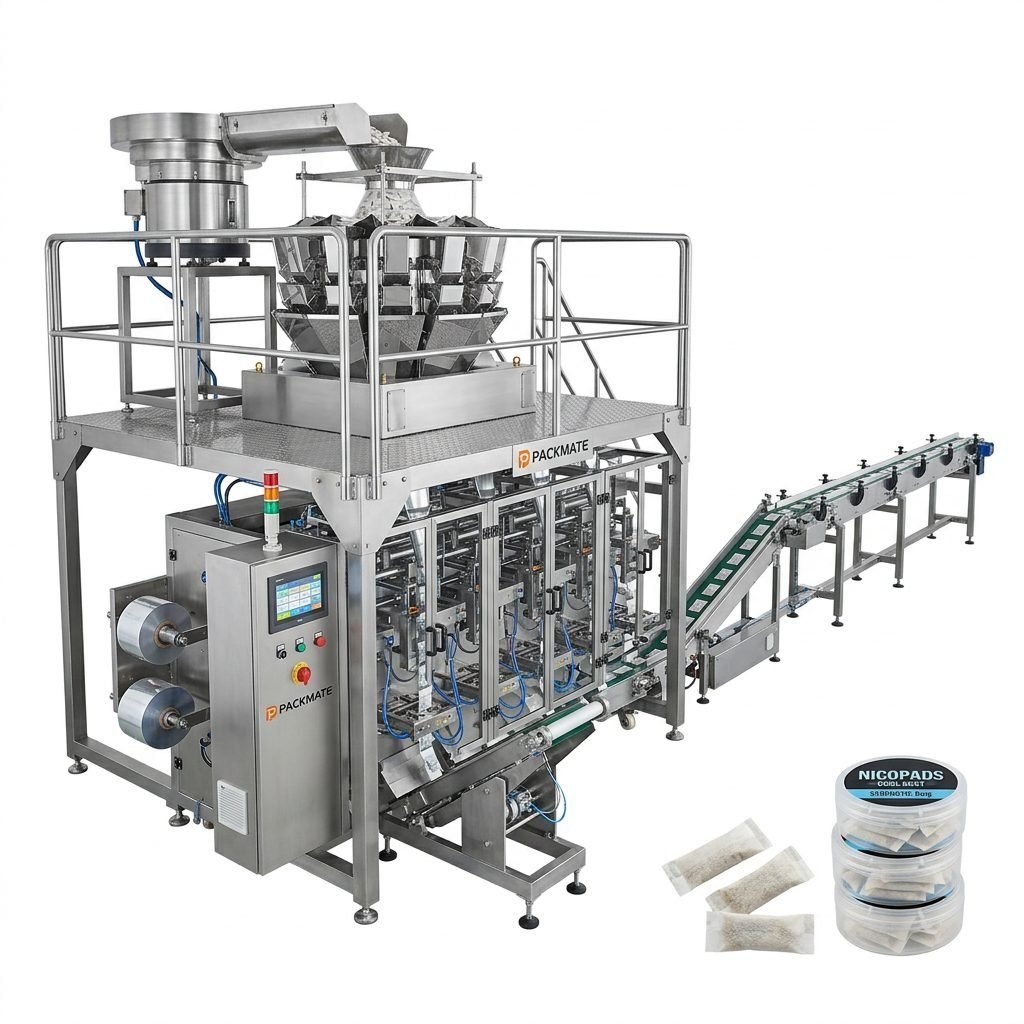
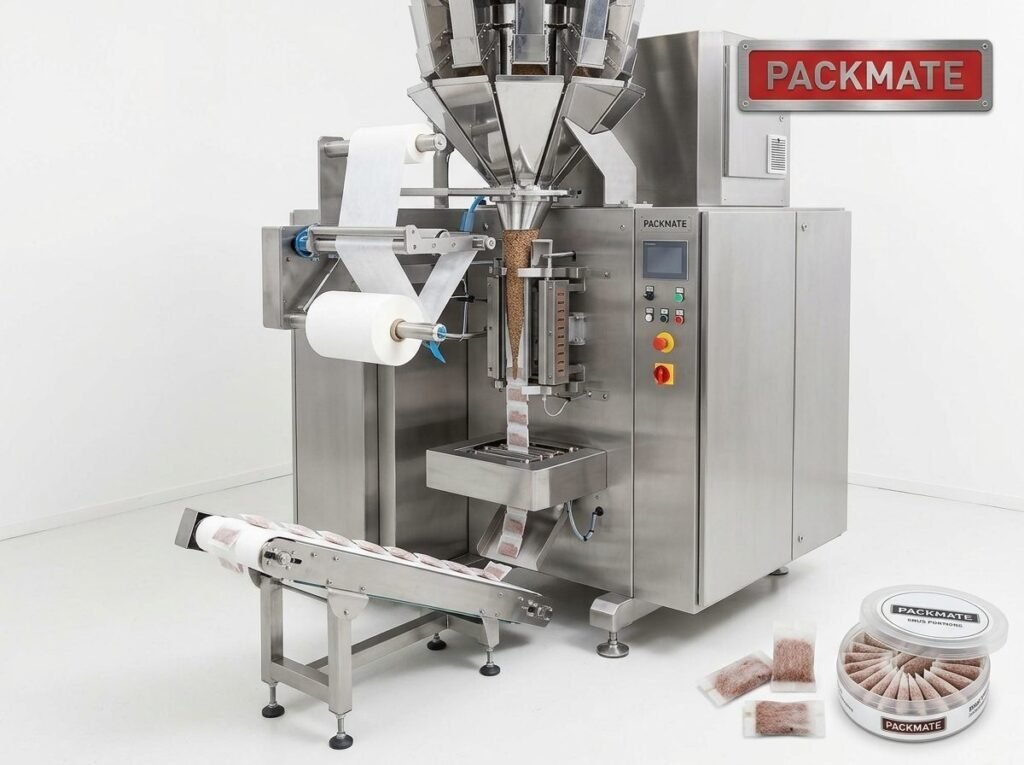
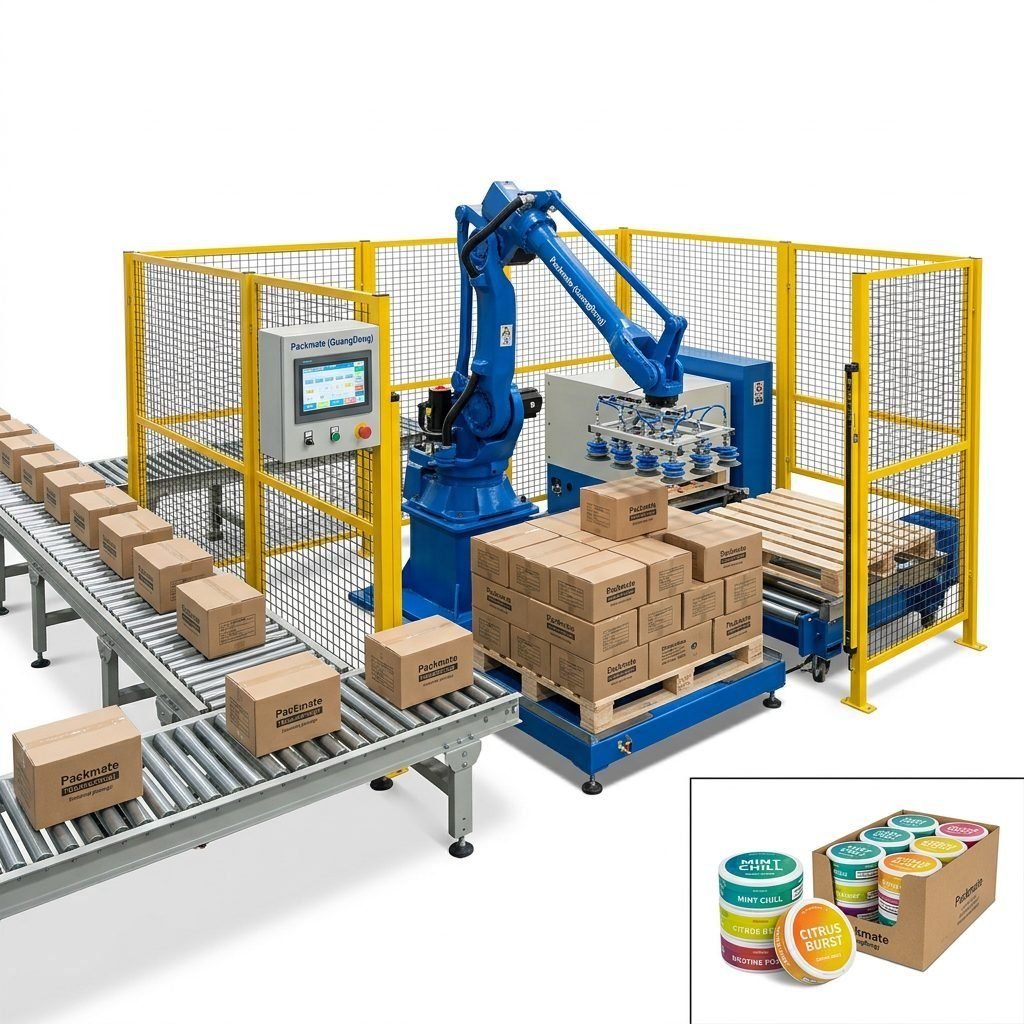
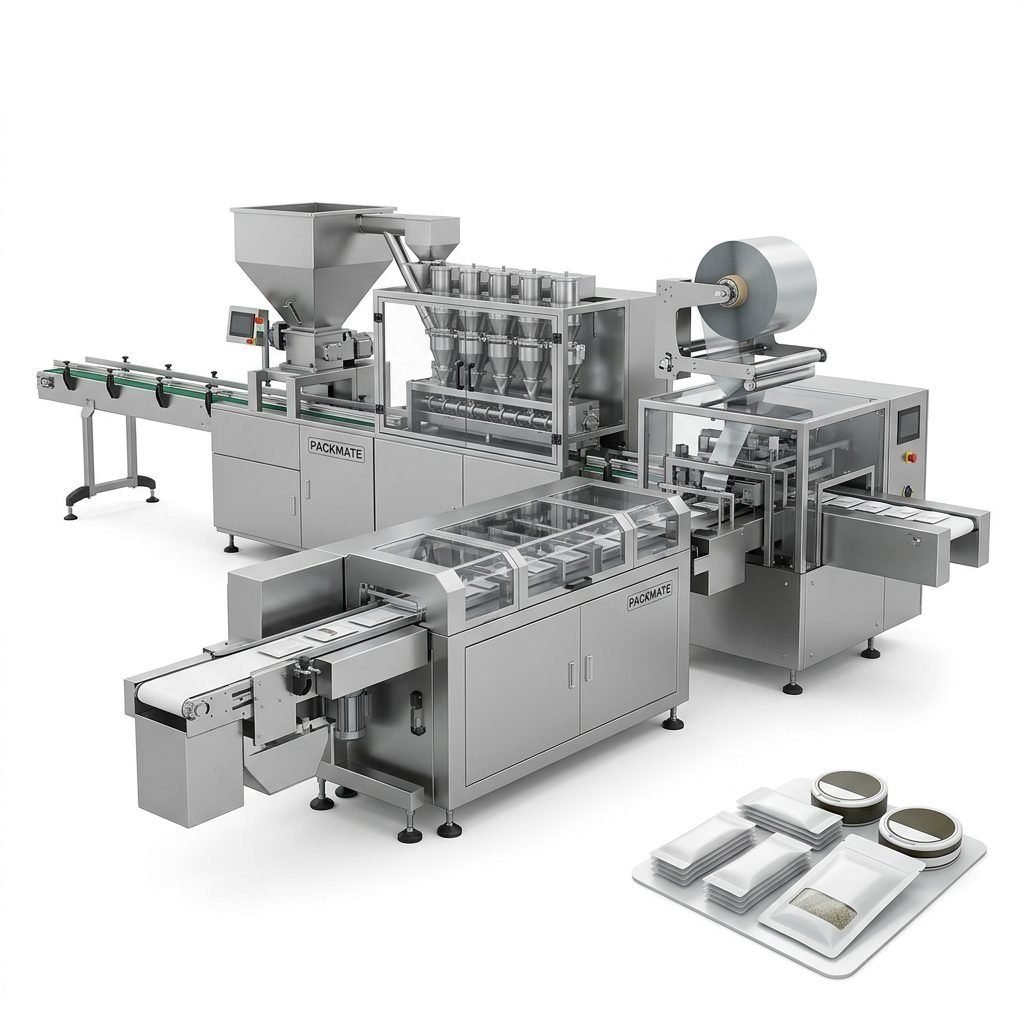
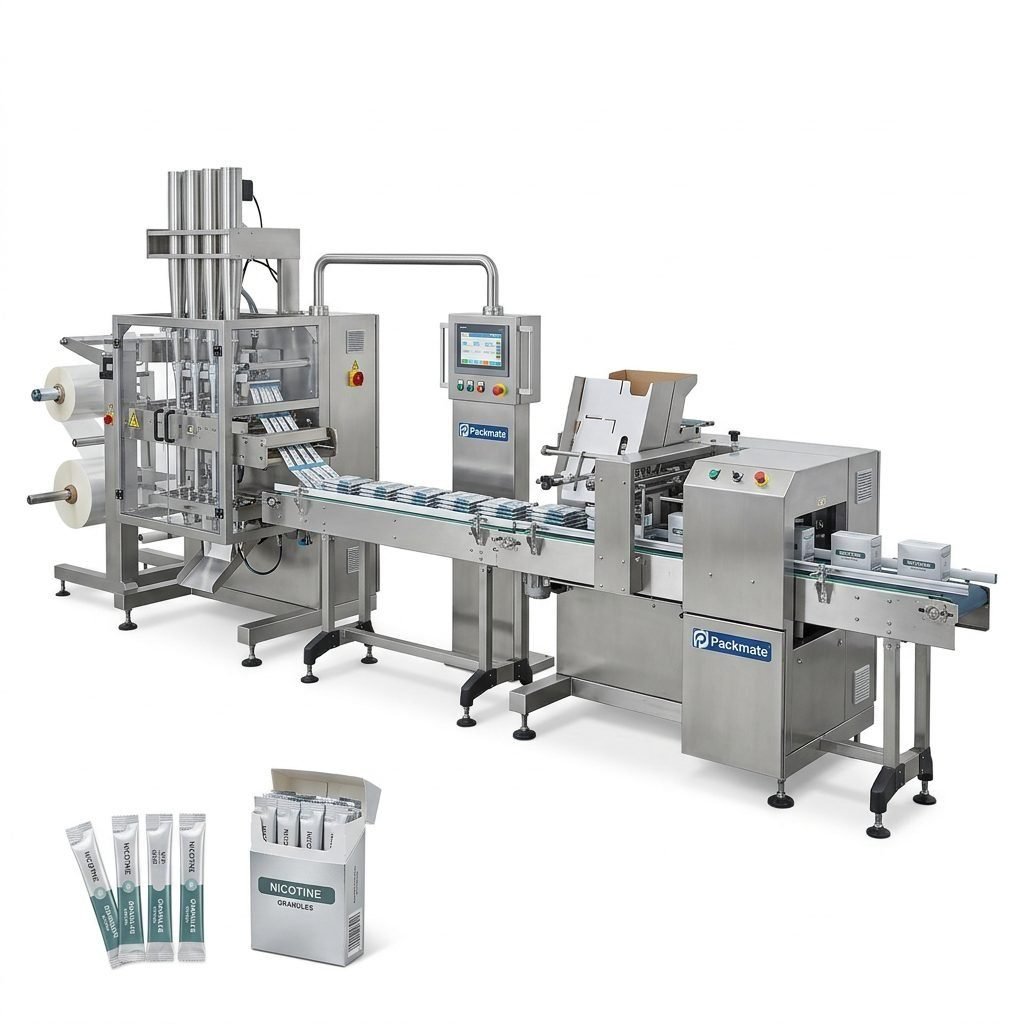
Choosing the right nicotine packaging machine in Malta requires a clear understanding of production needs, regulatory compliance, and long-term business goals. This guide walks you through everything from machine types and technical specs to supplier selection and ROI considerations so you can make an informed purchase decision that supports safe, efficient, and scalable nicotine pouch production.
Why the Right Machine Matters for Maltese Producers
Malta’s growing consumer market and proximity to EU regulatory frameworks mean nicotine pouch manufacturers must balance production efficiency with strict quality and safety requirements. Selecting an appropriate packaging line reduces waste, shortens time-to-market, and ensures compliance with CE and ISO standards—critical for both local sales and export.
Business Impact at a Glance
✓ Efficiency: Higher throughput machines lower per‑unit costs.
✓ Compliance: Certified equipment (CE/ISO) simplifies regulatory approval.
✓ Flexibility: Multi‑lane and modular systems accommodate product SKU growth.
Types of Nicotine Packaging Machines to Consider
Knowing machine categories helps match capabilities to your product format and scale. Below are the most common types used in snus and nicotine pouch production.
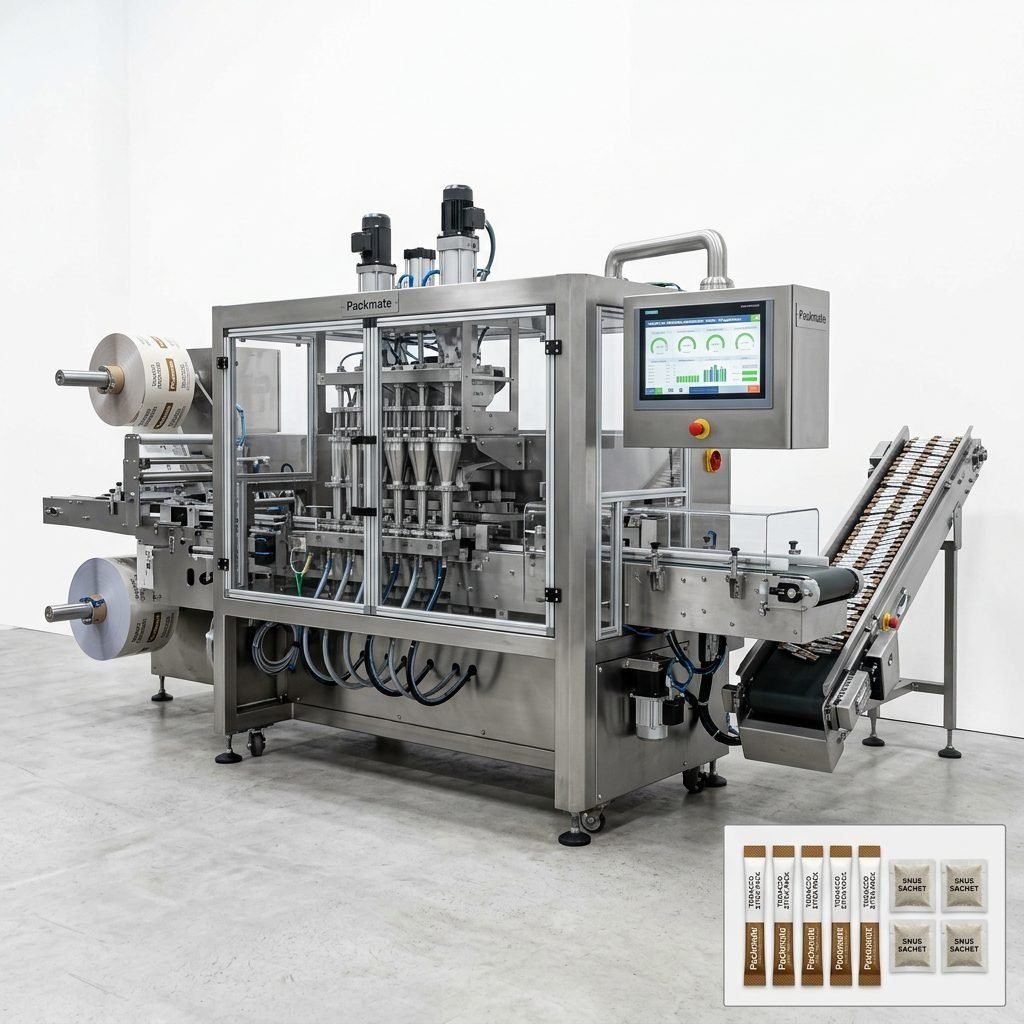
Stick Pack Machines
Stick pack machines are ideal for single‑dose nicotine sticks and slim pouches. They offer fast speeds and precise dosing for powders and granules. Consider these if your product is intended for rapid single‑use formats.
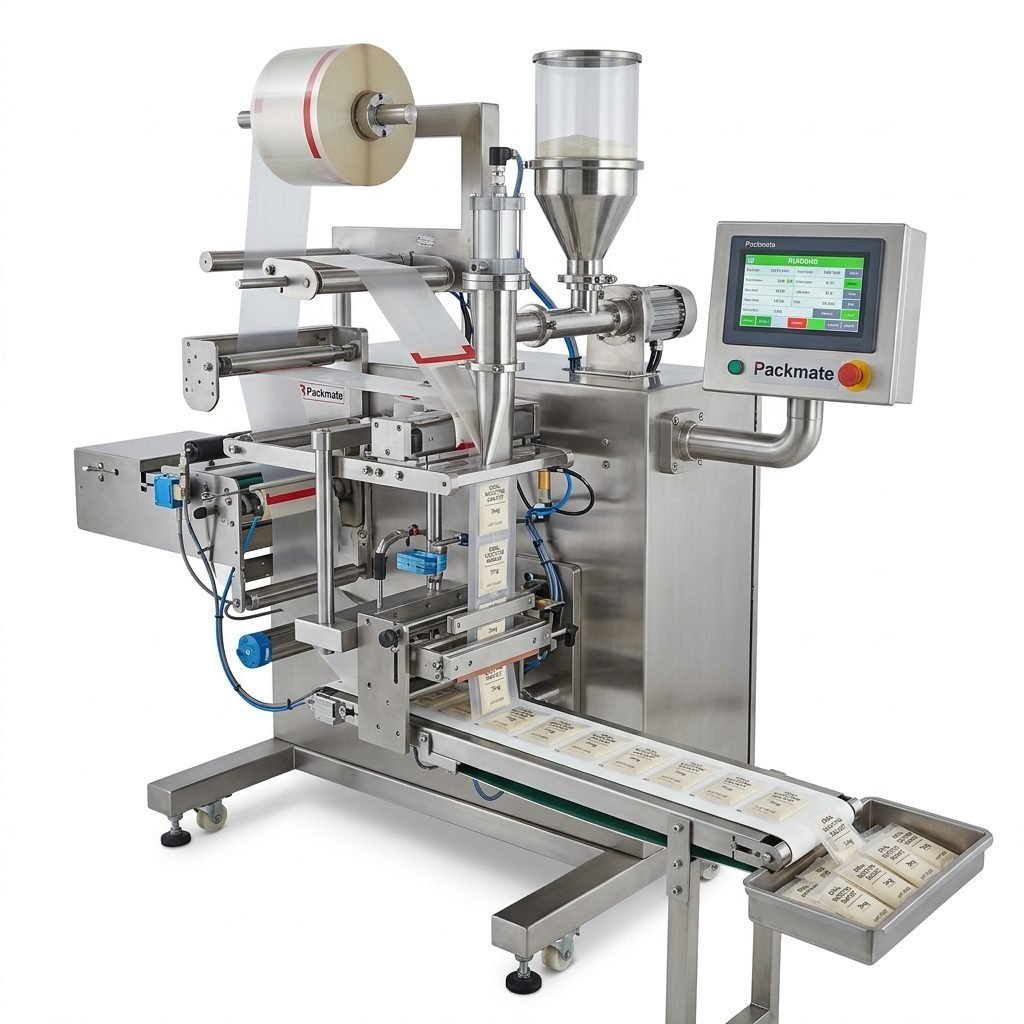
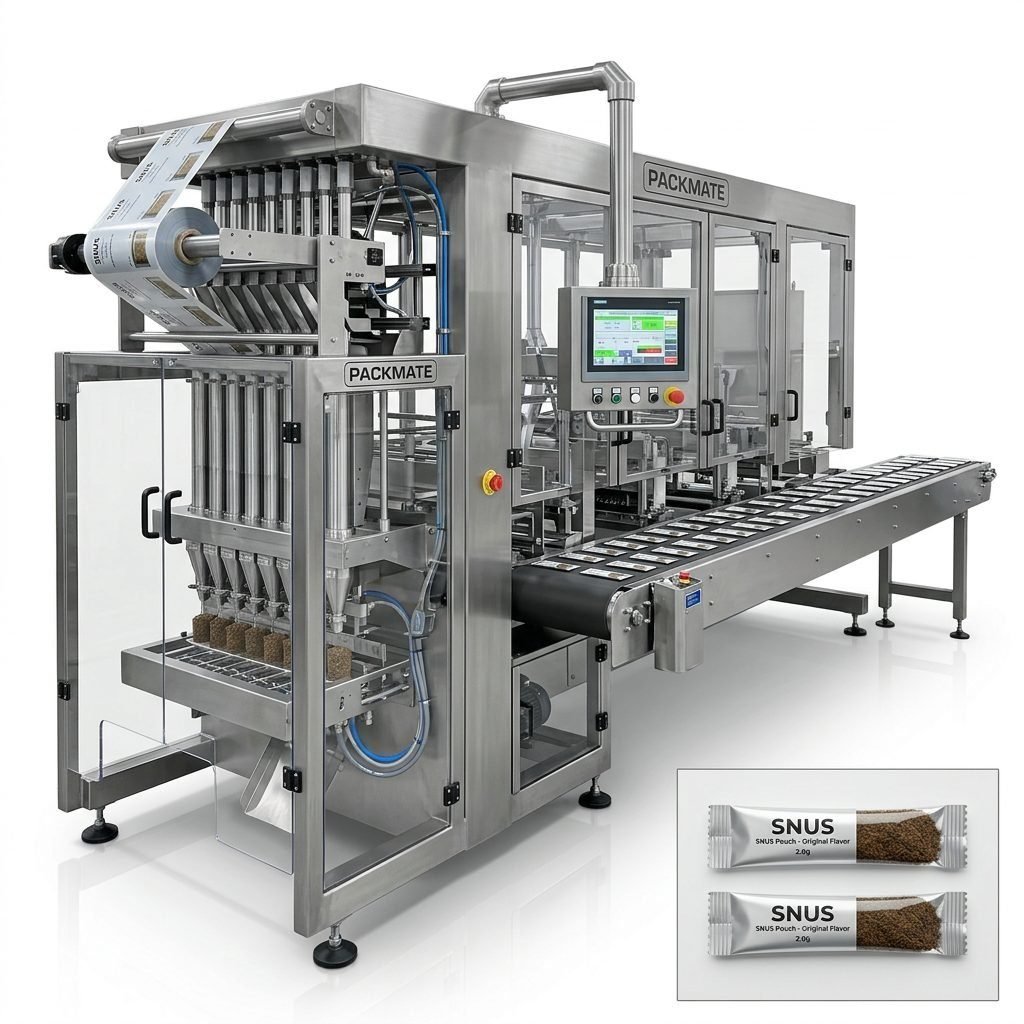
Sachet & Multi‑Lane Machines
Sachet machines and multi‑lane snus packers excel at producing multiple pouches simultaneously. They are perfect when you need higher throughput with consistent pouch quality across lanes. See real models and specifications at Sachet & Stick Pack Machines.
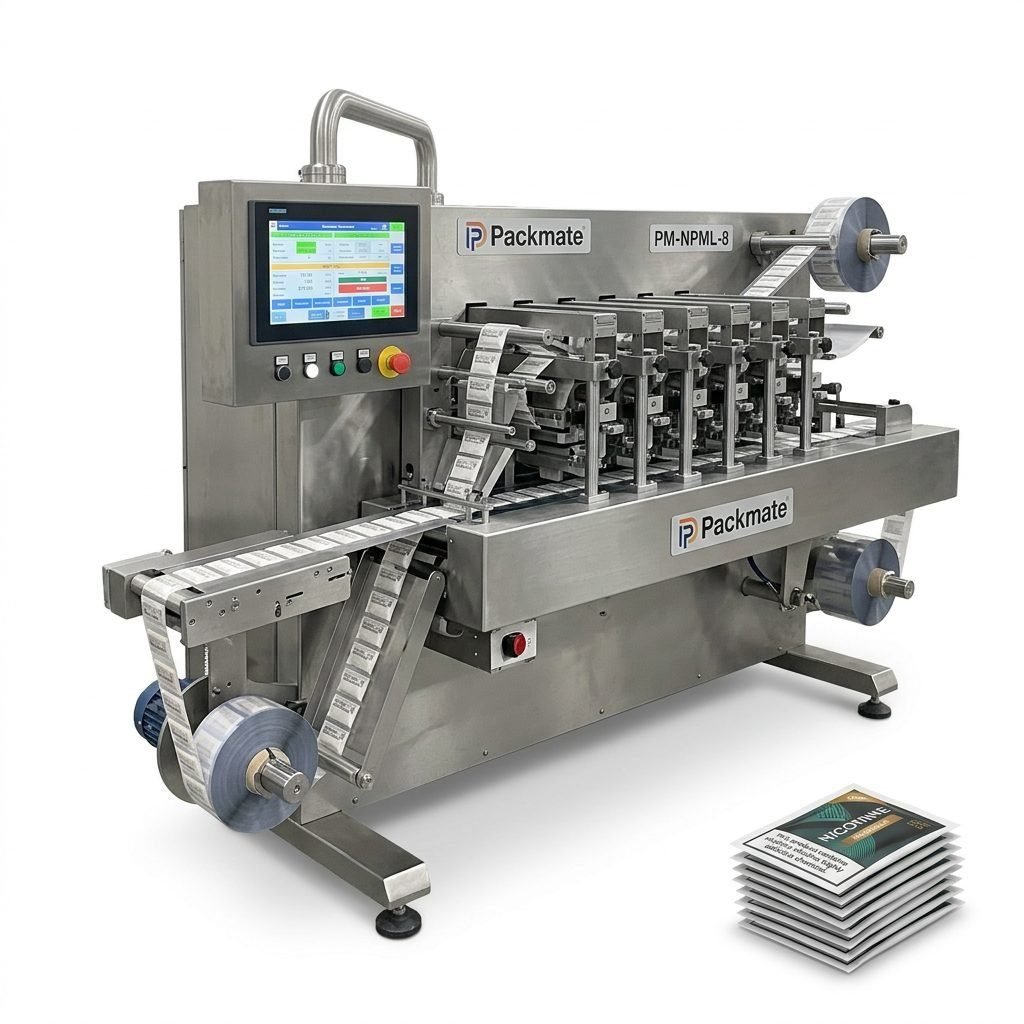
Pouch & Bag Packaging Machines
For larger-format pouches, resealable bags, or multipack formats, bag and pouch machines provide stability and integrated sealing solutions. Explore configurations at Bag & Pouch Packaging Machines.
Key Technical Specifications to Evaluate
When comparing machines, carefully review these technical aspects to ensure your chosen line meets production targets and product quality expectations.
Production Speed: Measured in pouches/min or lanes × pouches/min. Confirm speeds under realistic fill & seal conditions.
Number of Lanes: Multi‑lane systems increase throughput but require precise synchronization.
Filling Accuracy: Crucial for nicotine dosing—look for precision dosing systems with low deviation.
Material Compatibility: Ensure compatibility with powders, granules, and any film lamination you use.
Changeover Time: Faster changeover reduces downtime for SKU switches.
Automation & HMI: Modern PLC/HMI controls simplify operation and troubleshooting.
Quality, Safety & Compliance
For operations in Malta and EU markets, verify equipment meets applicable standards. CE marking and ISO certification are typical baselines. Packmate Snus Machine emphasizes compliance across its models—learn more on the Certificate page.
Sanitation and GMP
Machines should allow easy cleaning, minimal product contact surfaces, and food‑grade materials where required. Stainless steel construction, CIP options, and hygienic design help maintain product safety and audit readiness.
Customization & Turnkey Solutions
If you anticipate product line expansion, choose suppliers who offer modular systems, custom tooling, and full turnkey lines. Packmate offers tailored solutions from single machines to complete filling & packaging lines—visit Filling & Packaging Lines for examples.
Tip: Ask for a factory acceptance test (FAT) and video proof of machine performance under actual product conditions before shipment.
Supplier Assessment: What to Ask Prospective Vendors
Choosing the right vendor is as important as choosing the machine. Use the following checklist when evaluating suppliers.
Factory Tour & Capacity: Can the supplier demonstrate production capacity and quality control in a 20,000㎡ facility or equivalent?
Experience: How many years in snus and nicotine packaging? (30+ years is a strong indicator of maturity.)
References & Cases: Request customer case studies and global deployment examples. Review their Case page.
After‑Sales Support: Ask about spare parts availability, remote diagnostics, and on‑site commissioning timelines.
Installation, Training & After‑Sales Services
Confirm what the supplier includes: installation, operator training, preventative maintenance schedules, and warranty terms. Local language support or fast remote assistance reduces downtime for Maltese operations.
Spare Parts & Lifecycle Support
Consider vendors who stock critical spares and provide clear BOM documentation. Packmate’s global service offerings and catalog resources make sourcing parts easier—see Catalog and Service.
Cost Considerations & Return on Investment (ROI)
Total cost of ownership includes equipment price, shipping, installation, training, spare parts, and operating costs. Analyze break‑even based on production volumes and expected life span. Higher upfront cost for a reliable modular machine often yields a better ROI through lower downtime and maintenance.
ROI Example: Calculate cost per pouch by dividing total production cost over expected units produced per year. Include utilities, labor, and packaging materials.
Checklist for Buyers in Malta
Use this quick checklist when preparing to buy:
1. Define daily and peak production targets.
2. Confirm product formats and packaging materials.
3. Verify CE/ISO certificates and hygienic design.
4. Request FAT, performance videos, and references.
5. Compare total cost of ownership, not just purchase price.
Why Consider Packmate for Your Nicotine Packaging Needs
Packmate Snus Machine specializes in snus and nicotine pouch packaging with 30+ years of engineering experience, a large manufacturing facility, and a wide product range. Their capabilities include multi‑lane systems, turnkey solutions, and global after‑sales support—learn more About Packmate.
Factory Strengths: 20,000㎡ plant, advanced CNC machining, precision assembly lines, and 50+ machine models for flexible production planning.
Next Steps: From Inquiry to Commissioning
Start with a technical consultation, provide product samples for trial runs, and request a formal quotation including shipping and installation. For direct contact and faster support, you can reach suppliers via their contact pages such as Contact Us.
Meeting & Exhibitions
Inspect machines in person where possible. Attend industry exhibitions to see live demos—details on upcoming events are available on the Our Exhibition page.
Final Recommendations
Prioritize machine reliability, dosing accuracy, and supplier service. A well‑chosen packaging line increases product consistency, reduces regulatory risk, and improves long‑term profitability.
Frequently Asked Questions
Q1: What certifications should I insist on for nicotine packaging machines?
A1: At minimum, require CE conformity and ISO quality management evidence. Also confirm sanitary design features and material traceability for contact parts.
Q2: How do I evaluate machine throughput claims?
A2: Ask for FAT videos running your product or a close representative. Confirm speeds with realistic fill weights, film types, and sealing temperatures—vendor specs are often ideal conditions.
Q3: What after‑sales support is essential?
A3: Fast spare parts shipment, remote troubleshooting, field service availability, and clear warranty terms. Local language support or nearby service partners reduce downtime.
Q4: Can machines be upgraded for new products?
A4: Many vendors offer modular designs and retrofit kits for new dosing heads, lanes, or film formats. Confirm upgrade paths during purchase negotiation.
Q5: Where can I see examples of installed lines?
A5: Request references and visit the supplier’s case studies and exhibition pages for video demonstrations and client testimonials.