Introduction
Choosing the right snus packaging machine in Cuba requires careful consideration of local market needs, regulatory constraints, production capacity, and after-sales support. This buyer’s guide walks Cuban manufacturers, distributors, and entrepreneurs through the essential factors to evaluate when investing in snus and nicotine pouch packaging equipment. Whether you are launching a new product line or upgrading an existing packaging operation, the right machine can improve product consistency, reduce waste, and accelerate time-to-market.
Understand the Cuban Market and Compliance Needs
Cuba’s regulatory environment for tobacco and nicotine products may differ from other markets. Before making any purchase decision, confirm local import requirements, labeling regulations, and any specific restrictions for nicotine pouches or snus products. Contact local authorities and legal advisors to ensure compliance. For machinery, choose suppliers that provide documentation for international standards such as CE and ISO to ease customs clearance and meet safety expectations.
ℹ️ Tip: Machines with CE and ISO certificates can help streamline approvals and demonstrate conformity to international safety and quality standards.
Key Machine Types and Which One Fits Your Needs
Selecting the right machine type depends on the product format you plan to produce. Common snus packaging formats include single-dose pouches, stick packs, sachets, and multi-lane pouch lines. Each format has trade-offs in cost, speed, and flexibility.
Snus & Nicotine Pouch Packaging Machines
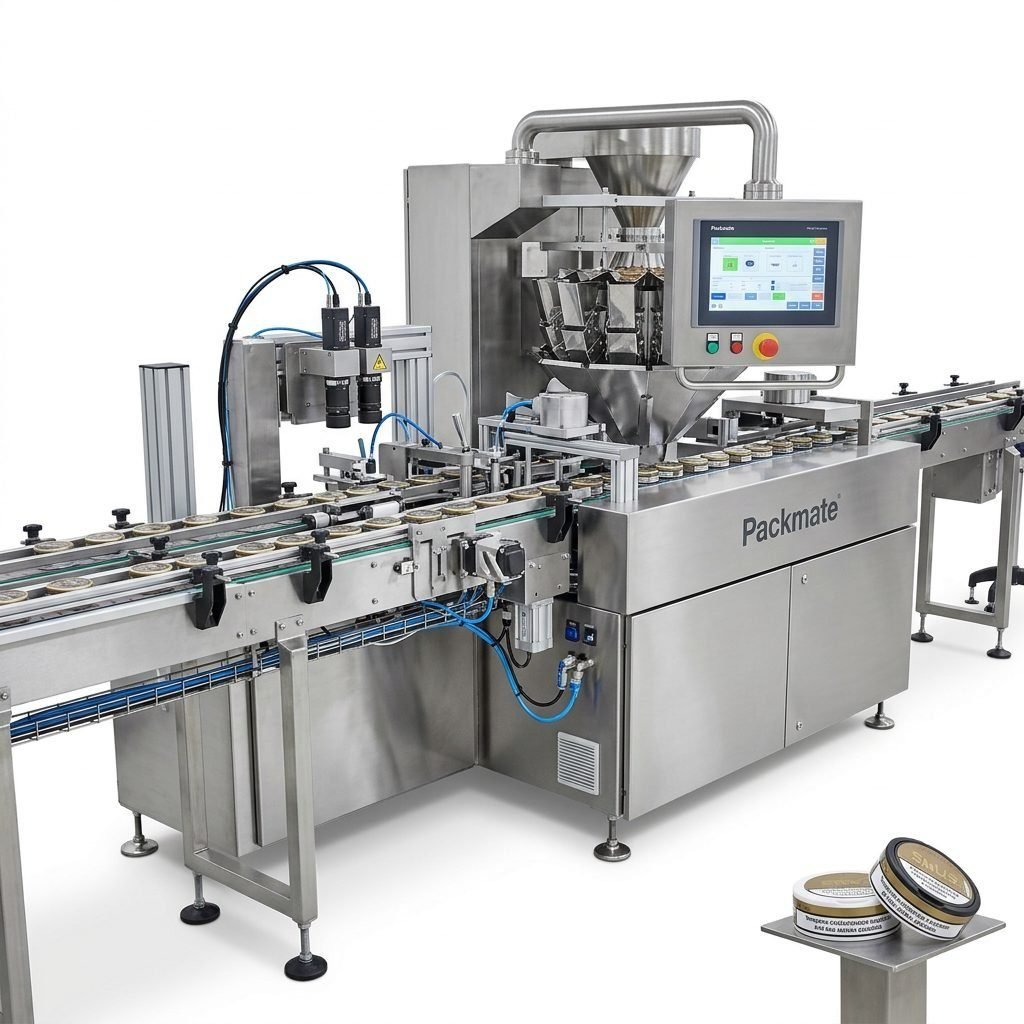
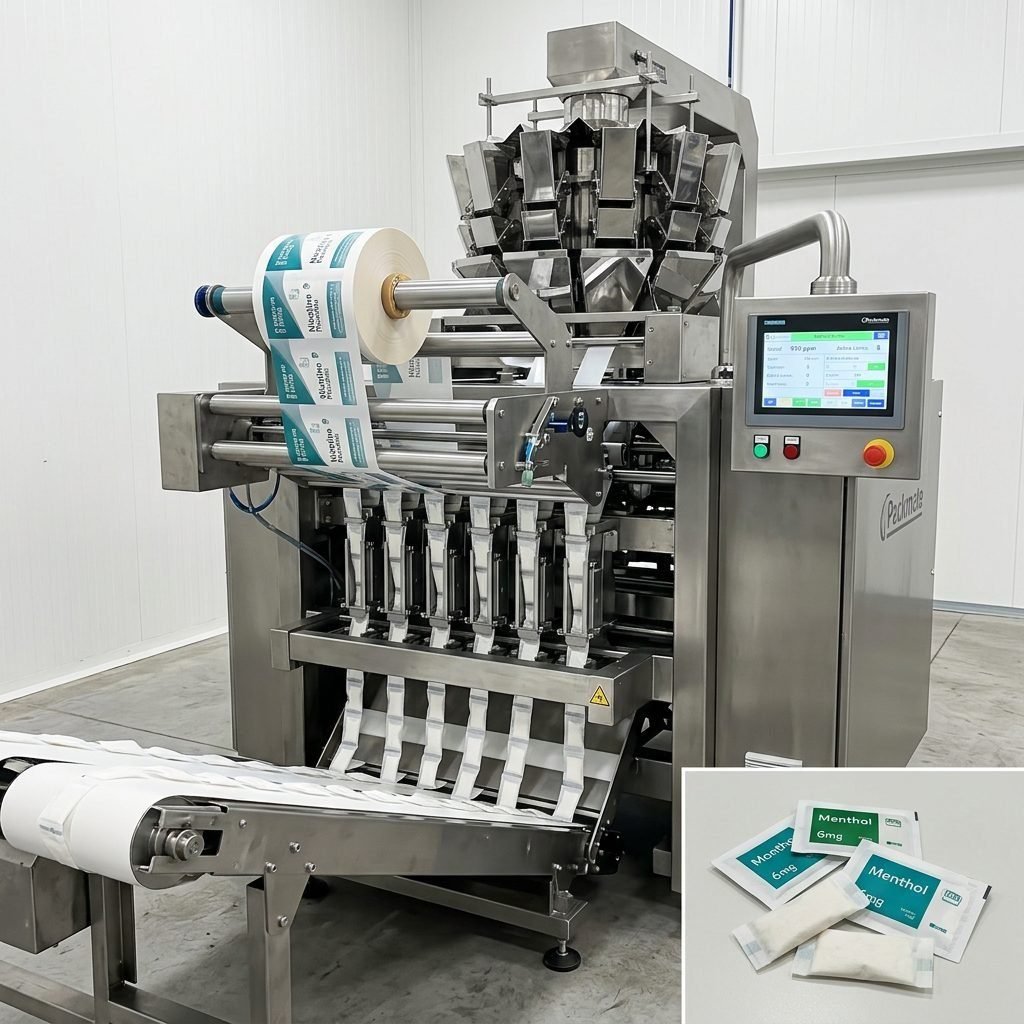
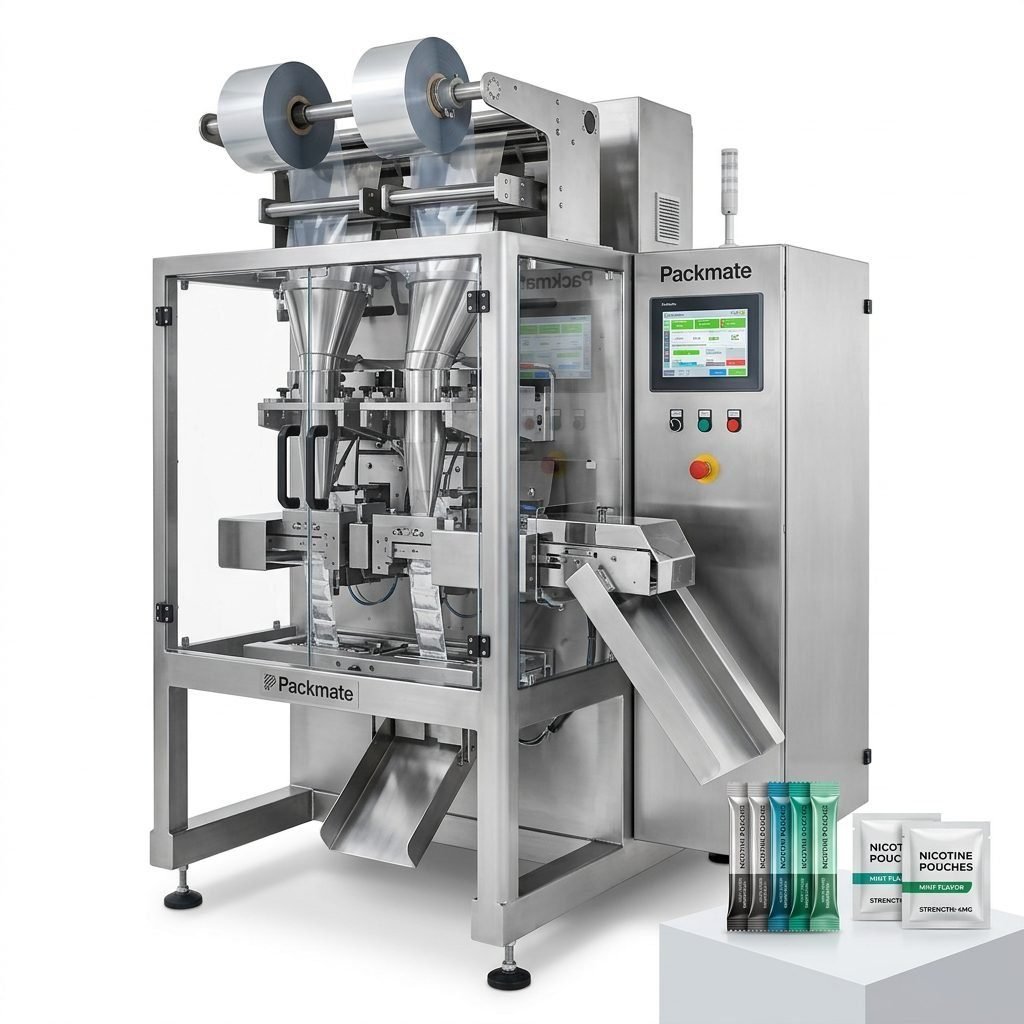
These machines are optimized for single-dose pouches and small nicotine doses. They often include precise filling systems and multi-lane options for high throughput. If your product is a nicotine pouch, look into specialized snus machines that can handle delicate blends and compact pouches. For product examples and specifications, consider reviewing dedicated product pages like Snus & Nicotine Packaging Machines.
Stick Pack & Sachet Machines
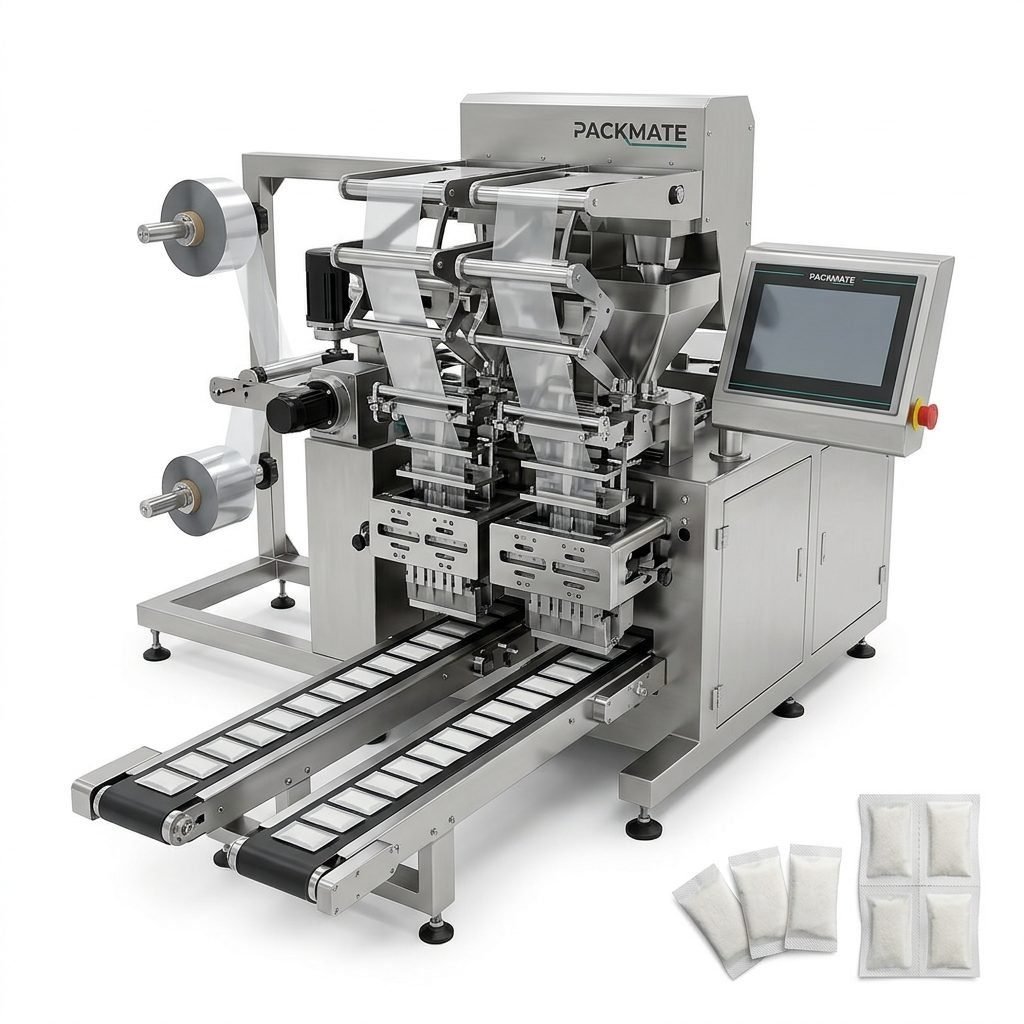
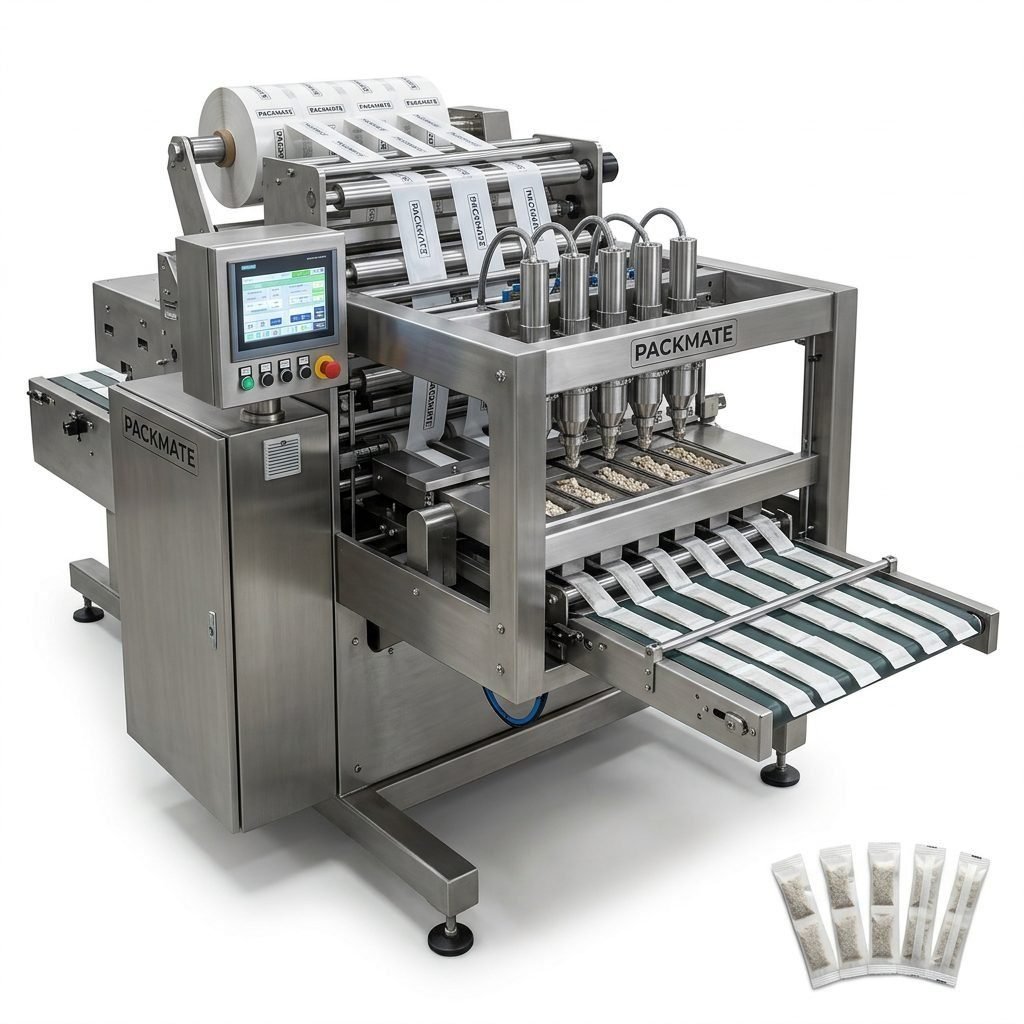
If you plan to produce single-dose sachets or stick packs for retail, these machines offer high-speed options and compact packaging results. They are appropriate for flavored nicotine pouches or small accessory packets.
Multi-lane Systems for Scale
Multi-lane snus lines increase output without proportionally increasing the shop floor footprint. These systems are ideal for brands expecting rapid growth or for contract manufacturers serving multiple clients.
Production Capacity and Throughput Considerations
Define your projected daily, weekly, and monthly production targets. Capacity planning should factor in peak demand seasons and potential expansion. Key metrics to request from suppliers include pouches per minute per lane, number of lanes, uptime estimates, and format changeover times.
✔️ Important: Ask suppliers for real-world case examples that match your target throughput. Benchmarked performance is more reliable than theoretical maximums.
Pouch Materials, Sealing Methods and Compatibility
Different pouch materials (paper, foil, PE laminates) and barrier requirements affect machine selection. Verify the machine’s compatibility with your chosen film thickness, lamination types, and sealing methods (e.g., fin seal, lap seal). Packaging materials determine shelf life, aroma retention, and consumer appeal.
Automation, Integration and Control Systems
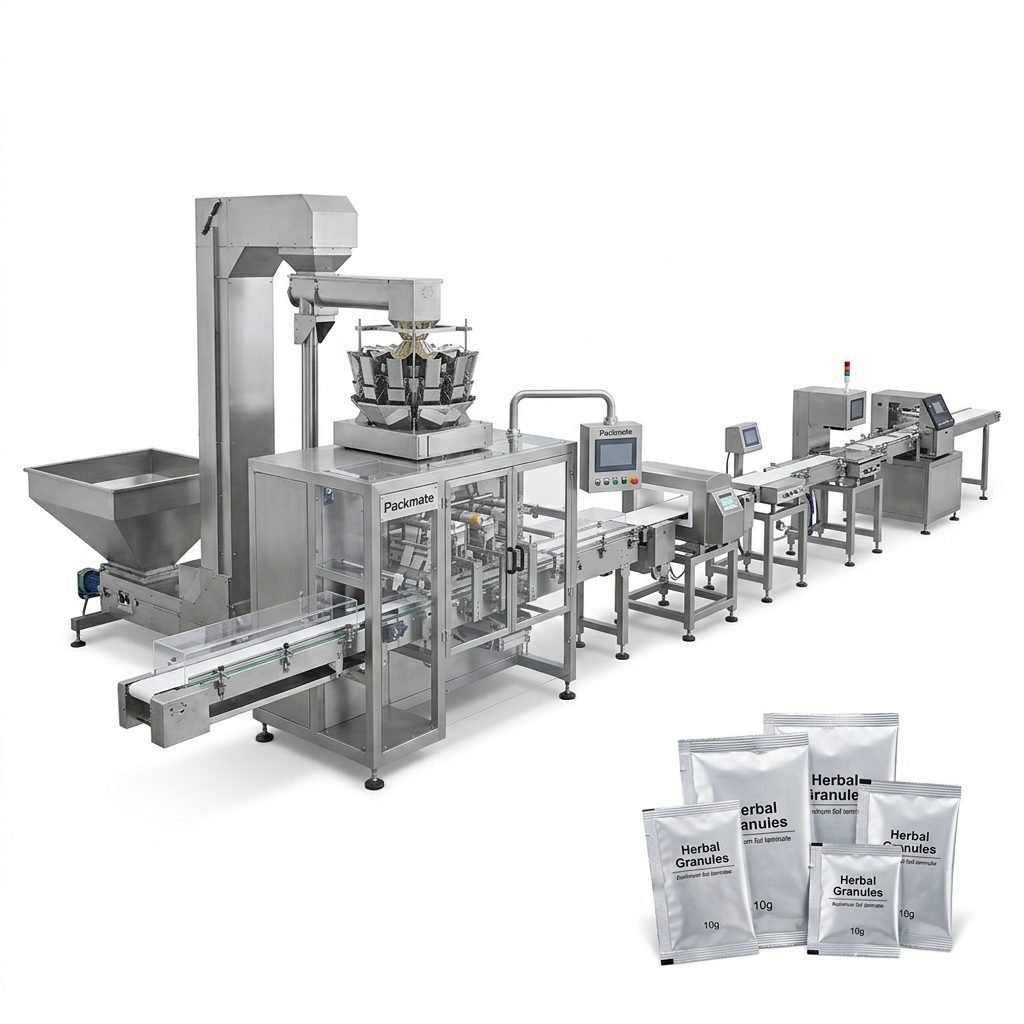
Modern lines offer PLC controls, HMI touchscreens, and data logging to support quality control and traceability. Ensure the control architecture supports remote diagnostics and software updates. Integration with upstream filling/weighing systems and downstream case packers improves overall efficiency. See integrated solutions such as Filling & Packaging Lines and Weighing & Packaging Systems.
Sanitation, Maintenance and Longevity
Hygiene is critical for consumer-facing products. Choose machines designed with easy-clean surfaces, quick-disconnect components, and minimal crevices where product can accumulate. Ask about preventive maintenance plans, mean time between failures (MTBF), and spare parts lead times.
🔧 Maintenance Tip: Secure a spare parts package at the time of purchase to minimize downtime, and request a recommended maintenance schedule from your supplier.
Customization, Flexibility and Format Changeover
If you plan multiple SKUs, evaluate changeover complexity. Machines with modular tooling and quick-change components reduce downtime when switching pouch formats or weights. Discuss the supplier’s ability to deliver bespoke tooling and future upgrades.
Vendor Reputation, After‑Sales Service and Training
Reliable after-sales service is critical, especially when importing machinery into Cuba. Choose suppliers with a strong track record of global deliveries, spare parts availability, and remote service capabilities. It is beneficial if the manufacturer provides on-site training, commissioning, and comprehensive documentation.
Packmate Snus Machine is an example of a manufacturer with more than 30 years of engineering experience, a 20,000㎡ production facility, and 50+ machine models. Reviewing the supplier’s company background and case studies helps validate performance claims. You can learn more about the company’s profile at About Packmate and explore real-world installations under Case.
Cost Structure and Return on Investment (ROI)
Beyond capital expenditure, evaluate total cost of ownership: installation, training, spare parts, power consumption, and consumables. Compare projected labor savings, yield improvements, and potential new revenue from increased production capacity. Calculate payback period scenarios for conservative and optimistic demand forecasts.
Logistics: Shipping, Installation and Local Support in Cuba
Plan for import logistics, customs clearance, and local installation constraints. Ask suppliers for skidding and packing details, necessary lifting equipment, and recommended site preparation (power, compressed air, floor loading). Confirm remote commissioning options and the availability of local technicians for routine service.
Checklist: Questions to Ask Potential Suppliers
– What is the machine’s guaranteed throughput under real production conditions?
– Can you provide references or a case study with similar product specs?
– What certifications and test reports are included (CE, ISO)?
– What is the lead time for spare parts and local support?
– Are software updates, remote diagnostics, and training included in the offer?
⚙️ Pro Tip: Request a factory acceptance test (FAT) video or visit the factory if possible. A FAT helps confirm machine performance before shipment.
Installation, Commissioning and Operator Training
A successful commissioning phase ensures the machine runs reliably in your environment. Confirm the supplier’s role in installation, calibration, and operator training. Comprehensive operator manuals and spare parts lists should accompany delivery. Remote training and troubleshooting can be invaluable, especially when local service networks are limited.
Selecting a Partner for Long-Term Growth
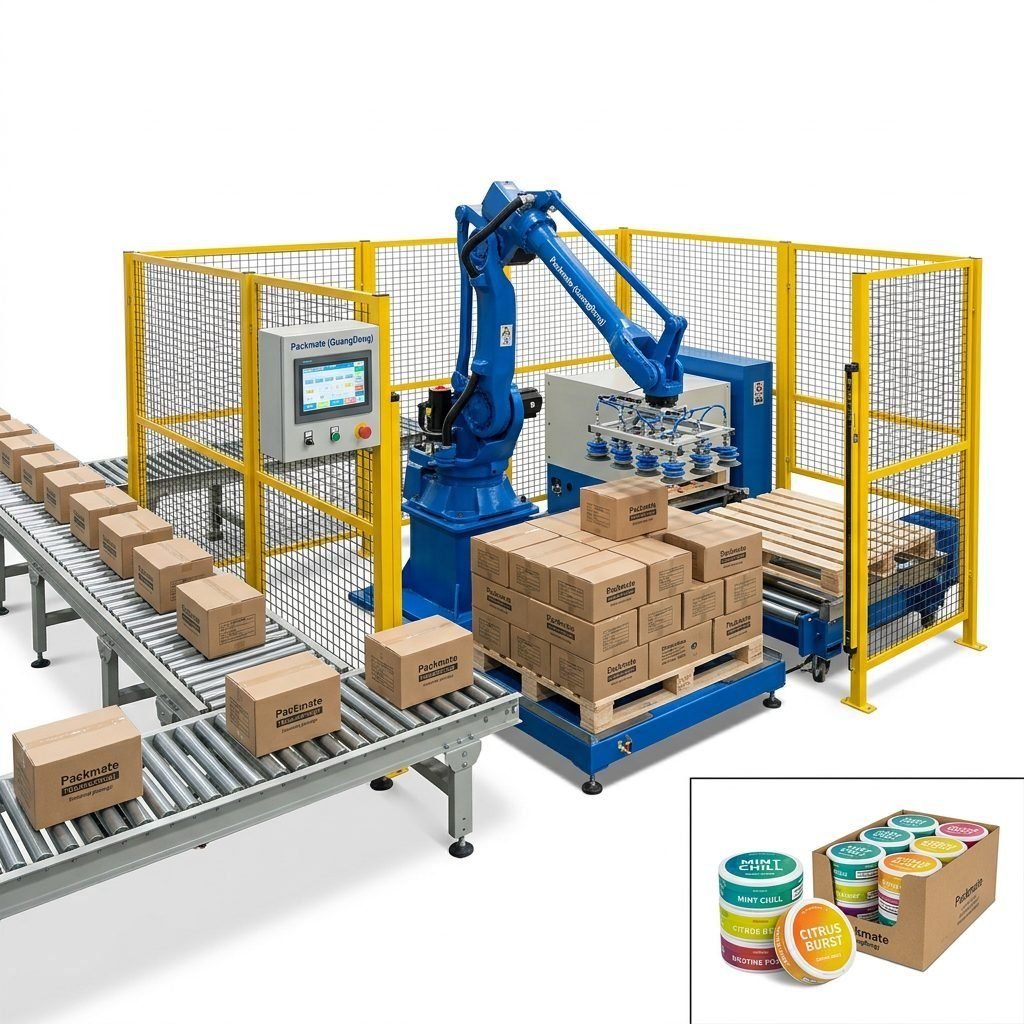
Beyond a single machine purchase, prioritize partners who offer turnkey solutions, scalable multi-lane systems, and a suite of auxiliary equipment. Explore suppliers offering complete lines including weighing, filling, and auxiliary packaging systems to future-proof your production. For more integrated options, review Bag & Pouch Packaging Machines and Auxiliary Packaging Equipment.
Why supplier transparency matters
Transparent lead times, clear warranty terms, and visible references reduce risk. A reputable manufacturer will provide machine documentation, FAT records, and open lines of communication to support long-term operation.
Final Steps Before Purchase
After verifying technical fit and supplier credibility, obtain detailed quotations that include: machine price, tooling, spare parts kit, training, shipping, installation, and warranty terms. Negotiate clear acceptance criteria and penalties for non-performance if appropriate.
📌 Checklist Reminder: Confirm electrical specs, compressed air requirements, customs paperwork, and local contact points before finalizing the order.
How Packmate Supports Buyers
Packmate Snus Machine leverages over three decades of engineering experience and a large manufacturing facility to supply snus and nicotine pouch packaging solutions. Their product range spans single-lane pouch machines to high-speed multi-lane systems, backed by CE and ISO compliance, factory testing, and global installation experience. For details on services and after-sales support, visit Service or contact sales via Contact Us.
Conclusion
Investing in the right snus packaging machine for Cuba involves aligning technical capabilities with regulatory requirements, production targets, and long-term business goals. Prioritize machines that offer proven throughput, easy maintenance, modular flexibility, and strong after-sales support. Work with experienced suppliers who provide transparent documentation, factory testing, and comprehensive commissioning services to ensure a smooth production ramp-up.
Frequently Asked Questions
Q1: What certifications should I request from a snus machine supplier?
Request CE and ISO certificates as a baseline. Additionally, ask for FAT documentation, electrical and safety test reports, and material compatibility data. These documents help with customs clearance and give assurance about safety and quality.
Q2: How do I estimate the right machine capacity for my needs?
Estimate current and projected demand, account for yield losses and downtime, and select a machine with some headroom for growth. Request supplier case studies or performance data that align with your product specifications to validate capacity claims.
Q3: What after-sales services are essential?
Essential services include commissioning, operator training, spare parts availability, remote diagnostics, and clear warranty terms. Ideally, the supplier should provide preventative maintenance schedules and remote support to minimize downtime.
Q4: Can I combine snus machines with other filling and packing systems?
Yes. Many manufacturers offer integrated filling, weighing, and downstream packaging lines. Integration improves efficiency, reduces manual handling, and enhances traceability—ask potential suppliers for turnkey solutions and integration examples.
Q5: How do I ensure spare parts supply to Cuba?
Work with vendors who maintain international spare parts stocks or offer express shipping options. Secure a recommended spare parts kit at time of purchase and confirm lead times for critical components in writing.