Choosing the right nicotine packaging machine for your operation in Croatia requires a careful blend of technical knowledge, regulatory awareness, and business strategy. This guide walks you through the essential factors to evaluate — from machine types and production capacity to quality standards, after-sales support, and return on investment — so you can make an informed purchasing decision that supports long-term growth and compliance.
Understand the types of nicotine packaging machines
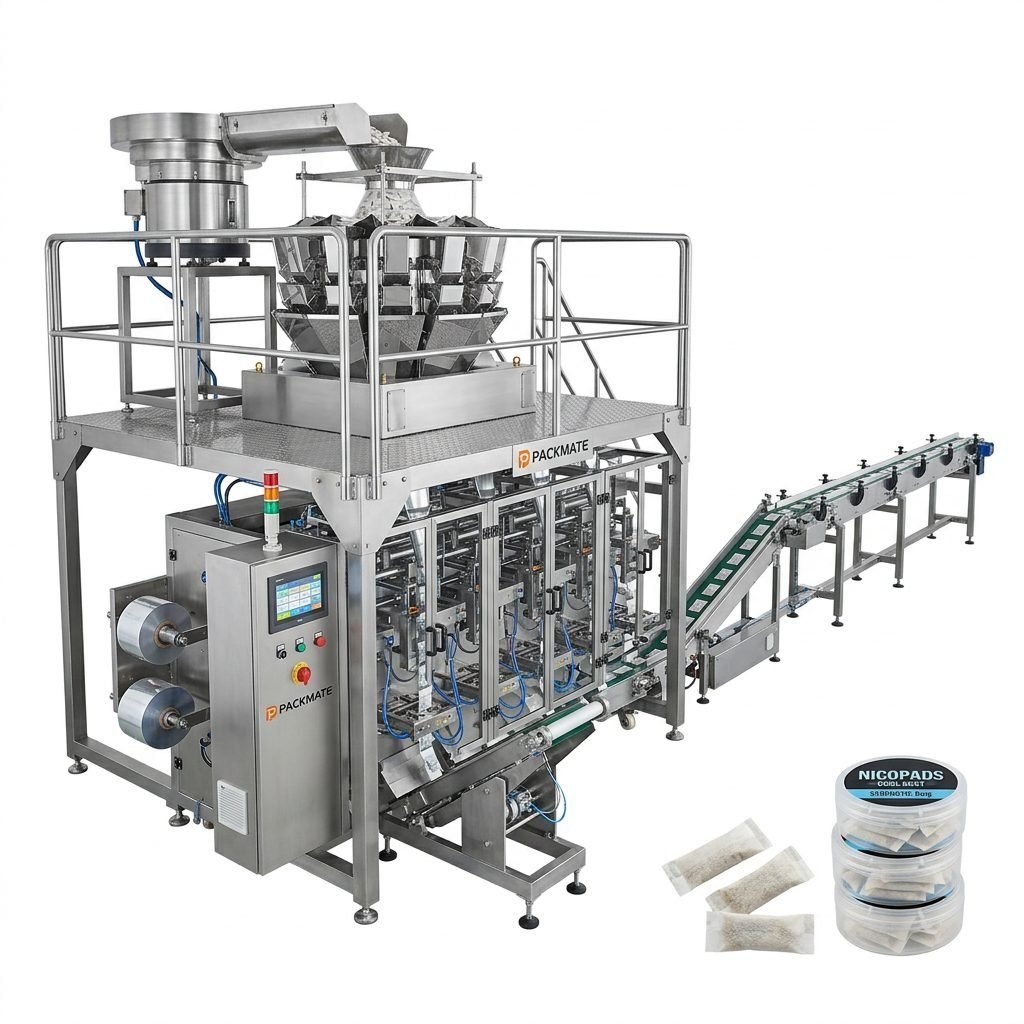
The term “nicotine packaging machine” covers several specialized systems. Knowing the differences helps you match equipment to product format and production goals:
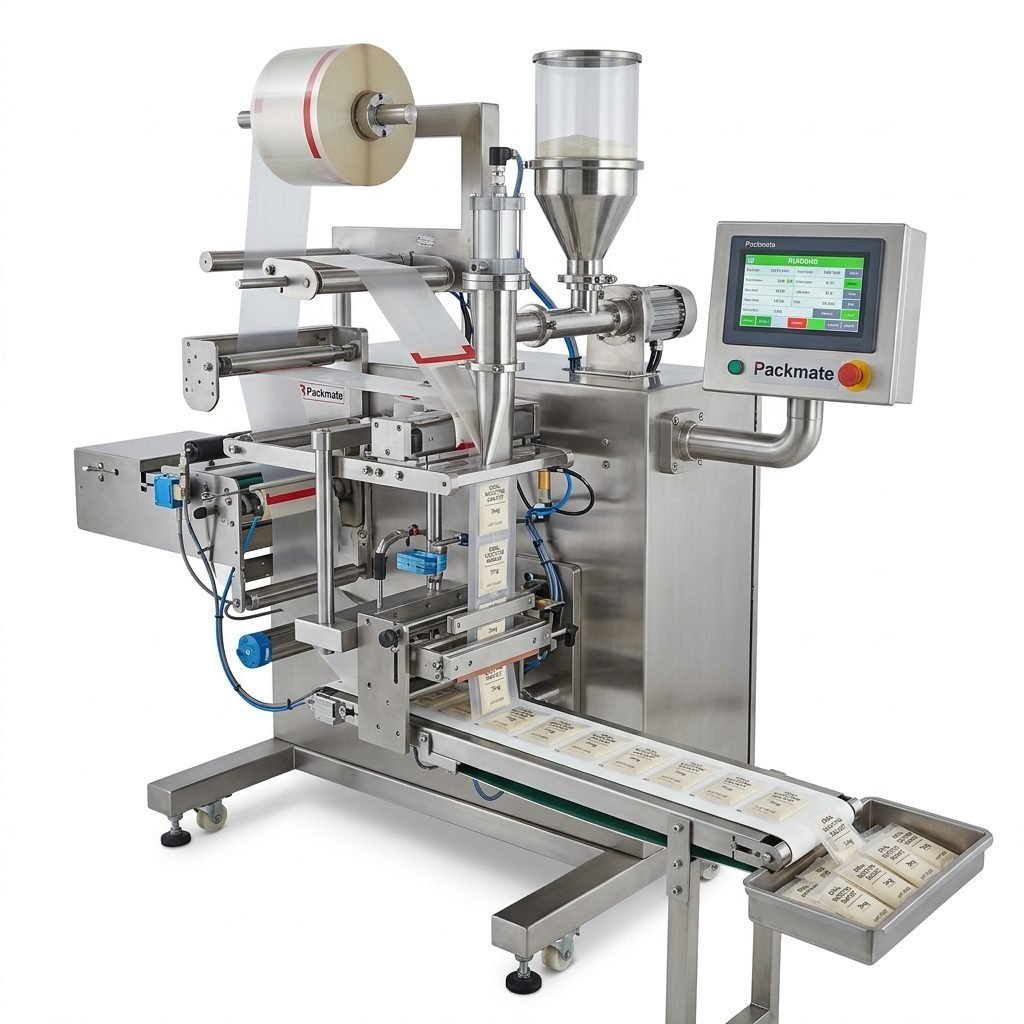
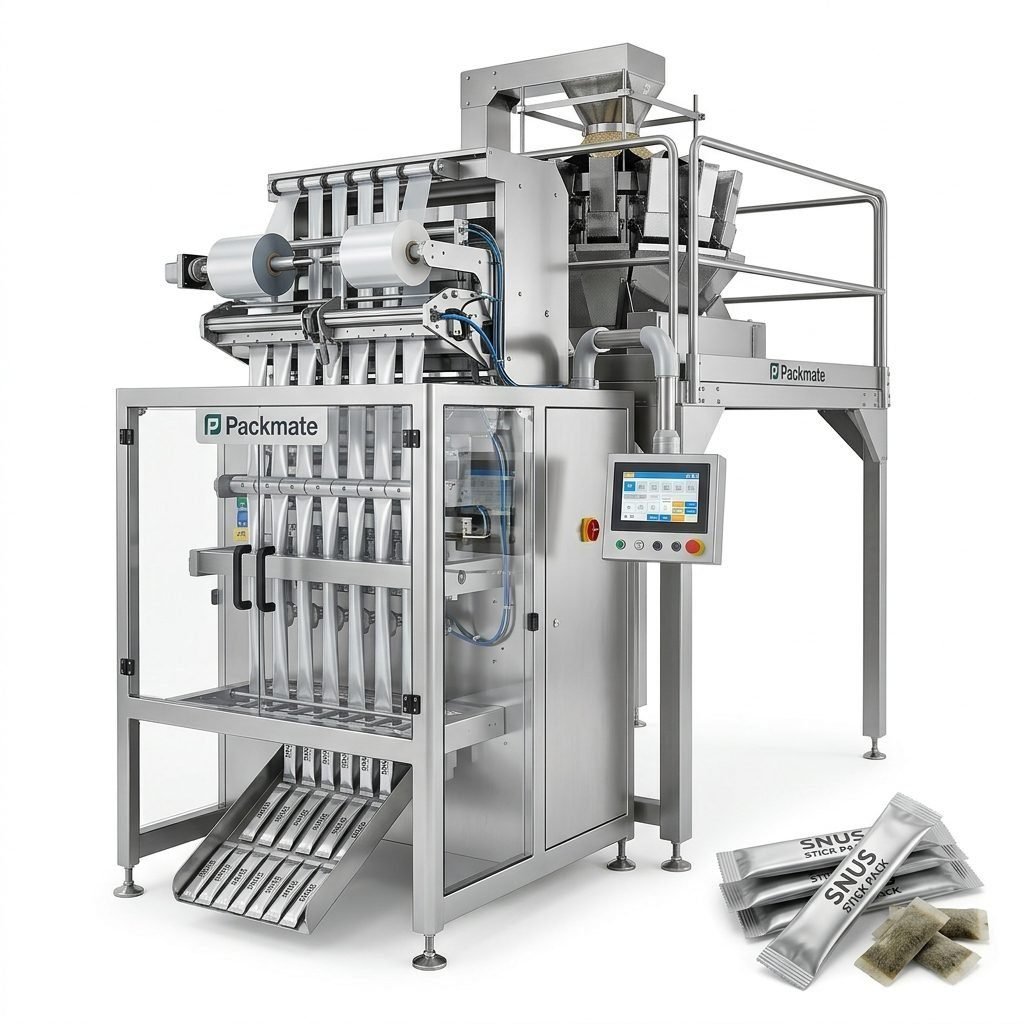
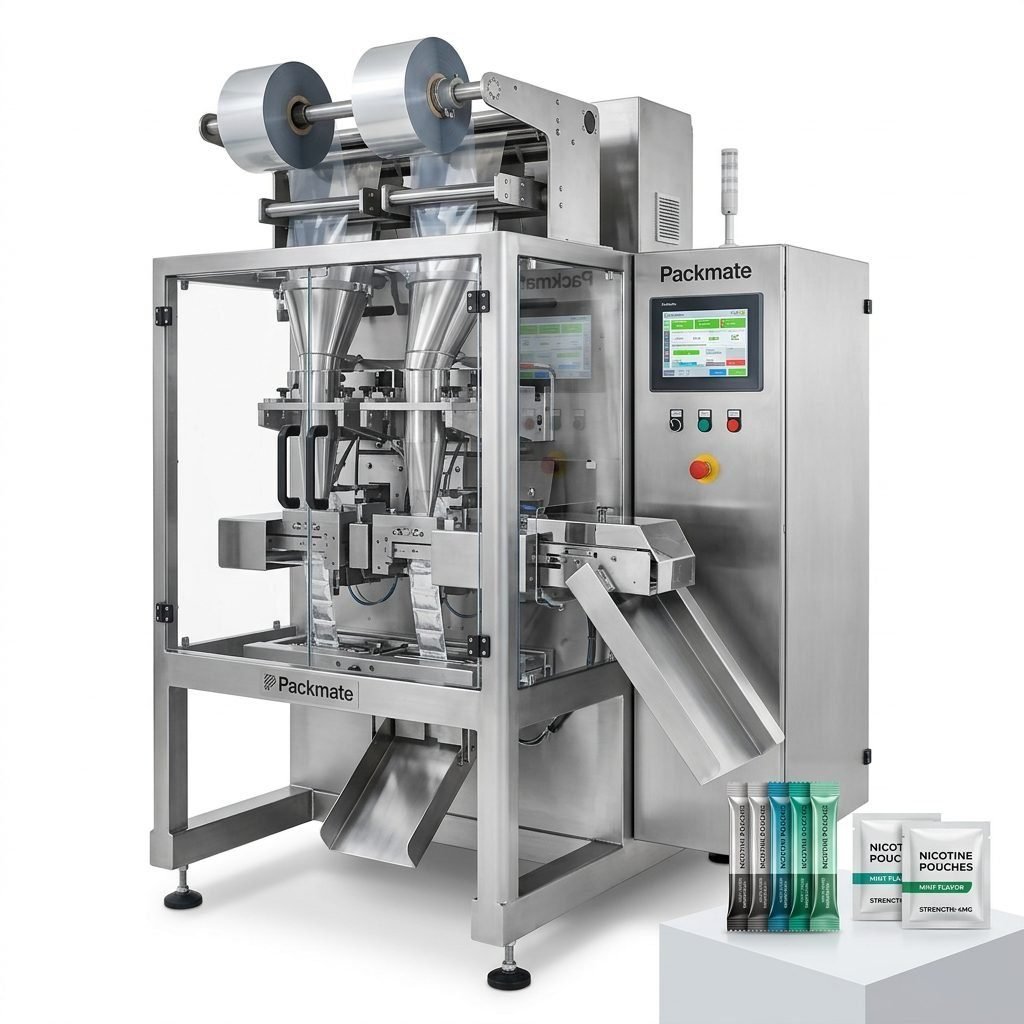
✅ Stick pack and sachet machines — Ideal for single-dose pouches and stick formats. They excel in high-speed, consistent sealing and printing.
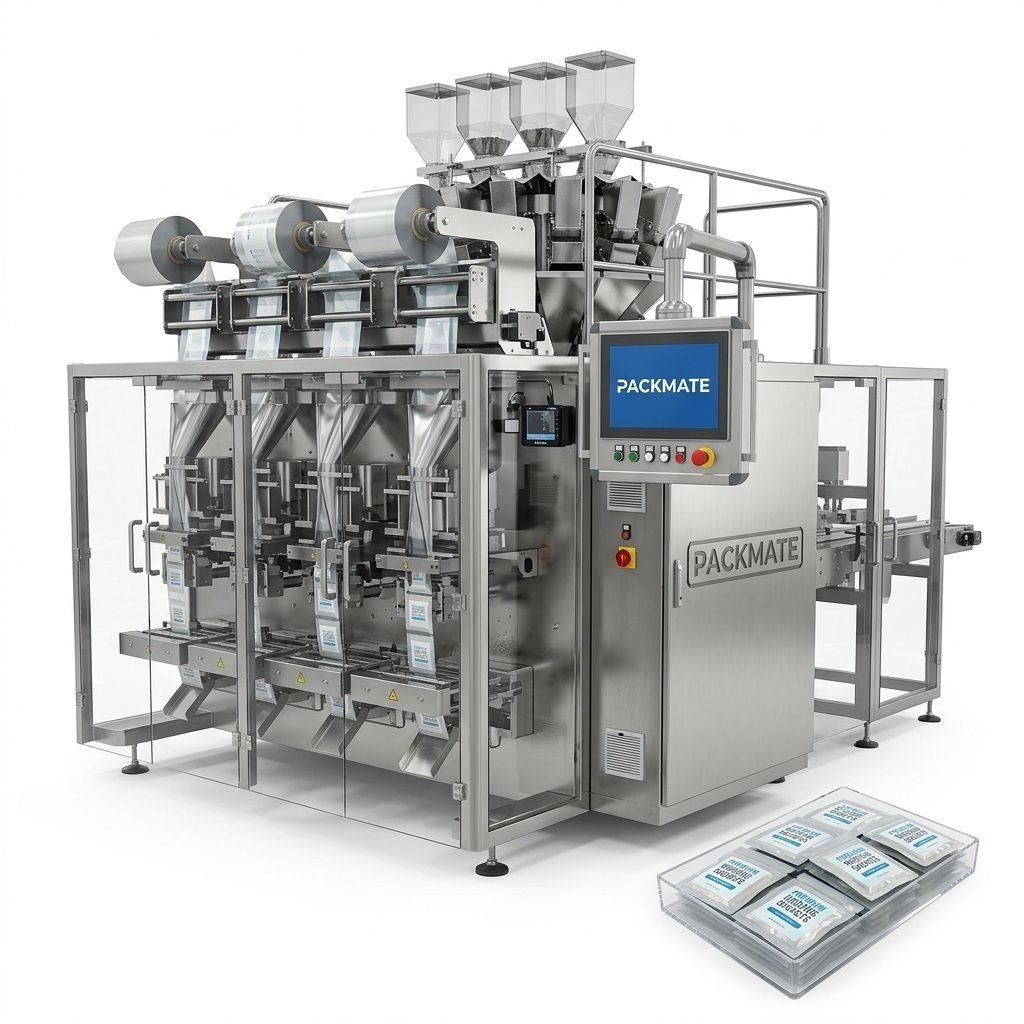
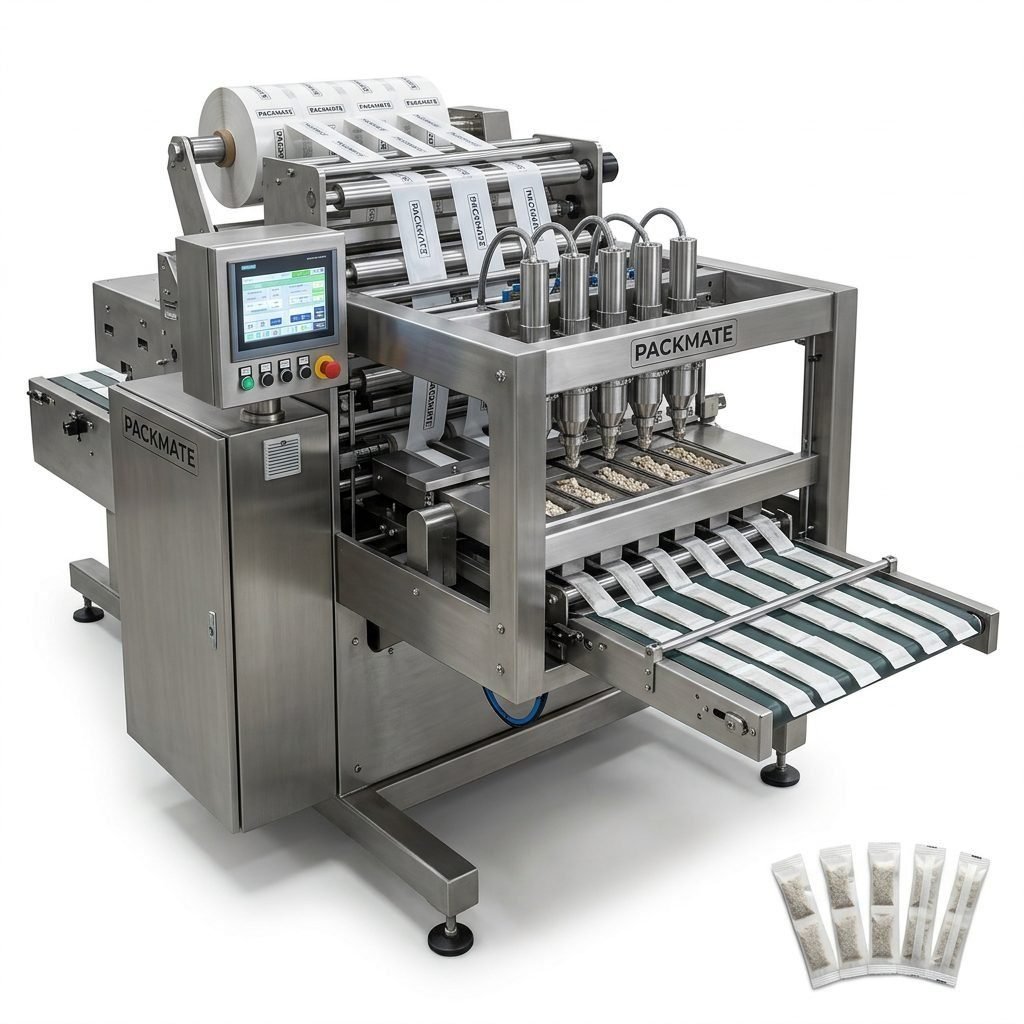
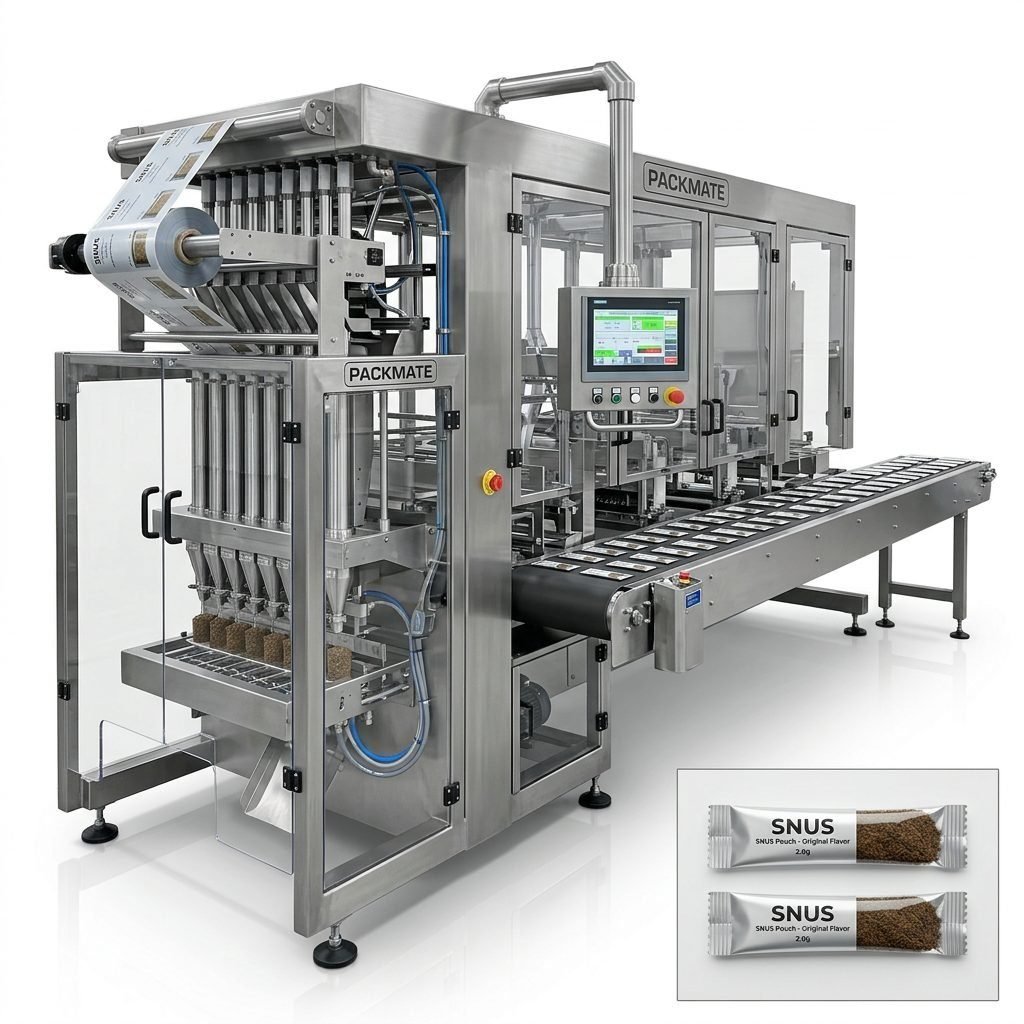
✅ Multi-lane snus / nicotine pouch machines — Provide simultaneous multi-lane filling for small-dose nicotine pouches, increasing throughput while maintaining precision.
✅ Standalone filling & weighing systems — Integrated scales and feeders for powdered nicotine blends or granular mixes that need precise dose control.
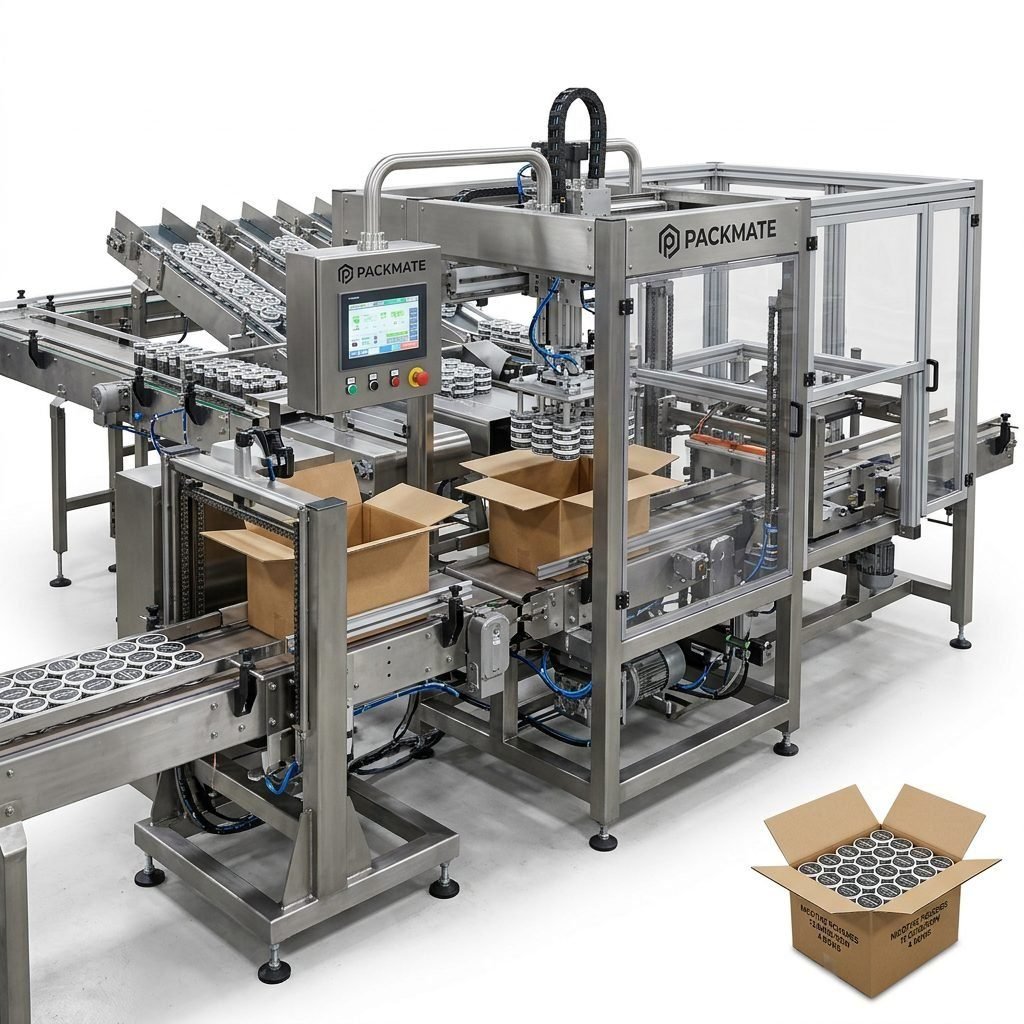
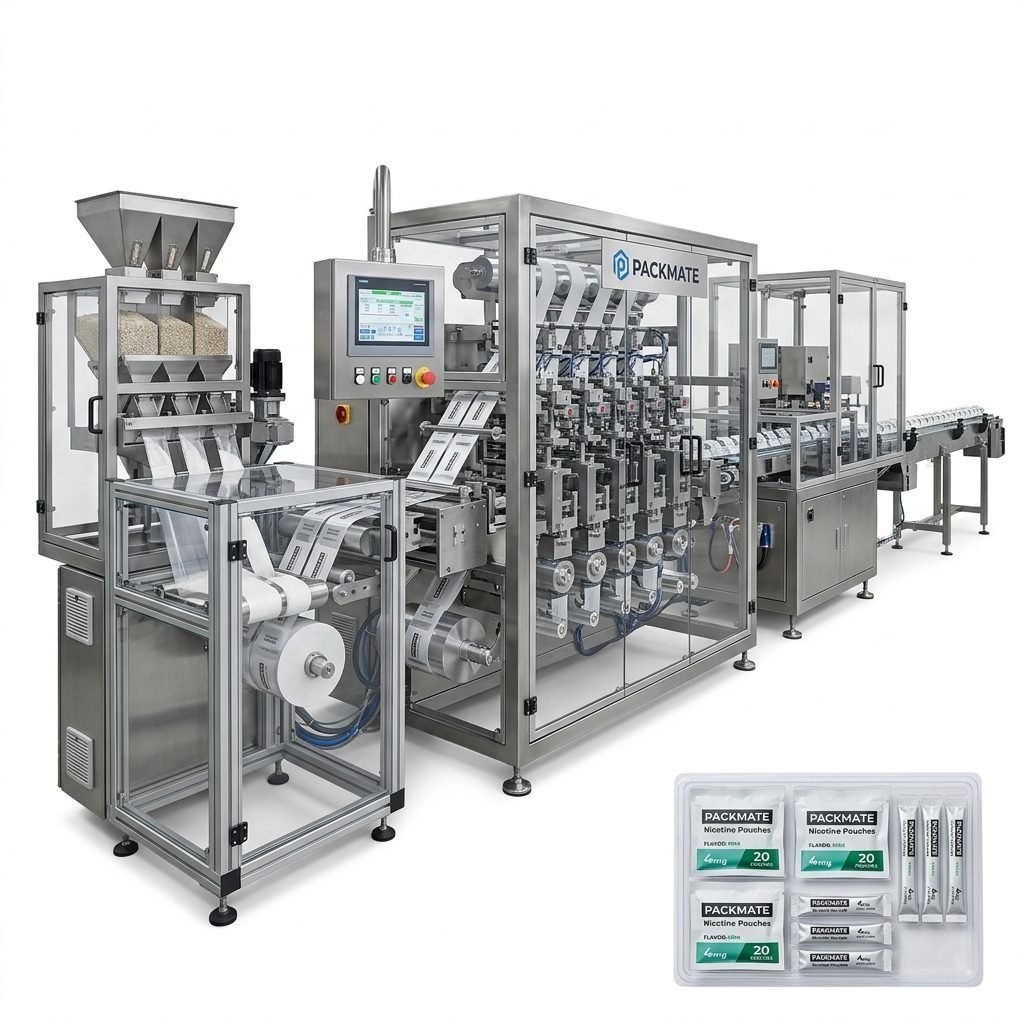
✅ Auxiliary packaging equipment — Capping, labeling, cartoning, and solution lines to create a complete production line for finished product packaging.
Key technical specifications to evaluate
Focus on measurable specs that determine whether a machine meets your capacity and quality targets:
Production speed (pouches/min): Choose machines rated above your peak demand. For high-volume markets, multi-lane systems can dramatically increase output.
Accuracy & dosing precision: For nicotine pouches, consistent dose control is critical for regulatory compliance and brand safety.
Material compatibility: Verify compatibility for powders, granules, tea-like substrates, or humid blends. Some machines are optimized for dry powders while others handle humid formulations.
Changeover time & flexibility: If you plan multiple SKUs, check how quickly the machine can switch between pouch sizes, formats, or recipes.
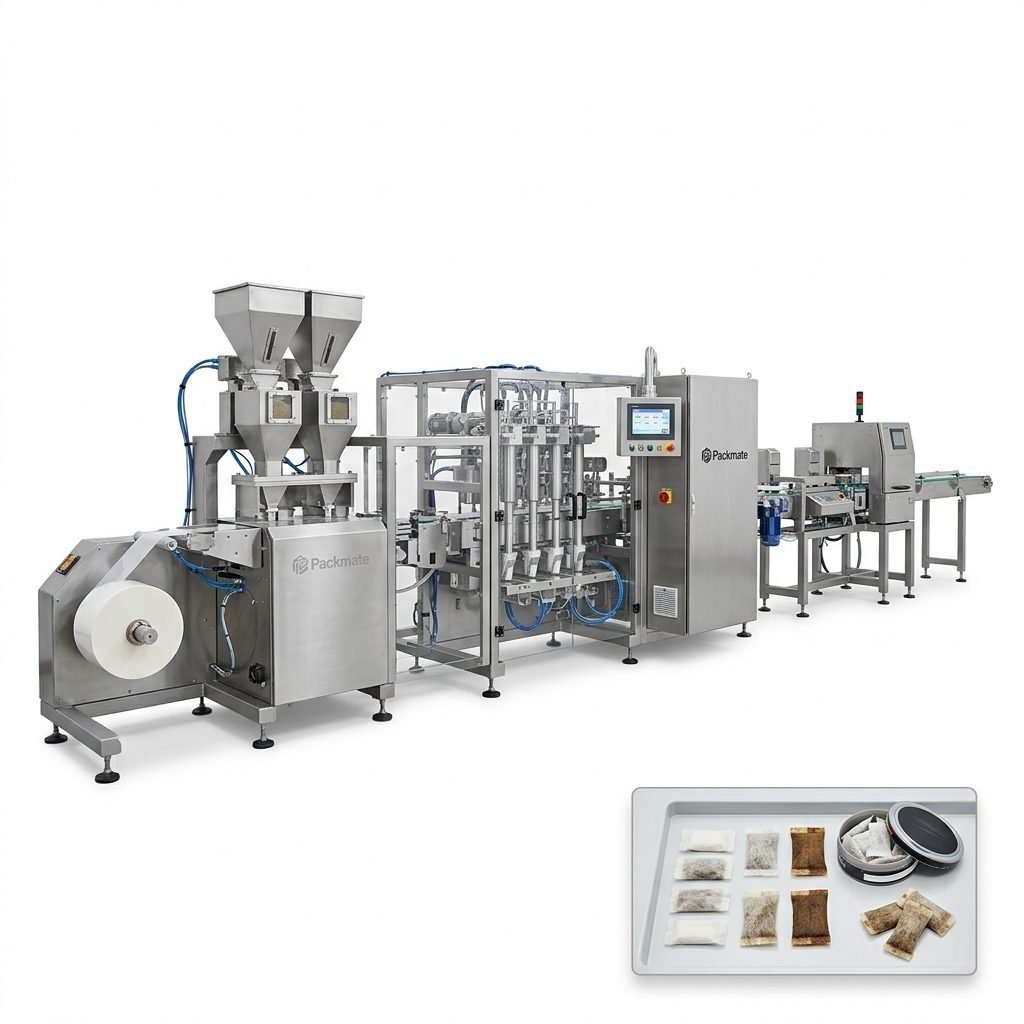
Automation & integration: Consider HMI controls, PLC systems, and compatibility with upstream weighing and downstream cartoning equipment for turnkey lines.
Why multi-lane systems matter for snus/nicotine pouches
Multi-lane machines allow several streams of pouches to be produced in parallel. This is particularly valuable for small-dose nicotine pouches where single-lane throughput is limited by fill speed. A multi-lane solution can multiply output without sacrificing precision, making it an efficient choice for mid-to-large scale producers.
Regulatory and quality compliance for Croatia and EU markets
Operating in Croatia, you must satisfy EU and national regulations for nicotine-containing products and their packaging. Machine vendors should provide documentation that supports compliance and traceability.
CE and ISO certifications — Ensure the equipment meets CE safety requirements and that manufacturing processes align with recognized ISO standards. Ask for certificates and test reports.
Traceability & data logging — Modern machines should record run data, lot numbers, and fault logs for quality audits and recall readiness.
Hygienic design & materials — Contact surfaces should be compatible with CIP (clean-in-place) where required, and constructed from food-grade stainless steel to prevent contamination.
Evaluating suppliers: beyond the machine
A machine is only part of the investment. Choose manufacturers who offer proven reliability, spare parts availability, training, and local support options in Europe or partnerships that serve Croatia.
Look for suppliers with strong factory capabilities, experienced R&D teams, and a global track record. For example, suppliers that publicize years of engineering experience, multiple machine models, and advanced CNC facilities often deliver consistent quality and customization options.
Service, training and spare parts
⚙️ On-site installation and commissioning: Confirm whether the supplier provides installation, initial setup, and production trials at your site.
📦 Spare parts & lead times: Ask about critical spare parts lists, lead times, and whether parts are stocked in European warehouses.
🎓 Operator training: Formal training reduces human error and improves uptime. Ensure training packages are included or available.
Total cost of ownership and return on investment
Purchase price is only the start. Calculate the total cost of ownership (TCO) to make a business-savvy decision.
Initial capital expenditure: Machine, tooling, and installation.
Operating costs: Energy consumption, maintenance, spare parts, and labor.
Yield & waste rates: Higher-precision systems reduce product giveaway and rework.
Depreciation & lifecycle: Consider the expected lifespan and upgrade paths — modular machines often offer longer practical lifecycles.
Production planning: match machine capacity to market demand
Build forecasts for 1, 3, and 5 years. If launch volumes are modest but expected to grow, consider modular equipment or machinery that supports additional lanes or higher speeds with minor upgrades — that flexibility saves future capital.
For immediate high output, prioritize multi-lane lines and integrated weighing systems that minimize bottlenecks. If SKU diversity is high, prioritize quick-change tooling and recipe storage on the HMI.
Site requirements and layout considerations
Ensure your facility can support equipment in terms of power, compressed air, ventilation, and floor loading. Plan for material staging, line-of-sight operator areas, and maintenance access. A pre-installation survey from your supplier helps prevent surprises.
Testing and acceptance criteria
Before final acceptance, define factory acceptance tests (FAT) and site acceptance tests (SAT) that measure:
Run speed validation, dosing accuracy, seal integrity, and reject handling. Require suppliers to demonstrate these metrics at their facility or via remote video trials if travel restrictions apply.
Why vendor reputation and references matter
A supplier with demonstrable experience in snus and nicotine pouch lines reduces implementation risk. Seek references and case studies from similar projects. If available, visit a live line or ask for videos of machines producing comparable products.
You can explore industry-proven equipment categories such as Snus & Nicotine Packaging Machines, Sachet & Stick Pack Machines, or full Filling & Packaging Lines for integrated solutions.
Customization and turnkey solutions
Many manufacturers offer turnkey systems — from dosing and pouch formation to cartoning and palletizing. If you require a tailored line, request references of custom projects and inquire about engineering lead times and prototype iterations.
For component additions, explore Auxiliary Packaging Equipment and weighing systems that can be matched to your main line.
Installation, commissioning and operator training
Proper installation and training reduce ramp-up time. Verify whether the supplier includes:
🔧 On-site commissioning, 📘 operator and maintenance training, and remote troubleshooting support.
Ask for a training plan that covers preventive maintenance, spare parts replacement, and basic PLC/HMI navigation.
Practical checklist before purchase
Use this short checklist to compare suppliers and proposals:
• Rated speed and measured performance data
• Certificates (CE, ISO) and test reports
• Warranty terms, spare parts availability, and local support options
• References and case studies (ask to see machines running similar products)
• TCO estimates, including energy use and maintenance forecasts
How to start procurement in Croatia
Begin with a detailed specification document describing product formats, required capacity, packaging film types, and regulatory constraints. Invite quotes from multiple vendors and request FAT demonstrations. Consider suppliers who present modular upgrade paths to grow with your business.
If you want to review comprehensive product families and technical options, see offerings in categories like Bag & Pouch Packaging Machines and Weighing & Packaging Systems.
Final considerations: minimize risk and future-proof the line
Prioritize machines with strong documentation, modularity, and an active spare parts pipeline. Ensure contracts specify performance guarantees and acceptance criteria. Consider service agreements with defined response times to keep downtime minimal.
For reference on supplier background and manufacturing capabilities, learn more from their company page or exhibition presence: About Packmate and Our Exhibition.
Quick case pointers
Manufacturers with decades of experience and a large factory footprint typically provide stable engineering support and customization. When comparing offers, review certification pages and case studies to verify track records: Case.
Conclusion
Selecting the best nicotine packaging machine in Croatia means balancing capacity, compliance, cost, and supplier reliability. Target machines that meet your current demand while offering scalable options for future growth. Verify certifications, inspect vendor references, and secure clear acceptance tests to protect your investment.
Common questions
Q: How important is multi-lane technology for nicotine pouches? A: Extremely important for volume-focused producers — it multiplies throughput without compromising dose accuracy.
Q: What certifications should I require? A: At minimum request CE conformity and evidence of ISO-aligned manufacturing controls; also ask for hygiene and material traceability records.
Q: How do I ensure fast spare parts delivery in Croatia? A: Choose suppliers with European warehousing or local distributors, and confirm stock lists and lead times before purchase.
Q: Is turnkey integration worth the premium? A: Yes, if you lack internal engineering resources. Turnkey suppliers reduce integration risk and speed time-to-market.
Q: Where can I find more technical resources and product lines? A: Review specialized product pages like Catalog and contact suppliers directly via Contact Us.