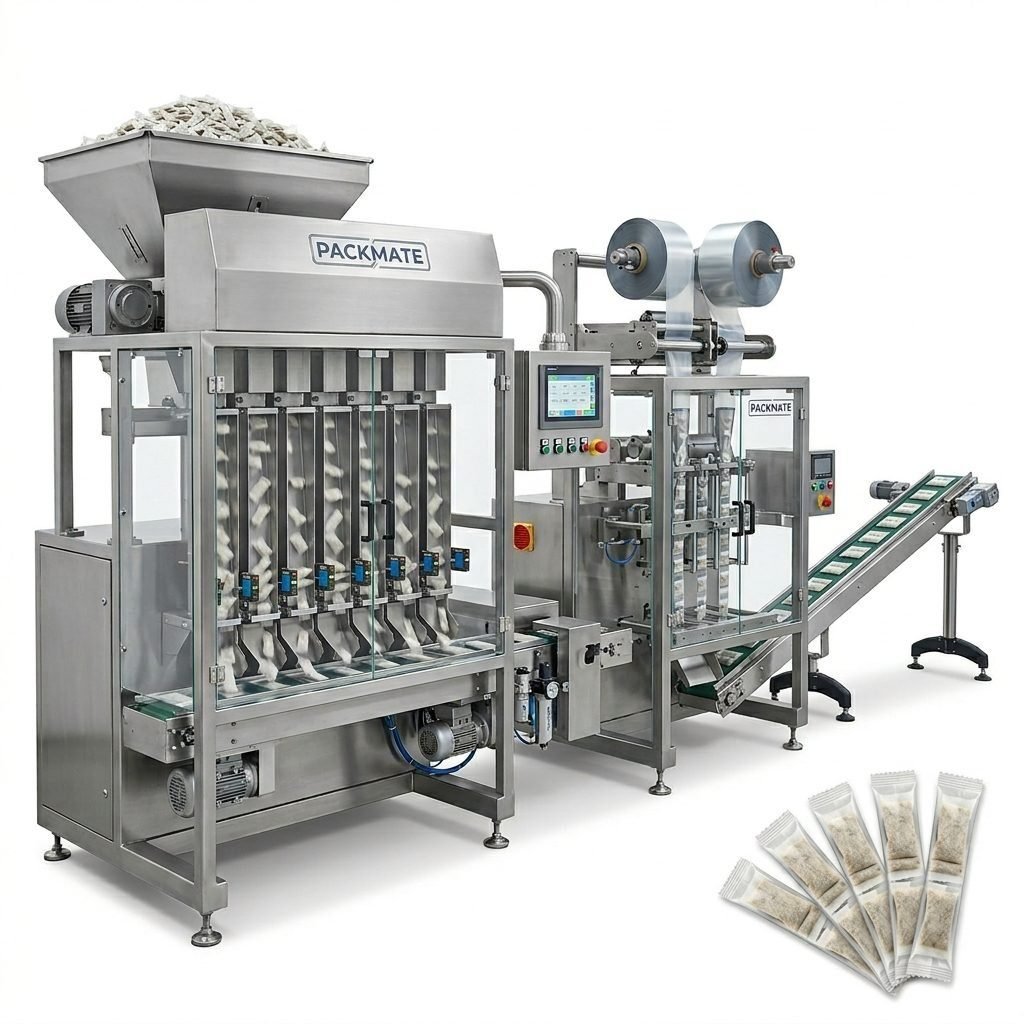
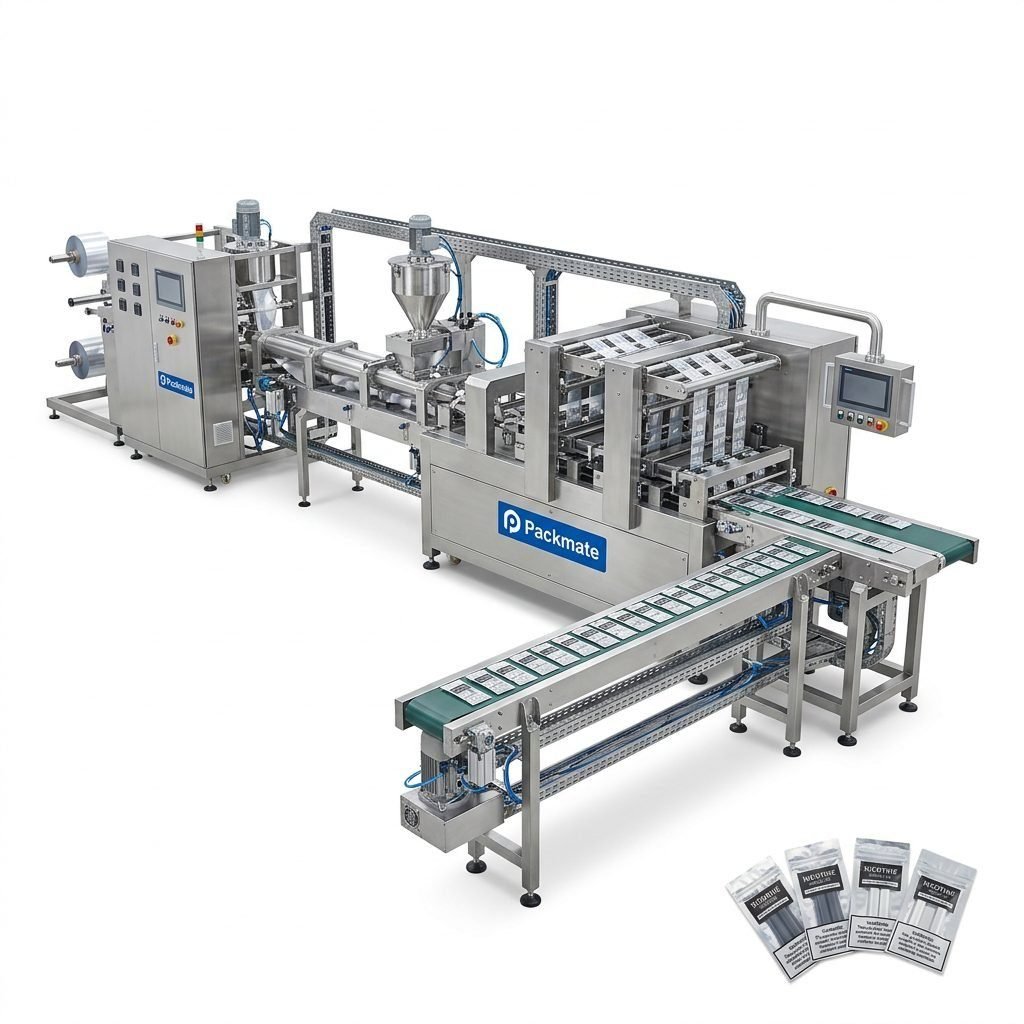
Choosing the right snus packaging machine for production in Poland requires a careful balance of technical performance, regulatory compliance, and long-term service support. This guide walks you through the essential considerations—from machine types and throughput to maintenance, certification, and vendor selection—so you can make a confident, well-informed purchase decision.
Overview: Why the Right Snus Packaging Machine Matters
Snus and nicotine pouch production demands consistent dosing, hygienic handling, and accurate sealing to ensure product safety and market acceptance. A well-chosen machine reduces waste, increases uptime, and simplifies compliance with food and pharmaceutical standards. Key outcomes you should expect are reliable pouch formation, precise filling, fast changeovers, and stable multi-shift operation.
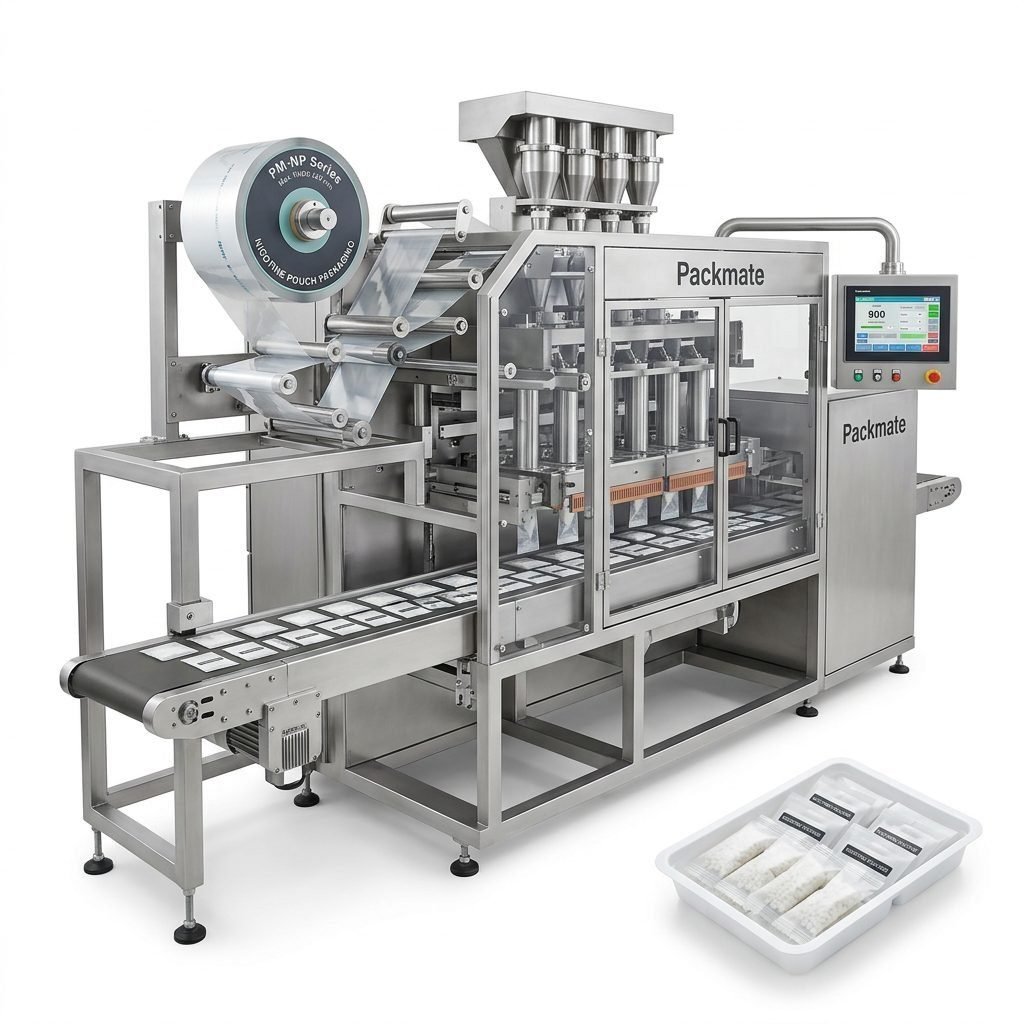
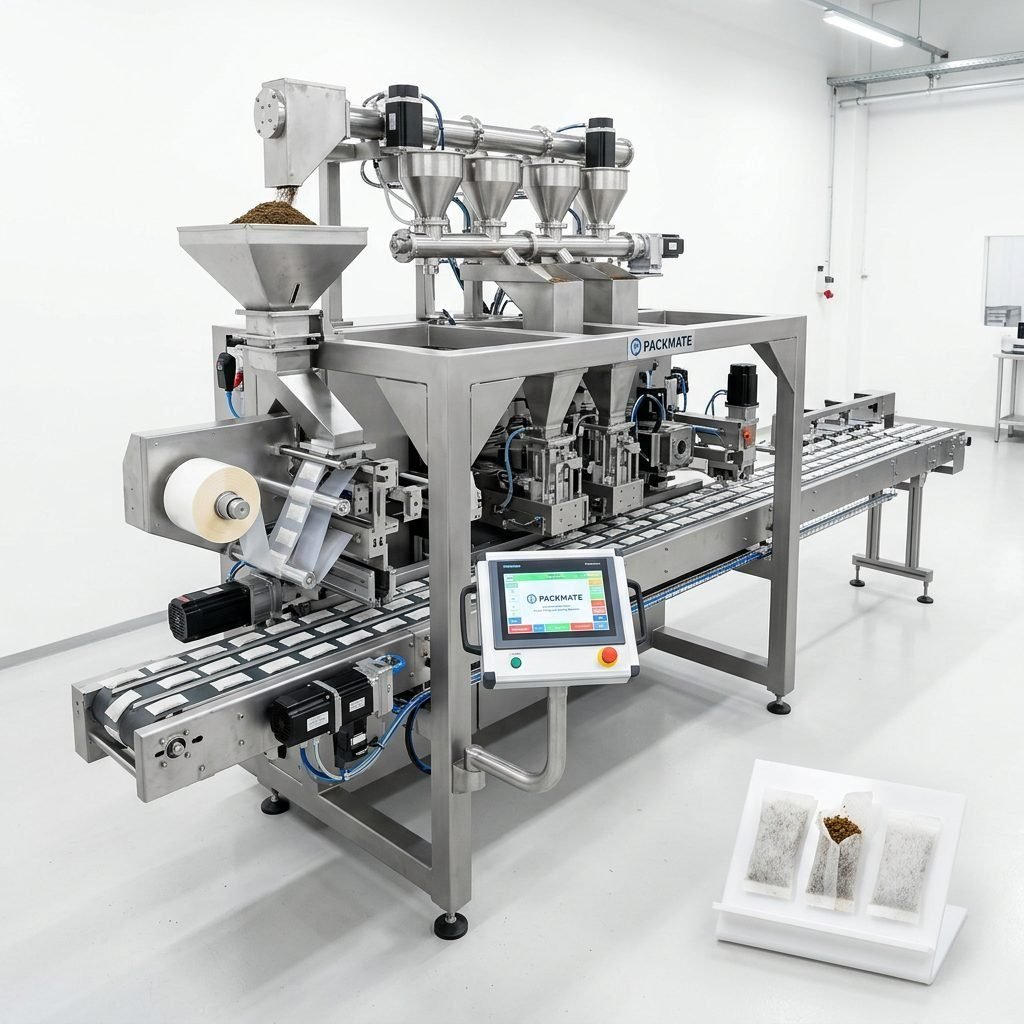
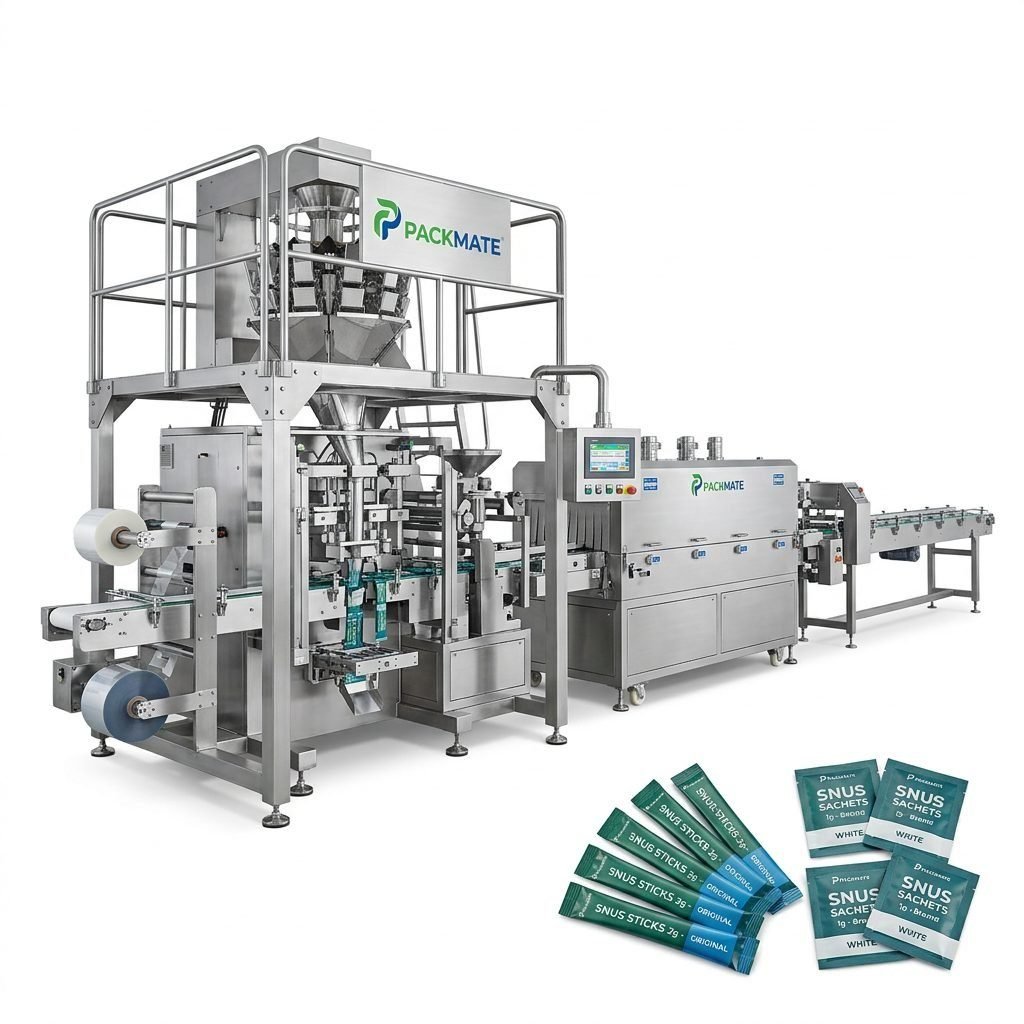
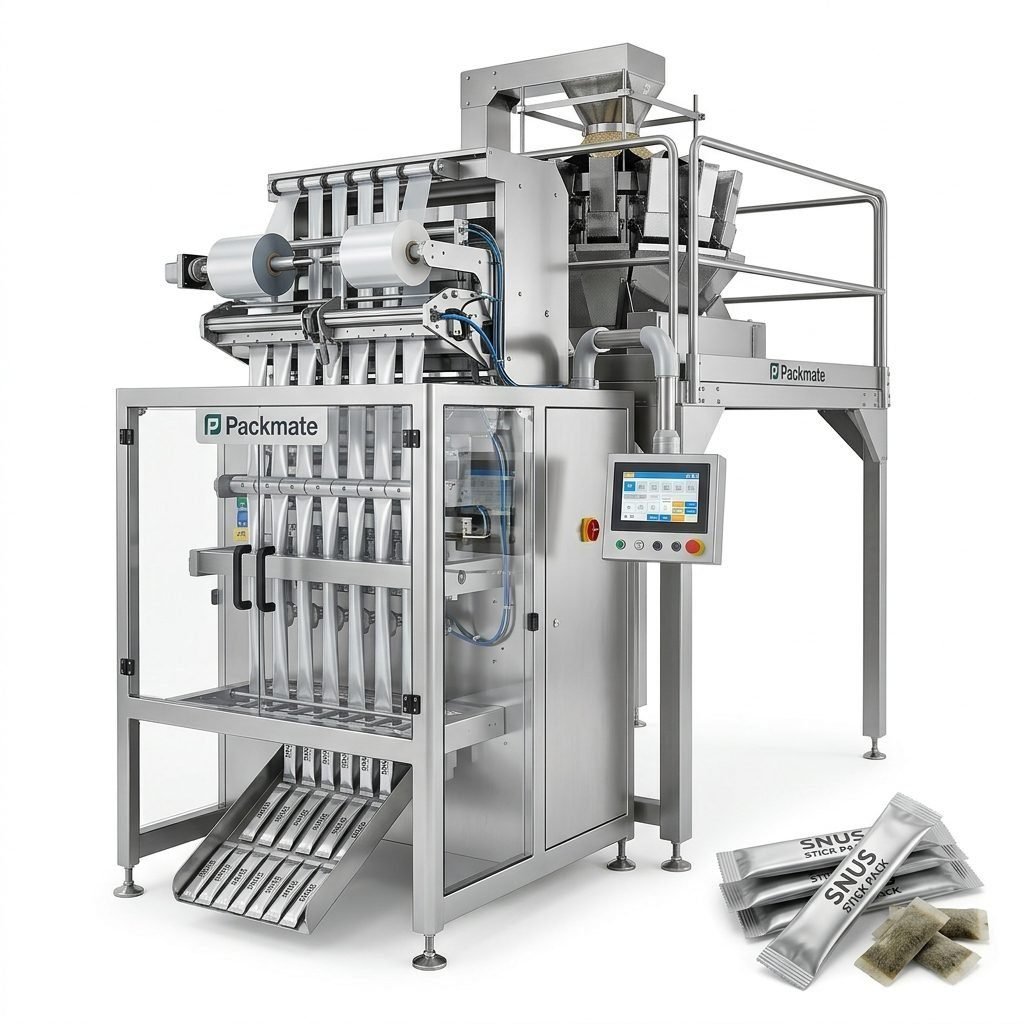
Types of Packaging Machines for Snus
Understanding machine families helps you match production capacity with product format. Typical machine types include:
-
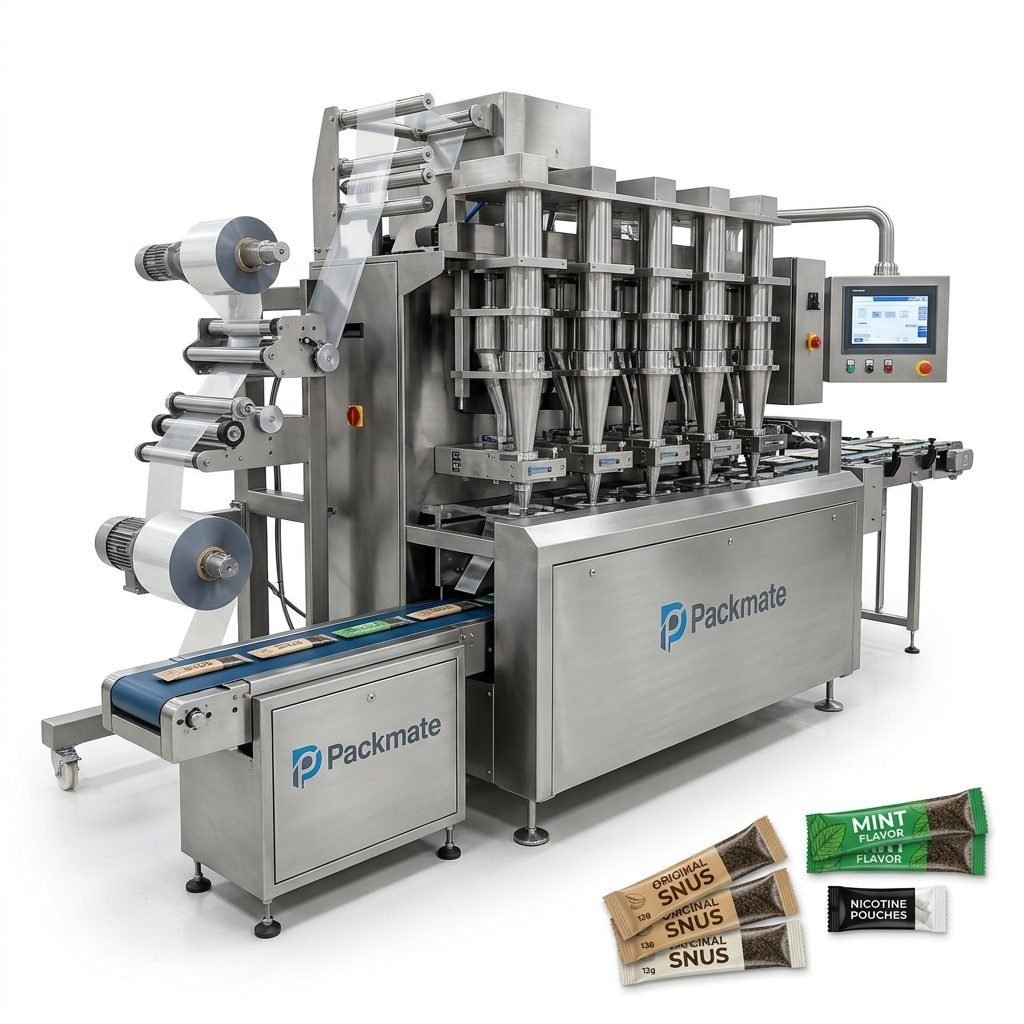
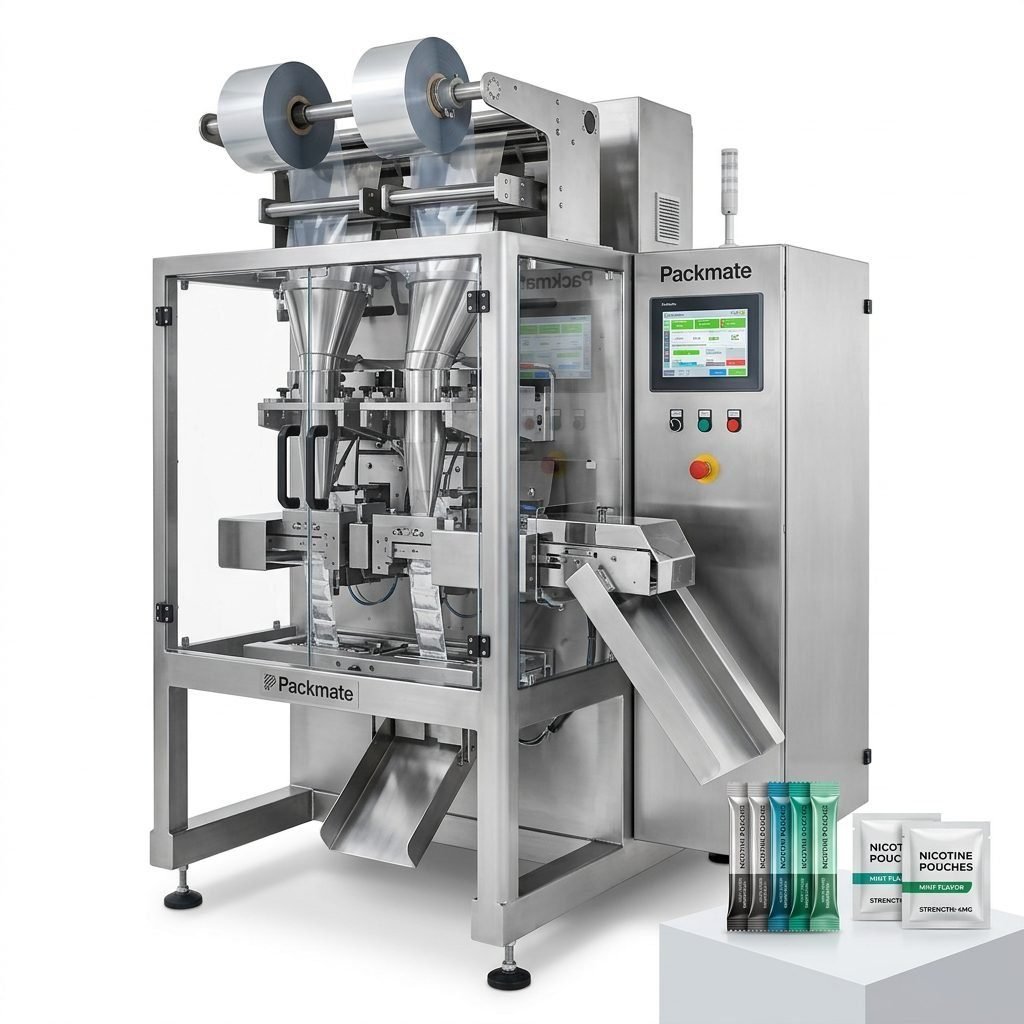
Stick pack machines — ideal for single-dose stick sachets, fast and compact.
-
Sachet packaging machines — flexible for various pouch shapes and sizes.
-
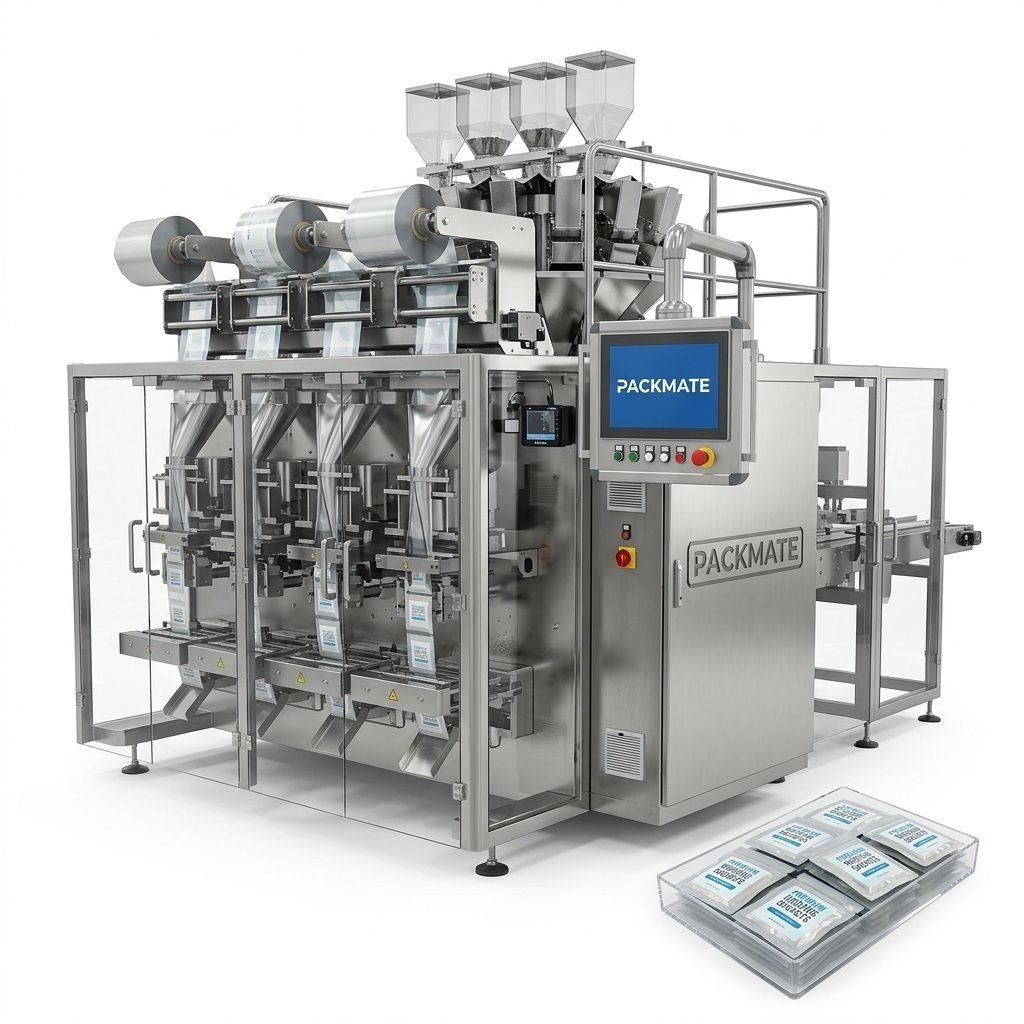
Multi-lane snus pouch systems — designed for high output of small-dose pouches (multi-lane increases throughput without increasing footprint).
-
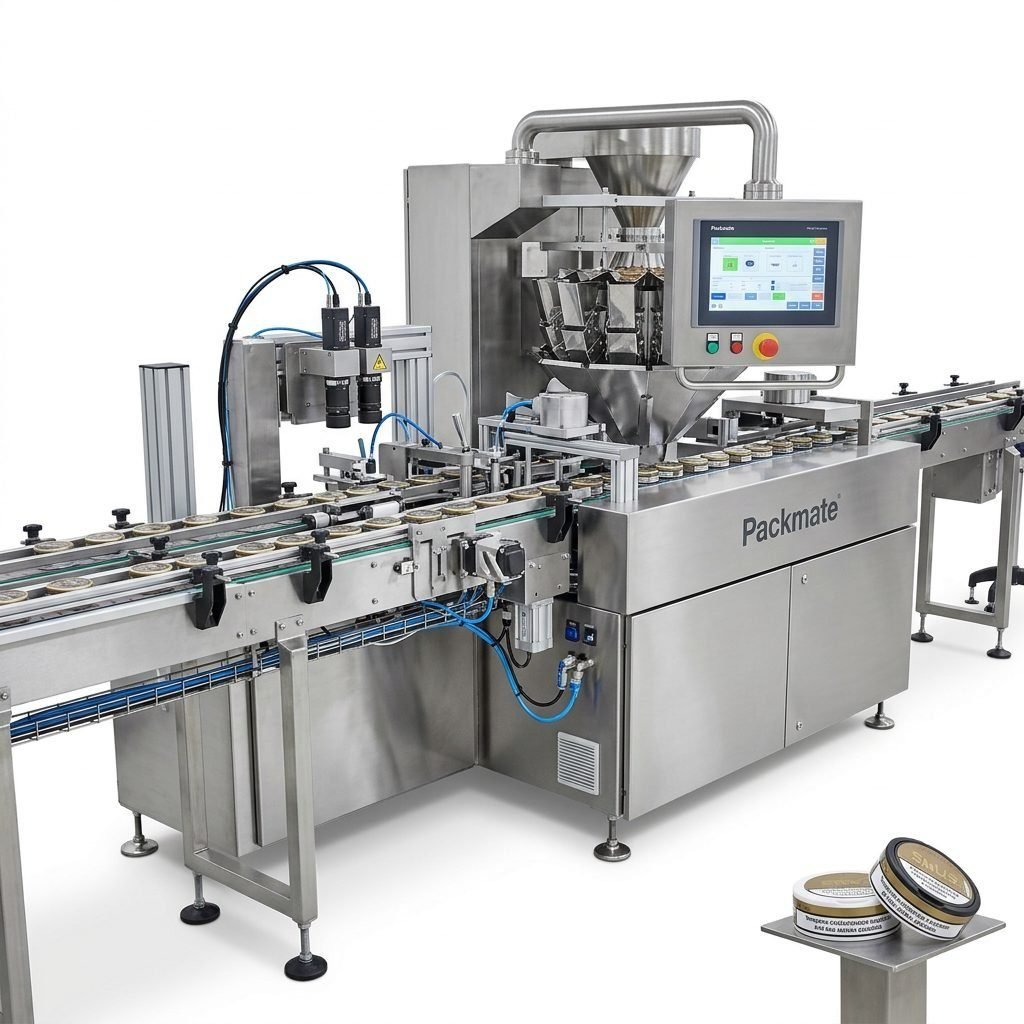
Complete filling & packaging lines — integrated solutions that combine weighing, dosing, packing, and secondary packaging.
Pro tip: If your target market in Poland or the EU requires small-dose nicotine pouches in volumes, a multi-lane snus pouch machine can dramatically lower unit manufacturing cost. Explore examples under Snus & Nicotine Packaging Machines.
Key Technical Features to Evaluate
For any prospective buyer, verify these core technical aspects:
-
Throughput: Measured in pouches per minute (ppm) — choose a machine that meets current demand with headroom for growth.
-
Accuracy & dosing consistency: Essential for nicotine products where dose per pouch must be controlled.
-
Material compatibility: Ensure the machine supports your chosen film materials, barrier laminates, or biodegradable films.
-
Changeover time: Faster format changeover reduces downtime when you run multiple SKUs.
-
Automation & integration: Does the machine integrate with your existing weighing, cartoning, and labeling equipment?
Production Capacity vs. Future Growth
Start by projecting your 12–36 month production volume. If you expect rapid growth or plan to scale SKUs, consider a machine with modular upgrades or a multi-lane configuration. Over-investing can be as costly as under-provisioning — strike a balance by selecting equipment that can be upgraded without a full replacement.
Quality, Safety & Regulatory Compliance
For snus and nicotine pouch production, certification and hygienic design are non-negotiable. Look for:
-
CE and ISO compliance — indicates conformity with European safety and quality standards.
-
Hygienic components and easy-clean design to minimize cross-contamination risks.
-
Material traceability and documentation to satisfy market audits.
Must-have: Ask the vendor for machine CE and ISO certificates, plus any test reports showing dosing accuracy for your product formulation.
Vendor Selection: What to Ask Your Supplier
Choosing the right supplier is as important as the machine itself. When evaluating manufacturers, verify:
-
Industry experience and references — how many snus lines have they delivered?
-
Factory capabilities and quality control — do they operate precision CNC and assembly lines?
-
After-sales service, spare parts availability, and remote support.
-
Custom engineering ability — can they adapt machines to your unique pouch design or dosing system?
-
Turnkey solutions — do they supply auxiliary equipment (weighing, filling, cartoning) and full line integration?
For a vendor with extensive experience in snus machinery and turnkey lines, you can review examples at About Packmate and see real-world implementations in their Case library.
Cost Considerations & Total Cost of Ownership (TCO)
Purchase price is only part of the equation. Factor in:
-
Installation & commissioning costs.
-
Training for operators and maintenance staff.
-
Spare parts, warranty terms, and expected downtime.
-
Energy consumption and consumables (films, seals, filters).
Budget tip: Compare TCO over a 5-year horizon rather than focusing on the lowest initial price. Reliable machines with solid service reduce costly unplanned downtime.
Installation, Commissioning & Training
Proper installation and operator training are critical for achieving rated performance. Confirm the supplier’s scope of work for on-site commissioning, validation runs, and operator training. Ask for a commissioning checklist and sample SOPs (Standard Operating Procedures).
Spare Parts and Local Support in Poland
Fast access to spare parts and service is vital. Ask whether the manufacturer has local agents or partners in Europe to shorten lead times. Packmate and similar suppliers often provide global turnkey support and can assist with spare parts logistics and remote troubleshooting.
Customization & Integration with Existing Lines
If you already run upstream or downstream equipment — such as weighing systems, cartoners, or case packers — ensure the new snus packaging machine can be integrated. Vendors that offer modular systems and configurable I/O make line integration smoother. For integrated solutions, review options under Filling & Packaging Lines and Weighing & Packaging Systems.
Integration checklist: confirm electrical standards, PLC compatibility, conveyor flanges, and line-speed synchronization before purchase.
Factory Capability & Manufacturer Profile
When evaluating suppliers, consider their factory scale and engineering depth. A manufacturer with a large, well-equipped facility, advanced CNC machining centers, and a long track record is more likely to deliver robust equipment. Packmate’s profile highlights decades of experience, multiple machine models, and a 20,000㎡ factory — indicators of mature production capability.
Testing & Factory Acceptance Test (FAT)
Request a Factory Acceptance Test (FAT) before shipment. FAT demonstrates the machine operates to agreed specs and allows you to witness trial runs, dosing accuracy, and packaging integrity. A thorough FAT reduces installation surprises and ensures expected performance on arrival.
Making the Final Decision
To decide between competing proposals:
-
Compare throughput vs. TCO over 3–5 years.
-
Check certifications and hygienic design features.
-
Confirm spare parts lead time and warranty coverage.
-
Evaluate vendor responsiveness and local support network.
Checklist before PO: FAT report, CE/ISO certificates, spare parts list, training schedule, and a clear warranty & service SLA.
Where to See Machines and Get Quotes
Visit exhibitions and vendor demo centers to evaluate machines in person. Packmate attends global exhibitions and offers live demonstrations — check their exhibition schedule at Our Exhibition. For catalogs and model details, refer to their Catalog.
Final Recommendations for Buyers in Poland
– Focus on machines with proven multi-lane performance if you plan high-volume production.
– Prioritize vendors who provide turnkey lines and strong European after-sales support.
– Insist on FAT and clear documentation for regulatory compliance.
– Evaluate energy, consumable usage, and changeover times to estimate true running costs.
Useful Links
Explore machine families and solutions: Sachet & Stick Pack Machines, Bag & Pouch Packaging Machines, and auxiliary equipment at Auxiliary Packaging Equipment.
Quick Contact
When you are ready to request quotations or schedule a demo, use the vendor contact portal: Contact Us.
Summary & Final Steps
In summary, select a snus packaging machine that aligns with your production goals, regulatory needs, and budget strategy. Prioritize manufacturers with strong engineering backgrounds, clear certifications, and reliable after-sales networks. Conduct FATs, verify spare parts logistics, and ensure planned training and integration schedules are in place before purchase.
Frequently Asked Questions (FAQs)
Q1: What certifications should a snus packaging machine have for EU markets?
A1: At minimum, look for CE marking and ISO quality management compliance. Documentation for material contact safety and hygiene design is also important.
Q2: Is multi-lane machinery a good investment for a small Polish start-up?
A2: Multi-lane machines are ideal if you aim for high throughput while keeping floor space compact. For small runs or many SKUs, start with a flexible single-lane or modular system and scale as demand grows.
Q3: How important is the Factory Acceptance Test (FAT)?
A3: Extremely important. FAT verifies machine performance against specifications and minimizes on-site surprises. Always request documented FAT runs and acceptance criteria before shipment.
Q4: Where can I see real snus packaging lines in operation?
A4: Visit industry exhibitions or request demo visits with suppliers. Packmate lists exhibition appearances and case studies where you can observe live machines and reference installations.
Q5: How do I arrange spare parts and service in Poland?
A5: Confirm distributor or agent presence in Europe, spare parts lead times, and recommended stocking lists. Many manufacturers offer service contracts and express parts shipping to European locations.