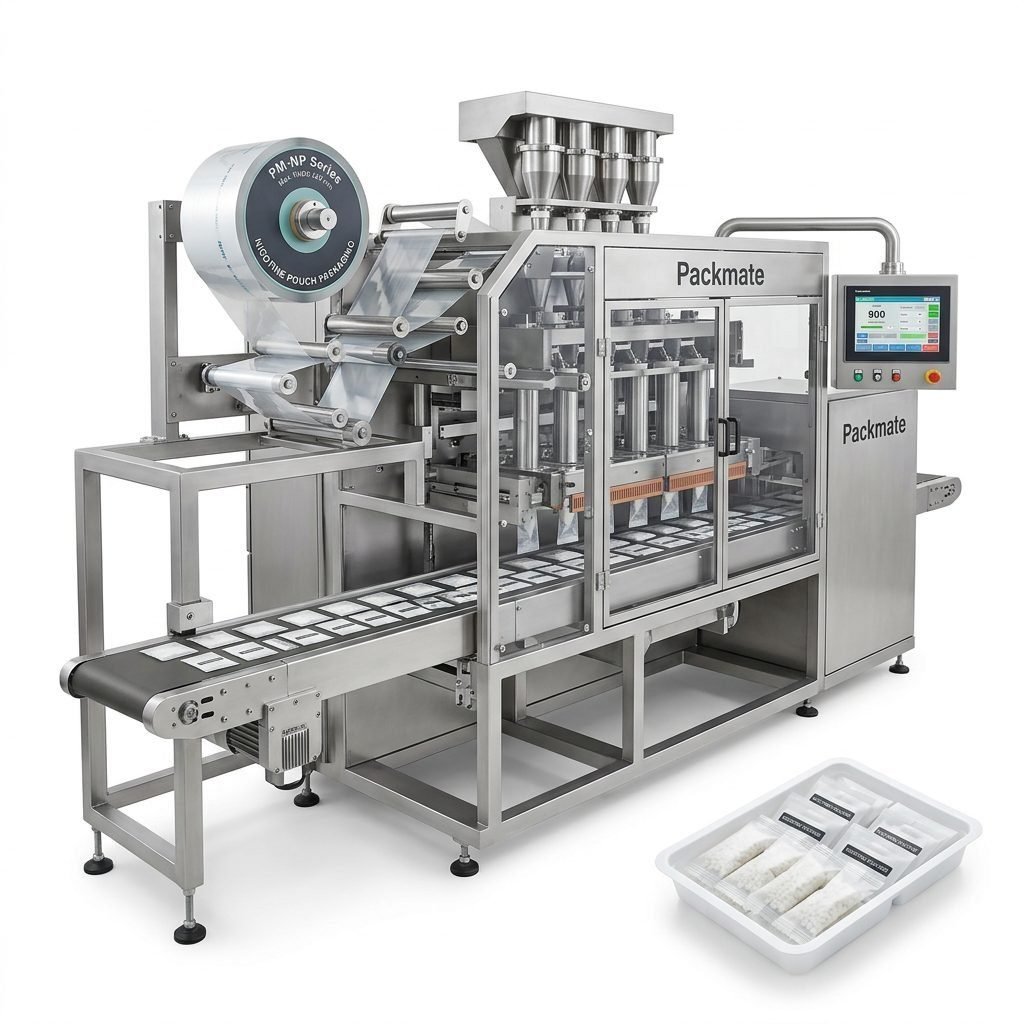
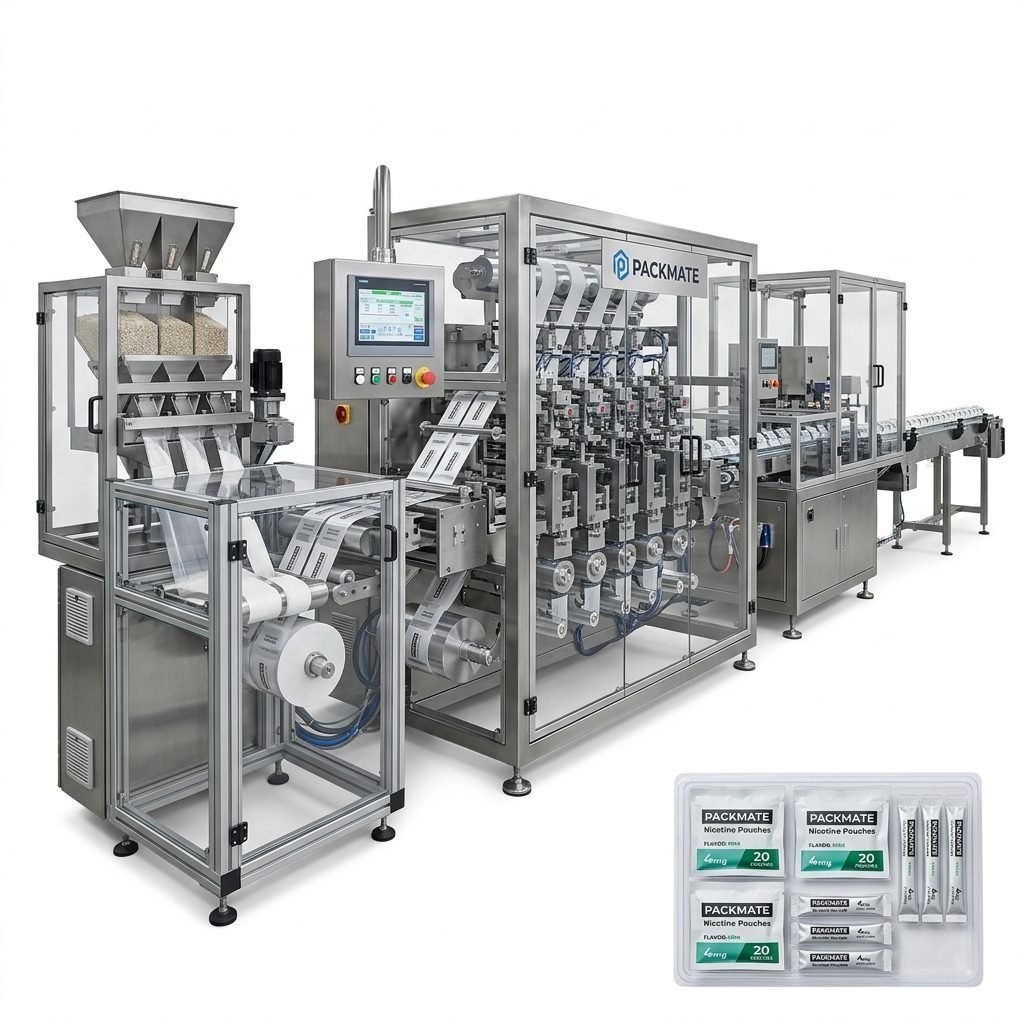
In Afghanistan’s growing nicotine pouch and snus market, choosing the right packaging machinery is a critical decision that affects product quality, production efficiency, and regulatory compliance. This guide explains how to evaluate and select the best snus packaging machinery for reliable, efficient production — covering machine types, technical specifications, supplier evaluation, installation and after-sales support, and practical purchase checklists to help your project succeed.
Understanding the Local Market and Production Goals
Before selecting equipment, clearly define your production goals: expected daily output, package formats (pouches, sachets, stick packs), product types (loose snus, nicotine pouches, powder, granules), and target markets. Local considerations in Afghanistan — such as customs clearance, import logistics, and power stability — should influence your decision on automation level and the availability of onsite technical support.
Key questions to answer early
Why these matter: production volume determines the machine capacity; product format dictates sealing and forming systems; and ingredient characteristics (moisture, particle size) determine dosing and feeding options.
Types of Snus Packaging Machines and Where They Fit
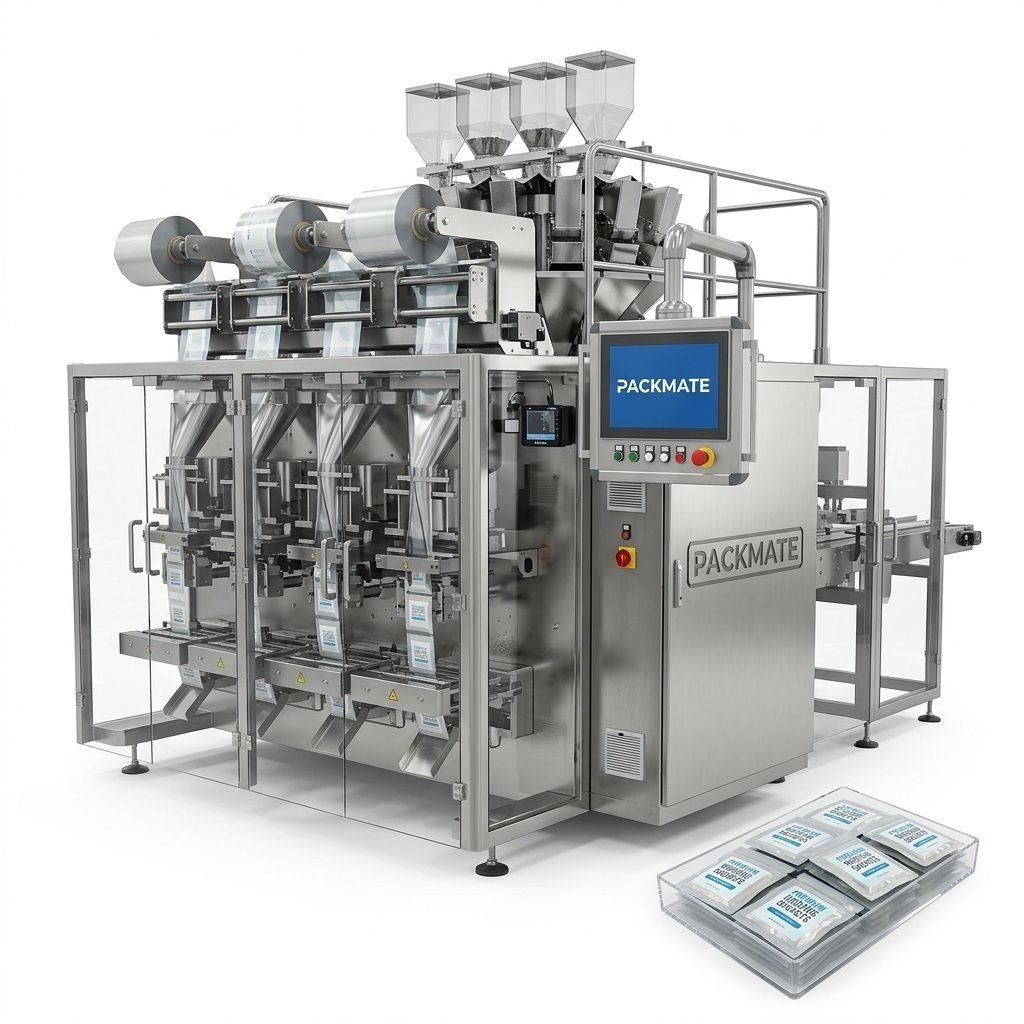
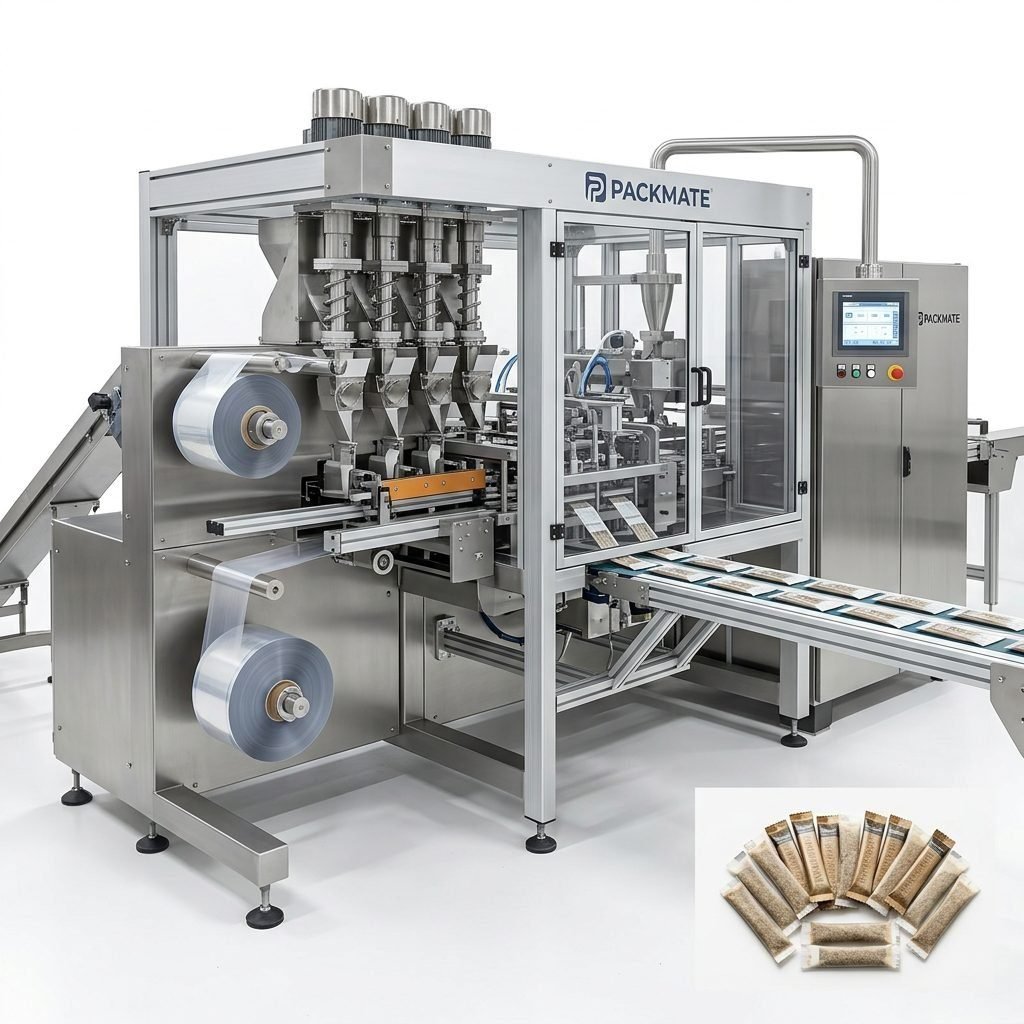
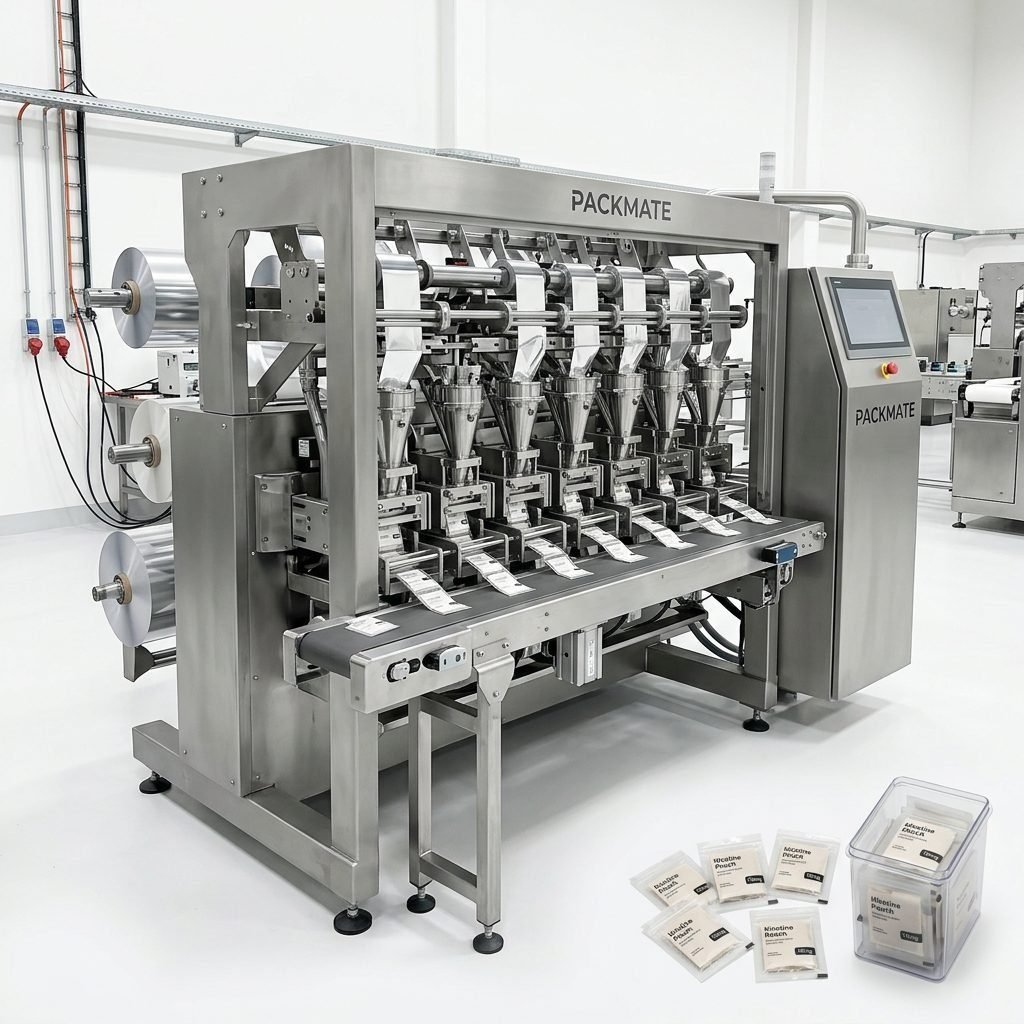
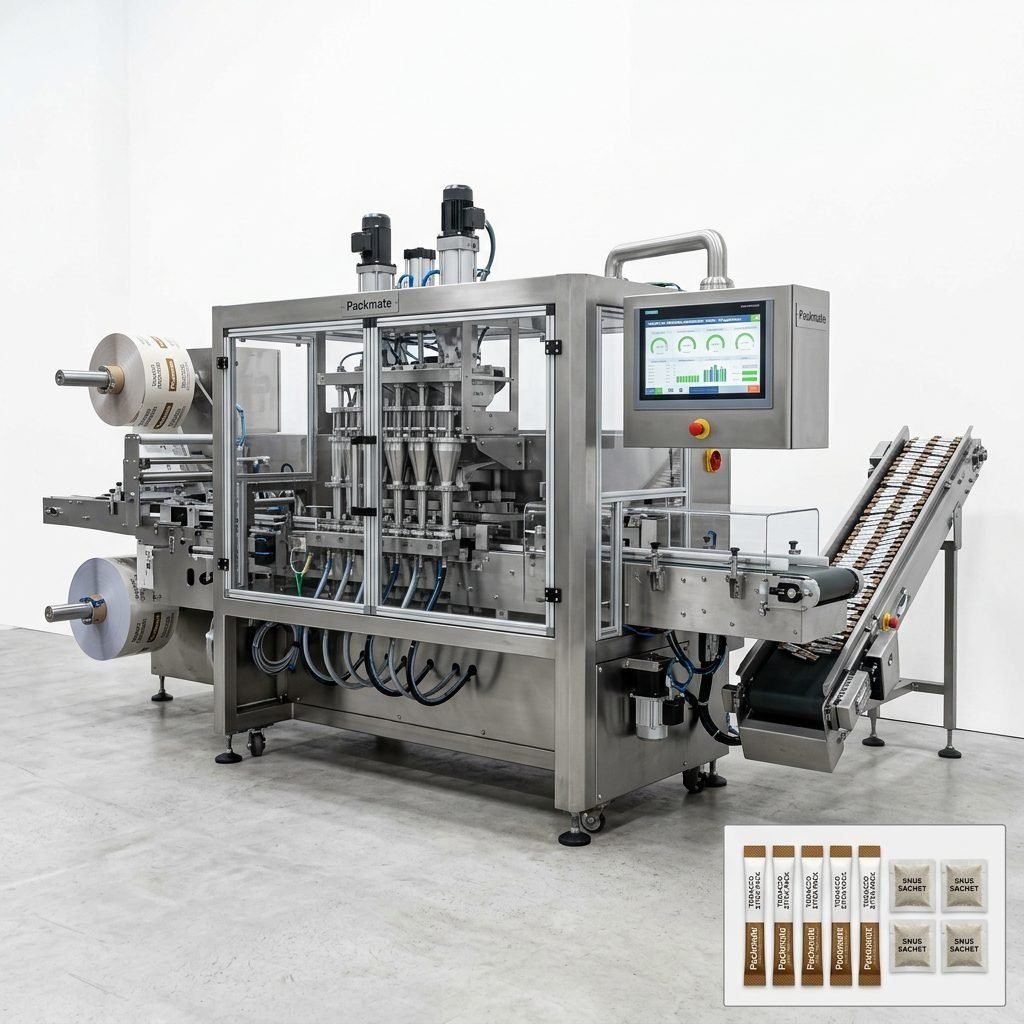
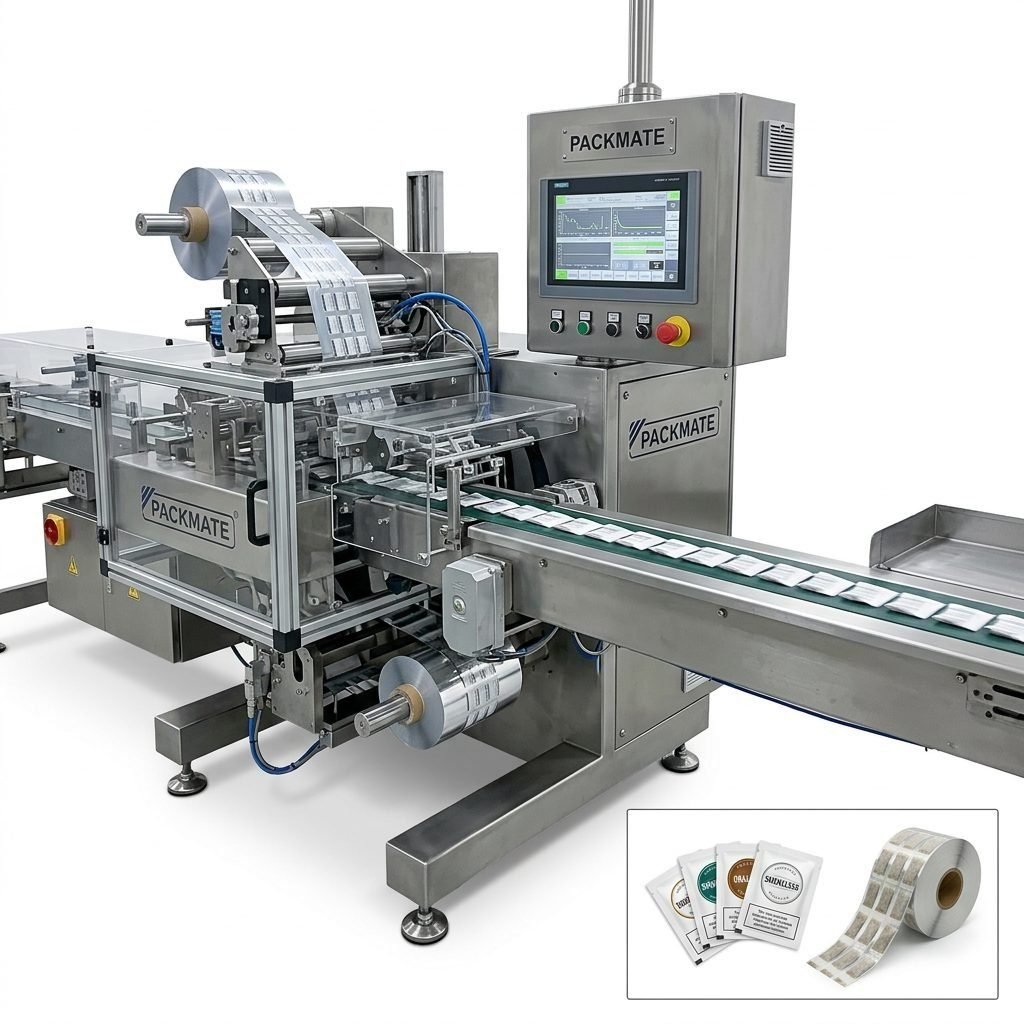
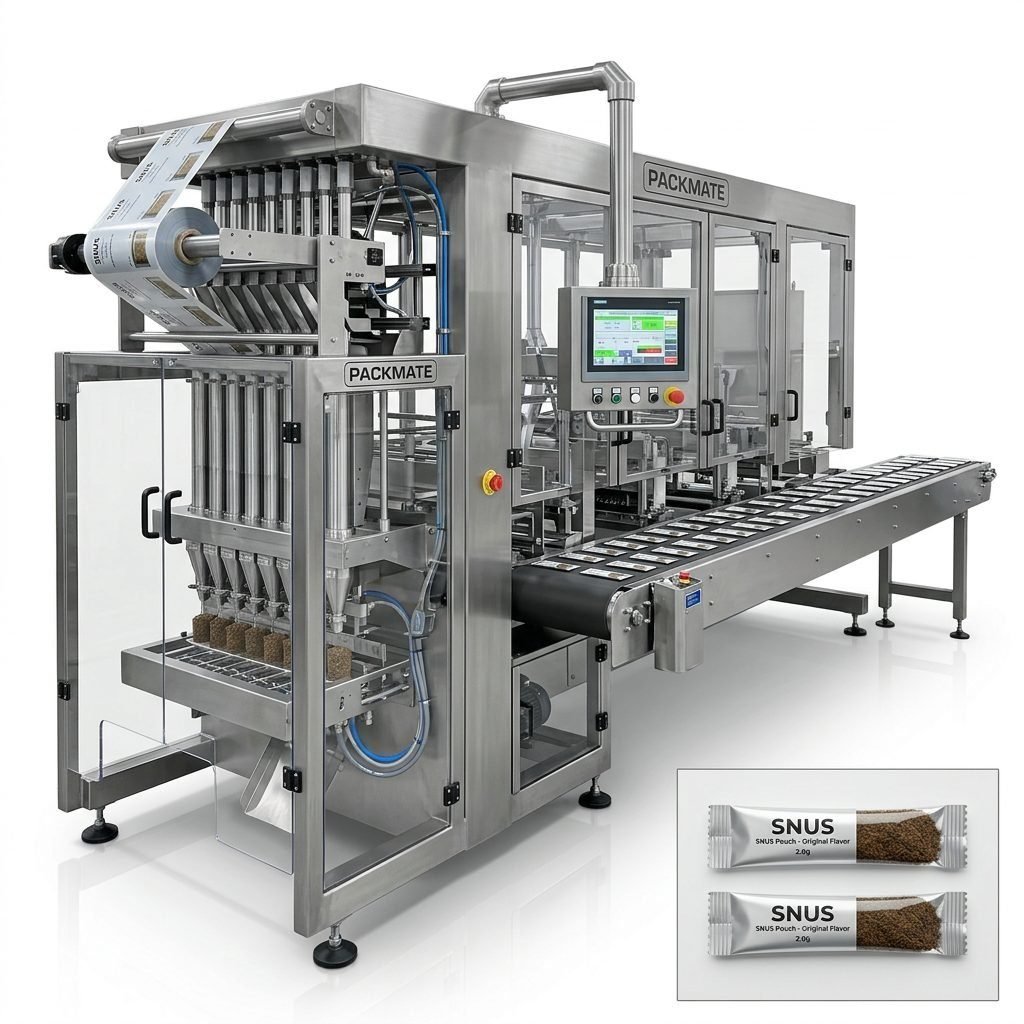
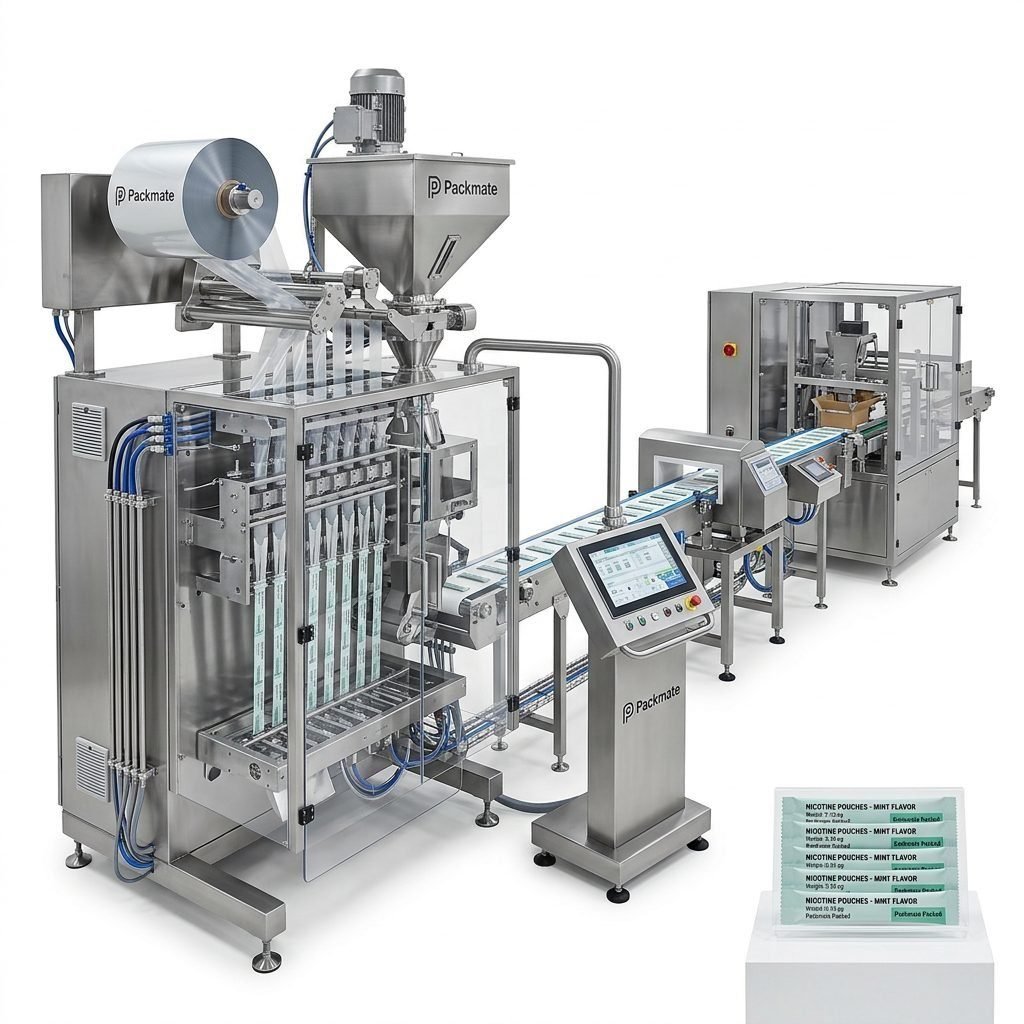
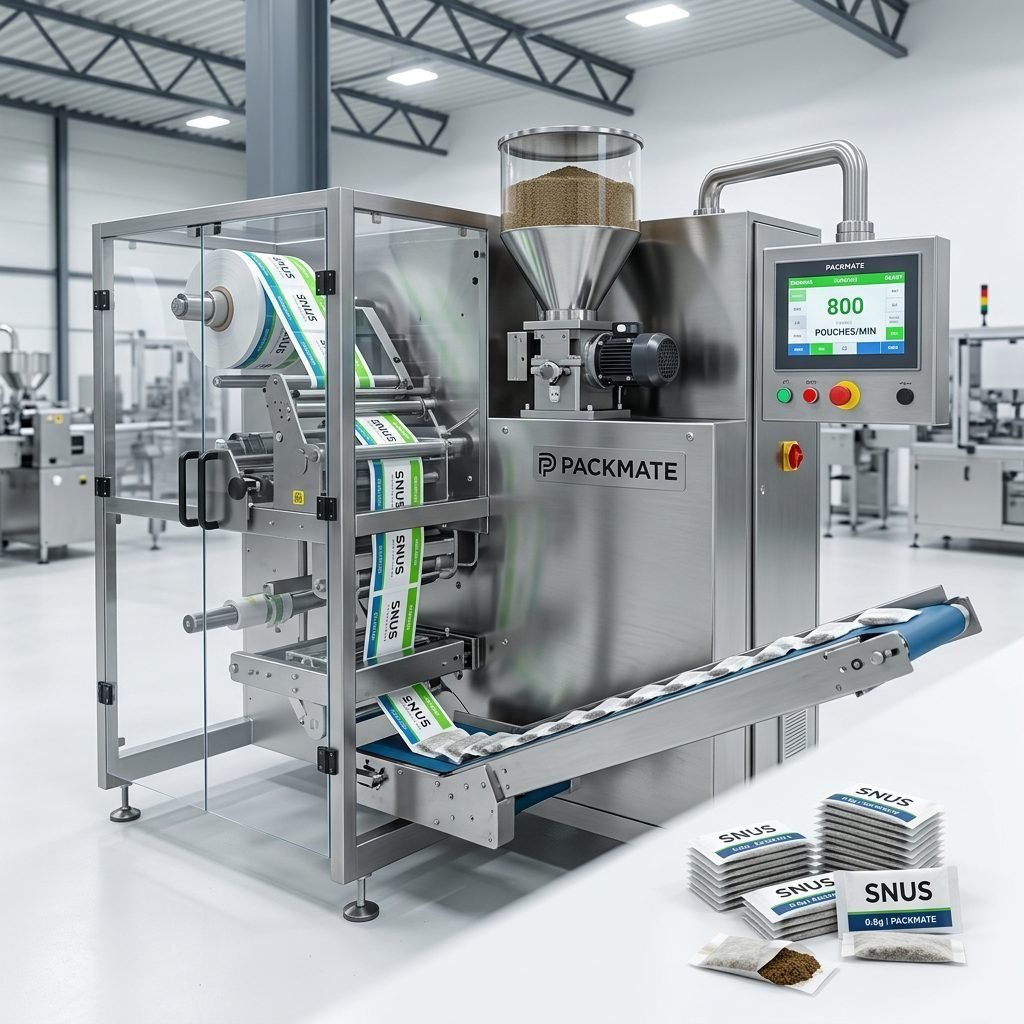
Selecting the right machine family depends on format and speed requirements. Common options include multi-lane pouch machines for small-dose nicotine pouches, sachet and stick pack machines for single-dose formats, and fully integrated filling & packaging lines for high-throughput operations. Explore specialized equipment such as multi-lane systems when compact-dose production and footprint efficiency are priorities.
Quick links: For product references and machine families, check Snus & Nicotine Packaging Machines, Bag & Pouch Packaging Machines and Sachet & Stick Pack Machines to compare models and capabilities.
Core Technical Criteria: What to Inspect
When evaluating machines, prioritize these technical capabilities and specifications:
1) Capacity and Throughput
Match machine speed to your target output. A multi-lane snus pouch machine can multiply throughput in limited floor space. Look beyond peak rpm — consider consistent performance with your product, because actual throughput depends on pouch size, dosing cycle, and quality inspections.
2) Dosing Accuracy & Filling Technology
Precision dosing is crucial for regulatory labeling and consistent nicotine content. Choose machines with advanced weighing or volumetric dosing that support accuracy tolerances required by your product standards. High-precision servo or gravimetric systems ensure repeatability and reduce waste.
3) Material Compatibility & Sealing Quality
Confirm the machine supports the packaging films you plan to use (foil, laminated films, or barrier pouches) and delivers reliable sealing (heat/ultrasonic) to maintain shelf life and product integrity.
4) Automation, Controls & HMI
Modern PLCs, intuitive HMIs, recipe management, and remote diagnostics reduce downtime and training time. Look for machines with quick changeover features for different formats and simple recipe recall.
5) Hygiene, Cleaning & Maintenance
For consumable products prioritize sanitary design: easy-to-clean surfaces, drainable components, and minimal crevices. Accessibility for maintenance matters: quick removal of wear parts and clear maintenance manuals reduce service time.
Checklist highlight:
Capacity · Accuracy · Sealing · Automation · Hygiene · Spare parts availability
Supplier Evaluation: Beyond the Machine Specs
Choosing a trustworthy supplier is as important as choosing the right machine model. Look for a manufacturer with strong engineering capability, transparent factory data, and a proven track record in snus packaging. Key evaluation points:
Experience and Factory Strength
Prefer suppliers with years of specialized experience and modern manufacturing facilities. For example, suppliers with 30+ years in packaging equipment and a 20,000㎡ factory with advanced CNC centers and precision assembly indicate strong production and quality control capacity.
Certifications & Compliance
Verify CE, ISO or other relevant certifications to ensure machines meet international safety and quality standards. Certification simplifies compliance in export markets and reassures operational safety.
After-sales Support & Spare Parts
Evaluate the supplier’s global service network, spare parts lead time, and availability of remote troubleshooting. A supplier that provides training, on-site commissioning, and documented maintenance procedures reduces risk for new operators.
Insider tip: Ask vendors for case studies or references in similar markets. Real-world performance data and customer testimonials reveal how machines perform in practice. See Case examples to learn how manufacturers deliver turnkey solutions worldwide.
Customization, Turnkey Lines and Integration
Many producers require end-to-end solutions including feeding, dosing, sealing, labeling, and secondary packaging. Working with suppliers that offer turnkey solutions allows better integration, single-point responsibility, and a coordinated installation — saving time and avoiding interface problems between different systems.
Integration considerations
Ensure electrical and communication protocols (Ethernet/IP, Modbus) are compatible if you plan to integrate third-party equipment. Standardized interfaces and clear documentation expedite commissioning.
Cost of Ownership: Total Cost vs. Initial Price
Evaluate total cost of ownership (TCO): energy consumption, spare part costs, downtime risk, training, and maintenance. A slightly higher initial investment in a robust machine can yield lower TCO via fewer stoppages, better yields, and less waste.
ROI focus:
Calculate payback using machine uptime, reduced waste, labor savings via automation, and increased throughput from multi-lane solutions.
Installation, Validation and Training
Prioritize suppliers that provide site surveys, installation support, and operator training. For products with regulatory oversight, request validation protocols and documentation that demonstrate repeatable performance and dosing accuracy.
Practical Purchase Roadmap
Follow these steps to minimize risk and secure the right machine for Afghanistan operations:
1) Define product formats, daily output, and future scaling needs.
2) Create a shortlist of vendors with relevant snus/nicotine experience and request technical datasheets.
3) Request live demos or video demonstrations and ask for samples packaged on the exact machine model.
4) Assess factory capabilities and certifications, and verify spare parts lists and lead times.
5) Confirm commissioning, training, and warranty terms, and include clear acceptance tests in the contract.
Common Pitfalls and How to Avoid Them
⚠️ Choosing machines solely on price often leads to higher long-term expenses due to downtime, poor dosing accuracy, or lack of local support.
⚠️ Ignoring spare part logistics can extend downtime in Afghanistan — confirm inventory or express delivery options.
✅ Verify real-case performance data and request references from similar projects. Manufacturers with broad portfolios such as weighing & packaging systems and auxiliary equipment can better support integrated installations — consult their full product pages where available.
Vendor profile to trust
: A manufacturer with decades of specialization in snus packaging, a large modern factory, CE/ISO certification, and a global customer base is more likely to deliver reliable turnkey lines and timely support. Learn more About Packmate and their product lines for deeper insight.
Maintenance Best Practices for Reliable Production
Implement scheduled maintenance routines, train local technicians, and stock critical wear parts. Keep an electronic maintenance log and track downtime causes — this data helps optimize spare part stocking and reduces unplanned stoppages.
Spares and consumables strategy
Maintain a minimal buffer stock for belts, knives, sealing components, and sensors. For remote locations, confirm express shipping paths for critical components.
Final Recommendations for Buyers in Afghanistan
– Prioritize reliability and serviceability over lowest initial cost.
– Choose multi-lane and modular solutions to scale production without doubling footprint.
– Require on-site commissioning, operator training, and documented acceptance tests.
– Confirm compliance and request equipment certification documents to simplify regulatory submissions.
If you need detailed product specifications or want to evaluate turnkey solutions, consult the manufacturer’s product lines such as Filling & Packaging Lines and Auxiliary Packaging Equipment, or reach out to their sales team through Contact Us to request quotations and demonstrations.
Summary & Next Steps
Choosing the best snus packaging machinery in Afghanistan requires a balanced assessment of machine capability, supplier strength, after-sales support, and long-term cost implications. Use a structured purchase roadmap, insist on live demonstrations, verify certifications, and secure robust service agreements. A well-chosen packaging line will ensure consistent product quality, regulatory compliance, and a fast return on investment.
Frequently Asked Questions
Q1: What is the typical lead time for snus packaging machines?
A1: Lead times vary by model and customization level. Standard models may ship in weeks, while highly customized turnkey lines can take several months. Always confirm factory schedules and spare part lead times.
Q2: How important is multi-lane capability for small-dose pouch production?
A2: Very important — multi-lane machines dramatically increase output per square meter and reduce labor and energy per pouch, making them a cost-effective choice for compact-dose snus products.
Q3: What certifications should I request from a supplier?
A3: Request CE and ISO certificates at minimum, plus any specific documentation for electrical safety, machine calibration, and materials compliance for your target markets.
Q4: How can I ensure consistent dosing accuracy after installation?
A4: Insist on supplier-provided commissioning, validation tests, documented recipes, and operator training. Regular calibration and a proactive maintenance plan will maintain accuracy.
Q5: Where can I view real cases and machine demonstrations?
A5: Ask suppliers for case references and exhibition schedules — many manufacturers publish Case studies and exhibition participation where you can witness live demonstrations and discuss turnkey solutions.
Useful resources: Snus & Nicotine Packaging Machines · Bag & Pouch Packaging Machines · Sachet & Stick Pack Machines · Filling & Packaging Lines · About Packmate