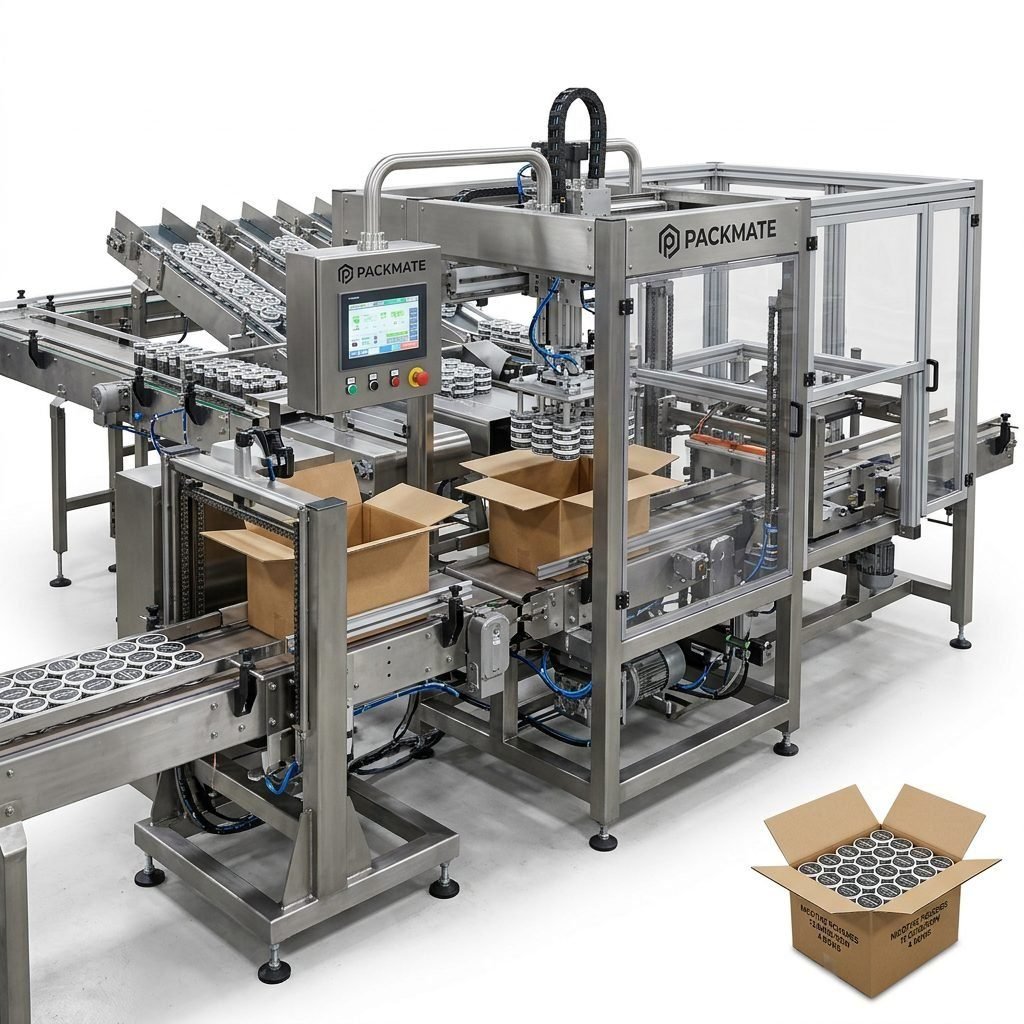
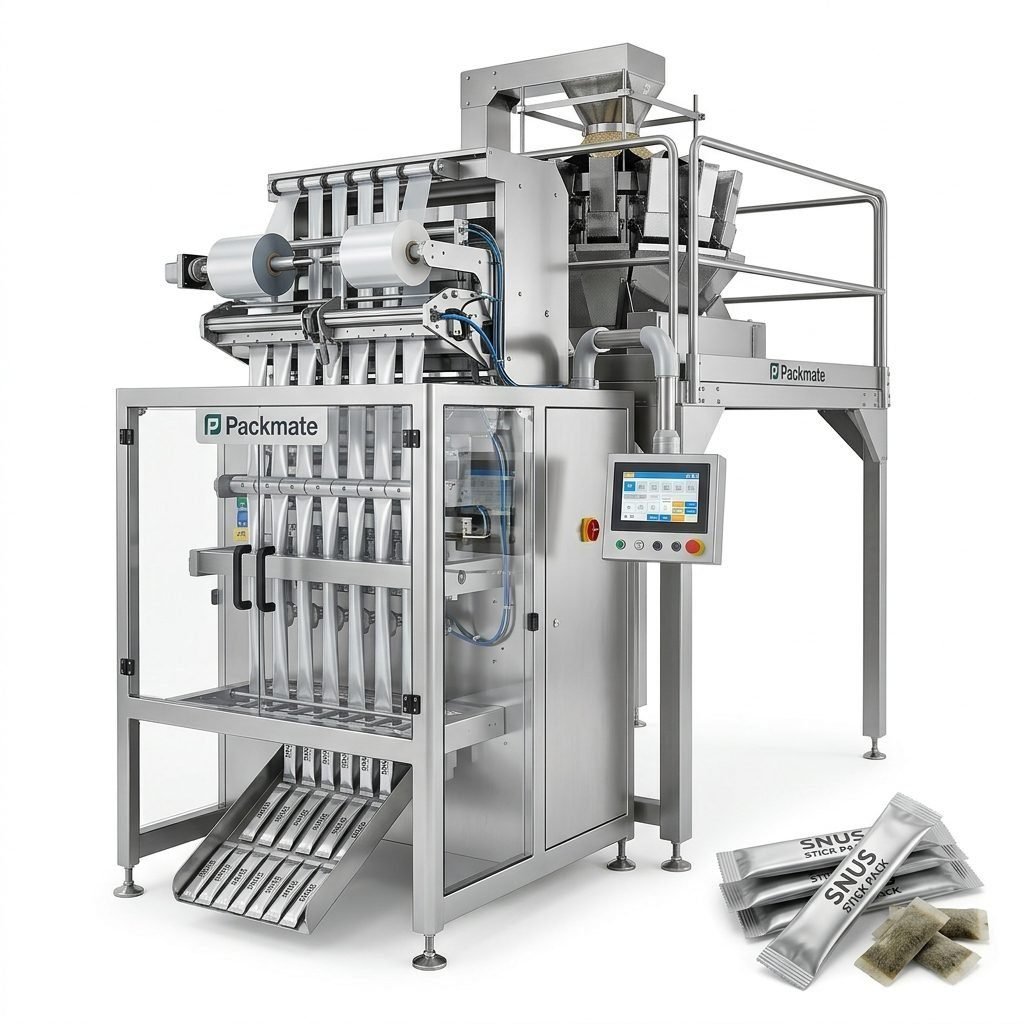
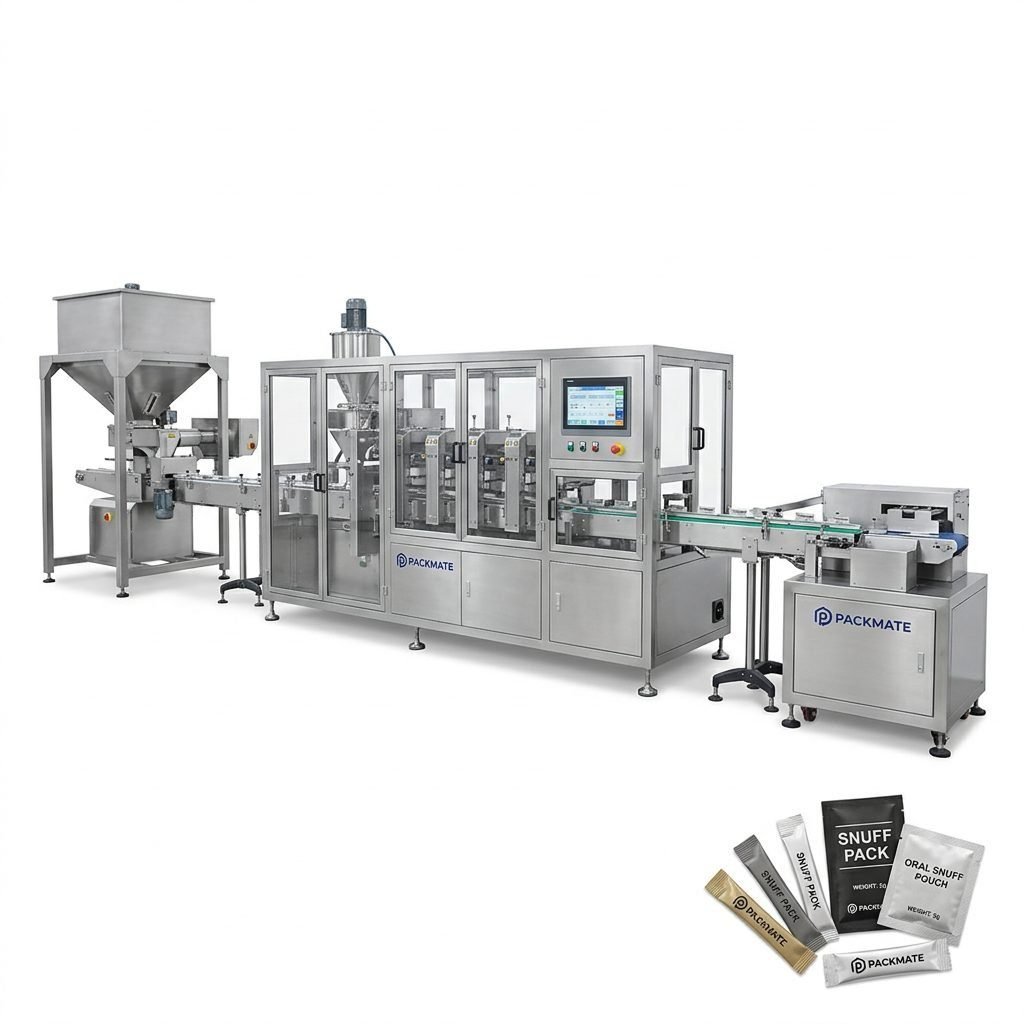
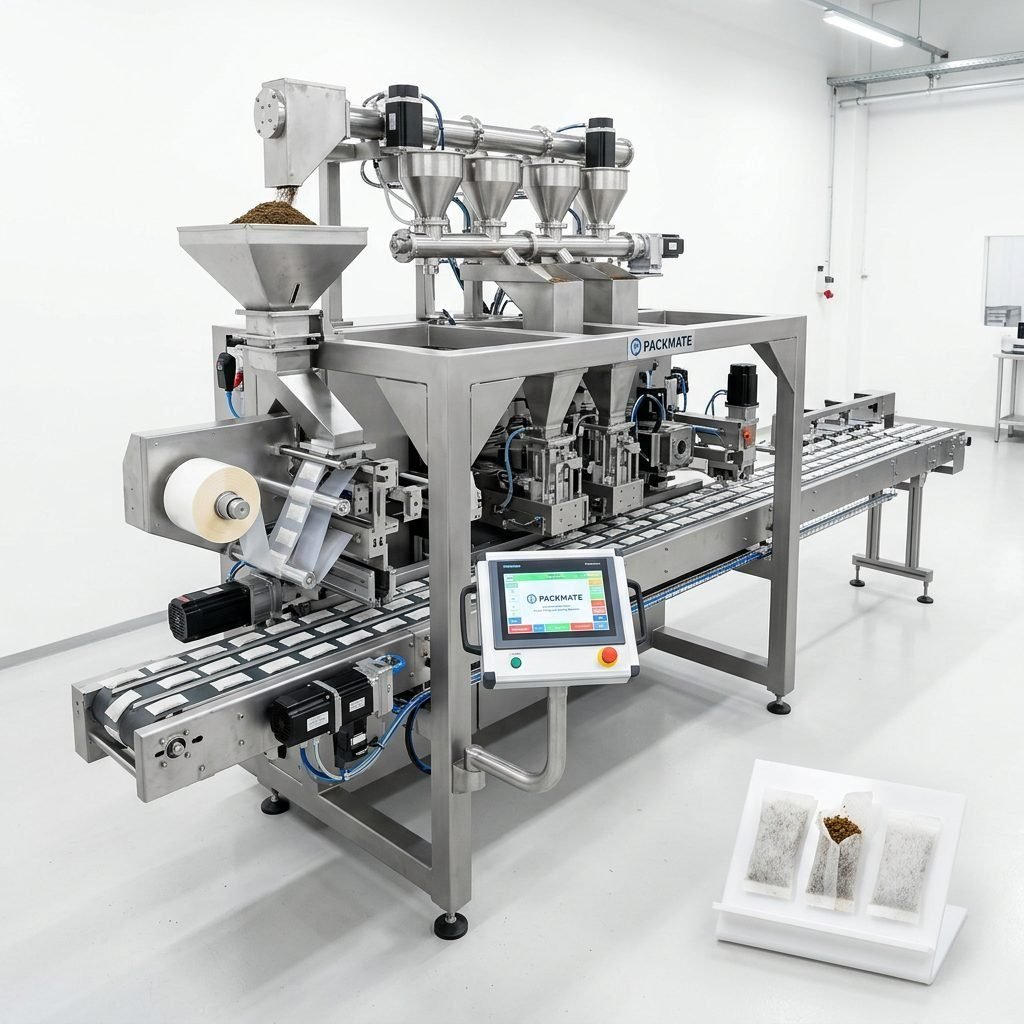
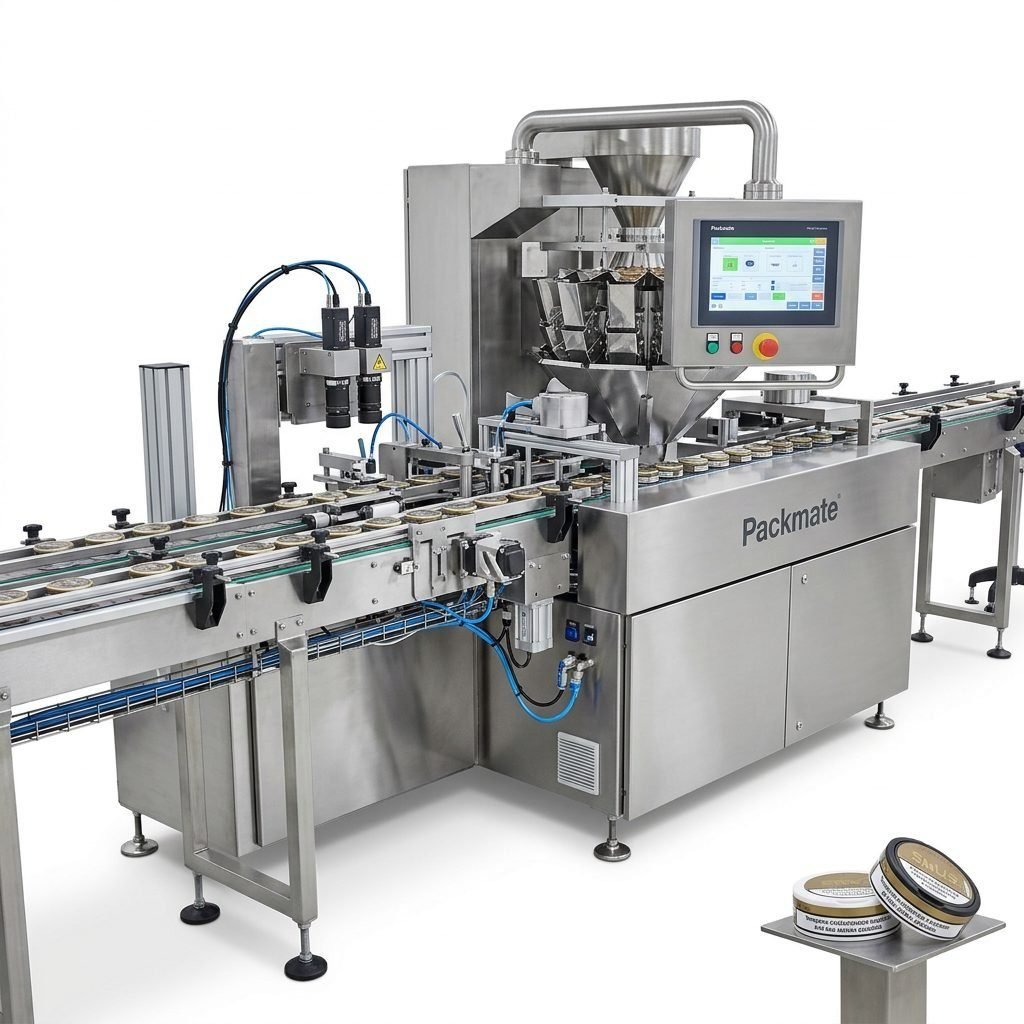
For companies looking to source high-performance snus and nicotine pouch packaging machines from China, choosing the right supplier is critical to ensure product quality, regulatory compliance, and reliable long-term support. This guide walks you through practical steps, technical checks, quality indicators, and cultural considerations specific to China so you can confidently select a supplier that fits your business goals.
Why China for Snus Packaging Machines?
China combines decades of manufacturing expertise, competitive pricing, and rapid customization capabilities. Suppliers such as Packmate Snus Machine have over 30 years of engineering experience and a large manufacturing footprint (20,000㎡), meaning faster prototyping and scalable production capacity. Choosing a Chinese supplier can give you access to:
✓ Higher customization speed — many factories provide turnkey solutions, from multi-lane systems to complete filling and packaging lines.
✓ Cost-effective engineering — skilled CNC and assembly operations help maintain competitive pricing without sacrificing durability.
✓ Export experience — international certifications (CE, ISO) and export-ready documentation simplify cross-border trade.
Local Business Customs to Keep in Mind
Doing business with Chinese manufacturers often involves building relationships (Guanxi), clear and respectful communication, and recognizing local negotiation styles. Expect detailed factory visits and multiple rounds of technical clarification. Chinese suppliers tend to be flexible on customization but will appreciate clear technical specifications and timely decisions.
Key Technical Criteria to Evaluate
When assessing snus packaging machines, verify the equipment against the specific needs of nicotine pouch manufacturing. Below are technical benchmarks to review:
- Production capacity: lanes per minute, output per hour, changeover time.
- Filling precision: +/- tolerances for powder or granules, especially for nicotine content control.
- Machine formats: compatibility with stick pack, sachet, multi-lane pouch, and small-dose pouches.
- Material handling: compatibility with coated films, foil-laminates, and paper-based pouches.
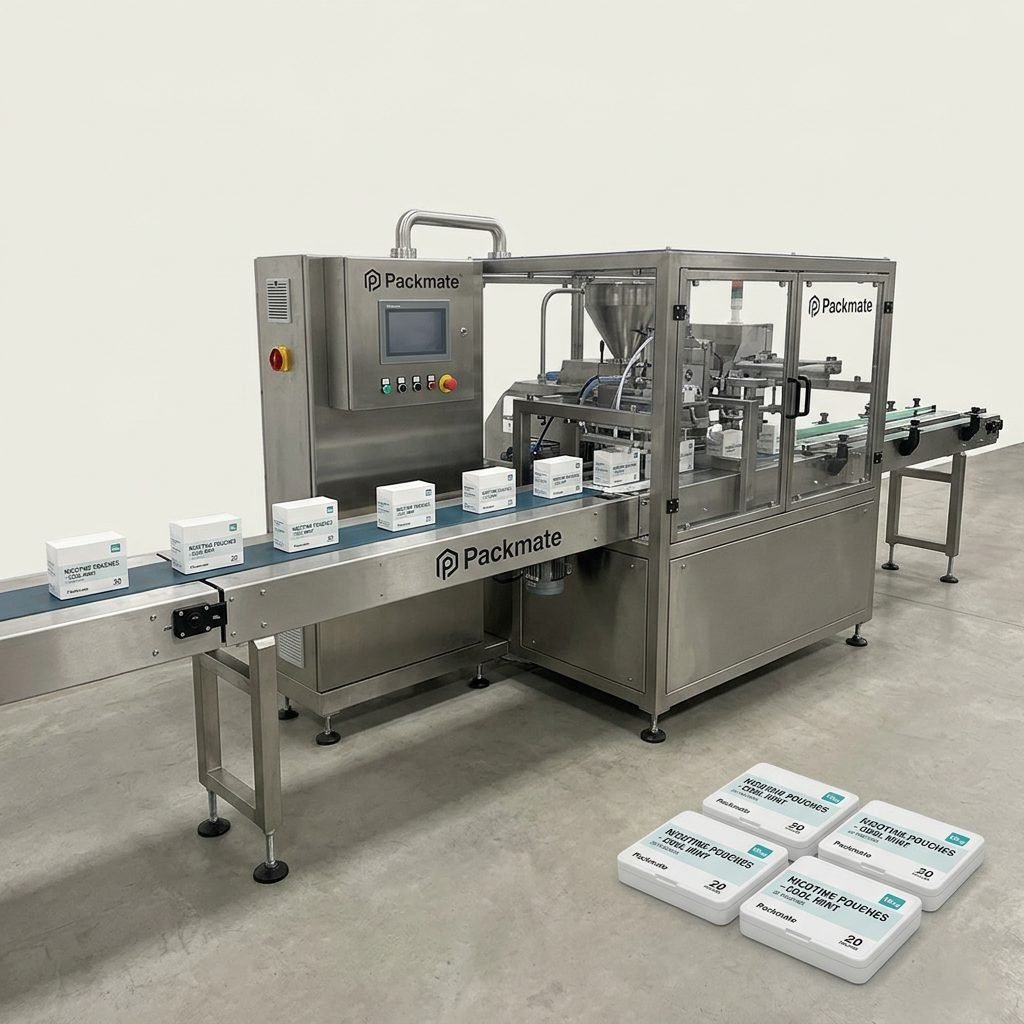
- Automation & integration: ability to work with upstream weighing systems and downstream cartoning/boxing lines.
📌 Pro tip: Ask for real production footage or an on-site test run. Observing a machine running your actual formulation (or a close analogue) is the fastest way to validate performance claims.
Essential Machine Types
Be sure the supplier offers the machine styles you require — many manufacturers provide a full portfolio including:
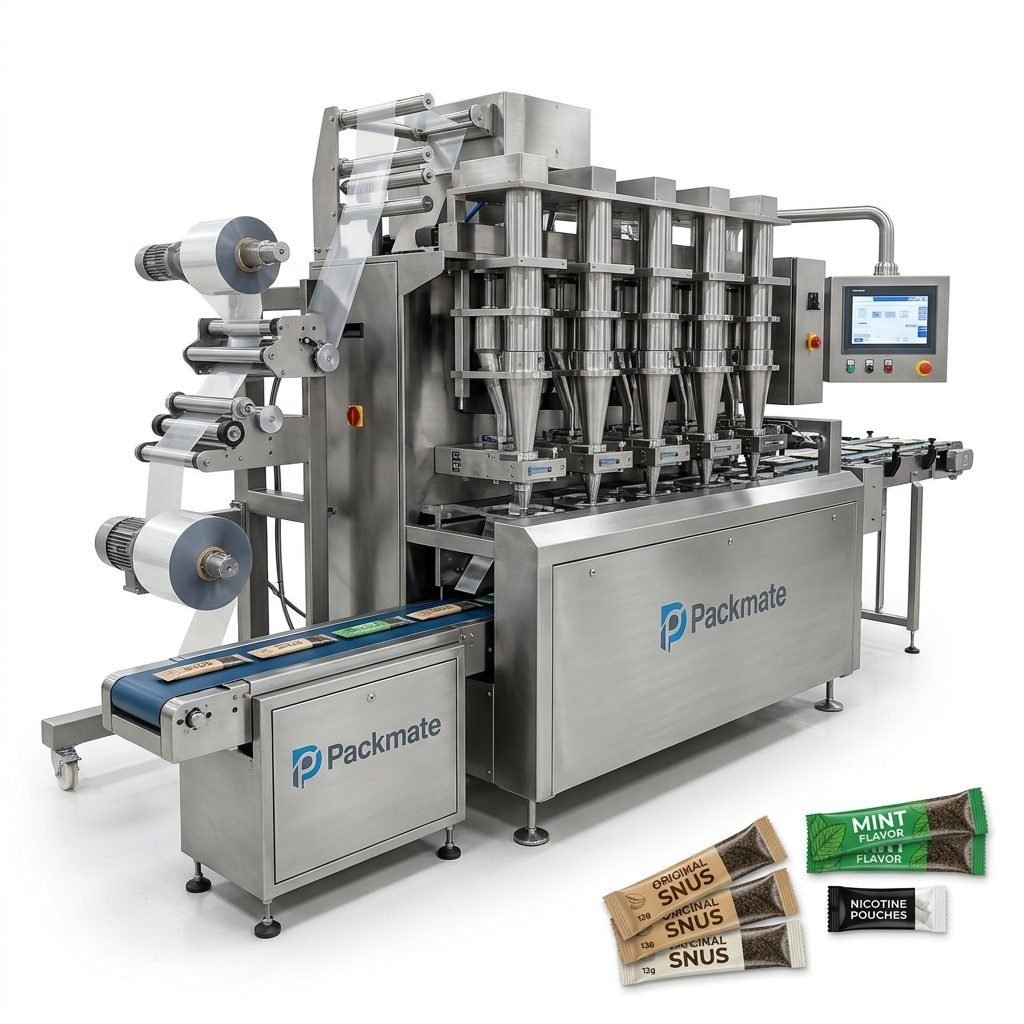
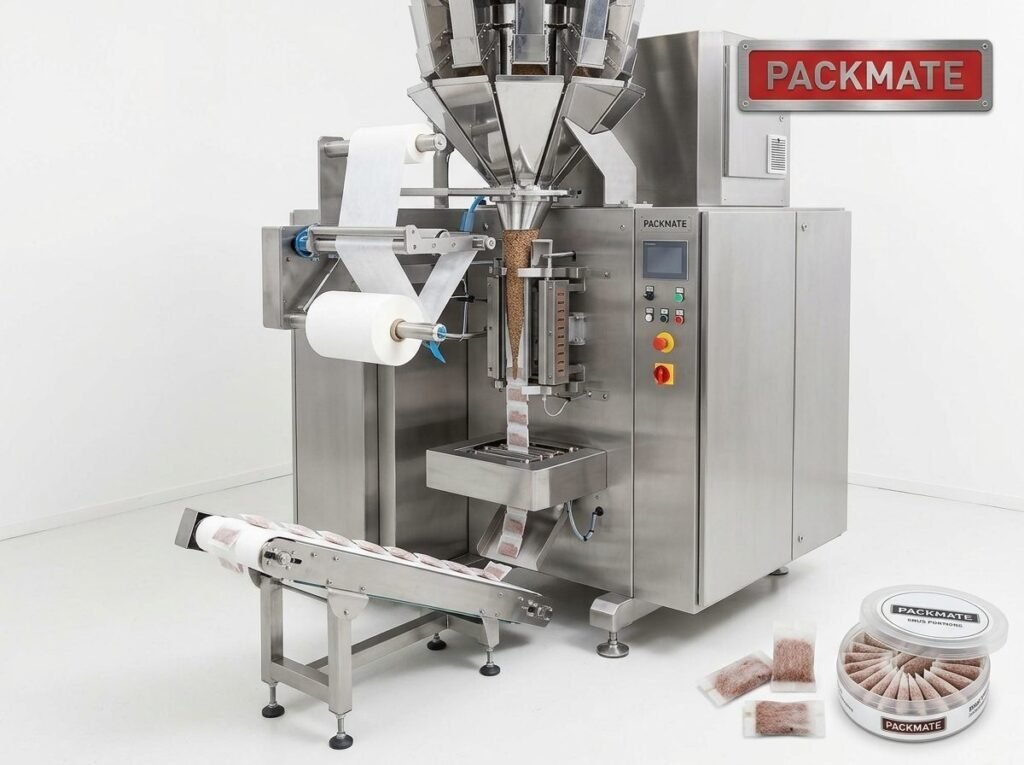
- Multi-lane snus / nicotine pouch machines for high throughput.
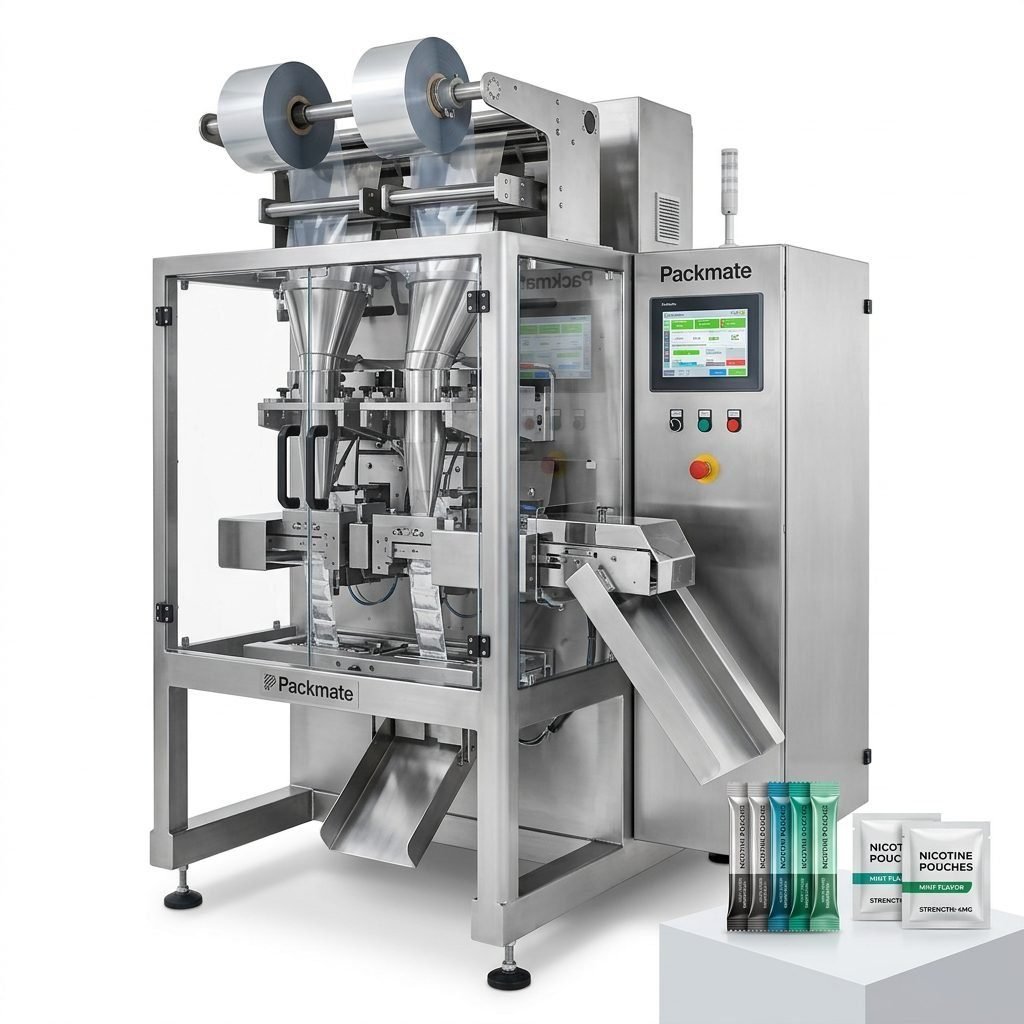
- Stick pack and sachet machines for single-dose formats.
- Weighing & feeding systems for precise micro-dosing.
- Filling & packaging lines that integrate weighing, forming, filling and sealing.
Quality Management and Certifications
Quality control and compliance are non-negotiable. Look for suppliers that can demonstrate robust QC processes and recognized certifications.
Important: Verify CE, ISO, and other relevant certificates. For nicotine-related products, confirm the supplier understands export documentation, material traceability, and any client-side regulatory testing needed for your target markets.
Factory & Manufacturing Strength
Inspect the factory’s machining and assembly capabilities. A supplier with advanced CNC centers, precision assembly lines, and structured QA is more likely to produce machines with long-term stability. Ask for:
- Workshop photos or virtual tours of CNC and assembly areas.
- Records of stress testing, run-time tests, and failure modes.
- Sample maintenance logs and spare-parts lists.
Factory Visits, Audits and Remote Validation
Visiting the supplier in China is highly recommended when possible. If travel is restricted, request a structured remote audit including a live video walk-through and demonstration.
🔍 Factory checklist: production capacity, lead-time transparency, inventory of critical components, skid & packaging procedures, and after-sales spare parts stock.
Customization, R&D and IP Considerations
If your product requires custom pouch shapes, dosing systems, or brand-specific integrations, choose a supplier with proven R&D and engineering experience. Suppliers with 30+ years in machine design are often able to deliver true turnkey solutions and adapt quickly.
Confirm intellectual property protections and non-disclosure agreements before sharing proprietary formulations or special packaging designs.
After-Sales Service and Spare Parts
Reliable after-sales support is essential. Evaluate the supplier’s spare parts logistics, technical support channels, and response times for overseas customers.
- Availability of critical components and recommended spares kit.
- Remote troubleshooting via video call or PLC remote connection.
- Training options: on-site commissioning, operator training, and maintenance manuals in English.
Service Guarantees to Seek
Ask for clear SLAs on response times, warranty coverage, and options for local service partners. Suppliers with global exhibition and case histories often have established support networks.
Pricing, Lead Time and Production Planning
Price is only one part of the equation. Consider total cost of ownership including installation, commissioning, spare parts, consumables, and expected lifespan. Negotiate transparent lead times and clearly defined milestones for design, FAT (Factory Acceptance Test), shipping, and commissioning.
⚠️ Note: Seasonal demand and trade calendar (Chinese New Year) can extend lead times. Build buffer time into your project schedule.
Regulatory Compliance for Snus & Nicotine Products
Regulations for nicotine pouches and snus vary by market. While sourcing machines from China, ensure your supplier understands labeling, packaging material restrictions, and any hygienic design required for tobacco-adjacent products.
It is also wise to confirm that the supplier can assist with documentation necessary for customs clearance and any third-party testing you may require in destination markets.
Commercial Terms, Warranties and Payment
Carefully review contractual terms including warranty period, penalty clauses for missed delivery dates, acceptance criteria at FAT, and intellectual property clauses. Standard payments often include deposit, balance at FAT, and final payment before shipping — but terms can be negotiated.
Checklist: Questions to Ask Potential Suppliers
Use this checklist during supplier reviews or RFQs:
- Can you provide machine specifications, PLC/HMI brands, and electrical schematics?
- Do you have CE/ISO certificates and past export cases?
- What is the standard warranty and spare parts lead time?
- Can we witness a FAT with our materials or a sample run?
- Do you offer turnkey solutions including weighing, filling and packaging integration?
- What is your recommended spare parts kit for 12 months of operation?
Practical Steps to Finalize a Chinese Supplier
- Shortlist 3–5 suppliers based on product fit and initial responsiveness.
- Request detailed quotes with breakdown of included items, optional extras, and lead times.
- Conduct remote or on-site factory audits and request FAT with your materials.
- Negotiate contract terms, warranties, payment schedules and spare parts commitments.
- Plan logistics and commissioning, including import documentation and local installation support.
Why Packmate Could Be a Strong Candidate
Packmate Snus Machine is a specialist snus packing machine manufacturer with extensive experience in multi-lane systems and turnkey solutions. Their portfolio covers Snus & Nicotine Packaging Machines, Sachet & Stick Pack Machines, and full Filling & Packaging Lines. With a large manufacturing facility and CE/ISO compliance, they also share case studies and exhibitor presence for additional validation (Case).
📌 Quick link: Learn more about the company and request support via their About or Contact pages — About Packmate | Contact Us.
Negotiation & Relationship Tips for Working with Chinese Suppliers
Be transparent about your timelines, quality expectations, and long-term plans. Respectful negotiation and timely decisions often result in better customization and priority in production scheduling. A long-term partnership approach typically yields benefits like improved spare parts availability and faster response times.
Communications Best Practices
Use clear technical documents (drawings, dielines, weight specs), set milestone-based payments, and maintain a single point of contact for each side. Consider scheduling weekly video calls during the design and commissioning phases to avoid misunderstandings.
Final Decision Framework
When choosing, weigh these elements: machine fit to product, proven manufacturing strength, QA & certifications, transparent commercial terms, local cultural fit in communication, and dependable after-sales service. A supplier that scores consistently across these categories is usually the best choice for long-term success.
Final Checklist Before Signing
• Confirm FAT acceptance criteria in writing.
• Lock down spare parts list and first-year consumables.
• Agree on installation schedule and training scope.
• Ensure export documentation and customs assistance are included if required.
Summary & Next Steps
Selecting the best snus packaging machine supplier in China requires careful vetting of technical capabilities, factory strength, certifications, and after-sales service. Prioritize suppliers that demonstrate transparency, provide real production evidence, and have experience exporting similar systems. Where possible, perform a factory visit or remote FAT and secure clear contractual protections for warranty, delivery, and spare parts.
Useful Resources
For more detailed machine information, product pages and case studies referenced throughout this guide can be found on supplier sites such as Packmate: Snus & Nicotine Packaging Machines, Filling & Packaging Lines, and Case pages linked above.
Frequently Asked Questions
Q1: How do I verify machine performance before purchase?
A1: Request a Factory Acceptance Test (FAT) with your materials or a close analogue. Ask for detailed video demonstrations, production footage, and run-rate reports.
Q2: What certifications should I ask for?
A2: At minimum, request CE and ISO certificates. For tobacco-related machinery, ensure the supplier understands export documentation, hygienic design needs, and provides traceable QA records.
Q3: How long is the typical lead time?
A3: Lead times vary by complexity and season. Standard machines may take weeks to months; highly customized turnkey lines can require several months plus freight and commissioning time. Factor in holiday seasons like Chinese New Year.
Q4: What after-sales support should I expect?
A4: Expect spare parts availability, remote troubleshooting, and optional on-site commissioning. Confirm SLA response times and the availability of English manuals and training.
Q5: How do I handle IP and custom designs?
A5: Sign an NDA before sharing proprietary formulations or patented designs. Clearly document ownership and production rights in the contract.