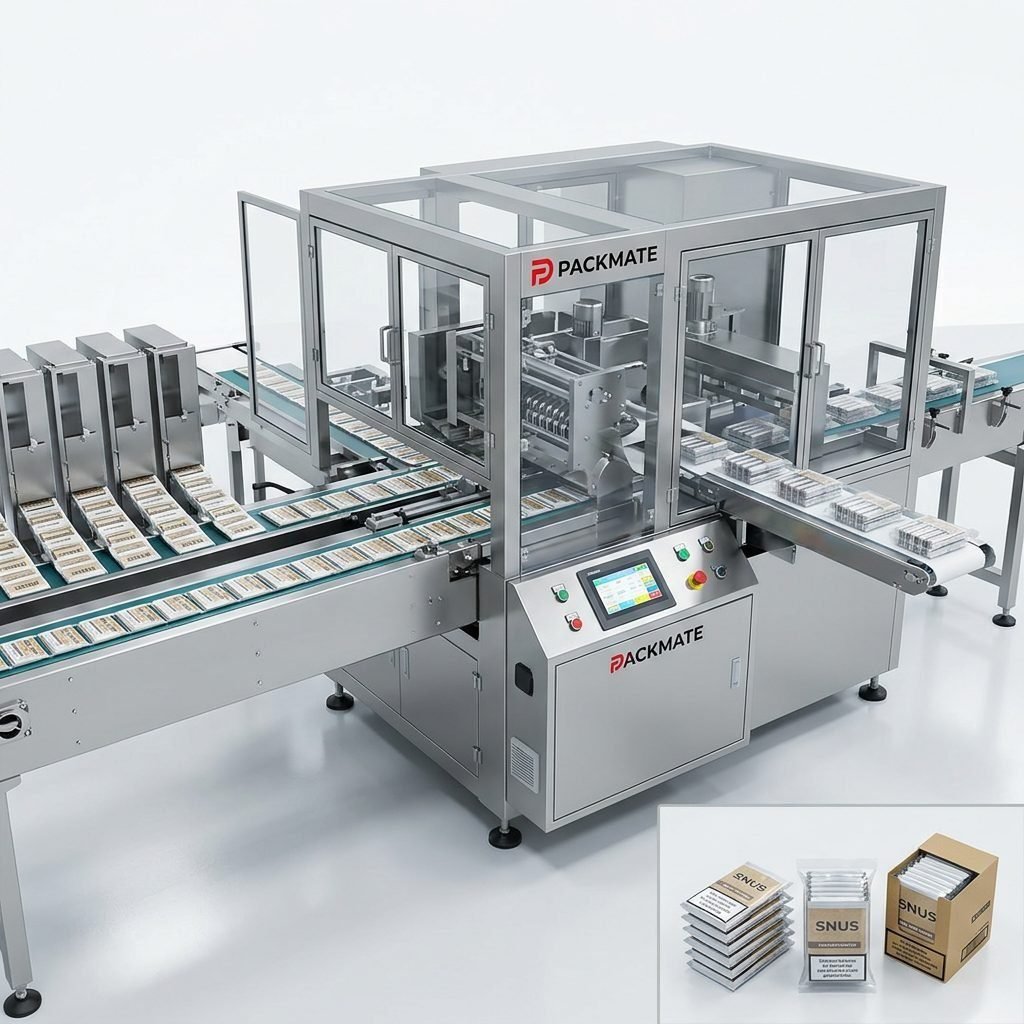
Entering or expanding in Nigeria’s nicotine pouch and snus market requires not just great product design but also the right packaging machinery partner. Selecting a reliable supplier affects production uptime, product consistency, regulatory compliance, and total cost of ownership. This guide walks Nigerian buyers and importers through the key factors to consider when choosing a nicotine packaging machinery supplier, with practical tips, local context, and a checklist you can use during supplier evaluation.
Why the right supplier matters in Nigeria
Nigeria’s market dynamics—large population centers, price sensitivity, fragmented distribution channels, and evolving regulation—mean a machine delivered late or without proper support can cause major setbacks. A good supplier helps you:
➤ Reduce production downtime with robust machines and local service support.
➤ Achieve consistent pouch quality and correct dosing to comply with local and export standards.
➤ Lower long-term costs through efficient designs, spare part availability, and training programs.
Understand local market and consumer habits
Nigeria’s nicotine product consumers are diverse: from urban youth in Lagos and Abuja seeking discreet pouch formats to smaller towns favoring inexpensive sachets. A supplier who understands product formats and packaging preferences helps you pick machinery that matches local demand.
⚠️ Price sensitivity: machines that are over-specified can raise costs unnecessarily—balance capability with realistic local volumes.
✔️ Consider flexible systems that can switch between pouches, sachets, and stick packs to serve multiple channels.
Technical capabilities & machine types to evaluate
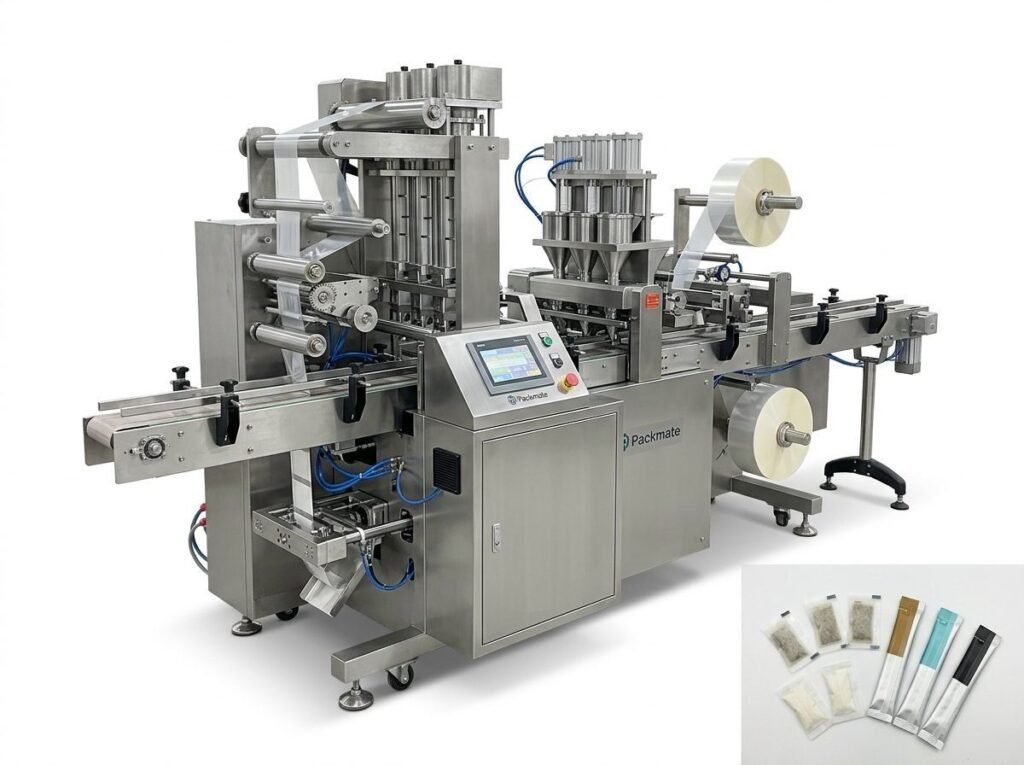
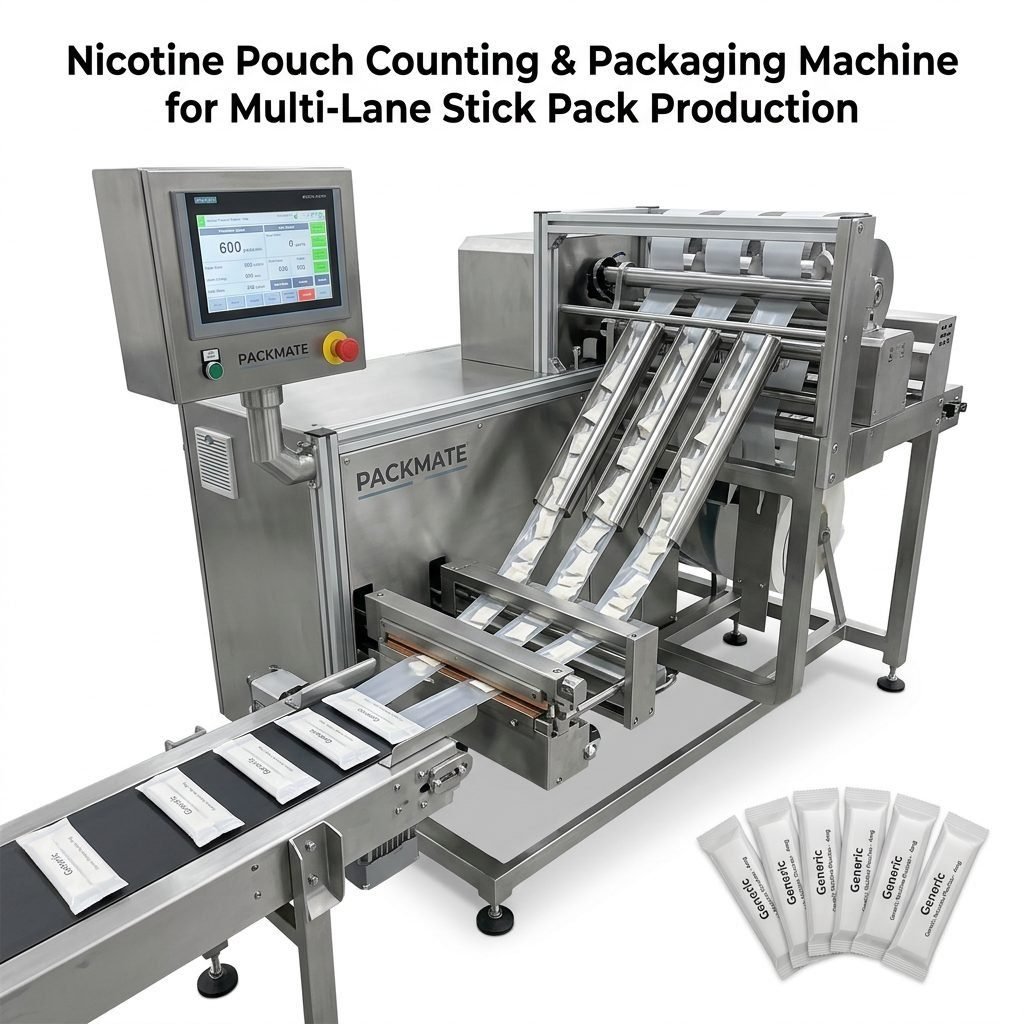
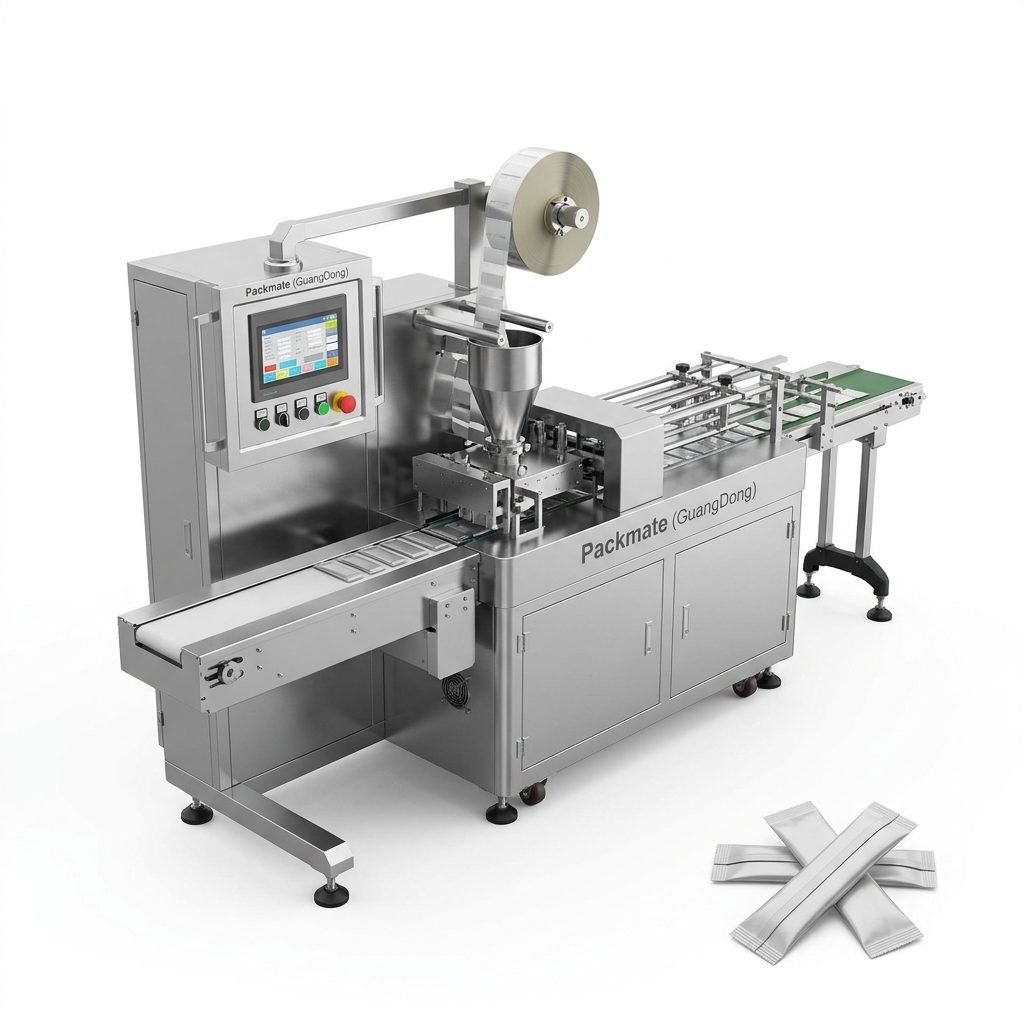
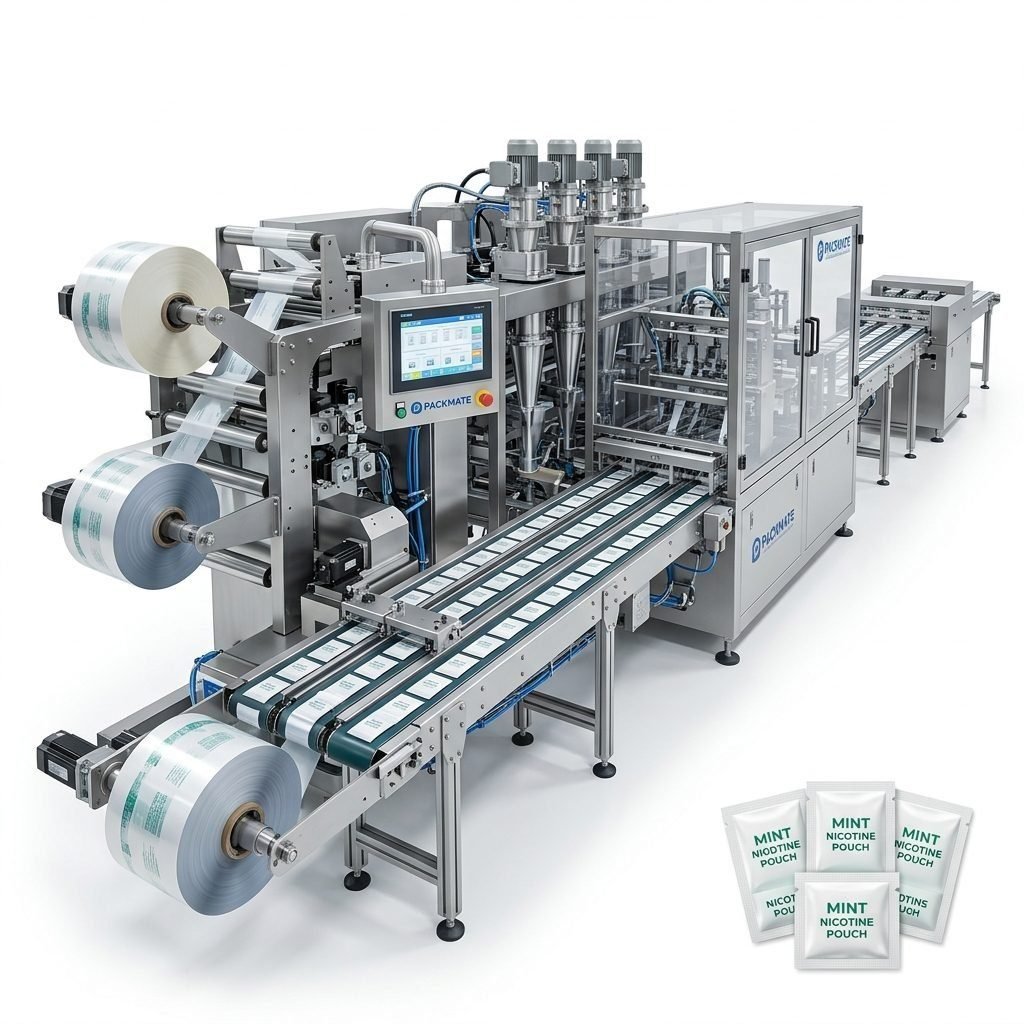
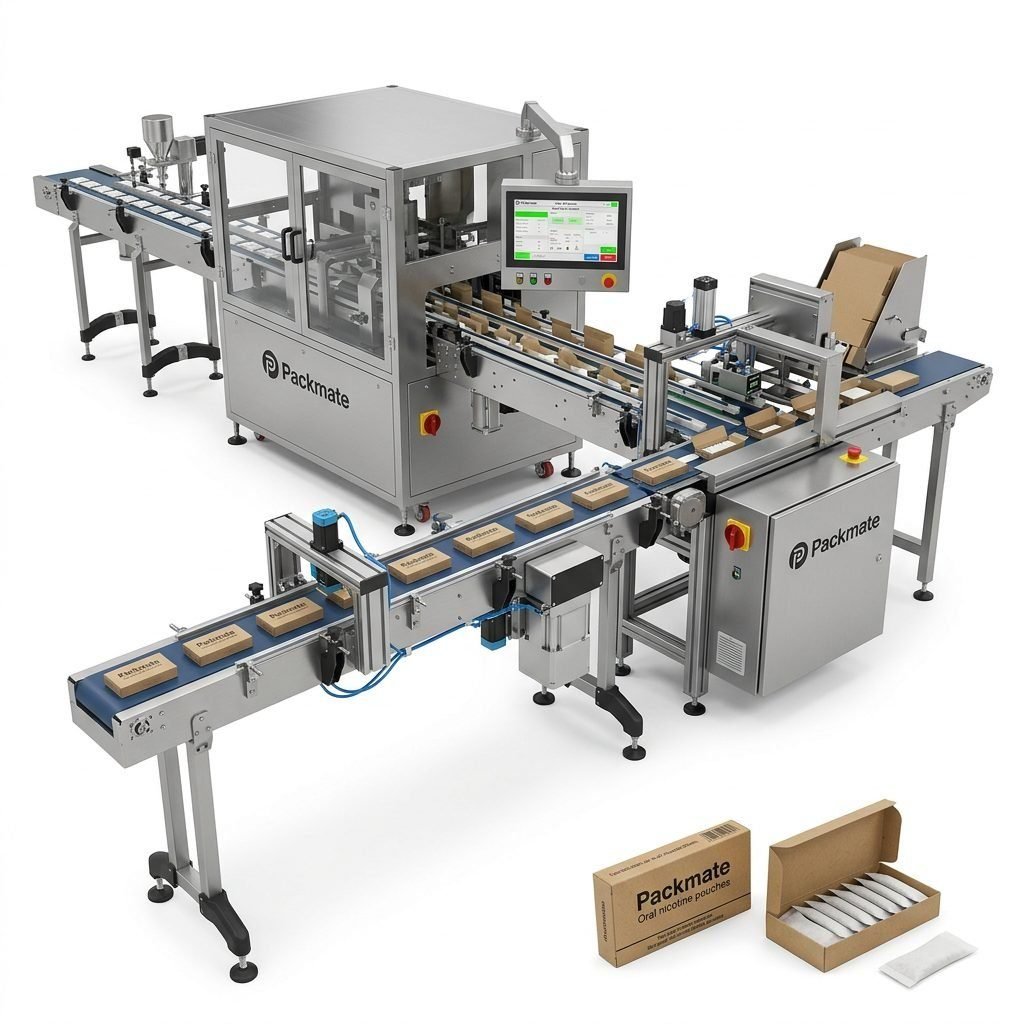
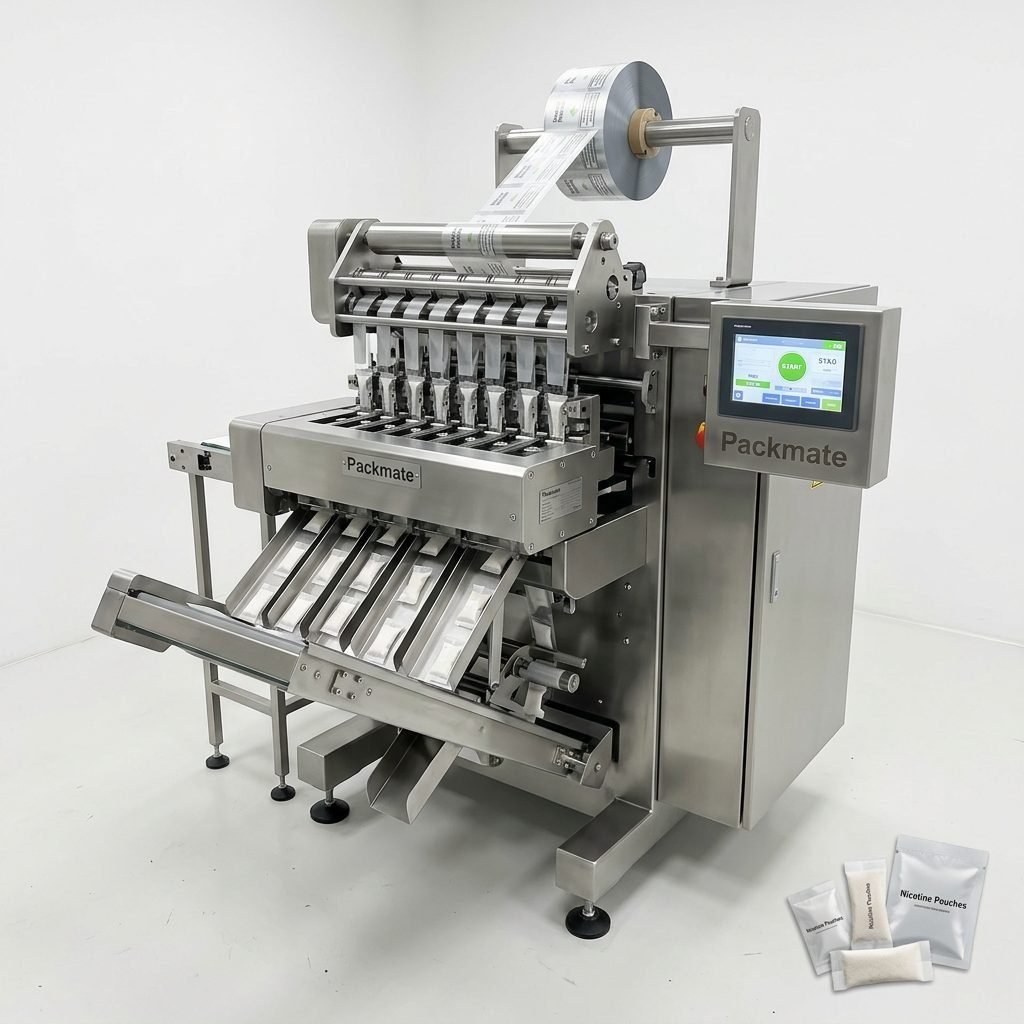
Match machine types to product format and target volume. Typical machine categories include multi-lane snus/nicotine pouch lines, stick pack machines, sachet systems, and complete filling & packaging lines. Review sample links for specification guidance:
Snus & Nicotine Packaging Machines — ideal for multi-lane small-dose pouch production.
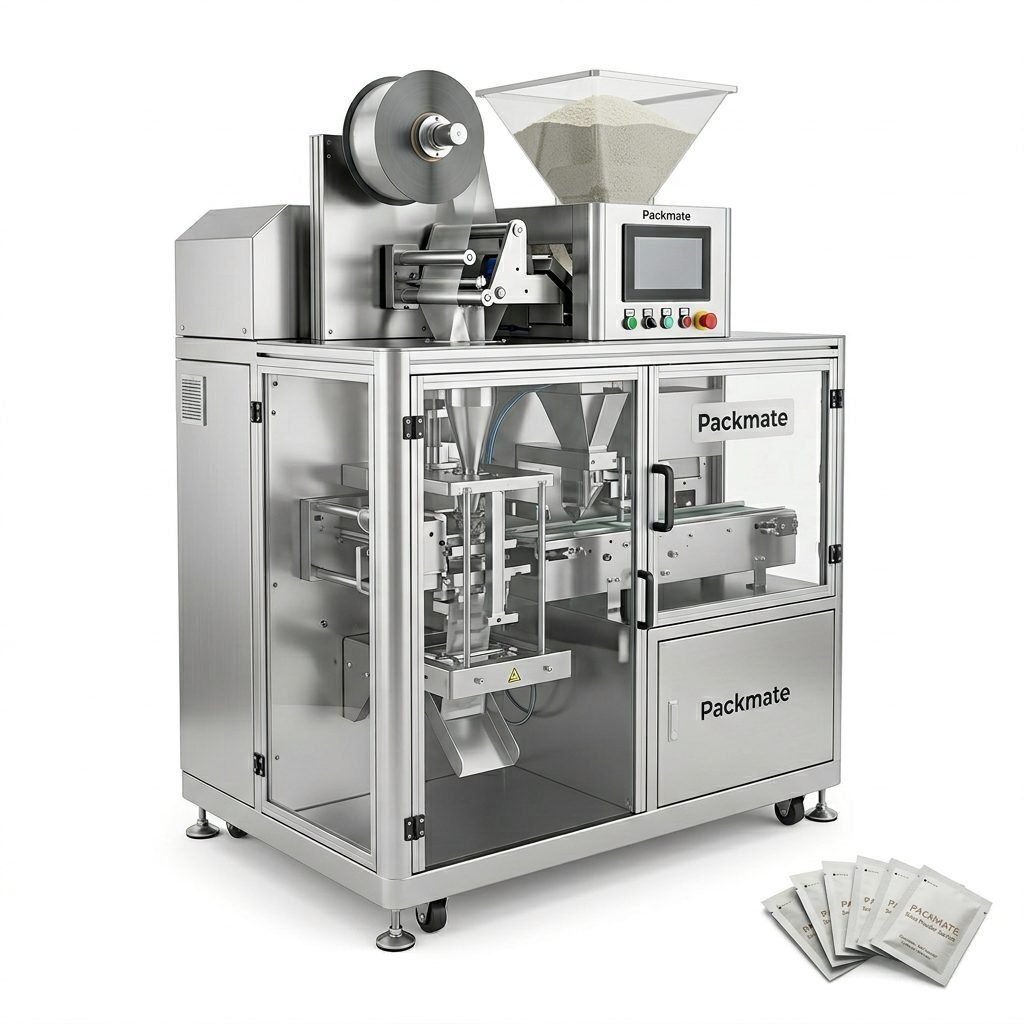
Sachet & Stick Pack Machines — useful when you need low-cost sachets or single-serve stick packs.
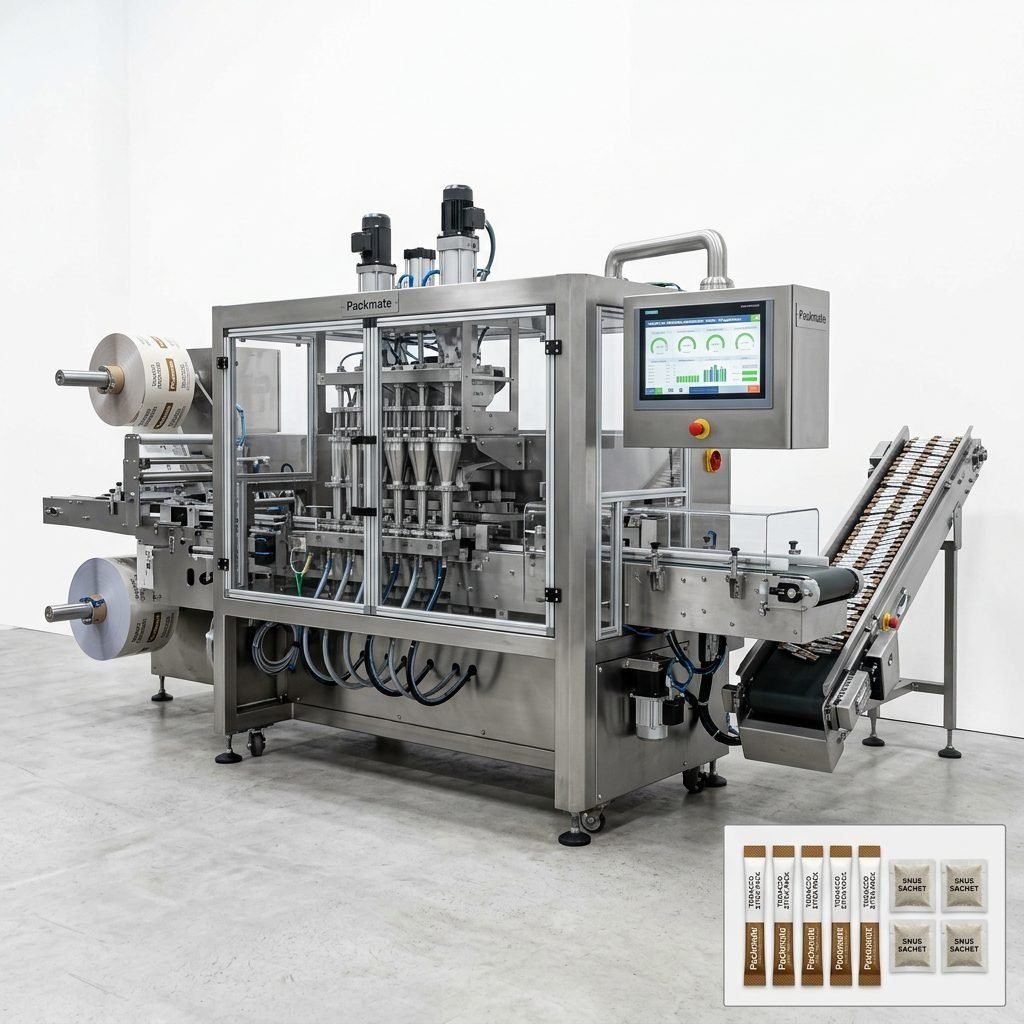
Filling & Packaging Lines — turnkey options that include scales, fillers, and end-of-line packaging for full production capability.
Quality, certifications & factory capability
Certifications like CE and ISO indicate that a supplier follows international quality and safety standards. Beyond certificates, verify manufacturing strength: machine models, CNC capability, assembly lines, and factory area. A supplier with a sizable facility and a wide model range can usually offer customization and faster lead times.
✔️ Ask for documented CE / ISO certificates and production capacity statements.
✔️ Request photos or virtual tours of the factory, assembly lines, and CNC centers.
Certificate information and factory facts give you confidence in build quality.
Customization, turnkey solutions & local fit
Many Nigerian manufacturers need machines tailored for specific pouch sizes, barrier films, or multi-lane outputs. A supplier offering turnkey lines and customization avoids misaligned equipment. Confirm their ability to:
➤ Modify format changeover fixtures and tooling for local pouch sizes.
➤ Supply full lines including fillers, weighing systems, and end-of-line packaging.
Weighing & Packaging Systems listings show integrated solutions you may need for scale-up.
After-sales support, spare parts & training
Reliable spare parts supply and local technical training are crucial in Nigeria where logistics can delay replacements. Confirm the supplier provides:
✔️ A spare parts list with lead times and pricing.
✔️ On-site training, remote troubleshooting, and optional commissioning support.
Check the supplier’s Service offerings and standard warranties before committing.
Evaluate production capacity & scalability
Ask for real-world production data: run rates (pouches/minute), uptime statistics, and sample outputs for your planned formats. Ensure the machine can scale with your business—modular systems or multi-lane machines are often the best fit for rapidly growing demand.
Price vs Total Cost of Ownership (TCO)
The lowest purchase price rarely equals the best long-term value. Calculate TCO including spare parts, consumables, maintenance, energy consumption, and operator training. Machines built with quality components and precise engineering often save money over the lifetime through fewer breakdowns and consistent output.
Quick supplier checklist
✔️ Valid CE/ISO certificates and factory photos.
✔️ Clear spare parts catalogue and local support plan.
✔️ Demonstrated experience with snus/nicotine pouch lines and turnkey projects.
✔️ Transparent TCO and references from similar markets.
Negotiation and contract tips for Nigerian buyers
When negotiating, clarify payment terms, delivery timeline, warranty coverage, and what constitutes a successful factory acceptance test (FAT). Consider phased payments tied to milestones: design approval, manufacturing start, FAT, and shipping. Include clear clauses for spare parts lead times and a commitment on remote/onsite commissioning.
Regulatory, import & installation considerations in Nigeria
Importing packaging machinery into Nigeria involves customs procedures, duties, and sometimes local approvals depending on the product. Work with an experienced freight forwarder and ensure the supplier supports documentation: commercial invoices, packing lists, CE certificates, and machine manuals. Plan for local electricians, technical staff training, and site preparation (power supply, compressed air, floor loading).
Why a proven supplier matters: a practical example
Suppliers with decades of engineering experience and a broad model lineup are better positioned to offer stable machines, faster lead times, and customization. For instance, a manufacturer with a large production base, advanced CNC machining, and a portfolio of snus packing machines can provide multi-lane systems and turnkey lines that meet growing Nigerian demand. Explore supplier histories and case studies to confirm capacity.
Learn more about company profiles and past projects to validate ability: About Packmate and Case resources often include customer examples and global installations.
Practical steps to finalize supplier selection
1) Compile a shortlist of 3–5 suppliers with relevant nicotine packaging experience.
2) Request technical sheets, FAT procedures, and client references.
3) Ask for a sample FAT via video and documented test runs with your target packaging materials.
4) Compare TCOs and schedule a short pilot run if possible.
5) Finalize contract with clear KPIs and a service plan.
Local partnership & ongoing collaboration
Establish a long-term relationship with a supplier willing to invest in local training, spare part stocking, and periodic performance reviews. This collaborative approach reduces risk and improves manufacturing efficiency over time.
When ready to contact suppliers or request quotations, use the Contact Us channels to ensure prompt communication and documented follow-up.
Final recommendations
In Nigeria, prioritize suppliers that combine proven engineering, clear certifications, robust after-sales support, and an ability to tailor solutions to local consumption patterns. A balanced decision—considering both technical fit and service capability—reduces risk and accelerates your path to profitable production.
Frequently Asked Questions (FAQs)
Q1: How long does delivery and installation usually take for a snus packaging line?
A1: Typical lead times vary by machine complexity—simple single-lane machines may ship within 8–12 weeks; multi-lane turnkey lines often require 12–20 weeks including FAT. Allow additional time for shipping, customs clearance, and onsite commissioning in Nigeria.
Q2: What certifications should I insist on?
A2: CE and ISO are common indicators of production and safety standards. Request copies of certificates and verify they correspond to the specific machine model you plan to buy.
Q3: Is local spare parts stock necessary?
A3: Yes—maintaining a local or regional stock of critical wear parts (belts, seals, sensors) dramatically reduces downtime in Nigeria. Confirm spare parts lists and shipping lead times before purchase.
Q4: Can suppliers provide training for my operators?
A4: Reputable suppliers offer on-site commissioning and training as part of their service packages. Remote training and detailed manuals are also common; ensure these are included in the contract.
Q5: How do I validate a supplier’s claims?
A5: Ask for client references, FAT videos, and documented production figures. Visiting the factory or arranging a virtual tour helps confirm manufacturing capability and quality systems.